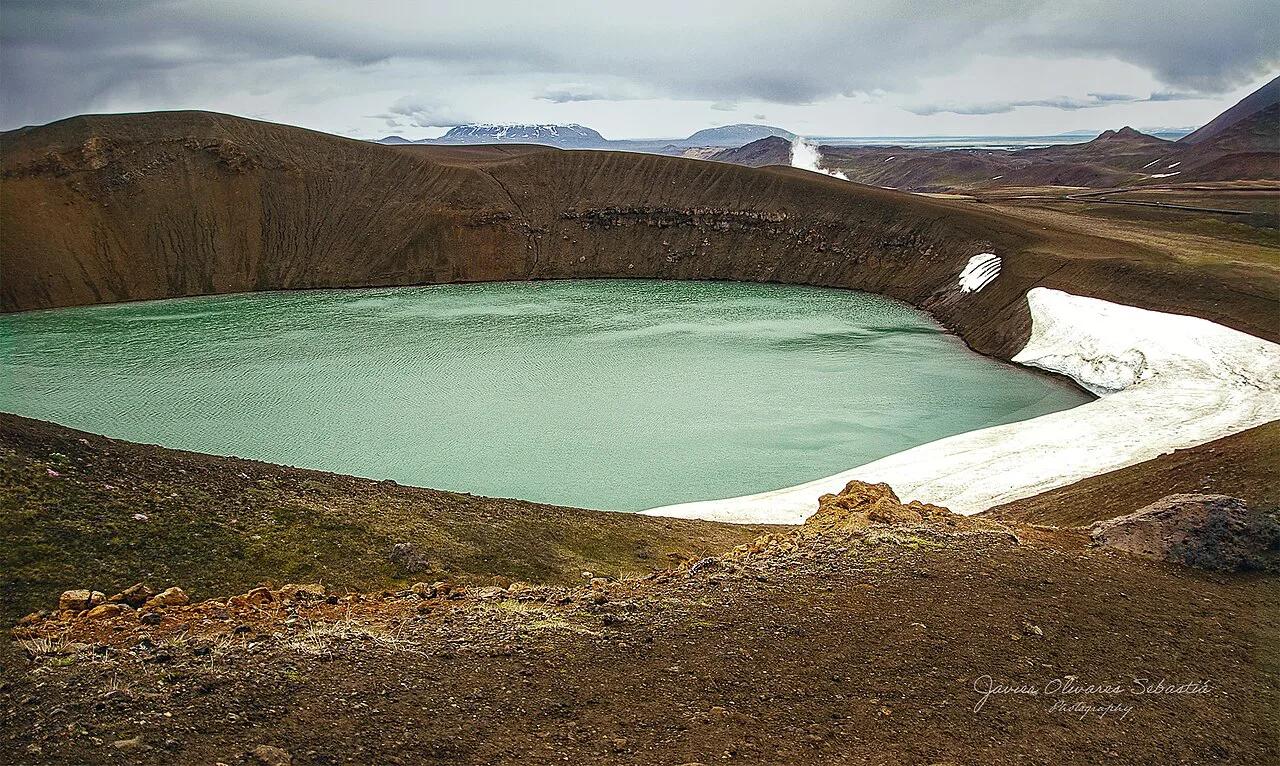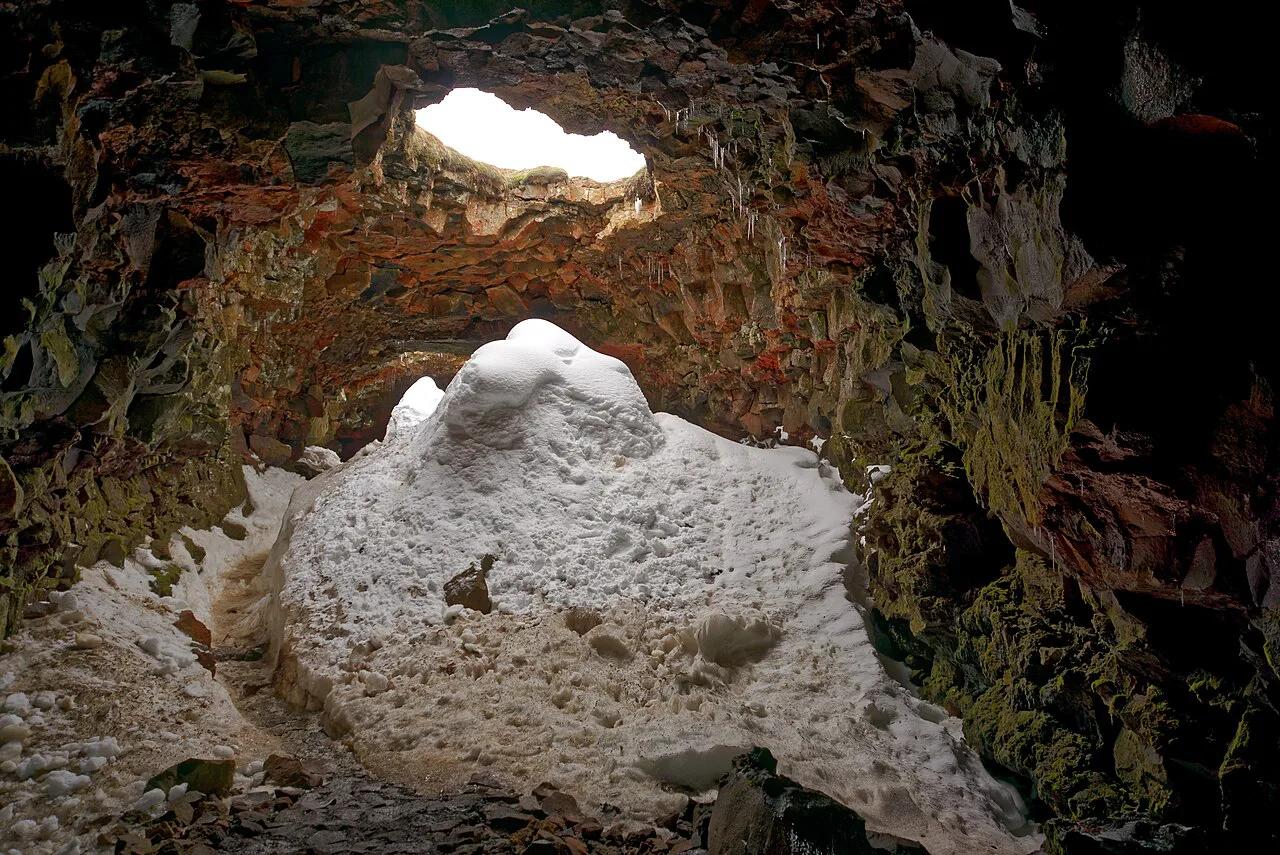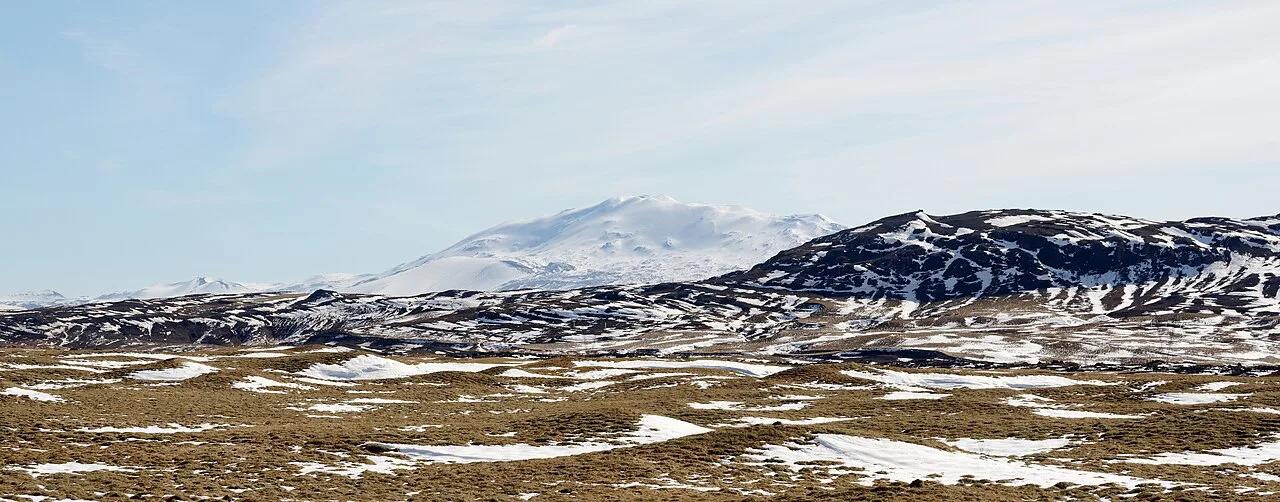
Last updated November 2026: volcanoes in Iceland sit on the Mid-Atlantic Ridge, where the North American and Eurasian plates pull apart. You can walk up some, descend into one, and only watch or tour the rest. Our guide sorts ten well-known systems by how you can reach them, from day trips out of Reykjavík to remote highland routes.
Featured image: Jakub Hałun, CC BY-SA 4.0, via Wikimedia Commons.
Why Iceland Has So Many Volcanoes and How Counts Differ
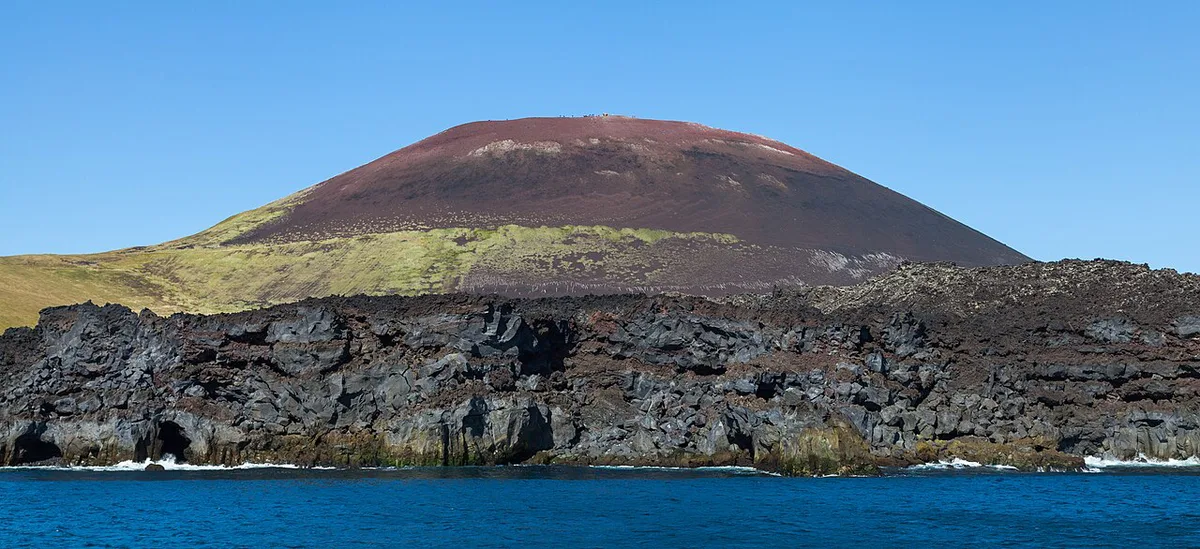
Iceland combines the Mid-Atlantic Ridge with a hotspot, so magma reaches the surface in many places. Our explainer on why Iceland has so many volcanoes covers the geology in more depth. Counts differ between sources because some tally volcanic systems, others individual volcanoes, and others named peaks. Sources vary, so treat any single total with care. Use the list of active volcanoes for working definitions. For scale, see which volcano is biggest. Plot your route on the volcano map before choosing stops.
10 Volcanoes in Iceland Worth Knowing, Sorted by How You Can Visit
Prices and hours checked November 2026. No fees are quoted below, so use each official page for current costs. Eldfell erupted in 1973 and stands just over 200 m (660 ft) high, a modest climb next to highland peaks. Items run from easy roadside stops to tour-only sites.
1. Eldfell, Heimaey (Westman Islands)
Eldfell is a volcanic cone just over 200 m (660 ft) high on Heimaey, in the Westman Islands. It erupted in 1973, and you can hike Eldfell to see the cone up close. The Eldheimar museum tells the story of that eruption, which makes a good wet-weather pairing.
Offshore lies Surtsey, which is not open to the public. Research there is described by the Surtsey Research Society. Plan ferry or flight logistics early, and skip the islands if you only have a few hours.
2. Hengill
Hengill is a volcanic table mountain in the southwest, within day-trip range of Reykjavík. Our Hengill guide covers routes and the geothermal ground around the mountain. It suits hikers with a rental car or a tour who want real volcanic terrain without a long journey.
Expect fast-changing weather, so pack waterproof layers and start early. There is no entry experience, so the cost is transport and time. Skip it if you want a roadside viewing stop, or if you travel with very young children or limited mobility.
3. Krýsuvík and Gunnuhver
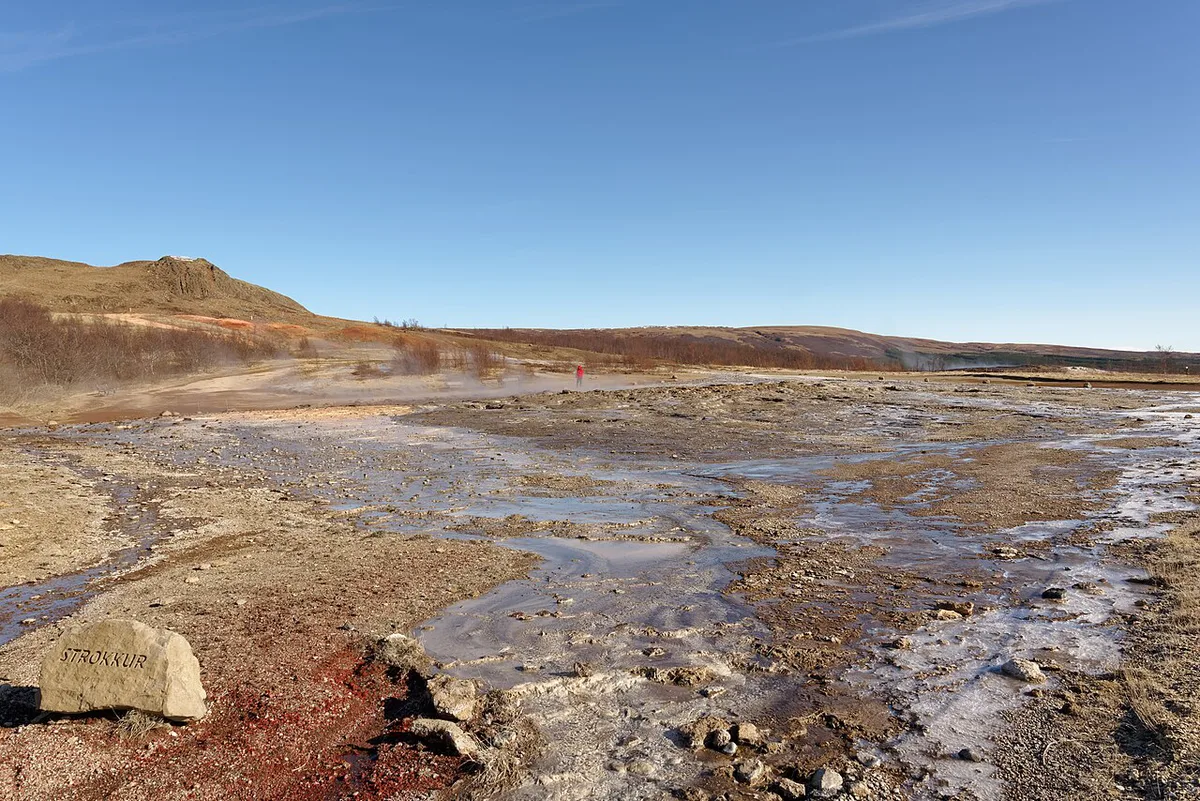
Krýsuvík is a volcanic system in southwest Iceland with geothermal ground you can visit on a day trip. Our Krýsuvík guide describes what to look for on arrival. Gunnuhver is a second geothermal stop on the Reykjanes peninsula, and the two can be combined on one loop.
Both suit travelers who want steaming ground and open volcanic landscape without a hike. Stay on marked paths, since geothermal ground can scald. Skip them in poor visibility, or whenever a Reykjanes closure is in force.
4. Fagradalsfjall and the Reykjanes eruption zone
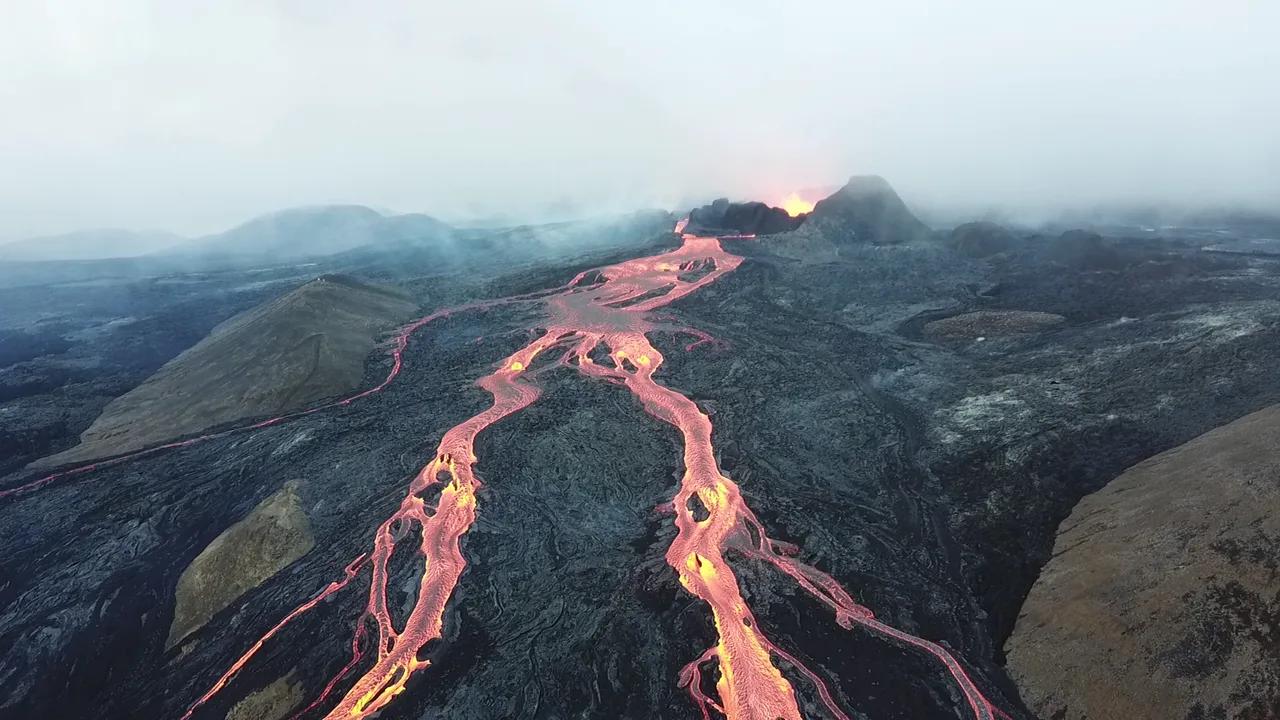
Fagradalsfjall is an active volcano on the Reykjanes peninsula, known for repeated eruptions in recent years. Svartsengi and the Grindavík area have also seen eruptions and access restrictions. Access can change quickly, so no dates are given here.
Check the Icelandic Met Office and Civil Protection notices before driving out. Best for travelers who want a fresh-lava landscape and can stay flexible. Skip it if your trip is fixed to a single day, since a closure can remove the stop.
5. Saxhóll, Grábrók and Eldborg craters
These three are crater walks rather than expeditions, and each has its own guide. Read the Saxhóll crater guide for the climb itself. A second option is covered in the Grábrók crater guide. For a third, see Eldborg Crater, Iceland: Walk, Access & Which Eldborg to Visit.
Wear sturdy shoes, expect wind on exposed rims, and keep children close. Each stop has no entry experience, so the cost is mainly your own transport. Skip them if you have limited mobility, since crater paths are uneven.
6. Hekla, Katla and Eyjafjallajökull
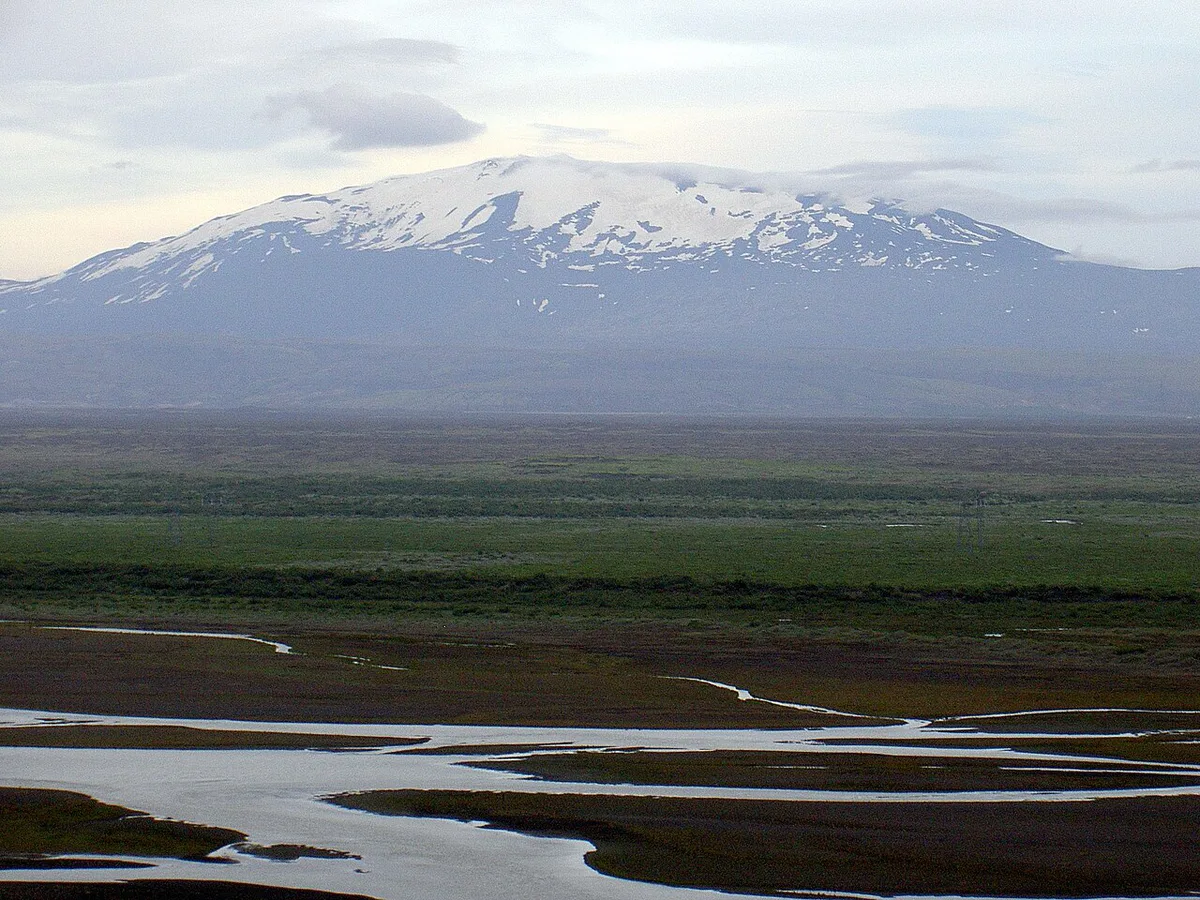
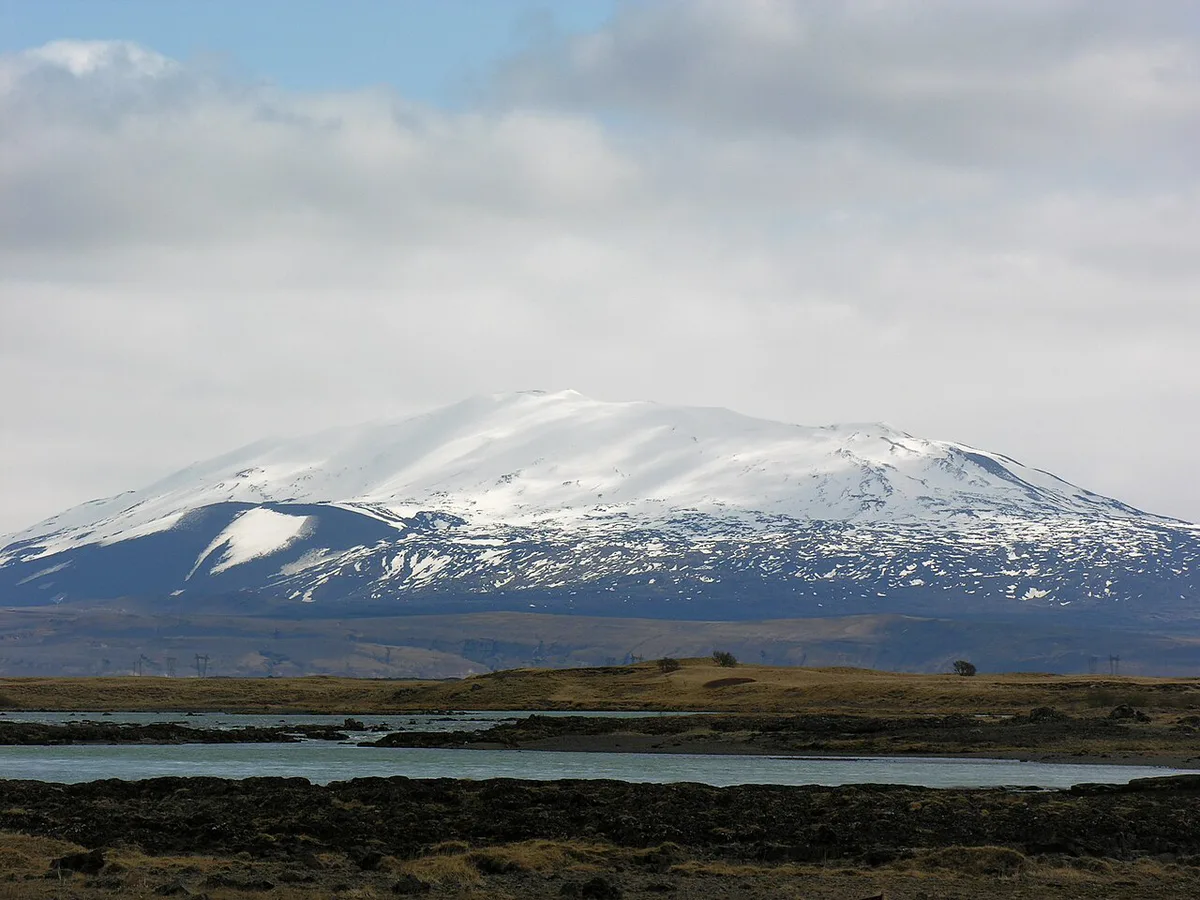
Hekla is an active stratovolcano in southern Iceland, and Katla is an active subglacial volcano in the same region. Eyjafjallajökull is best remembered for its 2010 eruption. None of the three has a dedicated page in our guide, so treat them as names to recognise rather than stops.
Eldhraun, the lava field linked to Laki's 1783-84 eruption, is covered in our Eldhraun guide. Best for travelers driving the south coast who want context for the scenery. Skip independent climbs without local advice, because weather and ice add risk.
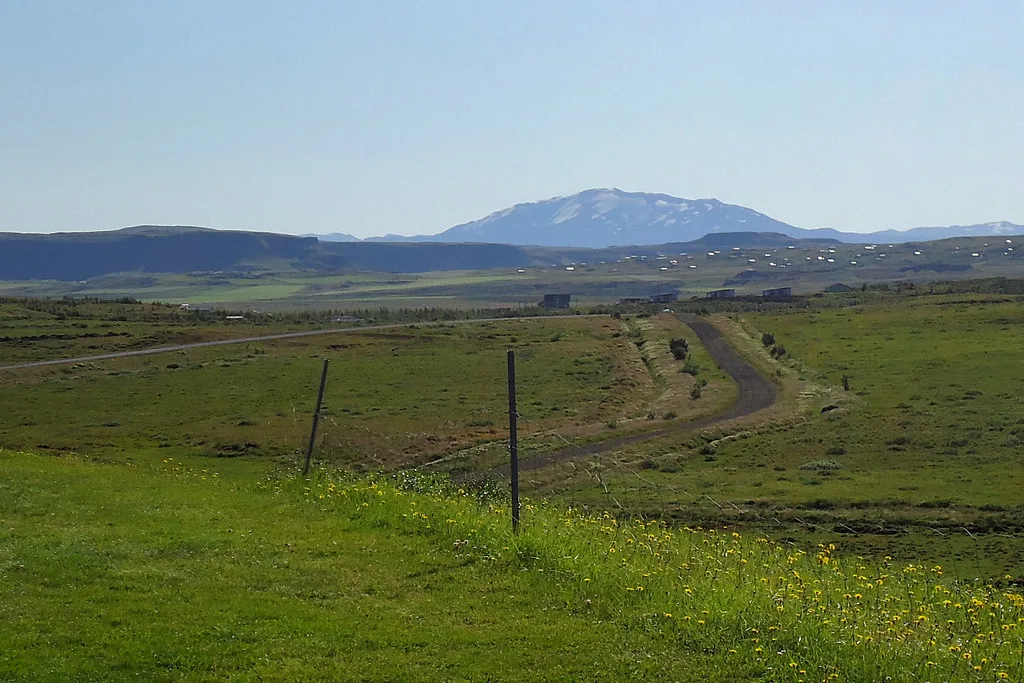
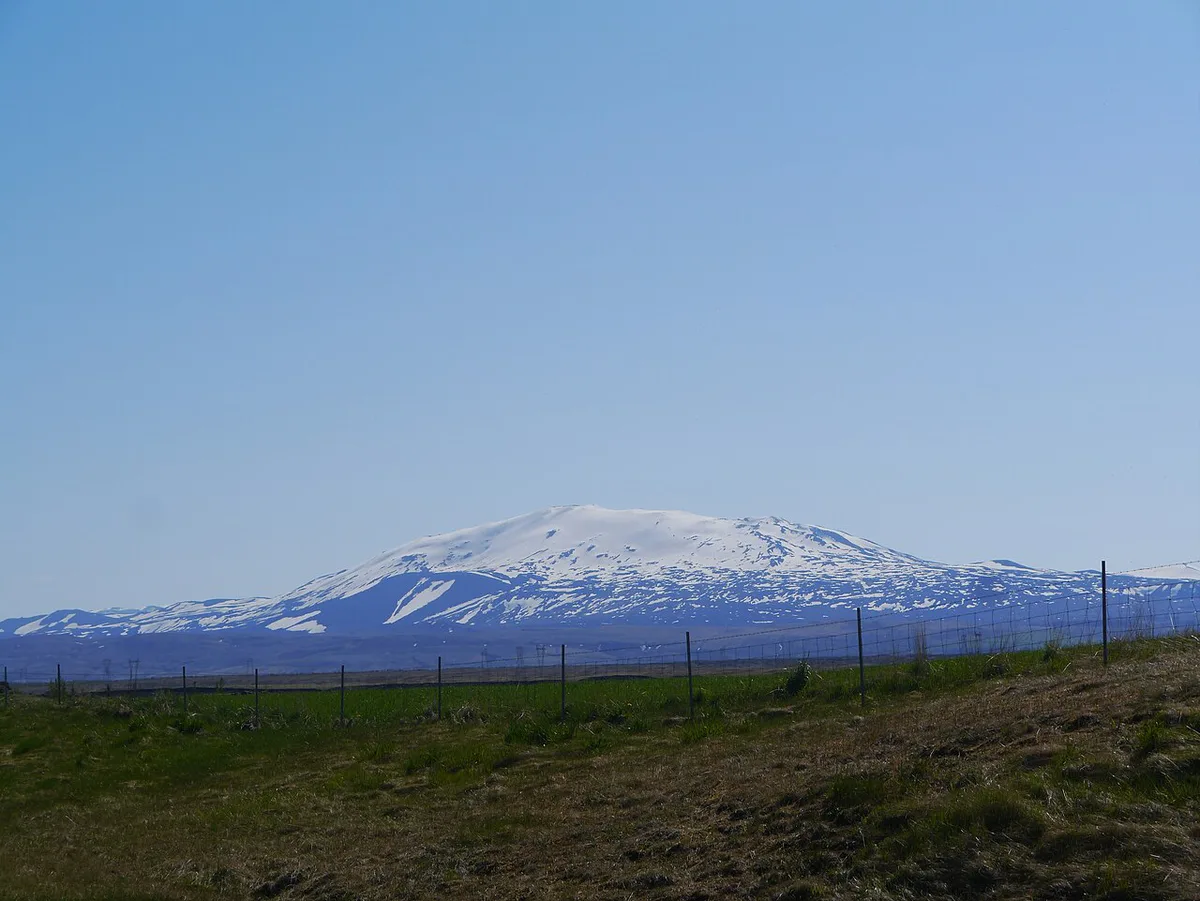
7. Öræfajökull
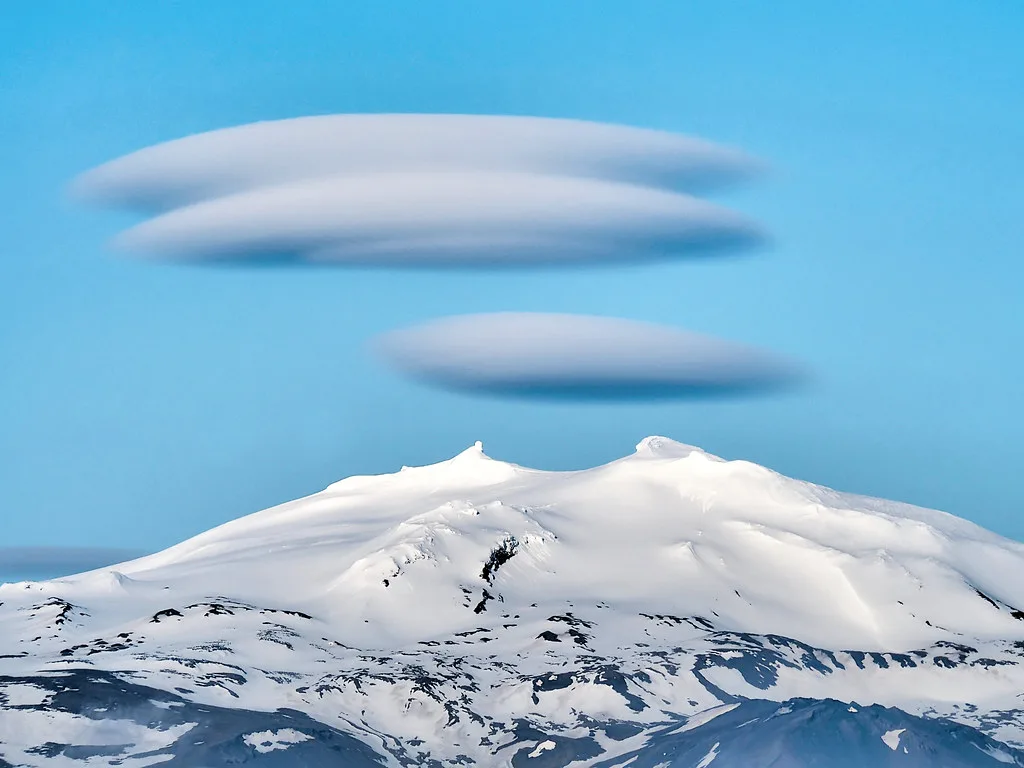
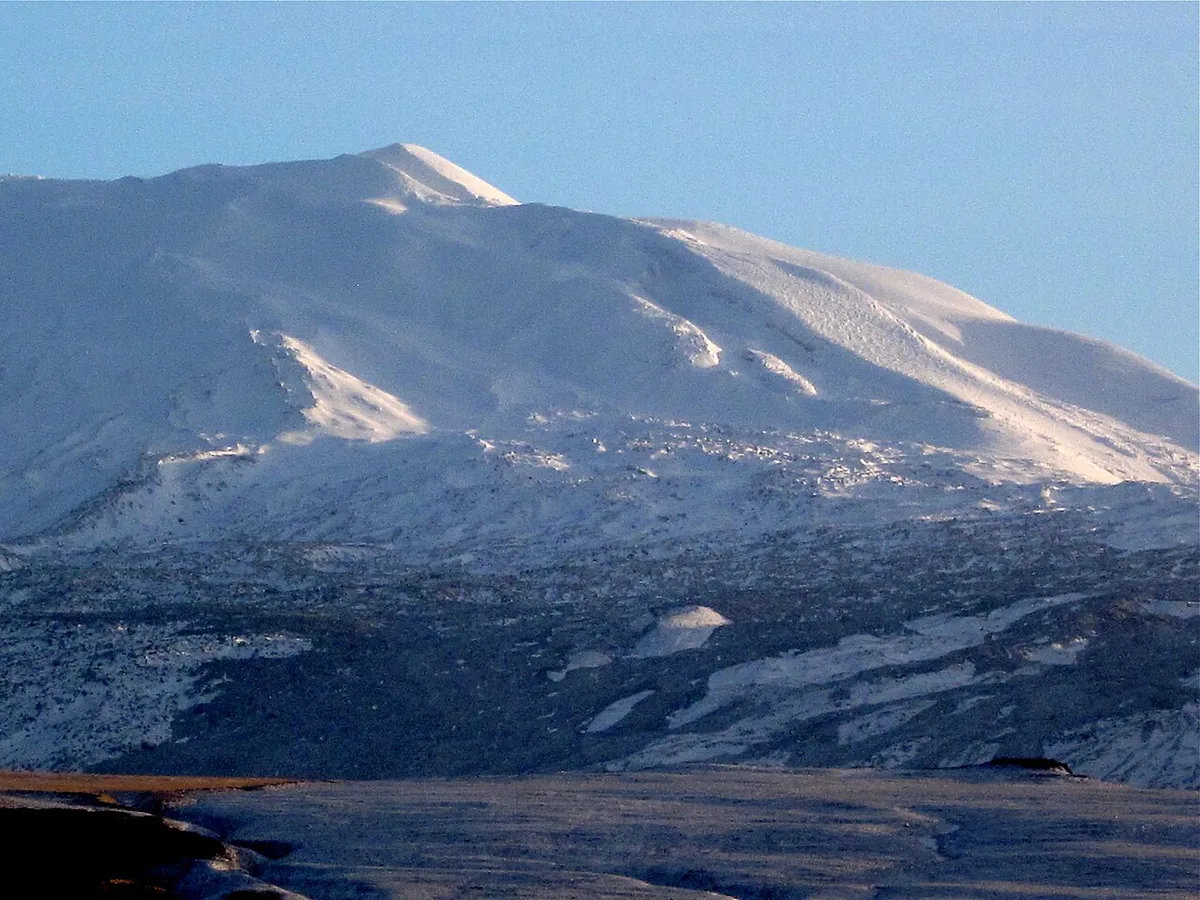
Öræfajökull is a glacier-capped volcano, and its name is often translated as wasteland glacier. Our Öræfajökull guide covers viewing and the surrounding terrain. It lies within the area managed by Vatnajökull National Park, which publishes access rules.
Best for travelers on the southeast route who want a large ice-covered peak to photograph. Most visitors treat it as a viewing stop, not a hike. Skip any climb unless you are with a qualified glacier guide.
8. Thrihnukagigur (Þríhnúkagígur)
Thrihnukagigur is the one volcano interior on this list that you can enter. Entry is by tour only, and the operator's Inside the Volcano page is the source for current schedules and prices. Our guide to volcano tours compares this with other organized options.
Best for travelers who want to see the inside of a dormant volcano rather than only its crater. Book ahead, check the season, and read the fitness requirements before paying. Skip it if you dislike heights, enclosed spaces or hiking in rough weather.
9. Bárðarbunga, Holuhraun and Grímsvötn
These three sit in the remote Highlands and are mostly reached by super-jeep tour or a capable 4x4. Bárðarbunga is the system behind the 2014-15 eruption at Holuhraun. Our Holuhraun guide covers the lava field.
Grímsvötn lies under ice, so glacier floods are part of the risk picture. Best for travelers with a summer trip, a guide and time to spare. Skip it if you only have a standard rental car, because F-roads and river crossings rule out many vehicles.
10. Kerlingarfjöll, Hveravellir and Askja
Kerlingarfjöll is a highland mountain massif that rises to 1,477 m (4,846 ft). Read the Kerlingarfjöll guide for what to expect there. Hveravellir is another highland geothermal stop, and Askja is an active volcano in a remote part of the central highlands.
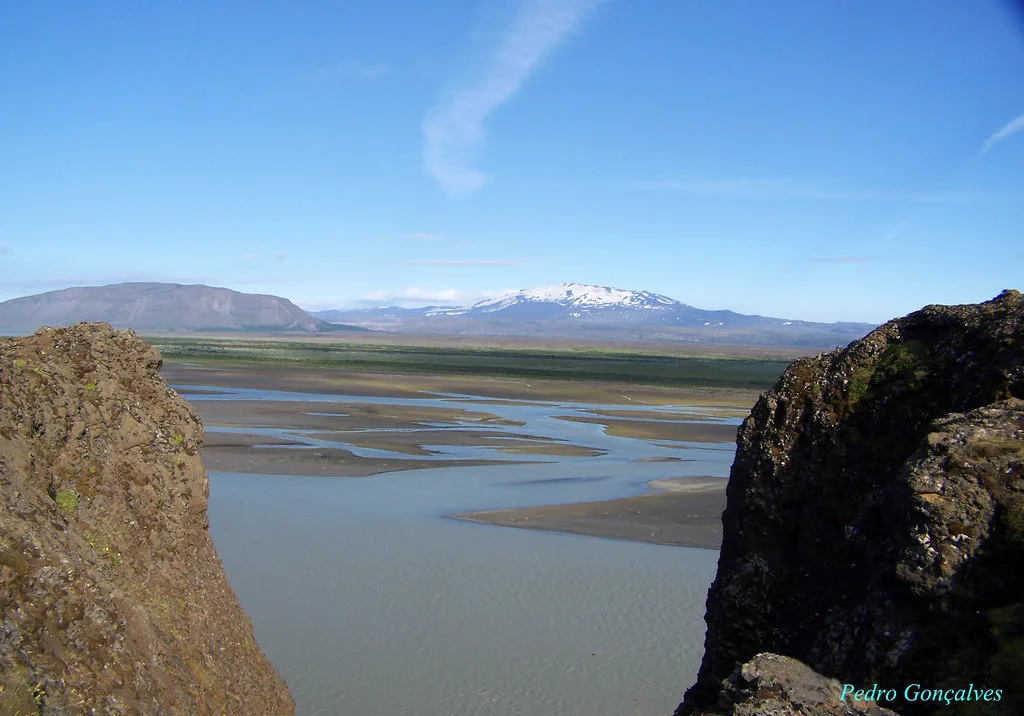
All three depend on F-roads and a summer-only window. Best for travelers comfortable with long highland days and variable weather. Skip them if you rely on a standard car or need guaranteed access dates.
Quick Picker: Which of These Volcanoes in Iceland Fits Your Trip?
Use this table to match a volcano to your time, vehicle and fitness. Kerlingarfjöll rises to 1,477 m (4,846 ft), and highland sites like it depend on F-roads and a summer window. Road status changes, so check the Icelandic Road and Coastal Administration before any F-road drive. To compare Iceland with Italy, the Canaries, the Azores and Santorini, start with our overview of volcanoes in Europe.
Highland Kerlingarfjöll reaches 1,477 m (4,846 ft), while Eldfell on Heimaey stands just over 200 m, so height alone won't tell you which is harder.
| Volcano | Access | Best for | Main trade-off |
|---|---|---|---|
| Eldfell | Hike; ferry or flight to Heimaey | Short climb plus museum | Transport planning |
| Hengill | Drive and hike | Day-trip hikers | Fast-changing weather |
| Krýsuvík and Gunnuhver | Drive and short walks | Geothermal ground | Reykjanes closures |
| Fagradalsfjall | Depends on current status | Recent lava landscapes | Access restrictions |
| Saxhóll, Grábrók, Eldborg | Walk | Crater rims | Exposure to wind |
| Hekla, Katla, Eyjafjallajökull | Mostly view from afar | Context for the south coast | Few dedicated stops |
| Öræfajökull | View; guided glacier travel | Ice-capped scenery | Glacier terrain |
| Thrihnukagigur | Tour only | Entering a volcano | Booking and fitness |
| Bárðarbunga, Holuhraun, Grímsvötn | Super-jeep or 4x4 | Remote lava fields | Summer only, F-roads |
| Kerlingarfjöll, Hveravellir, Askja | F-road | Geothermal highlands | Not for standard cars |
Free Hikes, Paid Entries and Tour-Only Volcanoes
Many volcano stops cost nothing beyond transport, while a few need paid entry or a guide. Thrihnukagigur is the main tour-only interior, and operators commonly cite a 140 m (about 460 ft) descent and a 45-minute walk to reach it. Check both figures on the operator's official page before you book. Reykjavík's lava show is a demonstration, not a volcano visit. It works as a weather-proof indoor option, and the Lava Show official site lists tickets and times.
Thrihnukagigur needs a tour and a 45-minute walk, so plan it as its own outing rather than a quick roadside stop.
- Self-guided and free of entry experiences: Hengill, Krýsuvík, Gunnuhver and the crater walks.
- Paid entry: the Reykjavík lava show and the Eldheimar museum on Heimaey.
- Tour-only: Thrihnukagigur and most highland sites such as Holuhraun.
Lava Fields and Craters You Can Walk
Crater walks are the simplest way to stand on volcanic ground without a tour. For a different crater type, read about the Rauðhólar craters. Broader lava landscapes are covered in our guide to Iceland's lava fields. Geysir is geothermal rather than volcanic, but our Geysir geothermal area guide gives useful context. Wear sturdy shoes on lava rock, and keep children close on crater rims.
Eruptions, Safety and Planning Around Them
History shows how varied eruptions are, from the Laki fissure of 1783-84 to Eyjafjallajökull in 2010. Reykjanes has seen repeated eruptions and access restrictions, so status there changes and dated blog posts go stale quickly. Check the Icelandic Met Office for current volcano status. Safetravel Iceland carries closures and travel warnings. Our eruption status guide keeps the wider picture. For the safety question itself, read whether it is safe to travel during an eruption.
- Laki, 1783-84.
- Eldfell, Heimaey, 1973.
- Eyjafjallajökull, 2010.
- Bárðarbunga-Holuhraun, 2014-15.
- Main hazards: gas, new lava, cracked crusts, fast weather and glacier floods.
Mistakes to Avoid and Names to Know
Four slips cause most wasted volcano trips, and spelling trips up searches too.
- Treating the Reykjanes area as always open.
- Driving an F-road in a standard car.
- Assuming every volcano can be visited.
- Relying on a stale eruption blog.
- Spelling help: Þríhnúkagígur (Thrihnukagigur), Eyjafjallajökull, Grímsvötn, Bárðarbunga, Öræfajökull.
Sample Itineraries by Time Available
Match the plan to your hours and vehicle rather than counting stops. No drive times are given, so check routes on the day.
- Half day: pick one southwest stop such as Hengill or Krýsuvík, or the lava show on a wet day.
- One day: combine two or three southwest stops and finish with a crater walk.
- Three days: add south coast viewing stops or a Westman Islands trip with Eldfell and Eldheimar.
- Highlands trip: choose a super-jeep tour or a 4x4 with F-road experience, in summer only.
Frequently Asked Questions
What is Iceland's most famous volcano?
Eyjafjallajökull and Hekla are the names most visitors expect, and Eyjafjallajökull's 2010 eruption is widely remembered. Hekla is an active stratovolcano in southern Iceland. For a climb you can actually do, Eldfell on Heimaey is the more practical choice.
Is the volcano in Iceland still erupting in 2026?
Status changes, and a page written on one date cannot answer for the next. Reykjanes has had repeated eruptions, so check the Icelandic Met Office for today's status. Our eruption page explains how to read the updates.
Explore More Guides
Keep planning your trip with these guides.
Guides
- Geysir Iceland
- Iceland Volcano Eruption: What It Means for Your Trip
- Lava Show Reykjavik: Tickets, Location & Is It Worth It
- Surtsey Island
- Iceland Volcano Tour
- Active Volcanoes in Iceland: Where to See Them Safely
- Location, Activity and Access
- Eldfell Volcano, Heimaey
- Iceland Lava Fields: Where to See Them and How
- Grábrók Crater
- Volcanoes in Iceland Map: Where They Are & Which to Visit
- Seltún Geothermal Area & Tips
- Saxholl Crater (Saxhóll)
- Gunnuhver Geothermal Area
- Eldheimar Museum
- Location, 2014 Eruption & Visiting
- Eldhraun Lava Field, Iceland
- Biggest Volcano in Iceland: Öræfajökull Explained
- Why Iceland Has So Many Volcanoes
- Access, Hikes & Best Time
- Hveravellir Guide
- Hengill, Iceland
- Iceland's Highest Volcano, Views & Planning
- Eldborg Crater, Iceland
- Rauðhólar (Red Hills) Near Reykjavík
- Holuhraun Lava Field
- Is It Safe to Travel to Iceland During an Eruption?