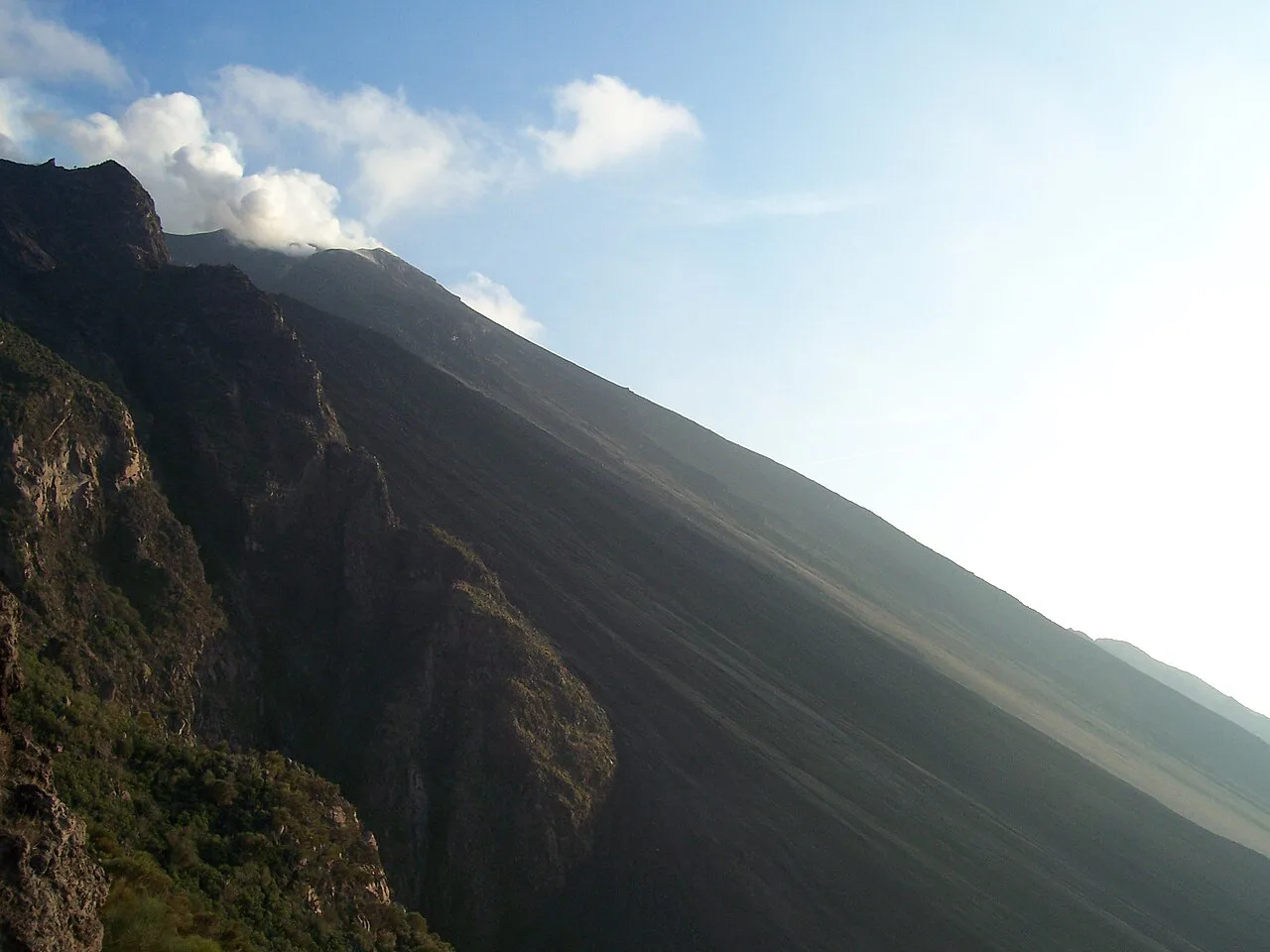
7 Volcanoes in Europe You Can Visit: Access, Timing and Safety
Last updated November 2026. The volcanoes in Europe that visitors can reach most easily sit in Italy, Iceland, Greece, Spain's Canary Islands and central France. This guide ranks 7 of them by access, effort and safety, and it separates active from dormant ones. Each section points to a deeper guide when your next question comes up.
Featured image: Cayambe, CC BY 4.0, via Wikimedia Commons.
Quick answer: volcanoes in Europe worth visiting
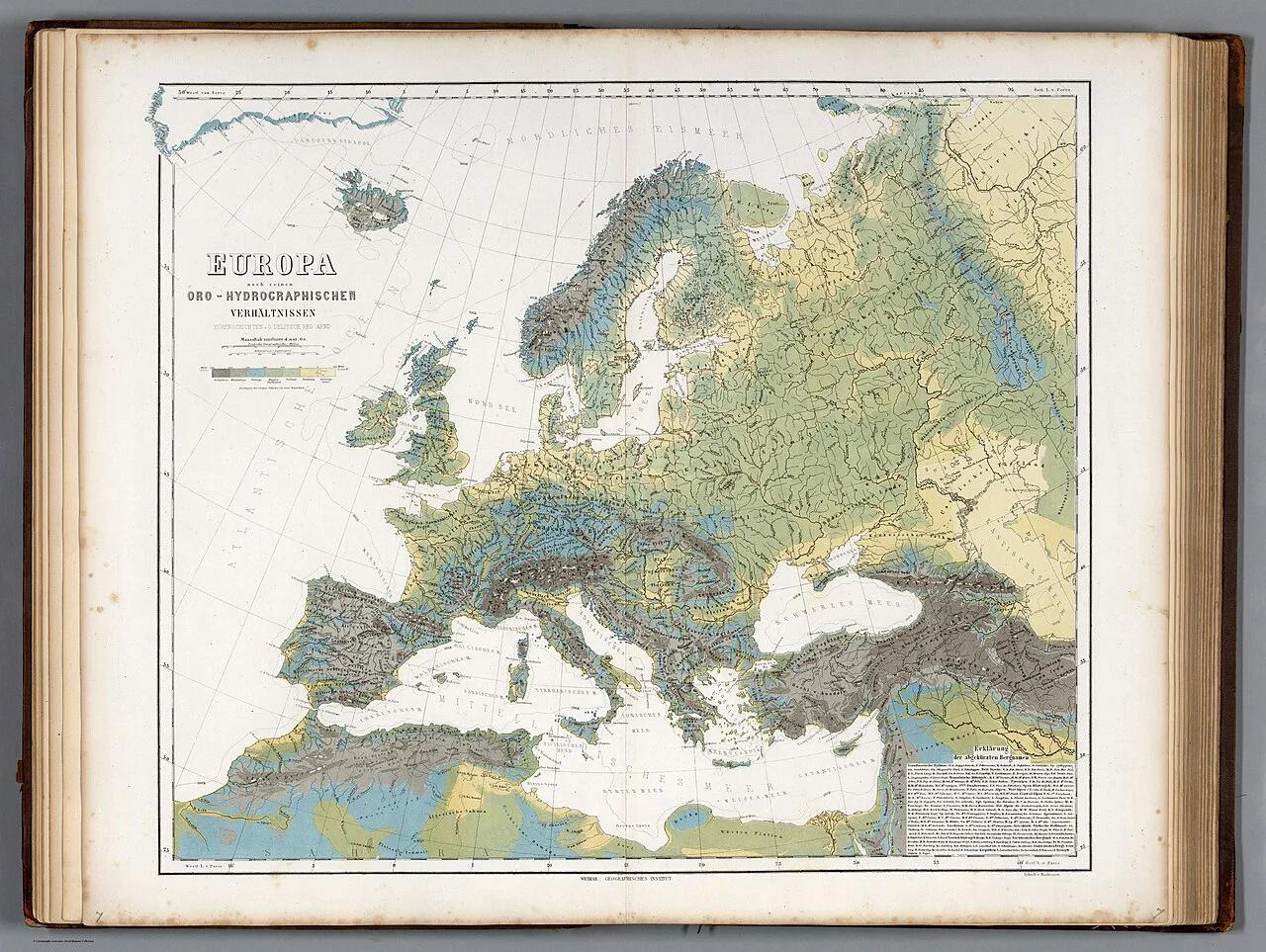
Etna in Sicily is the tallest active volcano in Europe at about 3,300 m (roughly 10,900 ft). Vesuvius near Naples is the easiest to reach, and Santorini's caldera is the easiest to pair with a beach trip. Iceland adds glacier-capped cones, the Canary Islands add Teide, and the Auvergne adds a rack-train summit. Use the table to shortlist, then read the numbered list below. Our map of European volcanoes shows where each one sits.
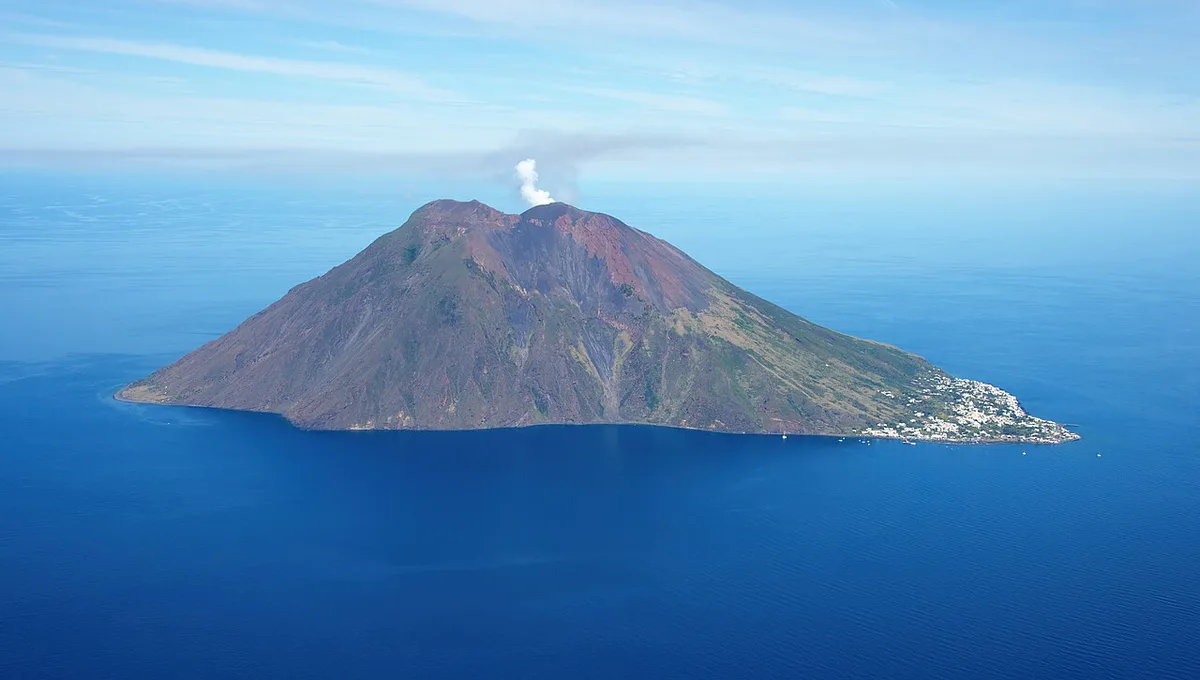
| Volcano | Country | Status | Main access | Effort | Best fit |
|---|---|---|---|---|---|
| Etna | Italy | Active | Cable car, minibus, guide | Moderate | Hikers, first-timers |
| Vesuvius | Italy | Quiet since 1944 | Train, shuttle, short climb | Low | Families, history fans |
| Nea Kameni (Santorini) | Greece | Active fumaroles | Caldera boat, short walk | Low | Beach trips |
| Teide | Spain | Dormant, monitored | Cable car, trails | Low to high | Photographers |
| Cumbre Vieja (La Palma) | Spain | Erupted in 2021 | Trails, local guides | Moderate | Hikers |
| Eyjafjallajökull | Iceland | Ice-capped, erupted 2010 | Tour, hike, helicopter | Moderate to high | Adventurers |
| Puy de Dôme | France | Dormant 7,000+ years | Rack train, trails | Low | Rainy-day, families |
How active, dormant and extinct volcanoes differ
An active volcano has erupted in recent history or shows ongoing unrest, such as gas vents or tremors. A dormant one is quiet but could wake up. An extinct one has no magma supply left. Puy de Dôme sits at the quiet end, with its chain dormant for over 7,000 years. Our guide to Active Volcanoes in Europe: Where They Are and Which You Can Visit lists which ones are monitored most closely. For past events, see this record of Volcanic Eruptions in Europe: Where They Happen and What They Mean for Travel.
7 Volcanoes in Europe You Can Visit
Altitudes, schedules and access rules below were checked November 2026, and operators can change them with little notice. Each entry names the practical route and who should skip it. Italy comes first because two of Europe's best-known volcanoes sit there.
Puy de Dôme's summit at 1,465 m (about 4,800 ft) is reached by rack train, a practical fallback when weather cancels outdoor plans.
1. Mount Etna, Sicily, Italy
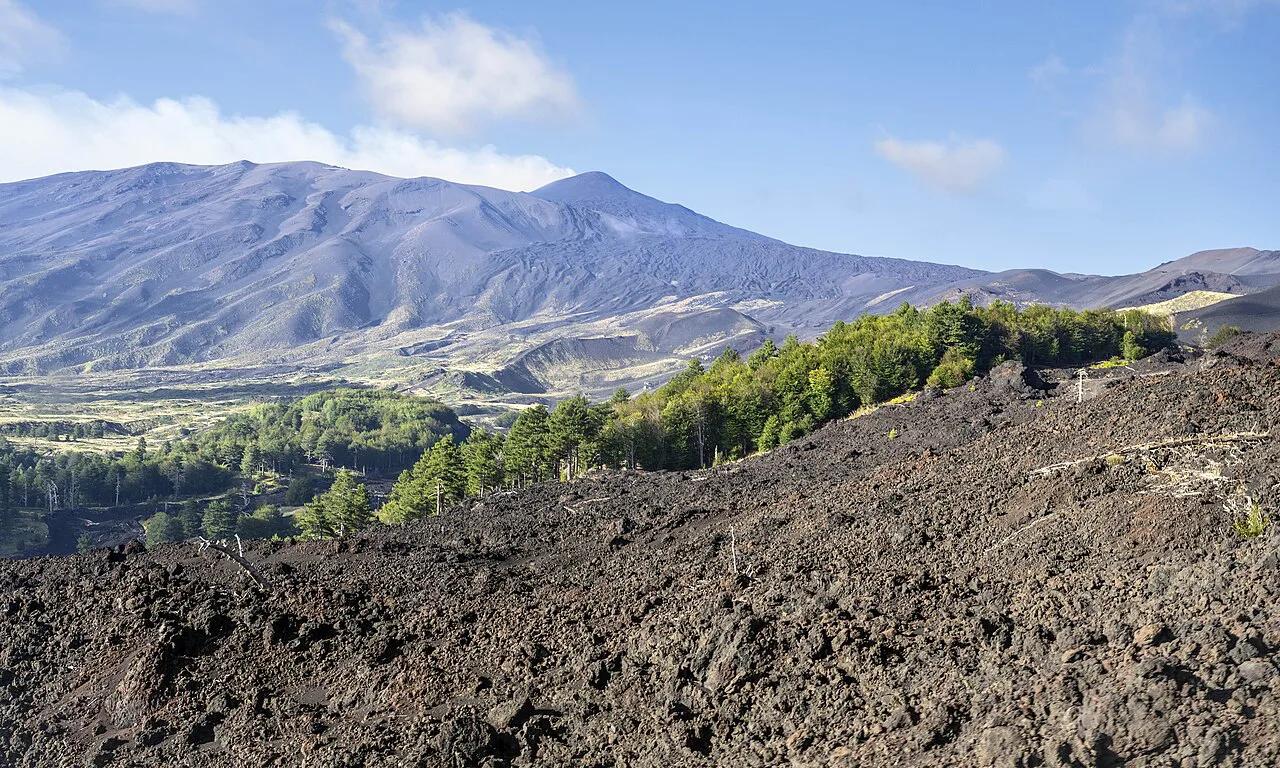
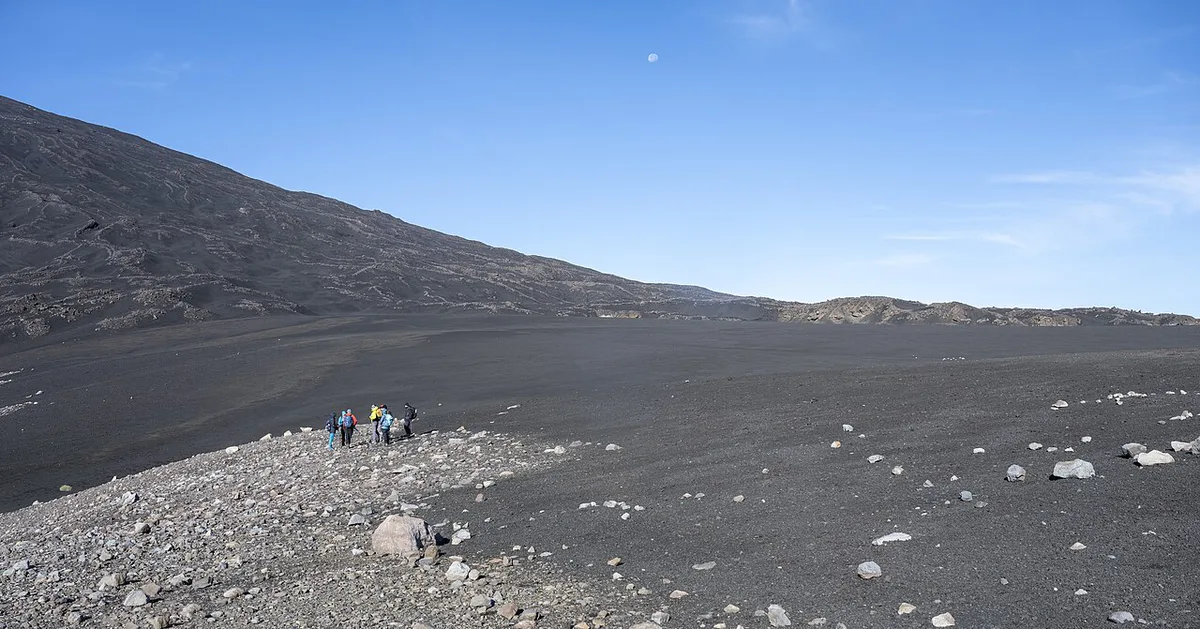
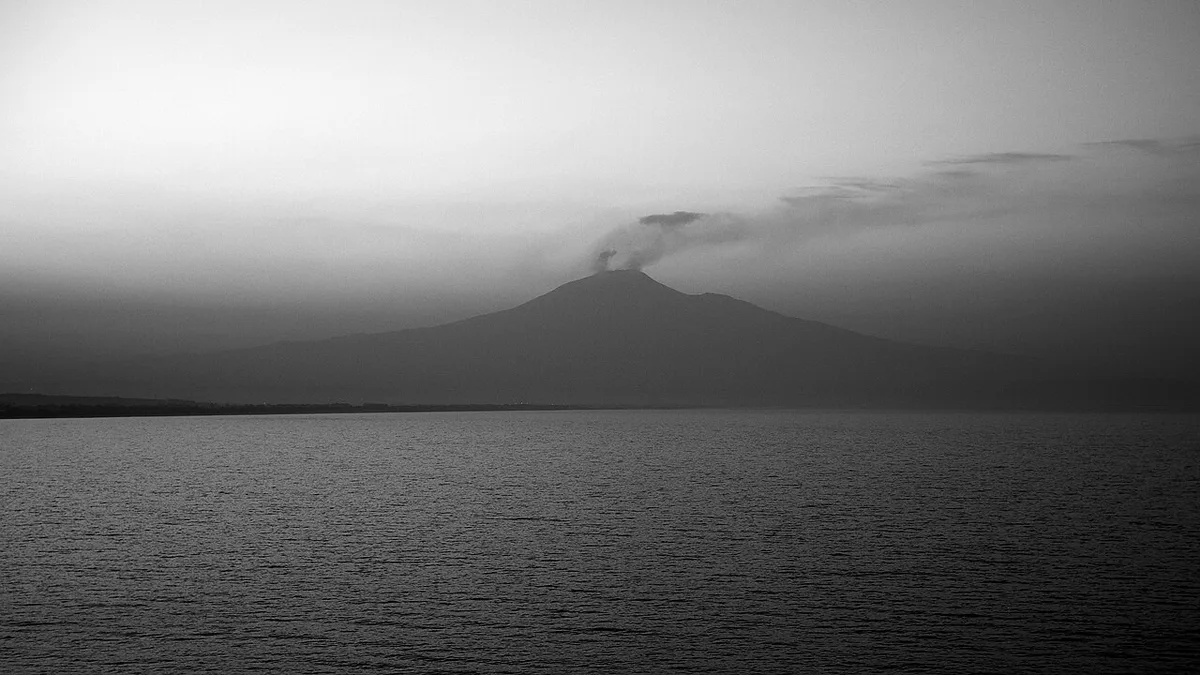
Etna is Europe's tallest active volcano at about 3,300 m, and it is listed as a UNESCO World Heritage site. Visitors usually take a cable car from the base, then a minibus, then walk with an authorized guide toward the craters at around 2,800 m (about 9,200 ft). The Circumetnea railway circles the base on a scenic ride of about three hours, which suits a day without a summit climb.
Guides follow the live activity level, so crater access can change on the day. Check the INGV Osservatorio Etneo before you book. Skip it if you cannot walk on loose volcanic ground, or if you only have a few hours from Catania.
2. Mount Vesuvius, Naples, Italy
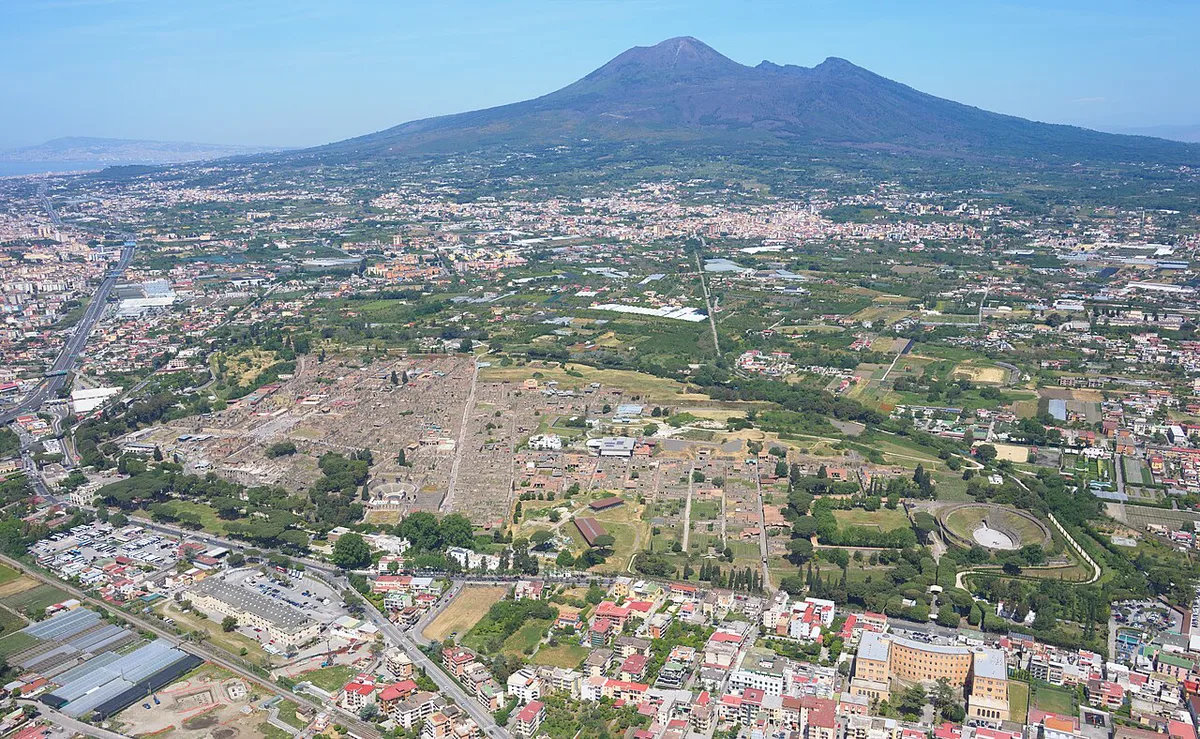
Vesuvius rises to 1,281 m (about 4,200 ft) above the Bay of Naples, and it last erupted in 1944. Take the Circumvesuviana train from Naples or Sorrento, then a shuttle or car from Ercolano or Pompeii. From the end of the road, a moderately steep climb of about 200 m (roughly 650 ft) leads to the crater rim, where gas seeps from vents.
The summit looks over Naples, the bay and the town of Pompeii. Pair it with Pompeii, which the 79 AD eruption buried under ash. Skip it if you want a wilderness feel, because this is Europe's most visited volcano.
3. Nea Kameni and Santorini, Greece
Nea Kameni is a small volcanic island inside the Santorini caldera, with fumaroles and warm springs. Boat trips from Santorini land visitors on the island, and a short walk crosses the dark lava fields to the crater. Expect sulfur smell, loose cinders and little shade, so wear closed shoes and carry water.
Santorini suits a beach holiday with one volcano day, since Kamari has black sand beaches. Skip it if you want a real climb, because the walk is short and flat compared with Etna or Teide.
4. Teide, Tenerife, Spain
Teide is Spain's highest peak and sits inside Teide National Park on Tenerife. The Teide cable car shortens the ascent, and trails cross lava fields and calderas. Park rules cover the final summit approach, so read the Teide National Park page before planning a summit.
Base yourself in Los Cristianos, El Médano or Puerto de la Cruz, depending on which coast you prefer. Skip it if you dislike thin air and cold, because the summit is far chillier than the beaches below.
5. Cumbre Vieja, La Palma, Spain
Cumbre Vieja is the volcanic ridge along La Palma's spine, and it erupted in 2021. Trails cross older cones and lava fields, and local guides explain how the island formed. La Palma suits walkers who want fewer crowds than Tenerife.
Access changes after eruptions, so ask the island's visitor offices which paths are open. Skip it if you want lifts and cafes at the top, because routes here are mostly on foot.
6. Eyjafjallajökull, Iceland
Eyjafjallajökull is an ice-capped volcano of 1,651 m (about 5,400 ft) in southern Iceland. Its 2010 eruption sent ash across the continent and grounded flights, a story told in our guide to Volcanic Ash Cloud Flights: What Travelers Should Do (Europe). The Fimmvörðuháls trail is 25 km (about 15.5 miles) long and passes the glacier and fresh lava fields.
Super-jeep tours and helicopters offer easier views, and tours usually start from Reykjavík. Check SafeTravel Iceland for trail and road conditions. Skip the hike if you lack proper gear, because weather turns fast.
7. Puy de Dôme, Auvergne, France
Puy de Dôme reaches 1,465 m (about 4,800 ft) and is the highest point of the Chaîne des Puys. Its volcanoes have been dormant for over 7,000 years, so the visit is about landscape, not eruptions. The Panoramique des Dômes rack train climbs to the summit, and walking trails run through woods and past a crater.
The top gives views toward Clermont-Ferrand and dozens of neighboring cones, and paragliders launch here. A Roman temple of Mercury also sits on the summit. Skip it if you want lava or steam, because nothing here is active.
Beyond the famous names
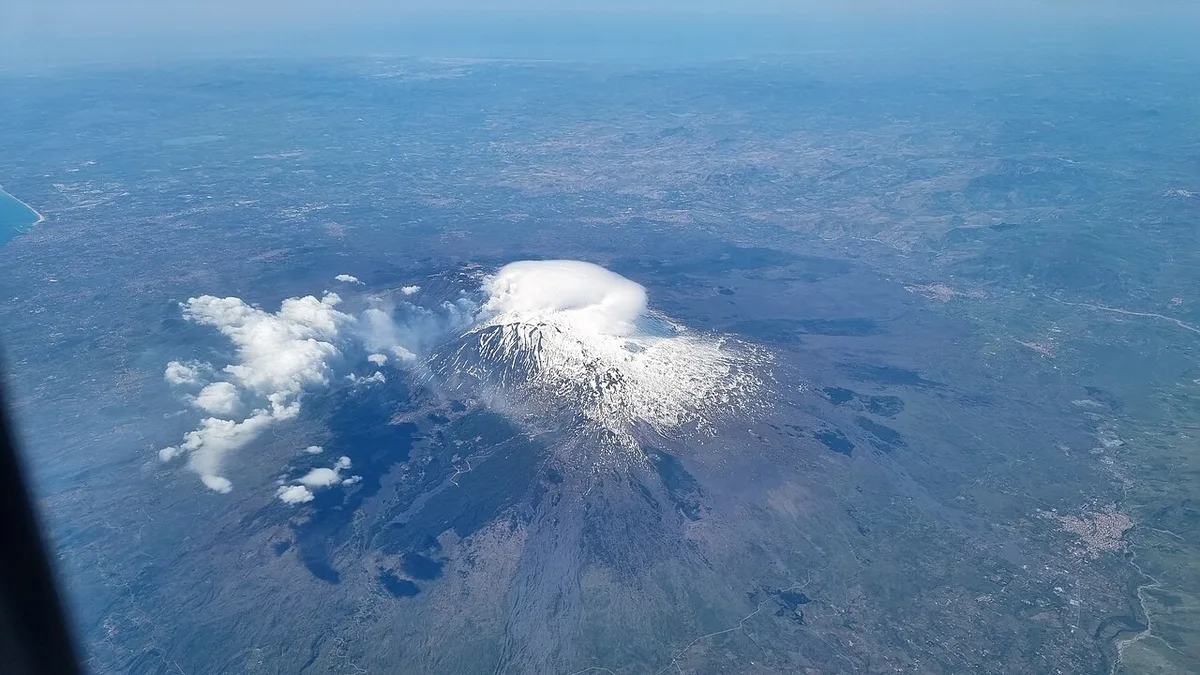
Some of the most useful stops are extinct or remote. Badacsony's volcanic hill and Ciomadul's crater lakes show that a volcano does not need to erupt to be worth a visit. The Azores and Madeira appear in our guide to Volcanoes in Portugal: Azores & Madeira Guide. Travelers curious about Switzerland can read about volcanic traces in the Alps. The remote island of Jan Mayen: Beerenberg Volcano, Access and How to Visit is the far-north extreme and not a practical trip. Azores travelers can check CIVISA for monitoring updates.
Which volcano is right for you?
Match the volcano to your trip style first, then check access. Our overview of Volcano Tourism in Europe: Where to Go and What to Know covers what to expect on organized trips. Photographers can use volcano photography tips to plan light and distance. On a wet day, Volcano Museums in Europe: Where to Go and How to Choose are a fallback.
| Traveler | Best pick | Why |
|---|---|---|
| First-timer | Vesuvius | Short climb, easy train access |
| Hiker | Etna or Fimmvörðuháls | Longer routes and real terrain |
| Photographer | Teide or Eyjafjallajökull | Dramatic light and ice-capped cones |
| Family | Puy de Dôme or Nea Kameni | Rack train or short boat trip |
| Rainy day or off-season | Puy de Dôme | Train runs year-round per local operators |
| Short stopover | Vesuvius | Reachable from Naples in a half day |
Planning, costs and time
Costs split into tiers. Free: trails such as Puy de Dôme's woodland paths. Low: Vesuvius trains and park entry. Mid: Etna's cable car and guide, and Santorini boat trips. High: Iceland super-jeeps and helicopters. Check each operator for current fares. Allow a half day for Vesuvius, a full day for Etna's guided route, and one or two days for Fimmvörðuháls, which is 25 km. Weather and alert levels can cancel any plan, so keep a spare day.
Safety, closures and eruption alerts
Check the observatory or park before you travel. Useful pages include Icelandic Met Office and INGV Vulcani. Treat a guide's instructions as binding, since altitude limits change with activity. Gas, ash and loose cinders affect footwear and breathing, and altitude affects stamina. Our Volcano Safety Tips for Travelers in Europe cover gear and conduct in more detail.
Mistakes to avoid
These errors cause most failed volcano days.
- Assuming the summit is always open
- Crater access depends on activity and weather, and operators can close routes at short notice.
- Wearing trainers on cinder
- Closed, sturdy shoes protect your feet from sharp lava and hot ground.
- Skipping the observatory check
- Look up the status page the morning of your trip, not only when you book.
- Ignoring flight risk
- Ash can disrupt flights, as in 2010, so avoid tight connections after a big eruption.
Frequently Asked Questions
What is the largest volcano in Europe?
Etna in Sicily is the tallest active volcano in Europe, at about 3,300 m. Its height changes with eruptions, so see our guide to the Largest Volcano in Europe: Mount Etna (and What 'Largest' Means) for how sources compare.
What volcano is due to erupt in 2026?
No one can name an eruption date. Etna is among the most frequently active, and observatories publish current alert levels. Check them before you travel.
What are two active volcanoes?
Etna in Italy and Cumbre Vieja on La Palma are two examples, since Cumbre Vieja erupted in 2021. Eyjafjallajökull in Iceland erupted in 2010.
Explore More Guides
Keep planning your trip with these guides.
Guides
- Largest Volcano in Europe: Mount Etna (and What 'Largest' Means)
- Highest Volcano in Europe: Etna vs Other Contenders
- Active Volcanoes in Europe: Where They Are and Which You Can Visit
- Volcanoes in Portugal: Azores & Madeira Guide
- Volcano Safety Tips for Travelers in Europe
- Jan Mayen: Beerenberg Volcano, Access and How to Visit
- Volcano Tourism in Europe
- Volcanic Eruptions in Europe: Where They Happen and What They Mean for Travel
- Volcanoes in Europe Map: Where They Are and Which to Visit
- Badacsony, Hungary
- Volcanoes in Switzerland: Are There Any? What to See Instead
- Volcano Photography in Europe
- Volcano Museums in Europe: Where to Go and How to Choose
- Volcanic Ash Cloud Flights
- Ciomadul Volcano, Romania