8 Best Things to See in Campi Flegrei: Sites, Safety and Access
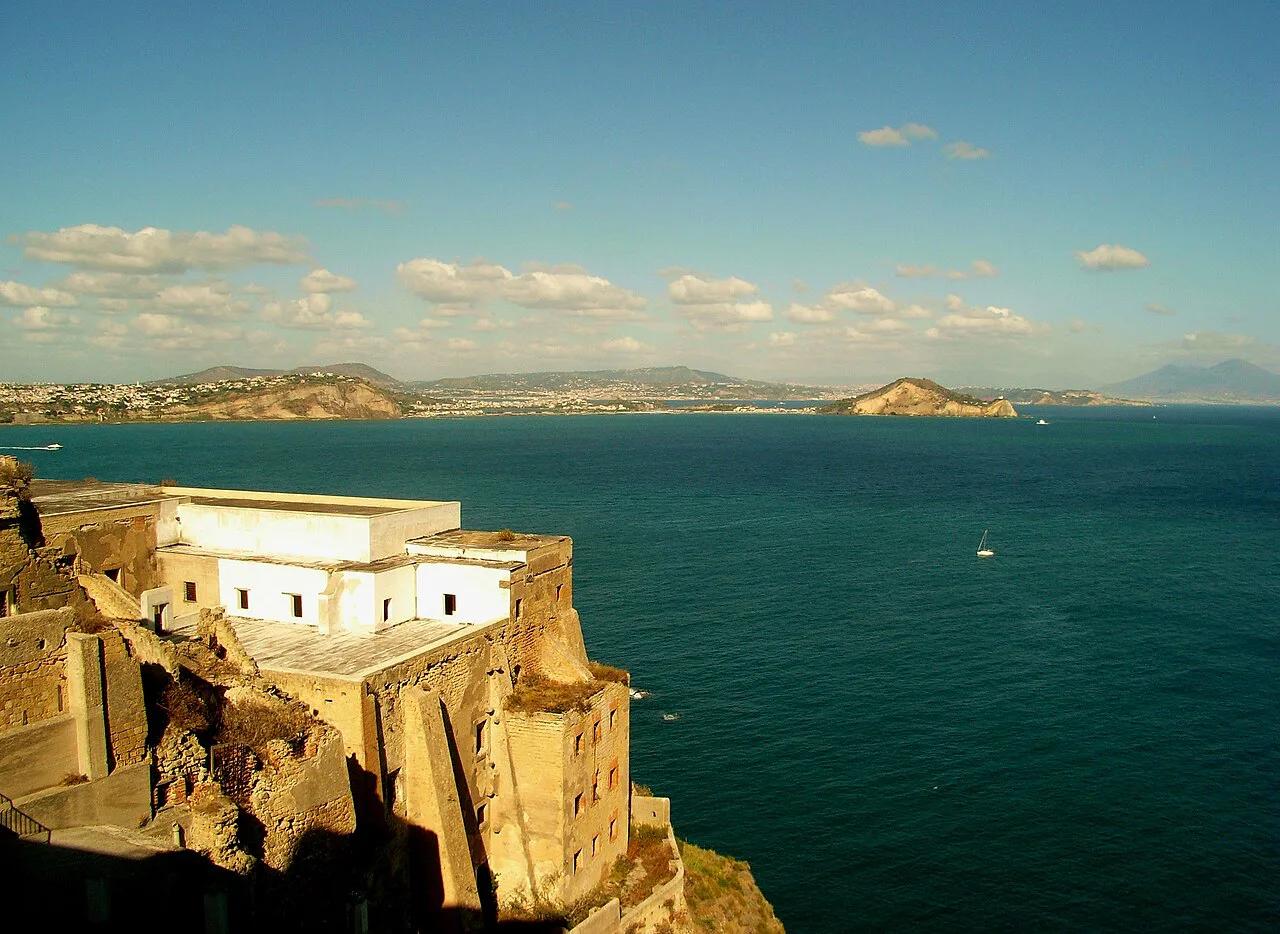
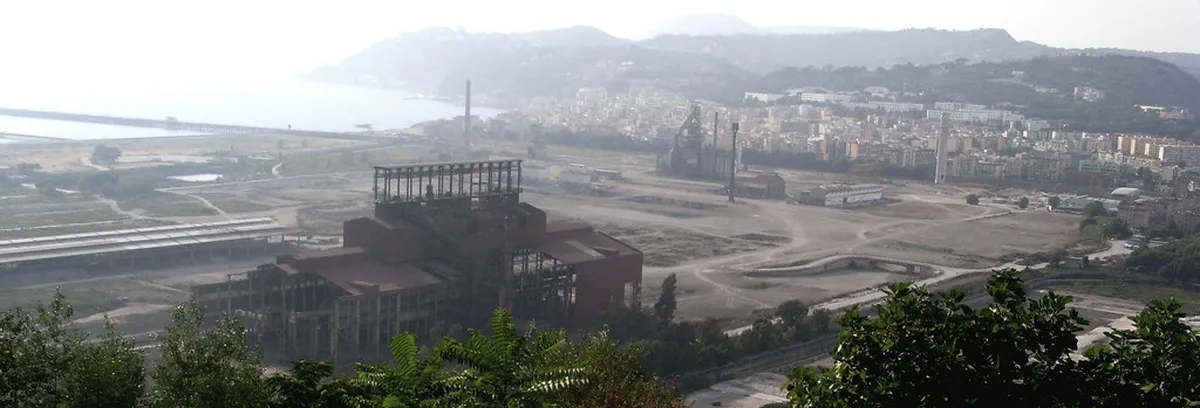
Last updated November 2026: Campi Flegrei is a large volcanic caldera and archaeological district west of Naples, not a single cone. It holds Greek and Roman ruins, thermal ground and several towns, and most visitors reach it by train from Naples. Volcanologists monitor the area closely, and visiting the main sites counts as normal tourism.
Featured image: Epsilon68 - Street and Travel Photography, CC BY 2.0, via Flickr.
What Campi Flegrei Is (and Isn't)
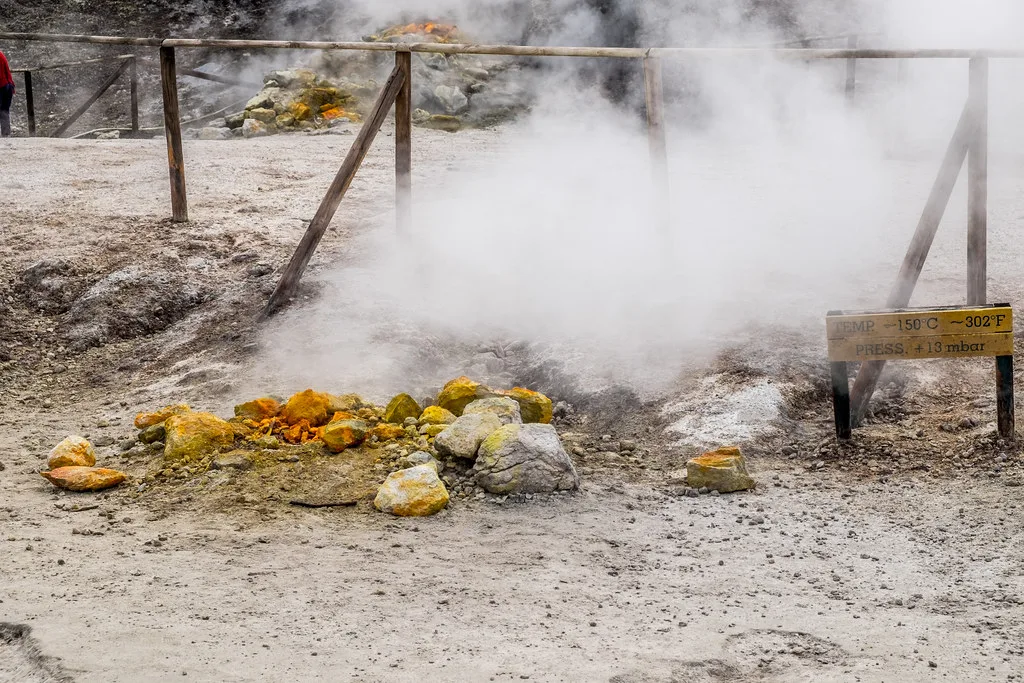
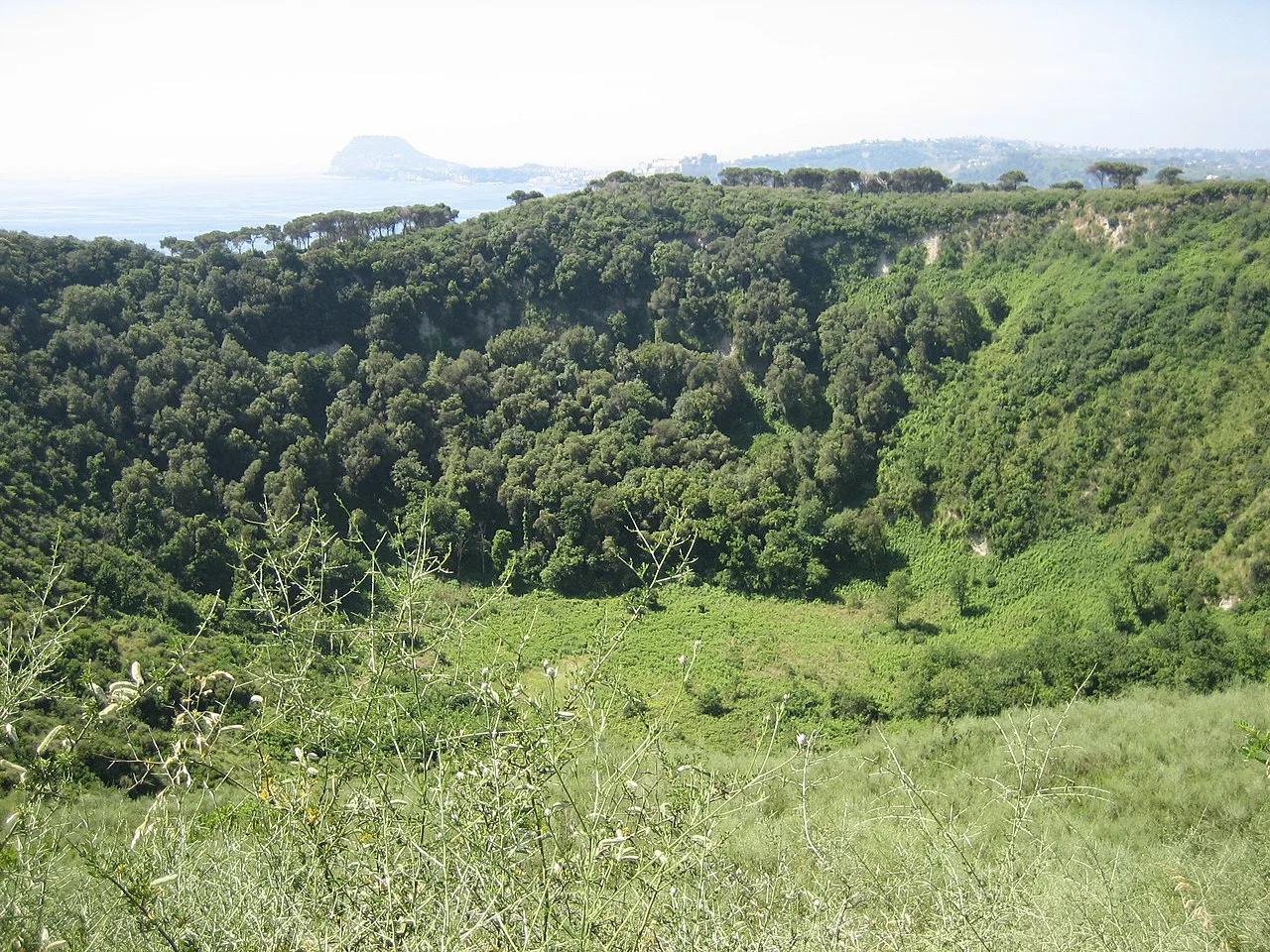
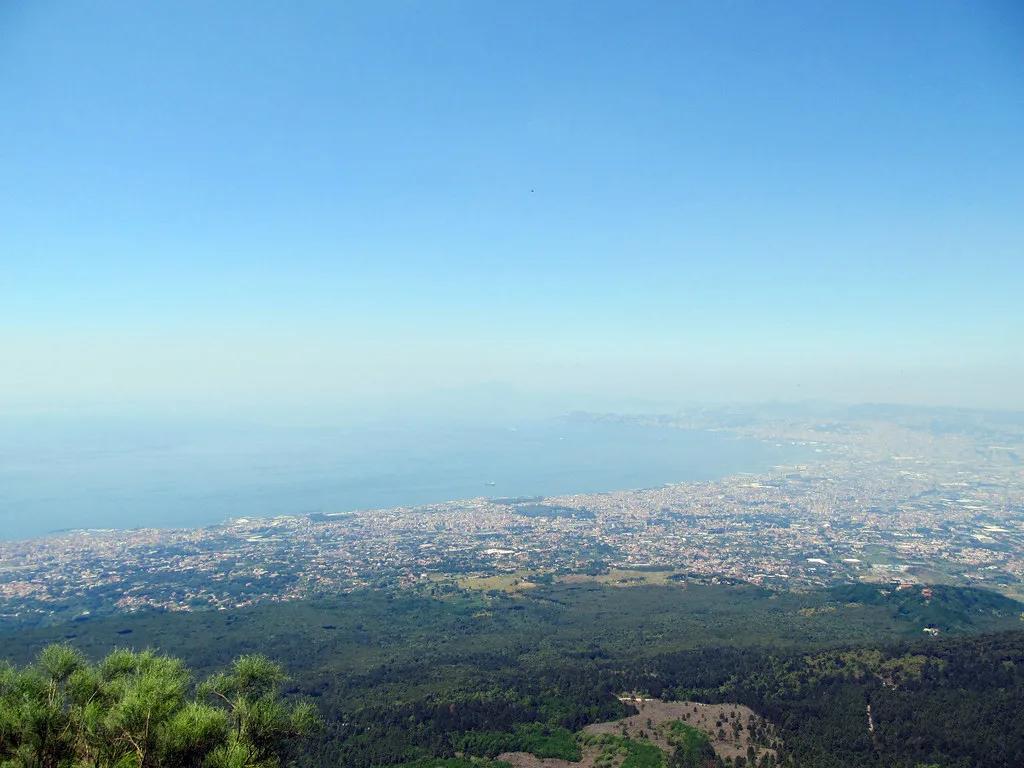
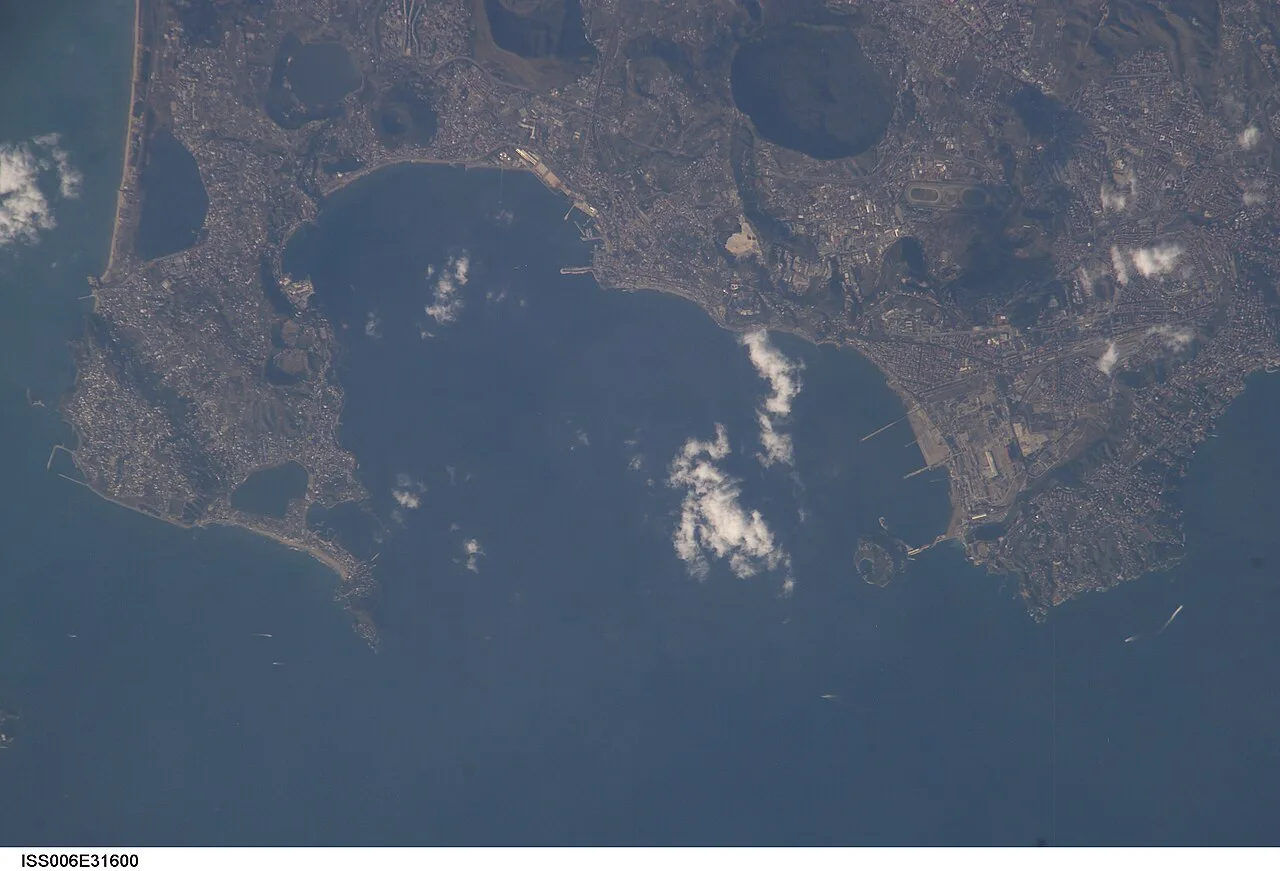
Campi Flegrei means "burning fields", and the name fits a landscape of craters, hot ground and small hills. Reporting in 2023 described a caldera about seven miles long that formed roughly 39,000 years ago. Later eruptions built the small hills and craters you see today, and the last one was in 1538. There is no single summit to climb, so plan the area as a set of separate sites. Our guide explains what type of volcano this is. A separate comparison covers Campi Flegrei against Vesuvius if you are choosing between them. English-language sources also call the area the Phlegraean Fields.
Is Campi Flegrei Safe to Visit?
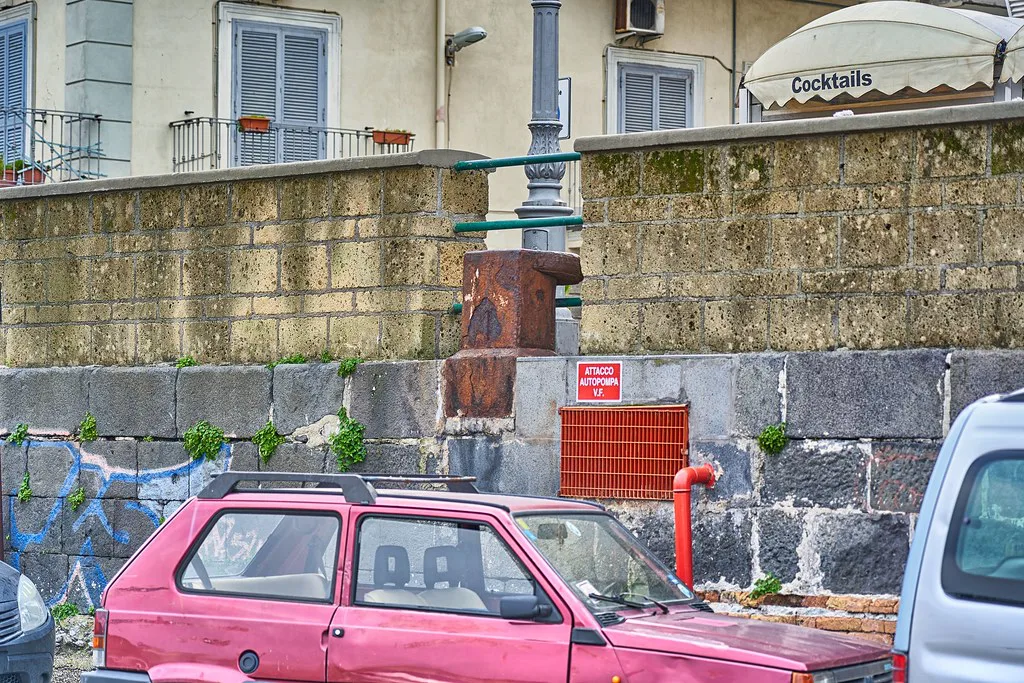
Italian scientists monitor the caldera continuously. The INGV Osservatorio Vesuviano tracks earthquakes and ground movement, and its director described the area in 2023 as in a state of unrest for 11 years. Unrest means measurable activity, not a forecast. Italy's Civil Protection Department maintains the evacuation planning, and the 2023 reporting said residents could be moved out within 3 days. Ground uplift and small quakes are the main signals, and our guide to ground uplift and subsidence explains them. Read about eruption scenarios if you want the scientific detail. The supervolcano label is also unpacked there. Before you travel, read the current alert level on the INGV site and follow local advisories. Nobody can responsibly predict an eruption date, and tourist sites run as normal unless officials say otherwise.
8 Best Things to See in Campi Flegrei
These eight stops are ordered roughly by how easy they are for a first visit. Access notes reflect November 2026 information, and sites tied to sea conditions, guides or booking are flagged. Ticket and opening details change, so use the Parco Archeologico dei Campi Flegrei as the source for hours. For how this caldera compares with the continent's other big volcanic systems, see our guide to the largest volcano in Europe.
1. Pozzuoli: Rione Terra and the Flavian Amphitheater
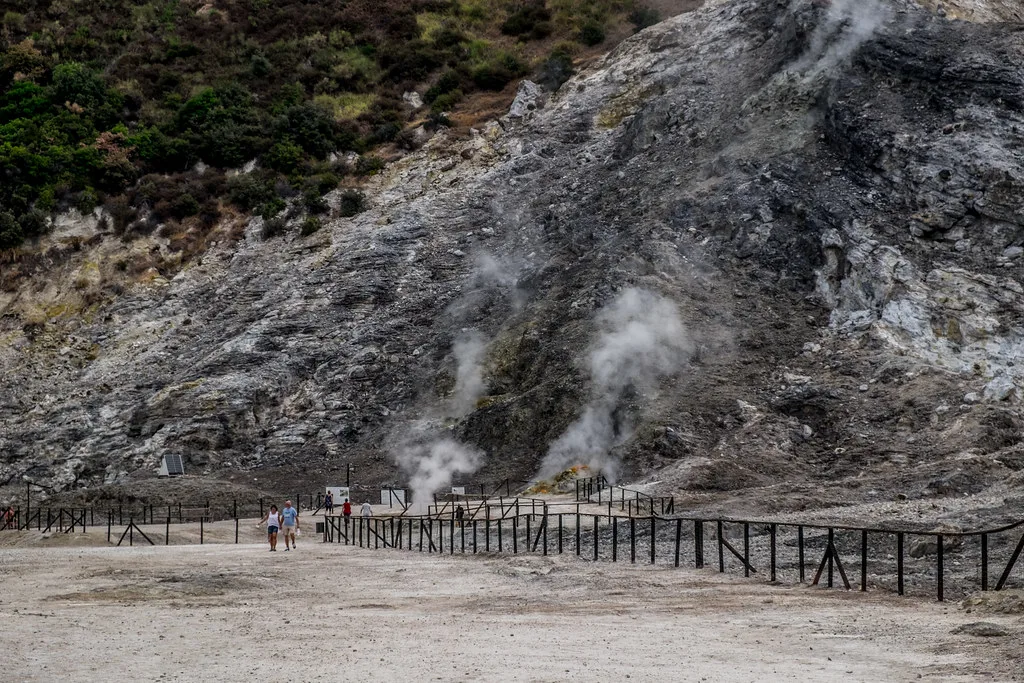
Pozzuoli's port and old town is the easiest first stop, and it is a working city rather than a museum. Start in Rione Terra, Pozzuoli: Visiting the Buried Roman Quarter, the historic quarter on the headland above the harbor. Then visit the Flavian Amphitheater, a Roman arena that deserves its own stop.
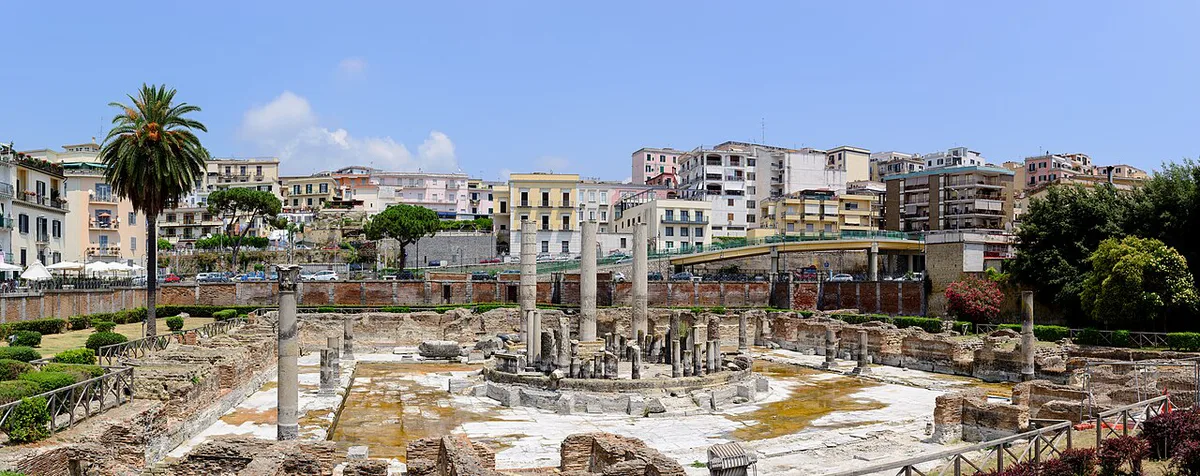
The Temple of Serapis, listed among the archaeological park's sites, is also in Pozzuoli. Best for first-timers and rail travelers; allow about 3 to 4 hours as an estimate. Skip it if you want quiet countryside, because traffic and street life are constant.
2. Baia: Castello di Baia and the Underwater Park
Baia is where Roman elites once built seaside villas, and part of that city now lies underwater. Walk up to the Castello di Baia (Castello Aragonese): Visiting Guide for Bacoli for a museum of regional finds and wide views over the gulf. The submerged ruins of Baiae are the headline, and the underwater park is visited by guided boat or dive.
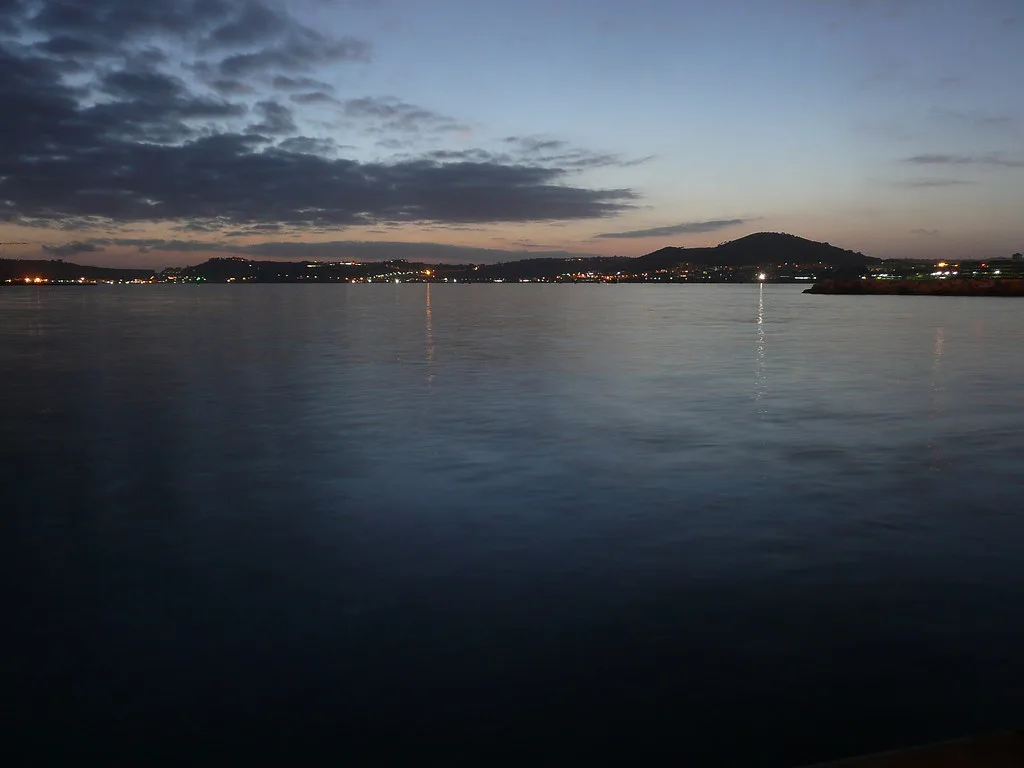
Access depends on sea conditions and booking, so use the Parco Sommerso di Baia for current options. Allow about 3 hours on land and more with a boat trip, as an estimate. Skip the water side if rough seas are forecast or you want dry ruins only.
3. Cumae and the Sibyl's Cave
Cumae's archaeological area is described as the first Greek colony in Italy. Its best-known feature is the Sibyl's Cave, a long trapezoidal passage tied to the oracle of Roman legend. Climb to the upper acropolis for views over the coast and the temple remains.
Best for myth and Greek history; allow about 2 hours as an estimate. The site is spread out, so wear walking shoes and bring water in summer. Skip it if you only have a half day, because Pozzuoli gives better value for less travel.
4. Piscina Mirabilis
The Piscina Mirabilis Bacoli: Tickets, Hours & How to Visit is a vast Roman water cistern in Bacoli, with a nave-like interior of tall pillars. It stored drinking water for the Roman fleet, and the scale surprises most visitors. Entry often depends on a guide or booking, so confirm access with the park before you travel.
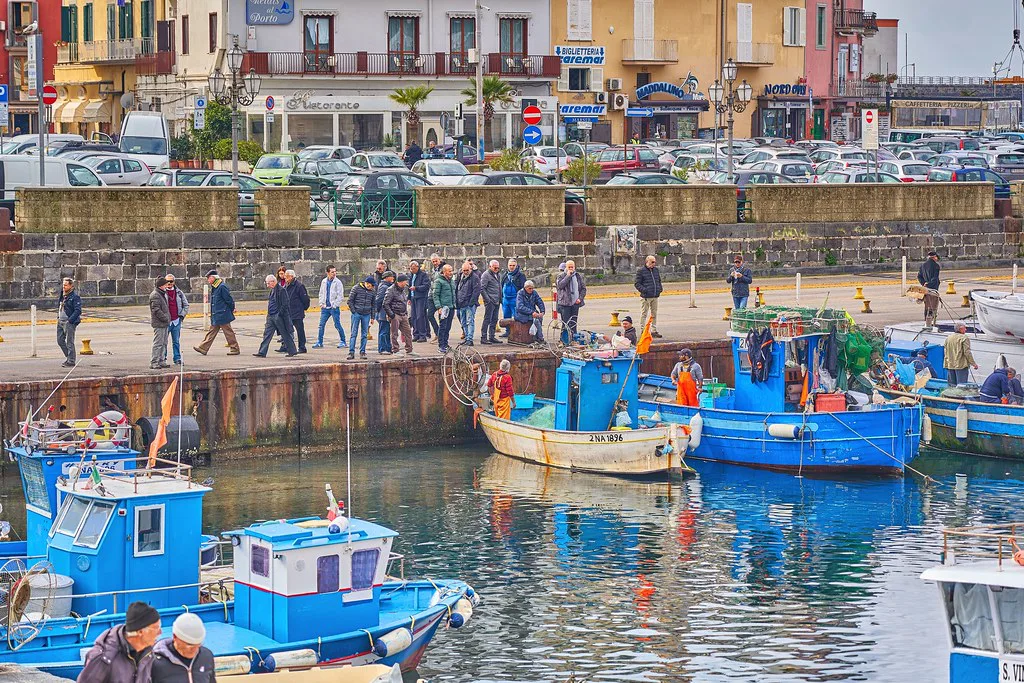
Allow about 1 hour as an estimate, and pair it with other Bacoli stops. Best for architecture fans and rainy-day plans, since the cistern is covered. Skip it if you cannot arrange access, because there is little to see from outside.
5. Lake Avernus
Lake Avernus: Myth, Volcano and How to Visit is a round crater lake that ancient writers linked to the entrance of the underworld. The easiest visit is a walk along the shore with the green crater slopes around you. Best for a free, flexible stop between ticketed sites; allow 1 to 2 hours as an estimate.
Early morning and late afternoon are cooler in summer. Skip it if you want guided ruins or museum interiors, since this is mainly a landscape stop.
6. Monte Nuovo
Monte Nuovo: Europe's Newest Mountain and How to Visit is a small cone created by the 1538 eruption, the last in the caldera. It shows the scale of the eruption that experts expect a future event to resemble, and that is a calm reference point for visitors. Walk up on a marked path for views over the craters and the sea.
Best for hikers and anyone curious about how the caldera works; allow about 1 to 2 hours as an estimate. Wear sturdy shoes and avoid hot afternoons. Skip it if you have limited mobility, because the climb is steady.
7. Stufe di Nerone
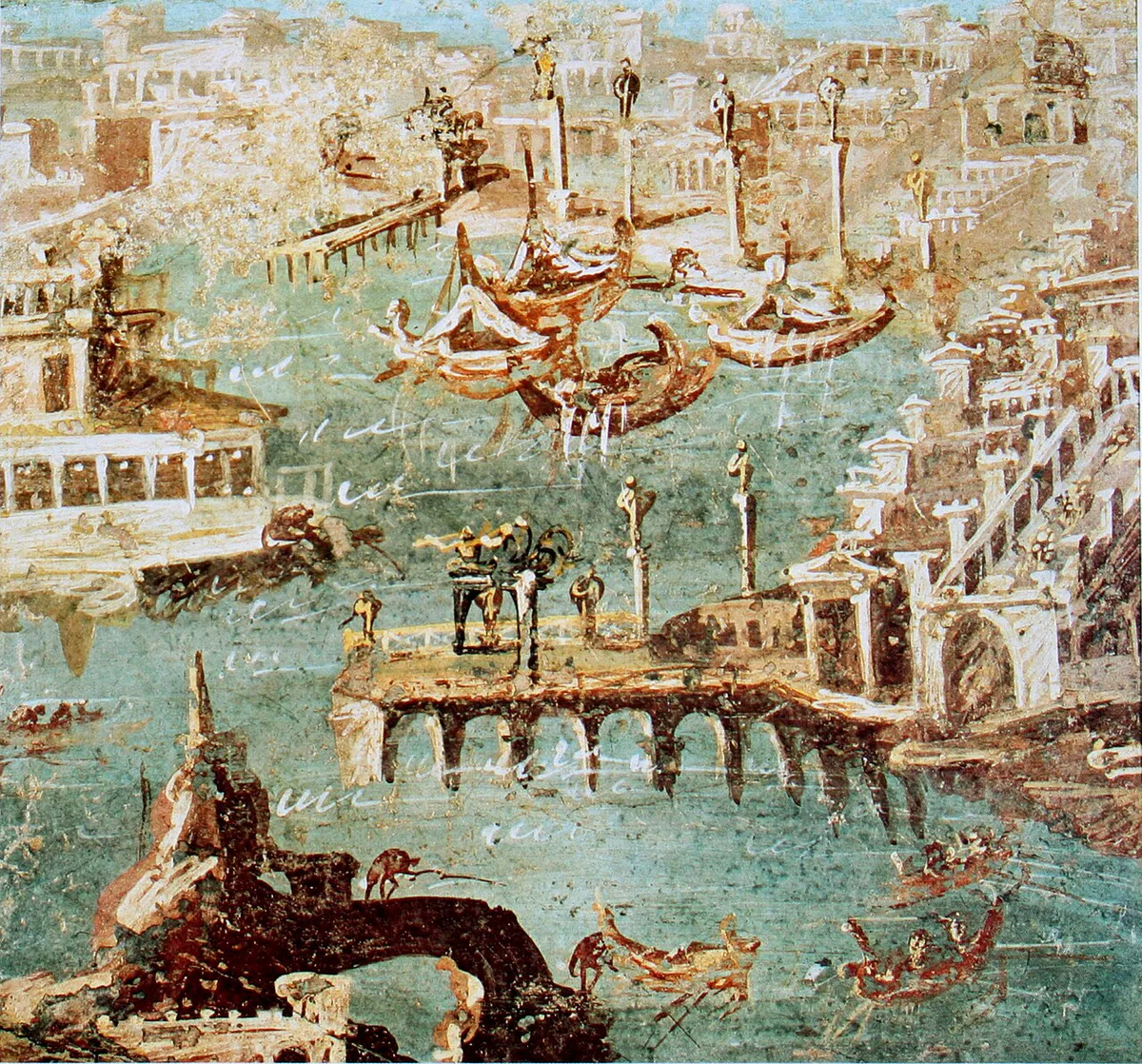
The Stufe di Nerone Spa, Bacoli: Visitor Guide & Tips are ancient Roman steam baths, and they show how people used the area's hot ground. They are a small, specialized stop, so allow about 1 hour as an estimate. Access can depend on guided visits and local management, so verify the current arrangement before you go.
Best for thermal history and for pairing with Baia. Skip them if you are short on time, because other stops give more to see.
8. Solfatara: A Status Check
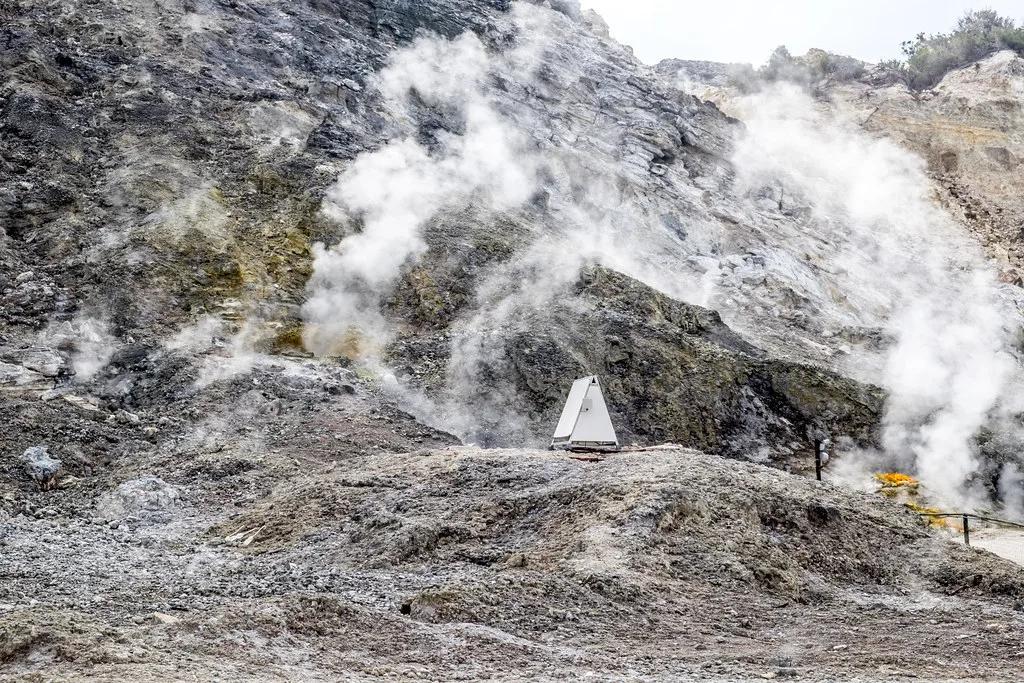
The Solfatara crater is a shallow volcanic crater with sulphurous vapors, long known for steam vents and mud pools. It has been closed to the public since 2017, when a boy and his parents died after falling in. Do not plan your day around it unless the Comune di Pozzuoli or the site operator announces a reopening.
You can still see the crater's surroundings from Pozzuoli, and the hamlet beside it is part of the city. Skip it for now unless an official source confirms access.
Campi Flegrei Itineraries: Half Day, Full Day, Two Days
Group stops by geography so you do not zigzag across the caldera. All durations below are estimates, and a car helps for outlying sites. Our Campi Flegrei Map: Where Sites Are & How to Visit shows how stops are spread out.
| Plan | Stops | Why | Time | Transport |
|---|---|---|---|---|
| Half day | Pozzuoli: Rione Terra and amphitheater | Compact and easy from Naples | About 4 hours | Metro or rail |
| Full day | Pozzuoli, Baia, Cumae | Greek and Roman layers in one loop | About 8 hours | Cumana rail plus local buses or taxi |
| Two days | Day 1 as above; day 2 Bacoli, Piscina Mirabilis, Lake Avernus, Monte Nuovo | Adds the volcanic landscape | Two full days | Car or taxi helps |
Getting There and Around
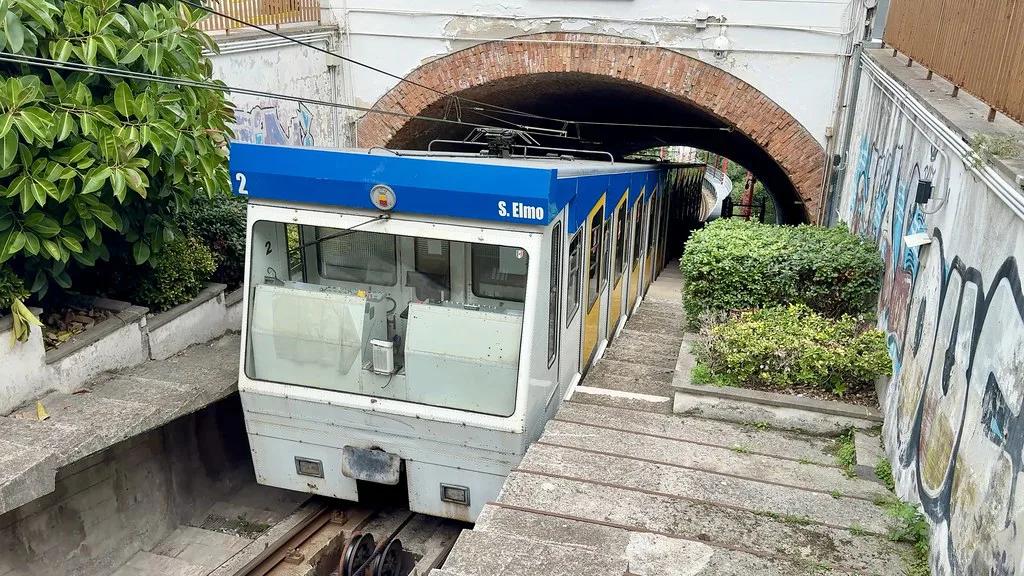
Naples is the usual base, and our guide to Campi Flegrei From Naples: How to Get There and What to See covers each route. Metro and rail reach Pozzuoli, and EAV runs the Cumana railway along the coast. Pick the station that suits each stop, because sites are spread across the caldera. Public transport covers the main sites, while a car or taxi helps for outlying ones like Lake Avernus and Monte Nuovo. Ferry services also call at Pozzuoli, so check the current timetables. Parking and restricted traffic zones differ by town, so verify local rules if you drive.
Residents could be moved out within 3 days, so check the INGV alert level before booking a Naples rail day trip.
Tickets, Hours and Seasonal Timing
No fees are listed here because ticket prices and combined passes change. Use the Archaeological Park's official site for current hours, closing days and passes.
Where to Stay
Choose your base by how much you want to see and how you travel.
| Base | Transport | Quiet | Nightlife | Budget level |
|---|---|---|---|---|
| Pozzuoli | Strong: metro, rail, ferry | Medium | Medium | Mid |
| Baia or Bacoli | Cumana rail, buses | High | Low | Mid |
| Naples | Best for rail connections | Low | High | Wide range |
Common Mistakes and FAQ
Avoid these planning errors before you go.
Solfatara has been closed to the public since 2017, but its crater surroundings remain visible from Pozzuoli, so plan around that view.
- Treating Campi Flegrei as one site
- It is a district of separate sites, so choose a geographic cluster.
- Expecting Solfatara to be open
- The crater has been closed since 2017, so confirm its status first.
- Ignoring sea and booking conditions
- The underwater park and Piscina Mirabilis depend on conditions or booking.
- Trying every site in one day
- Two days is more realistic for the full loop.
Frequently Asked Questions
Is there a supervolcano under Italy?
Popular media call Campi Flegrei a supervolcano, and scientists describe it as a large caldera. Our guide to the supervolcano debate explains the term. INGV monitors the area, so follow its updates for the current picture.
Explore More Guides
Keep planning your trip with these guides.
Guides
- Baia, Italy
- Pozzuoli Guide
- Cumae Guide
- Campi Flegrei Supervolcano: Is It Safe to Visit?
- Lake Avernus: Myth, Volcano and How to Visit
- Solfatara Pozzuoli
- Campi Flegrei Eruption: Risk, Alerts and Visiting
- Piscina Mirabilis Bacoli
- Bradyseism Explained
- Stufe di Nerone Spa, Bacoli
- Rione Terra, Pozzuoli
- Monte Nuovo: Europe's Newest Mountain and How to Visit
- Flavian Amphitheater Pozzuoli: Visit Guide & Tips
- Campi Flegrei Map: Where Sites Are & How to Visit
- Castello di Baia (Castello Aragonese)
- Baia Underwater Park: Visit Baiae's Sunken Roman City
- Campi Flegrei vs Vesuvius: Differences, Risk and Which to Visit
- What Type of Volcano Is Campi Flegrei? Caldera Explained
- Campi Flegrei From Naples: How to Get There and What to See