Rauðhólar (Red Hills) Near Reykjavík: Visit Guide
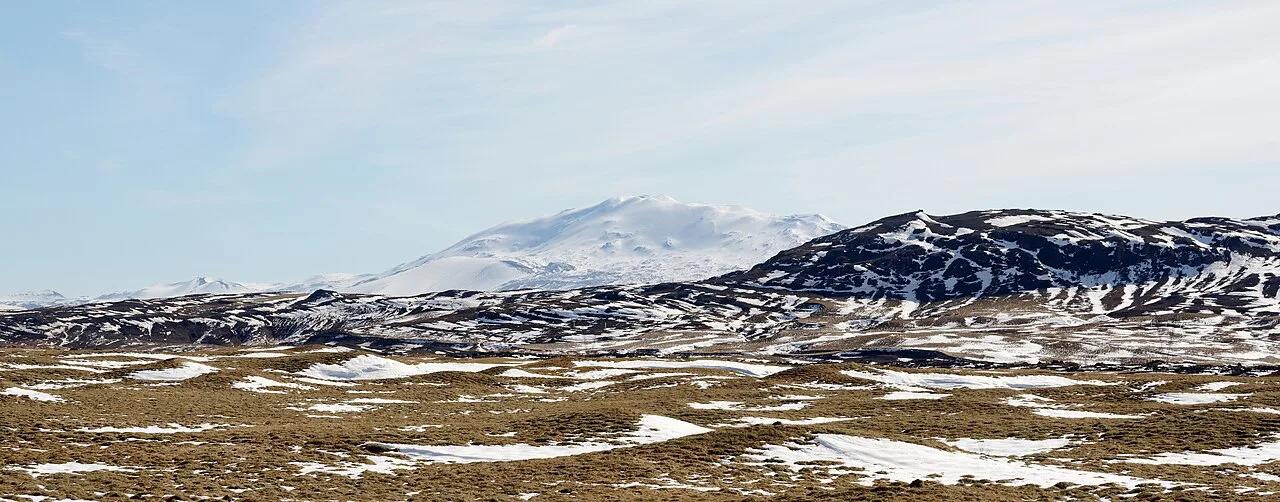
Last updated November 2026: Rauðhólar (Raudholar in plain ASCII) is a group of reddish pseudocraters on the southeastern edge of Reykjavík, near Elliðavatn. It is a protected area you can reach from the city, and it works best as a short walk. Geology fans and photographers should go, while anyone chasing a classic cone can skip it for a bigger crater listed in our guide to volcanoes in Iceland.
Featured image: Garaigoikoa, CC BY 2.0, via Flickr.
Rauðhólar (Raudholar) at a glance
Rauðhólar means "Red Hills", and the name describes the rusty scoria that colours the mounds. Expect low, rounded hills beside Elliðavatn rather than a tall cone. A different Rauðhólar sits in north Iceland near Hljóðaklettar and Ásbyrgi. This guide covers only the Reykjavík site.
- Type: pseudocraters, also called rootless cones, not volcanic vents.
- Location: near Elliðavatn, on the southeastern edge of Reykjavík.
- Effort: a short, easy stop on a half-day outing.
- Best for: geology, photography and a quick nature break from the city.
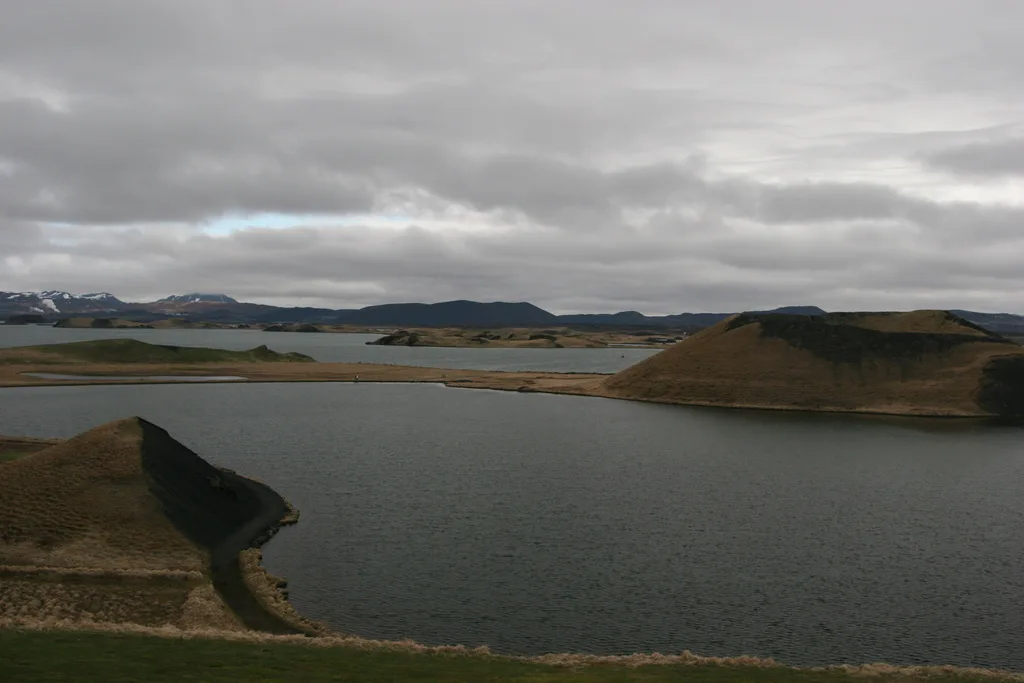
What Rauðhólar are and how they formed
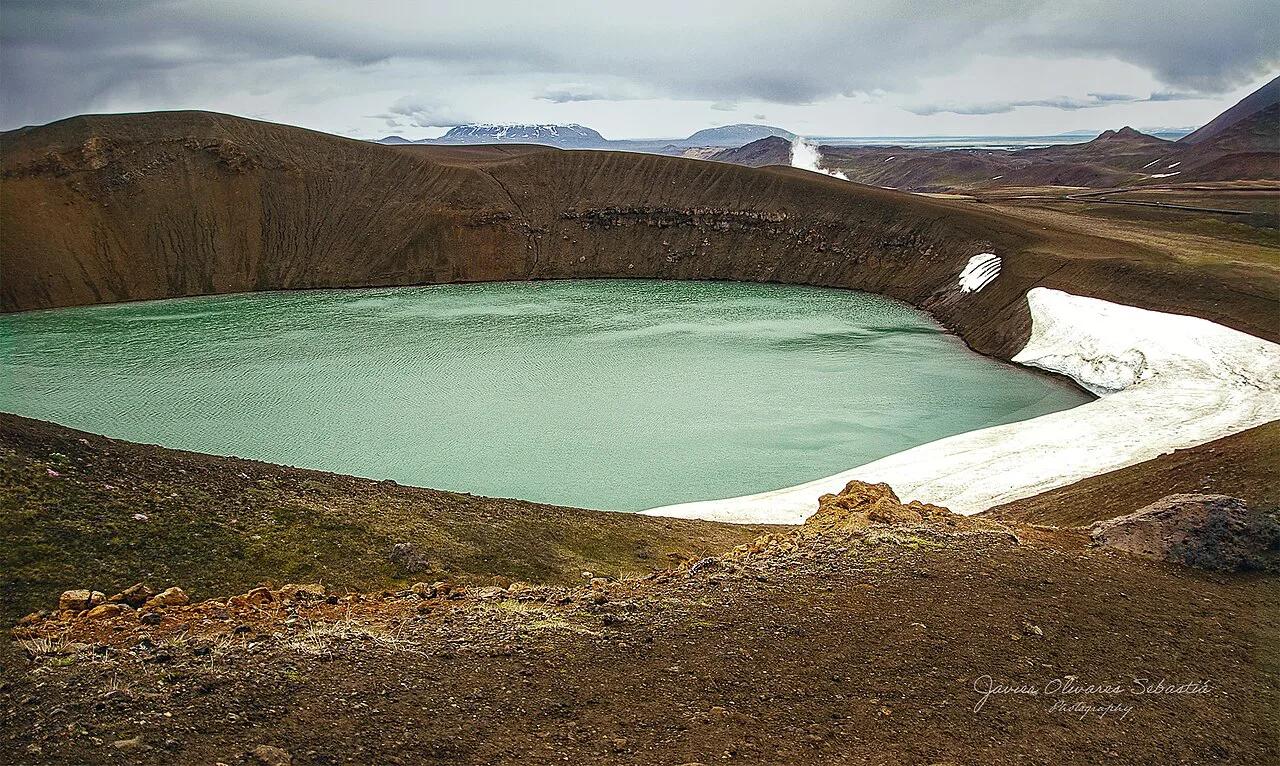
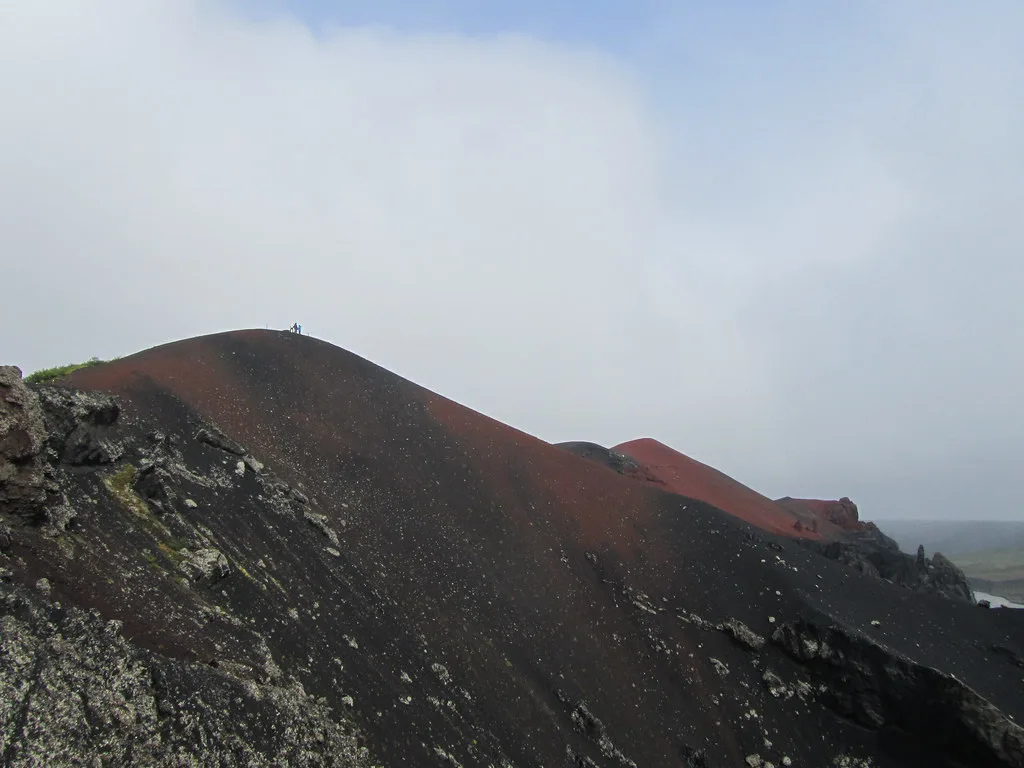
Rauðhólar formed when the Elliðaárhraun lava flowed over wet ground. Water trapped under the flow turned to steam and blasted through it. That built small craters with no magma conduit beneath them. Sources vary on the age, with figures from roughly 5,000 to 5,200 years. Quarrying and erosion have worn the hills down since then. For the wider picture, read why Iceland has so many volcanoes. Other flows of this kind are covered in our guide to Iceland's lava fields.
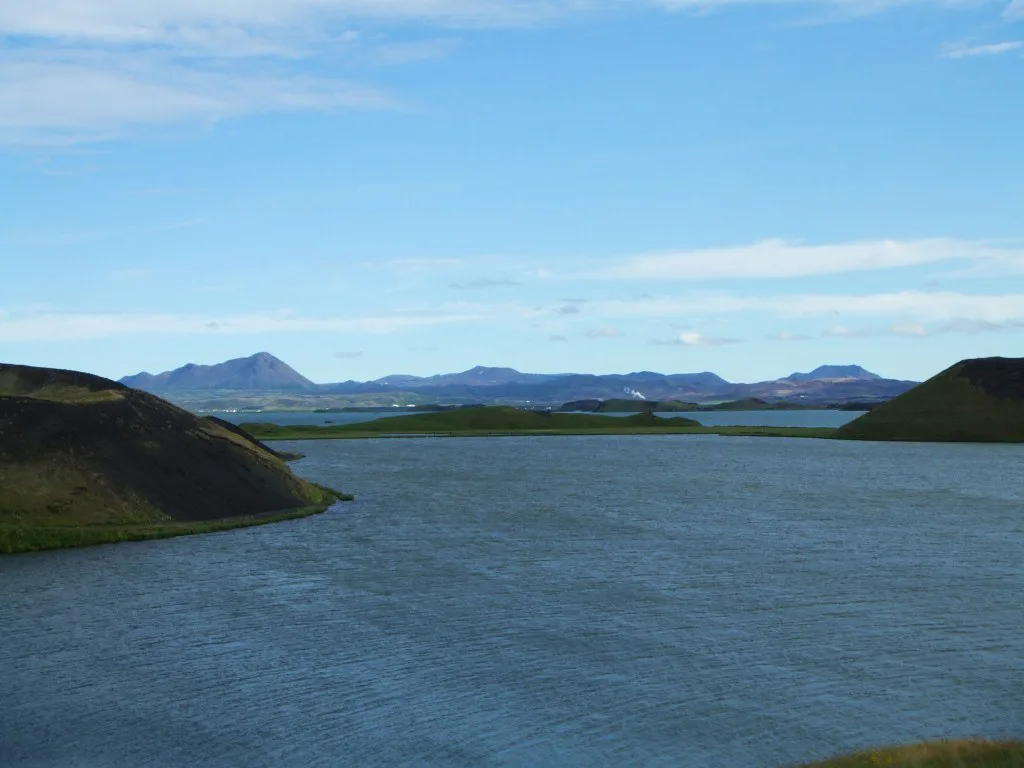
Is Rauðhólar worth visiting?
It is worth a stop if you want to see how lava and water interact. It is a poor choice if you expect a steep, dramatic crater. Set your expectations before you drive out.
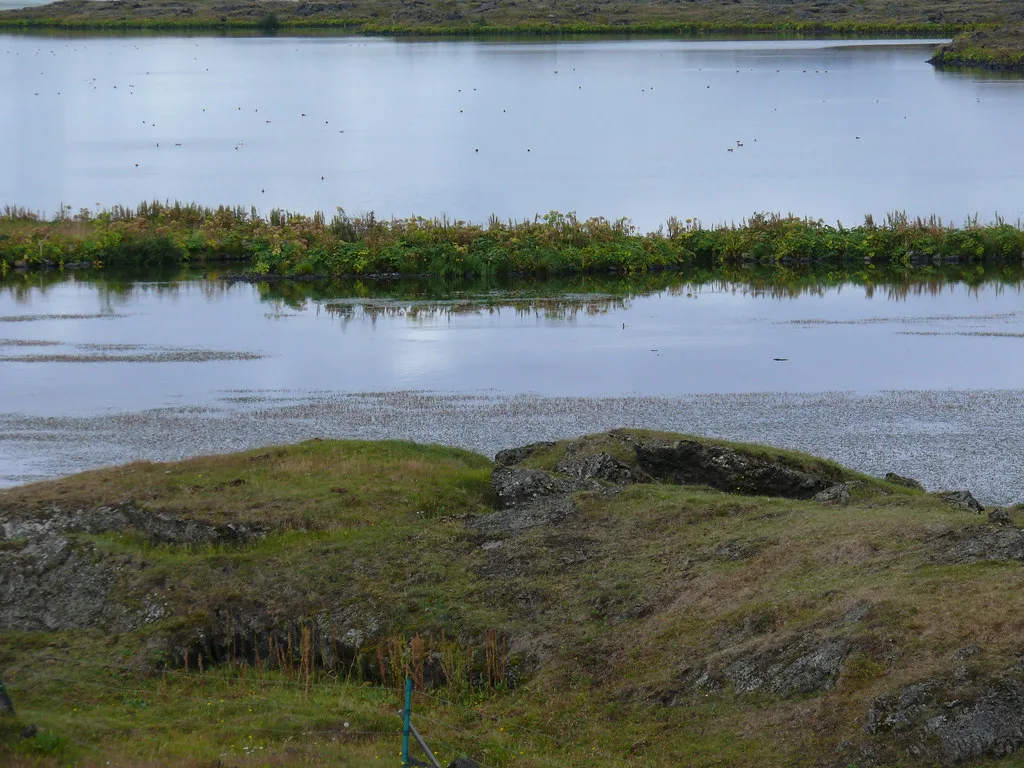
- Go if you like geology, quiet paths or low-angle light photography.
- Go if you have an hour spare near Elliðavatn and want a nature fix.
- Skip if you only have time for one crater and want a true volcanic vent.
- Skip if you expect big views, climbing or a visitor centre.
How to get to Rauðhólar
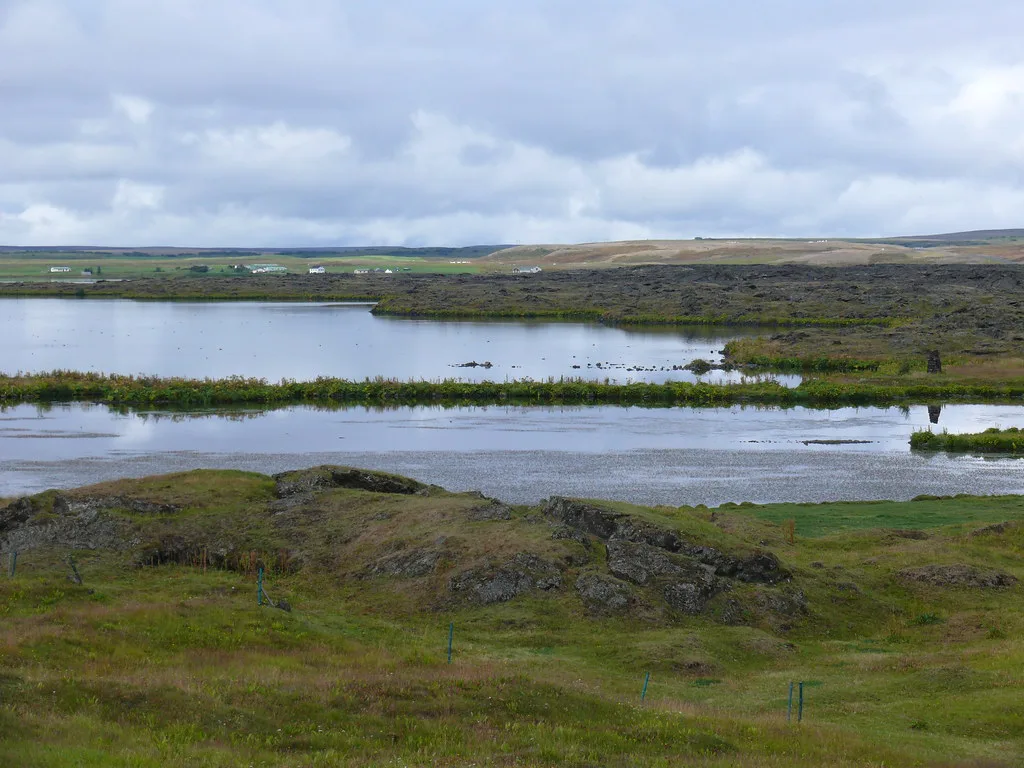
Driving is the simplest option from central Reykjavík, because the site lies on the city's southeastern fringe. Use the Volcanoes in Iceland Map: Where They Are & Which to Visit to place it against other sites. Look for the Rauðhólar and Elliðavatn area on your navigation app. Bus and cycling routes change, so check Visit Reykjavík for current options. Park only in marked areas and leave gates and tracks clear.
Walking and what to see on site
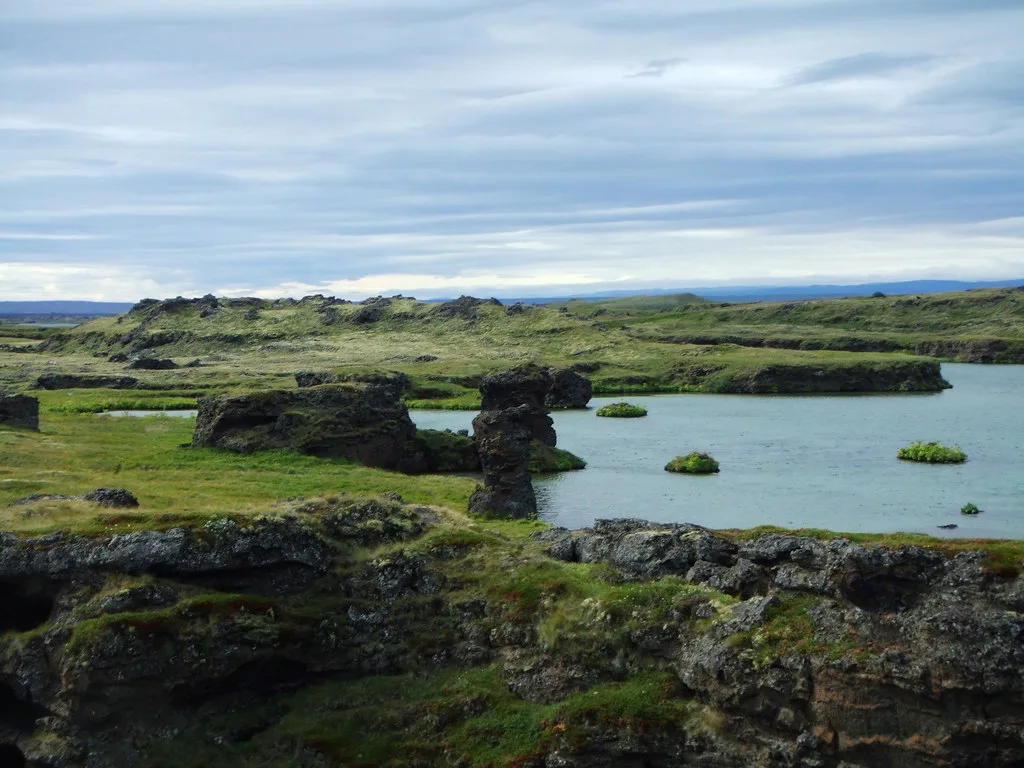
Paths wind between the mounds, so you can make a short loop and turn back whenever you like. Look at the exposed red scoria and the rounded hollows left by steam blasts. Moss and birch scrub soften the slopes in summer. Surfaces are natural paths, so wear sturdy shoes after rain. Keep to the paths, because the slopes are fragile.
Best time to visit and photography
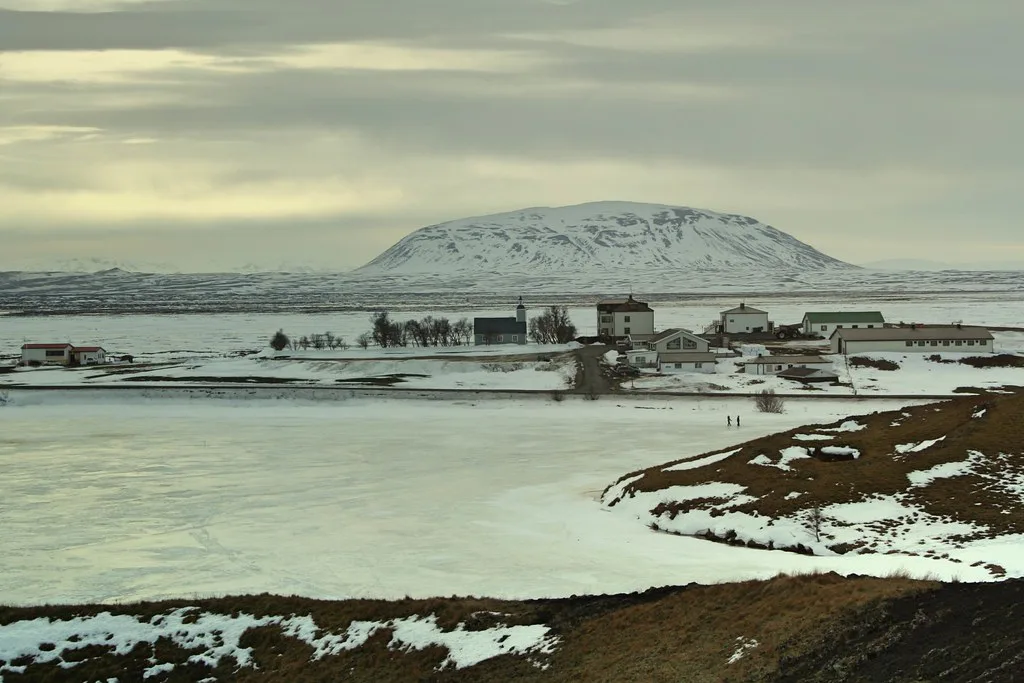
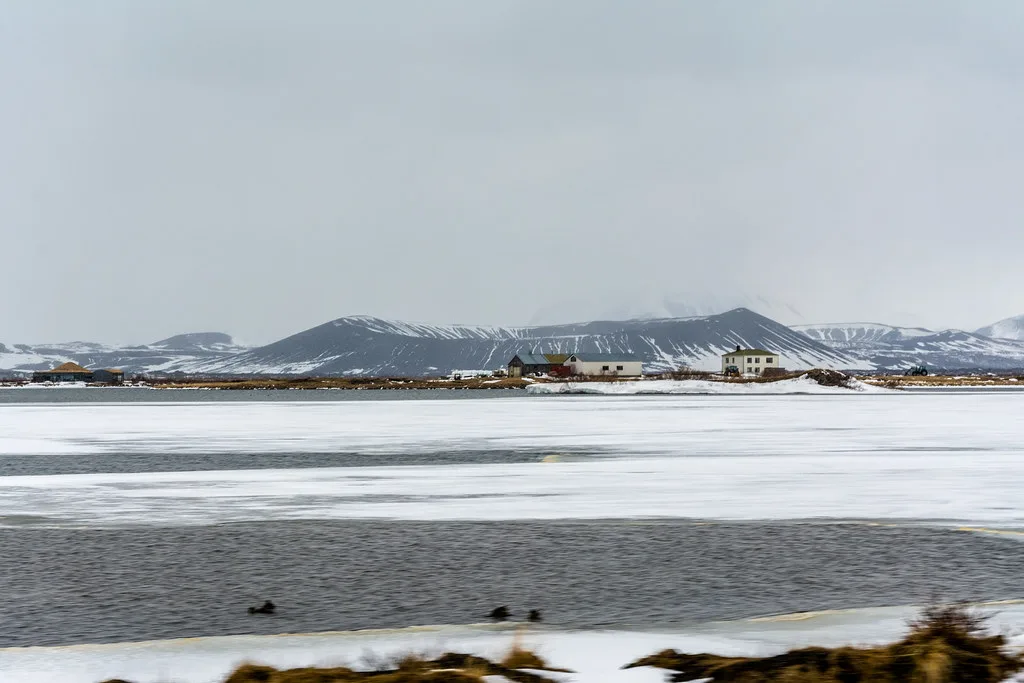
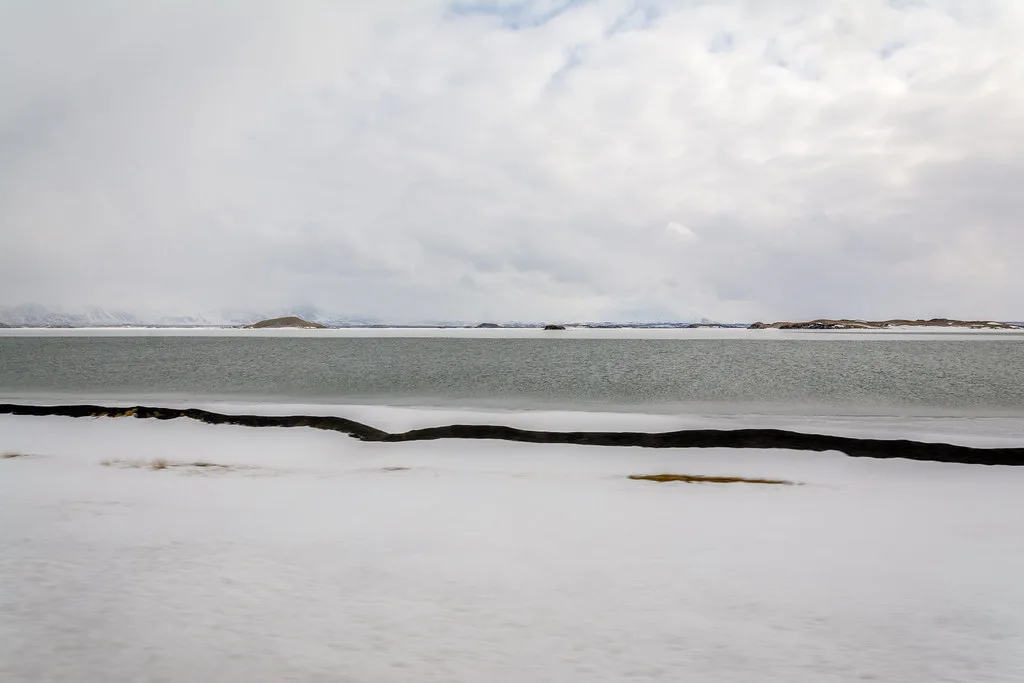
Summer brings green moss against the red scoria, which makes the strongest colour contrast. Snow turns the hills into soft white shapes with rusty patches showing through. Autumn and winter give low, warm light that suits photography, though weather changes fast. Check conditions on Safetravel Iceland before you set out. Drones may be restricted in protected areas, so confirm the current rules first.
Rules and protecting the site
Rauðhólar is reported to have been protected in 1961 and made a nature reserve in 1974. Whatever the exact wording, treat it as a fragile landscape. Mistakes are easy to avoid if you follow a few habits.
- Stay on marked paths and never climb the slopes.
- Do not take rock or scoria as a souvenir.
- Carry out all litter.
- Do not assume the hills are a vent: no eruption threatens them.
Rauðhólar compared with other Iceland craters
Use this table to choose between Rauðhólar and the better-known craters. Each row stays qualitative, because access details change. You can read more in our guides to Grábrók crater, Eldborg Crater, Iceland: Walk, Access & Which Eldborg to Visit, Saxhóll crater and Krýsuvík.
| Site | Type | Access | Effort |
|---|---|---|---|
| Rauðhólar | Pseudocrater group | Near Reykjavík, easy drive | Short walk |
| Grábrók | True volcanic crater | Needs a drive | Short climb |
| Eldborg | True volcanic crater | Needs a drive | Moderate walk |
| Saxhóll | True volcanic crater | Needs a drive | Short stair climb |
| Krýsuvík | Geothermal and volcanic area | Needs a drive | Easy walks |
Combine it with nearby stops
Pair Rauðhólar with a stroll by Elliðavatn for a relaxed half day. Add the Lava Show in Reykjavík in the evening to see how molten lava behaves. For a bigger volcanic day out, compare Iceland Volcano Tour: Types, Timing and How to Choose before you book.