Is It Safe to Travel to Iceland During an Eruption? Risks, Checks and Decisions
Last updated November 2026, and the short answer to whether it is safe to travel to Iceland volcano country is yes for most visitors who follow official closures. Risk is local and sits near the eruption site, not across the whole country. Conditions change quickly, so check live sources before you fly and again before you drive. Our guide to Iceland's volcanoes gives the wider background.
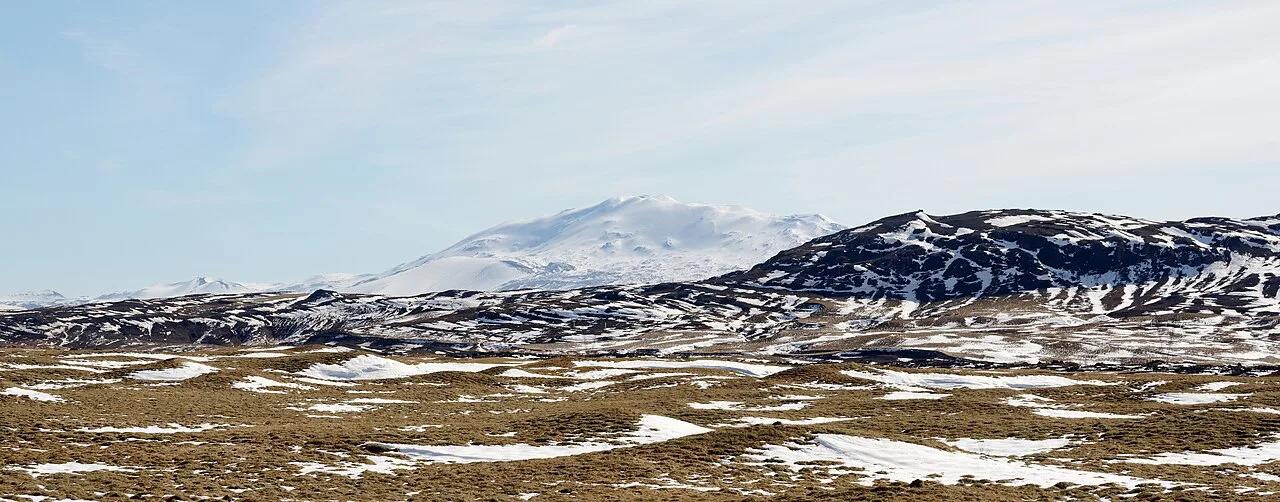
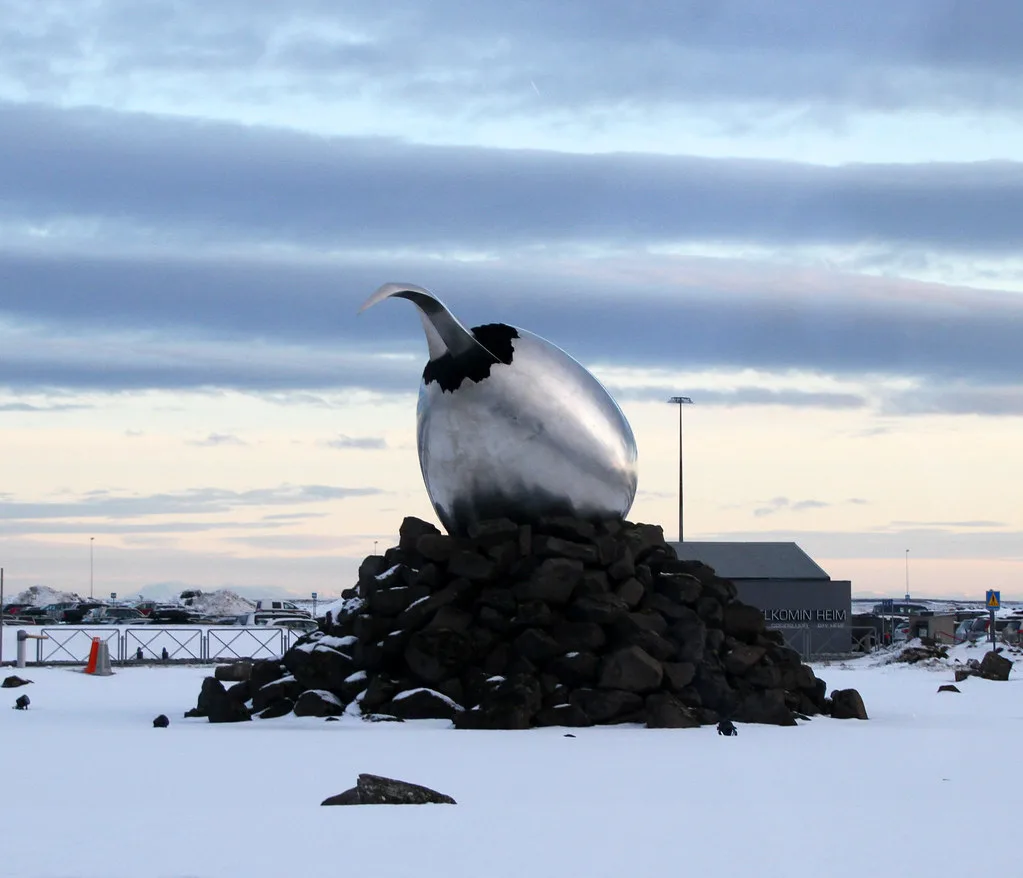
Featured image: frankh, CC BY 2.0, via Flickr.
Is it safe to travel to Iceland volcano areas? A five-minute check
Start with official sources rather than headlines. Each one answers a different question, and together they take about five minutes. This page does not state whether any eruption is active today, because that can change within hours.
- Eruption status, hazard maps and gas forecasts: the Icelandic Met Office publishes these.
- Travel alerts and area closures: Safetravel Iceland carries advisories for visitors.
- Evacuations and civil protection decisions: Icelandic Civil Protection at almannavarnir.is issues these.
- Road closures on your route: the Road and Coastal Administration at road.is lists them.
- Flight status: your airline and Keflavík airport show the real operating picture.
What the three real risks are
Visitors face three distinct risks, and they do not weigh equally. Most tourists are exposed to the third far more often than the first. Our overview of how Icelandic eruptions unfold explains the mechanics behind each one.
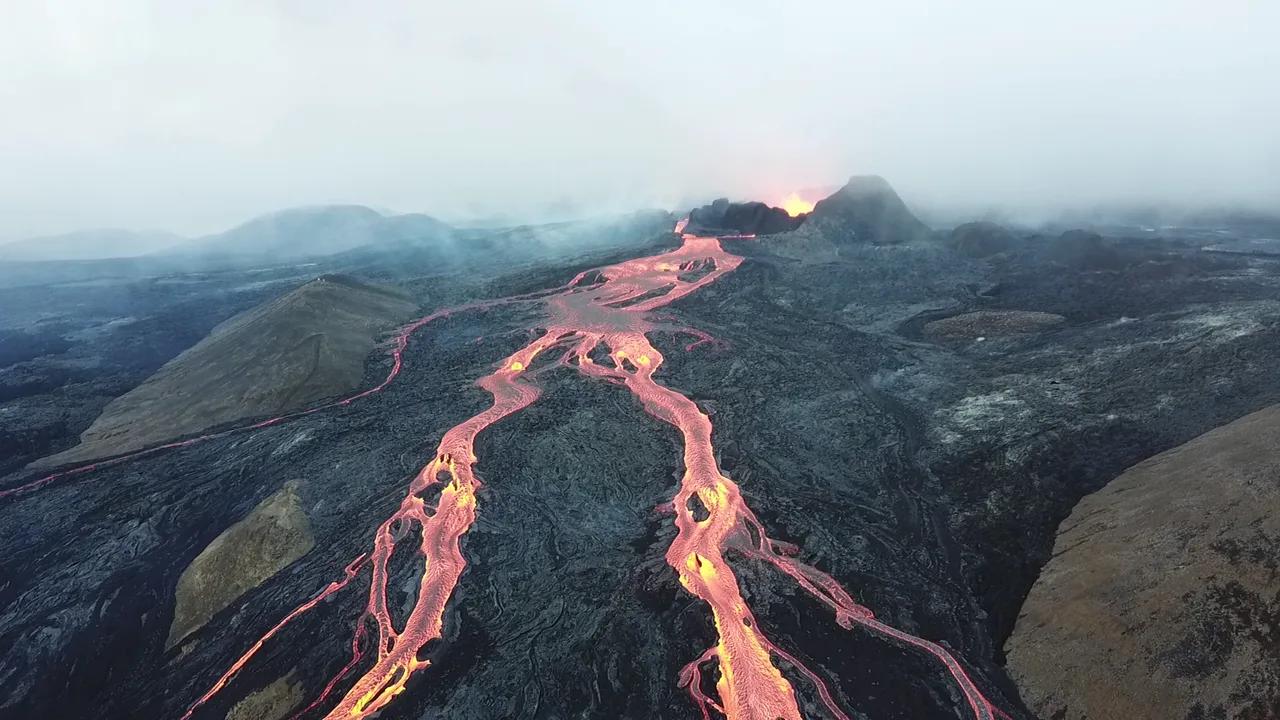
- The eruption site: lava flows, volcanic gas and new vents opening with little warning. Closures exist to keep you away from this.
- Air quality downwind: volcanic gas such as sulphur dioxide can drift and cause haze, sometimes called vog. The Met Office gas forecasts show where it is heading.
- Travel disruption: closed roads, trails and areas, plus possible flight changes. This is the risk that most often alters a visitor's plans.
Reykjanes versus the highlands: why location matters

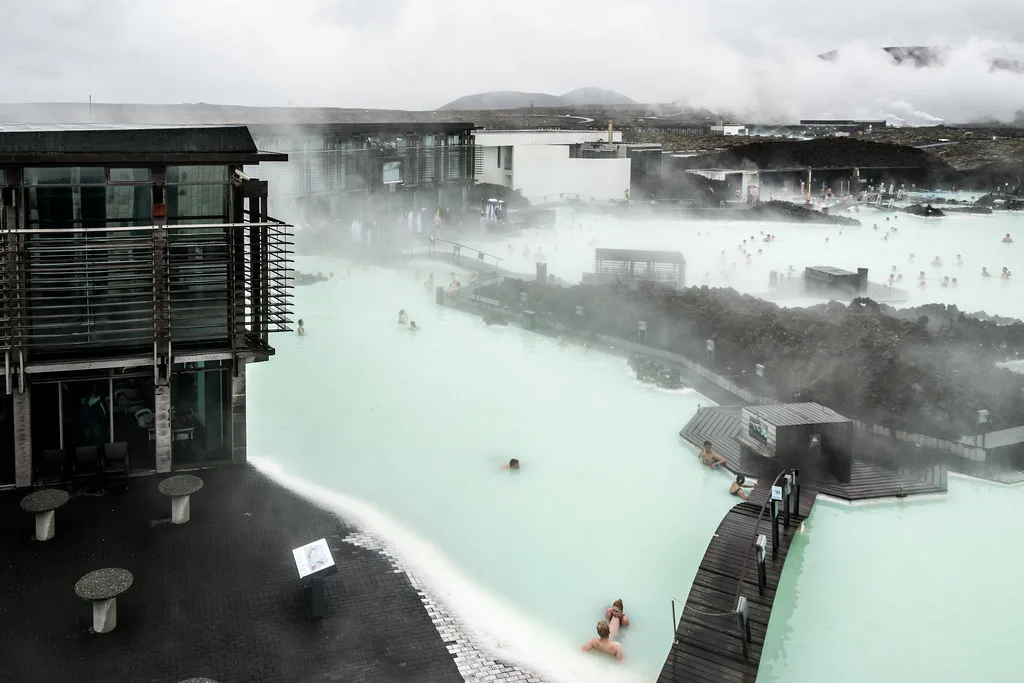
Where an eruption happens shapes what it means for you. Reykjanes peninsula eruptions sit close to Grindavík, the Blue Lagoon area and the road network around Keflavík airport. That proximity is why local closures can affect arrival-day logistics. Remote highland systems are different, since few visitors are nearby and interior roads are already limited. Our list of which systems are active shows what sits where. A map of volcanic systems makes the contrast easier to see. Check current access to Grindavík and the Blue Lagoon area before you plan a visit there, because those rules have changed more than once.
Flights and Keflavík airport: what to verify and when

Eruption type matters for flights. Effusive eruptions, which mostly produce lava, usually leave airspace open. Explosive, ash-producing eruptions are the ones that can disrupt flying, as happened in 2010. A repeat of 2010 should not be assumed, and neither should cancellations. Look at your airline's notices and the Keflavík airport status page rather than guessing. Check them 48 hours before departure and again on departure day. Build in a spare day if you have a tight onward connection.
Go, adjust or postpone: a decision table
Base your decision on observable triggers, not media coverage. This table maps each trigger to a sensible response.
Use the 48 hours before departure check as the trigger for the airline-notice row. Cancellations there mean rebooking and adding buffer days, so decide before you reach the airport.
| Trigger you can observe | Suggested response |
|---|---|
| No closure affecting your itinerary; flights operating normally | Go, and keep checking Safetravel before each driving day |
| Official closure of one attraction, trail or road on your route | Adjust: swap in another stop or book a guided option |
| Hazardous gas warning for your area | Adjust: shift days, stay indoors and avoid the affected zone |
| Airline notice of cancellations or ash-related disruption | Adjust or postpone: rebook with the airline and add buffer days |
| Closure covering your main destination, such as a Reykjanes base | Postpone, or move the base to another region |
If you want to see an eruption safely
Viewing an eruption is possible only where authorities allow it. Closures can change within hours, so a permitted viewpoint one day may be shut the next. Follow rescue-team advice and obey every closure sign. Never cross a barrier for a better photo. Guided trips handle live conditions for you. Our page on guided volcano viewing options covers what to look for. Choose operators that carry gas meters, brief you on turn-back rules and cancel when conditions turn. Helicopter and boat options depend on current rules, so ask what applies on your date. Nervous visitors can try the indoor lava demonstration in Reykjavík, which carries no eruption risk. Past eruptions are explained at Eldheimar in the Westman Islands.
Booking and insurance tips for an eruption season
Flexibility is cheap compared with a lost trip. Choose refundable or changeable flights and accommodation where you can. Read your travel insurance wording for volcanic disruption, since coverage varies and should not be assumed. Look for clauses on airspace closures, government advice and missed connections. If you drive, pick a rental car for freedom to reroute. Pick a guided tour if you want road closures and viewing rules handled for you.
Health and who should take extra care
Gas exposure matters most for people with asthma, heart or lung conditions, and for pregnant travelers. Families with small children and travelers with tight connections should also plan more carefully. Ask your doctor before you go if any of this applies to you. The Met Office gas forecasts help you avoid affected areas on the day.
Three myths to drop
Iceland is not closed during eruptions. Closures cover specific areas, and the rest of the country operates as usual. Not all eruptions ground flights, since most lava-type events leave airspace open. Reykjavík is not automatically in danger either, because risk depends on the location of the eruption and the wind. Check Safetravel's current alerts for the actual picture on your dates.