5 Ways to Visit Mount Vesuvius: Hiking & Facts Guide
Last updated November 2026: Mount Vesuvius is an active somma-stratovolcano in Campania, about 9 km (5.6 mi) east of Naples, and it last erupted in 1944. Visitors can walk to the crater rim through Vesuvius National Park. Our guide compares five ways to visit, then covers bases, timing, Pompeii pairings and mistakes to avoid.
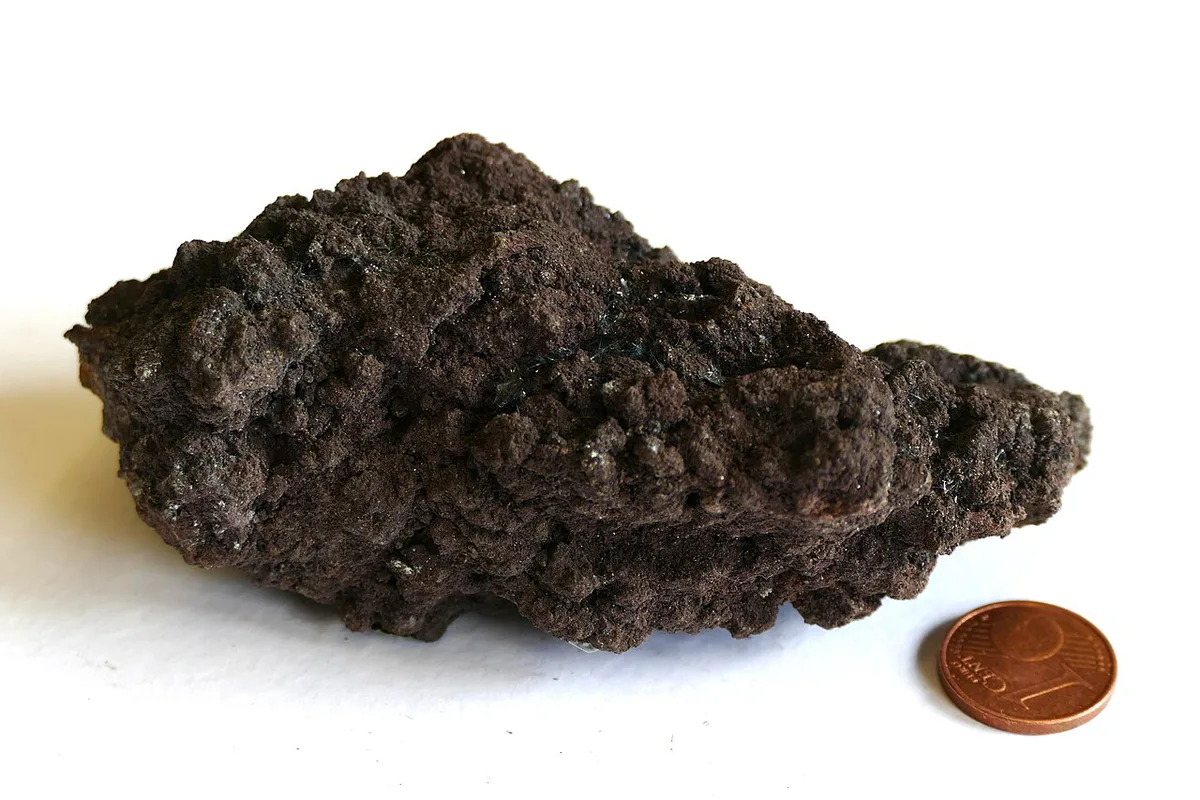
Featured image: Jebulon, CC0, via Wikimedia Commons.
Mount Vesuvius at a Glance
Vesuvius is a large cone, the Gran Cono, partly ringed by the steep rim of the older Monte Somma caldera. Geologists therefore call it Somma-Vesuvius. Read our explainer on the volcano type for the geology. Quick numbers sit in the table below. Our key facts page goes deeper. Use this map of the volcano and park to place the trails. This guide suits first-time visitors choosing between a crater walk, a tour and a view from afar. Vesuvius last erupted in 1944; our guide to active volcanoes in Europe shows where it sits among the continent's other live volcanoes.
| Fact | Detail |
|---|---|
| Type | Somma–stratovolcano |
| Summit height | 1,281 m (4,203 ft) |
| Somma rim high point | 1,132 m (3,714 ft) at Punta Nasone |
| Location | Campania, about 9 km (5.6 mi) east of Naples |
| Last eruption | March 1944 |
| Protected area | Parco Nazionale del Vesuvio |
Is Mount Vesuvius Worth Visiting?
Official park material describes the Gran Cono path as a walk along the crater of an active volcano, with views across Campania and Lazio. That view is the main reason to go. The table below matches traveler types to the five options in our list. For a longer verdict, read our worth-it breakdown.
| Traveler | Best fit | Why |
|---|---|---|
| First-timers | Crater rim walk or guided tour | Reaches the crater without trail planning |
| Families | Guided tour or viewing from a distance | Easier to shorten or leave early |
| Hikers | Rim walk plus other park trails | The park lists 11 paths |
| History fans | Combined Pompeii and Vesuvius tour | Connects the volcano to the ruins |
| Short-stay visitors | Guided tour or viewing from a distance | Fewer transfers to arrange |
Is Mount Vesuvius Still Active, and Is It Safe?
Vesuvius is still regarded as an active volcano. Current activity produces little more than sulfur-rich steam from vents in the crater. Landslides inside the crater have raised ash-dust clouds a few times since 1944, which triggered false alarms. Our last eruption page tells the March 1944 story. Read how active the volcano is today for a longer answer. Monitoring sits with the INGV Osservatorio Vesuviano. Our observatory page explains what its staff track. Italy's civil protection service publishes evacuation planning for the area. Our red zone explainer shows what that means for the towns on the slopes. The park website carries an alert notice, so read it on the day you plan to climb. We do not quote a current alert level here because it can change.

5 Ways to Visit Mount Vesuvius
Prices and hours checked November 2026. Cost levels below are relative, because fees change and the park authority sets them. Each option trades time, effort and flexibility differently.
1. Walk the Gran Cono crater rim
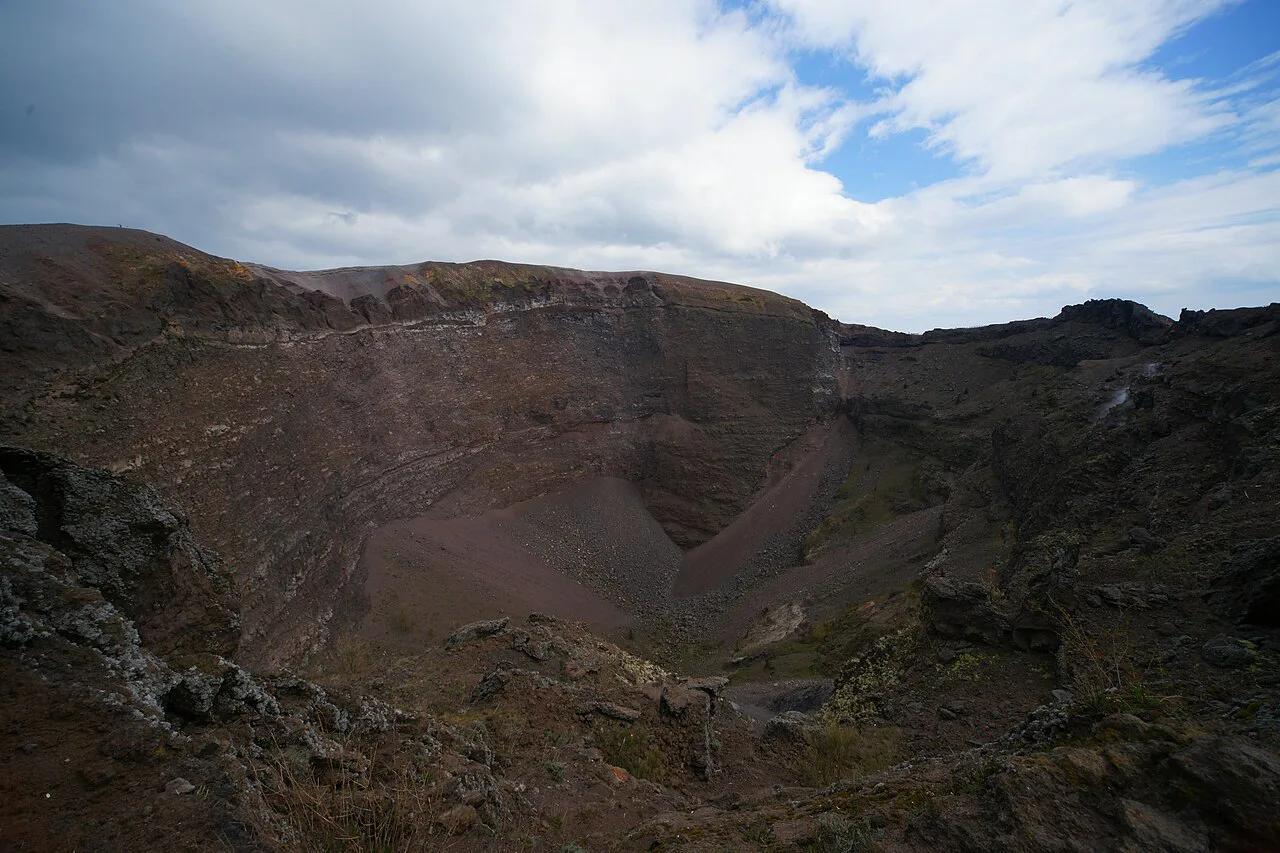
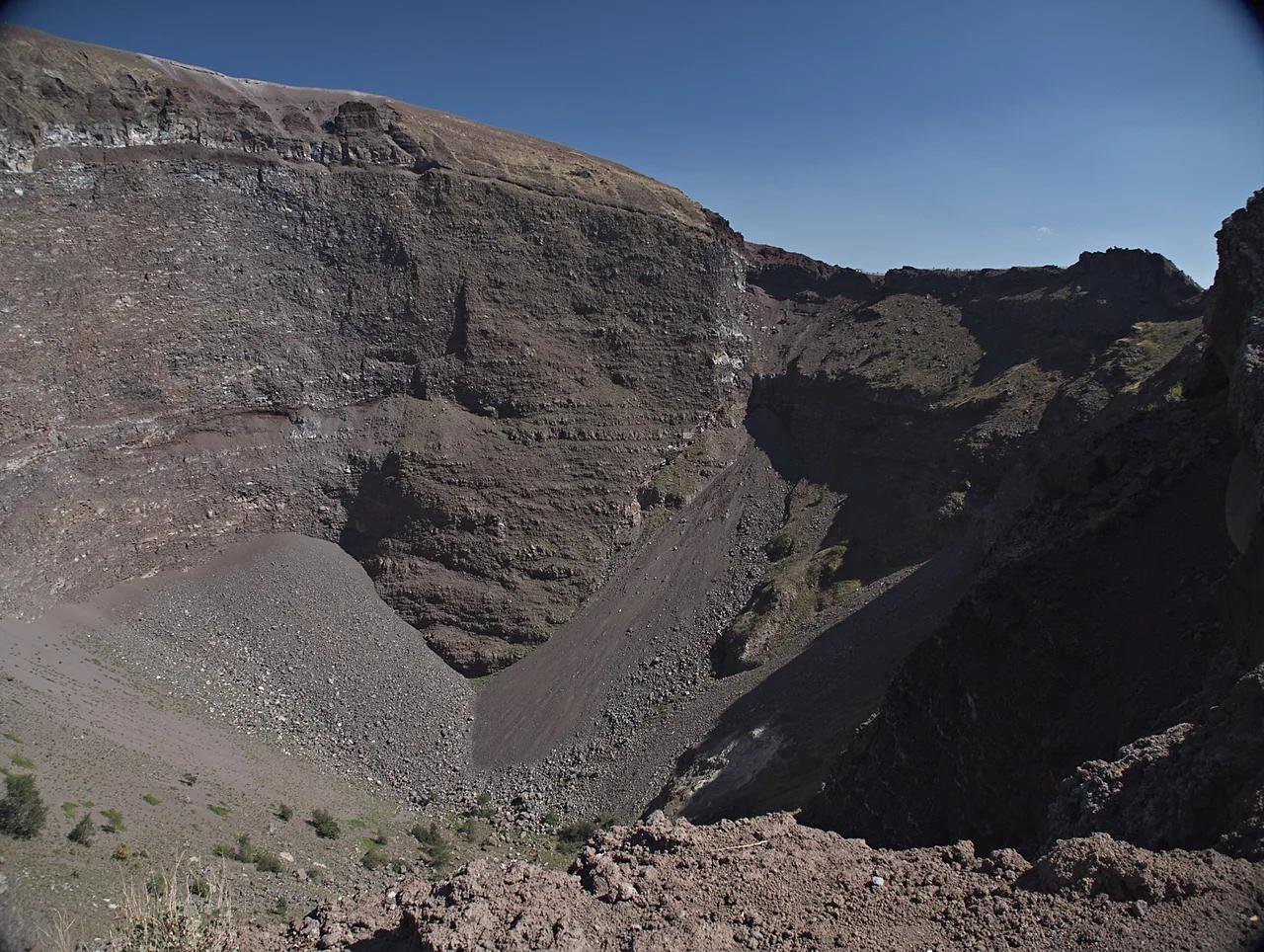
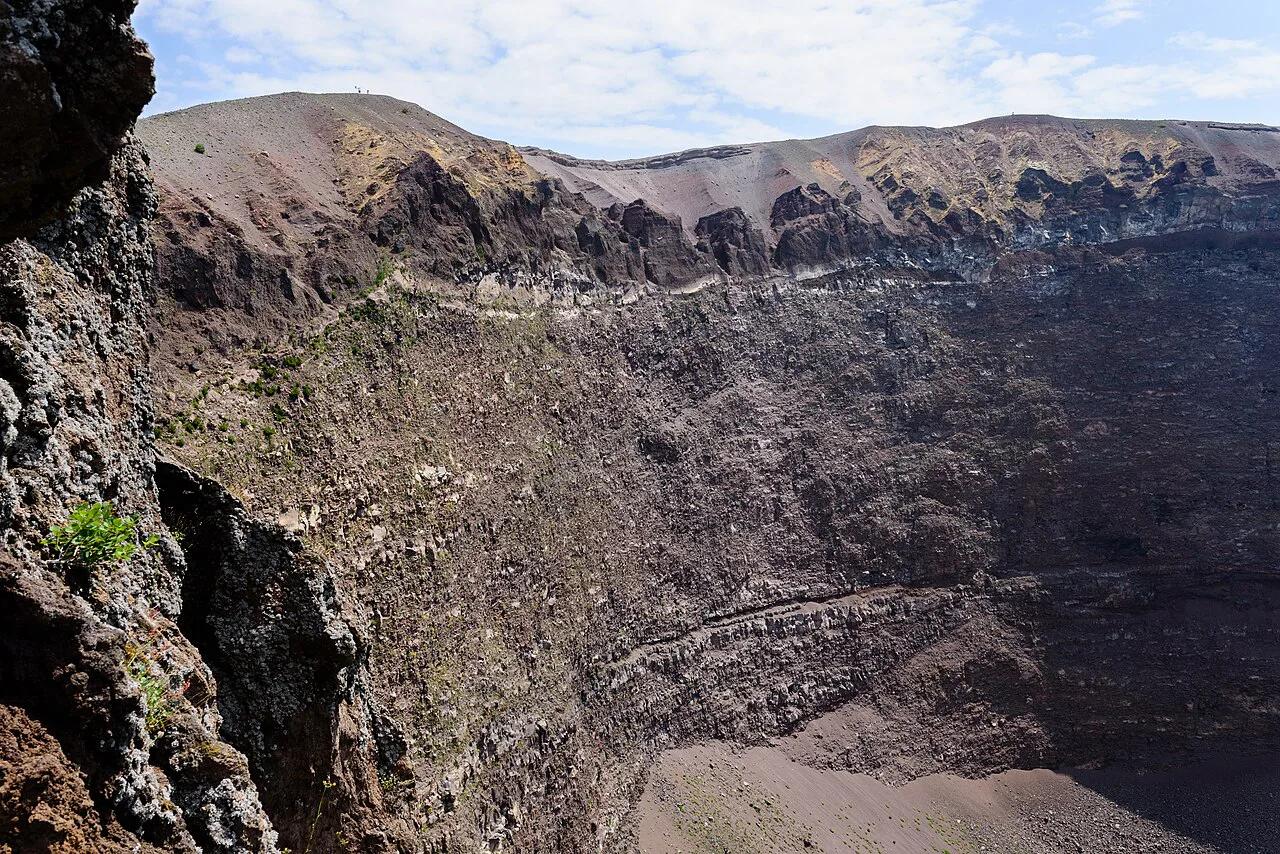
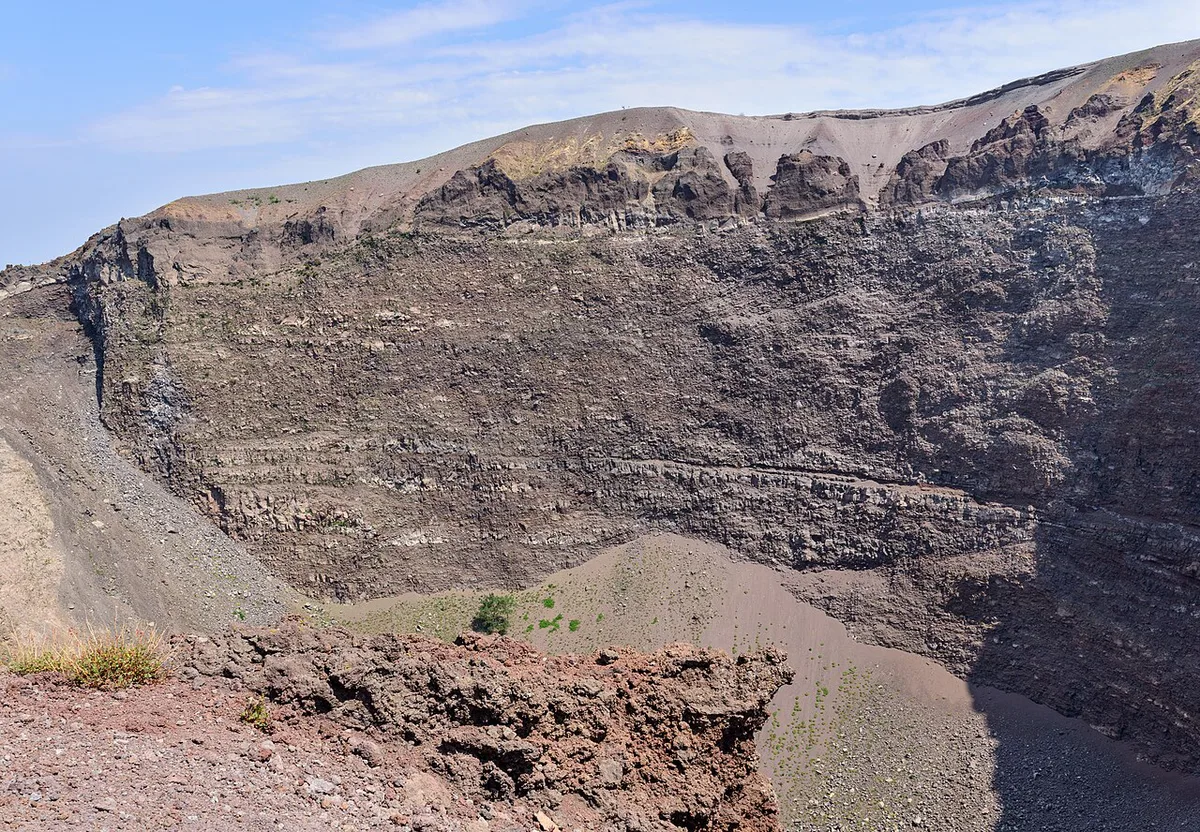
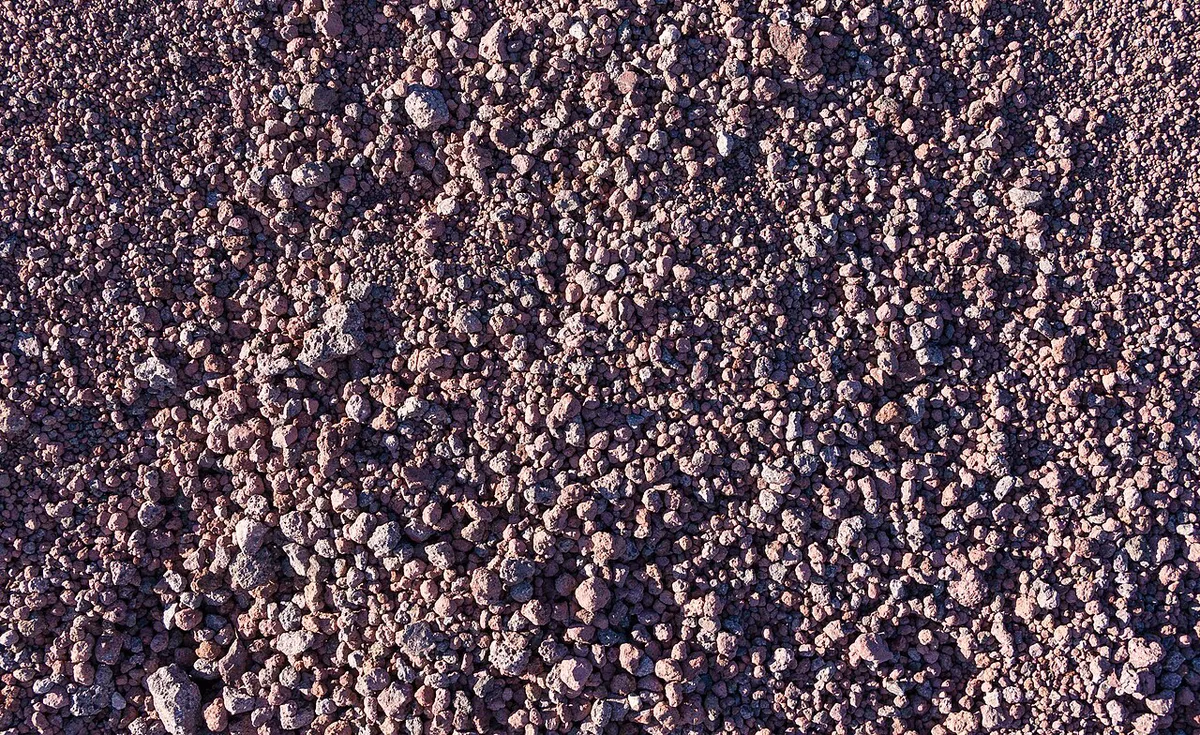
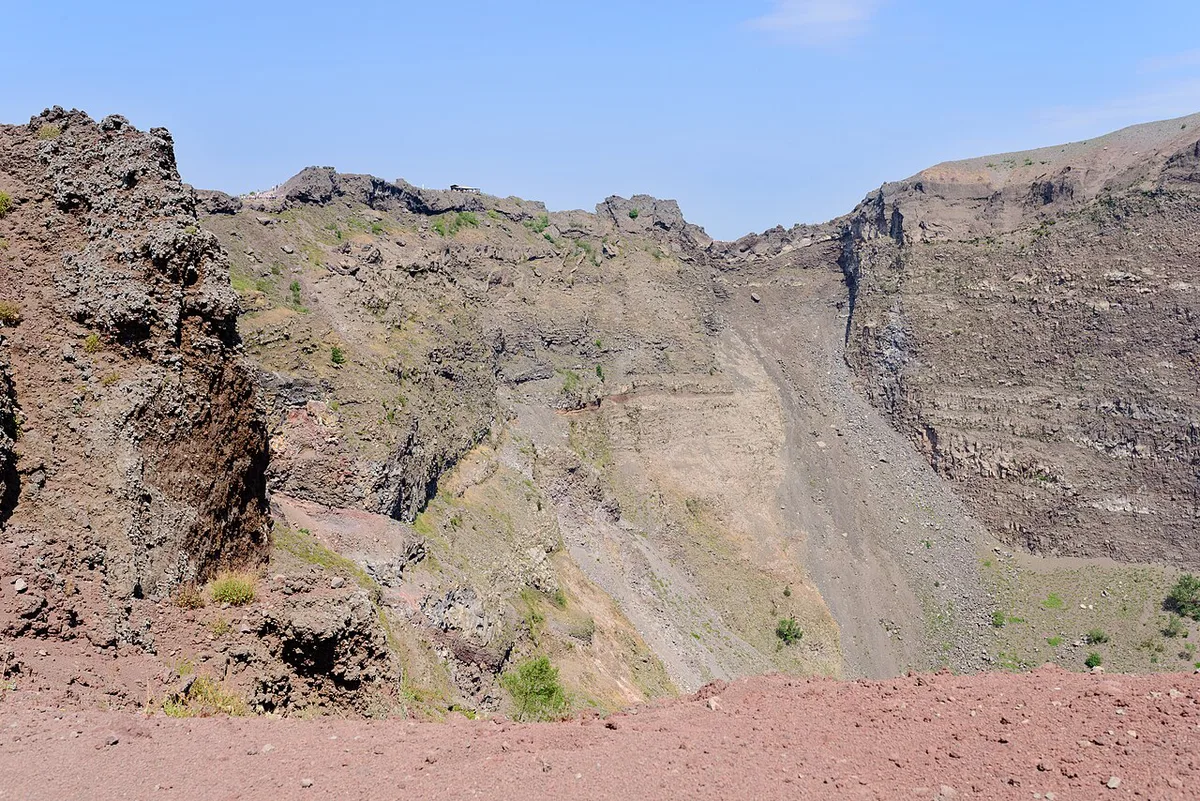
The main route climbs the Gran Cono along the western side of the crater rim, according to the park authority, and the park labels it Path No. 5. You look into the crater of an active volcano, and our crater guide explains what you are seeing. Expect an uphill walk on volcanic ground, so wear closed shoes with grip and carry water and sun cover.
Our hike guide covers the route step by step. Closures, ticket rules and any time-slot system can change, so read the park's current notice and our booking and entry rules first. Skip the rim walk if heat, mobility limits or low cloud would spoil the climb.
2. Join a guided tour
A guided tour handles transport and commentary, so you spend your energy on the volcano instead of logistics. The park also describes an alternative route, under construction, that would let guided groups travel around the full crater circle. Cost sits at a mid to high level compared with going alone, because transfers and a guide are included.
Compare itineraries in our tour options, and check each operator's pickup point and inclusions. Book ahead, and confirm availability for your date. Skip a tour if you prefer to set your own pace or turn back whenever you like.
3. Combine Vesuvius and Pompeii on one tour
Pompeii is the Roman city buried in the 79 AD eruption, and Vesuvius is the cause. A combined itinerary lets you see both in one day without arranging separate transport. Our combined itinerary guide explains how such days are usually structured.
Energy is the main cost, since the ruins are exposed to the sun and the crater rim sits at 1,281 m (4,203 ft). Opening hours at the ruins shape the day, so read them on the Pompeii Archaeological Park site. Skip the combined format if you want a slow, full day among Pompeii's ruins.
4. Explore the other park trails
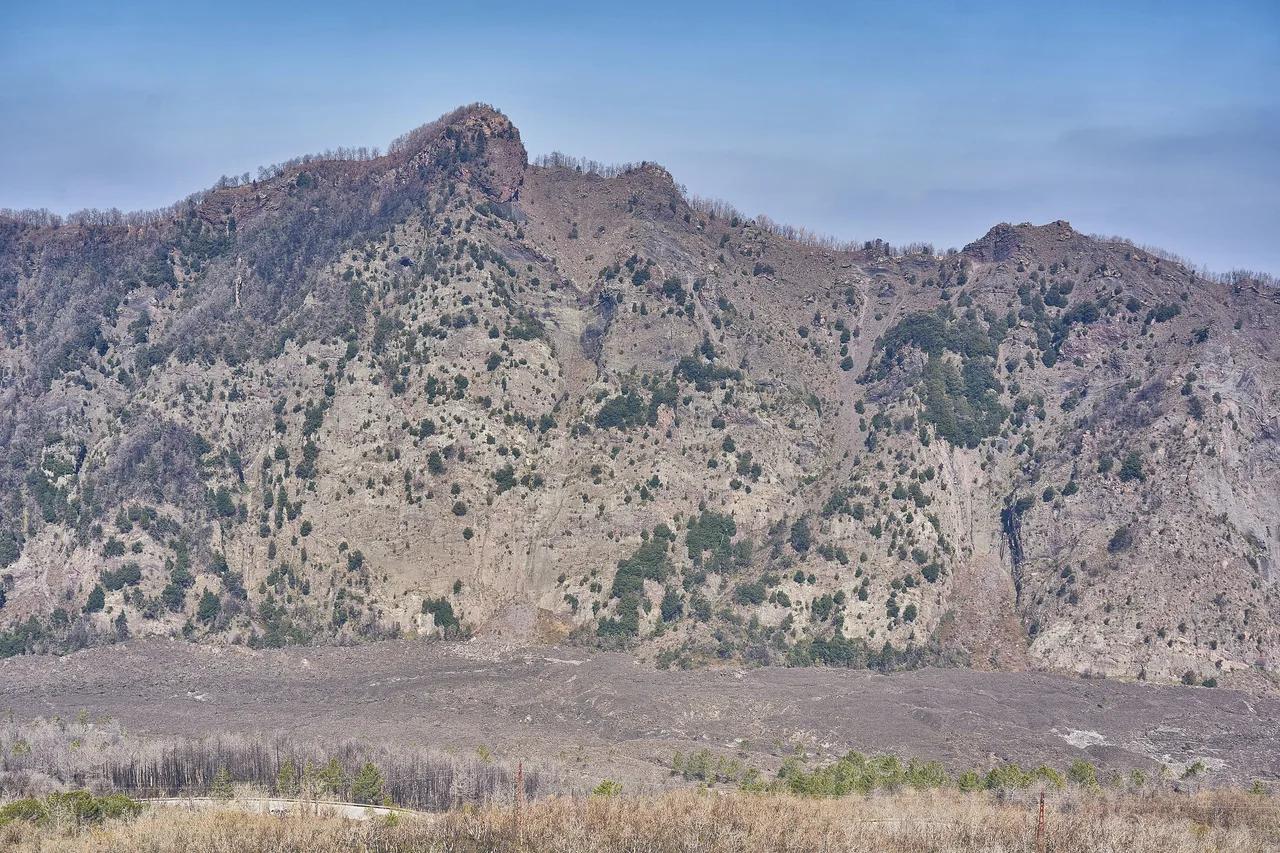
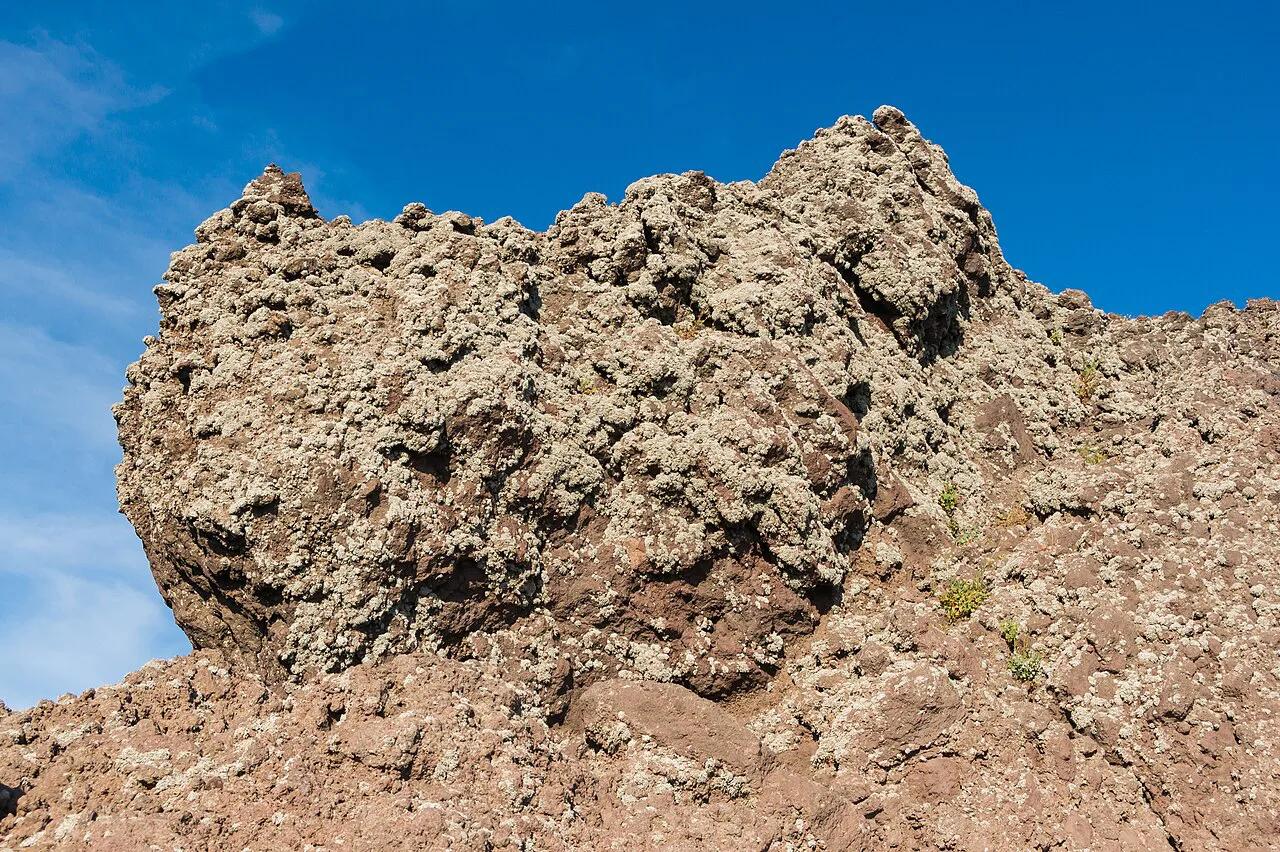
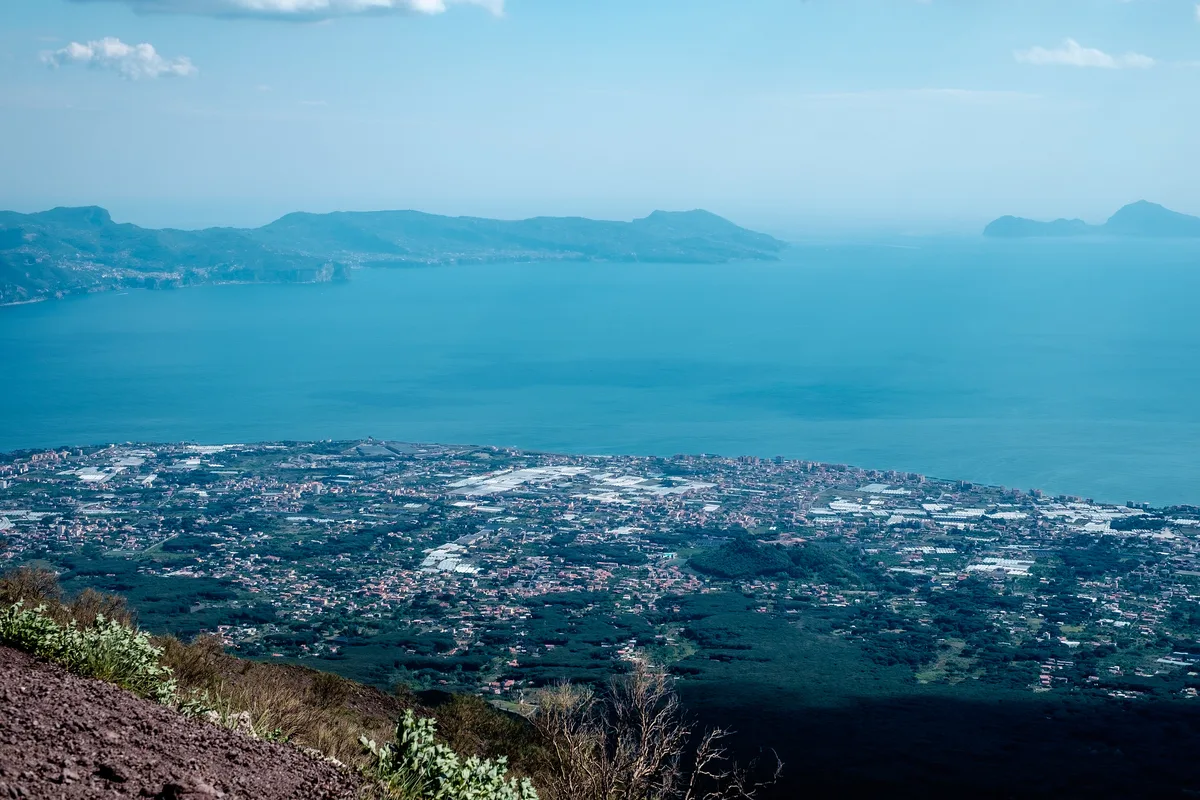
According to the park authority, Vesuvius National Park has 11 paths with a combined 54 km (about 34 mi) of walkway. Lava flows scar parts of the slopes, while scrub, forest and vineyards cover the rest, depending on elevation. These trails suit visitors who want green terrain rather than a summit climb.
The park also lists archaeological areas such as Oplontis, Villa Regina in Boscoreale and recent finds at Somma Vesuviana. Pick a trail from the park's own list, and check the status of that path before heading out. Skip these trails if the crater view is your main goal, because that is Path No. 5.
5. View Vesuvius from a distance
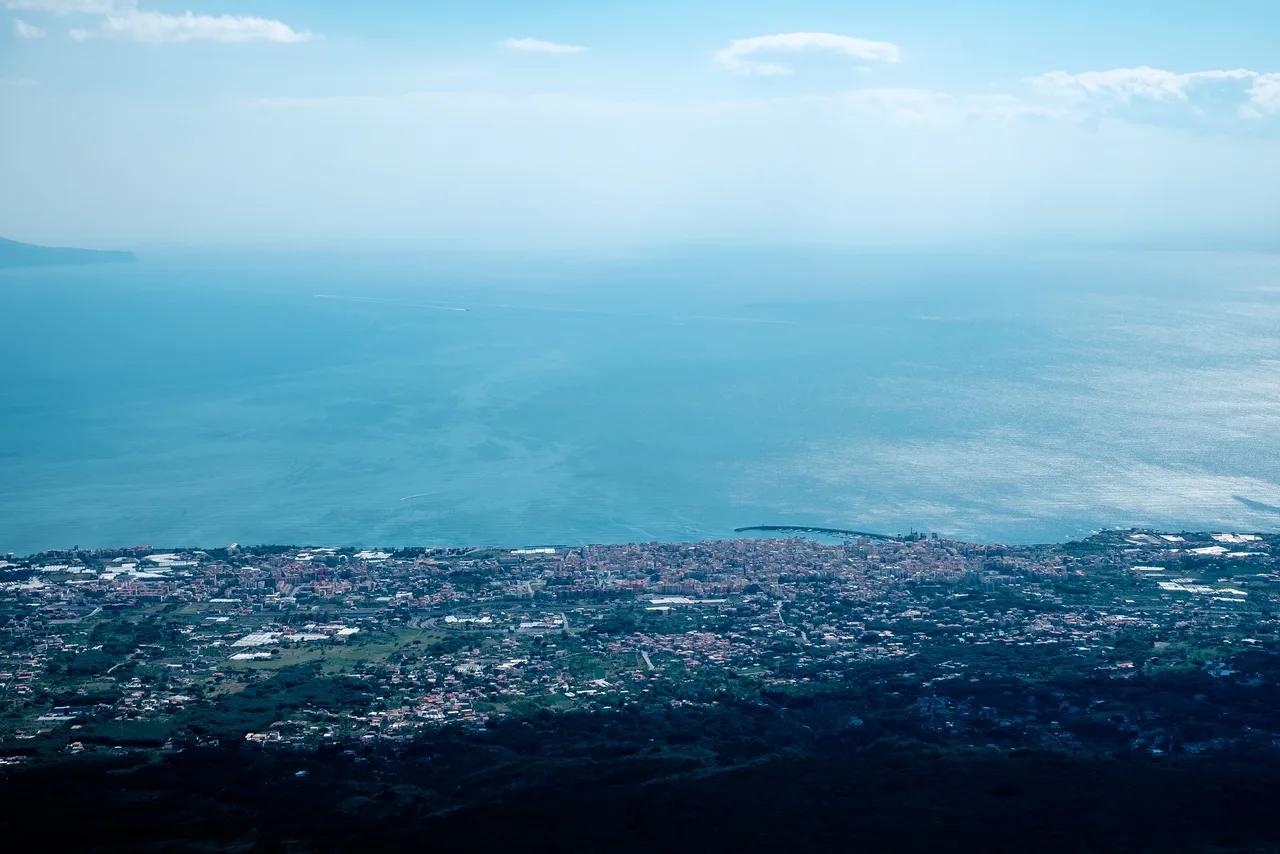
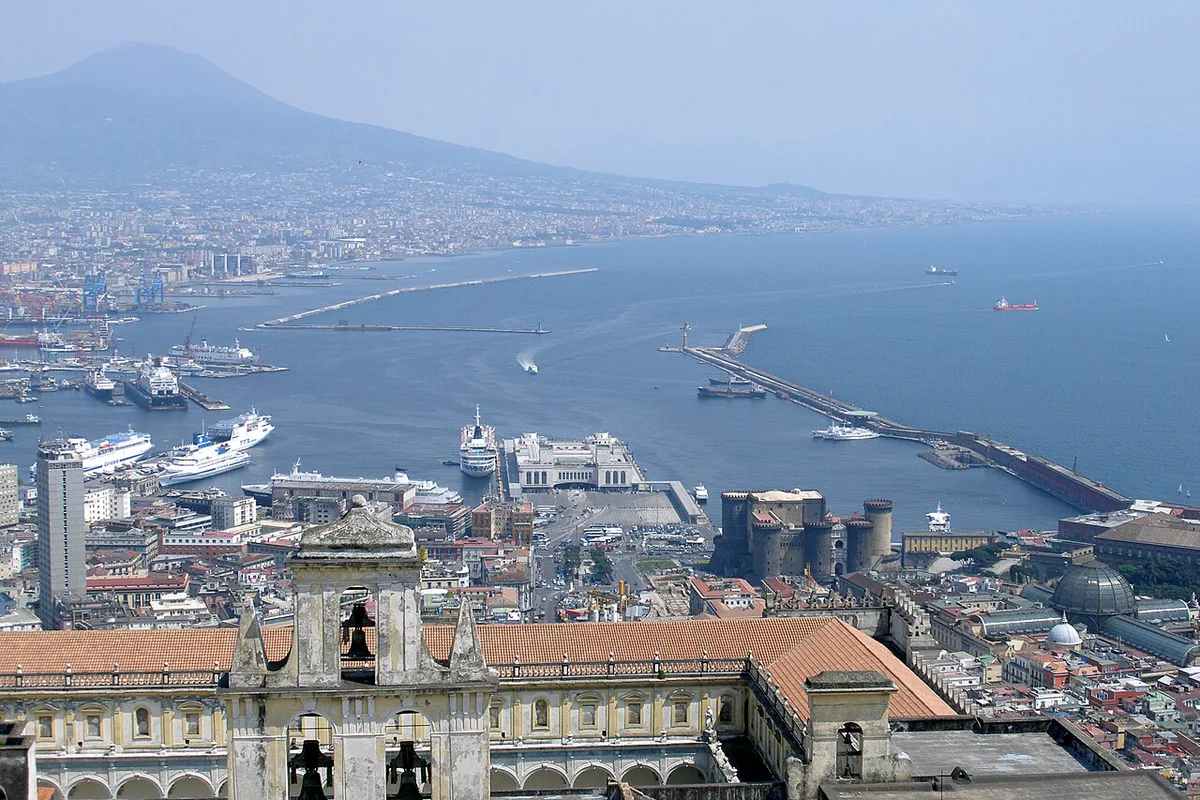
From Naples, the volcano sits about 9 km (5.6 mi) to the east, so it frames the skyline on a clear day. Castel Sant'Elmo is one place where the city and the cone share a view. At Pompeii, the ruins look northwest toward the volcano, which makes the cause of the destruction easy to picture.
Cost is low, effort is minimal, and the view fits around other plans. Skip this option if standing on the rim is the point of your trip.
How to Get to Mount Vesuvius by Base
Journey shape depends on where you sleep. Naples is closest, at about 9 km (5.6 mi) from the volcano. Our Naples route guide covers that option. Staying near the ruins is covered in the Pompeii route guide. Read the Sorrento route guide if you are based on the peninsula. Visitors on the coast can use the Amalfi Coast route guide. Day trippers can read the Rome route guide. Rail operator EAV Circumvesuviana publishes timetables, so verify transit options and times before you travel. Drivers should read our parking guide first.
| Base | Shape of the route | Trade-off |
|---|---|---|
| Naples | Shortest distance | Most flexible for a half-day or full-day plan |
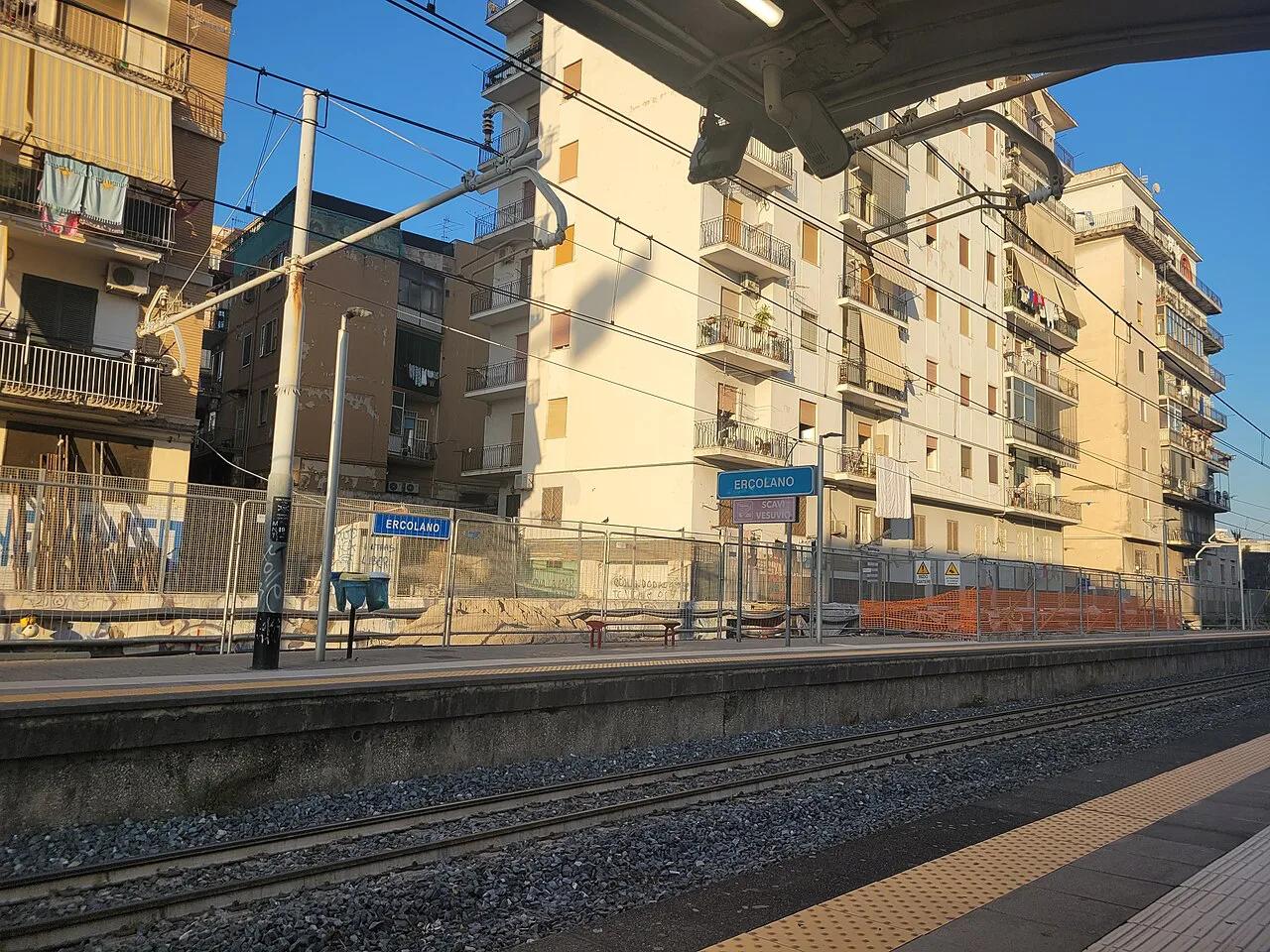
| Pompeii or Ercolano | Short hop from the ruins | Easy to pair with archaeology |
| Sorrento | Longer transfer | Early start or a guided tour avoids connections |
| Amalfi Coast | Long transfer | Best planned as a set day, with little flexibility |
| Rome | Long day trip | Early start required; consider a night in Naples |
When to Go to Mount Vesuvius
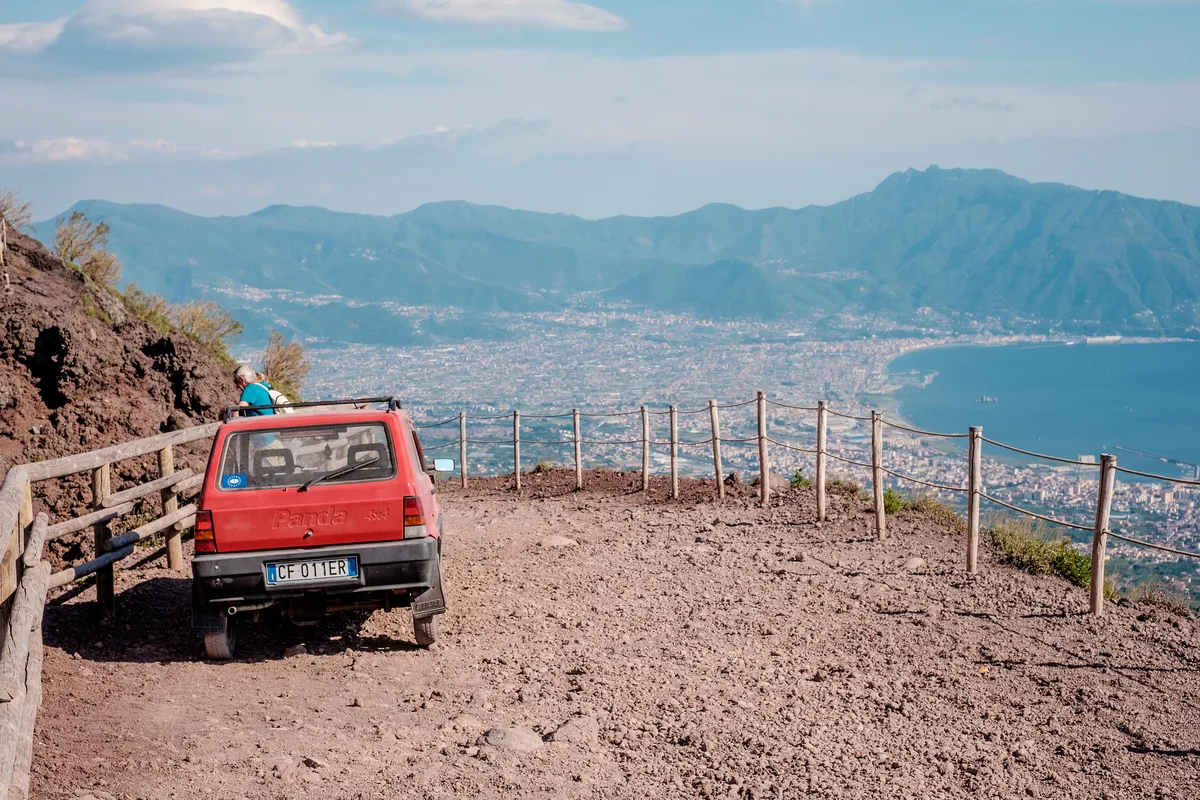
The summit stands at 1,281 m (4,203 ft), and conditions at the crater can differ from the coast. Start early to avoid midday heat and afternoon haze. Haze and cloud hide the view across Campania and Lazio, which is the reason many people climb. Read our seasonal timing guide for month-by-month trade-offs. Our weather guide explains what to expect on the rim. Check the park's alert notice on the morning of your visit, because closures follow conditions.
Combined Pompeii days add sun exposure on top of a rim that sits at 1,281 m (4,203 ft), so pick the cooler half of the day for the climb.
Pairing Mount Vesuvius With Pompeii, Herculaneum and Oplontis
Three ancient sites share the volcano's story. Herculaneum lay under 23 m (75 ft) of ash, and about 5,000 people lived there. Pompeii received about 3 m (10 ft) of tephra. Our Oplontis guide covers the villa site, which is the shortest add-on. Opening hours differ by site and season, so check each official page before you fix the order.
Herculaneum lay under 23 m (75 ft) of ash, yet the suggested order puts it after the volcano or on a separate day.
| Site | What to expect | Suggested order | Energy |
|---|---|---|---|
| Pompeii | Large excavated Roman city | Its own half-day or a combined tour | Highest |
| Herculaneum | Seaside town in modern Ercolano | After the volcano, or on a separate day | Medium |
| Oplontis | Villa site listed by the park | Short add-on | Lowest |
| Vesuvius rim | Crater walk | Early, before the heat builds | High |
Why Mount Vesuvius Matters: History in Brief
The 79 AD eruption destroyed Pompeii, Herculaneum, Oplontis and Stabiae. Pliny the Younger described it in two letters to the historian Tacitus. Our 79 AD eruption account tells the full story. Death-toll estimates vary widely, and our Pompeii death toll page compares them. Later eruptions came in 1631, 1906, 1929 and 1944, and our eruption history page traces them.
Where to Stay Near Mount Vesuvius
Base choice matters more than the hotel itself. Our hotel guide compares areas without naming unverified properties.
| Base | Fits |
|---|---|
| Naples | Shortest transfer, city access |
| Ercolano or Pompeii | Ruins first, volcano second |
| Sorrento | Peninsula stays with a longer transfer |
Mistakes to Avoid at Mount Vesuvius
Most problems come from planning, not the climb.
| Mistake | Fix |
|---|---|
| Arriving without checking whether the crater path is open | Read the park's current notice the day before |
| Wearing sandals or smooth soles | Choose closed shoes with grip |
| Treating it as a half-day add-on to Pompeii | Give each site its own block of time |
| Relying on cached opening hours | Use the official pages |
| Skipping water and sun cover | Carry both, since the rim is exposed |
Frequently Asked Questions
Is Vesuvius likely to erupt again?
Vesuvius is an active volcano, so another eruption is possible, but nobody can give a date. It has not erupted since 1944. The Osservatorio Vesuviano monitors it continuously.
How many people died in the 1944 eruption of Vesuvius?
According to the American Geosciences Institute, 26 Italian civilians died in the March 1944 eruption. Nearly 12,000 people were displaced.
Is Mount Vesuvius in Pompeii still active?
Vesuvius stands near Pompeii rather than in it, and it is still regarded as active. Current activity is limited to steam from vents in the crater.
Did Mount Vesuvius destroy Pompeii?
Yes. The 79 AD eruption buried Pompeii, along with Herculaneum, Oplontis and Stabiae. About 3 m (10 ft) of tephra fell on Pompeii.
Explore More Guides
Keep planning your trip with these guides.
Guides
- Mount Vesuvius Eruption 79 AD
- Mount Vesuvius Eruption: What Happened in 79 AD and What You Can See Today
- Is Mount Vesuvius Still Active? Yes, Here's What It Means
- Mount Vesuvius Last Eruption: 1944, and What Came Before
- Mount Vesuvius Map: Location, Trail and Getting There
- What Type of Volcano Is Mount Vesuvius? Stratovolcano Explained
- Mount Vesuvius Facts: Height, Eruptions and Risk
- Mount Vesuvius Hike: Trail, Tickets, Timing and How to Get There
- Vesuvius Tickets: Prices, Booking & How to Get There
- Vesuvius Tours: Which Type to Book, DIY Costs and Timing
- Vesuvius Observatory: History, Visiting & Monitoring
- Mount Vesuvius Crater: How to Visit & What to Expect
- Pompeii and Vesuvius Tour: Which Option Fits?
- Vesuvius from Naples: How to Get There, Costs & Timing
- Vesuvius from Pompeii: How to Get There and Is It Worth It
- Vesuvius from Sorrento: Train, Tour or Driver?
- Vesuvius Weather: Summit Conditions, Seasons & Go/No-Go Guide
- Vesuvius from Rome: Day Trip Options and Timing
- How Many People Died in Pompeii? The Numbers Explained
- Oplontis (Villa of Poppaea)
- Vesuvius Red Zone: What It Is and Visitor Impact
- Vesuvius Parking: Where to Park, Cost and the Walk to the Crater
- Best Time to Visit Vesuvius: Month, Season & Time of Day
- Vesuvius From Amalfi
- Is Vesuvius Worth Visiting? Honest Verdict and Who Should Skip
- Hotels Near Mount Vesuvius: Best Bases by Trip Type