Eldfell Volcano, Heimaey: 1973 Eruption & Hiking Guide
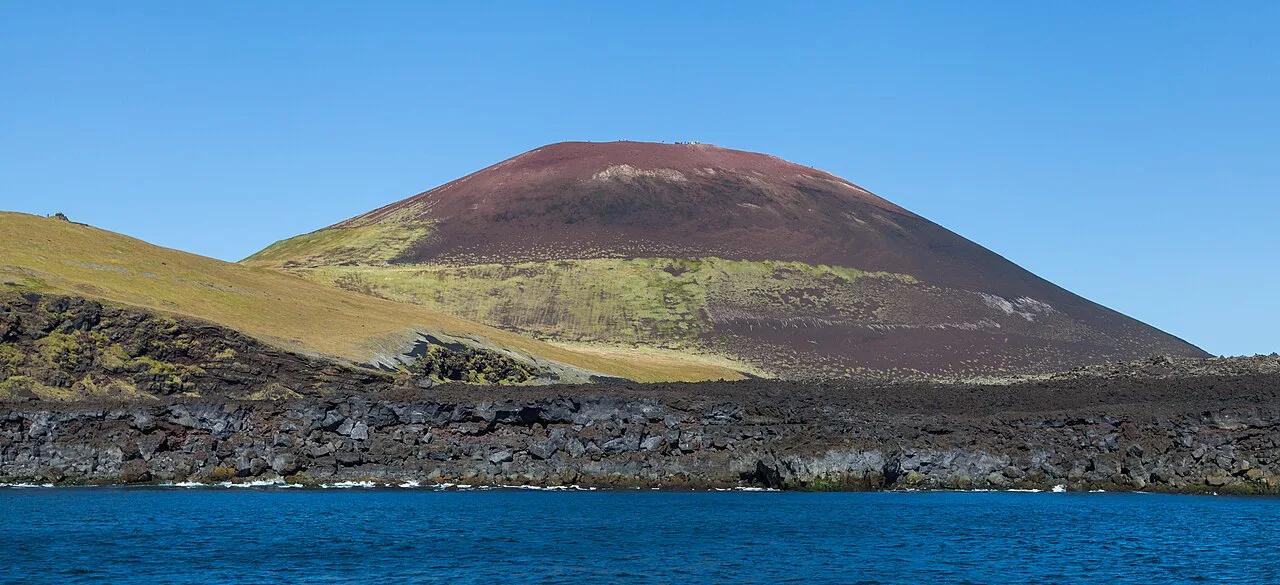
Last updated November 2026: Eldfell is a volcanic cone on Heimaey, the only inhabited island of the Westman Islands (Vestmannaeyjar), and it formed in the January 1973 eruption. You can walk up it for views over the town, the neighbouring islands and the mainland. This guide covers the 1973 story, the summit walk, ferry logistics and how to pair the climb with the Eldheimar eruption museum.
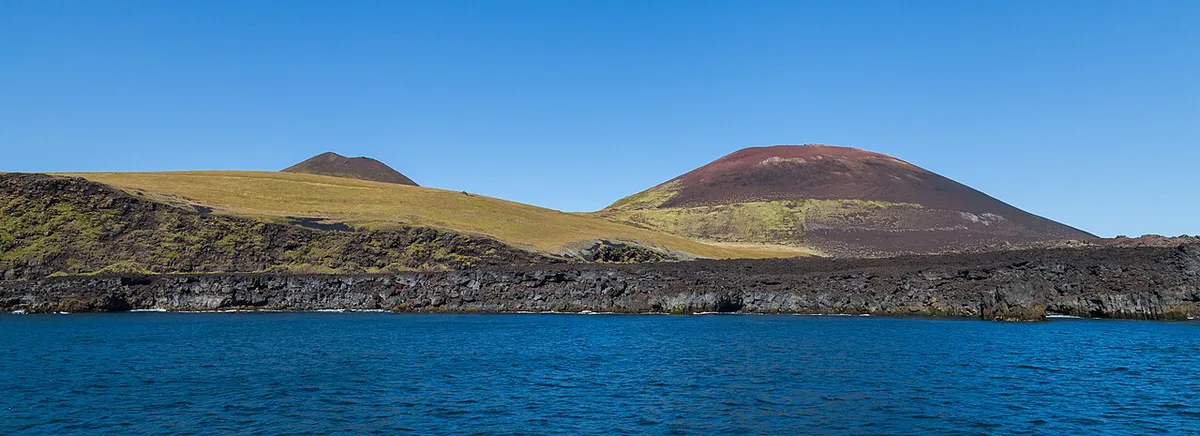
Featured image: Diego Delso, CC BY-SA 4.0, via Wikimedia Commons.
Eldfell at a glance
Eldfell means "Fire Mountain" in Icelandic, and eldfell is also an everyday word for a volcano. Here it names one specific cone, roughly 200 m (about 660 ft) high, that overlooks the town of Heimaey. It is the island's youngest landmark and the reason the town's skyline looks the way it does. For the wider picture of Iceland's volcanic systems, start with our guide to volcanoes in Iceland.
- Location: Heimaey, Westman Islands, just above the town and harbour
- Formed: eruption that began on 23 January 1973
- Height: about 200 m (about 660 ft)
- Hike type: short summit walk on volcanic ground, exposed to wind
- Best for: geology, the 1973 story and panoramic views
The 1973 eruption: what happened
Earthquakes in the preceding days gave little warning of what followed. Fire engine sirens woke residents early on 23 January 1973, when a fissure opened about a kilometre from the town. Here is how the eruption unfolded, according to the figures published by local and national sources such as the Eldheimar museum.
- Early 23 January 1973: a fissure opens barely a kilometre from town, with lava fountains reaching about 150 m.
- Evacuation: the town's roughly 5,300 inhabitants leave, helped by a fishing fleet that storms had already driven back to harbour.
- Vent forms: activity concentrates around one vent that builds the cone now called Eldfell.
- Harbour threat: advancing lava endangers the harbour entrance, the base of the fishing economy.
- Seawater cooling: pumps spray the lava front, starting at about 400 litres per second.
- Reinforcements: 32 pumps arrive from the USA, each rated at 1,000 litres per second.
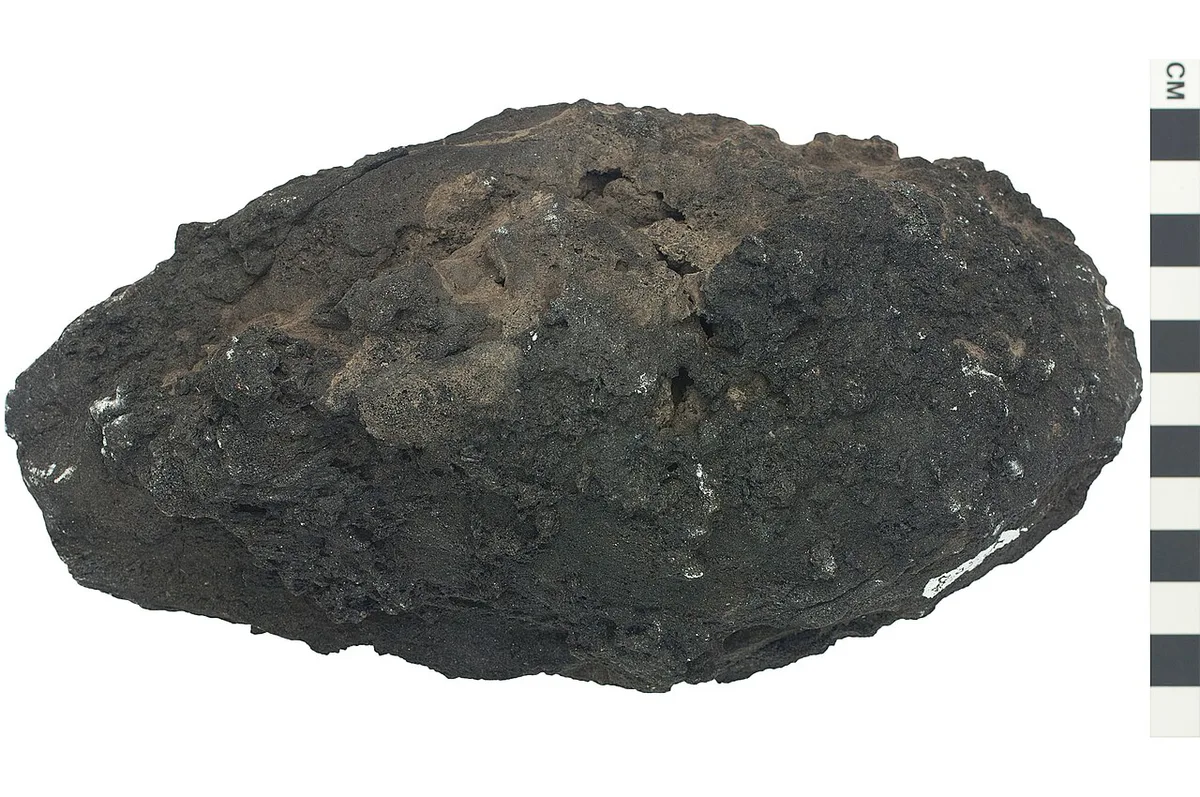
- Early July 1973: the eruption ends. About one-third of the houses are buried, burned or wrecked by ash, and the island has grown by about 2.5 km² (roughly 1 square mile).
After 1973: lava heat, a new harbour shield and Helgafell
The eruption changed more than the skyline. Once the lava cooled, the town turned the island's new geology to its advantage, and two details are worth knowing before you walk the ground.
- The harbour survived. The lava front stopped short of the harbour mouth, and the new lava field left the entrance narrower but more sheltered from the open sea. Look down from the cone and you can read the line the flow took.
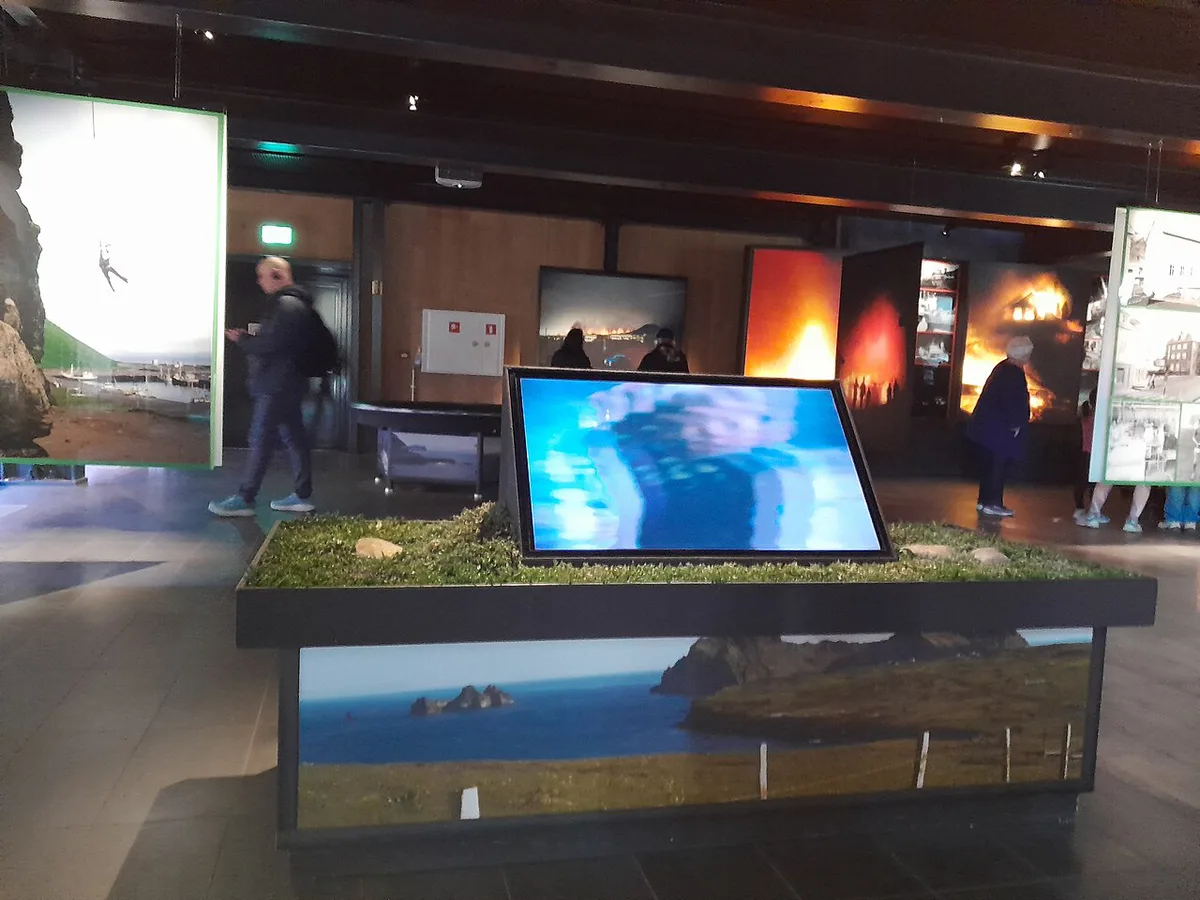
- Heat from the lava. After the eruption, the still-hot lava field was used to produce hot water for heating the town's houses for years afterwards. Eldheimar explains how this worked and why it mattered to residents who returned to a damaged town.
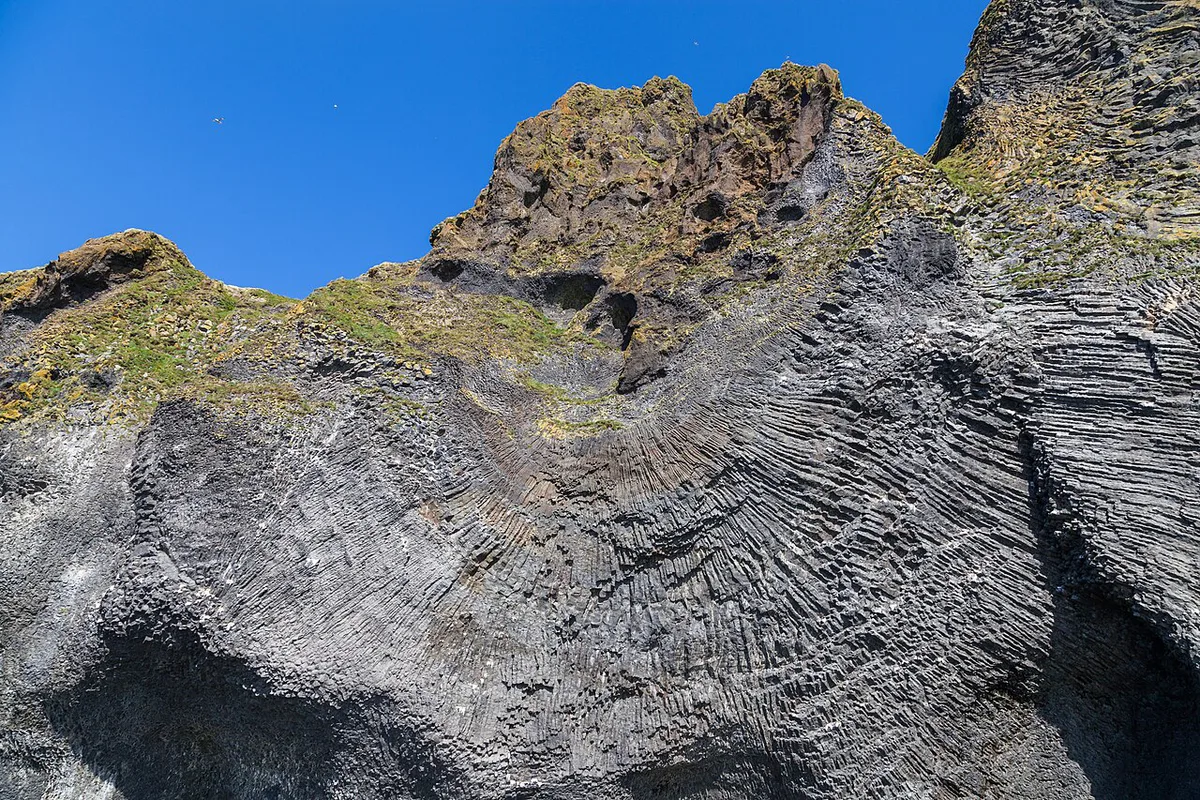
- Helgafell, the older cone. Helgafell, a smaller volcano on the same island, last erupted several thousand years ago and is long since cold. It rises close to Eldfell and is covered in grass. Its gentler slopes make a useful contrast with the bare, dark cinder of the 1973 cone.
Seeing both cones on one walk shows the difference between a volcano that formed within living memory and one that has had thousands of years to weather. If you have time for only one summit, choose Eldfell for the 1973 story, but take a look at Helgafell from the top.
Climbing Eldfell: route, effort and what you see
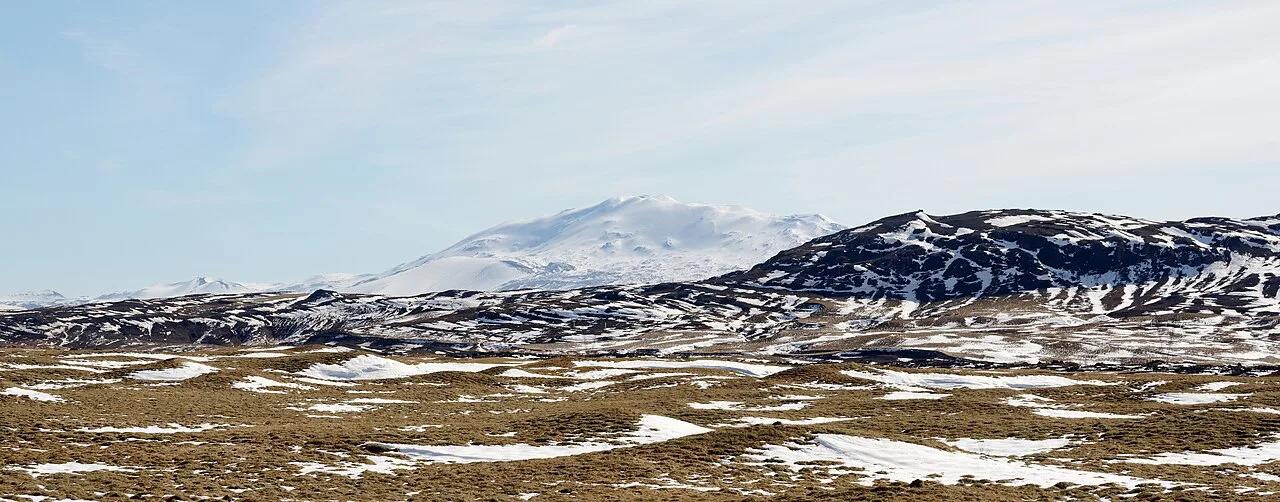
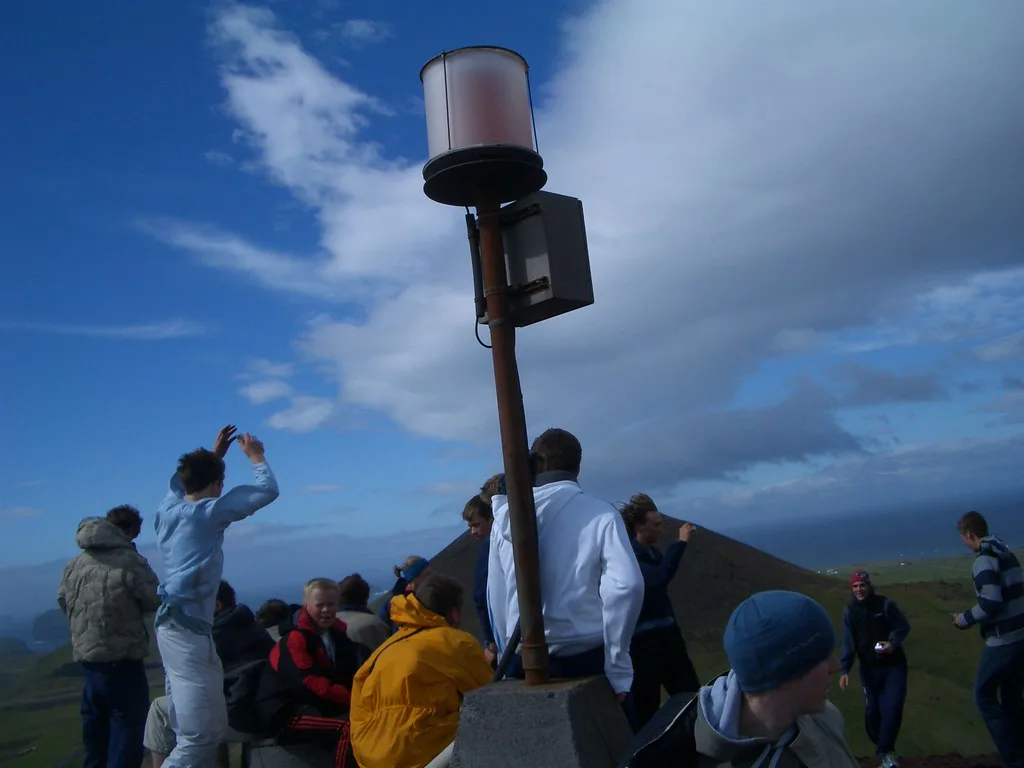
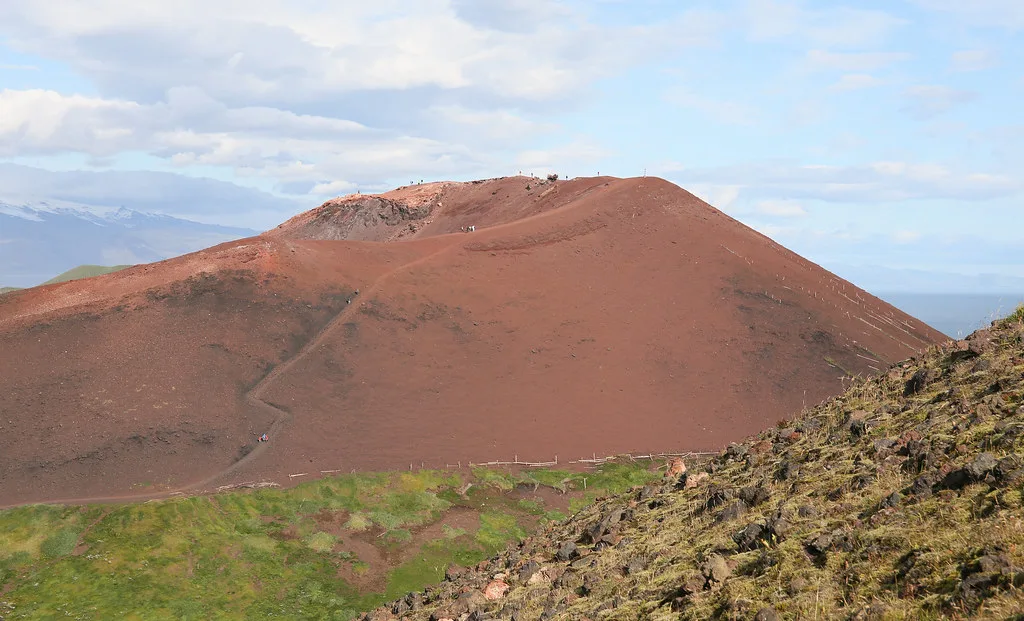
You can walk to the top of Eldfell for views across the town, the nearby islands and the sea. On clear days the snow-capped Eyjafjallajökull dominates the mainland horizon. Steam is reported to rise near the summit, and the rocks can feel warm to the touch. Treat that as a possibility rather than a promise. Trailhead, distance and timing are not fixed by any official fee or schedule, so ask at the Westman Islands visitor information before you set off. Our volcano map of Iceland shows how Heimaey sits relative to the mainland systems.
Expect a summit about 200 m (about 660 ft) high, and a short walk that is exposed to wind.
- Wear windproof layers and sturdy shoes with grip on loose volcanic ground.
- Carry water and keep a hand free for balance near the rim.
- Expect no ticket booth: Eldfell is a natural summit, not a managed attraction.
Getting to Heimaey and around
The Herjólfur ferry sails to Heimaey from Landeyjahöfn on the south coast. Sailings and access to Landeyjahöfn can depend on weather, so treat any timetable as provisional. Fares change by season, so read the operator's current prices before you commit. Visitors without a car can book a day tour from Reykjavik, which handles the ferry transfer. Compare options on our page about volcano tours in Iceland. Once on the island, the harbour, town centre and Eldfell lie close enough that many visitors explore on foot. Current visitor details are on the Visit Westman Islands site.
Herjólfur ferry: Landeyjahöfn vs Þorlákshöfn crossings
The ferry is the part of the trip most likely to change your plans, so it helps to know that Herjólfur uses two mainland ports.
| Route | Crossing (approx.) | When it is used |
|---|---|---|
| Landeyjahöfn to Heimaey | About 35 minutes | Normal route; closer to Reykjavik by road, usually around 2 hours' drive |
| Þorlákshöfn to Heimaey | About 2 hours 45 minutes | Fallback when swell, shifting sand or weather close Landeyjahöfn |
Landeyjahöfn is a shallow harbour, so heavy swell or sand build-up can force a switch to Þorlákshöfn, which is farther along the coast. The long crossing can turn a short day trip into an overnight one, so do not book a same-day return flight or a fixed-time tour back on the mainland.
- Check the operator's live schedule, Herjólfur, on the morning of travel and again the evening before.
- If you drive, book the car space as well as your own seat. Without a car, you can leave it on the mainland and walk around Heimaey.
- Seasickness is common on the longer crossing in rough weather, so consider eating lightly beforehand.
If your ferry is switched to Þorlákshöfn, the schedule may shift by several hours. Contact the operator for current terms on changes, as these vary by season.
Plan your time: half-day vs full-day
Durations below are rough estimates, because ferry times and wind decide the real schedule. Build in slack for the return sailing.
| Plan | Time (estimate) | Effort | Weather risk |
|---|---|---|---|
| Eldfell only | Half day on the island | Low to moderate | High: exposed summit |
| Eldfell plus Eldheimar | Most of a day | Low to moderate | Medium: museum is indoors |
| Eldfell plus boat tour or puffins | Full day or overnight | Moderate | High: sea and wind both matter |
Eldfell vs Eldheimar vs other Heimaey sights
Pick Eldfell if you want the landscape and the view. Pick Eldheimar if you want the human story of 1973 told indoors, including the houses the ash buried. Choose both on a full day, since the museum makes the cone far easier to read. Puffins nest around the Westman Islands from May to September, and boat tours suit wildlife-minded visitors. Surtsey, the other Westman volcano, is covered on our Surtsey island page. For lava landscapes on the mainland, see Iceland's lava fields.
Safety, wind and weather
Eldfell is described as an active volcano, so check the Icelandic Met Office for current status before you travel. Climbing the crater in high winds is not advisable. Use Safetravel Iceland for wind and hiking alerts. Our guide to travel during an eruption covers the wider safety picture. For background on why the island exists at all, read why Iceland has so many volcanoes.
- Go: light wind, clear visibility, ferry running, warm layers packed.
- Wait: strong gusts forecast or the ferry delayed, so shift to Eldheimar first.
- Skip: high winds at the summit, poor footing or limited mobility. Enjoy the view from the town instead.
- Mistakes to avoid: ignoring wind, treating ferry times as fixed, and expecting an organised attraction with entry fees.