Surtsey Island: Can You Visit Iceland's Newest Island?
Last updated November 2026: Surtsey is a volcanic island off Iceland's south coast, formed by eruptions from 1963 to 1967. It is a UNESCO World Heritage Site, and tourists cannot land there. This guide shows how to get as close as legally possible and what to see instead.
Featured image: brian.gratwicke, CC BY 2.0, via Flickr.
What Is Surtsey? The Quick Answer
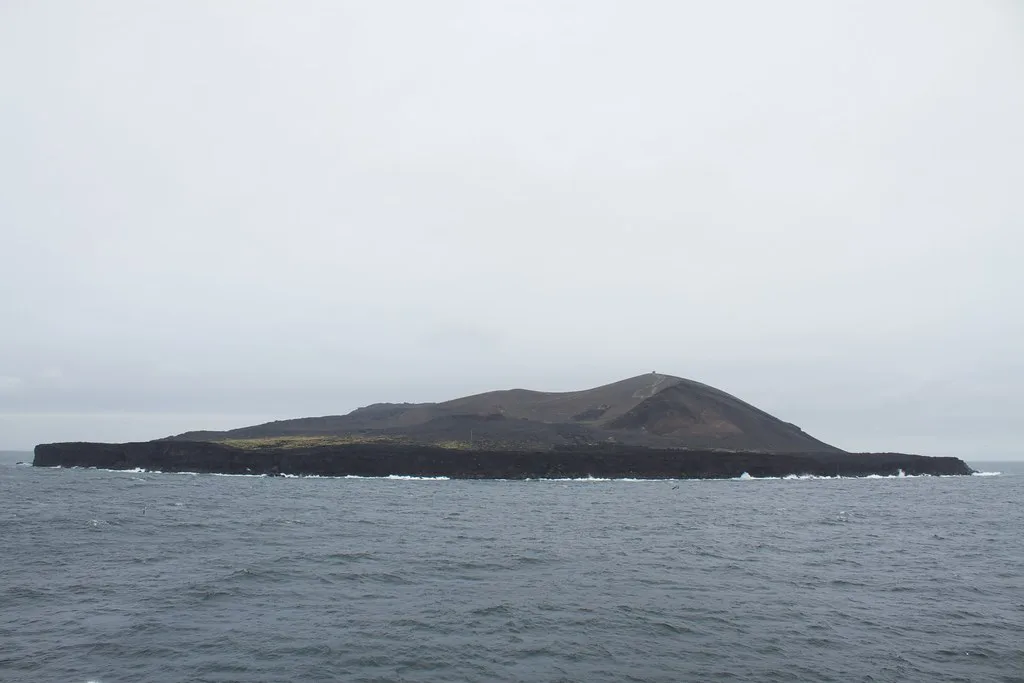
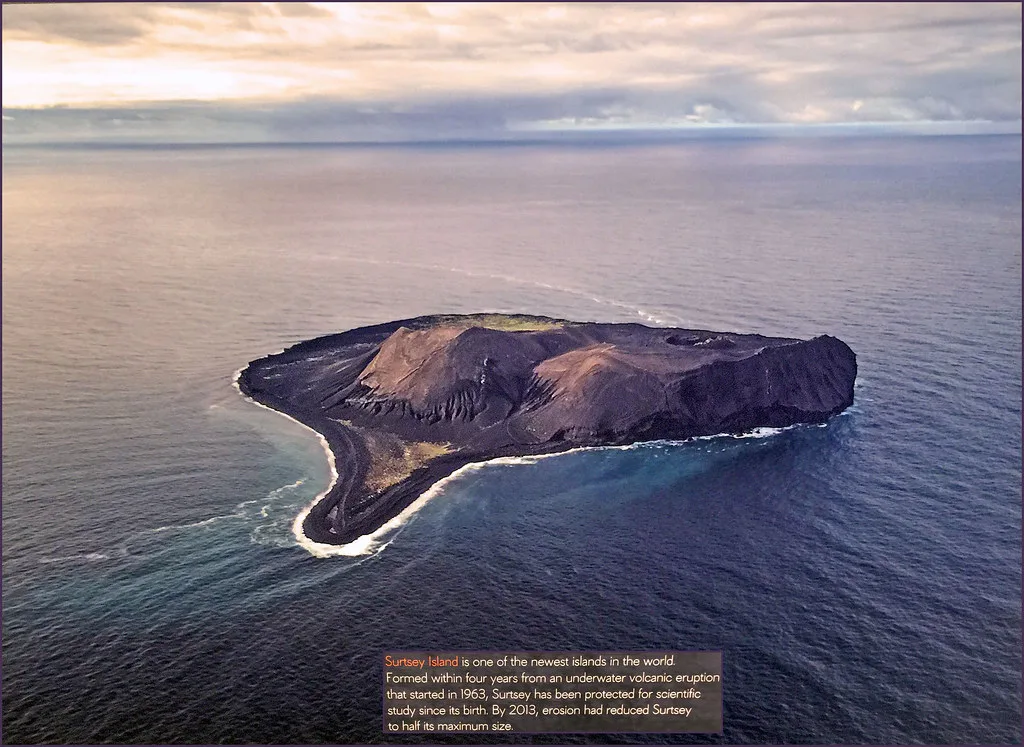
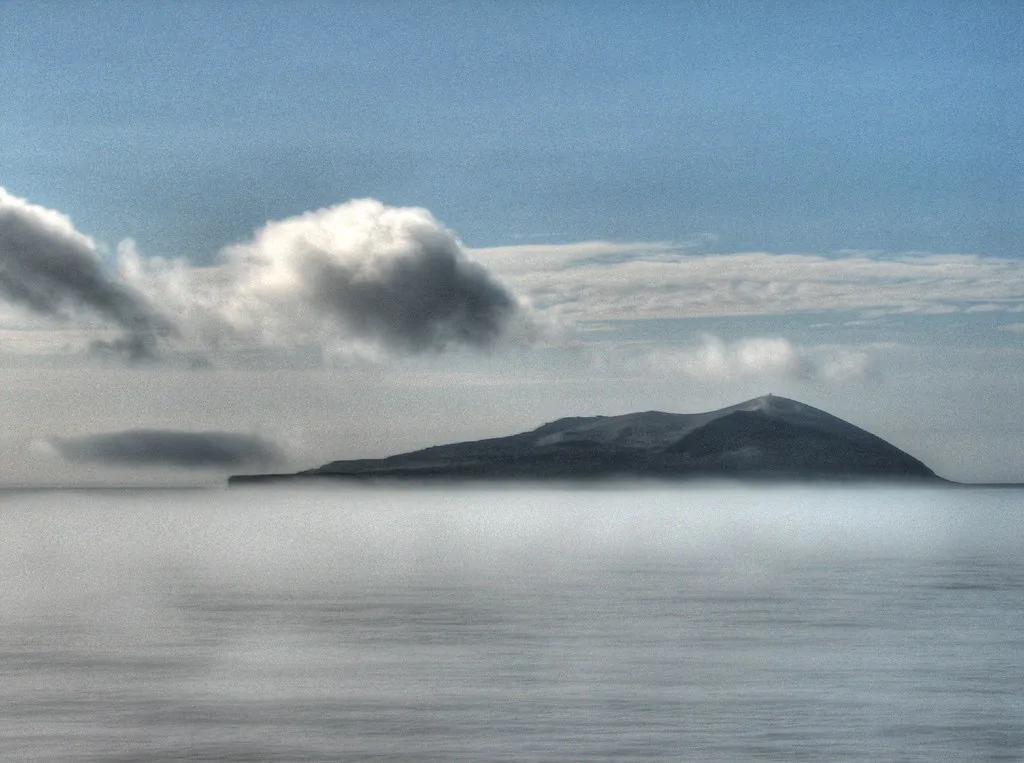
Surtsey sits in the Vestmannaeyjar (Westman Islands) archipelago off Iceland's south coast. The eruption reached the surface on 14 November 1963 and ended on 5 June 1967. Its name means "Surtr's island", after a fire giant in Norse myth. At its largest the island covered 2.7 km². Waves had worn it down to about 1.3 km² by 2012. A 2007 survey put its highest point at about 155 m. Surtsey became a nature reserve in 1965 and a UNESCO World Heritage Site in 2008. It is part of the wider story told in our guide to 10 Volcanoes in Iceland: Which to Visit and How.
Can You Visit Surtsey?
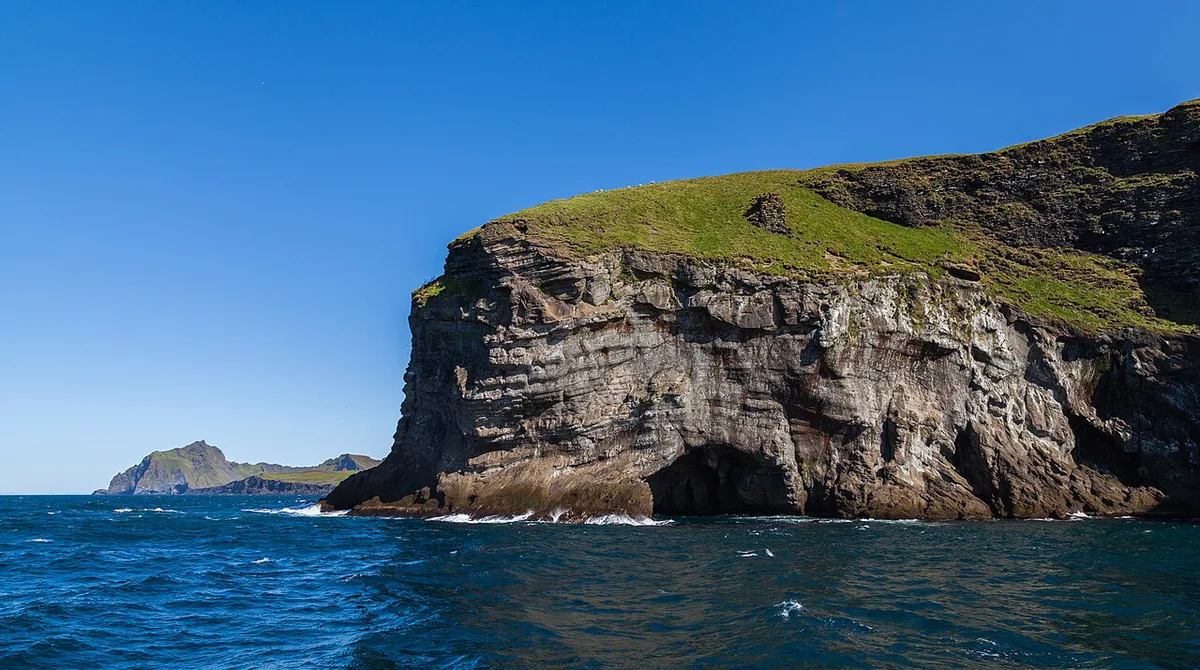
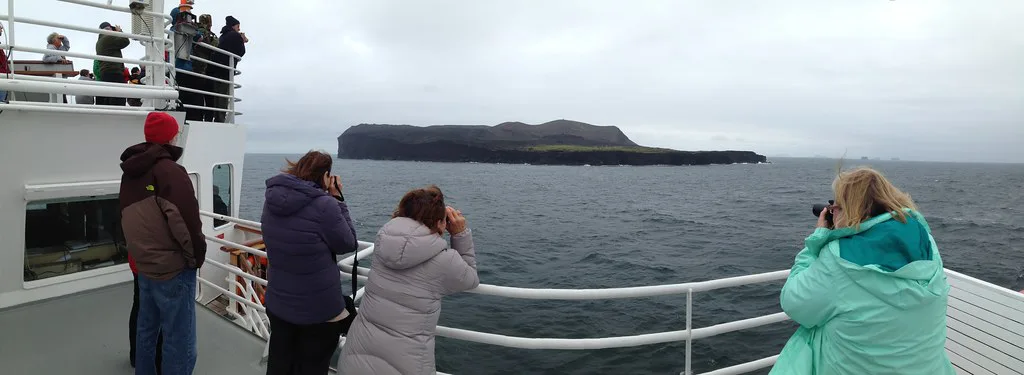
No. Landing is limited to authorized scientists, and it is illegal for anyone else to go ashore. UNESCO values the island because it has been protected since birth, giving researchers a pristine natural laboratory. Boat tours can get close, but reviews are scarce. Reports say the island is only really visible in good weather, even from the water. The Surtsey Research Society is the best place to read about the research and access rules.
How to See Surtsey From the Westman Islands
Heimaey is the only inhabited island in the archipelago, so it is the base for any attempt to see Surtsey. Reach it by ferry from the south coast or by air. Schedules change by season, so check the operators through Visit Iceland before you book. Ask any boat operator whether the route actually passes Surtsey or only circles the Westman Islands. Sea and cloud conditions decide what you see, and Safetravel Iceland carries current weather and travel alerts. Prices change each season, so read them on the operator's own page.
| Option | Do you see Surtsey? | Weather risk | Best for |
|---|---|---|---|
| Heimaey ferry or flight only | No, but you reach the archipelago | Medium: sailings and flights can be disrupted | Travelers building a Westman Islands day |
| Boat tour that passes Surtsey | Yes, from the water, in clear conditions | High: visibility decides the day | Photographers and geology fans |
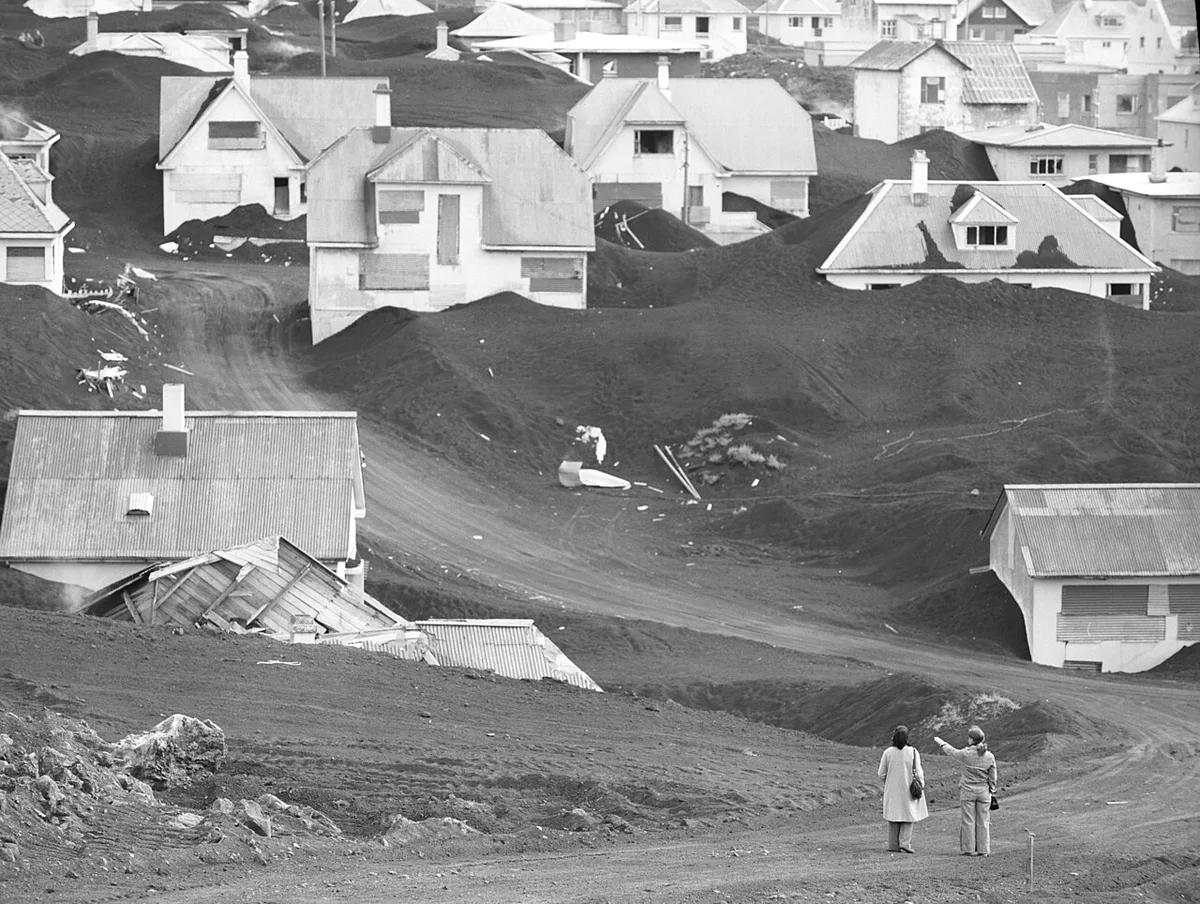
| Eldheimar museum on Heimaey | No, but it tells the 1973 eruption story | Low: indoors | Families and short stays |
| Hike to Eldfell on Heimaey | No, but you stand on 1973 volcanic land | Medium: wind and rain | Active travelers |
How the Island Was Born
The eruption began about 130 m below sea level, where water pressure held back explosions. Lava and ash slowly built a mound until it broke the surface. A ship's cook on a fishing boat spotted a dark smoke column on 14 November 1963. A few small islands formed nearby, but most washed away quickly. The vents belong to the Vestmannaeyjar volcanic system on the Mid-Atlantic Ridge. Our guide to why Iceland has so many volcanoes explains that setting.
- 1963: eruption starts about 130 m below sea level.
- 14 November 1963: the island breaks the surface.
- 1965: Surtsey is declared a nature reserve.
- 5 June 1967: the eruption ends.
- 2008: UNESCO lists the island as a World Heritage Site.
Surtsey Geology: Basalt, Tuff and the Surtseyan Eruption
Surtsey gave volcanology a term. A Surtseyan eruption is a shallow-water explosive eruption in which rising basaltic magma meets seawater. It throws out steam, ash and fragments of rock in dark, billowing jets. The 1963 events were the first to be watched from start to finish, which is why the name stuck.
The eruption ran in two main styles:
- Explosive phase (1963 to 1964): magma and seawater interacted violently. This built a cone of loose volcanic ash, called tephra, which waves could strip away quickly.
- Effusive phase (from 1964): once the vents were sealed off from the sea, they produced runny lava flows instead. The lava capped the ash and gave the island a hard shield against the waves.
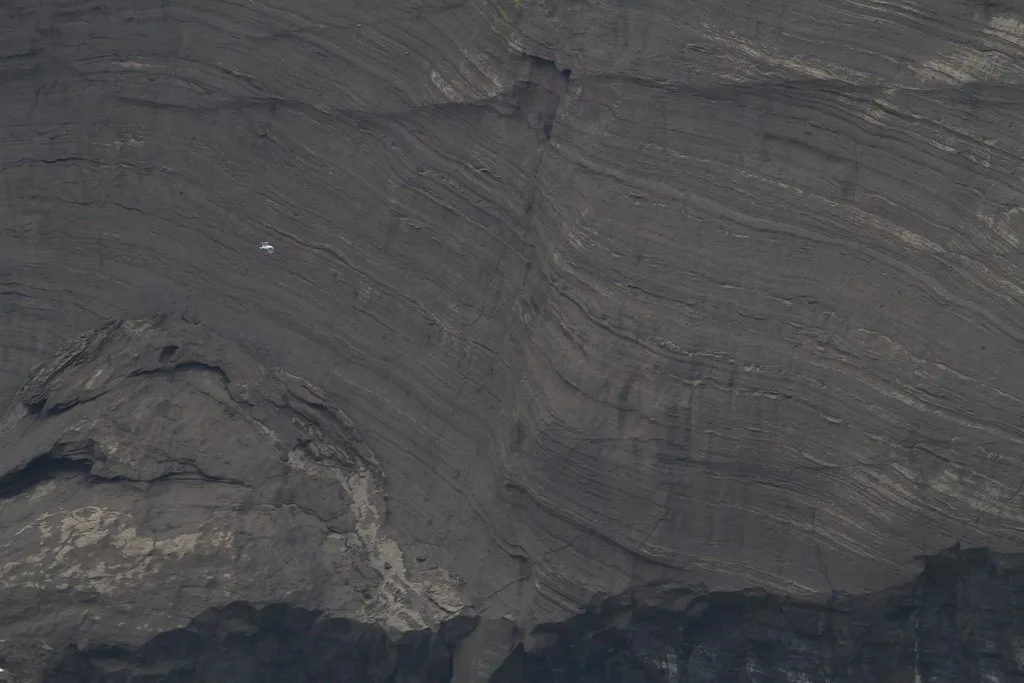
That lava cap explains why Surtsey survived when several smaller islands formed nearby did not. Even so, the sea is cutting steep cliffs into the edges.
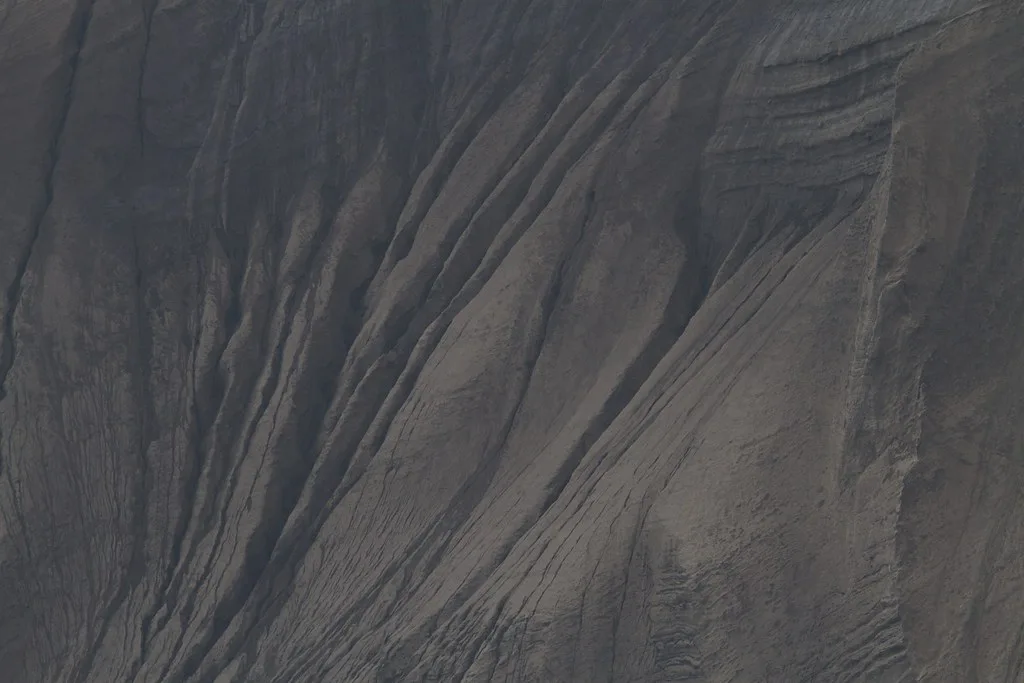
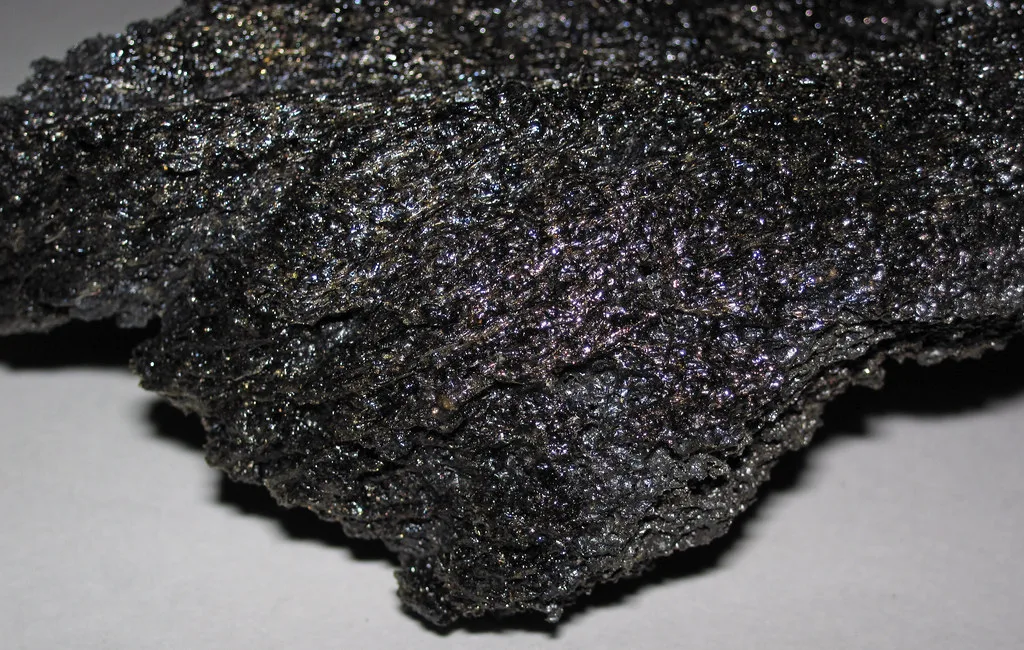
The ash is also changing underground. Heat and seawater react with the glassy ash and cement it into a soft yellow-brown rock called palagonite tuff. This took only a few years, far faster than geologists once expected, and it makes the island's core more resistant to erosion. Researchers have since drilled into the island to study how rock, water and microbes interact in the heated ground below the surface.
For the wider picture of the volcanic system, see the Surtsey article on Wikipedia. The Surtsey Research Society, mentioned above, publishes the research findings.
Life on a New Island
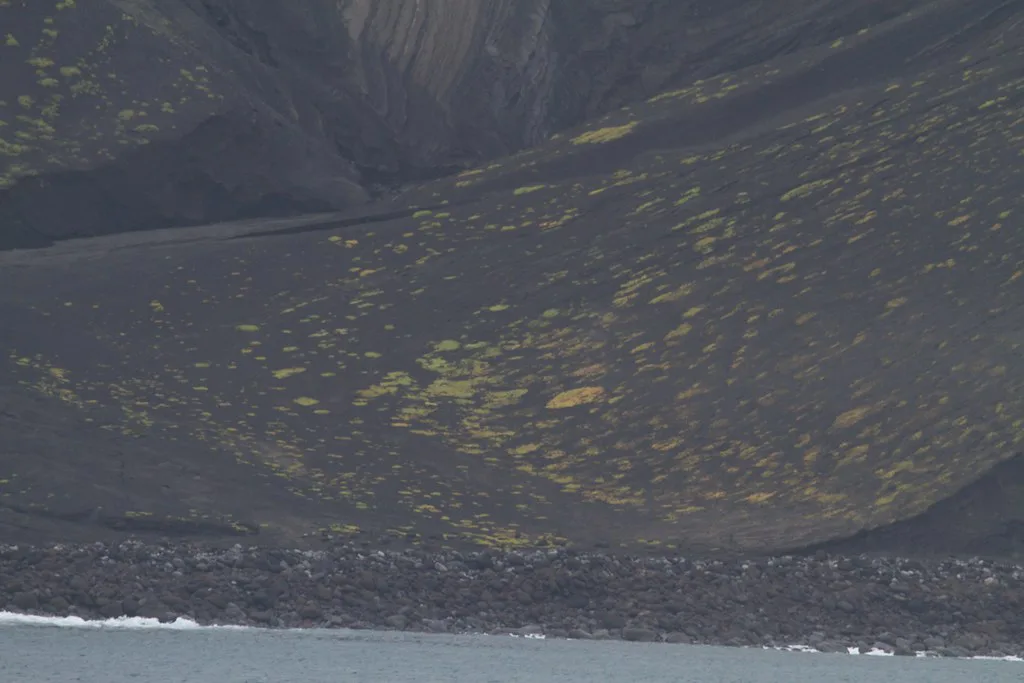
Scientists began studying the island in 1964. The first vascular plant arrived in 1965, and there were 10 species by the end of the first decade. Surtsey started as bare rock, so every plant and animal there is a newcomer. Erosion keeps shrinking it, and one estimate says it stays above sea level until about 2100.
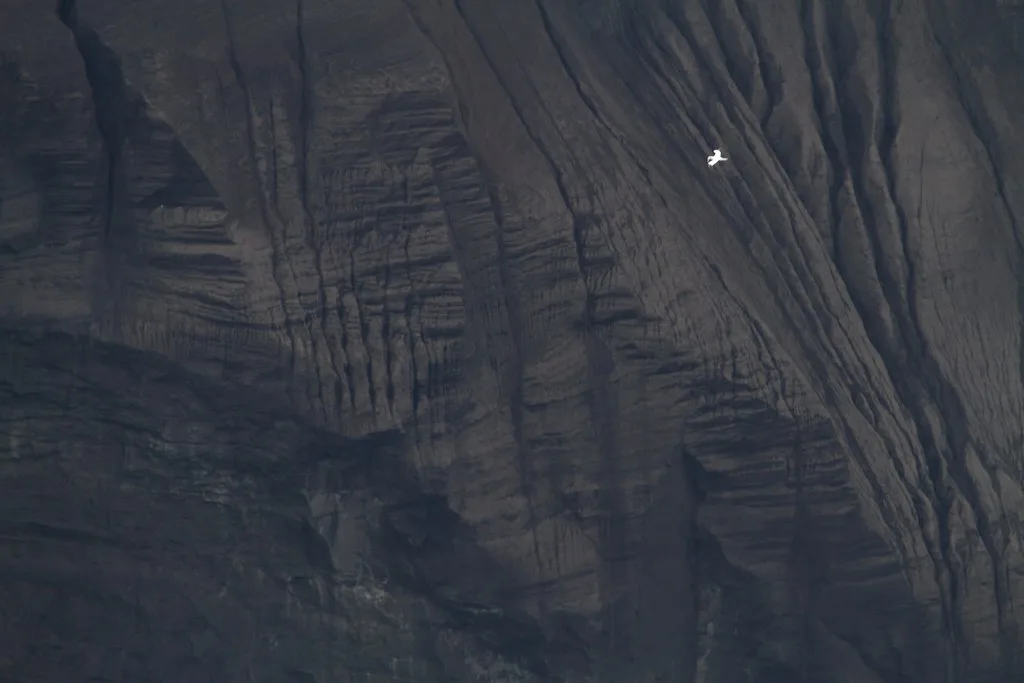
- By 2004: 60 vascular plants, 75 bryophytes, 71 lichens and 24 fungi, per UNESCO.
- Birds: 89 species recorded, 57 of which breed elsewhere in Iceland.
- Invertebrates: 335 species on an island of 141 ha.
Better Alternatives for Seeing Fresh Volcanic Land
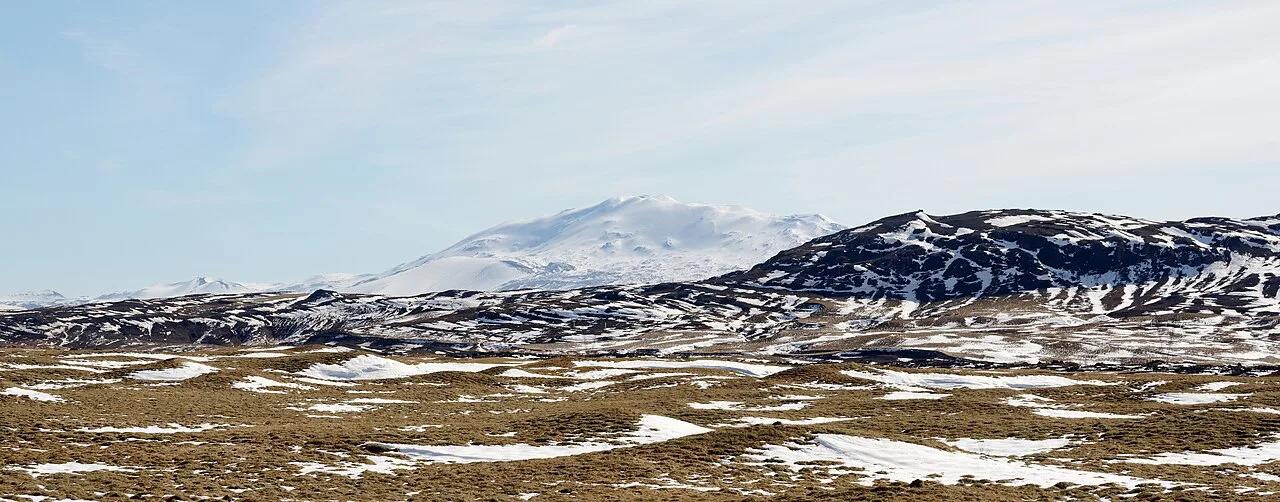
Heimaey gives you the same new-land-from-fire story with a path you can walk. Start at Eldheimar, the museum about the 1973 Heimaey eruption. Then climb Eldfell, the volcano that eruption created. Mainland options include guided volcano tours and a map of volcanoes in Iceland for planning a route. For current activity, read about Active Volcanoes in Iceland: Where to See Them Safely and check the Icelandic Met Office.
Who Should Bother With Surtsey?
Surtsey rewards some travelers far more than others.
- Science and geology fans: the colonisation story is the draw, and you can read it at home.
- Photographers: you need a boat and clear weather.
- Families: Eldheimar and Eldfell on Heimaey are easier.
- Short on time: stick to Heimaey alone.
Mistakes to Avoid
Three assumptions cause most disappointment.
- Assuming landing tours exist. They do not.
- Booking a Heimaey trip and expecting Surtsey on any day. Visibility depends on weather.
- Confusing the 1963 Surtsey eruption with the 1973 Heimaey eruption. They are separate events.
Frequently Asked Questions
Why is Surtsey island off limits?
Surtsey is a nature reserve, and only authorized scientists may land. Keeping people away lets researchers watch how plants and animals colonize new land without human interference.
What animals are on Surtsey island?
UNESCO records 89 bird species on Surtsey, 57 of which breed elsewhere in Iceland. It also lists 335 invertebrate species. Seals are reported to breed there too.
Will Surtsey erupt again?
Surtsey's own eruption ended on 5 June 1967, and the island is now eroding rather than growing. It sits in an active volcanic system, so check the Icelandic Met Office for current activity.