Grímsvötn Volcano: Location, Activity and Access
Last updated November 2026: grimsvotn, written Grímsvötn in Icelandic, is a volcano and subglacial lake under the western Vatnajökull ice cap in Iceland's highlands. Nobody drives to it, and it is not a standard day-trip sight. This guide explains what it is, how people reach the area, and which volcano sites you can visit without glacier experience.
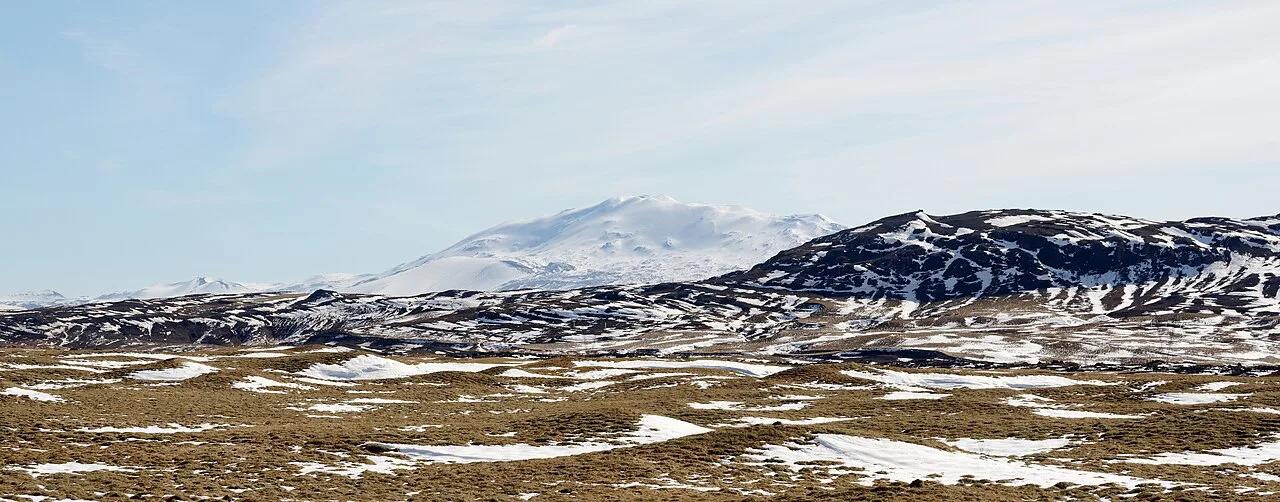
Featured image: Roger McLassus, CC BY-SA 3.0, via Wikimedia Commons.
What Is Grímsvötn?
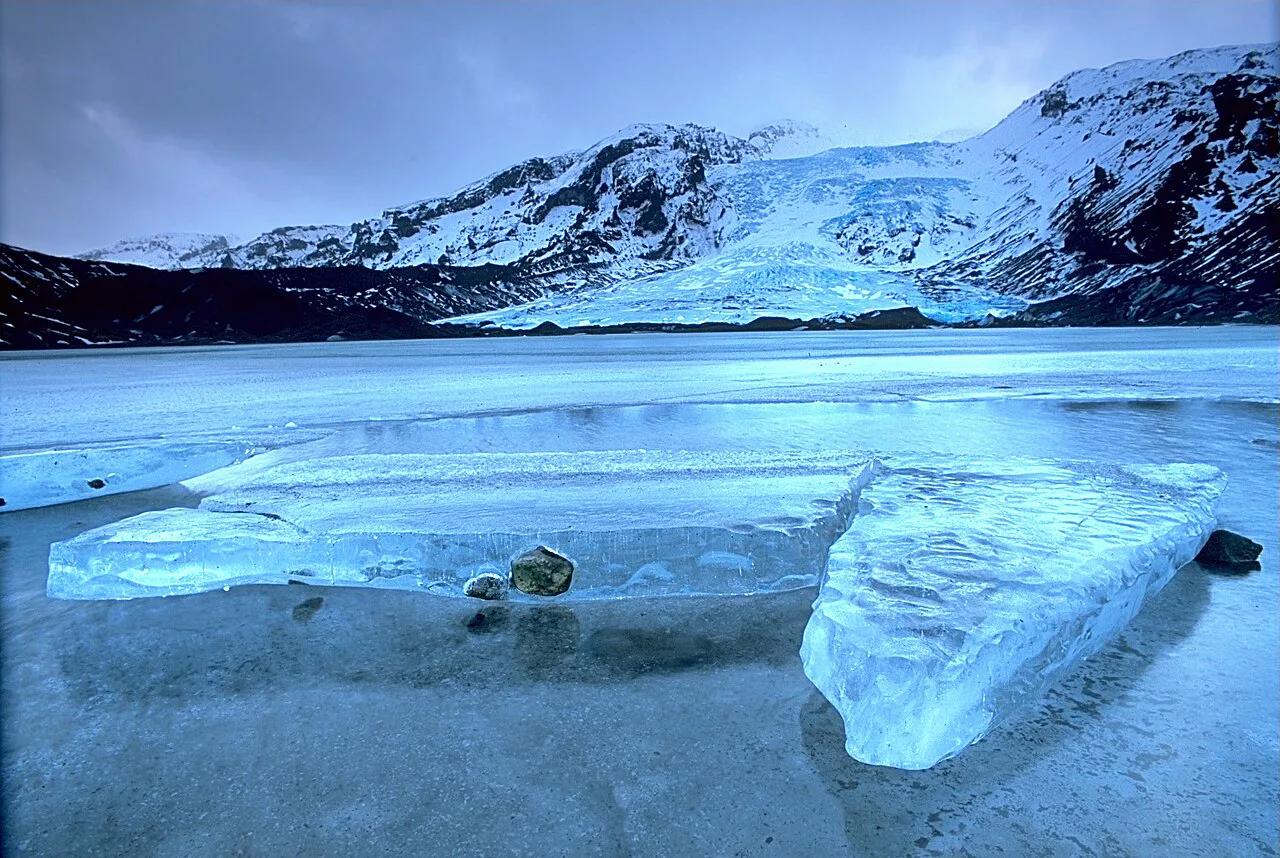
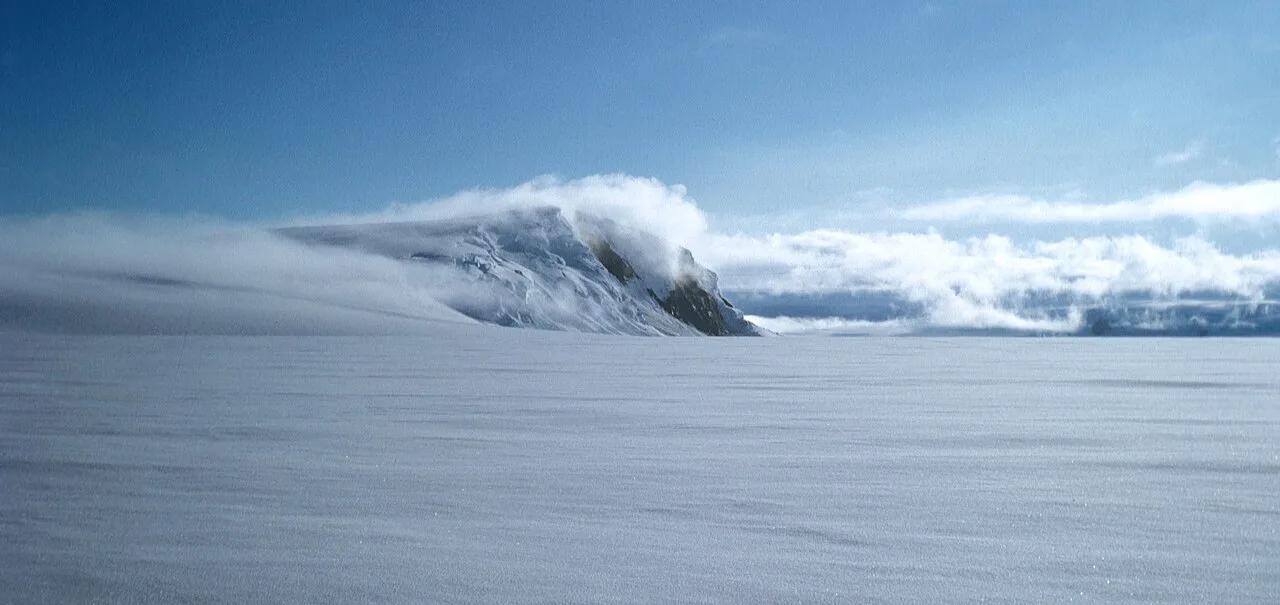
Grímsvötn is a caldera buried beneath the Vatnajökull ice cap. A lake sits under the ice inside it. Volcano and lake share one name, and both are part of the same subglacial system.
It belongs to the group of Iceland's most frequently erupting volcanic systems. Our active volcanoes overview shows where it fits among the others. For the wider picture, start with the Iceland volcano hub.
There is no visitor centre, road or service at the site itself. You will see the ice cap, not a crater rim.
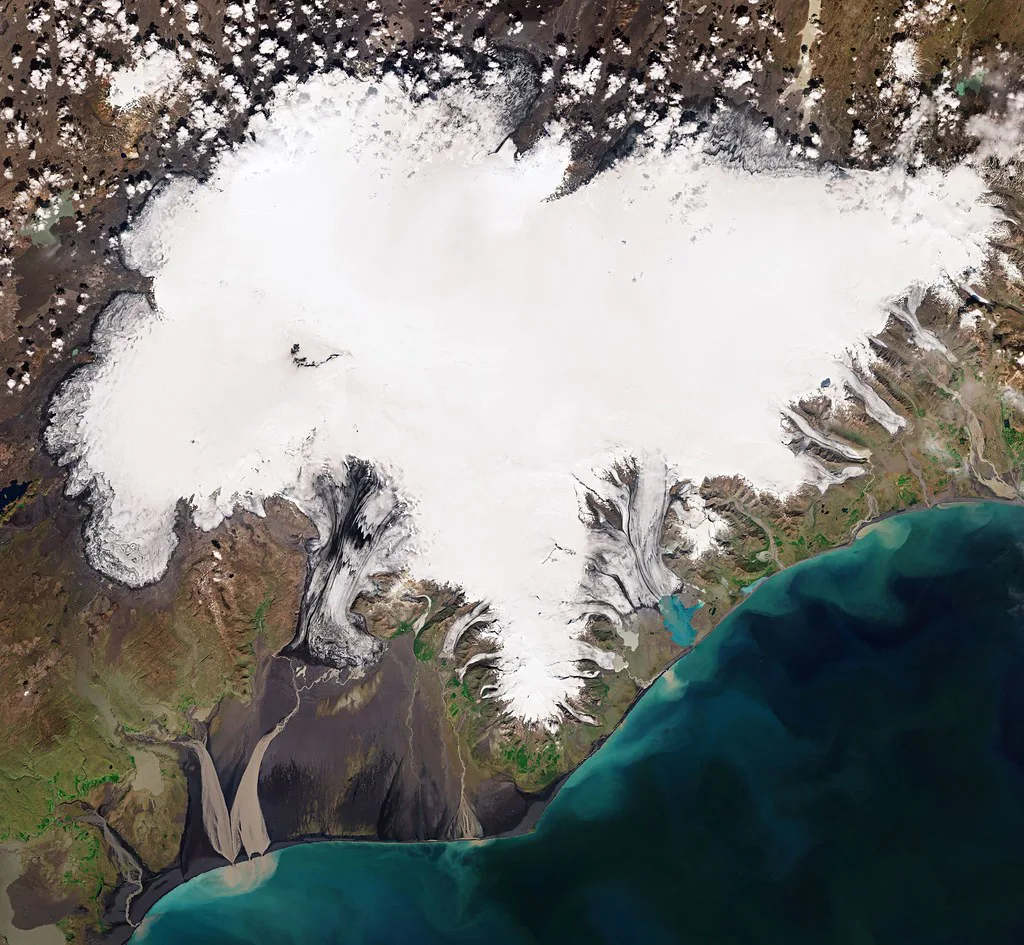
Why Grímsvötn Matters: Eruptions And Glacial Floods
A volcano under ice melts the ice around it. That meltwater collects in the lake inside the caldera. When the lake drains, the water leaves in a glacial flood that Icelanders call a jökulhlaup.
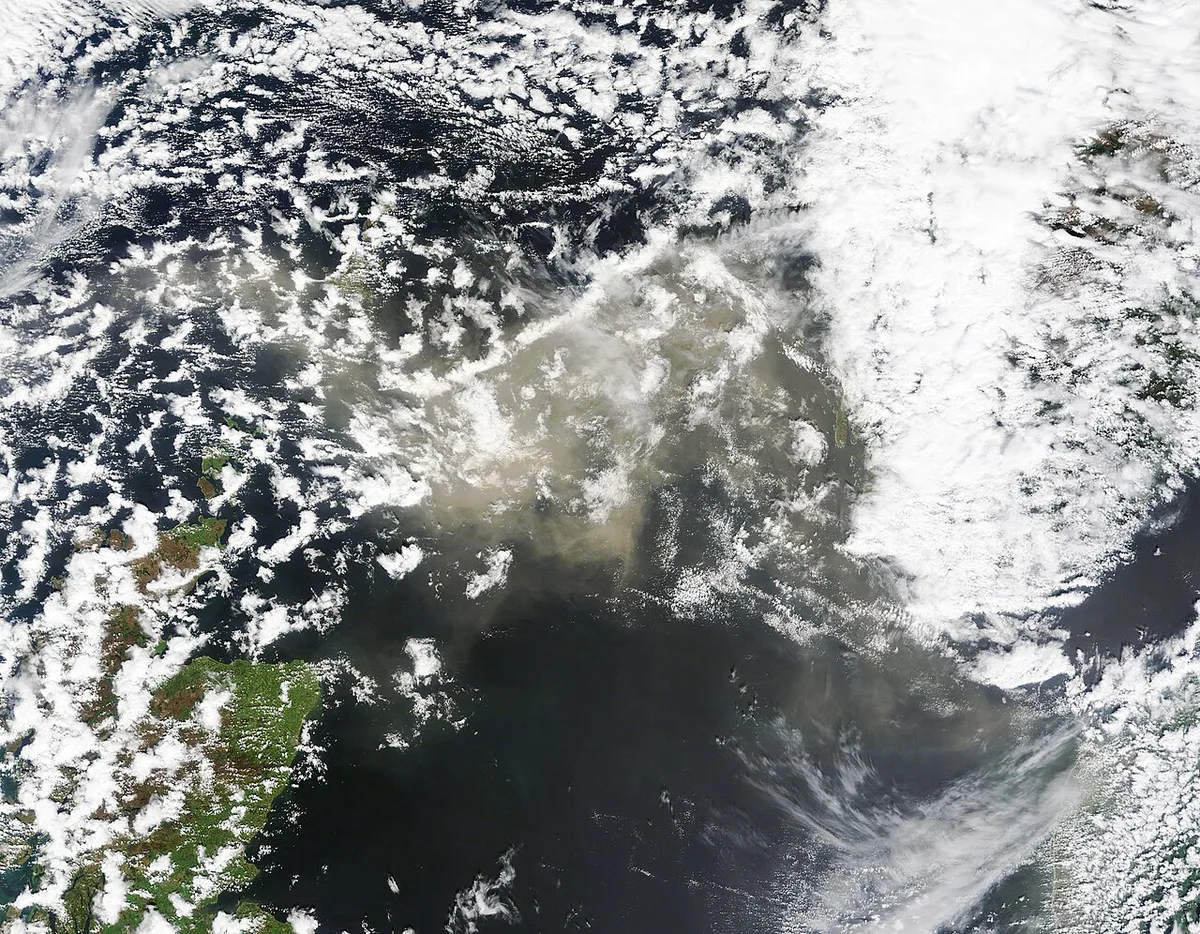
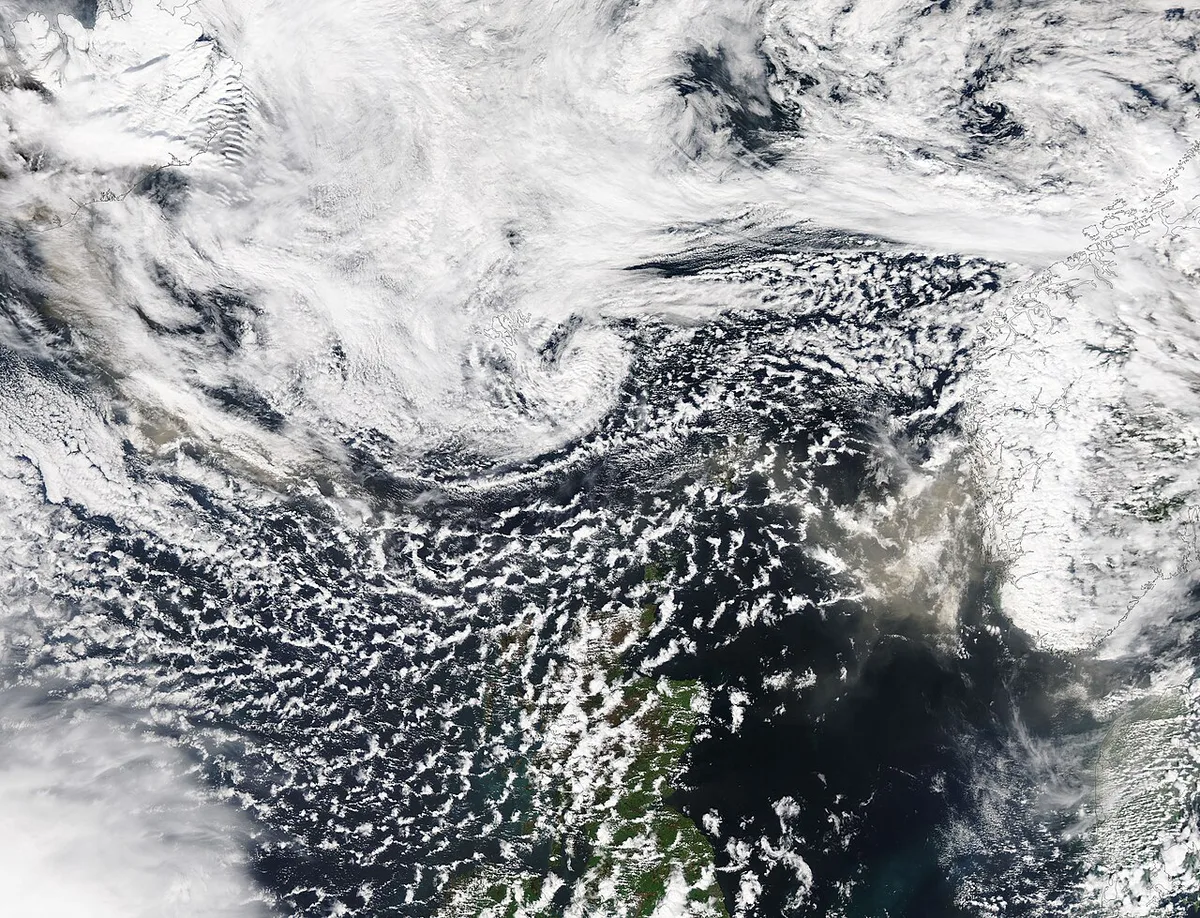
Grímsvötn is known for these periodic floods. Eruptions beneath the ice can also throw ash into the air. Ash is the reason eruptions here can reach beyond the glacier and affect travel plans.
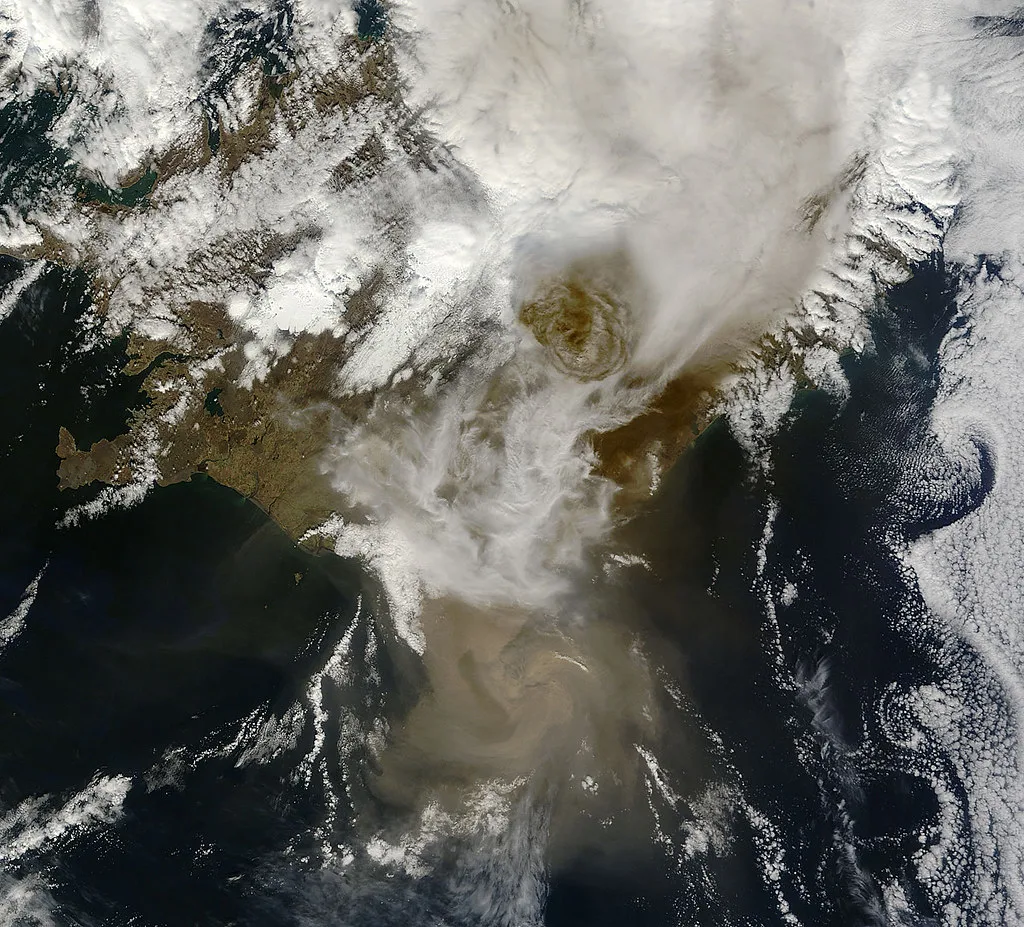
The Icelandic Met Office monitors the system and publishes volcano and flood information. Use it for dates, figures and current activity. Anything time-sensitive on this page is a pointer to that source, not a status report.
Grimsvotn Access: Can You Visit?
Not independently. The caldera lies deep inside Vatnajökull, which is covered by Vatnajökull National Park. Reaching it means glacier travel, which depends on season, weather and the right equipment and experience.
If you want to go, treat it as a specialist expedition. Ask the park and licensed operators about current options before you plan anything. Our Iceland volcano tours guide covers the more accessible guided trips.
The table compares your realistic options. Costs are relative, because prices change by operator and year.
| Option | Effort and skill | Cost level | Season and conditions | Best for |
|---|---|---|---|---|
| Specialist glacier expedition | High; glacier experience or a qualified guide | High | Weather and season dependent; operators decide | Experienced travellers who want the caldera area itself |
| Scenic flight, if offered | Low | Moderate to high | Needs clear weather; availability varies | Seeing the ice cap from above without glacier travel |
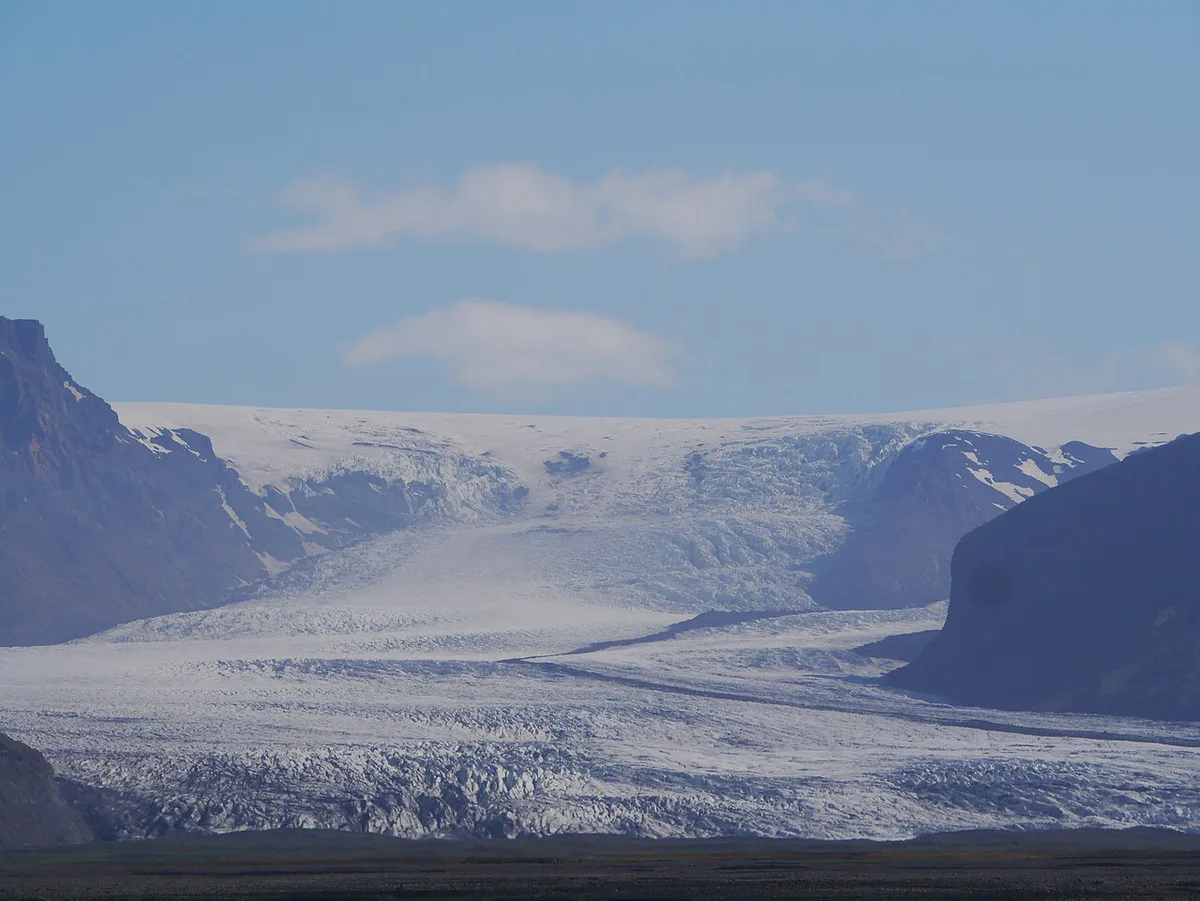
| Viewing Vatnajökull from the Ring Road and south coast | Low | Low | Year-round, with daylight and road conditions varying | Most visitors; no special gear |
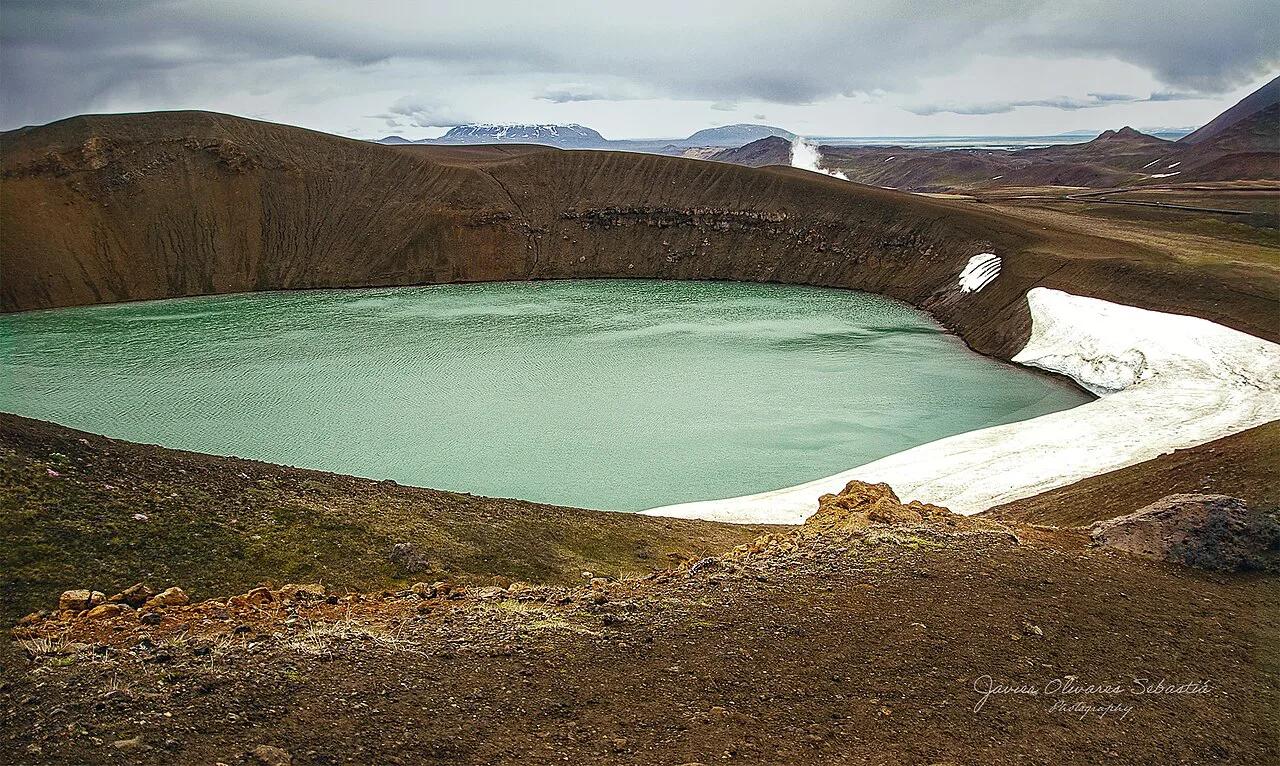
| Other volcano sites instead | Low to moderate | Low to moderate | Mostly year-round | Travellers who want real lava, craters and geothermal ground |
Safety, Closures And Checking Status
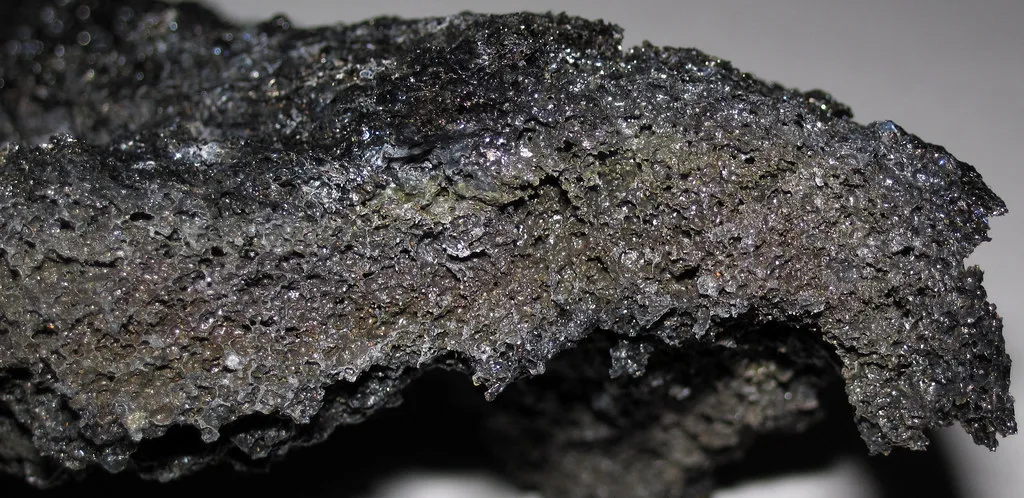
Two hazards matter here: eruptions and floods from the draining lake. Both can close areas with little warning. Stay out of the glacier without a qualified guide.
Check Safetravel Iceland for closures and alerts before any highland or glacier plan. The Met Office page above carries live volcano status. For a broader view of eruption travel, read our eruption travel safety guide.
Our Iceland volcano eruption guide explains what an eruption means for a normal holiday. In most cases, ash and closures affect specific areas and flights rather than the whole country.
Easier Ways To Experience Iceland's Volcanoes
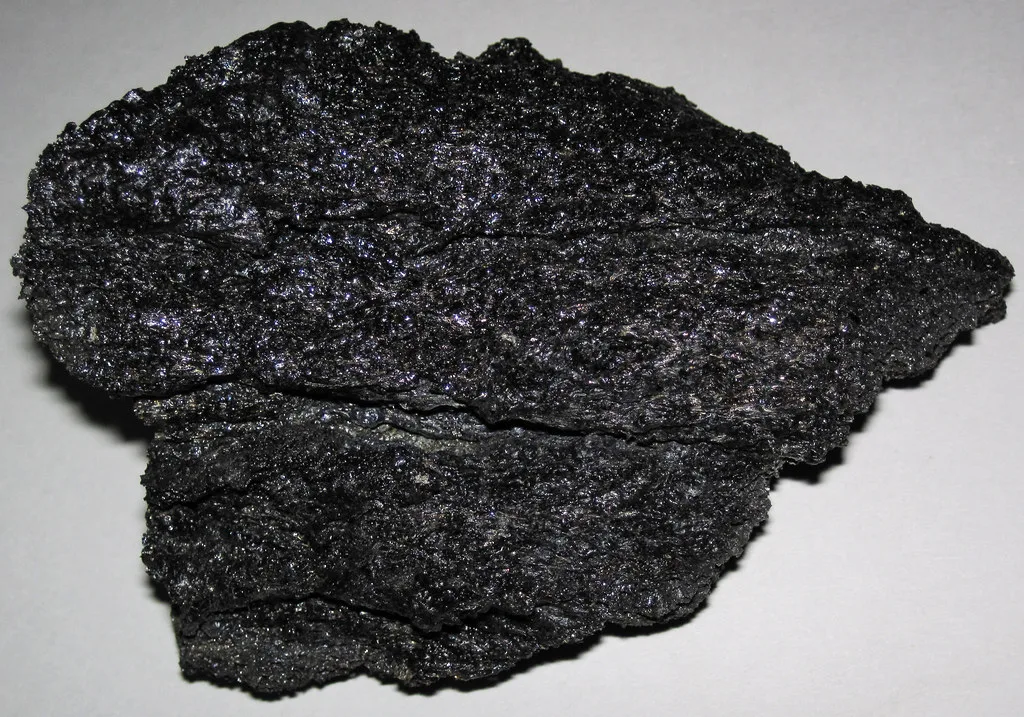
If you cannot reach Grímsvötn, these options give you the volcano story without a glacier trip.
- See lava in a controlled setting at the Reykjavík lava show. It works year-round and sits in the capital area.
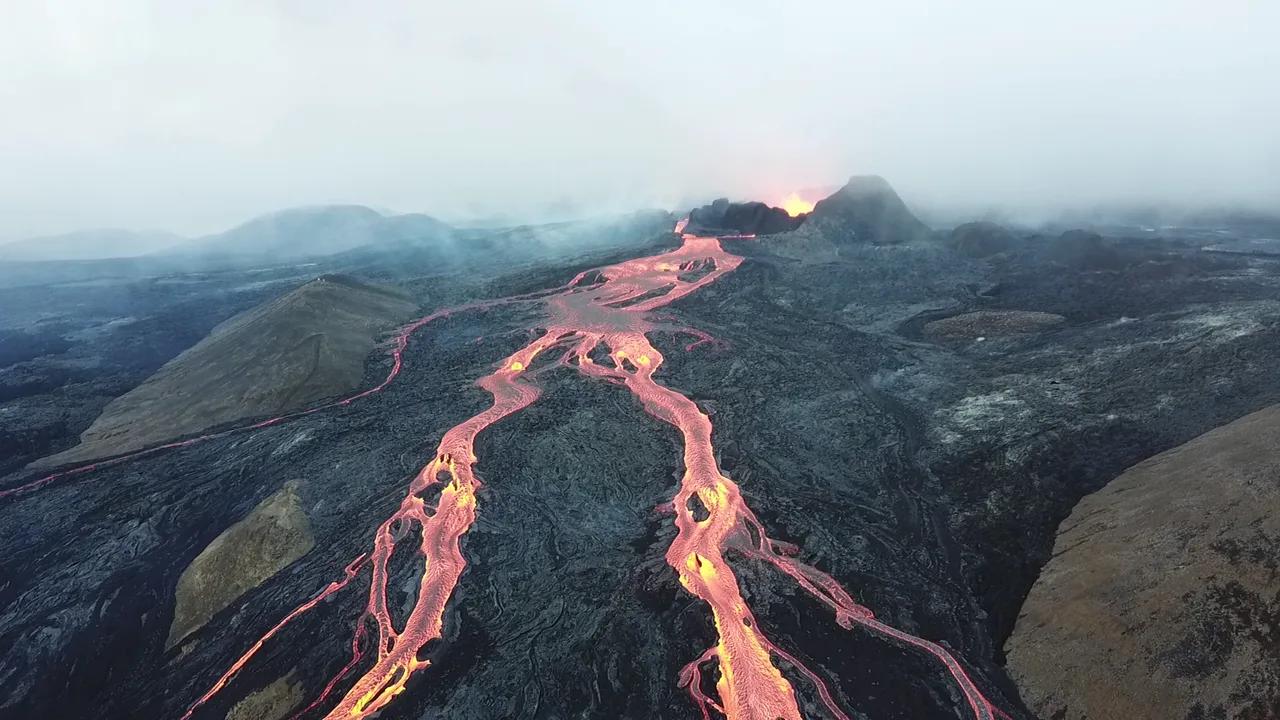
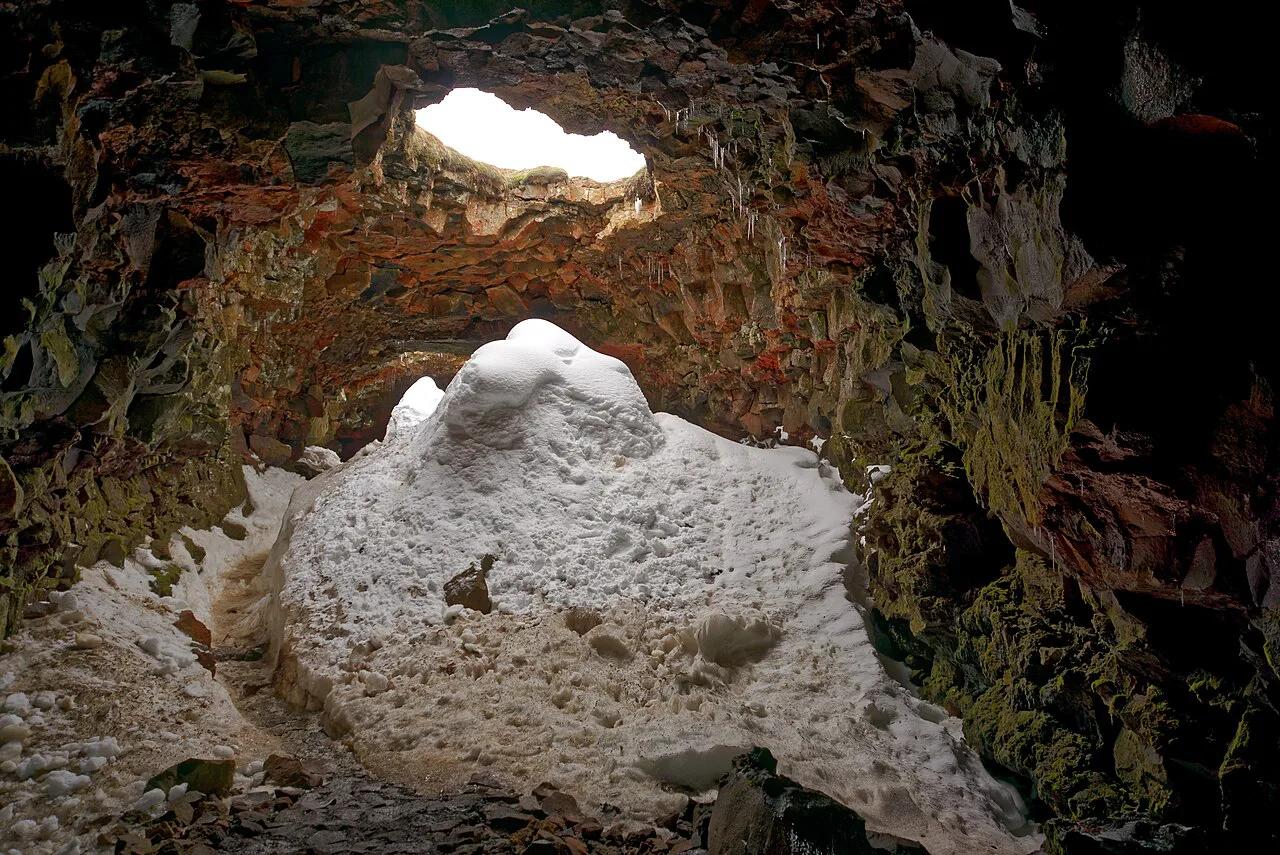
- Walk across old flows in an Iceland lava field, where you can see how molten rock cooled into moss-covered ground.
- Visit Eldhraun along the south coast. It is a lava field you can see from the Ring Road side of Iceland.
- Learn how a town lived through an eruption at Eldheimar, the Vestmannaeyjar museum.
- Find more sites with the Iceland volcano map.
How It Connects To Neighbouring Systems
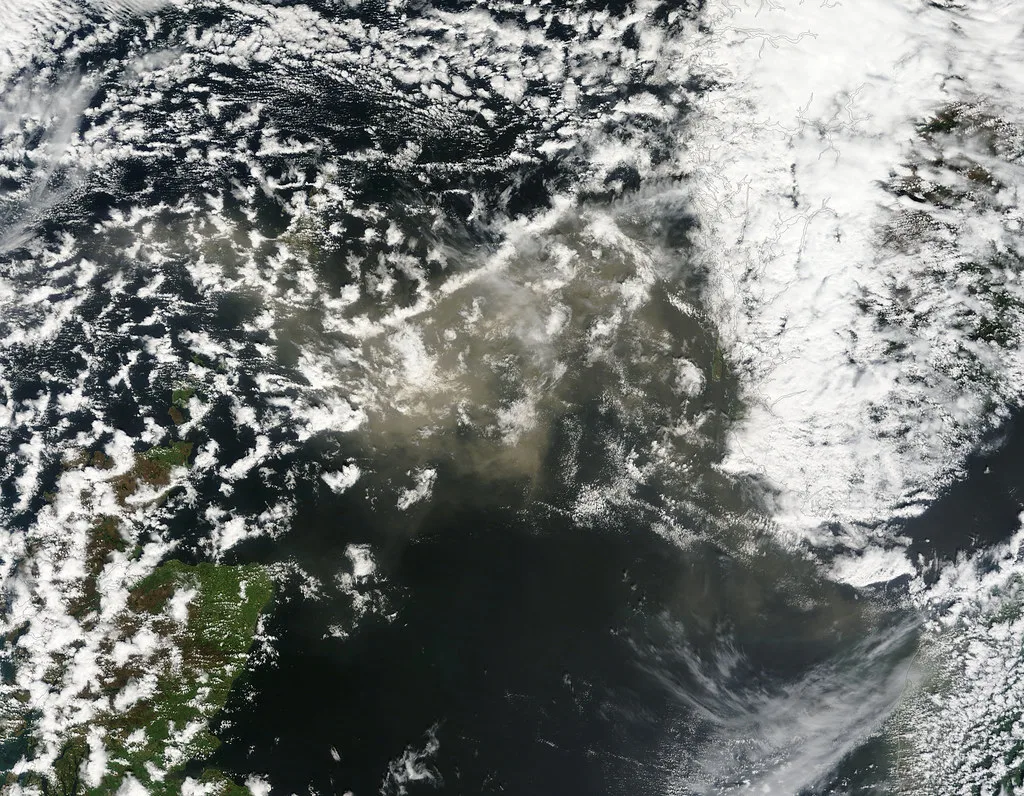
Grímsvötn sits among several volcanic systems in the Vatnajökull area. Two have their own guides. Read about Bárðarbunga for a neighbouring system with its own eruption story.
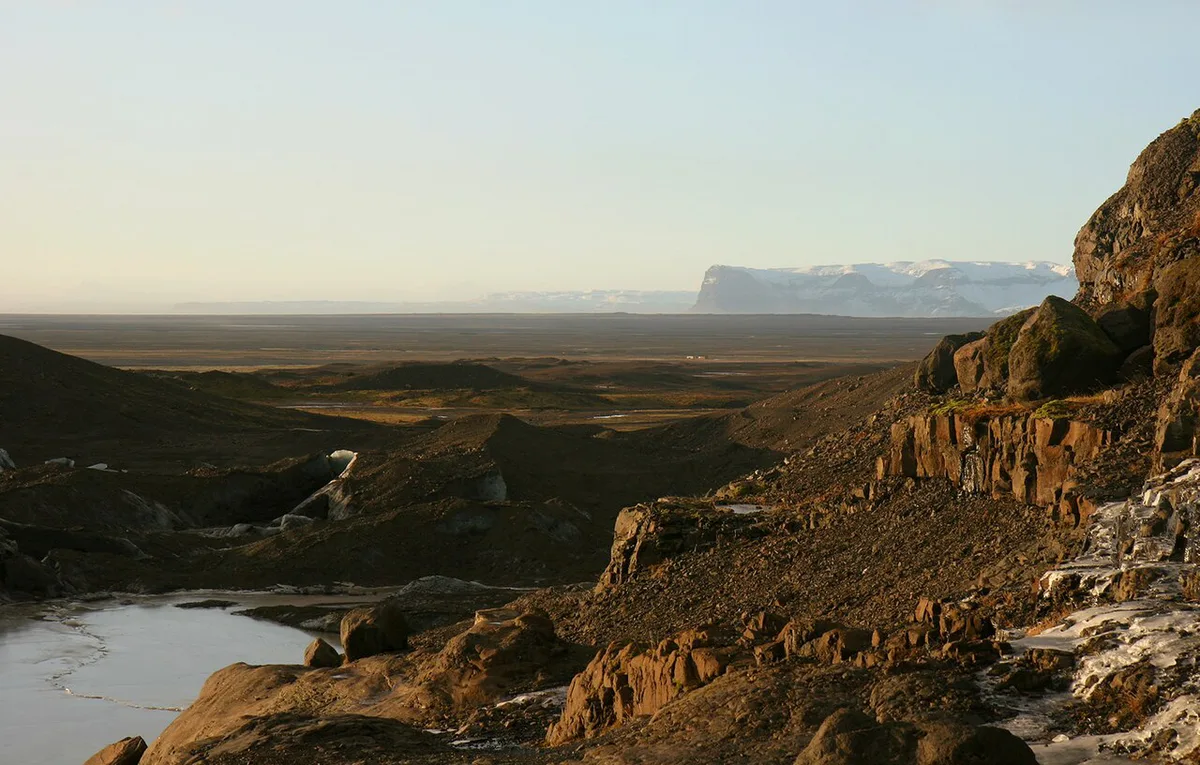
Our Öræfajökull guide covers a volcano you can see from the south side. For the reason so many exist, see why Iceland has so many volcanoes.
Who Should Skip It, And Who It Suits
Grímsvötn suits experienced glacier travellers and anyone willing to join a specialist, guided trip. Everyone else gets a better visit from the alternatives above.
- Treating it as a drive-up attraction. There is no road, and nothing to see from the highway.
- Ignoring weather and season. Glacier conditions decide whether any trip runs.
- Underestimating glacier risk. Crevasses and sudden weather changes are why guides matter.
- Skipping the status check. Eruptions and floods can close areas fast.
Frequently Asked Questions
Is Grimsvotn volcano active?
Yes. Grímsvötn is among the Iceland volcanic systems that erupt most often. Check the Icelandic Met Office for its current status before you plan any trip.