6 Ways to Experience Mount Teide: Cable Car, Permit & Planning
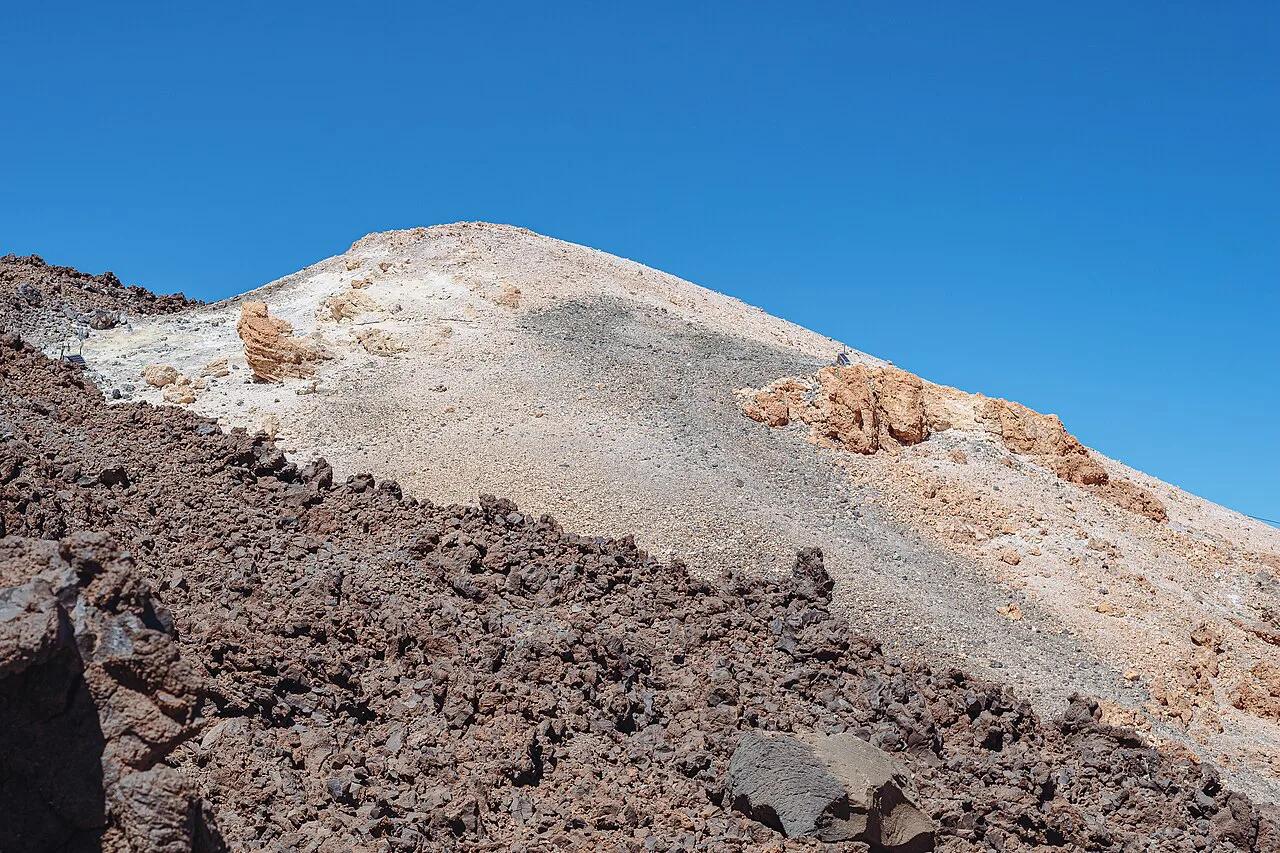
Last updated November 2026: Mount Teide is the volcano at the centre of Tenerife and Teide National Park, widely cited as Spain's highest peak at 3,718 m. You can meet it three ways: drive to the viewpoints, ride the cable car, or hike to the summit. This guide ranks six ways to see it, then covers the summit permit, weather risks and where to base yourself.
Featured image: Ingo Mehling, CC BY-SA 4.0, via Wikimedia Commons.
Mount Teide at a Glance
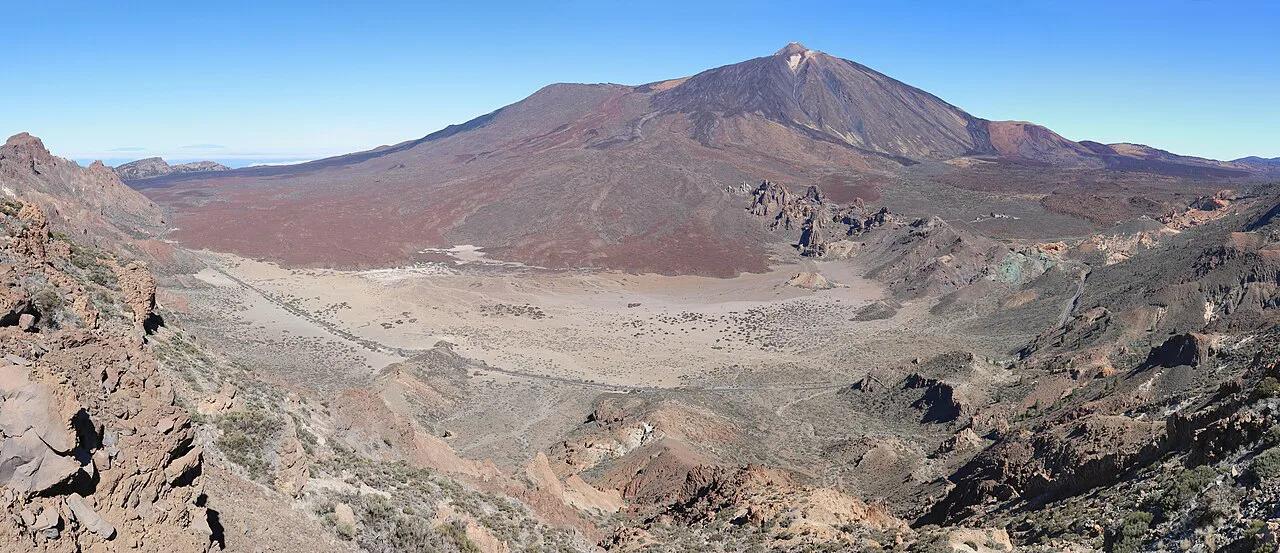
Teide rises inside the Las Cañadas caldera in Teide National Park, declared a national park in 1954. The park floor sits near 2,000 m, so you start high before any climb. Teide is the highest point in Spain overall, while the mainland high point is Mulhacén at 3,479 m in the Sierra Nevada. Guanche tradition treated the mountain as sacred and tied it to the underworld. Our fact sheet on Teide's formation goes deeper on the geology. Teide is a monitored volcano, and our active-status guide explains what that means for visitors. For the wider island picture, read about Tenerife's volcanic setting.
| Fact | Detail |
|---|---|
| Summit elevation | 3,718 m |
| Park floor altitude | About 2,000 m |
| Location | Las Cañadas caldera, Tenerife, Canary Islands |
| Designation | National park since 1954; World Heritage Site |
| Mainland Spain high point | Mulhacén, 3,479 m |
6 Best Ways to See Mount Teide
Prices and hours checked November 2026. No fares are quoted here, so use the operator's site for current ticket prices. Options run from a free drive to a five-hour climb.
1. Drive up and stop at the viewpoints
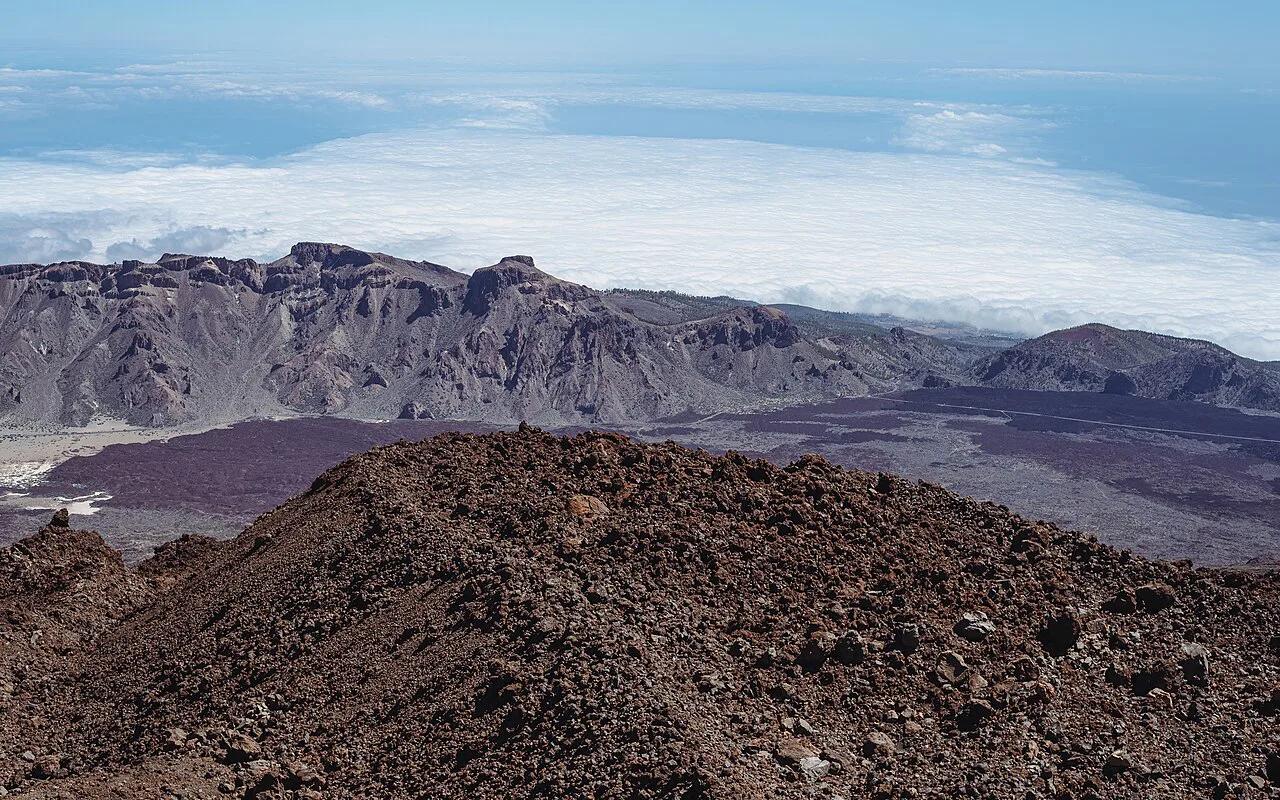
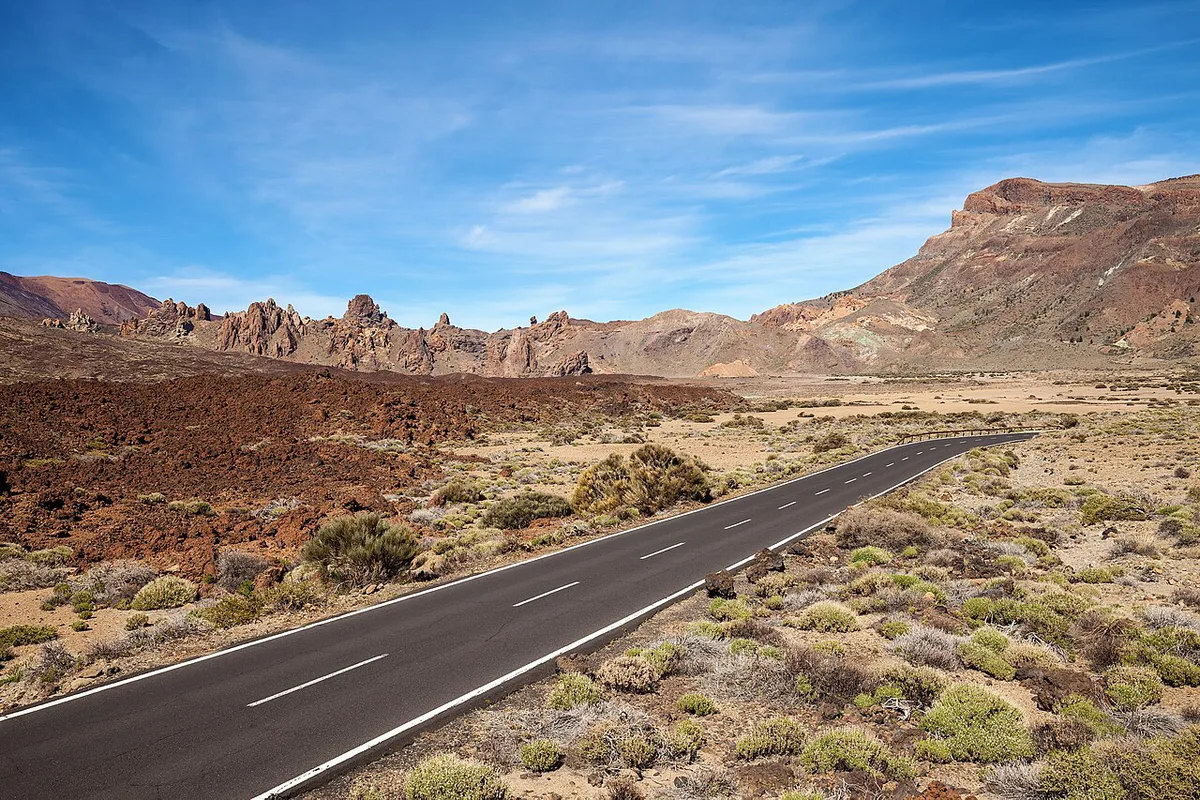
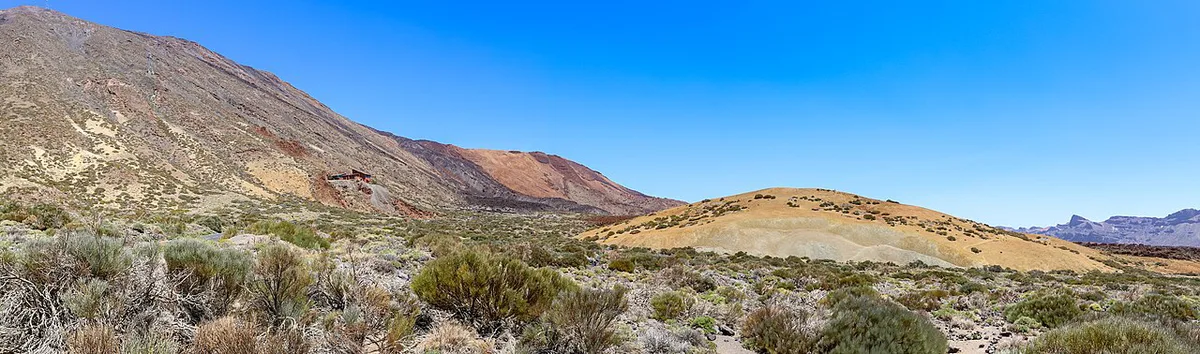
Driving through the park is the lowest-effort way to see Mount Teide, and it needs no permit. Approach from the south via Vilaflor or from the north via La Orotava. The scenery turns lunar once the road climbs above the clouds. Stop at Mirador de la Ruleta, Teide: Viewpoint Guide and Stop Planning for a wide view across the caldera toward the cone.
The park floor sits near 2,000 m. Winter can bring snow and sub-freezing temperatures, while summer afternoons can pass 40°C. Skip this option if the summit is your goal, because the roadside gives views but no access above the cable car station.
2. Ride the cable car to the upper station
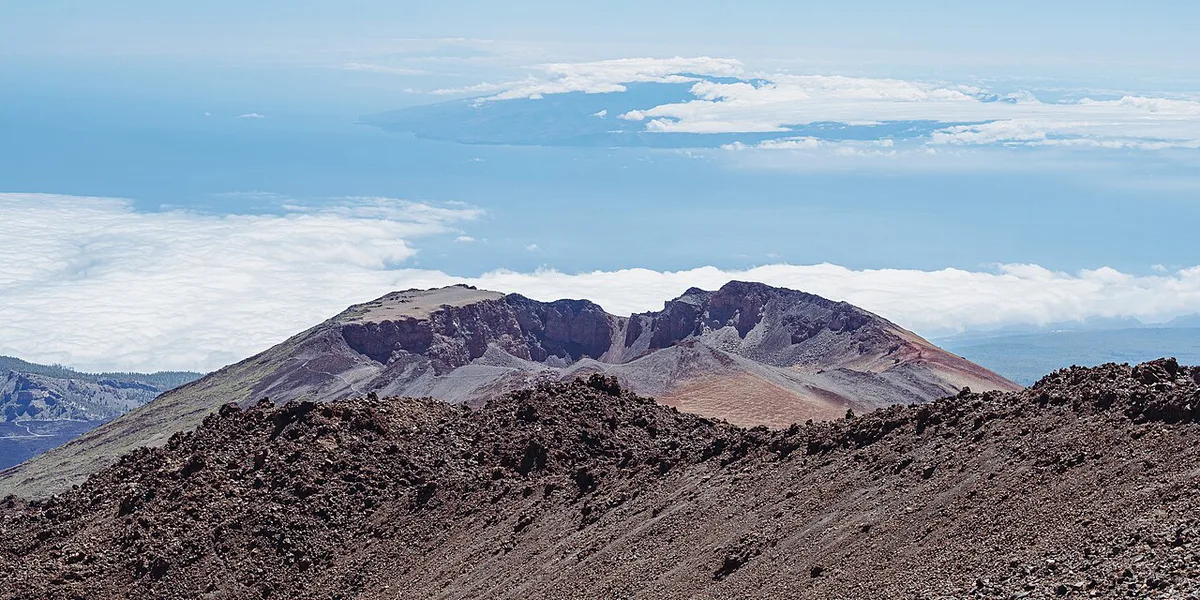
The Teleférico del Teide operator runs cars to an upper station at about 3,550 m, close to the 3,718 m summit. Hours are usually 9 am to 5 pm daily, and the operator's site lists the live schedule. Wind and poor weather stop the cars, so check status before you drive up.
The cable car does not reach the crater rim. That last stretch needs a permit. Read our ticket and booking guide for queue logic, and our cable car guide for what the upper station offers. Skip it in high wind, or if you want a free outing.
3. Hike to the summit via Montaña Blanca
The Montaña Blanca route is the classic walking ascent, about 9.5 km one way with roughly 1,350 m of climbing. Allow about 5 hours up. The path is clear, with a steeper final section above the cable car station. The trail starts at the Sendero de Montaña Blanca car park, which can fill in the early hours.
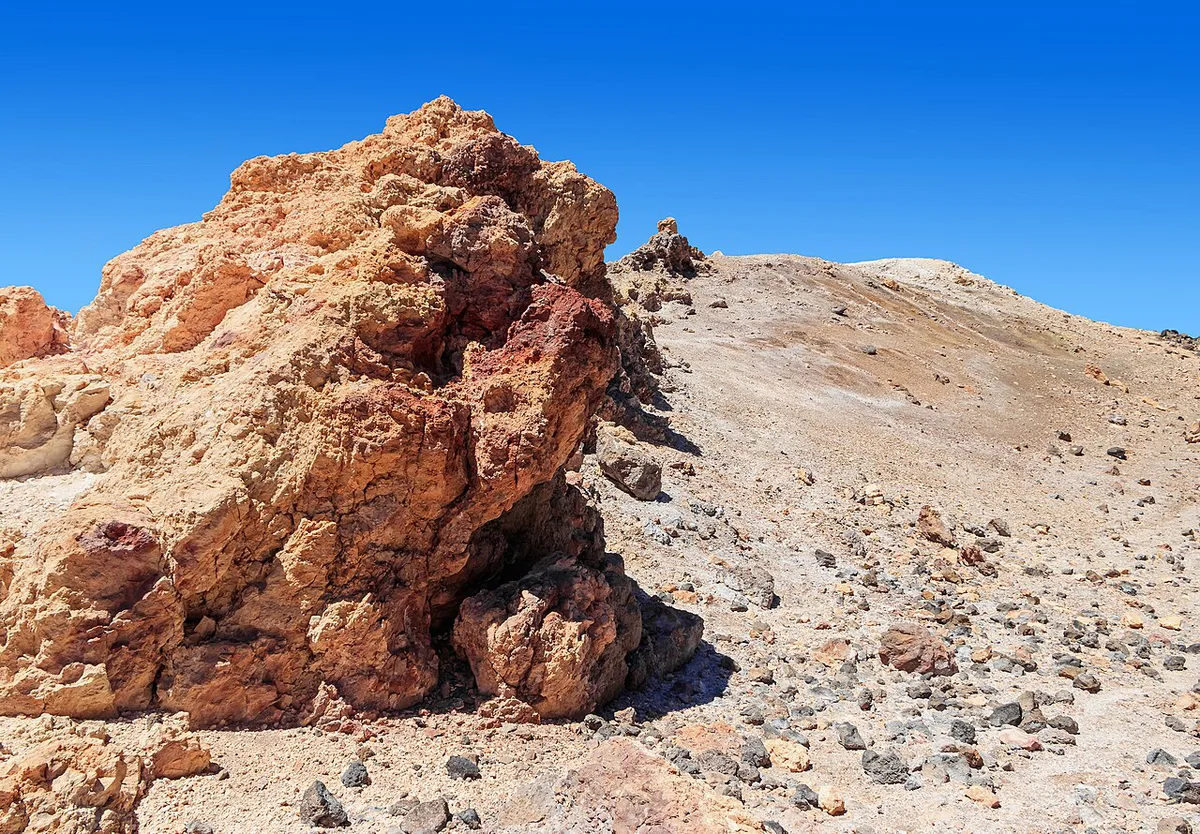
Recent accounts describe a refuge at about 3,200 m as closed since the pandemic, so carry your own food and water. Past the upper station you need a permit, covered in the permit section below. Skip this climb if you are not used to sustained effort, if ice is forecast, or if you have not acclimatised.
4. Walk among the Roques de García
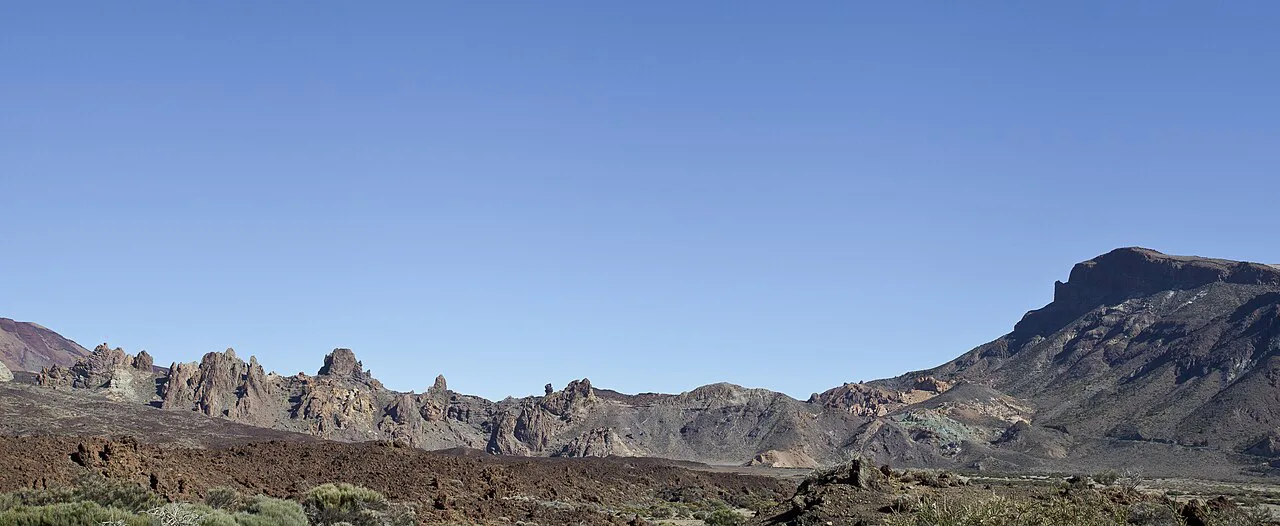
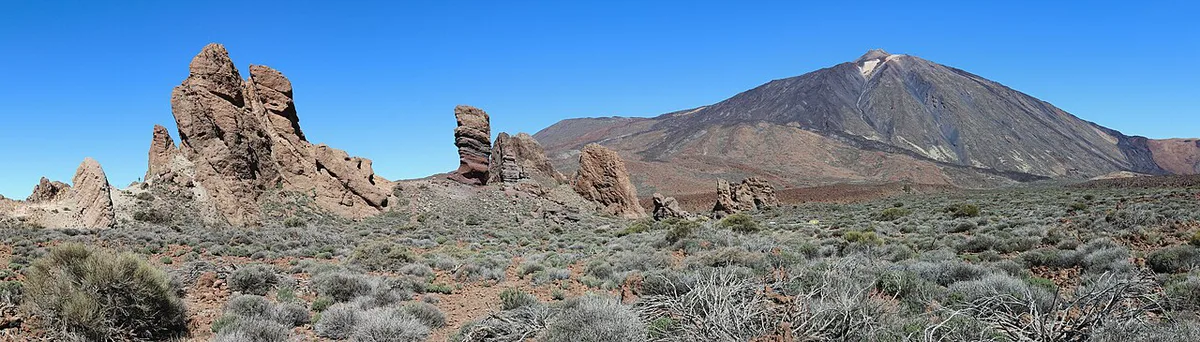
Roques de García is a set of rock formations inside the Las Cañadas caldera, with the Teide cone as backdrop. It is the best plan B when wind closes the cable car, because the walking is low-effort and needs no permit.
Photographers do best near sunrise and sunset, when low light adds depth to the rock shapes. Skip it if you want altitude views, since it keeps you at caldera level.
5. Stay for sunset and stargazing
Dusk turns the caldera orange and brings out sharp stars, because the park sits above most light pollution. Start with our sunset guide for viewing spots and timing. Pair it with our stargazing guide if you want a night session without climbing.
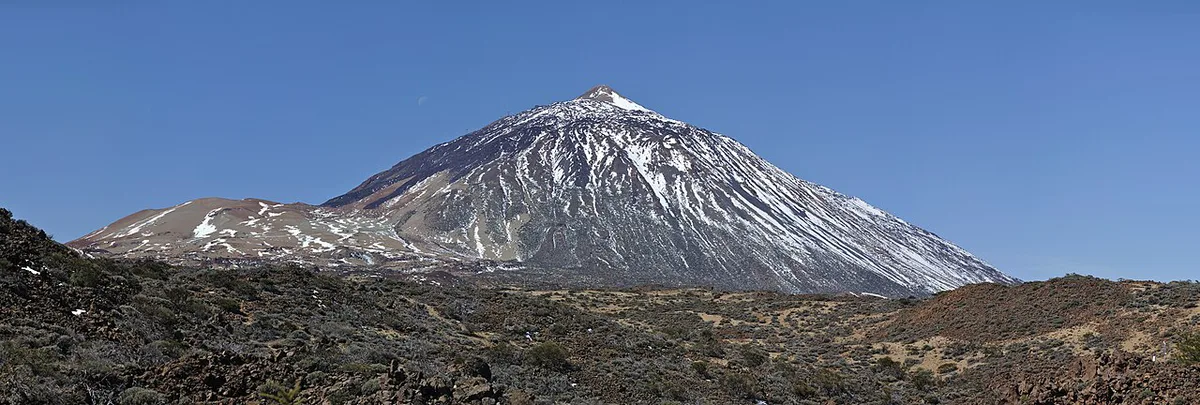
The Teide Observatory: How to Visit, Tours and Stargazing Tips is run by the Instituto de Astrofísica de Canarias, and it explains why skies here are prized. Bring layers and a headlamp, because temperatures fall fast after dark. Parking is also tight, so arrive early. Skip this if you have no car and dislike cold nights.
6. Add Pico Viejo and Chinyero
Pico Viejo, Tenerife: How to Hike It and What to See is the companion volcano to Teide, and it rewards visitors who want more than the cone. Use it to extend a full day in the park once the main summit options are settled. Chinyero is a separate volcanic stop with a different landscape, away from the cable car crowds.
Match each stop to your fitness and daylight, because both add driving between sights. Skip them on a short Tenerife itinerary, where the cable car and one viewpoint already fill a half day.
Cable Car, Hike or Drive: Which Fits You?
Pick by effort, weather tolerance and how much time you have. Hiking up and riding down combines the best of both, but the cable car only runs in daylight hours and calm weather.
| Option | Effort | Time | Cost level | Permit | Weather sensitivity |
|---|---|---|---|---|---|
| Drive and viewpoints | Low | Flexible | Lowest (fuel, parking) | No | Moderate; snow can close roads |
| Cable car | Low | Plan a half day | Mid (ticket) | Only beyond the upper station | High; wind stops cars |
| Summit hike | High | About 5 h one way | Low (permit, optional ride down) | Yes | High; ice, wind and cold |
Summit Permit: The Step Most Visitors Miss
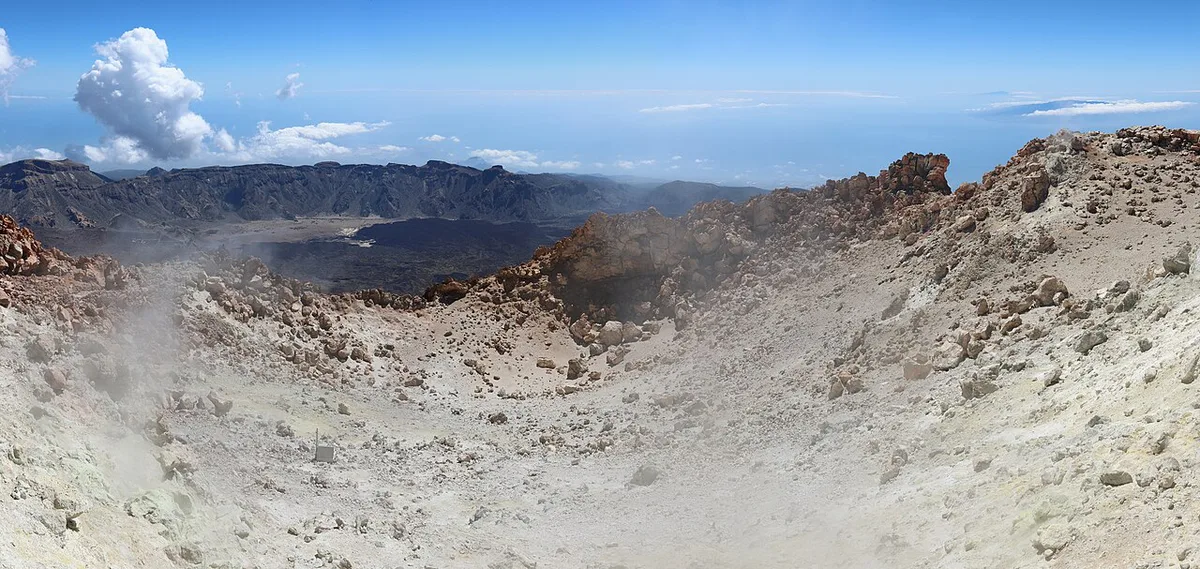
Anything above the cable car's upper station needs a permit. Apply through the official national park channel. The park's rules describe free permits issued in 3-hour slots between 9 am and 5 pm that often sell out months ahead. Separate permits are listed for ascents before 9 am and after 5 pm. Carry photo ID, because checks happen at a gate near the upper station. Skipping the permit risks being turned back, so book early and build your cable car timing around your slot.
Best Time and Weather Risks on Mount Teide
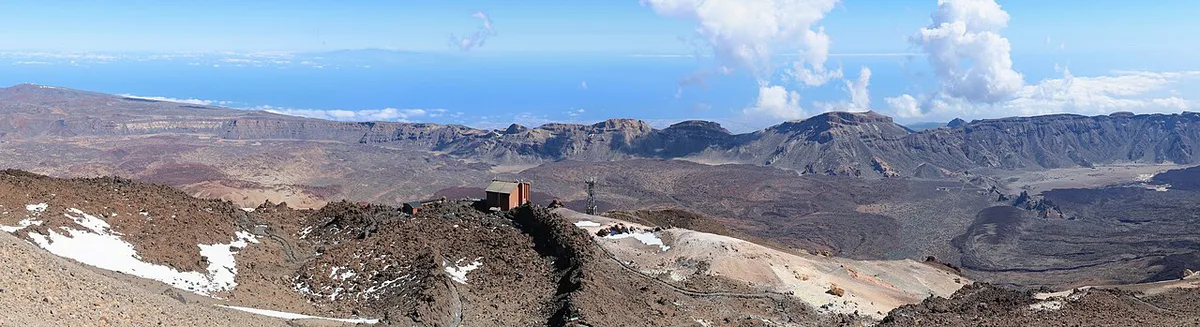
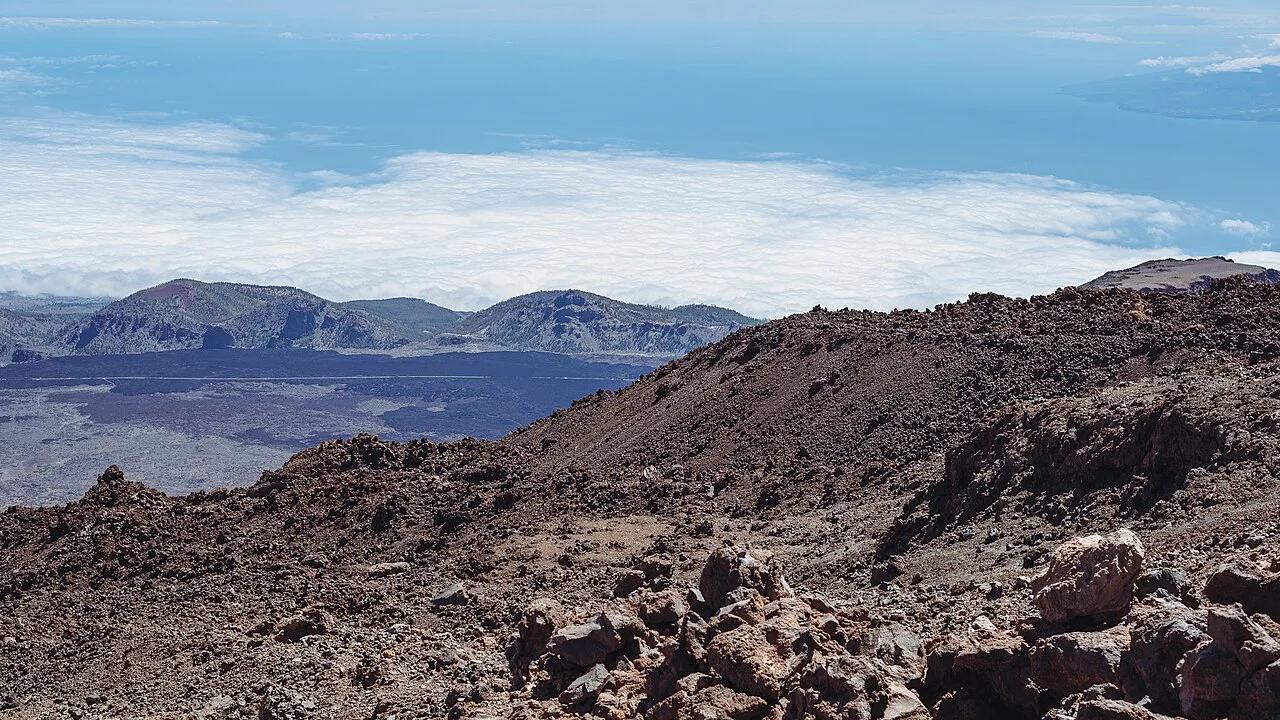
Winter brings snow and ice at altitude, and summer brings heat on the approach. Wind is the main cause of cable car closures in any season. The sea of clouds usually sits below the summit, so a grey coast does not mean a poor view up high. Temperatures drop sharply between the coast and the top, so pack a hat, gloves and a shell even on warm days. Going from near sea level to above 3,500 m within hours can cause headaches, so rest and drink water. Compare months in our best-time guide. Check live conditions through our weather guide and the national forecast from AEMET. If the cable car is closed, switch to Roques de García, a lower viewpoint or an evening stargazing session.
Pack for two extremes in one day, since 40°C on the park road can give way to a summit above 3,500 m.
How to Get to Teide and Where to Stay
A rental car gives the most freedom, with approaches from the south via Vilaflor and from the north via La Orotava. Montaña Blanca parking can be full by 1:30 am, and roadside laybys are the fallback. Buses are possible through TITSA, but schedules limit when you can arrive and leave. Guided tours remove the parking problem. Our route guide compares the options in detail. Use our Teide map to plan stops. Base choice depends on whether you prioritise sunrise access, beaches or culture.
Montaña Blanca parking can be full by 1:30 am, so sunrise plans need to allow for arrival time, not just the drive.
| Base | Best for | Trade-off |
|---|---|---|
| In or near the park | Sunrise and stargazing access | Few services; cold nights |
| South coast | Beach and resort stays | Longer drive up via Vilaflor |
| La Orotava and Puerto de la Cruz | Culture and old-town streets | Approach from the north |
Teide vs. Etna and Other Volcano Trips
Etna stands at roughly 3,350 m, so Teide stands taller. Teide also pairs a cable car with a hike, which makes it easier for non-climbers. See our Teide and Etna comparison for access, permits and difficulty side by side.
Sunrise Ascents: What Changes After Dark
A sunrise ascent is a different commitment from sunset stargazing. The summit stands at 3,718 m, where cold, wind and altitude matter more before dawn. The Montaña Blanca route is about 9.5 km one way, with roughly 1,350 m of ascent. Allow about 5 hours uphill, so start times need careful planning.
Carry a reliable headlamp, warm layers, water and food. The route becomes steeper above the cable-car station, which is around 3,550 m. Check the forecast before leaving, as ice or strong wind can make an overnight climb unsafe. A permit is still required for the final stretch beyond the upper station. If conditions are poor, keep the evening stargazing plan instead and view sunrise from a lower roadside viewpoint.
Frequently Asked Questions
How much does it cost to go up Mount Teide?
Driving through the park is free apart from fuel and parking. The cable car ticket price is set by the operator, so check the official Teleférico del Teide site for the current fare. Summit permits are reported as free.
Is Mount Teide still an active volcano?
Teide is a monitored volcano, and the Instituto Volcanológico de Canarias tracks its activity. Small sulphurous vents are reported near the summit. Our active-status guide covers its eruption history.
Is it worth going up Mount Teide?
Yes, for most visitors who pick the right option. The cable car suits a short itinerary, while the hike suits fit walkers who secure a permit. Wind can close the cable car, so keep Roques de García as a backup.
Explore More Guides
Keep planning your trip with these guides.
Guides
- Tenerife Volcano: Teide Guide, Access & Visit Tips
- Teide Cable Car: Hours, Prices, Permits & Planning
- Teide Cable Car Tickets: Prices, Booking & Which to Buy
- Teide Observatory: How to Visit, Tours and Stargazing Tips
- Pico Viejo, Tenerife
- Mirador de la Ruleta, Teide
- Teide Weather: Climate by Month, Snow & Forecast Tips
- Is Mount Teide Active? Status, Last Eruption & Visitor Safety
- Chinyero Volcano, Tenerife
- Roques de García, Tenerife
- Mount Teide Facts: Height, Eruptions & Visitor Tips
- Teide Stargazing: Tours, Self-Drive & What to Know
- How to Get to Teide: Car, Bus, Tour & Cable Car Options
- Teide Sunset: Best Spots, Timing and Safe Return Plan
- Teide vs Etna: Which Volcano to Visit?
- Best Time to Visit Teide: Month, Season & Time of Day Guide
- Mount Teide Map: Park Layout, Trails & Which Map to Use