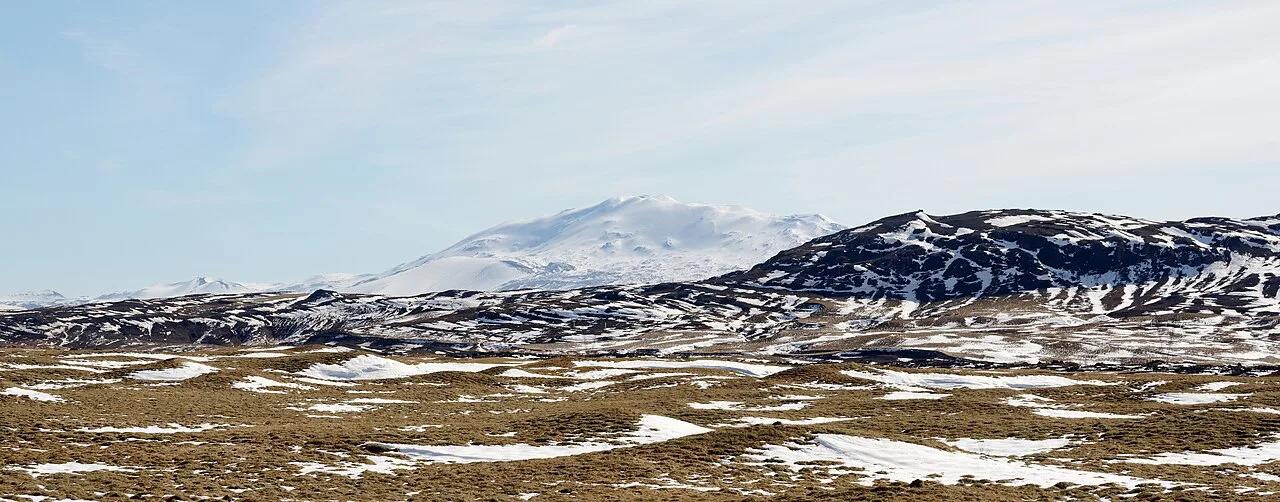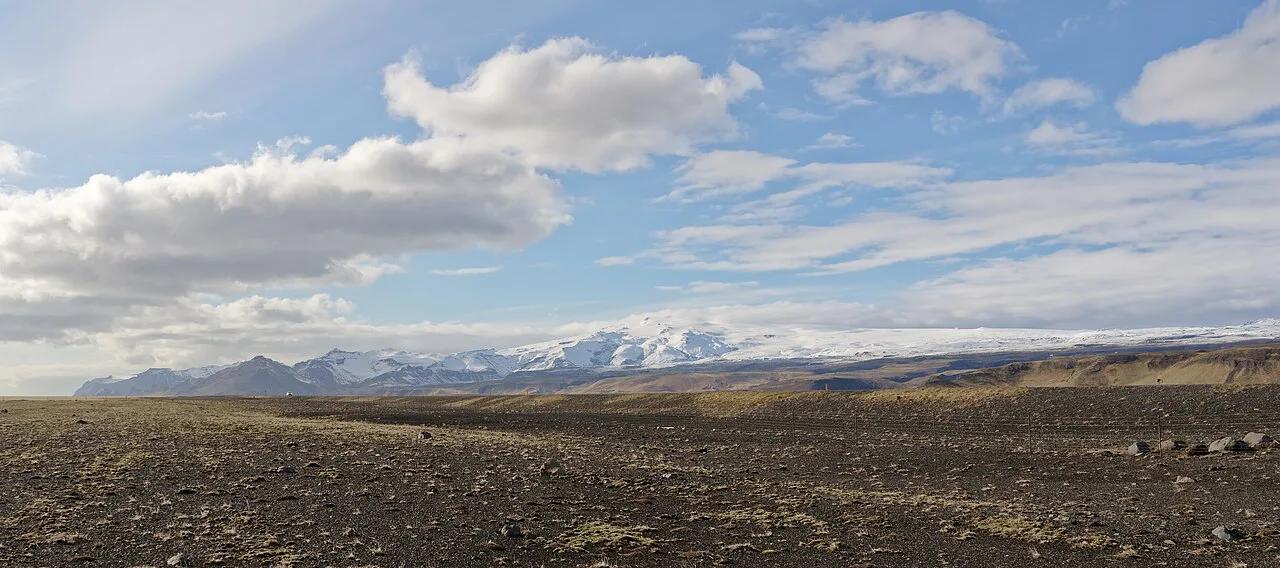
Iceland Volcano Eruption: What It Means for Your Trip
Last updated November 2026: an Iceland volcano eruption is usually localized and closely monitored, so most trips continue with small changes. Recent activity sits mostly on the Reykjanes Peninsula, away from the main tourist routes, and the Icelandic Met Office posts current status. Whether your plans change depends on the eruption site, gas drift and road closures, as the Iceland volcano guide explains.
Featured image: Jakub Hałun, CC BY-SA 4.0, via Wikimedia Commons.
Where Iceland Volcano Eruptions Happen
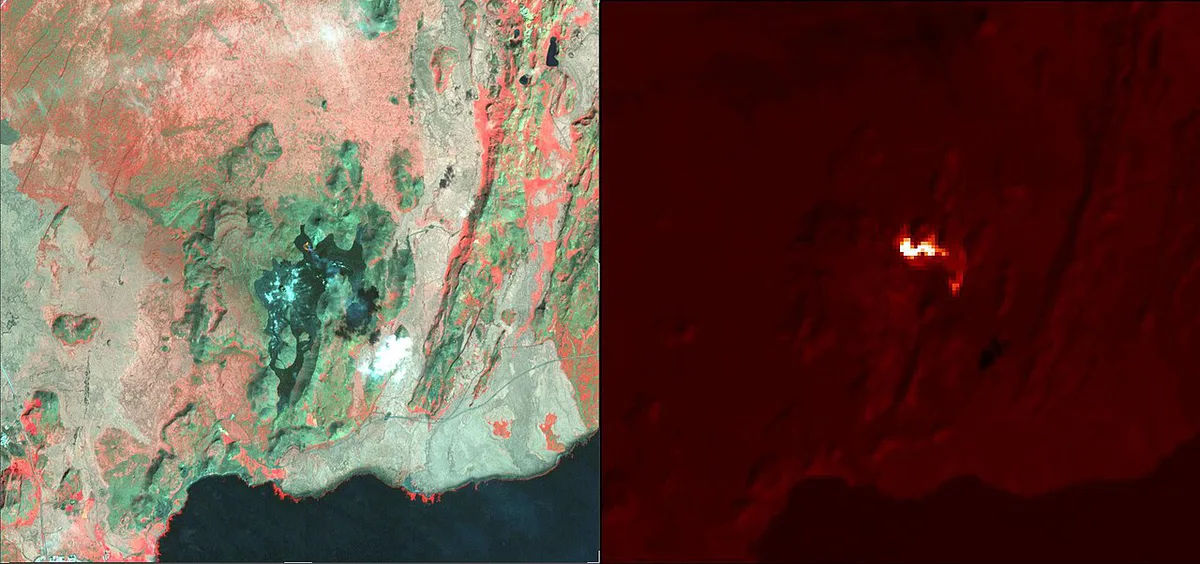
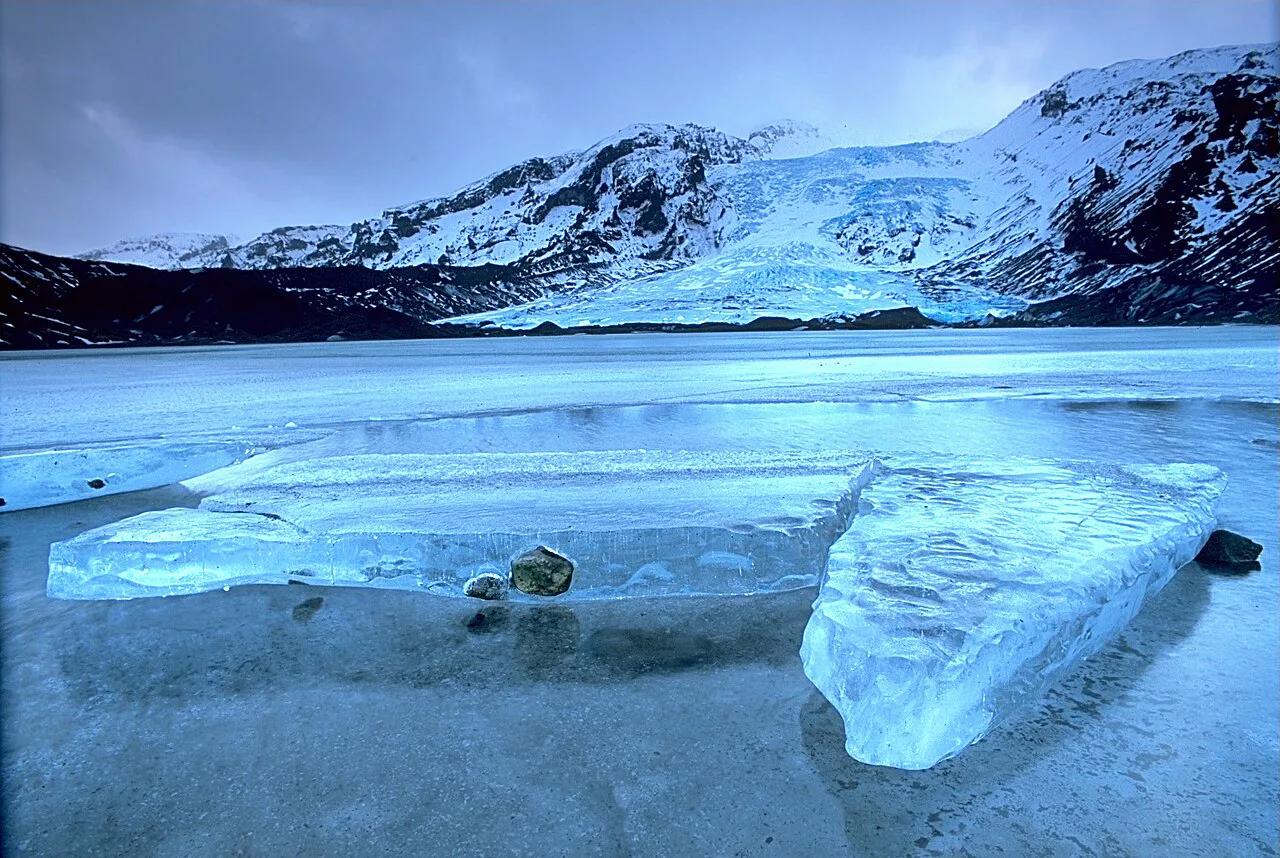
Eruptions follow the plate boundary that crosses Iceland, so they cluster in a few zones. Why Iceland has so many volcanoes covers the geology. Reykjanes, the central highlands and the Vatnajökull area, and offshore islands each behave differently. Laki in 1783 is the best-known fissure disaster. Heimaey in 1973 buried part of a fishing town, and you can still see the story at Eldheimar museum. Eyjafjallajökull in 2010 grounded air traffic across Europe. Holuhraun in 2014–15 was a long lava-field eruption in the highlands north of Vatnajökull. Reykjanes has erupted repeatedly since 2021. Browse the list of active volcanoes for the systems still being watched. A volcano map of Iceland shows how far each one sits from the Ring Road.
Recent Reykjanes Eruptions in Brief
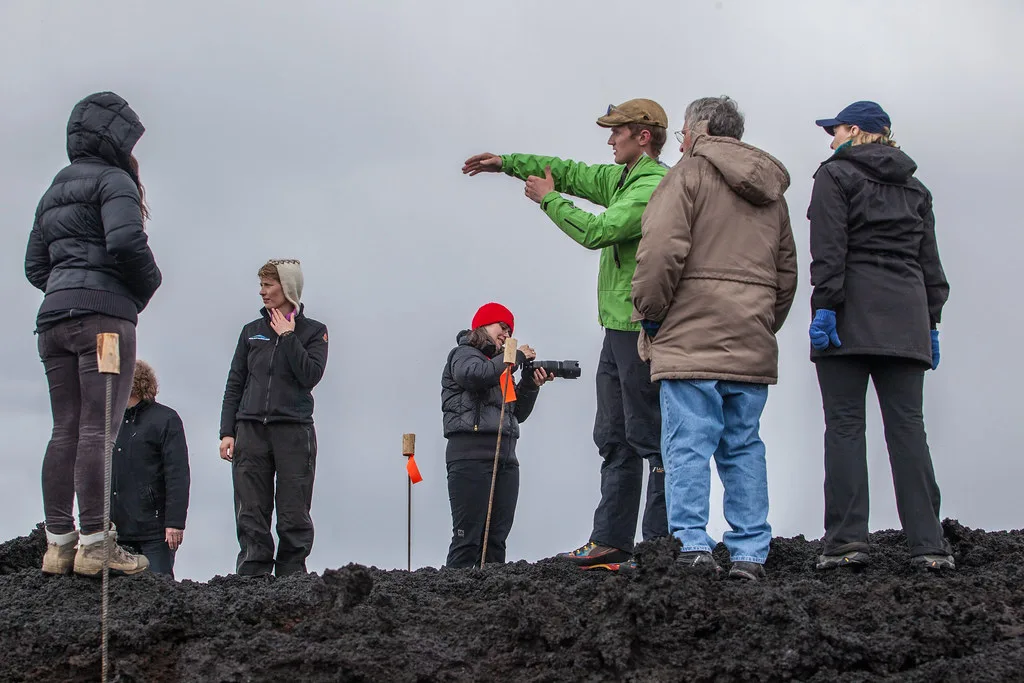
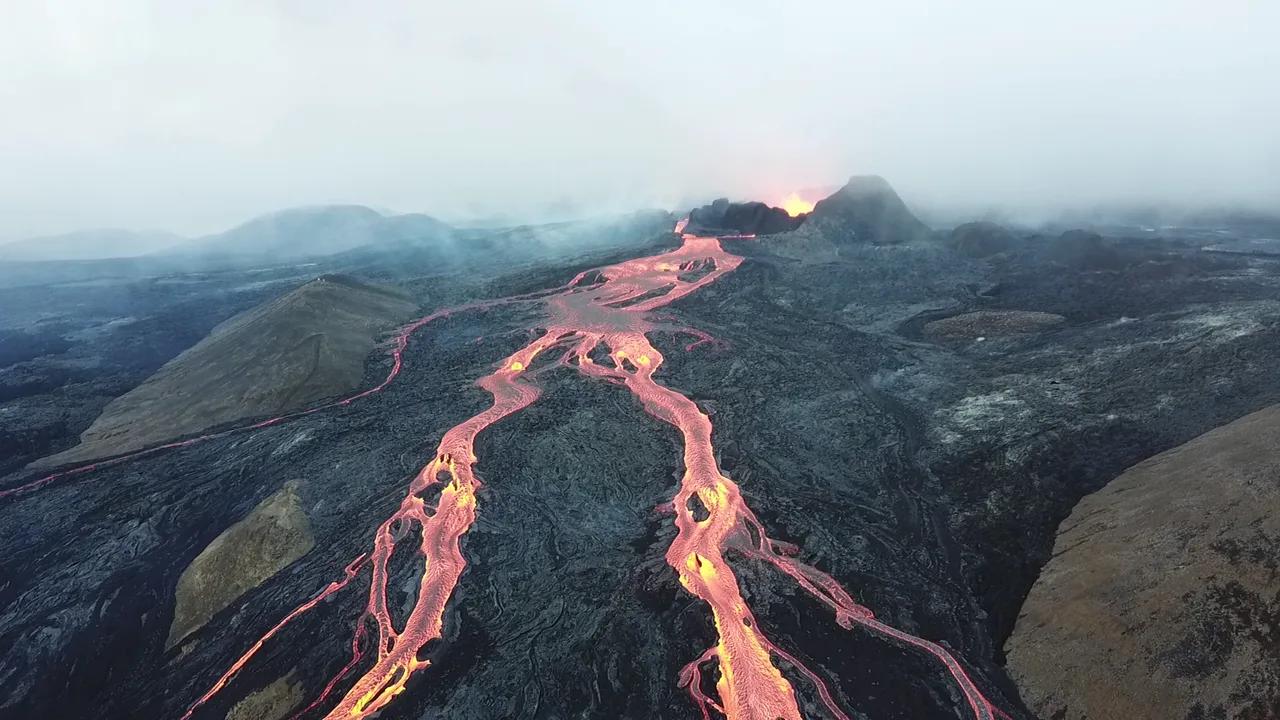
Coverage in 2024 described a series of fissure eruptions on the Reykjanes Peninsula beginning in December. By May 30, 2024, news reports counted a fifth eruption since December, with lava fountains above 150 feet. Another report that year described a fissure about 3 km (roughly 2 miles) long and a seventh eruption. Authorities declared a state of emergency, and about 4,000 people were evacuated earlier from nearby communities. One eruption forced evacuation of the Blue Lagoon. Treat those figures as history, not current status. Read travel safety during an eruption for the visitor view. Geothermal steam fields such as Gunnuhver sit on the same peninsula and can be affected by closures.
Evacuation reached about 4,000 people during the 2024 Reykjanes run, so arrival days at Keflavík carry the most weight.
Can You Still Travel? Decision Criteria
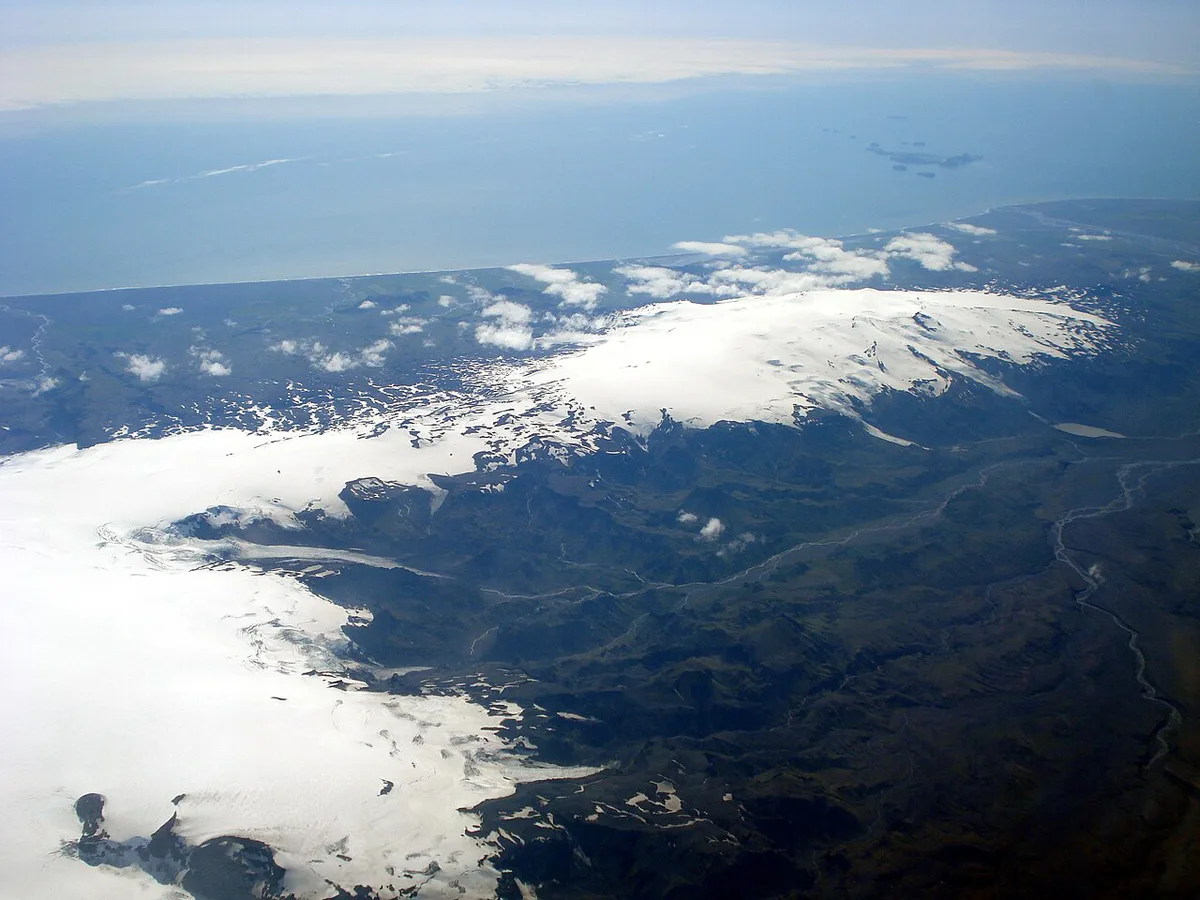
Use these checks to decide whether to keep, shift or cancel a day. Reykjanes sits near Keflavík Airport and the Blue Lagoon, so closures there matter most for arrival and departure days. Check Safetravel Iceland for current warnings.
| Check | What to look for |
|---|---|
| Distance from your route | Is the eruption site anywhere near your road or hotel? |
| Gas and wind | Forecast SO₂ drift over your stop, from the Met Office |
| Road closures | Closed roads near Grindavík and Reykjanes |
| Airport status | Keflavík arrivals and departures on your travel day |
| Blue Lagoon and Grindavík | Opening status on the operator's own site |
| Insurance and cancellation | Whether volcanic disruption is covered, and tour refund terms |
| Flexibility | A spare day to swap itinerary items |
Safe Ways to See Volcanic Iceland
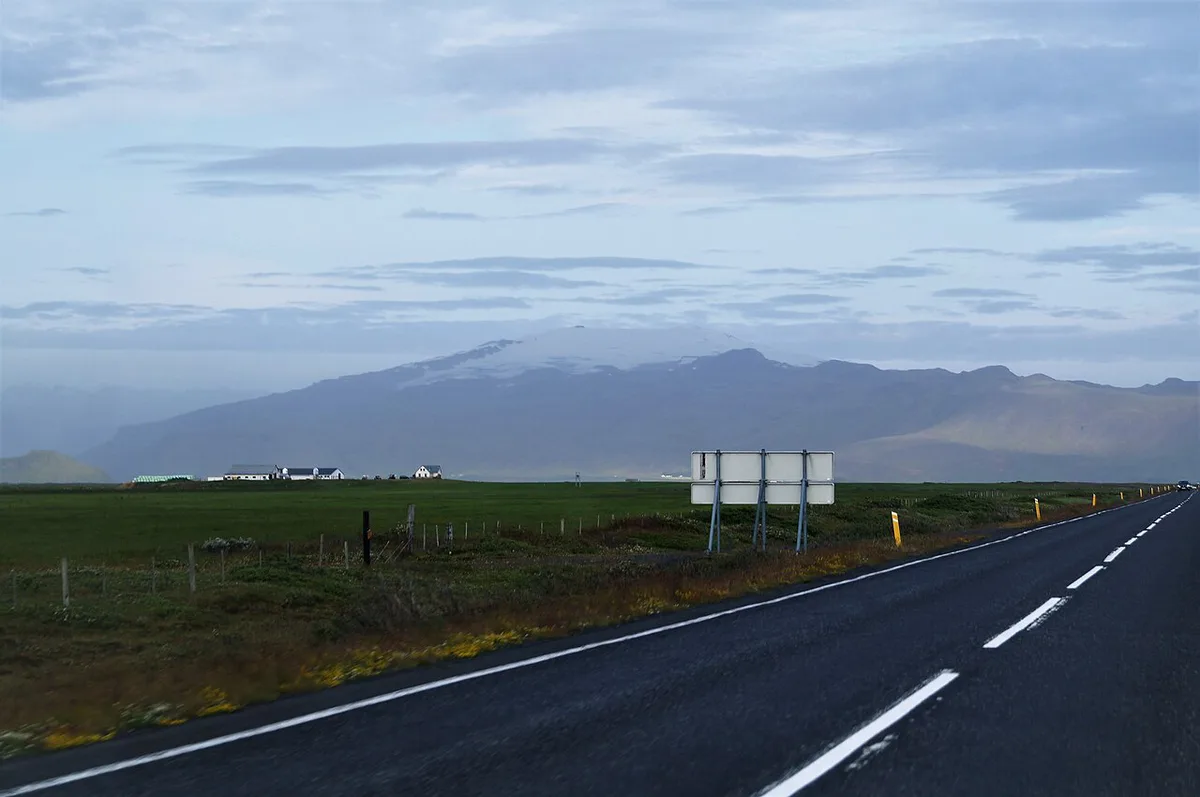
Seeing an active eruption is the riskiest option and depends on what authorities open. A guided trip is the safer route, so start with volcano tours in Iceland. Hiking to a viewpoint is only reasonable when officials open it. Older lava gives much of the same landscape with no eruption risk.
Indoor options like the Lava Show in Reykjavik take 1–2 hours, which makes them a practical fallback if a route closes.
| Option | Cost | Time | Access and risk |
|---|---|---|---|
| Guided volcano tour | High | Half day to full day | Operator-managed; can be cancelled |
| Hike to an official viewpoint | Free | Several hours | Only when authorities open it; highest risk |
| Old lava fields: Eldhraun, Holuhraun | Free | Half day or more | No eruption risk; Holuhraun is remote |
| Lava Show Reykjavik, Eldheimar | Low to medium | 1–2 hours | Indoor, weather-proof |
| Craters and geothermal areas | Free to low | 1–3 hours | Stable ground, stay on paths |
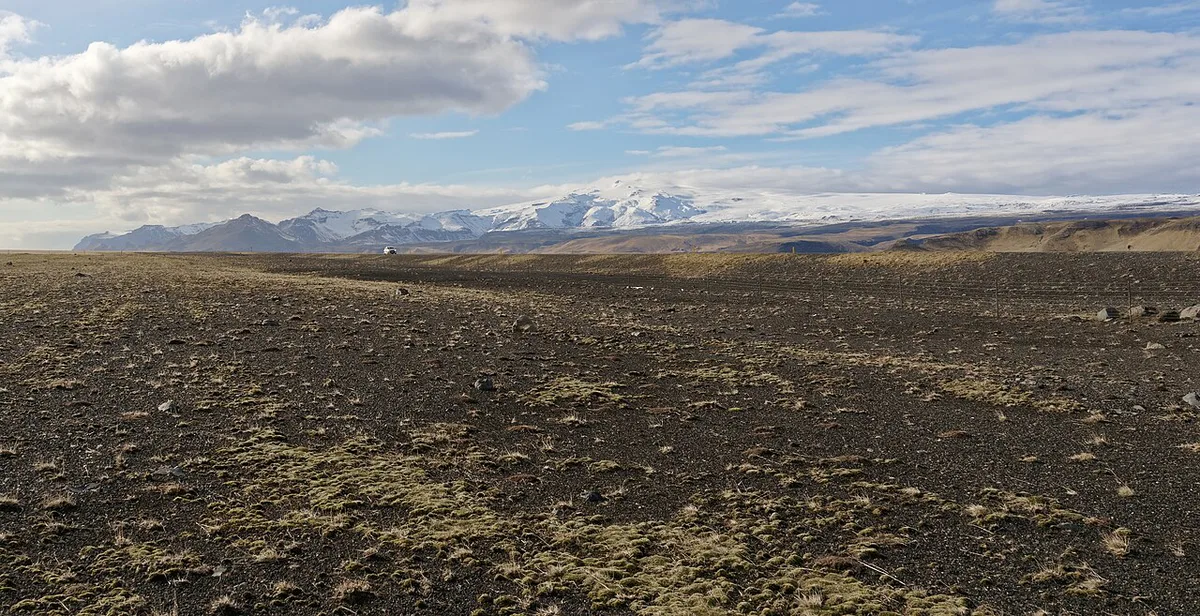
- Lava landscapes: Iceland's lava fields, Eldhraun moss field and Holuhraun.
- Indoor: the Lava Show pours real molten lava, as described on Lava Show Reykjavik: Tickets, Location & Is It Worth It.
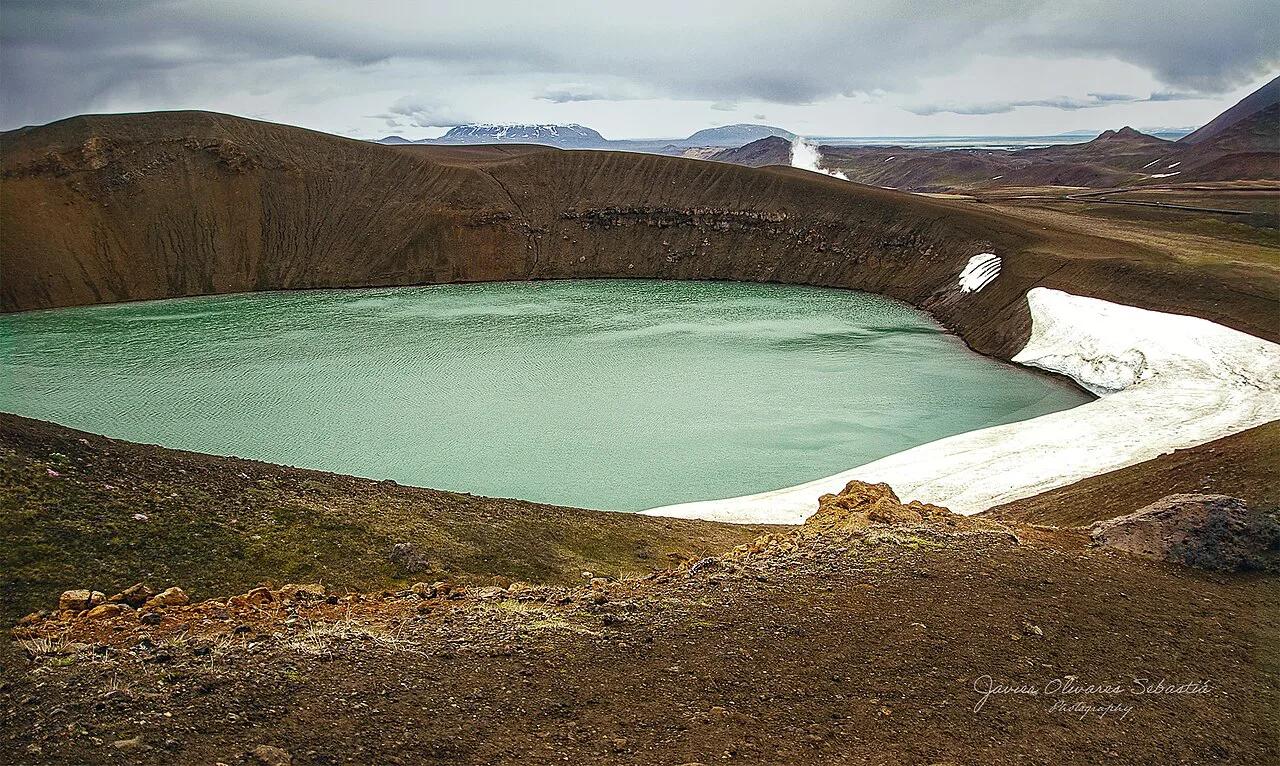
- Craters: Grábrók, Saxhóll, Eldborg and Rauðhólar.
- Geothermal: Krýsuvík and Hengill.
Lava Caves, Magma Chambers and Volcano Exhibits
If the eruption site is closed, or you would rather not be near one, Iceland offers ways to go underground into volcanic landscapes that are not erupting. These are the closest thing to an eruption experience with no active-lava risk, and most sit within reach of Reykjavik or the south coast.
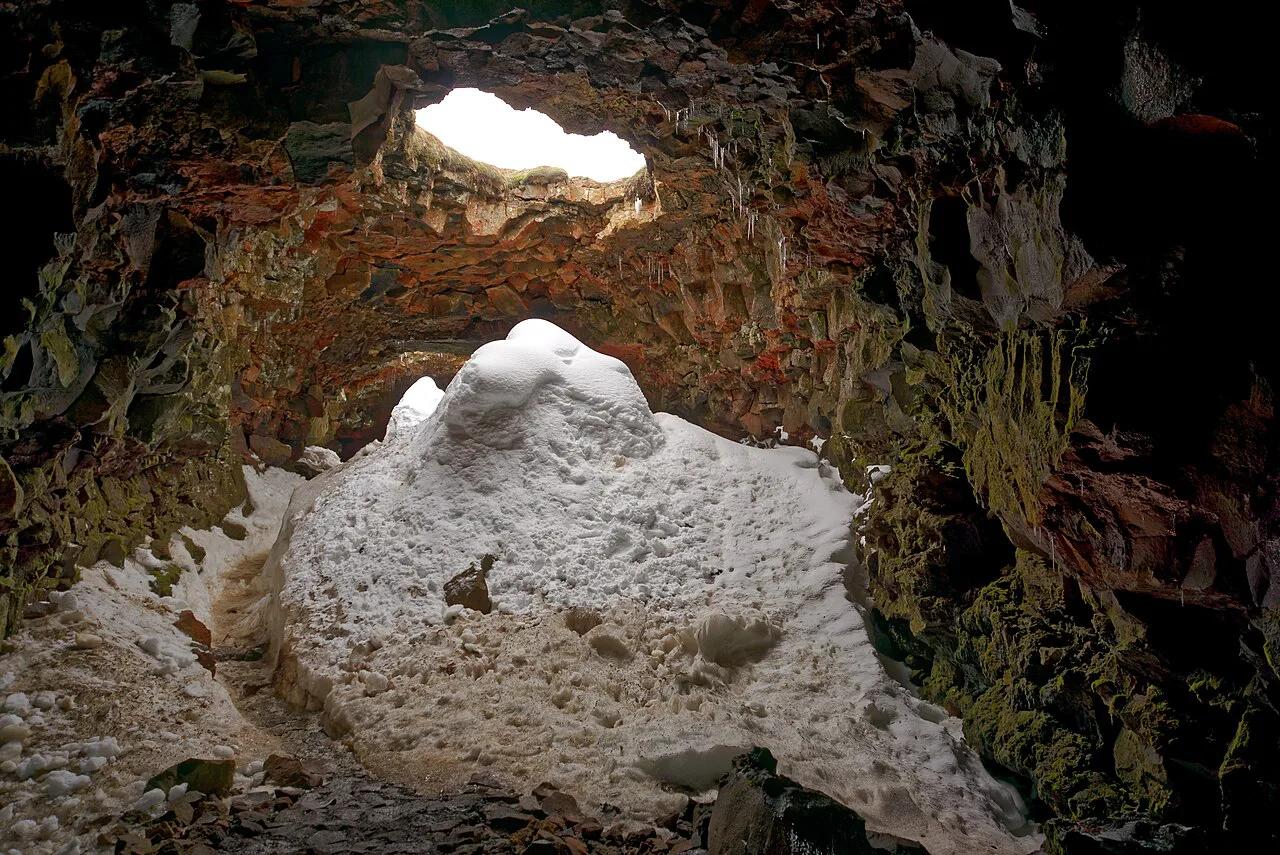
- Lava tubes: Raufarhólshellir, a lava tunnel roughly 30 minutes' drive from Reykjavik, is the easiest cave to reach, and guided walks run on a set schedule. The full list of caves, with access notes, is in the guide to lava caves in Iceland.
- The magma chamber: Þríhnúkagígur is a dormant volcano whose empty chamber you enter by open cable lift, about 120 m below the crater rim. Tours are seasonal and weather-dependent, and the day is long once the hike in is counted. The Inside the Volcano tour guide covers what the descent involves.
- Exhibits: The Lava Centre in Hvolsvöllur explains Iceland's eruptions with live seismic data, a useful stop on a south coast day when the weather turns.
Book these with free cancellation where possible. Caves and the crater lift can run on reduced schedules in winter, and tour operators cancel for wind or ice, so confirm directly with the operator the day before. The tube and chamber tours also make good buffer-day options, because they are not affected by Reykjanes gas or road closures.
Safety Rules and Mistakes to Avoid
Eruption hazards change within hours, so follow officials rather than your own judgment. Gas is a hazard well away from the lava, and the Met Office publishes gas forecasts.
- Never cross closure lines or drive into closed zones.
- Limit SO₂ exposure, especially if you have asthma, or are traveling with children or while pregnant.
- Expect lava flows to shift and new fissures to open.
- Follow guides and rescue-team instructions.
- Do not trust social-media or video clips for current status.
- Do not rely on old news; clips from 2024 still circulate as if they were new.
How Eruptions Disrupt Flights, Roads and Bookings
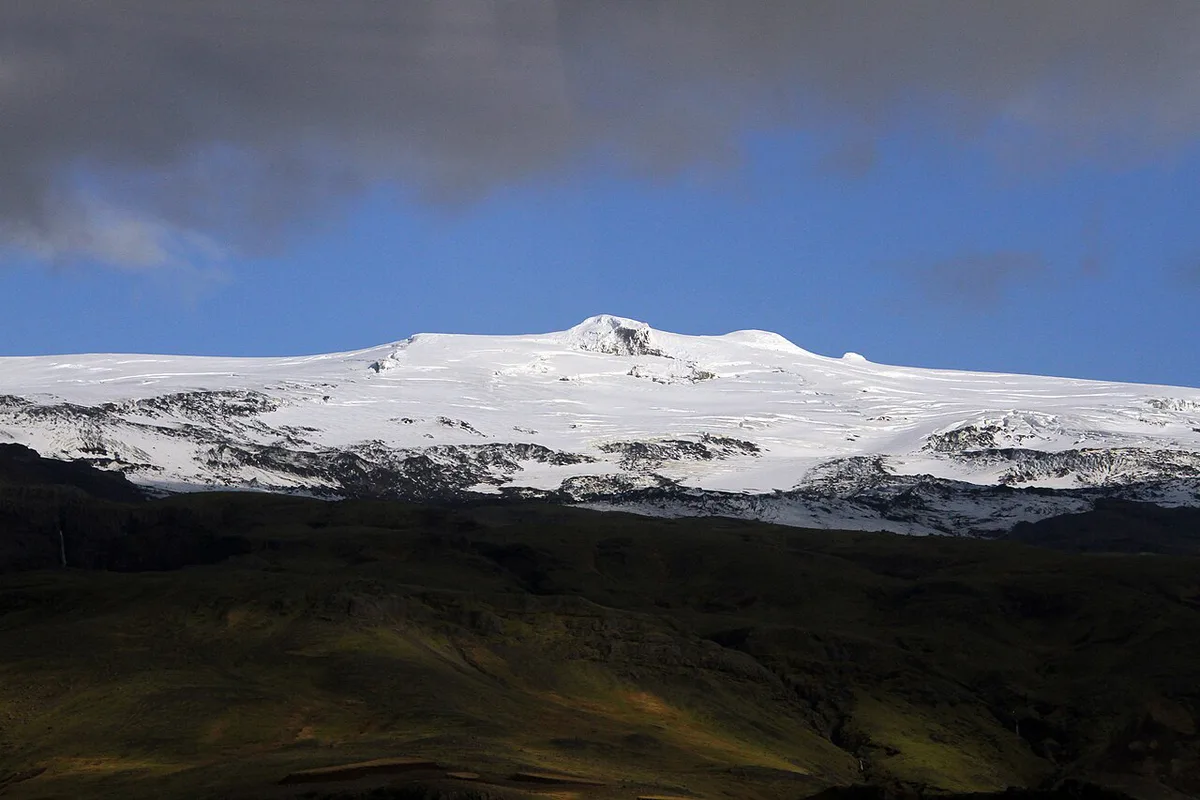
Most eruptions never touch flights, but Eyjafjallajökull in 2010 showed what ash can do. Check Keflavík Airport or your airline on the morning you fly. Look at the Road Administration closure map before any drive on Reykjanes. Read your insurance policy for volcanic disruption and tour cancellation terms. Add one buffer day at each end of the trip. Reykjavik-based day trips are the easiest fallback if a route closes. Visit Iceland publishes visitor guidance for planning.
Other Volcanoes to Know
These names appear often in eruption news and travel plans.
- Grímsvötn and Bárðarbunga: subglacial systems under Vatnajökull.
- Öræfajökull: a glacier-capped volcano in the southeast.
- Surtsey and Eldfell: island volcanoes off the south coast.
- Geysir, Kerlingarfjöll and Hveravellir: geothermal areas without an eruption.
- The biggest volcano in Iceland: a size comparison.
Frequently Asked Questions
Did the volcano in Iceland erupt again?
Eruptions on the Reykjanes Peninsula have recurred, so the answer changes. Check the Icelandic Met Office for the current status before you travel.