6 Lava Caves in Iceland: Access, Season and Tips
Last updated November 2026: the lava caves in Iceland are mostly lava tubes, formed when flowing lava drained and left an empty tunnel. Visiting one means choosing between a guided tour close to Reykjavík and a more remote or specialized cave. This guide compares six options so you can pick by time, fitness, season and transport.
Featured image: Jakub Hałun, CC BY-SA 4.0, via Wikimedia Commons.
Iceland's Lava Caves at a Glance
Six caves have their own guides on this site. Raufarhólshellir is the nearest to Reykjavík, at about 30 minutes by road according to tour operators. Víðgelmir and Lofthellir need a route plan. The table shows how they differ before you read the details.
| Cave | Region | Type | Access | Best for |
|---|---|---|---|---|
| Raufarhólshellir | Ölfus, near the Þrengsli road | Lava tube | Guided tour | First-timers from Reykjavík |
| Inside the Volcano (Þríhnúkagígur) | Reykjavík area | Volcanic conduit / magma chamber | Guided only, check operator | Travelers who want something different |
| Víðgelmir | West Iceland | Lava tube | Guided, check operator | Road trips through West Iceland |
| Lofthellir | North Iceland, Mývatn area | Lava tube | Check operator | Travelers already in the north |
| Leiðarendi | Reykjavík area | Lava tube | Check operator | Confident cavers |
| Grjótagjá | Mývatn area | Hot-spring fissure cave | Check current status | A quick look at a geothermal cave |
What Is a Lava Cave? Lava Tubes, Conduits and Fissure Caves
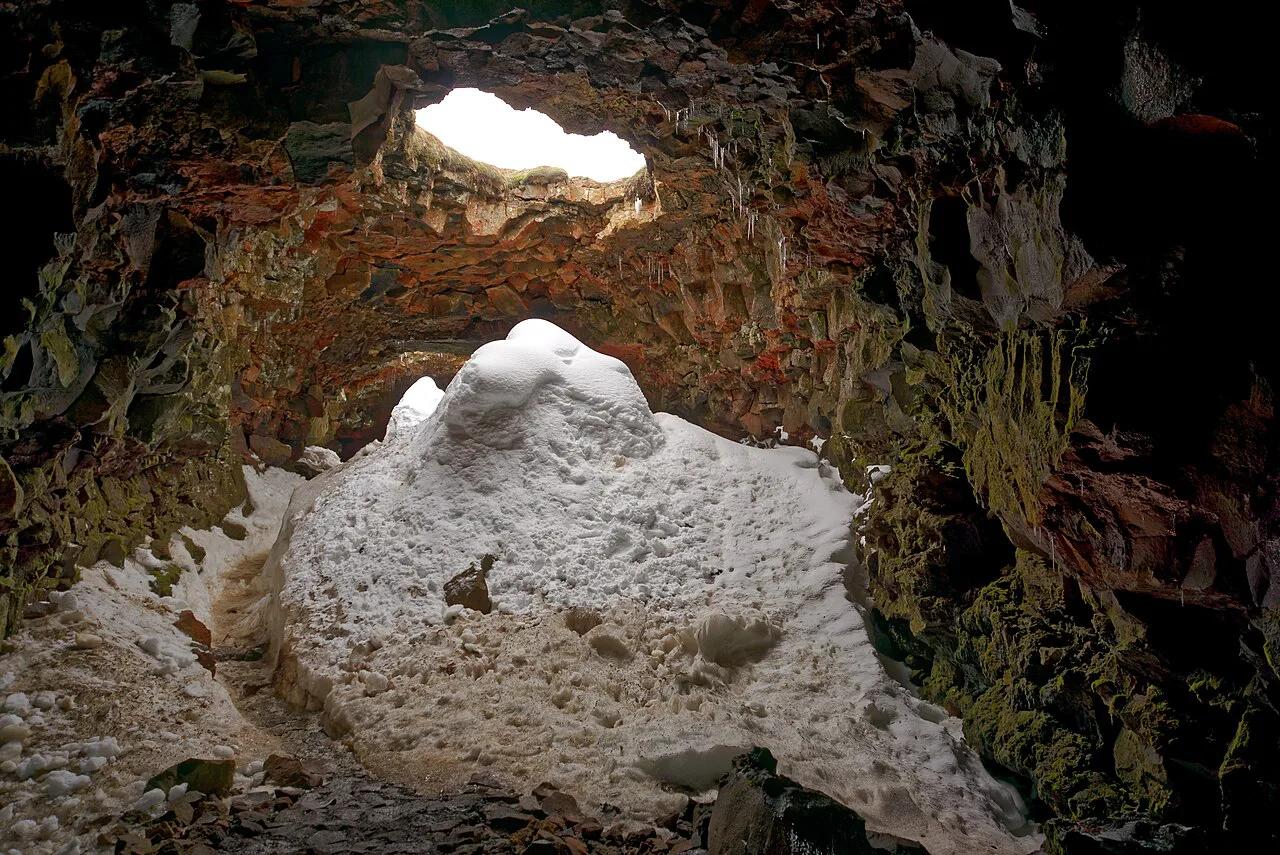
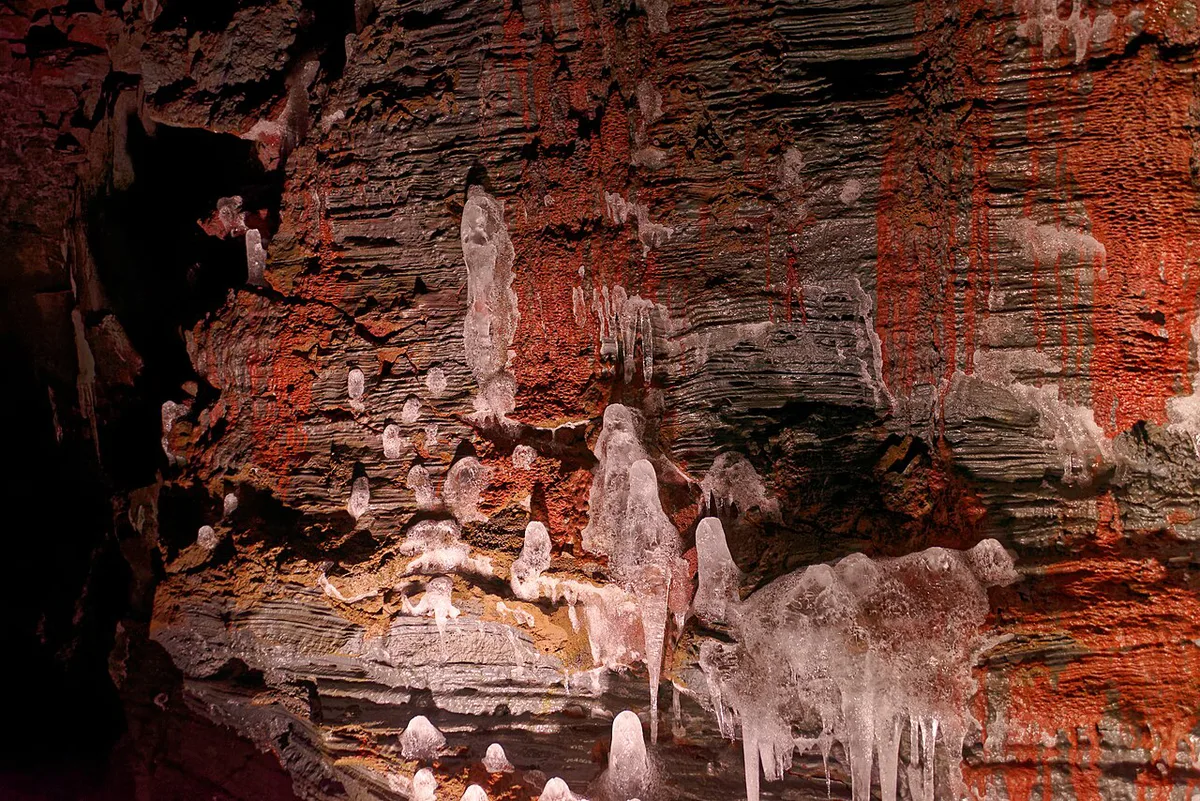
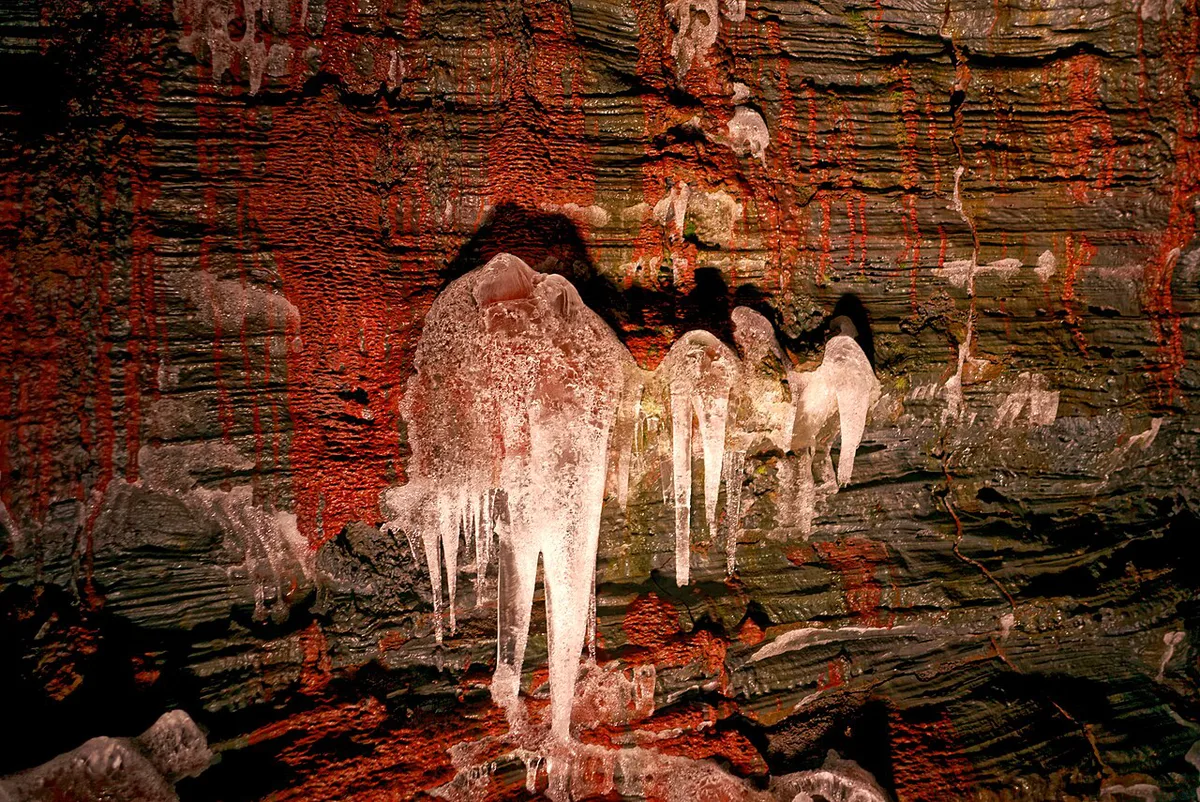
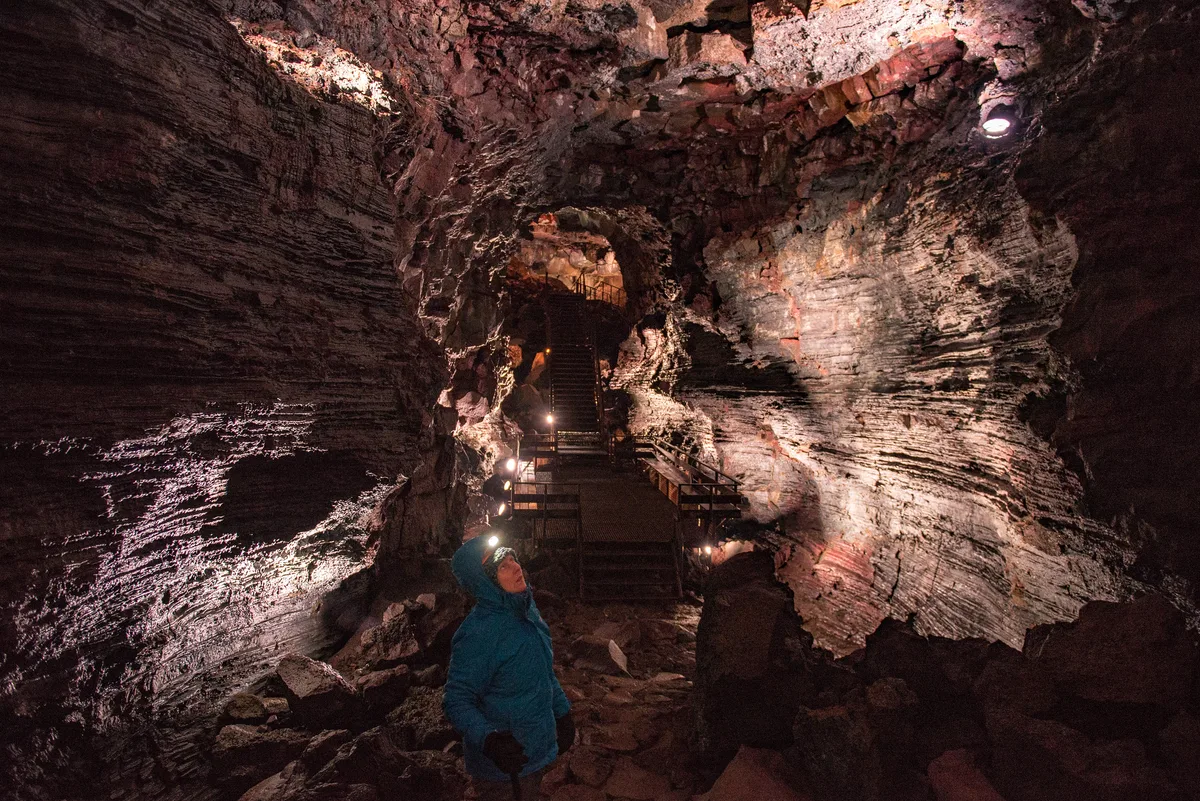
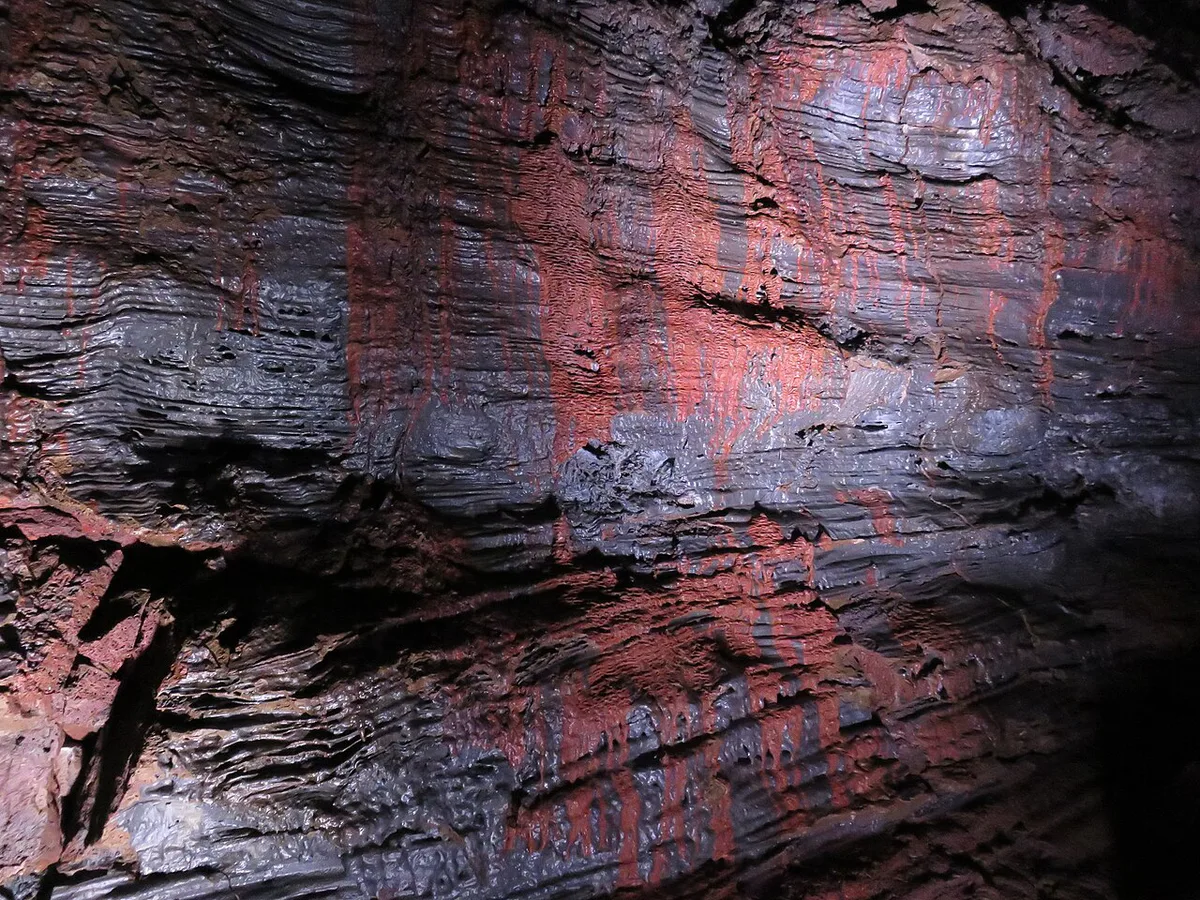
Most Icelandic lava caves are lava tubes. A river of fluid lava crusts over on top while molten rock keeps flowing beneath, and when the flow drains, a tunnel remains. Geologists call these primary caves because the cave and the rock form together. Inside, you may see lavacicles, which are drips of re-melted rock that froze in place. Two entries here are different. Inside the Volcano is a vertical volcanic conduit, essentially an emptied magma chamber with an opening at the top. Grjótagjá is a fissure cave with geothermal water. The Icelandic Met Office tracks volcanic activity, so see its current volcanic status page before heading toward any active area. Outside Iceland, the Azores also have lava tubes open to visitors, such as Gruta das Torres on Pico.
6 Best Lava Caves in Iceland
Caves are ordered from easiest to reach to hardest. Prices and hours were checked November 2026, and operators set their own schedules.
1. Raufarhólshellir
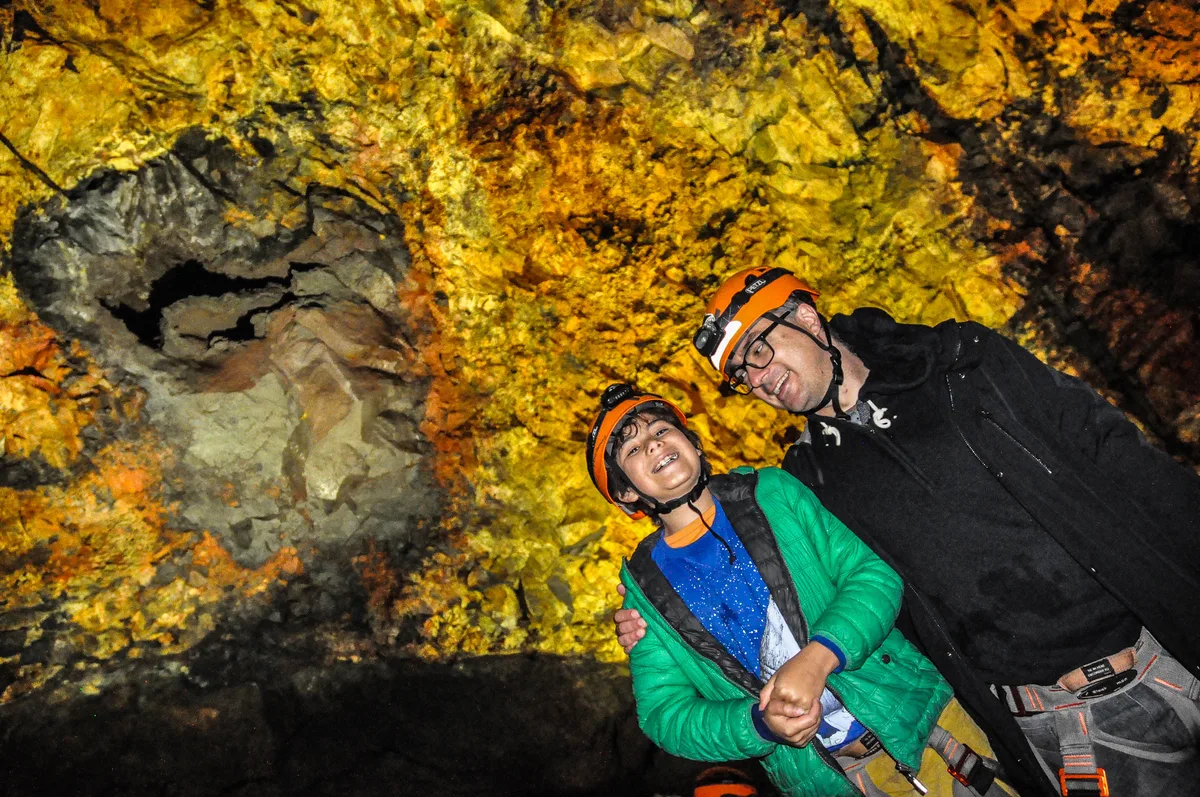
Raufarhólshellir lava tunnel lies in Ölfus near the Þrengsli road, about 30 minutes from Reykjavík according to tour operators. Operators describe it as 1,360 m (4,461 ft) long and formed more than 5,000 years ago. Guided visits walk and crawl past colorful mineral walls and rugged lava surfaces, and the tour supplies a helmet and headlamp.
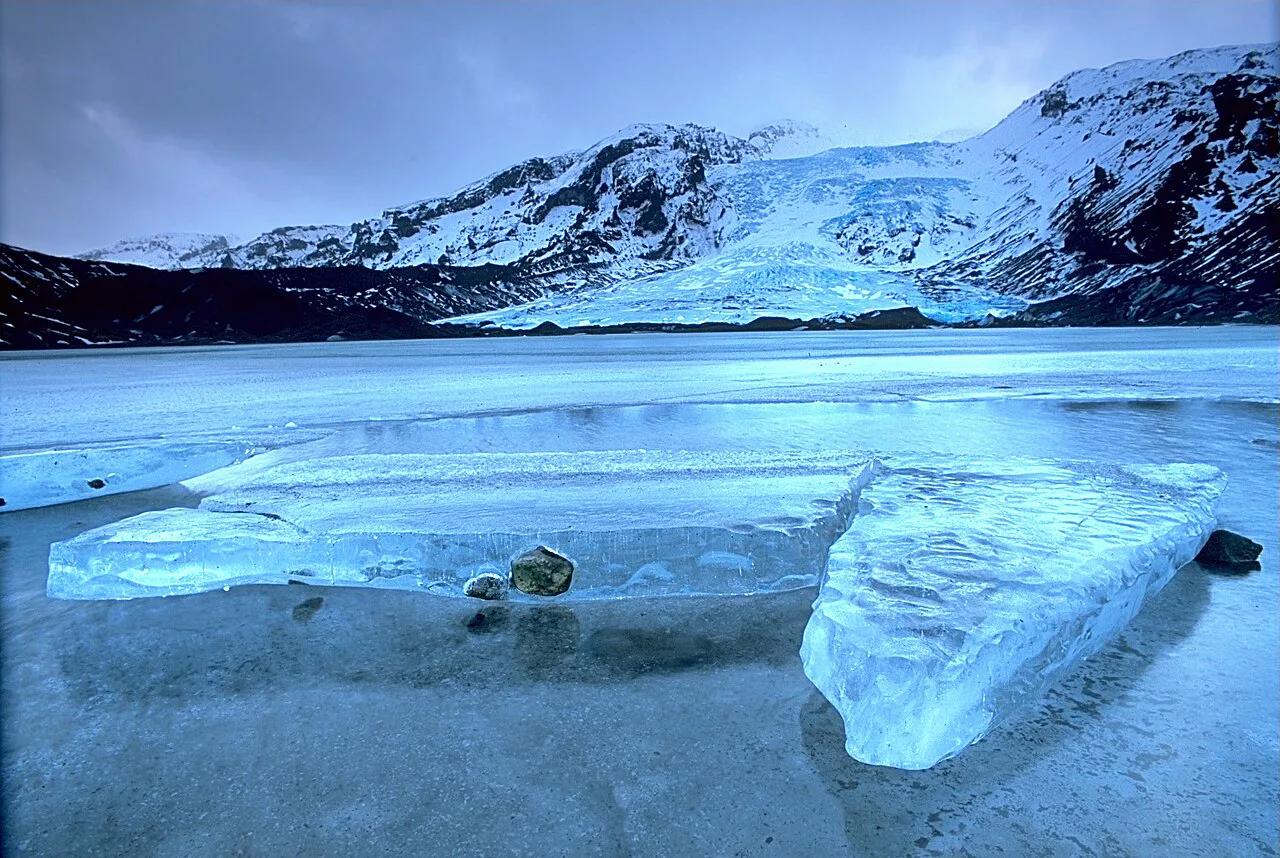
In winter, ice formations can appear inside the cave. See the operator's own site for current departures. Skip it if you want a long underground hike or dislike low, tight passages.
2. Inside the Volcano (Þríhnúkagígur)
Inside the Volcano is not a lava tube. It is a vertical volcanic conduit, a spent magma chamber that was left with an opening at the top. That makes it the most unusual entry on this list, because you descend into a chamber instead of walking along a tunnel.
Access is guided only and runs through the operator, so check its official page for the season, descent details and booking. Skip it if heights or enclosed lifts bother you, or if you want a walk-in cave with a classic tube shape.
3. Víðgelmir
Víðgelmir is a lava tube in West Iceland, well away from the Reykjavík day-tour radius. Tours are guided, and the cave's official site is the place for departure times and booking. It suits a road trip through West Iceland, where it can anchor a day with other stops in the region.
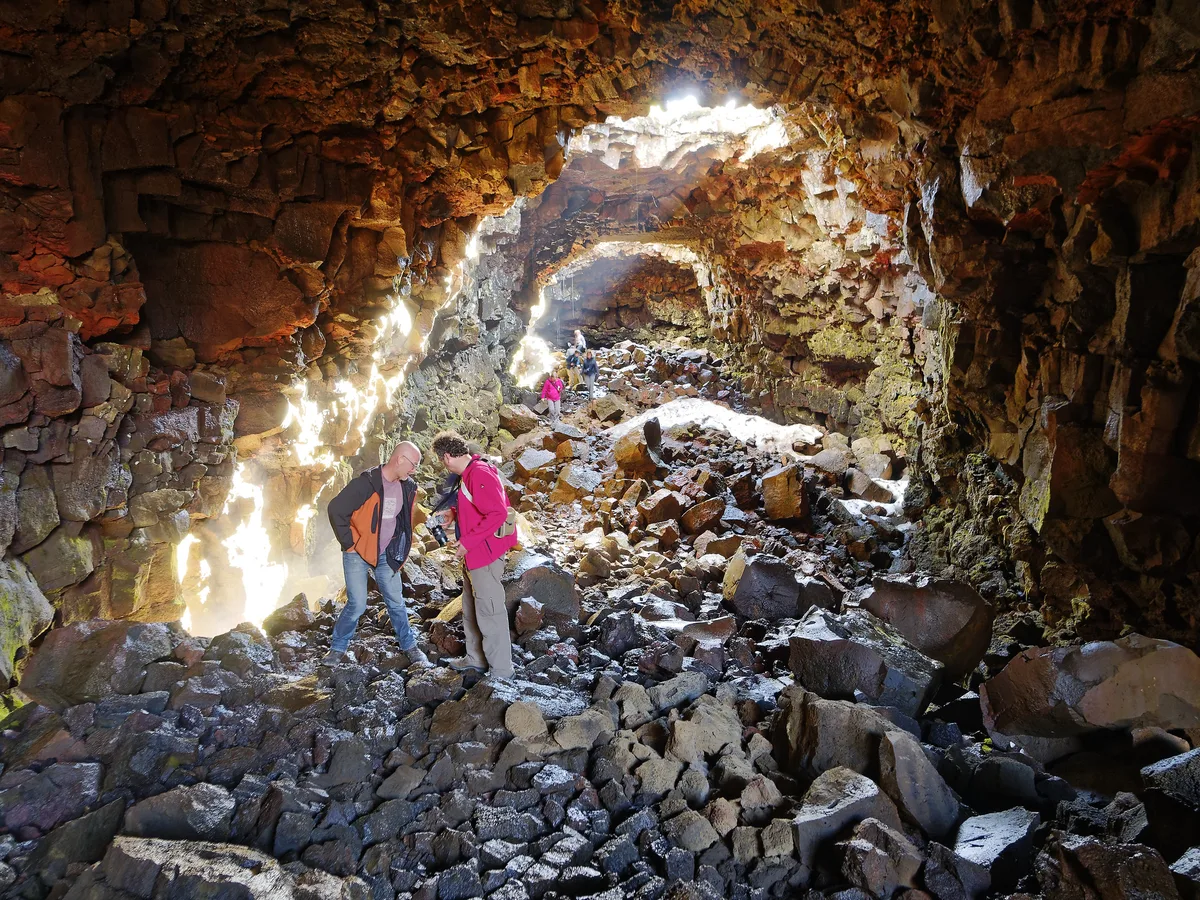
Plan your route around the tour time instead of squeezing it in. Skip it if you have no car, only one tight day, or a base in Reykjavík with no overnight stop west of the city.
4. Lofthellir
Lofthellir is a lava tube in North Iceland, in the Mývatn area. It is far from the capital, so it only makes sense on a northern loop. Access and season are set by the operator, so check current arrangements before you build a day around it.
Visit Mývatn is a good starting point for what else is nearby. Skip it if your trip stays in the southwest corner of the country.
5. Leiðarendi
Leiðarendi is a lava tube in the Reykjavík area that suits people who want a rougher caving experience. Access is arranged through operators, and the format can differ from the standard walk-in tours, so check what is currently offered.
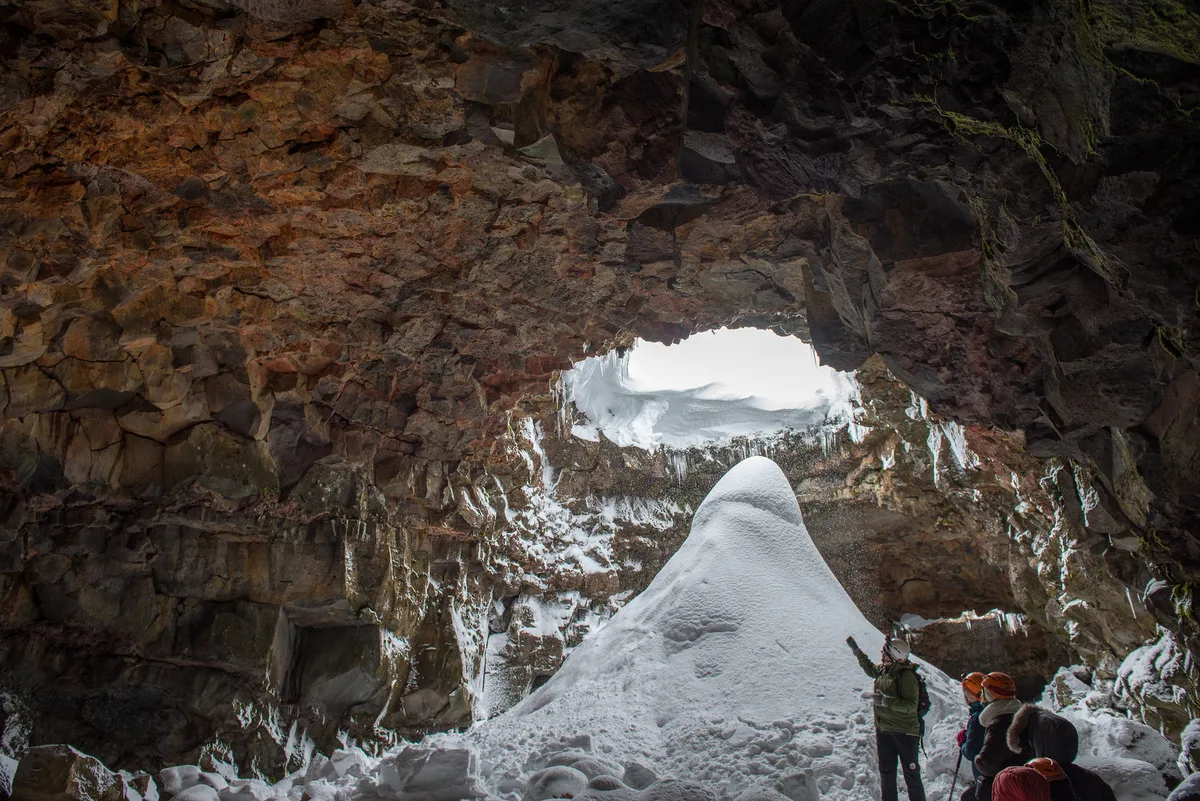
Wear sturdy footwear and expect uneven lava floors. Skip it if you want an easy, well-lit outing with family members who are unsure on rough ground.
6. Grjótagjá
<a href="/grjotagja">Grjótagjá</a> is a small fissure cave near Mývatn with a geothermal pool inside. It is a cave to look at, not a lava tube to explore. Bathing there has been in doubt, so treat it as look-only unless current local signs and the regional tourism board say otherwise.
Visit North Iceland lists current regional information. Skip it if you are hoping for a hot soak, since conditions and rules can change.
How to Choose the Right Lava Cave
Start with your base. From Reykjavík, Raufarhólshellir fits a half-day plan at about 30 minutes each way by operator accounts. Víðgelmir and Lofthellir are far enough to need a route plan or an overnight stop.
- Time
- Short on time: pick Raufarhólshellir. Longer loops: pair Víðgelmir with a West Iceland route or Lofthellir with Mývatn.
- Fitness and claustrophobia
- Raufarhólshellir tours involve walking and some crawling. Inside the Volcano is a descent, so it needs a head for depth.
- Season
- Raufarhólshellir operators run departures year-round, with ice formations in winter. Check each other cave's season individually.
- Transport
- With a car, all six are open to you. Without one, favor tours with Reykjavík pickup.
Costs, Booking and Seasonal Access
A typical Raufarhólshellir tour runs 3–4 hours including transport, with about 1 hour in the cave. Prices are set by each operator and change by season, so use the official sites linked above. Book early for summer and holiday weeks, because small groups fill first. Visit Iceland gives general access and season guidance. Guided tours include a helmet and headlamp, but ask what else is supplied.
Planning Your Day: Route Options
Match the cave to the route, and confirm drive times in a map app before you commit.
Raufarhólshellir runs 3–4 hours including transport, so it fits a half-day slot rather than a full Golden Circle day.
- Reykjavík half-day
- Raufarhólshellir is the simplest pairing, since it is about 30 minutes from the city by operator accounts.
- Golden Circle plus cave
- Add a cave tour on a separate half-day instead of forcing it into a full Golden Circle day.
- West Iceland loop
- Build the day around the Víðgelmir tour time and stay overnight in the region.
Safety, Gear and Cave Etiquette
Enter lava caves with a guide wherever access is guided. Wear the helmet and headlamp provided. Bring warm clothes, a waterproof layer, gloves and sturdy hiking shoes. Do not touch or remove formations, because lavacicles and mineral coatings are fragile. Do not enter a cave on your own, and avoid assuming any cave is open year-round.
Lava Caves vs Ice Caves
A lava cave is rock formed by flowing lava. An ice cave is a glacier feature with its own season and its own tours. Do not book one expecting the other. This guide covers lava caves only.
Frequently Asked Questions
Does lava exist in caves?
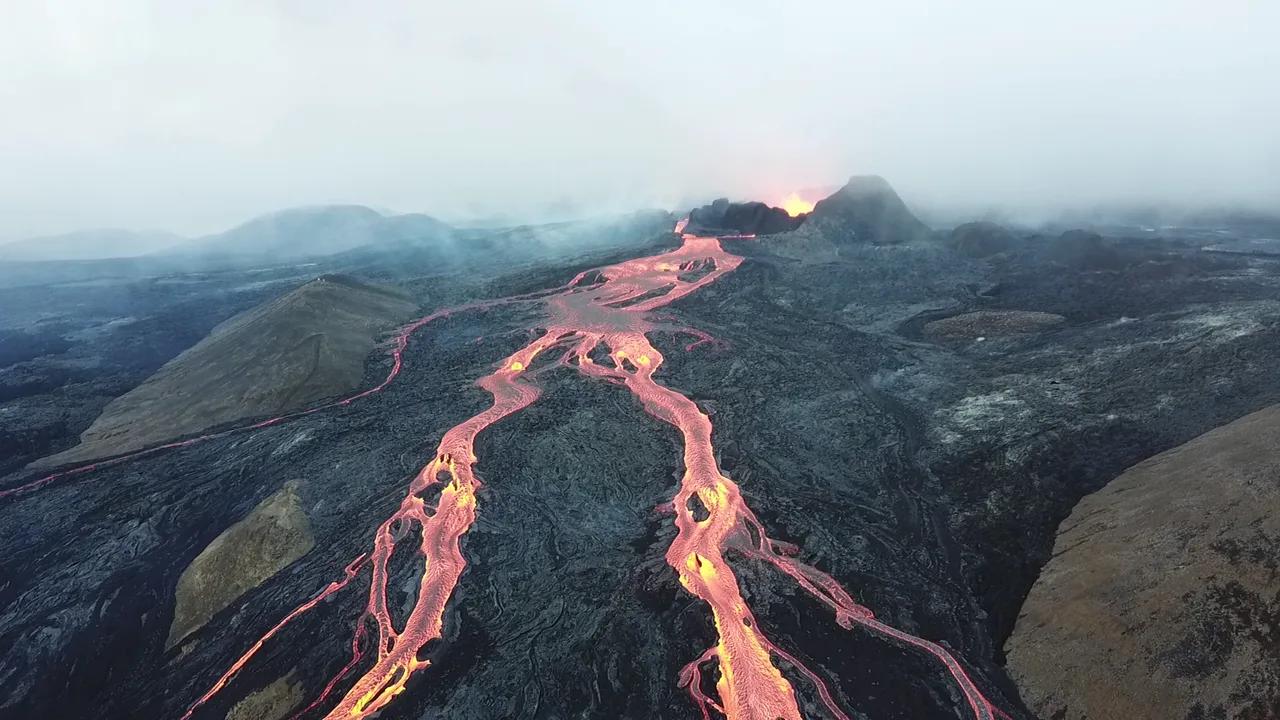
Not in the tourist caves. Lava tubes form when flowing lava drains away and leaves an empty tunnel, so what you walk through is solidified rock. Active eruptions are monitored by the Icelandic Met Office.
Explore More Guides
Keep planning your trip with these guides.