Biggest Volcano in Iceland: Öræfajökull Explained
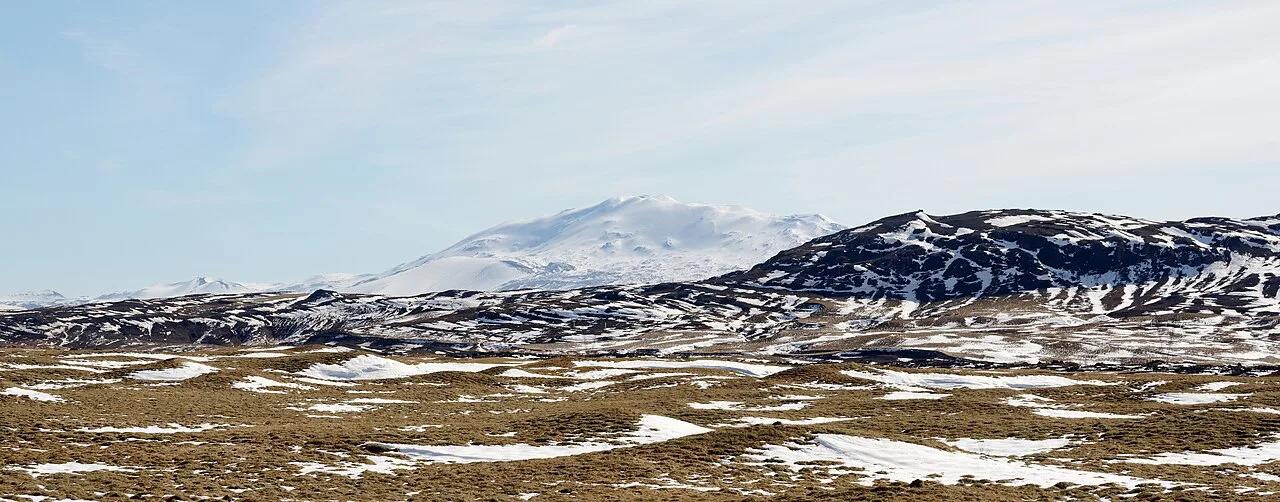
Last updated November 2026: the biggest volcano in Iceland is Öræfajökull if you mean highest, because it carries Hvannadalshnúkur, the country's highest point. "Biggest" changes with the measure, though. Bárðarbunga, Grímsvötn and Katla all win on other counts, and this guide sorts them by what you can actually see. For the wider picture, start with our guide to Iceland's volcanoes.
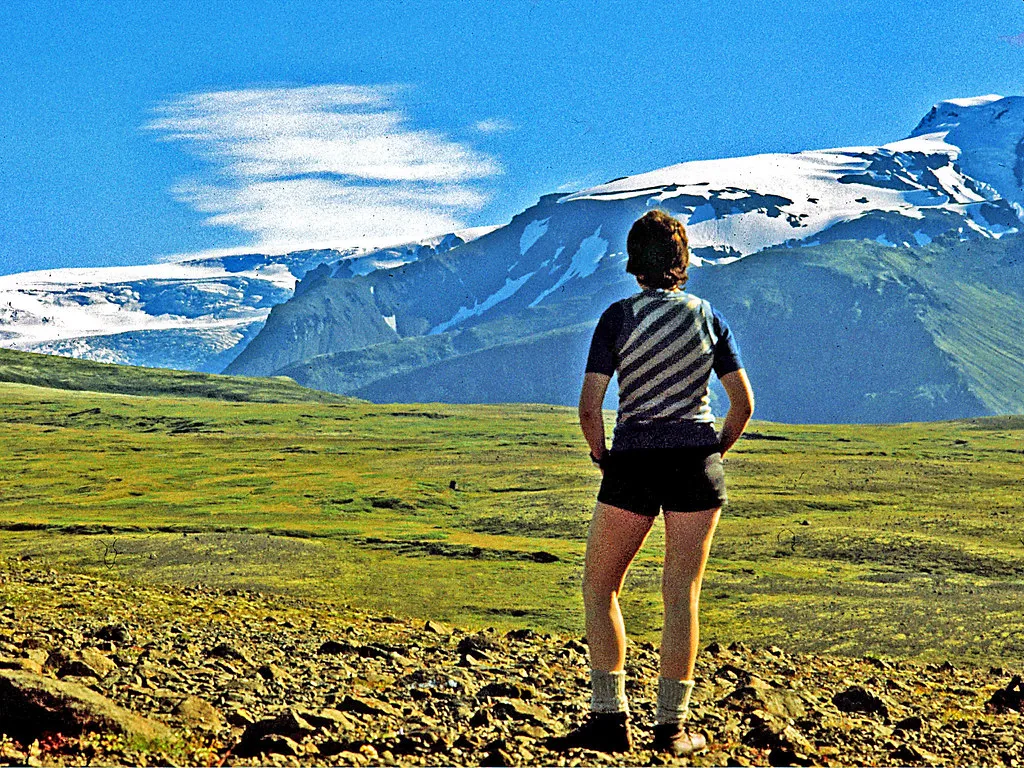
Featured image: wilfordpeloquin, CC BY 2.0, via Flickr.
The Short Answer: Öræfajökull, With a Catch
Öræfajökull sits at the southeastern edge of Vatnajökull. It is Iceland's largest active stratovolcano and the home of Hvannadalshnúkur. If you want the tallest, this is your answer. If you want the largest volcanic system or the most active one, the answer moves under the ice to Bárðarbunga or Grímsvötn. Katla, beneath the Mýrdalsjökull glacier, is the other name that always comes up. Pick the measure first, then pick the volcano.
Which Volcano Is the Biggest Volcano in Iceland? Compare by Measure
No single volcano wins every category. Use this table to match the question to the volcano. For exact heights, areas and volumes, use the Icelandic Met Office as the reference.
| Volcano | Why it's "biggest" | Can you see it? | Typical access | Best for |
|---|---|---|---|---|
| Öræfajökull | Highest point (Hvannadalshnúkur); largest active stratovolcano | Yes, lower slopes from Skaftafell and the Ring Road | Roadside viewing or a guided climb | Most visitors |
| Bárðarbunga | Large volcanic system under Vatnajökull; 2014–2015 eruption | No, it is under ice | Aerial tours or highlands expeditions | Eruption history fans |
| Grímsvötn | Most frequently erupting; last activity in 2011 | No, it is under ice | Guided glacier expeditions or flights | Active-volcano seekers |
| Katla | Powerful volcano under Mýrdalsjökull; last major eruption in 1918 | Not the volcano itself | Glacier and ice cave tours nearby | South Coast day trips |
| Hekla | One of Iceland's most active volcanoes; 20+ eruptions since settlement | Yes, keel-shaped profile | Hiking in the highlands | Hikers |
Öræfajökull: Iceland's Highest Active Stratovolcano
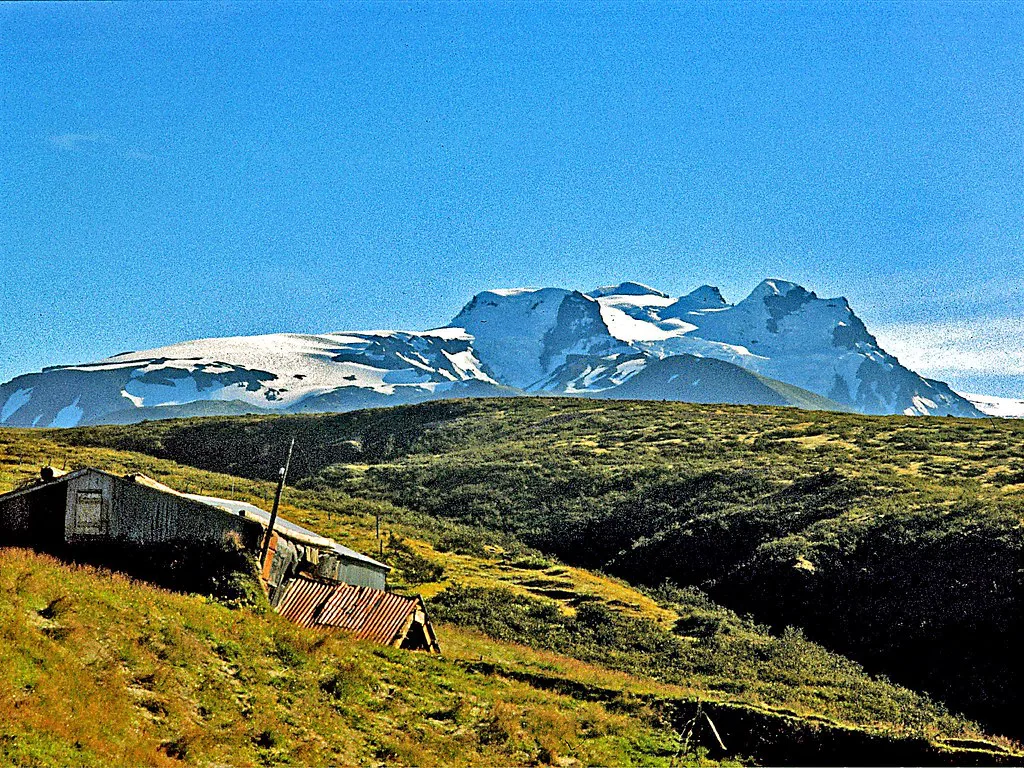
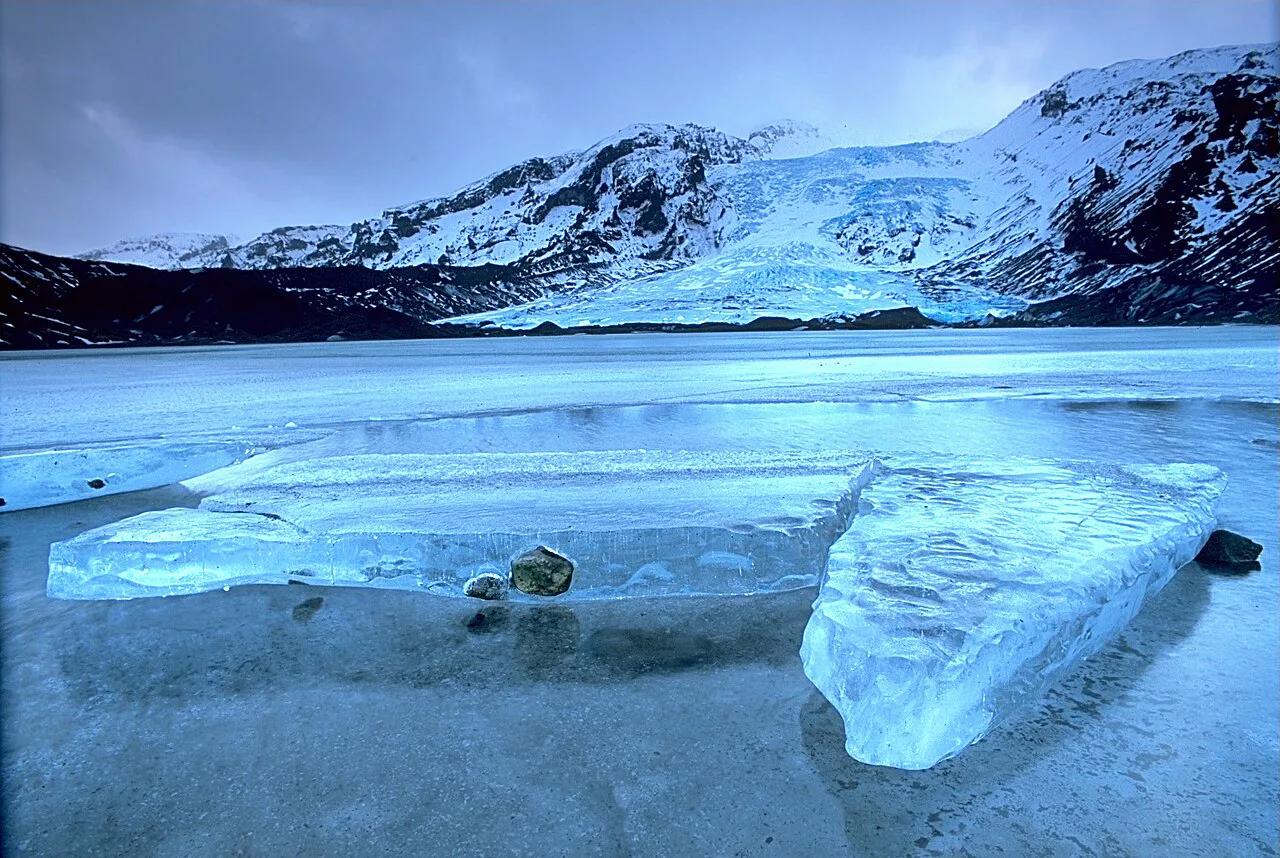
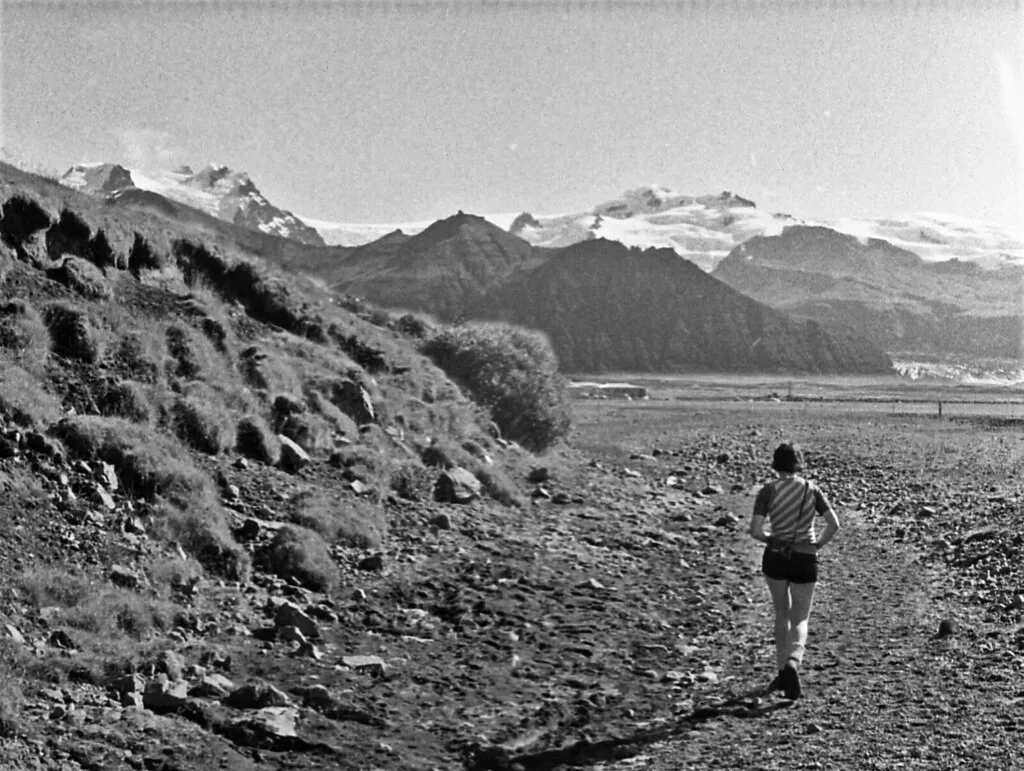
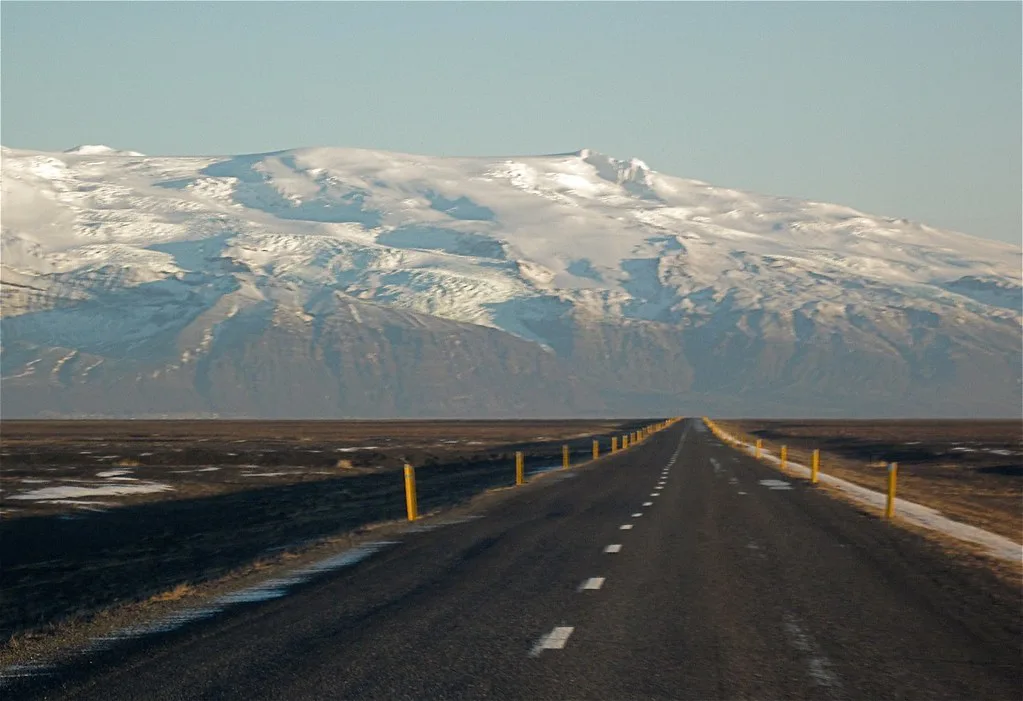
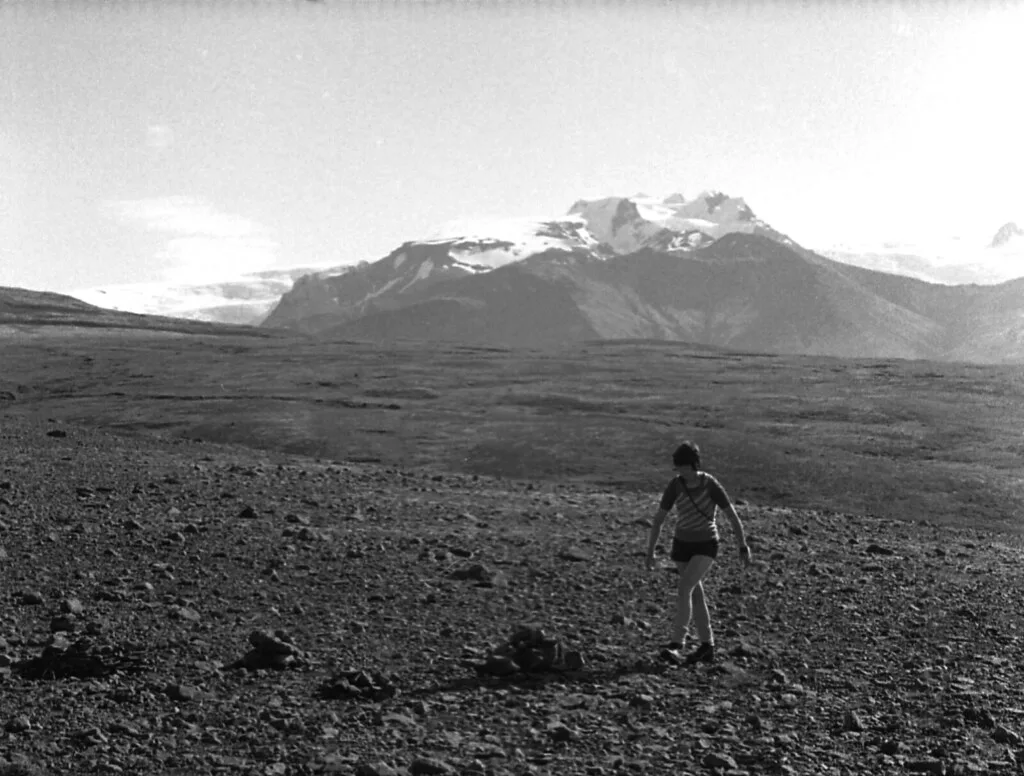
Öræfajökull is covered by an icecap, yet it is considered active. Its 1362 eruption laid waste to the surrounding district. You can see its lower slopes from Skaftafell and from the Ring Road, and that view costs nothing. The summit climb to Hvannadalshnúkur is a different matter. It takes 12 to 15 hours, it is guided, and it is rated expert difficulty. Rules and access for the area are set by Vatnajökull National Park. Our Öræfajökull guide covers the volcano in depth.
- Skip the climb if you lack glacier and crevasse experience, or can't spend 12 or more hours on your feet.
- Skip it if the forecast is poor, since guides postpone in bad weather.
- Choose the roadside view if you have a half-day or less.
The Rivals: Bárðarbunga, Grímsvötn, and Katla
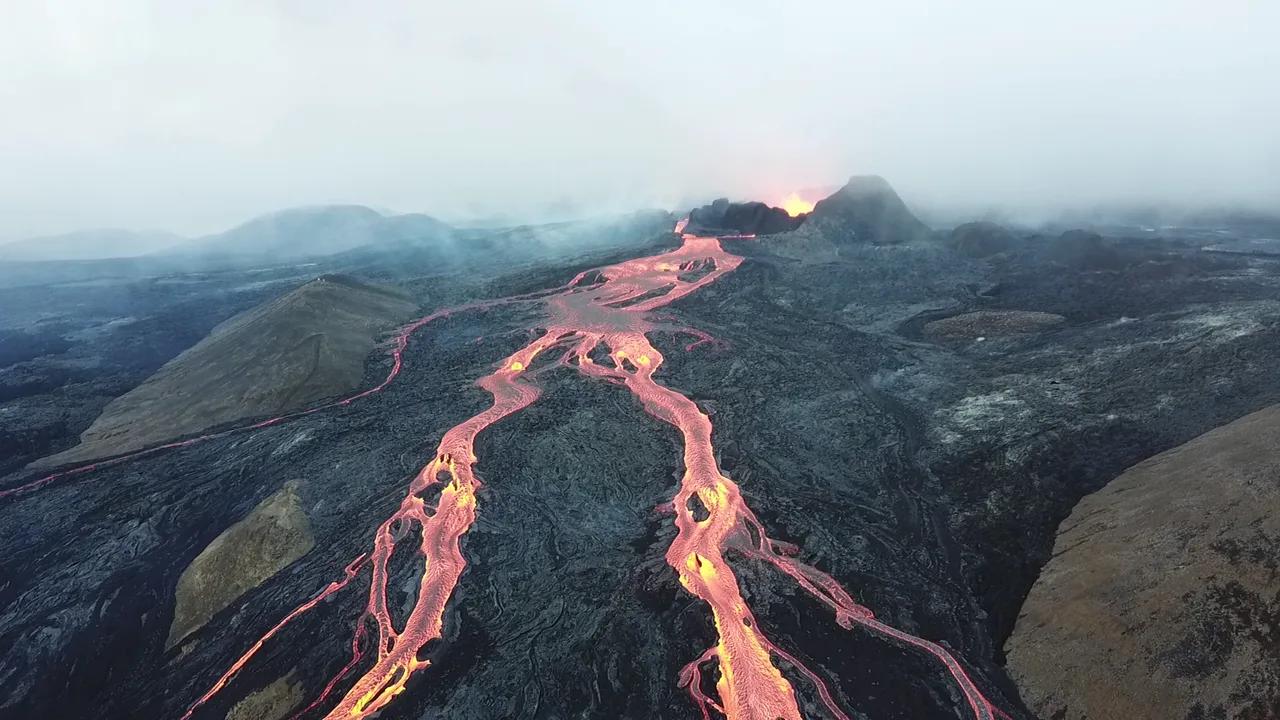
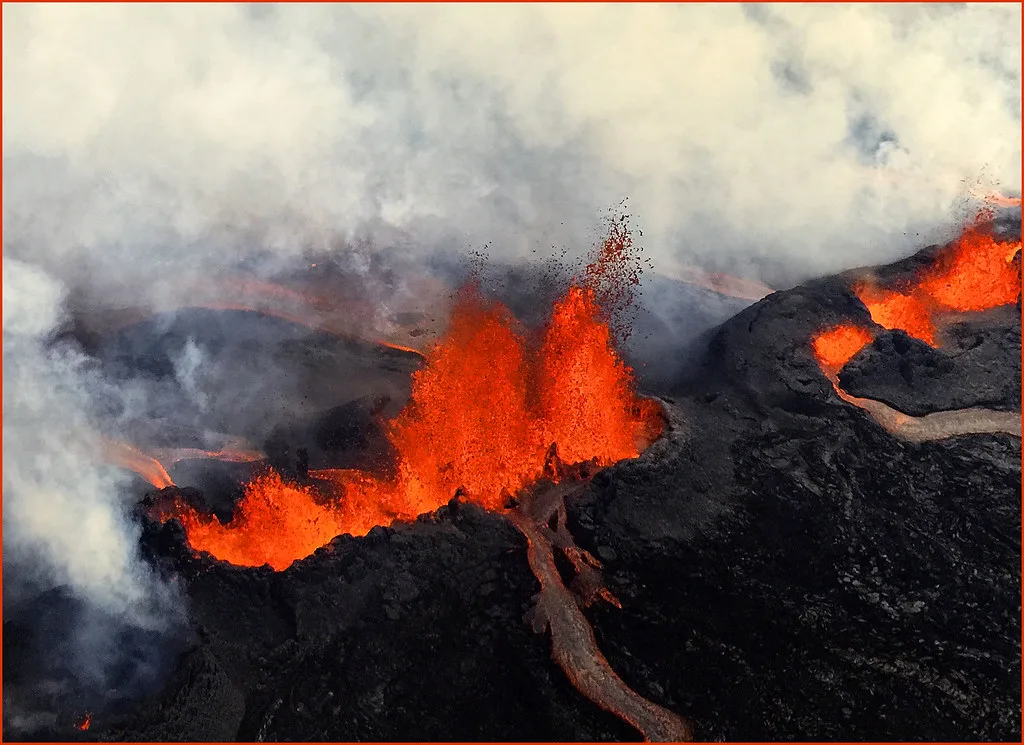
Bárðarbunga lies beneath Vatnajökull. Its 2014–2015 eruption produced lava fields that were visible from space. You can't stand on the volcano, but you can visit the lava at Holuhraun, which is a highlands trip. Read more in our Bárðarbunga guide. Grímsvötn sits under the same glacier and is Iceland's most frequently erupting volcano, with activity as recent as 2011. Its subglacial lake can drain suddenly in floods called jökulhlaups. Our Grímsvötn page goes deeper. Katla lies under Mýrdalsjökull. Reports put its eruptions at roughly every 50 to 100 years, with the last big one in 1918. Treat "overdue" claims cautiously.
Biggest Eruptions vs Biggest Volcanoes
A destructive eruption doesn't make a volcano large. These are often confused with size. Our eruption guide covers them in more detail.
- Laki (1783–84): one of the most catastrophic eruptions on record, with effects across Europe.
- Askja (1875): a caldera-forming eruption that drove mass emigration from Iceland.
- Eyjafjallajökull (2010): ash that halted European flights in April.
- Hekla: more than 20 eruptions since settlement, so "active" rather than "biggest".
How to See Iceland's Biggest Volcanoes: Access Trade-Offs
Costs here are relative, because prices change by operator and season. Compare options in our volcano tour guide. A common mistake is assuming a "volcano tour" climbs the volcano. Many visit glaciers, caves or lava fields beside it. Another is expecting to see a subglacial volcano from the ground. You can't.
Only the Hvannadalshnúkur climb needs 12 to 15 hours. Roadside viewing from the Ring Road takes minutes to an hour.
| Option | Time | Cost level | Skill | Season and weather |
|---|---|---|---|---|
| Roadside view from the Ring Road | Minutes to an hour | Free | None | All year; cloud can hide the summit |
| Guided Hvannadalshnúkur climb | 12–15 hours | High | Expert | Weather-dependent; guided only |
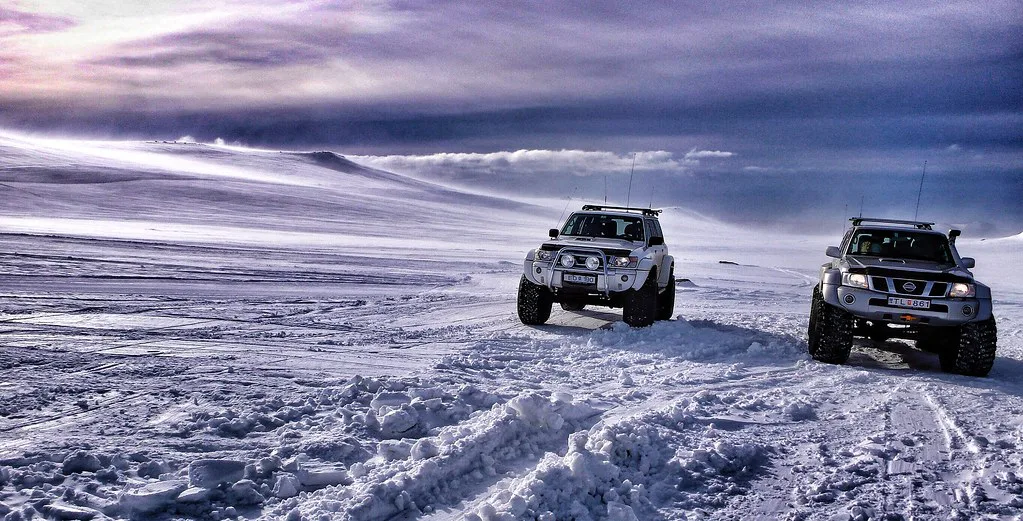
| Highlands trip to Holuhraun | Full day or more | Moderate to high | Moderate | Summer; F-road conditions vary |
| Flight or helicopter | Short | High | None | Weather-dependent |
Planning Your Day Around Öræfajökull
Skaftafell is the natural base. The nearest town is Kirkjubæjarklaustur, about 45 miles away, and the access road is gravel. Allow about 12 hours only if you climb. For a sightseeing day, these stops lie within roughly 10 miles of the volcano:
- Hvannadalshnúkur Summit: about 1.7 miles from the Icelandify reference point.
- Svínafellsjökull Glacier: about 7 miles.
- Fjallsárlón Glacier Lagoon: about 8 miles.
- Hofskirkja Turf Church: about 8 miles.
- Svartifoss waterfall and Skaftafell: about 10 miles.
Safety and Checking Current Activity
Volcanic activity changes access fast. Check the Icelandic Met Office for volcano status. Road closures and travel alerts appear on Safetravel Iceland. Our eruption safety guide explains what closures mean for your plans. Use the active volcanoes list to see where unrest is happening, and plan stops with the volcano map.
Reports put Katla's eruptions at roughly every 50 to 100 years, with the last big one in 1918, so treat "overdue" headlines with caution.
Frequently Asked Questions
What was the worst volcanic eruption in Iceland?
The Laki eruption of 1783–84 is widely described as one of the most catastrophic on record. It caused famine in Iceland and affected climate across Europe.
Is the volcano in Iceland still erupting in 2026?
Activity changes from month to month, and Iceland has several volcanic systems. Check the Icelandic Met Office for the current status before you travel.