Iceland Volcano Tour: Types, Timing and How to Choose
Last updated November 2026: an Iceland volcano tour falls into a few clear types, from lava tube caving and a crater descent to Reykjanes walks and an indoor lava show. Your best pick depends on fitness, season and whether an eruption site is open. Availability shifts with weather and eruption conditions, and no operator can promise you will see active lava.
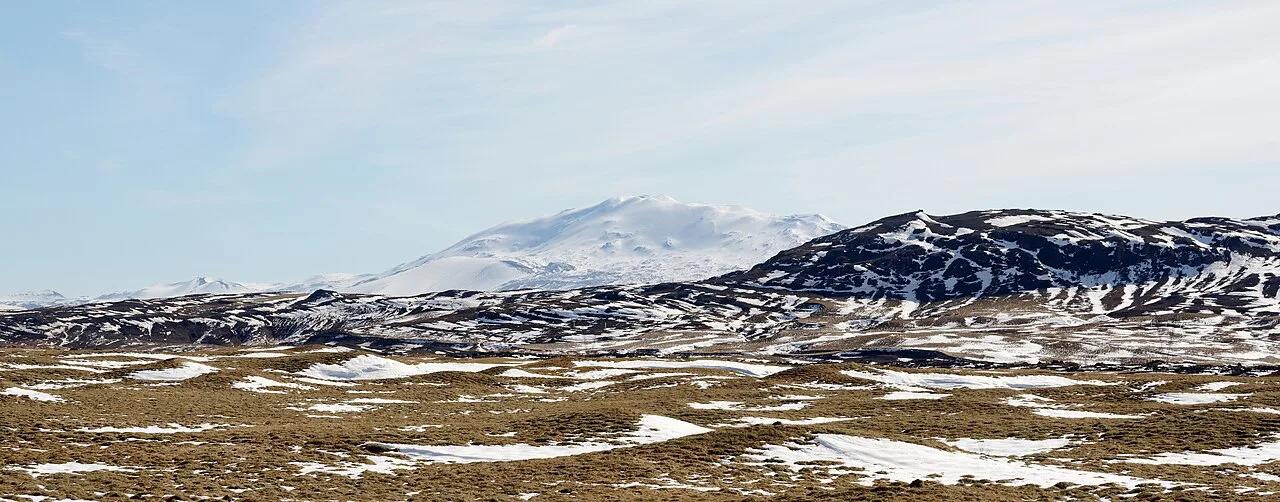
Featured image: Uaiecs, CC BY 3.0, via Wikimedia Commons.
Quick picks by traveller type
Choose by what you can tolerate: weather, darkness, effort and uncertainty. Each pick below points to a fuller guide or the operator's own page.
- Want certainty: the Lava Show runs indoors in Reykjavik. Our Reykjavik lava show guide explains what to expect.
- Want an exhibit instead: Eldheimar is an indoor museum tied to the Eldfell eruption. Read about Eldfell volcano before you go.
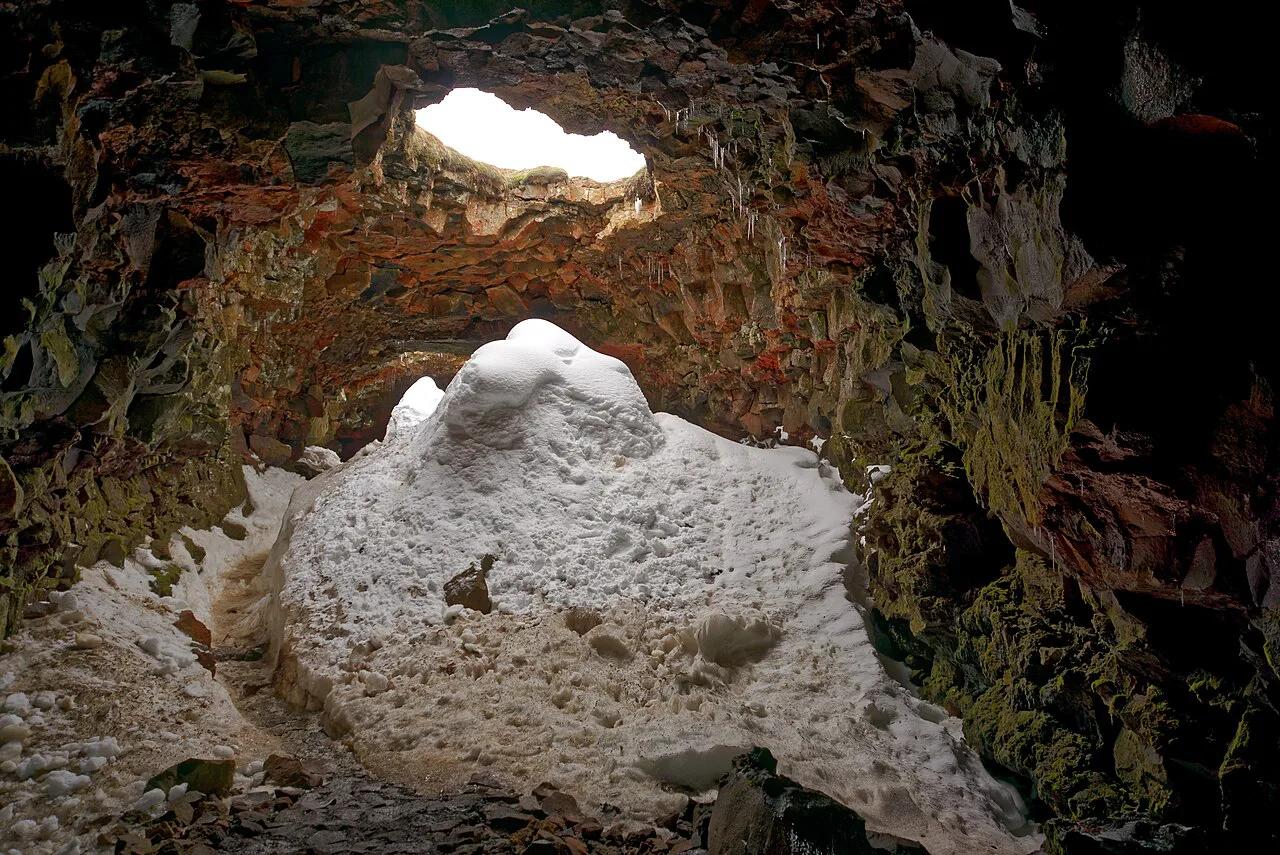
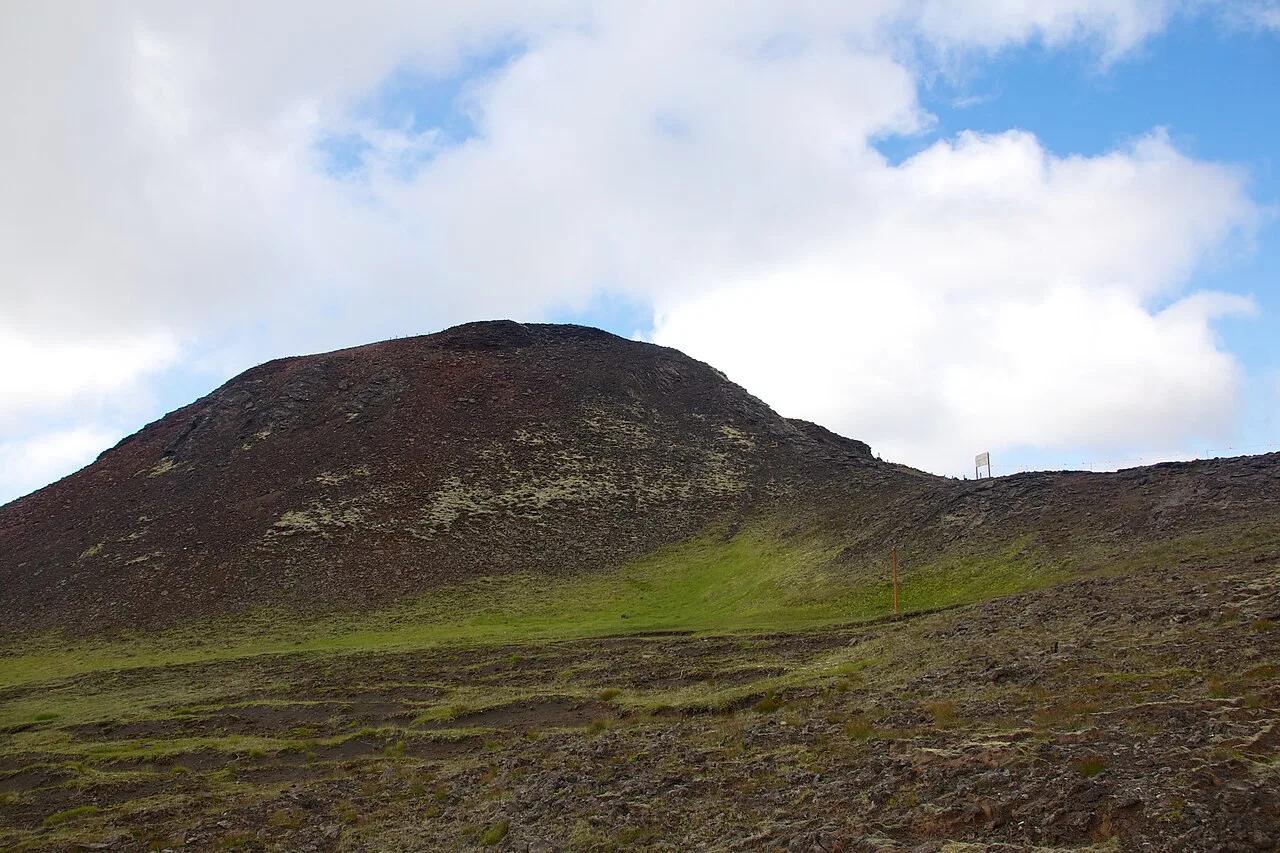
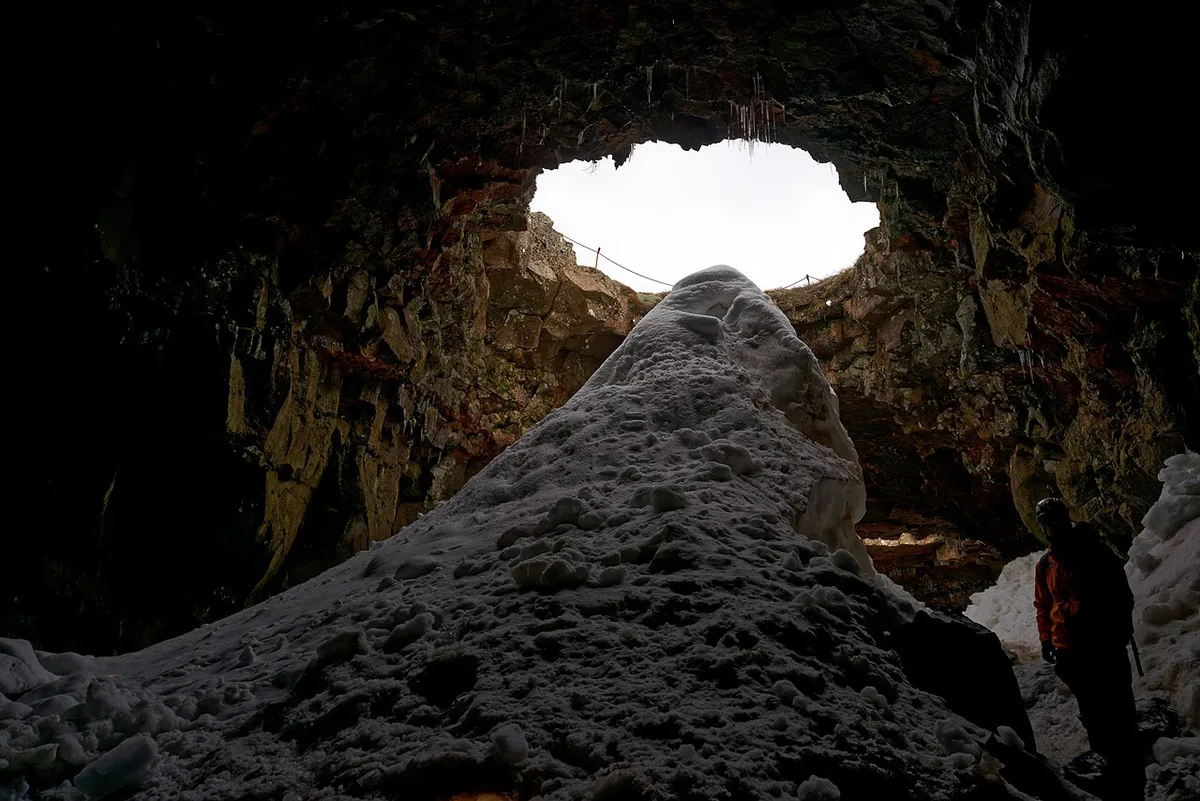
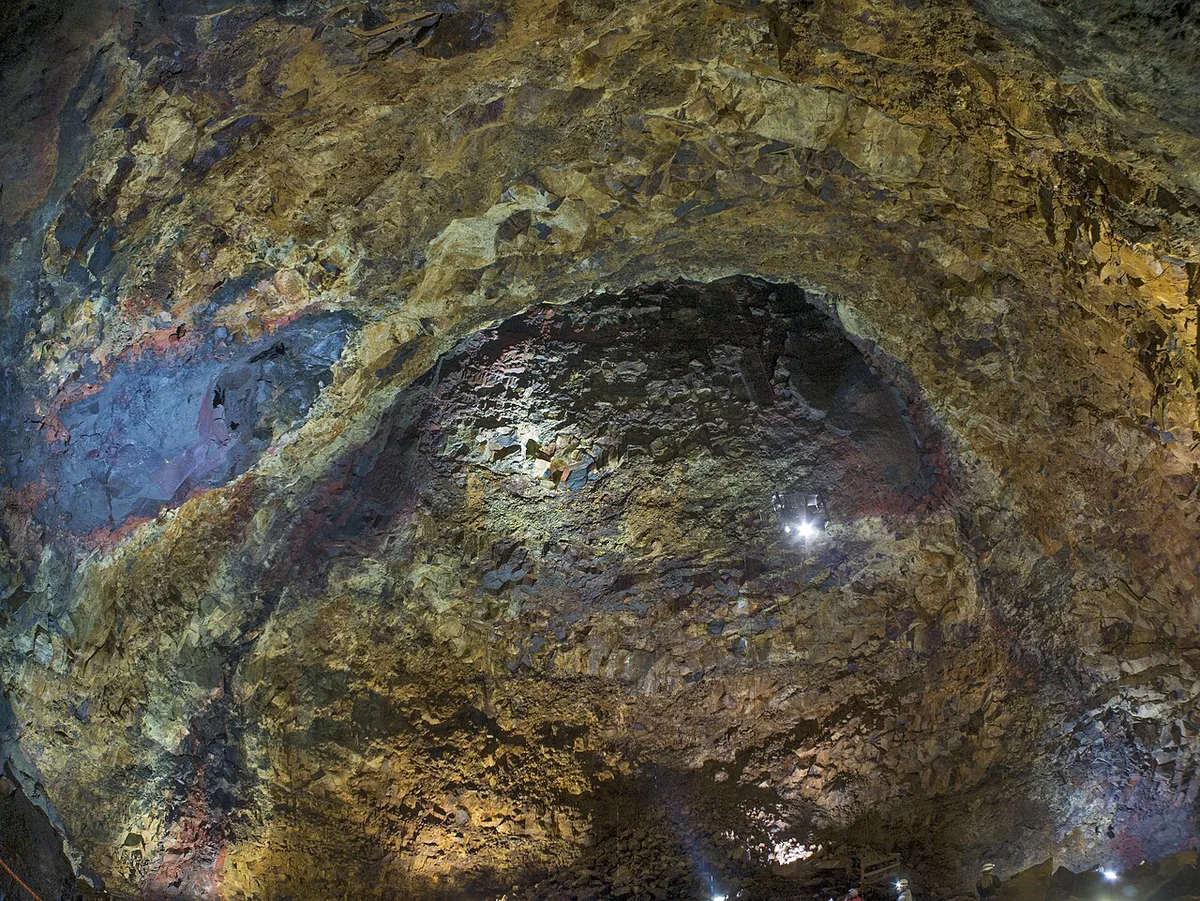
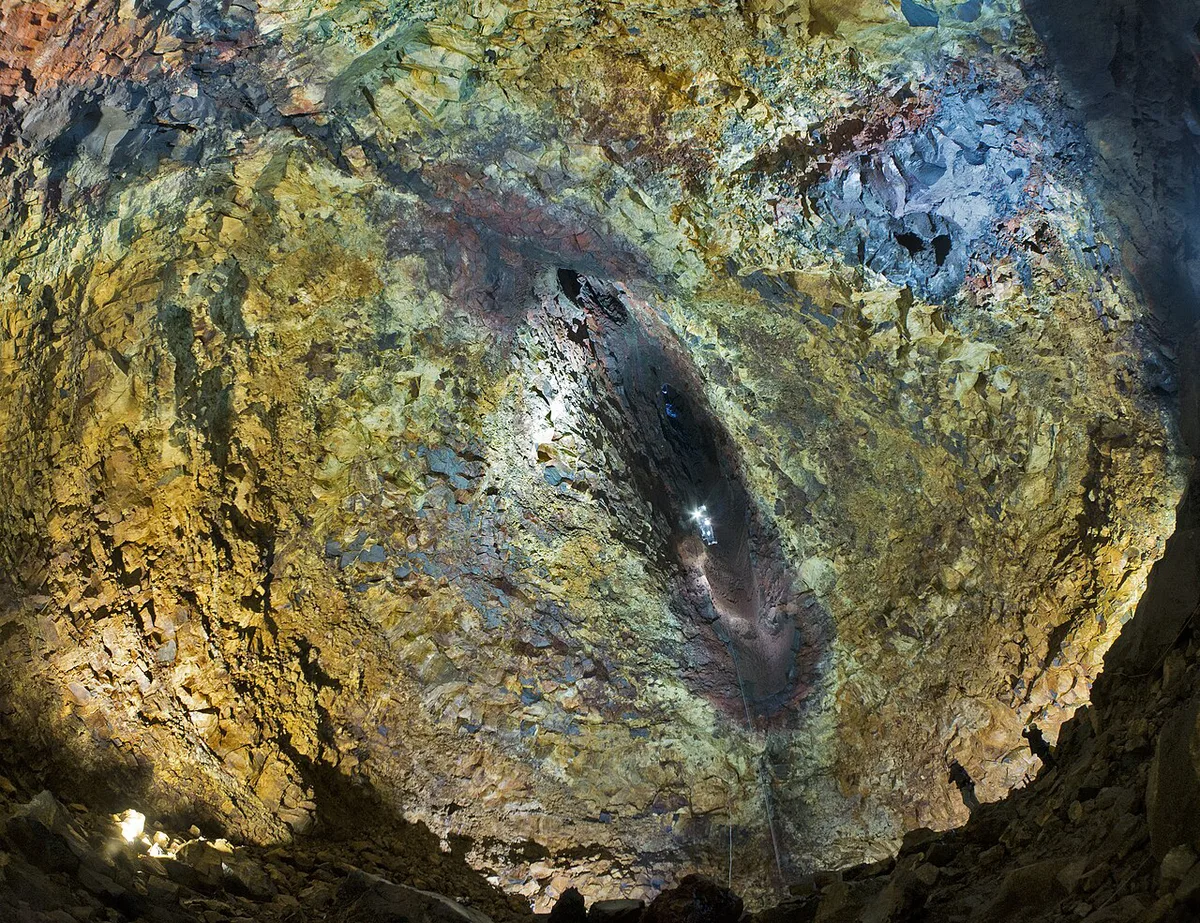
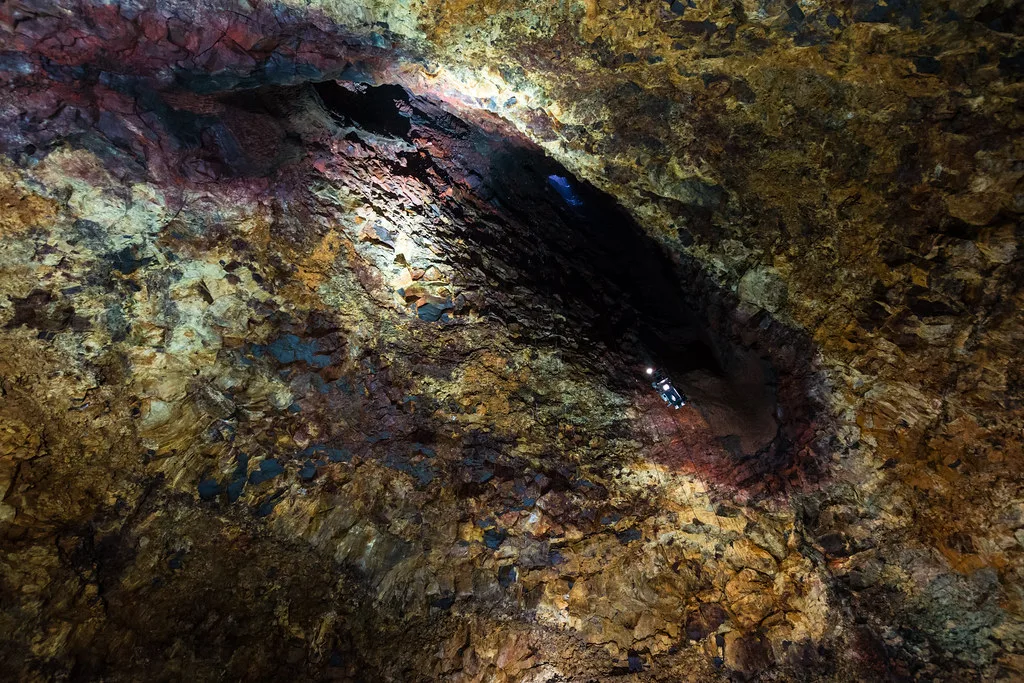
- Want to go underground: lava tube caving at Raufarholshellir suits most walkers. Thrihnukagigur is a descent into an empty magma chamber, booked through Inside the Volcano.
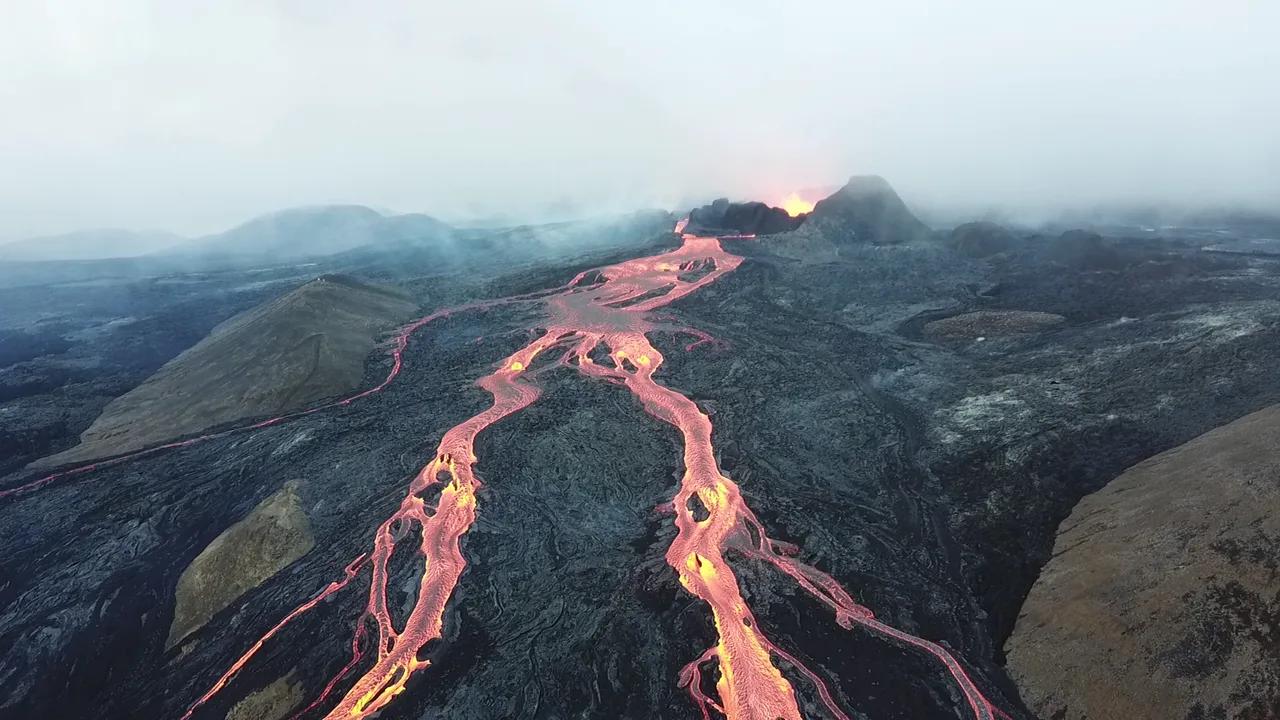
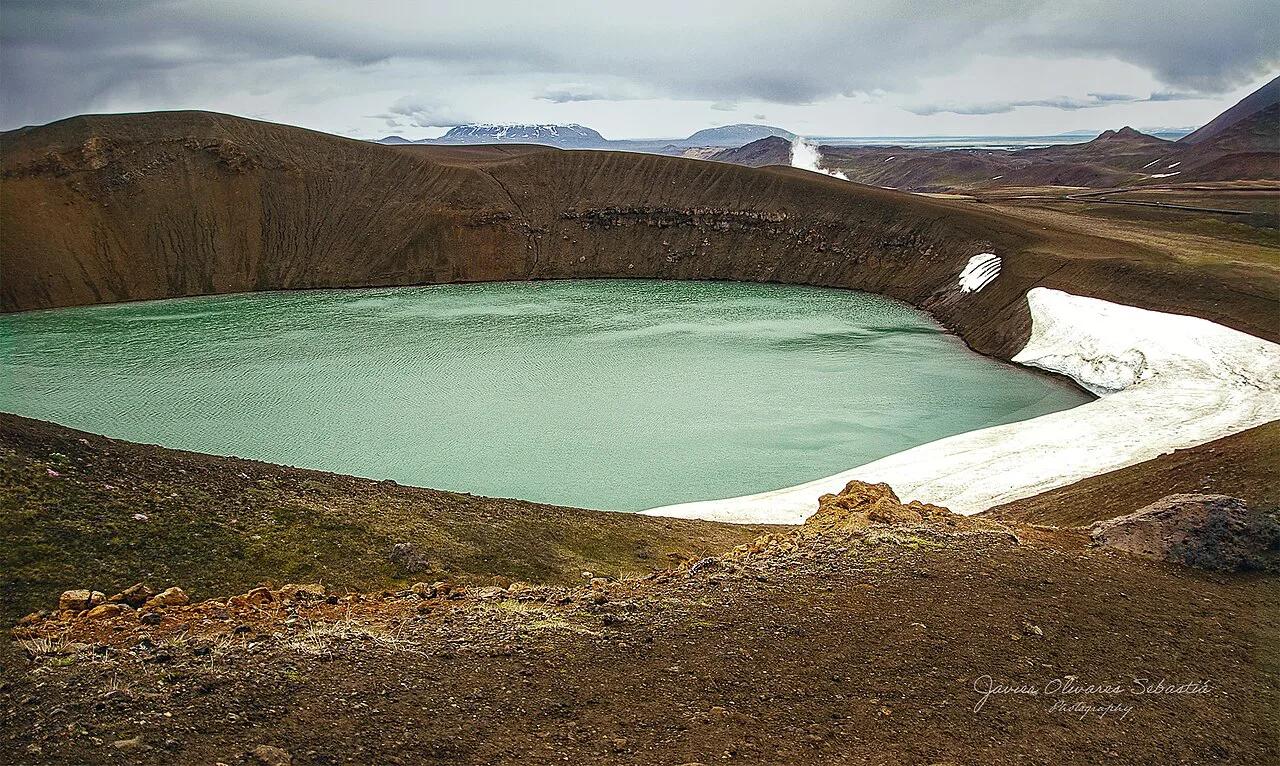
- Want a moderate walk: Reykjanes guided walks pass sites such as the Krysuvik geothermal area.
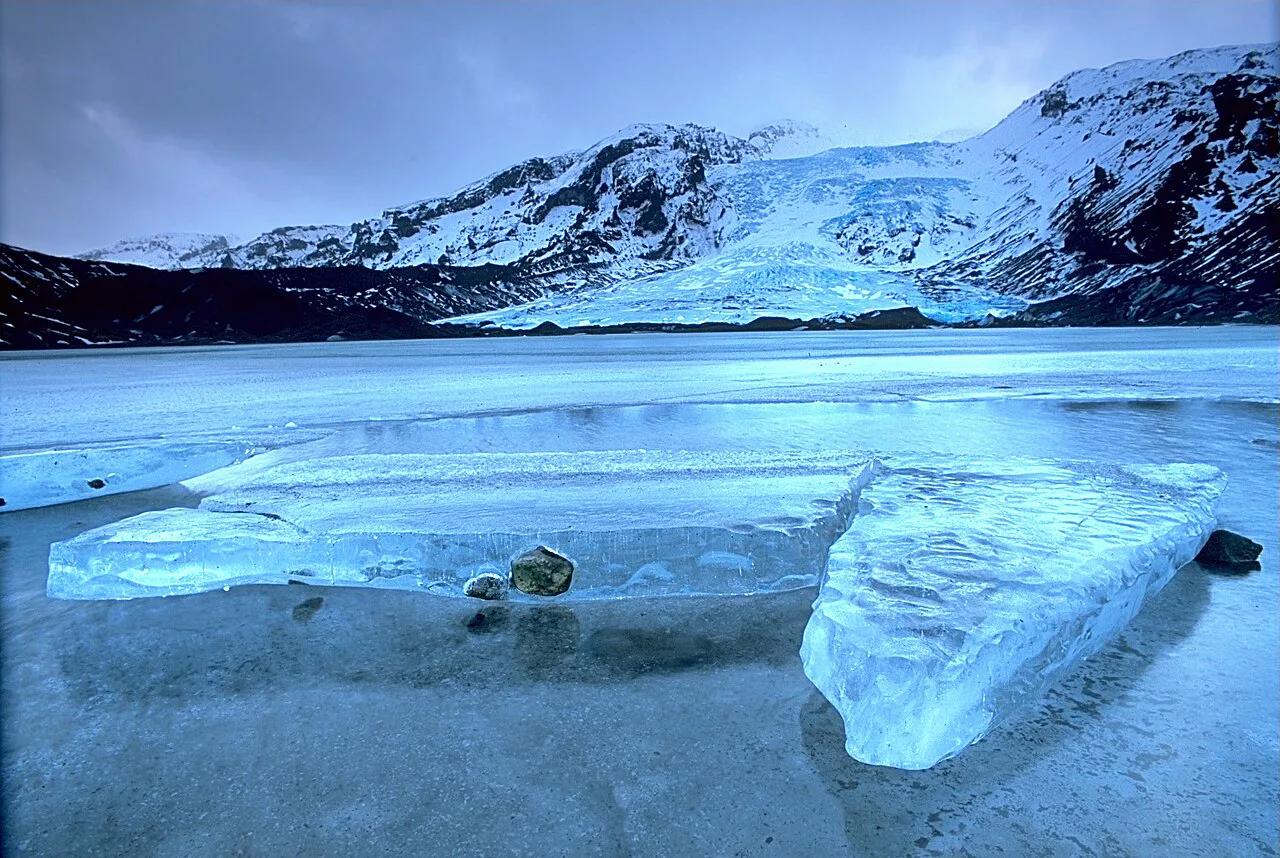
- Want ice: Katla ice cave trips and glacier tours need a guide and a seasonal window.
- Want the highlands: Kerlingarfjoll and Hveravellir are geothermal areas reached by seasonal roads.
Types of Iceland volcano tours compared
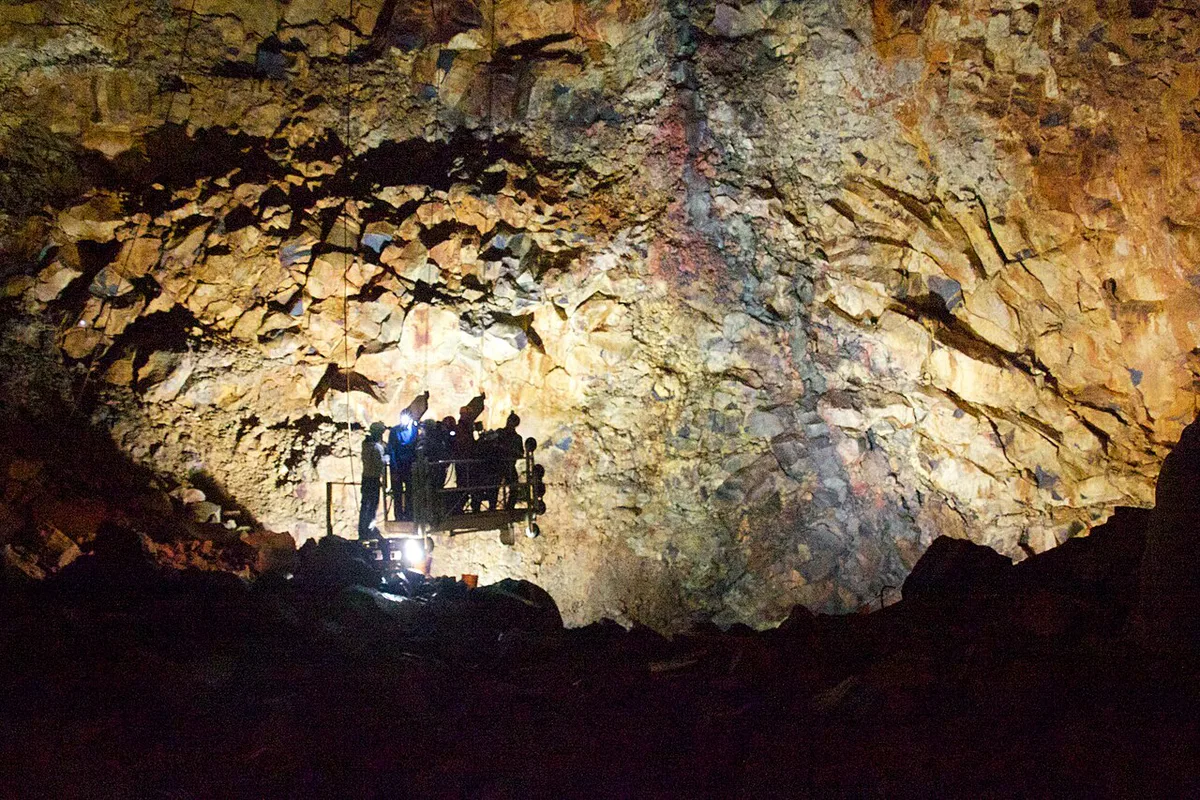
Each tour type trades comfort against the chance of a closure. Use the table to match your fitness and tolerance for weather to a format.
| Tour type | Fitness needed | Weather and access risk | Best for |
|---|---|---|---|
| Indoor lava or eruption exhibit | Low | Minimal; runs regardless of weather | Families, rainy days, certainty |
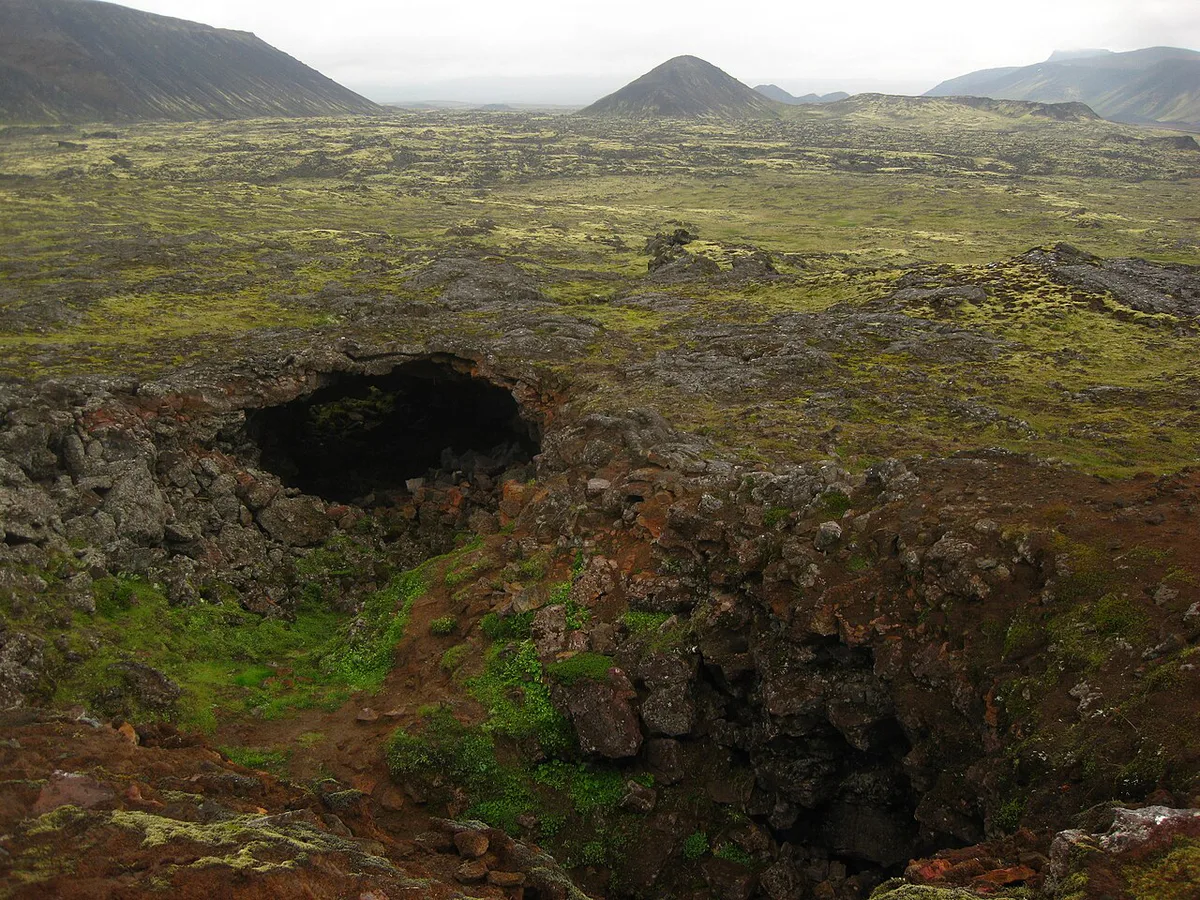
| Lava tube caving (Raufarholshellir) | Moderate; uneven floors, helmet needed | Low; the tube is underground | First-time visitors wanting a real volcanic landscape |
| Crater descent (Thrihnukagigur) | Moderate; walk in and lift descent | Medium; depends on road and weather | Travellers who want to see inside a volcano |
| Reykjanes guided walk | Low to moderate | Medium; eruption closures possible | Walkers seeking fresh lava terrain |
| Glacier or Katla ice cave trip | Moderate | High; season and glacier conditions | Winter visitors comfortable with cold |
| Highland super-jeep tour | Low; long vehicle days | High; highland roads are seasonal | Summer travellers wanting remote geothermal areas |
| Helicopter or flight views | Low | High; flights cancel in poor visibility | Travellers short on time or mobility |
| Eruption-site hike (only when open) | High; rough ground and long distance | Very high; closures at short notice | Experienced hikers with a flexible schedule |
Best time to take a volcano tour
Winter brings short daylight and the best ice cave conditions, while summer opens highland roads and gives long hours for outdoor tours. Road and highland access is posted on Safetravel Iceland, and many highland routes only open for a short summer window.
Getting there and what to expect on the day
Most tours collect from Reykjavik, while self-drive suits Reykjanes sites and the exhibits. Dress in layers and waterproofs, and ask the operator for its gear list.
- Pickup versus self-drive: pickup removes parking and road stress, while self-drive gives flexibility.
- Gear: sturdy boots, gloves and a warm layer are typical for caves and craters.
- Age and fitness: minimum ages and fitness limits vary by tour, so read the booking page.
- Rainy-day backup: the indoor lava show and exhibit options work when outdoor tours cancel.
Costs and what is included
Expect an indoor exhibit to cost less than a crater descent, and a helicopter flight to cost more than both. Ask what the price covers before you compare tours.
- Often included: guide, safety gear such as helmets, and a transfer on pickup tours.
- Often excluded: entrance fees at some sites, meals and self-drive fuel.
- Pay for a small or private group when you want more time at stops or need flexible pacing.
Booking, digital tickets and cancellation terms
Most Iceland volcano tours can be booked online, either directly with the operator or through a marketplace. Booking terms matter more here than on a typical city tour, because weather and eruption closures cancel departures more often.
When to book
- Crater descent and cave tours: group sizes are small and the season is limited, so reserve early. The Inside the Volcano descent is the clearest example. Seats fill well before the summer peak.
- Lava tube caving: departures run more widely, but weekend and holiday slots go first. Our guide to lava caves in Iceland compares the options.
- Indoor exhibits and the lava show: usually bookable a day or two ahead, though timed slots can sell out on rainy days.
Paying and getting your ticket
Operators typically take payment in full at booking, though some charge only a deposit. Confirm which applies on the checkout page. Most tickets arrive by email as a QR code or voucher that you show on your phone. Save it offline, because mobile coverage is patchy outside Reykjavik and on the Reykjanes peninsula.
Cancelling or changing a booking
- Many marketplaces and operators allow free cancellation up to 24 hours before departure. Always check the exact cut-off on your booking page.
- When the operator cancels for weather or a site closure, you should be offered a full refund or a new date. Ask which one before you pay.
- Refunds usually go back to the original card. Processing time depends on the operator and your bank.
- Book your first volcano tour early in the trip. If it is cancelled, you still have days left to rebook.
Fares and policies change by season, so read the operator's current terms before you pay.
Safety, eruption closures and cancellations
Hazard status comes from the Icelandic Met Office, and our guide to travel during an eruption covers the practical side. Ask each operator what happens when a site closes.
- Refund or rebooking terms if an eruption site is closed.
- Whether the tour switches to a different volcanic stop.
- Who makes the weather call and how early it is announced.
How to choose a tour operator
Compare operators on safety and transparency rather than headline price. A short checklist keeps the choice simple.
- Group size and whether small groups are offered.
- Licensed, trained guides and first-aid cover.
- Safety equipment supplied, such as helmets and crampons.
- Clear cancellation terms and a closure plan.
- Recent reviews that mention the exact tour you plan to book.
Combine your tour with nearby stops
Pair a tour with sights on the same route. Our guide to volcanoes in Iceland gives the wider picture.
- Reykjanes: Gunnuhver adds a geothermal stop.
- Craters: Grabrok, Saxholl and Eldborg are short crater walks.
- South and interior: Geysir, Hengill and Eldhraun lava field fit a day out of Reykjavik.
- Overview: see the volcano map and the list of active volcanoes.
- Reading only: Surtsey is a restricted nature reserve, not a standard tour stop.
Frequently Asked Questions
What is the best tour company for Iceland?
No single company suits every traveller. Match the tour type to your fitness and weather tolerance, then use the operator checklist above. Visit Iceland is a useful starting point.
Is the volcano in Iceland still erupting in 2026?
Eruption status changes quickly. Check the Icelandic Met Office for the current situation before you book. Read our overview of the Iceland Volcano Eruption: What It Means for Your Trip for background.
How much is a helicopter ride in Iceland?
Prices depend on route, flight length and group size. Ask the operator for the current price in ISK. Expect it to cost more than ground-based volcano tours.
Can you visit Eyjafjallajokull?
Most visitors view it from the south and join guided glacier trips. Access depends on weather and conditions, so ask a licensed operator what is running.