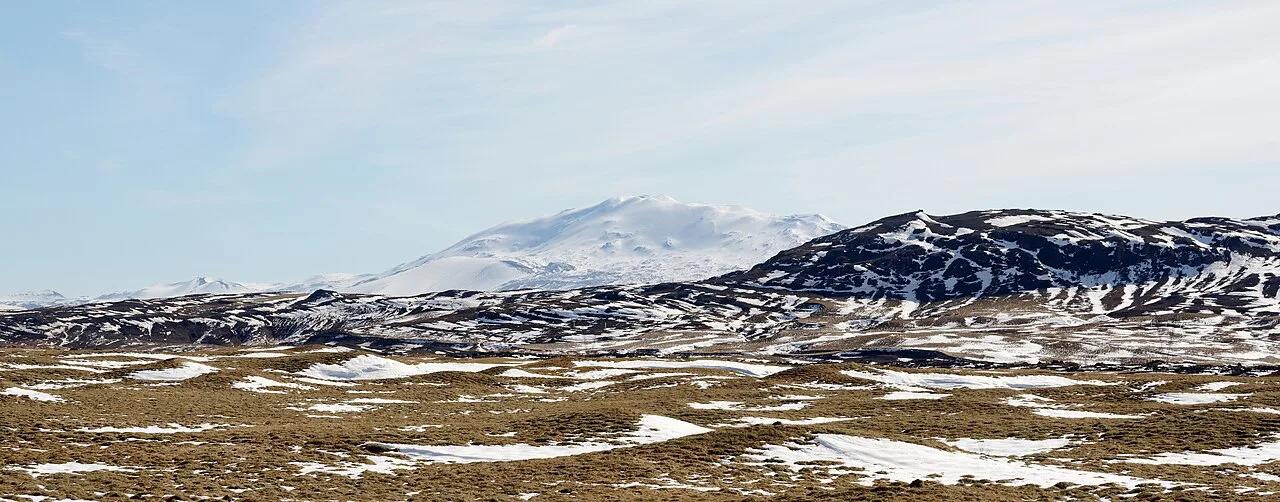
Eldhraun Lava Field, Iceland: How to Visit and Moss Rules
Last updated November 2026: Eldhraun, meaning "fire lava", is a moss-covered lava field on Iceland's south coast, formed by the 1783–84 Laki (Lakagígar) eruption. It lies beside the Ring Road near Kirkjubæjarklaustur and is a roadside stop with no ticket gate. Use this guide to decide whether to stop, where to pull over, how to protect the moss and when to go.
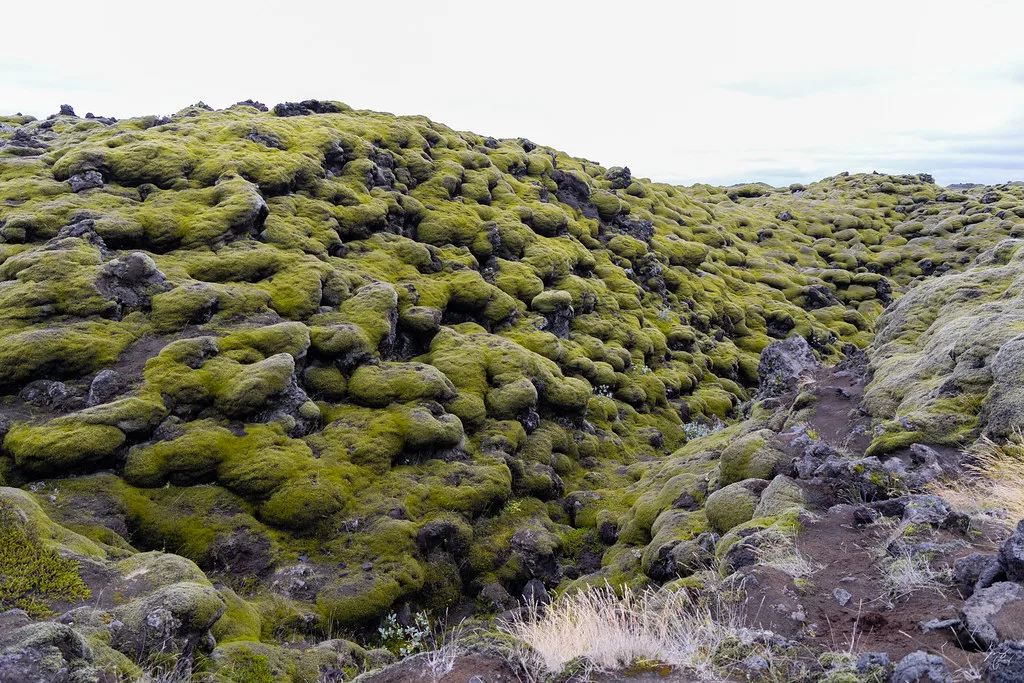
Featured image: Hornstrandir1, CC BY-SA 4.0, via Wikimedia Commons.
What Eldhraun is and how it formed
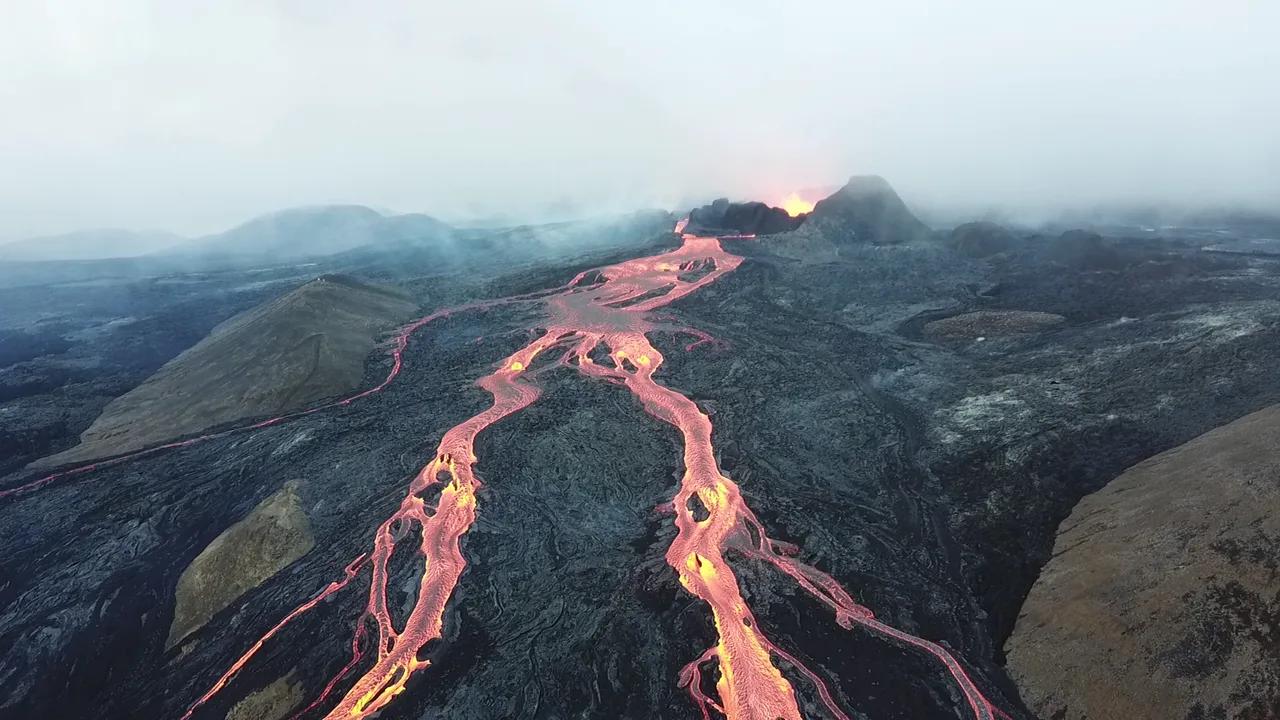
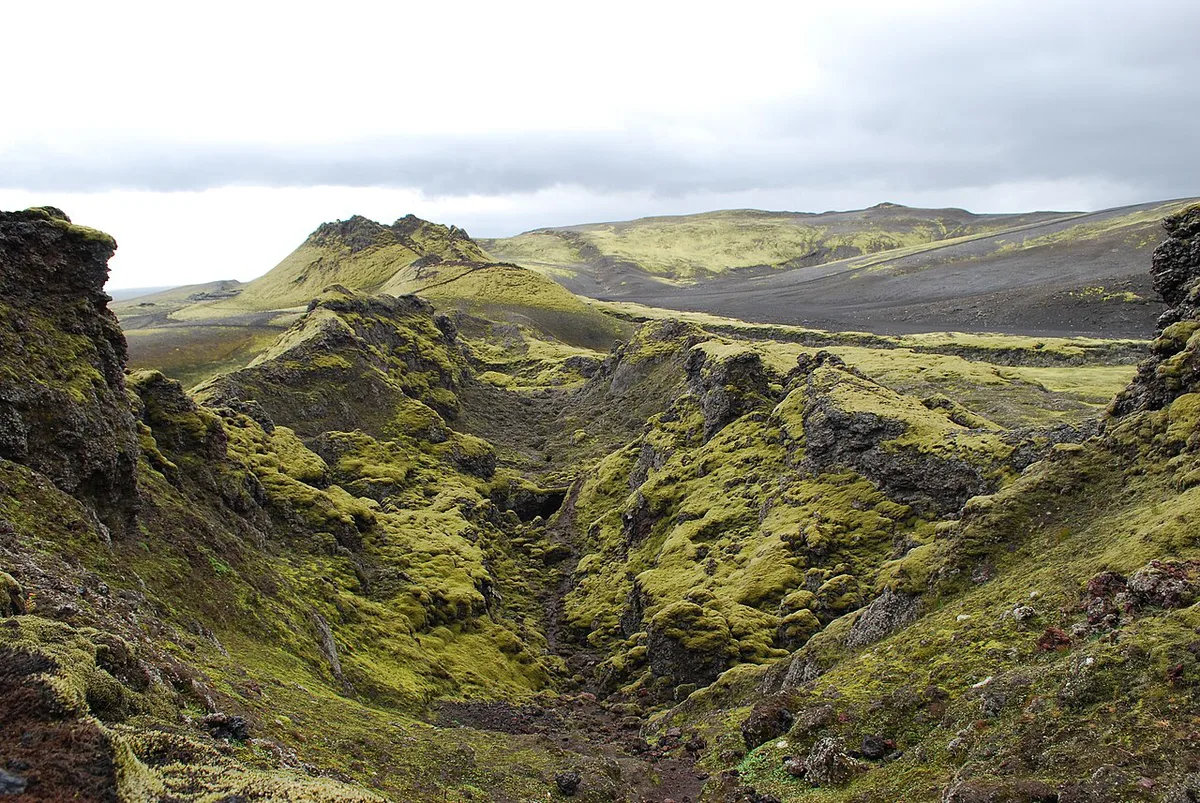
Eldhraun is one of two great lava tongues from the Laki eruption of 1783–84. About 12 cubic km (roughly 2.9 cubic miles) of lava flowed from Lakagígar, a row of more than 130 craters stretching about 18 miles (29 km). Moss now blankets the flow, which gives it a soft, rolling look. It is one of the best-known examples among Iceland's lava fields. Eldhraun is a landscape stop. There are no activities, no entry fee and no opening hours.
Is Eldhraun worth a stop?
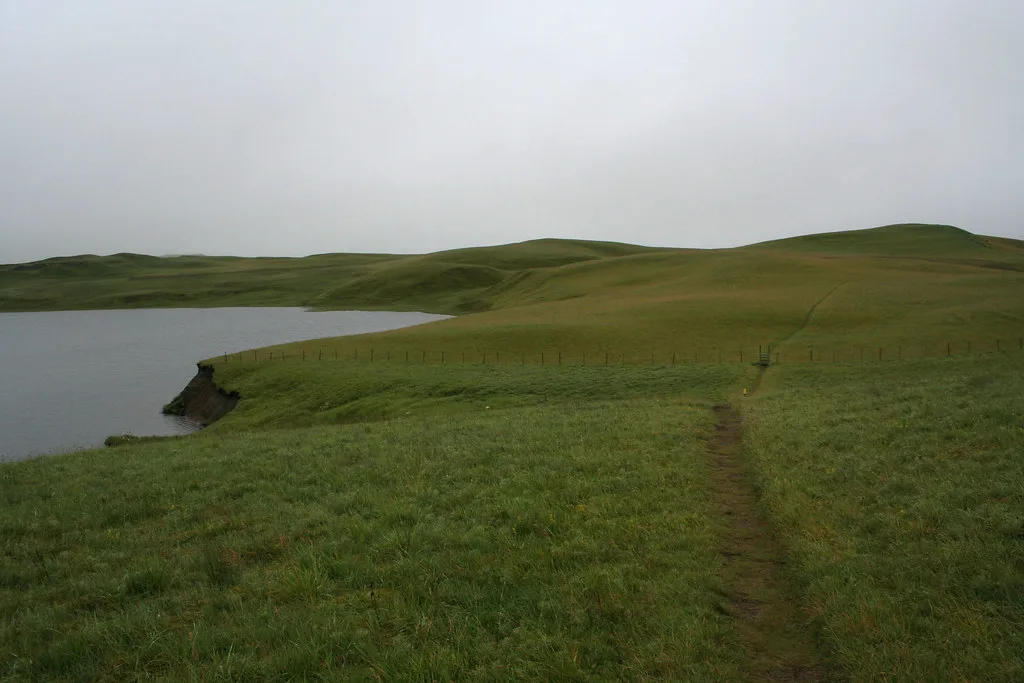
Eldhraun rewards some travelers more than others. It is a short, flat, low-effort stop, so the answer depends on what you want from the south coast.
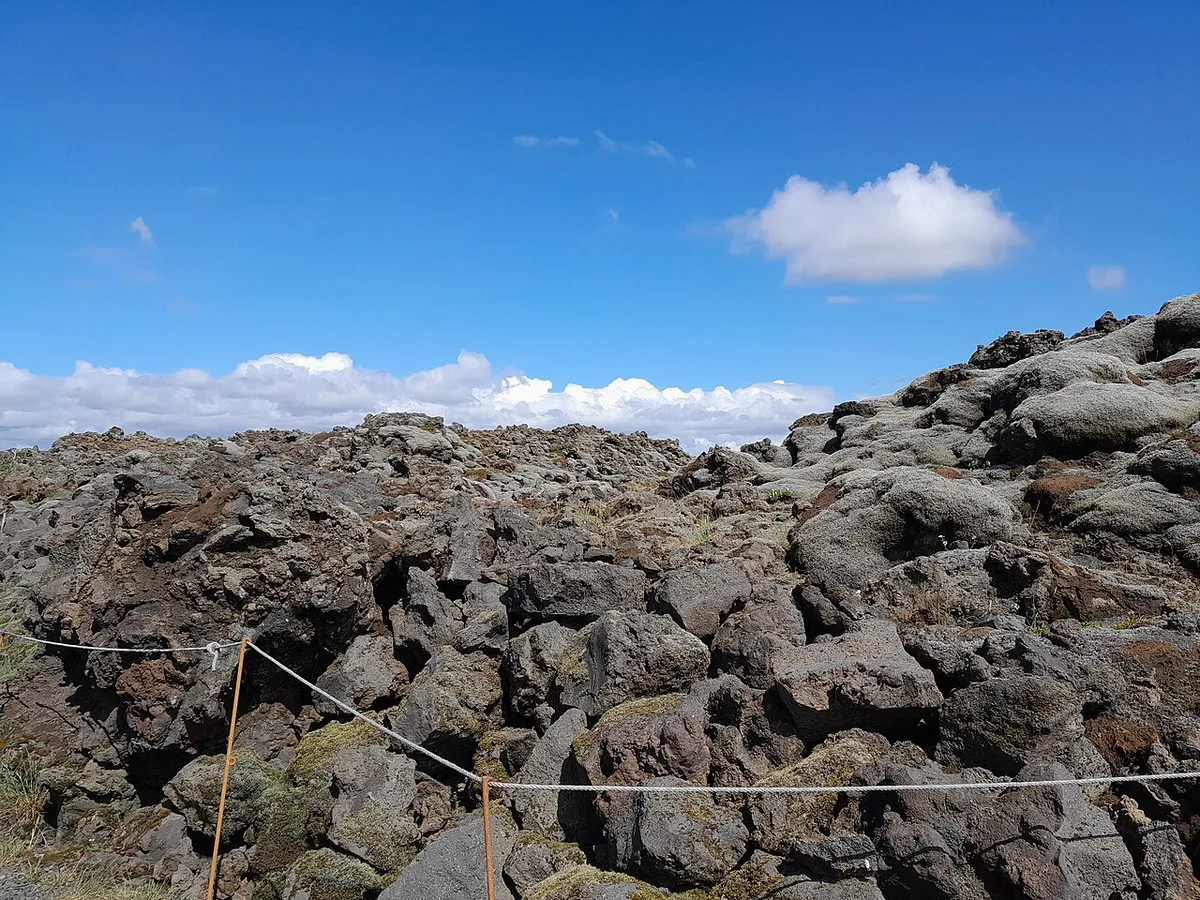
- Stop if you photograph landscapes, since the moss texture works best in low, angled light.
- Stop if you are interested in geology and want to see a 1783–84 lava flow at road level.
- Stop if you are driving the Ring Road anyway, because it costs only a short pause.
- Skip it if winter daylight is tight and you still have waterfalls or glacier lagoons to reach.
- Skip it if you expect a dramatic viewpoint, as the appeal here is breadth and texture.
Where to stop and how to get to Eldhraun
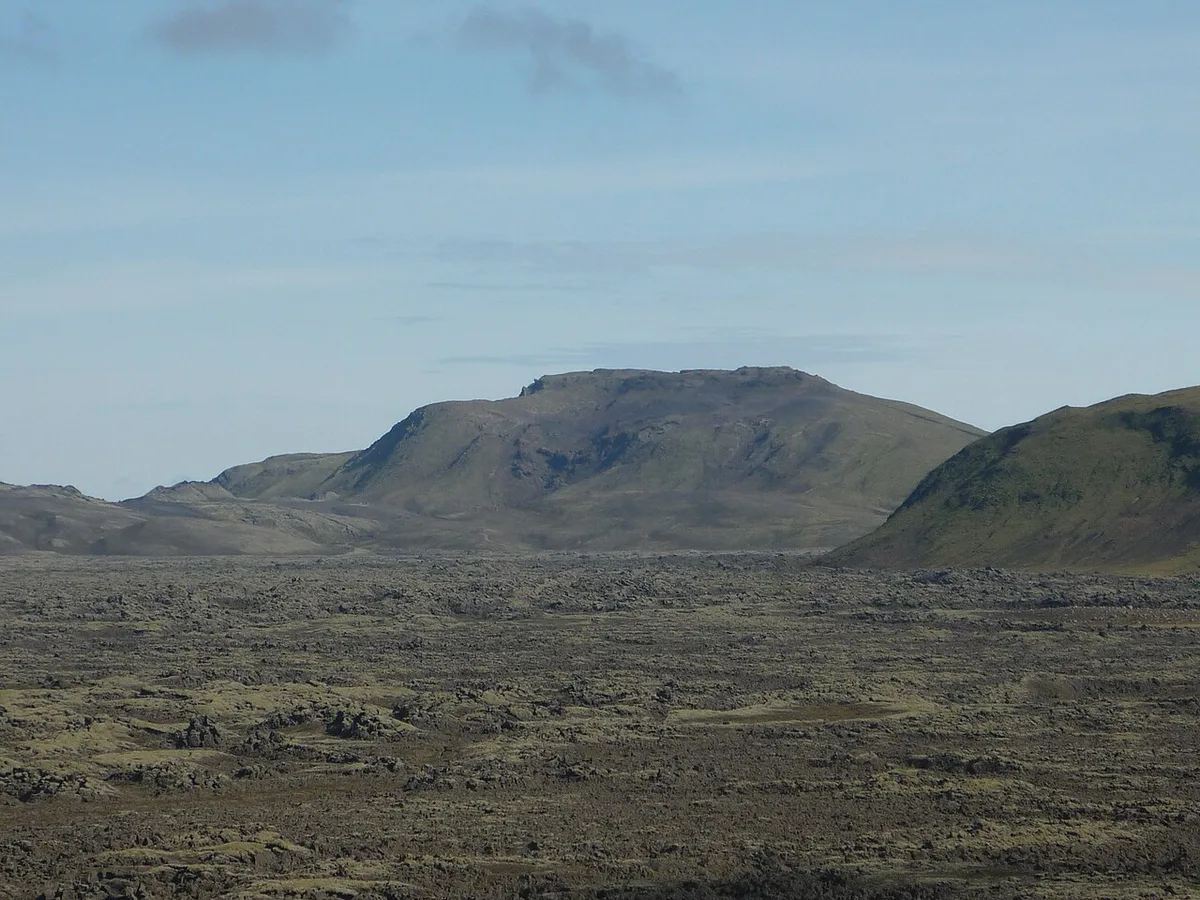
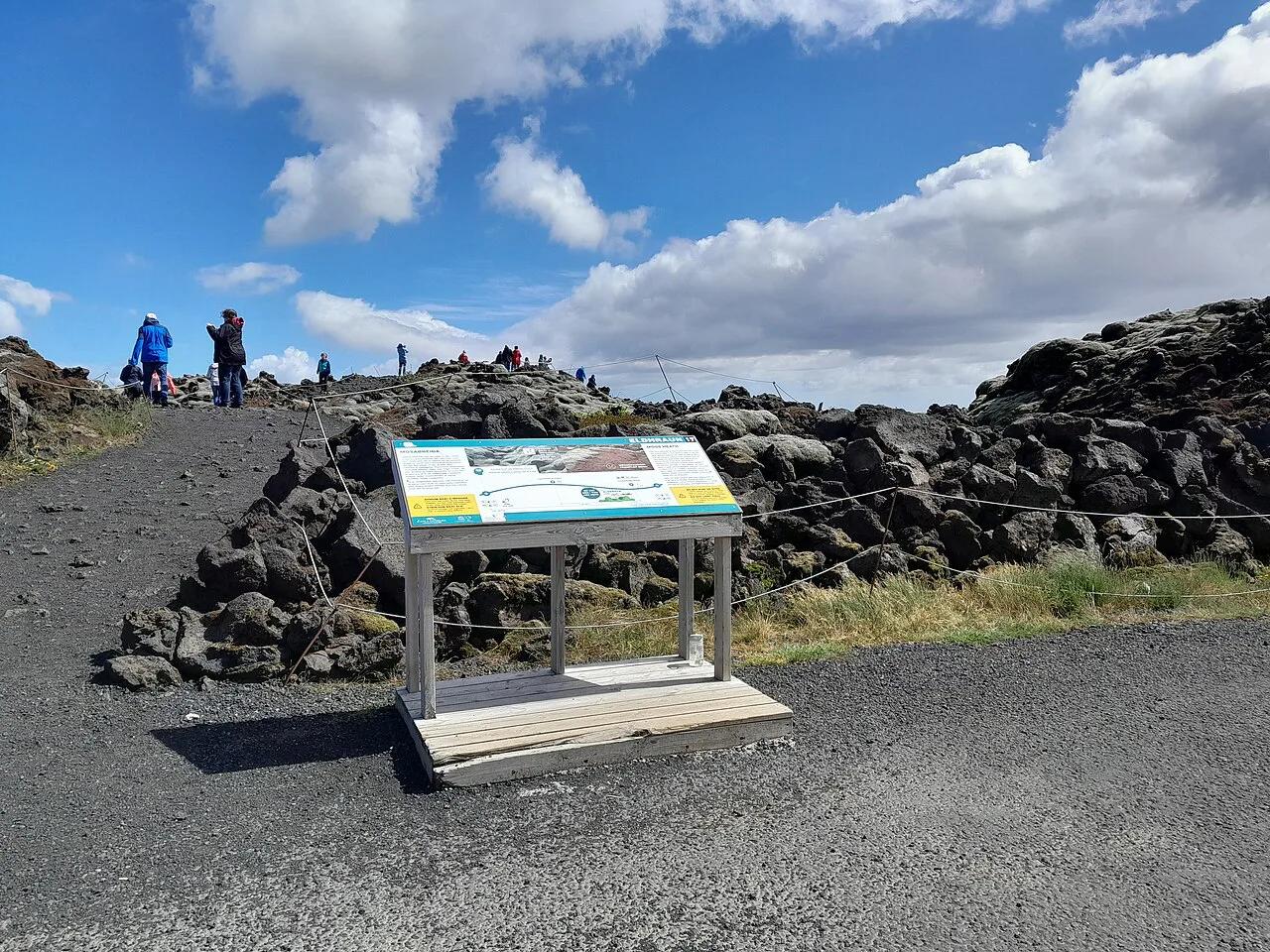
Eldhraun runs alongside the Ring Road near Kirkjubæjarklaustur. An easily accessible viewing platform sits along the road, and that is the safest place to stop. Driving yourself gives the most flexibility, because you can pause when the light is right. Many south coast bus tours also pass the lava field, so check the itinerary if you book a guided volcano tour. For a night's stay, base yourself in Vík or Kirkjubæjarklaustur and check current availability with Visit South Iceland.
Moss protection and safety at Eldhraun
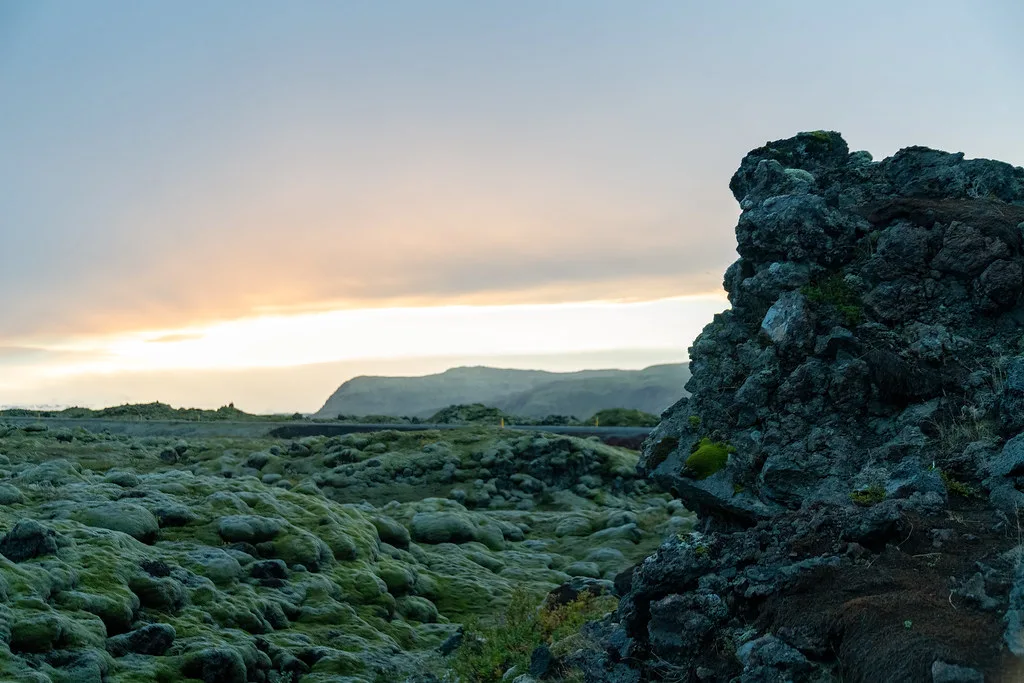
Icelandic moss grows slowly and damage from footsteps can last for years. Stay on the platform and marked paths, and never pick or pull the moss. Read current protected-area guidance from Vatnajökull National Park before you go. Road conditions matter as much as the moss. Wet or icy tarmac can change quickly, so check Safetravel Iceland and road.is the same morning.
- Do not park on the road shoulder, even for a quick photo.
- Do not step off the path or platform onto the moss.
- Do not fly a drone until you have checked the current rules for the area.
When to go: season and light
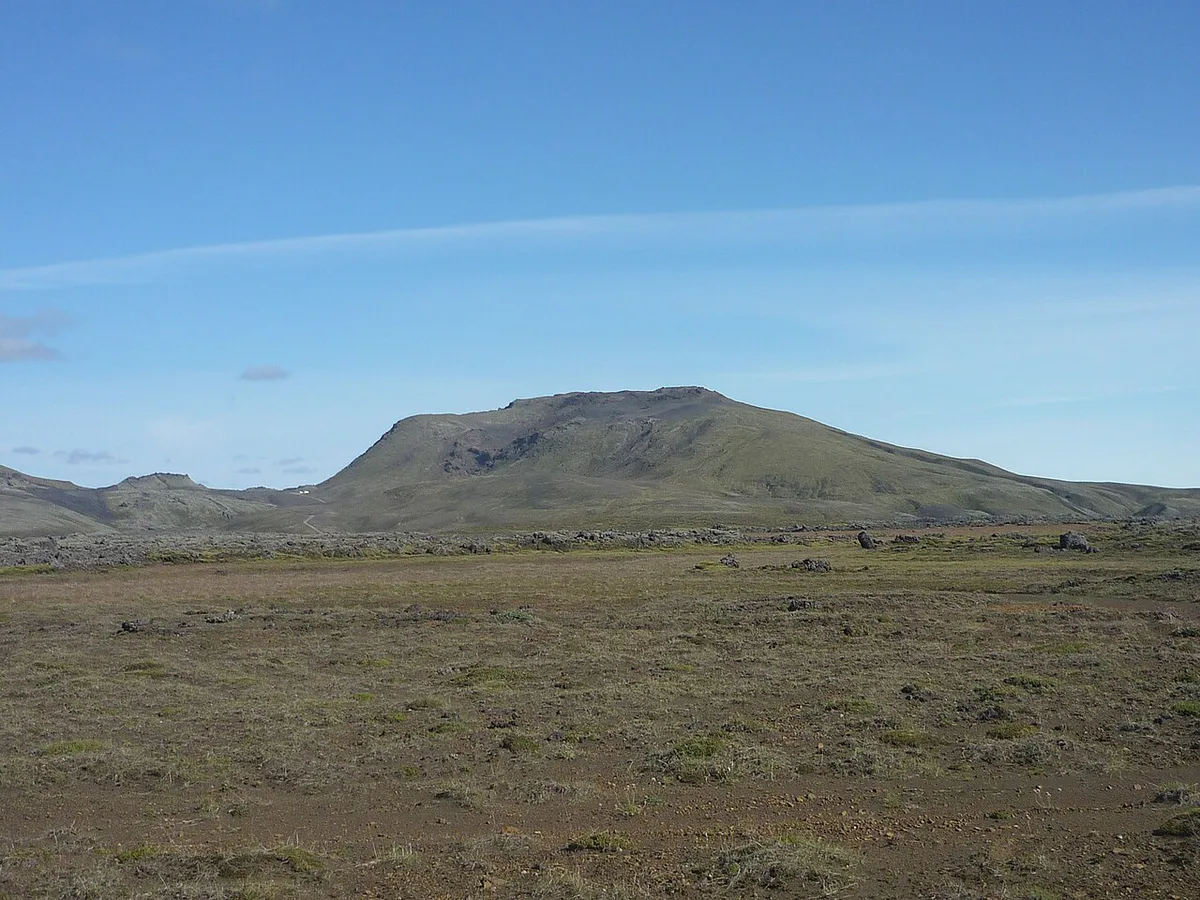
Daylight is long from May to July. Nights are dark from September to March, which is also northern lights season. Summer gives easy driving and long photography windows. Winter gives short days, aurora chances and higher road risk. Watch the forecast at the Icelandic Met Office. If you are weighing winter plans against volcanic activity, read our note on traveling during an eruption.
- May–July: long light, flexible timing, easier driving.
- September–March: dark nights, aurora season, shorter stops advised.
- Winter daytime: still worth a brief stop if the road is clear.
How long to stay and what to pair with Eldhraun

Most visitors need a short photo stop of roughly 15 to 20 minutes. Allow longer if you want to wander the platform and wait for better light. These time ranges are our own estimates, not official figures. The table pairs Eldhraun with nearby south coast stops. Check access and seasonal closures for Fjaðrárgljúfur with an official source before you plan around it.
Winter daylight is short, so a stop of 15 to 20 minutes fits best when the road is clear.
| Stop | Type | Best for | Skip if |
|---|---|---|---|
| Eldhraun | Moss-covered lava field | Quick stop and photography | You expect a viewpoint or activities |
| Dyrhólaey | Coastal headland | Sea views and cliffs | The weather is stormy |
| Fjaðrárgljúfur | Canyon | Short canyon walk | Access is closed or restricted |
| Diamond Beach | Black sand beach | Ice on the shore | You are short on daylight |
| Jökulsárlón | Glacier lagoon | Floating icebergs | You cannot add a longer drive |
The Laki connection and going further
Eldhraun is the roadside lava field, while Lakagígar is the crater row that produced it. Highland access to the craters differs from the easy roadside stop, so check road and F-road status before you plan a visit. The eruption sent toxic ash and gas across Iceland. That period is called Móðuharðindin, "mist hardships", and about three quarters of the country's livestock and one in five Icelanders died. For context, read about the geology behind Iceland's volcanism. For eruption history, see the currently active volcanic systems. A modern comparison is Holuhraun's recent lava field. For the wider picture, start with Iceland's volcanic landscapes.
Lakagígar's more than 130 craters need highland access, so the roadside stop at Eldhraun shows the lava, not the craters.
Frequently Asked Questions
What is a lava field?
A lava field is a wide area covered by solidified lava from one or more eruptions. Eldhraun is an example, formed by the 1783–84 Laki eruption and now covered in moss.