Iceland Lava Fields: Where to See Them and How
Last updated November 2026. Iceland lava fields are broad areas of solidified lava, and the easiest ones to visit sit on the Reykjanes Peninsula and beside the South Coast Ring Road. Highland fields such as Holuhraun need a 4x4 or a guided tour. This guide sorts the fields by how you reach them, so you can pick one that fits your route.
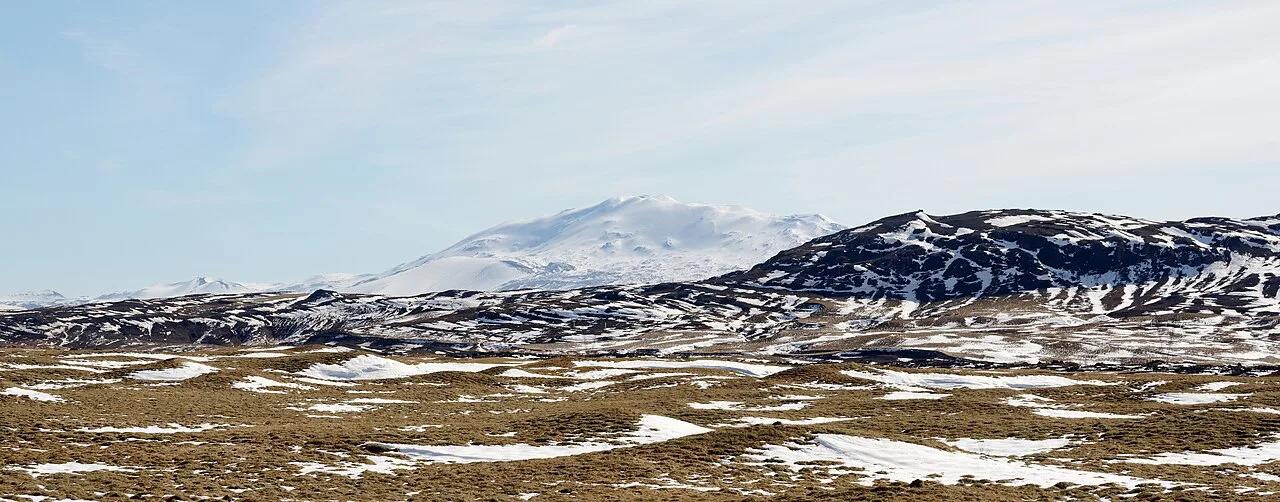
Featured image: Hansueli Krapf, CC BY-SA 3.0, via Wikimedia Commons.
Iceland Lava Fields at a Glance
A lava field is the flat or rolling ground left when a flow cools. A crater is the vent that fed it, and a volcano is the wider system behind both. For the geology behind that, read why Iceland has so many volcanoes. Our parent guide to 10 Volcanoes in Iceland: Which to Visit and How covers the bigger picture. Most fields are free to enter. Your costs come from fuel, rental cars, tours and the occasional parking fee, so confirm any fee with the site itself.
| Field | Region | Character | Access | Best for |
|---|---|---|---|---|
| Reykjanes fields (incl. Fagradalsfjall flows) | Southwest | Fresh, dark flows near the sea | Car; closures possible | Day trip from Reykjavík |
| Eldhraun | South Iceland | Moss-covered, soft green | Car on the Ring Road | Road-trip stop near Kirkjubæjarklaustur |
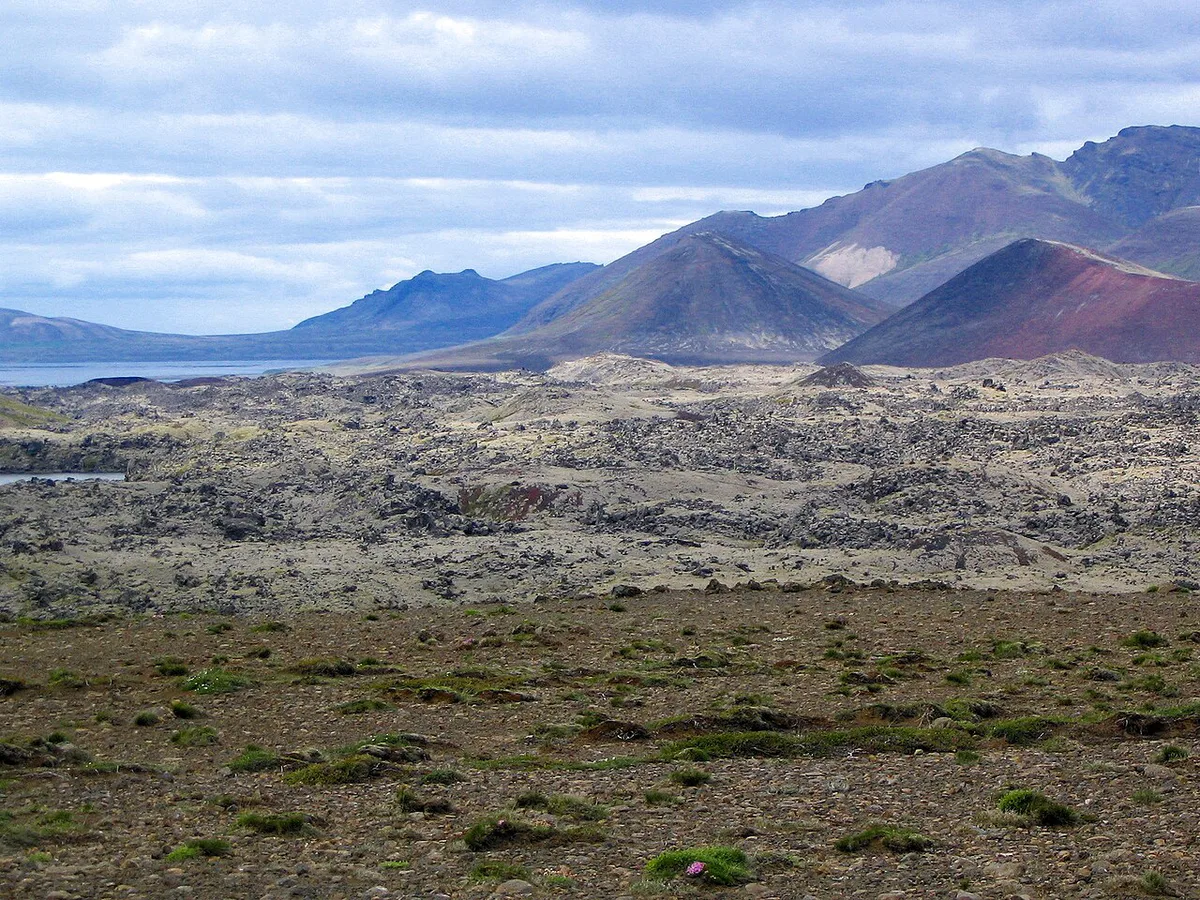
| Berserkjahraun | Snæfellsnes Peninsula | Lava field on the peninsula | Car | West Iceland loop |
| Holuhraun | Central Highlands | Remote, recent flows | 4x4 or guided tour; check locally | Experienced summer travelers |
| Eldfell flows | Heimaey, Westman Islands | Town partly buried in 1973 | Ferry or flight, then on foot | Eruption history |
Pahoehoe and Aa: What the Lava Looks Like Underfoot
Two Hawaiian terms describe most of the lava you will walk beside in Iceland. Knowing which one you are looking at helps you judge how slow and how risky the ground will be.
| Type | Surface | What it means for visitors |
|---|---|---|
| Pahoehoe | Smooth, billowy or ropy, with a thin skin | Easier to cross, but the crust can be hollow and break under a boot |
| Aa | Jagged, clinkery blocks with sharp edges | Slow, tiring walking; falls cut skin and shred shoes |
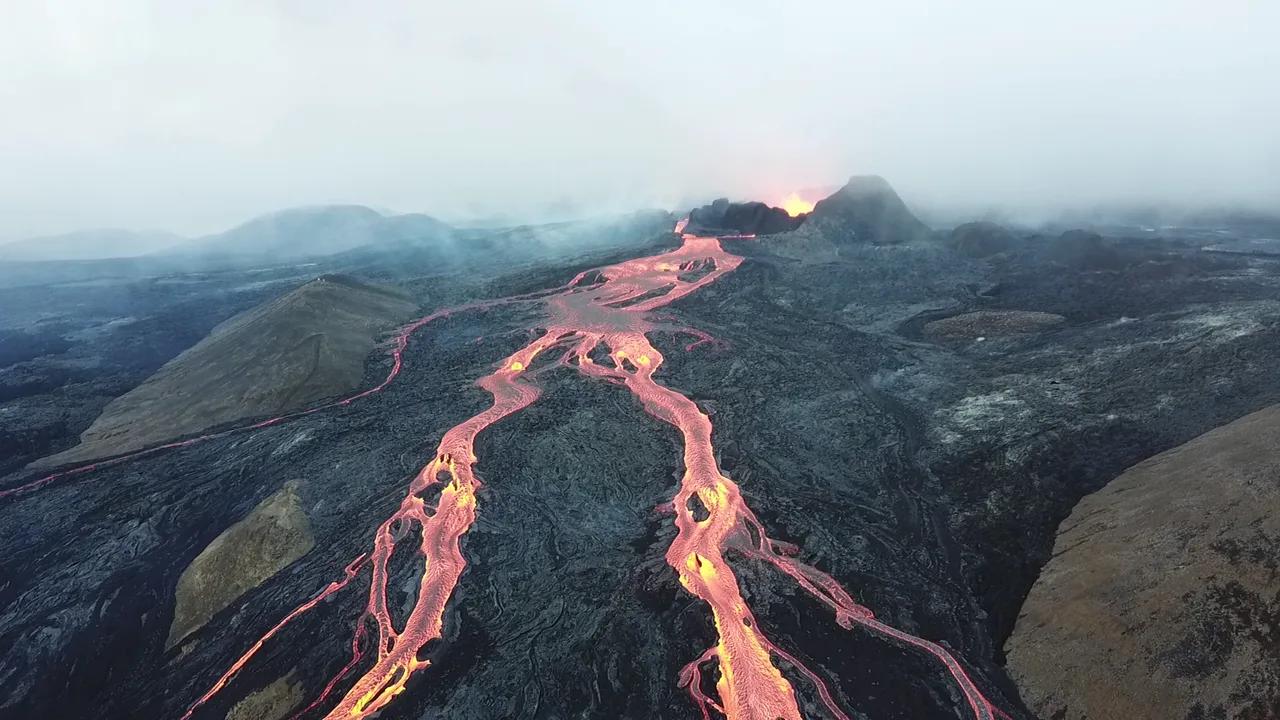
Older flows are usually the rougher ones once weathering and moss have softened their outlines. A thick green carpet can hide gaps between blocks, which is another reason to keep to marked paths. Fresh flows on Reykjanes tend to look dark and glassy, with crisp edges.
Tubes and hollows beneath the surface
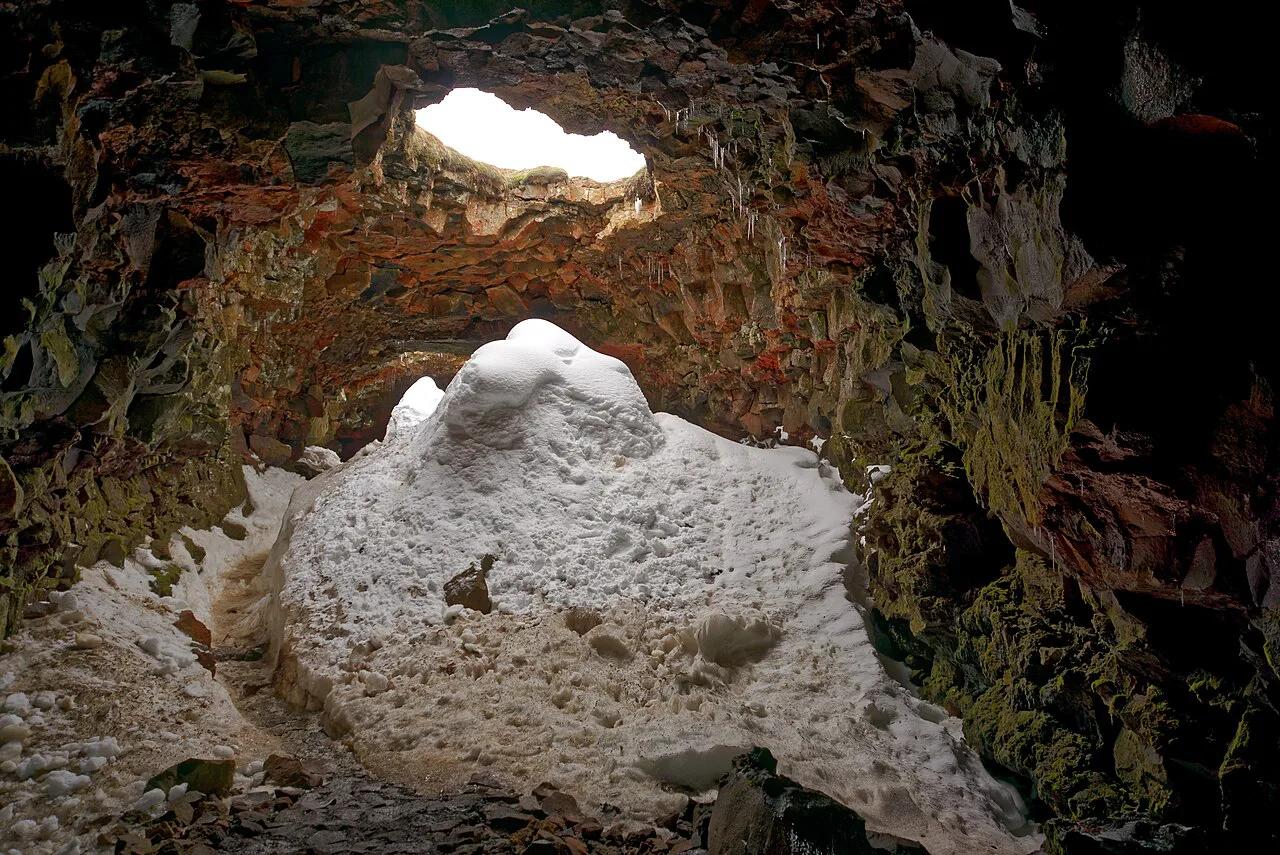
When the top of a flow cools and hardens while molten lava keeps moving below, it can drain away and leave a hollow tube. That is why some fields have sudden dips, collapsed roofs and openings in the ground. Treat any hole or sunken patch as unstable and do not enter it on your own. If you want to go underground safely, our guide to lava caves in Iceland covers guided options.
For the science and the story of eruptions told indoors, the Lava Centre on the South Coast works well as a rainy-day stop before you walk a real flow.
Easiest Lava Fields to Visit From Reykjavík
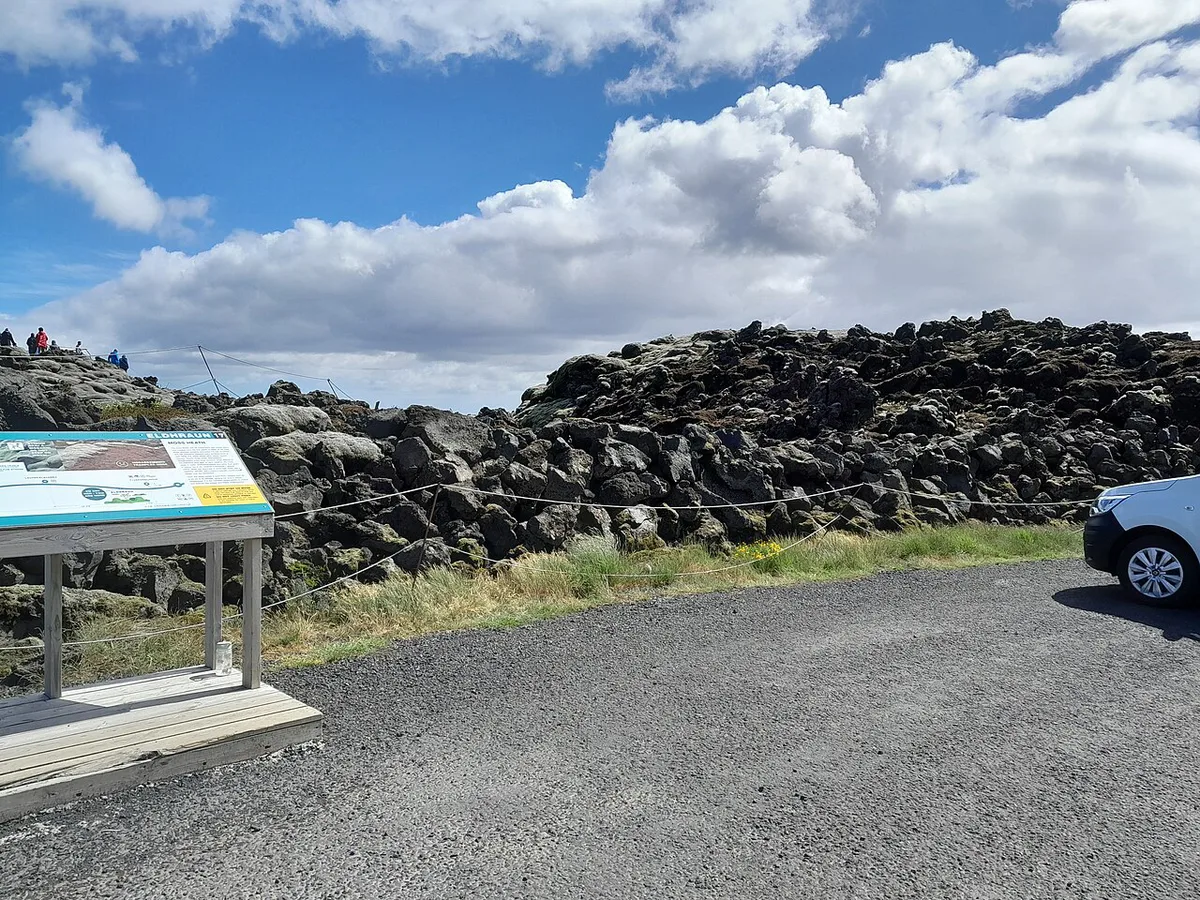
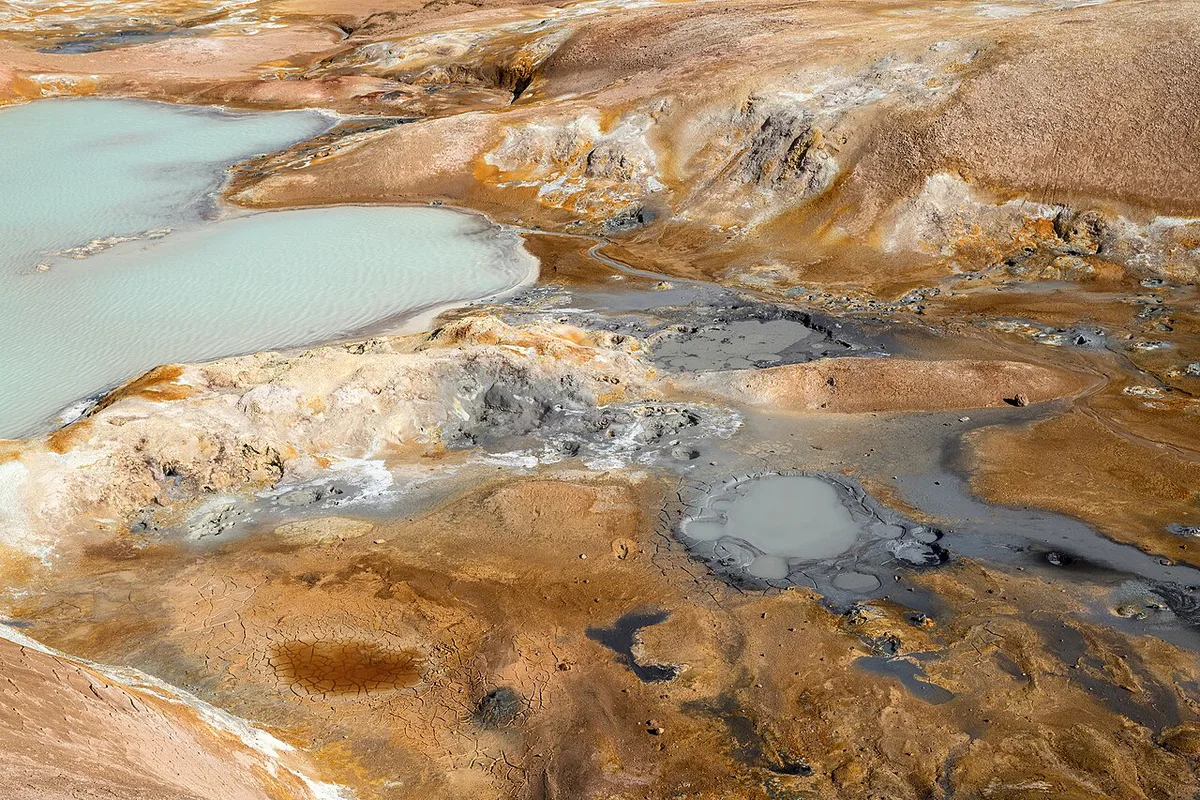
The Reykjanes Peninsula is the simplest choice if you have a rental car and one free day. Fields here are close to the capital and to each other. Krýsuvík pairs lava ground with steaming geothermal color. Gunnuhver adds boiling mud and steam vents beside the lava. Walk only on marked paths at both. Lava here is often sharp, and thin crust can hide hot ground.
- Eldborg Crater, Iceland: Walk, Access & Which Eldborg to Visit: a classic crater rim to pair with the surrounding flows.
- Grábrók crater: a short climb with views over the lava and moss below.
- Saxhóll crater: a stepped crater you can climb on a staircase.
- Hengill: a volcanic system with hiking trails for longer days.
- Rauðhólar: red crater remnants close to the capital.
South Iceland: Eldhraun and the Laki Story
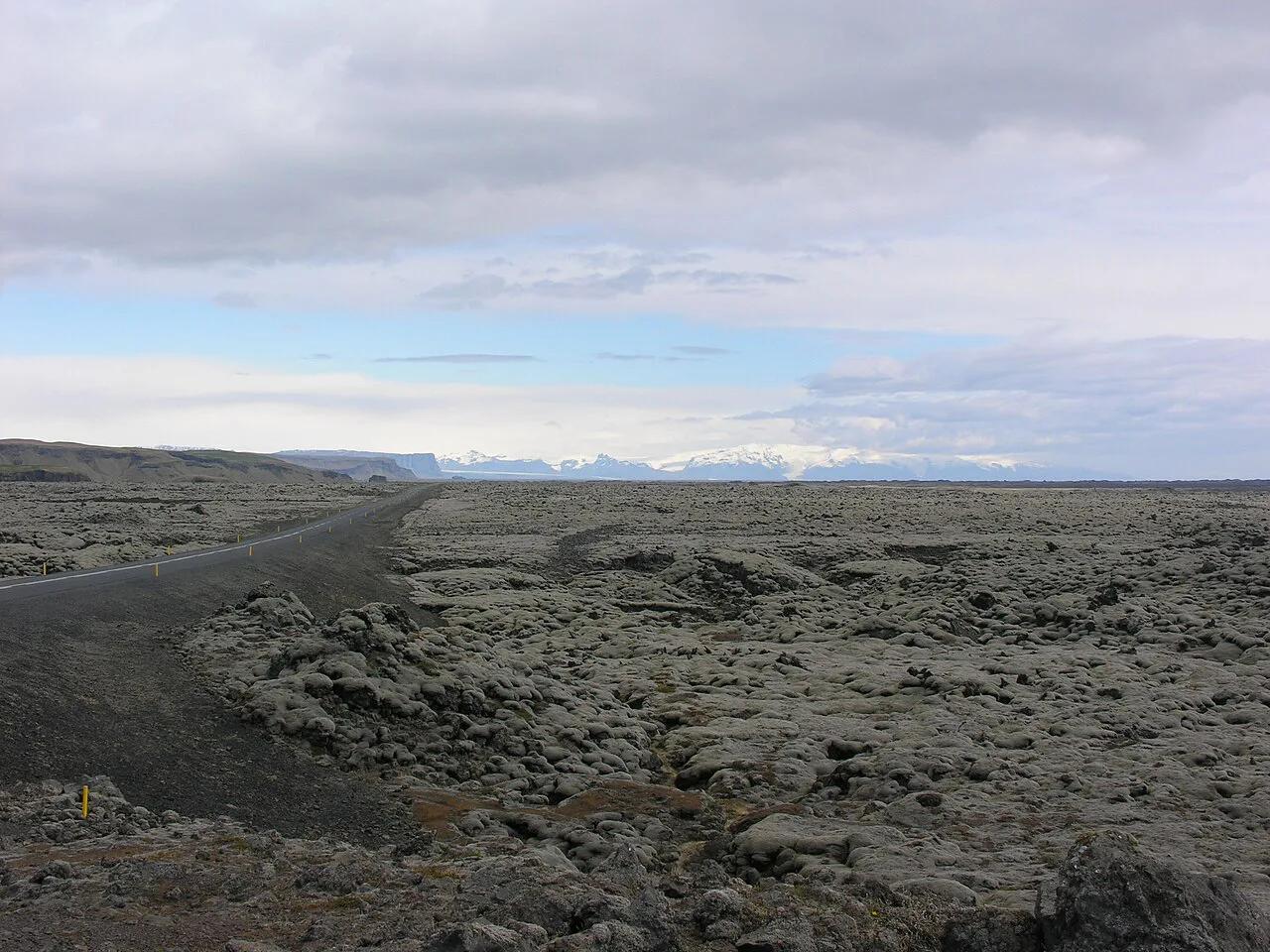
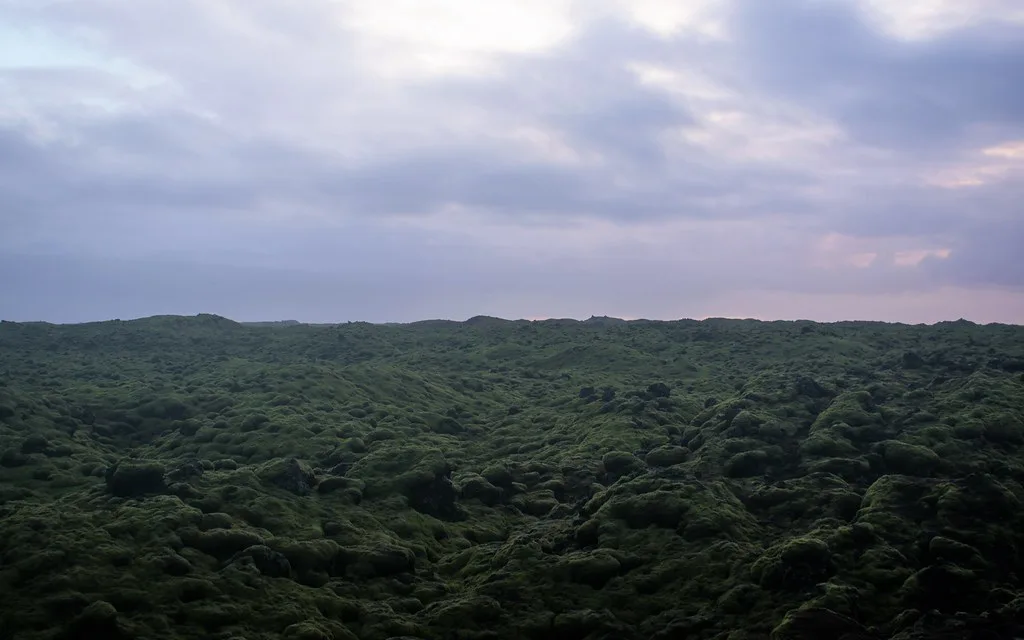
Eldhraun is the lava field most travelers see from a car window. It formed in the 1783–84 Laki eruption, which ran for about eight months. Thick moss now covers the flow in soft green. It sits along the Ring Road near Kirkjubæjarklaustur, so it works as a short stop between South Coast sights. Allow a longer pause if you want photos from the roadside pull-outs. Keep off the moss. It grows slowly and boot prints last for years. Highland roads toward the Laki craters are separate and need a 4x4.
Highland and Remote Lava Fields
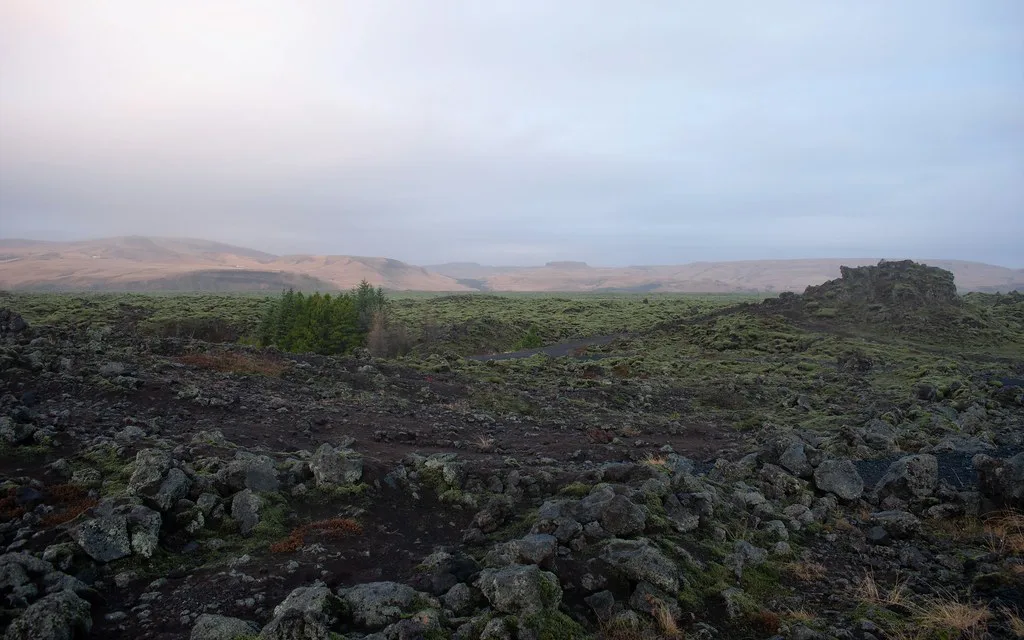
Holuhraun lies north of Vatnajökull and belongs to the Bárðarbunga system. Grímsvötn is another remote system under the ice cap. Other highland spots include Kerlingarfjöll and Hveravellir. Reaching them means F-roads, river crossings and a 4x4, or a guided tour. F-roads open seasonally, so check road conditions before you set out. Rules for the Vatnajökull area are on the Vatnajökull National Park site. Skip the highlands if you drive a standard rental car, visit in winter or have limited mobility. A guided option from the list of Iceland Volcano Tour: Types, Timing and How to Choose is the safer way in.
Fields Tied to Recent and Historic Eruptions
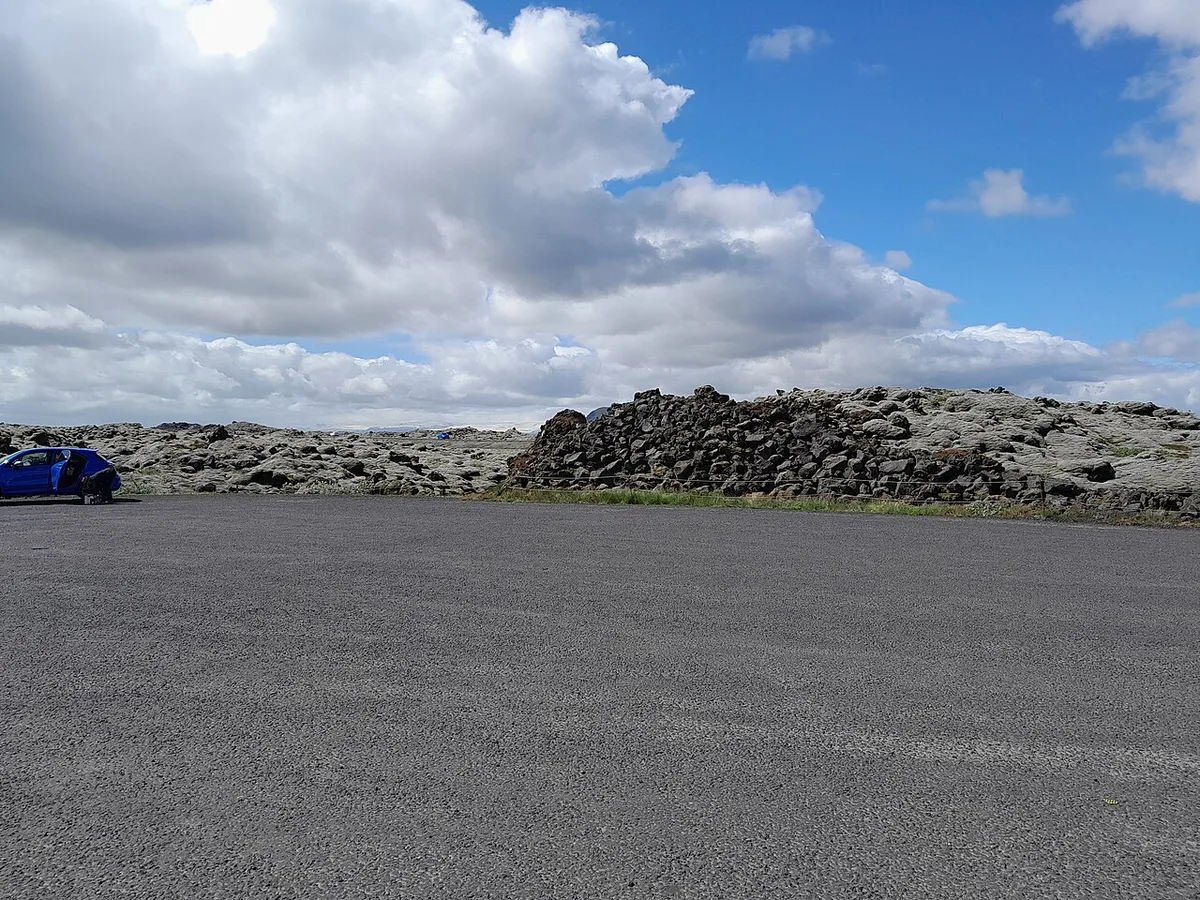
On Heimaey, Eldfell grew in the 1973 eruption, and its flows reached the edge of the town. The Eldheimar museum tells that story, so check its hours directly. Surtsey is a protected research island. You cannot visit it. On Reykjanes, repeated eruptions have added new lava, and the story is told in our eruption guide. For wider context, see the map of Iceland's volcano locations.
Eldfell's 1973 eruption on Heimaey sits in a different era from Eldhraun's Laki flow, which dates to 1783–84.
Safety and Etiquette on Lava Terrain
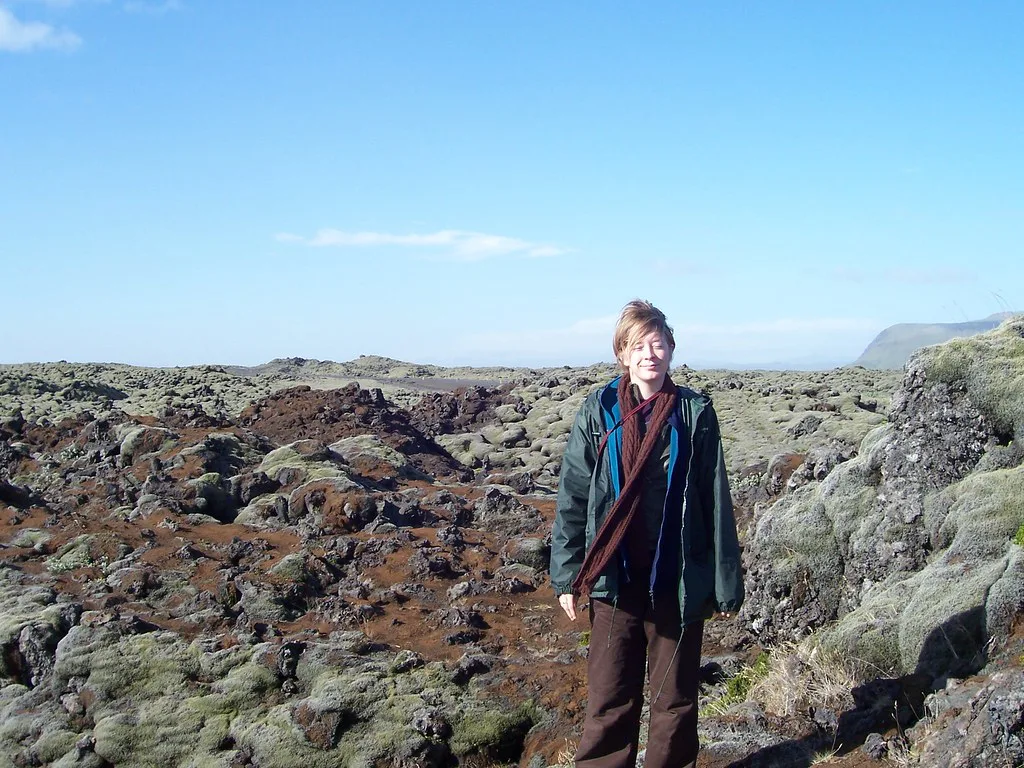
Lava is sharp, uneven and sometimes hollow underneath. Wear sturdy boots with ankle support. Stay on marked paths and never climb onto fresh flows. Gas can collect in low spots near active areas. Check eruption status and gas forecasts with the Icelandic Met Office. Closures and route changes are posted on Safetravel Iceland. Read our eruption safety guide before a Reykjanes trip.
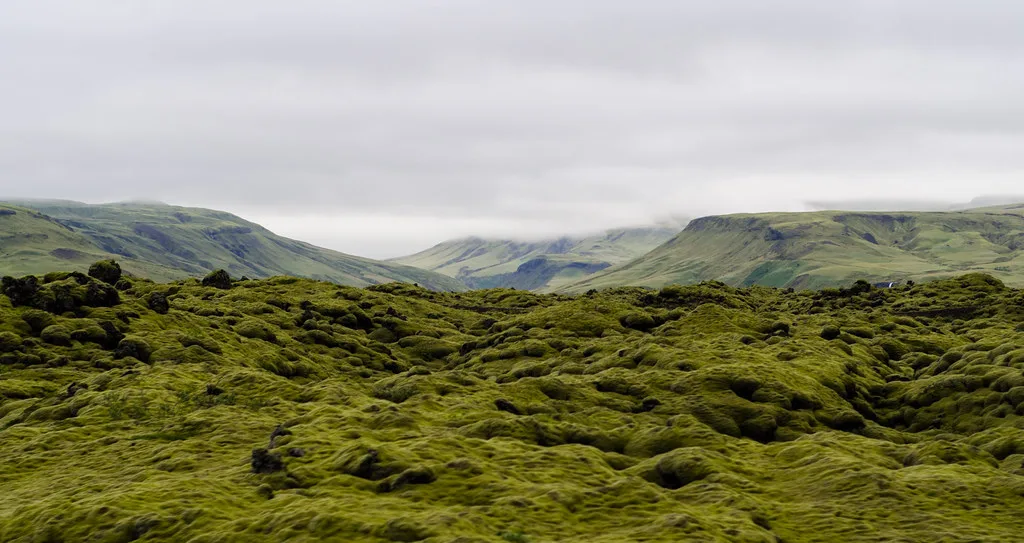
- Do not walk on moss. It takes years to recover.
- Do not drive off-road. It is illegal in Iceland and scars the terrain.
- Do not ignore closure signs or Civil Protection instructions.
- Do not treat a field as a five-minute photo stop. Weather changes fast.
Photography and When to Go
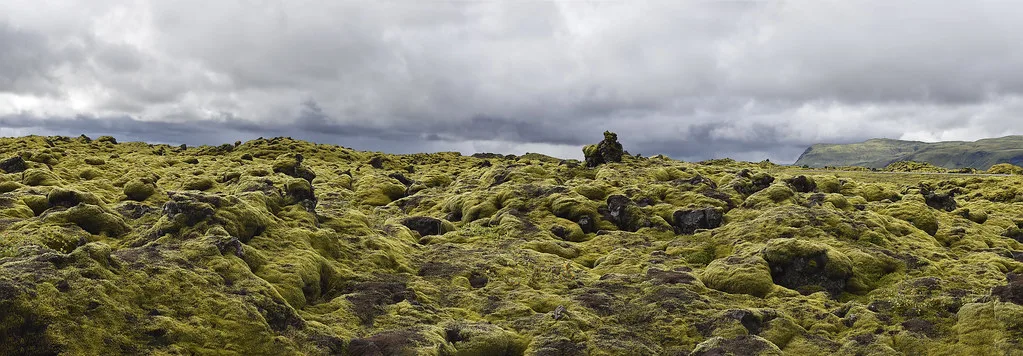
Summer gives the greenest moss at Eldhraun and the longest daylight for highland trips. Winter turns the same fields black and white, with low sun and short days. Low-angle light brings out the texture of the lava. Shoot from the roadside or marked paths rather than stepping onto the moss. If you cannot reach a field at all, the lava show in Reykjavík shows molten lava up close.
Which Lava Field Fits You?
Pick the Reykjanes fields if you want a day trip from Reykjavík. Choose Eldhraun if you are already driving the South Coast. Take a guided tour to Holuhraun if you want a remote, recent flow. Visit Heimaey if eruption history interests you more than scenery. Compare these options against your route and season before booking anything. For the active systems behind the fields, see Active Volcanoes in Iceland: Where to See Them Safely.
Frequently Asked Questions
Are there any active lava flows in Iceland?
Eruption activity changes quickly, particularly on the Reykjanes Peninsula. Check the Icelandic Met Office for official status before any trip. Follow closure notices on Safetravel as well.