Stufe di Nerone Spa, Bacoli: Visitor Guide & Tips
Last updated November 2026: stufe di nerone is a thermal spa on Via Stufe di Nerone in Bacoli, named after the Roman-era steam caves of the Campi Flegrei. Visitors come for thermal pools, a natural sauna and mud therapy, not for ruins. This guide separates the modern spa from the ancient story and shows how a visit fits into a Campi Flegrei day.
Featured image: .waldec, CC BY 2.0, via Flickr.
What Stufe di Nerone Is (and Isn't)
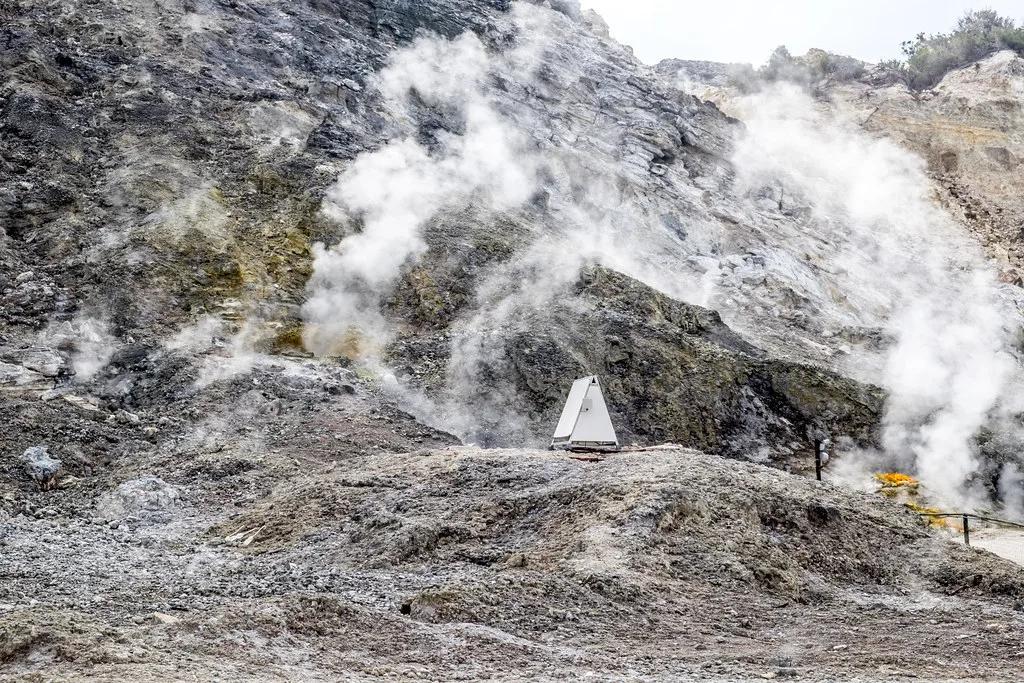
Stufe means steam rooms in Italian. Around Baia, Romans used natural volcanic steam in caves for sweating and bathing. Those thermal caves sit on the hillside above Baia, in the municipality of Bacoli. Today the name belongs to Terme Stufe di Nerone, a working spa with thermal pools, treatments and a bistrot. Do not expect an archaeological site with ticket gates and information panels.
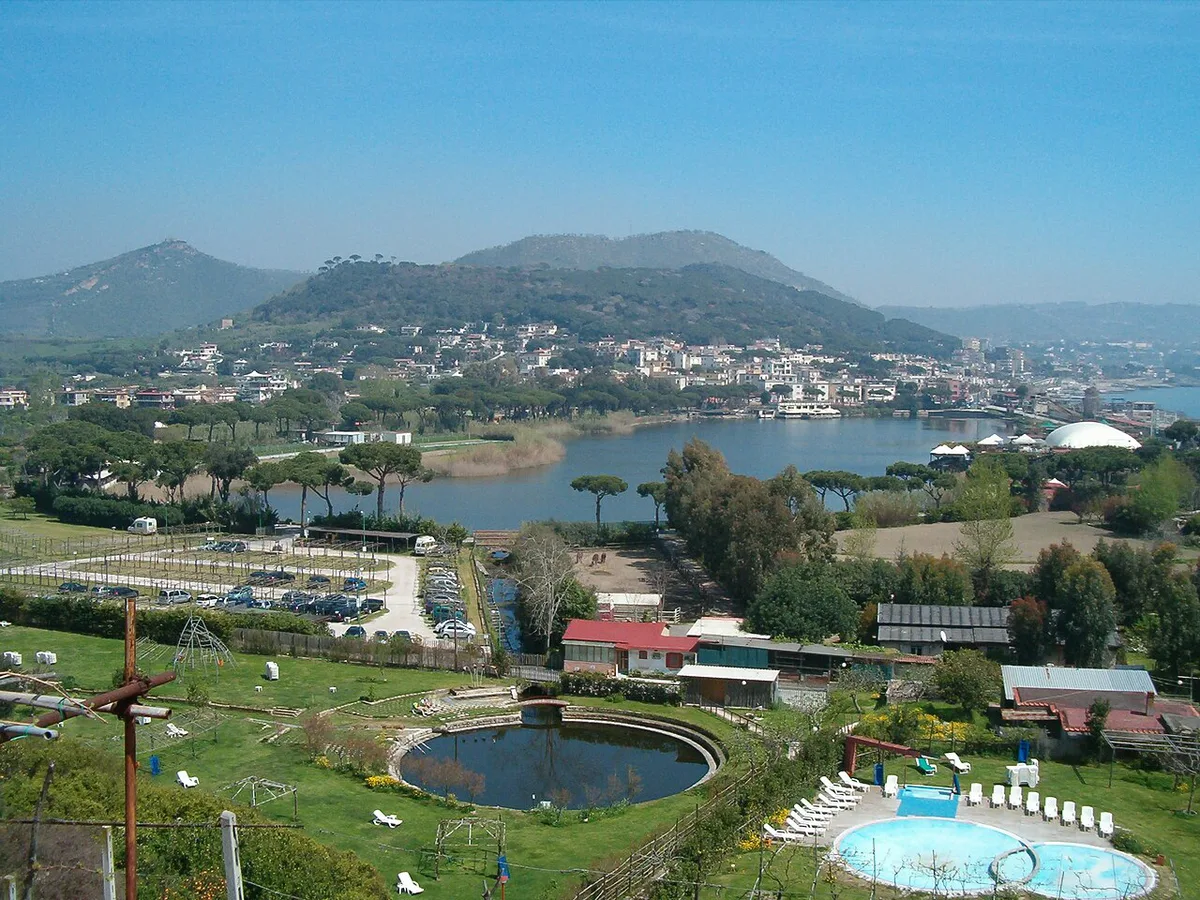
The link to Emperor Nero is traditional. The name is local tradition, not proof that Nero ever bathed here. For the documented Roman story of Baia, the Parco Archeologico dei Campi Flegrei is the authority. Our guide to Roman Baia covers the ruins themselves.
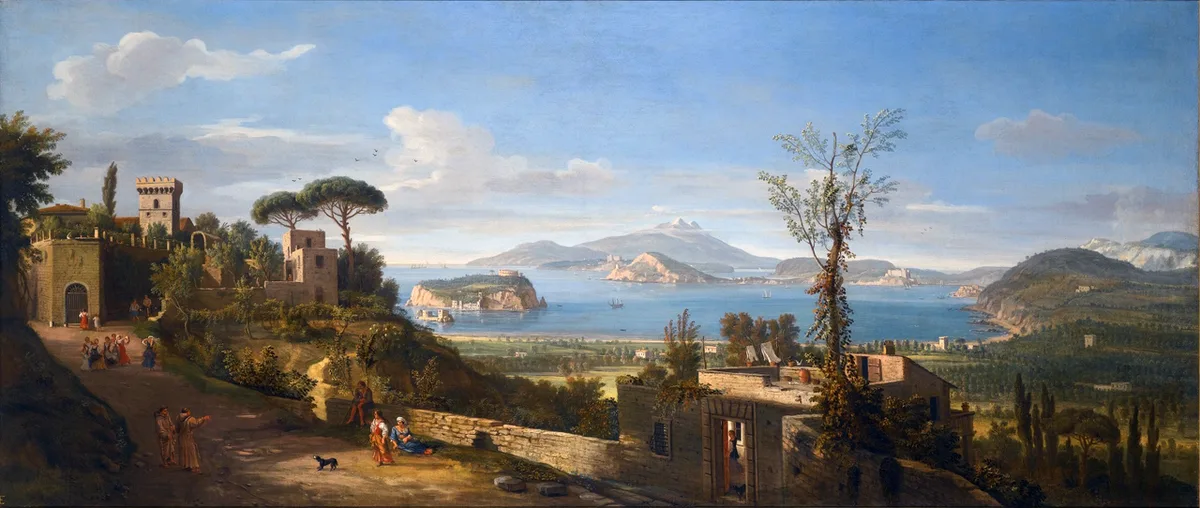
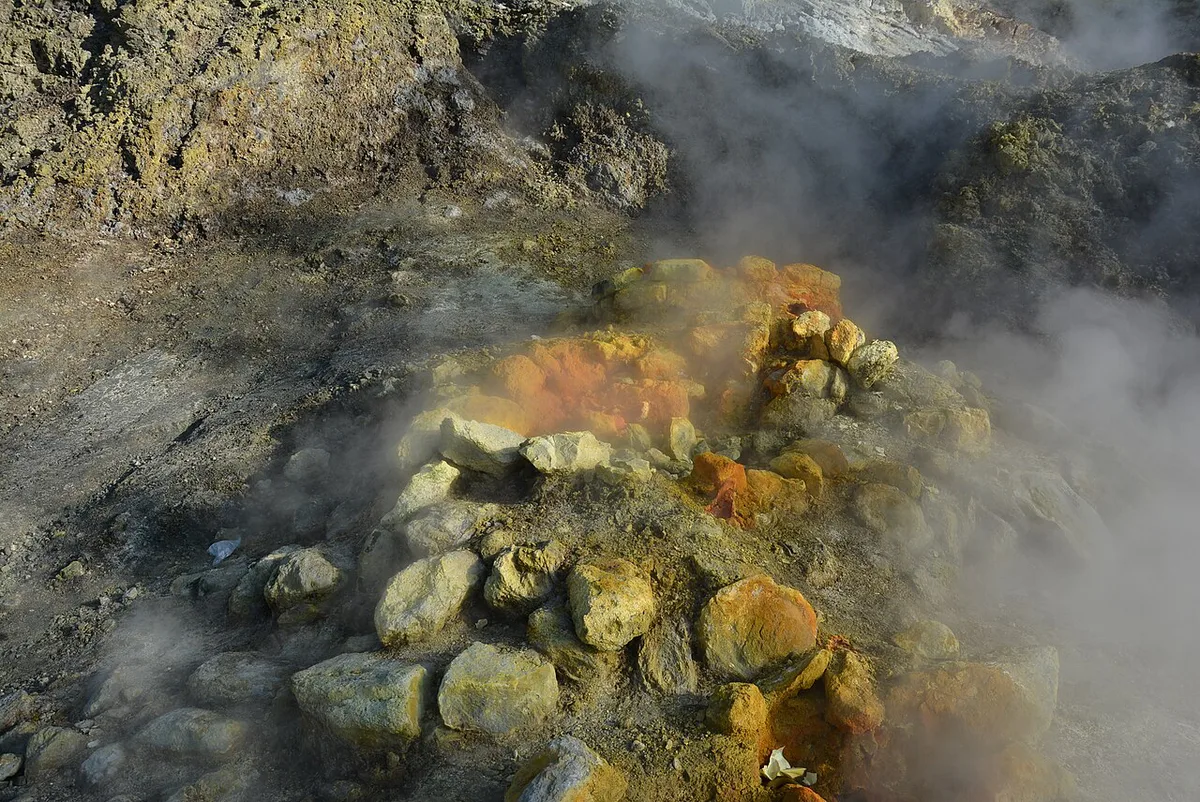
The water and steam are hot because the area sits on an active volcanic system. Bradyseism is the slow ground movement that defines this coast. INGV Osservatorio Vesuviano publishes the official monitoring of the area. For the geology behind the heat, read about what type of volcano Campi Flegrei is.
Where It Is and How to Get There
The spa's official address is Via Stufe di Nerone 37, 80070 Bacoli. Some social posts place it in Pozzuoli, but Bacoli is the municipality, and Pozzuoli is the next town along the coast.
- From Naples without a car: our guide to reaching Campi Flegrei from Naples lays out the rail and bus options.
- From Pozzuoli: the local trains and buses of EAV serve the Campi Flegrei coast, and the spa's own "Come arrivare" page gives the final approach.
- By car or taxi: parking is not confirmed here, so ask the spa when you book.
- To place the spa among other sights, use our Campi Flegrei Map: Where Sites Are & How to Visit.
What You Can Do There
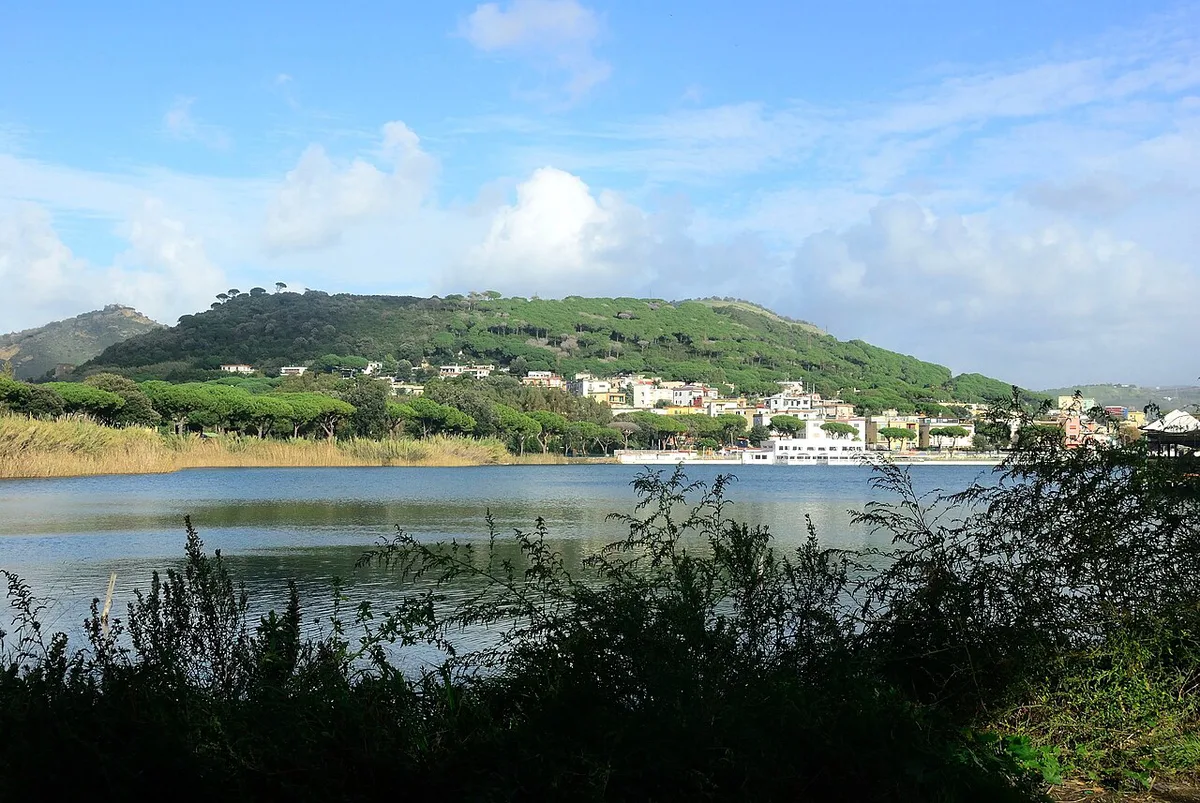
The spa's own site lists a thermal park, thermal pools and a natural sauna. Its thermal cures include antro-balneo therapy (treatment in a steam cave), inhalation cures and fangoterapia (mud therapy). A wellness centre offers massages and thermal cosmetics. A bistrot and aquagym in thermal water are listed too.
A first-time visitor can simply book entry and use the pools and sauna. Therapeutic cures are a different product and need a medical check. Ask the spa which cures suit your situation, and consult your own doctor if you have a heart, blood-pressure or skin condition.
Prices, Hours and Booking
The spa's "Orari e Prezzi" page is the only reliable source for entry prices, opening hours and subscriptions, and these change by season. Call +39 081 868 8006 or book through the spa's website, which also sells entry, treatments and subscriptions separately.
Call +39 081 868 8006 to book a plain entry, but ask the spa first if you want a therapeutic cure, which needs a medical check.
How Much Time to Plan and Who It Suits
Plan around the spa, not around a checklist. A short soak suits a tight schedule, while a full day lets you alternate pool, sauna and rest. The table compares three ways to spend a Campi Flegrei day.
| Day type | Time | Effort | Best for |
|---|---|---|---|
| Spa day | Half to full day | Low | Rest, couples, rainy weather |
| Ruin-focused day | Full day | High, lots of walking | History and volcanic landscapes |
| Combined day | Full day | Medium | Visitors wanting both, with a late spa finish |
- Skip it if you want Roman ruins or volcanic landscapes as your main goal.
- Skip it if you have medical contraindications to heat, and ask a doctor first.
- Skip it if you are short on time, since a rushed soak wastes the point.
Pairing Stufe di Nerone with Campi Flegrei Sightseeing
Morning sightseeing followed by an afternoon soak works best. Start at the Castle of Baia and its archaeological museum, then walk Roman Baia. The Baia Underwater Park: Visit Baiae's Sunken Roman City adds a second Roman layer. Heat after a hot walk can be tiring, so keep the spa for last.
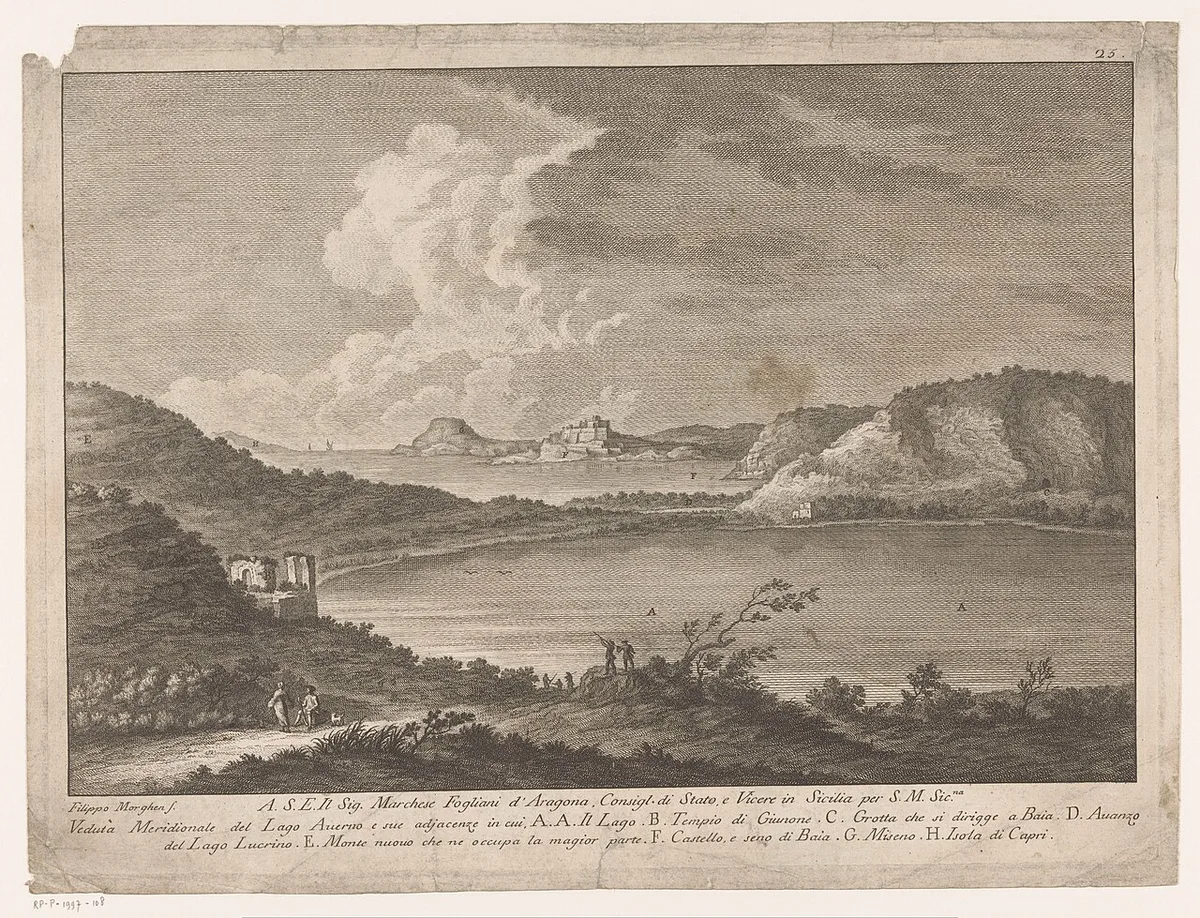
For a longer trip, Cumae and Lake Avernus: Myth, Volcano and How to Visit are nearby and fit a separate day. In Pozzuoli, Rione Terra, Pozzuoli: Visiting the Buried Roman Quarter and the Piscina Mirabilis Bacoli: Tickets, Hours & How to Visit make another half day. The Campi Flegrei hub links every option.
First-Visit Tips
Bring swimwear, a towel, flip-flops and a swim cap, and read the spa's "Regolamento" for age and sauna rules. Check the "Prima volta" page before you arrive. Book ahead in busy periods. Ignore promotional dates on the website when planning, since offers are seasonal. Keep heavy meals and alcohol for after the thermal session.
Thermal Treatments and Rehabilitation: Ask Before Booking
The spa lists post-Covid rehabilitation alongside inhalation cures, mud therapy and antro-balneo treatments. These are therapeutic services, not the same as a casual thermal-pool visit. Ask the spa which service is appropriate before reserving a treatment.
For current requirements, contact Terme Stufe di Nerone directly at +39 081 868 8006. The official address is Via Stufe di Nerone 37, 80070 Bacoli, which helps distinguish the venue from nearby Pozzuoli listings. Bring any relevant medical information when asking about a course of treatments.
Heat, steam and mineral water can suit some visitors poorly. Speak with a doctor first if you have a heart, blood-pressure, respiratory or skin condition. The spa can explain its procedures, but it cannot replace individual medical advice.