Campi Flegrei Eruption: Risk, Alerts and Visiting
Last updated November 2026. A Campi Flegrei eruption is not something travelers can rule in or out from a blog post, so this guide points you to the official monitors. The area is in a monitored state of unrest, and the last eruption here was in 1538. Read on for the history, the alert system and a practical decision guide for visiting from Naples.
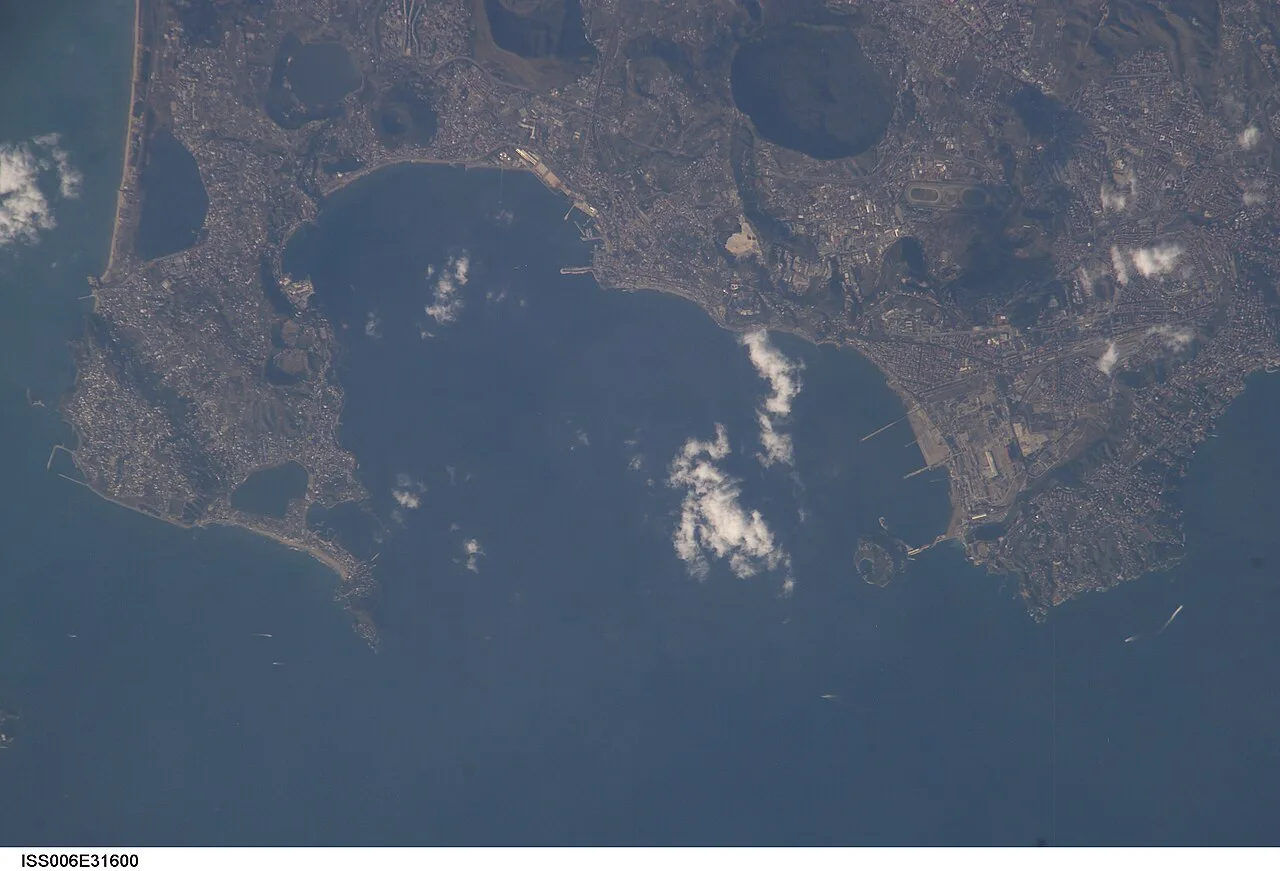
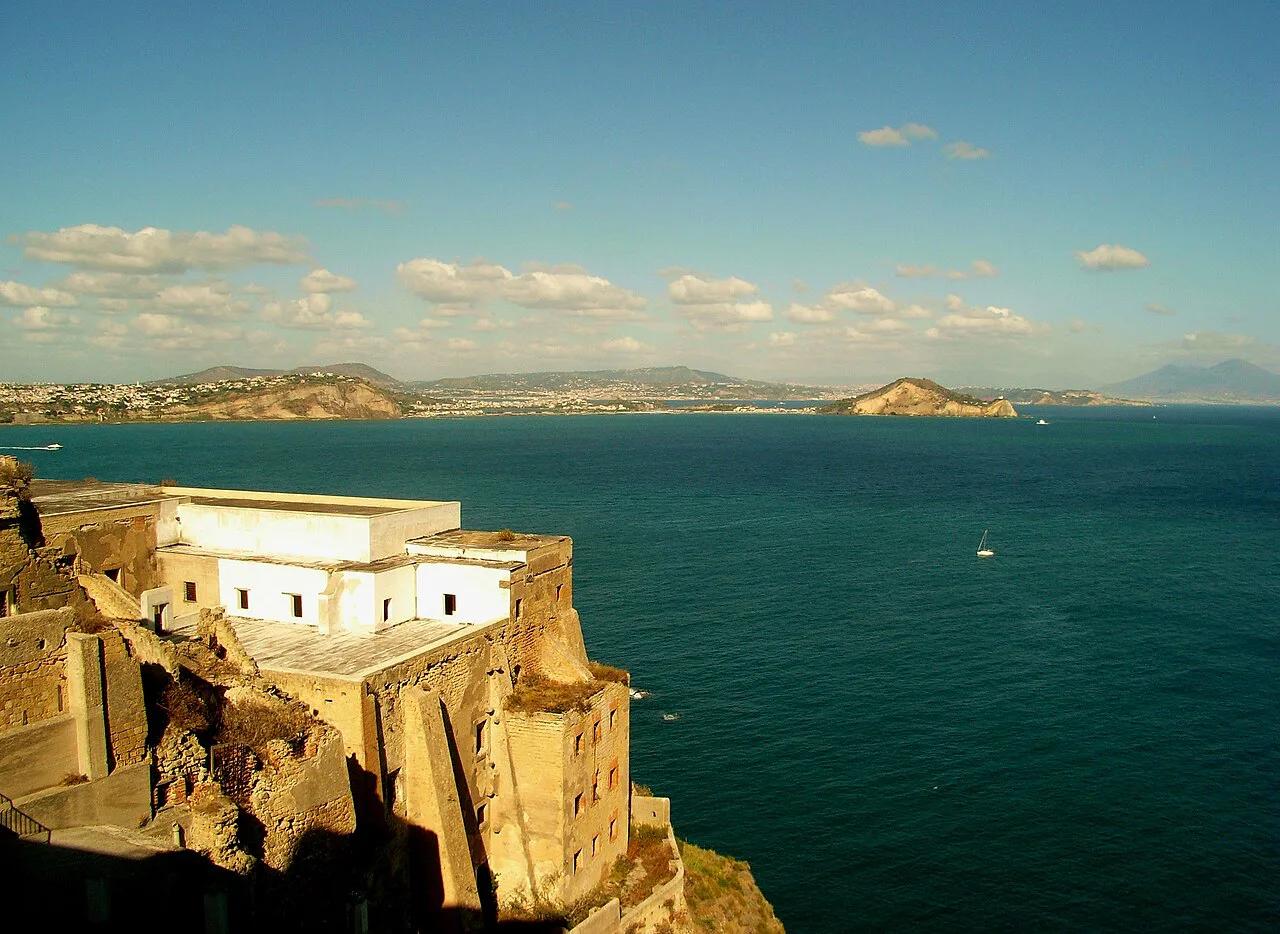
Featured image: Gerd Fahrenhorst, Public domain, via Wikimedia Commons.
Will Campi Flegrei Erupt? The Short Answer
No official source cited here predicts an imminent eruption. Italian scientists describe the area as being in unrest, which means the ground moves and small quakes occur, and that state is watched around the clock. INGV Osservatorio Vesuviano publishes the monitoring data, and the national civil protection service sets the alert level. Unrest does not always lead to an eruption, and scientists cannot give a date for one. Our Campi Flegrei guide covers the wider area. Read the current alert level and latest bulletin on the official sites before you book, because both change faster than any article.
What Is Happening Under Campi Flegrei
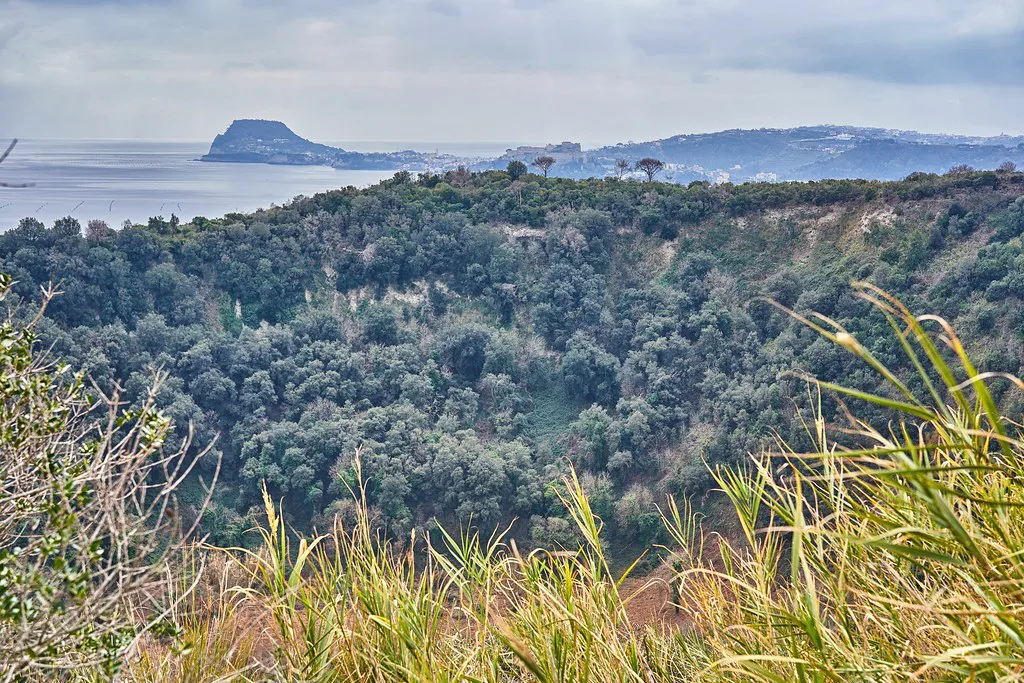
Two processes define the unrest: slow ground uplift and frequent small earthquakes. The uplift is called bradyseism, and it raises and lowers the ground over years. A 2023 Guardian report quoted the observatory director saying the volcano had been in unrest for 11 years. It also noted that Pozzuoli had risen by almost 4 meters, roughly 13 feet, since the 1950s. At that time about 600 quakes a month were being recorded. Those are 2023 figures, not current ones, and the trend has continued to be reported since. The same director said an eruption would also need magma, which he described as deep. Researchers at INGV and University College London found that uplift and tremors are cumulative. Their study appeared in Communications Earth & Environment. Current uplift rates, quake counts and gas readings are in the INGV bulletins.
Campi Flegrei Eruption History: From the Caldera to Monte Nuovo in 1538
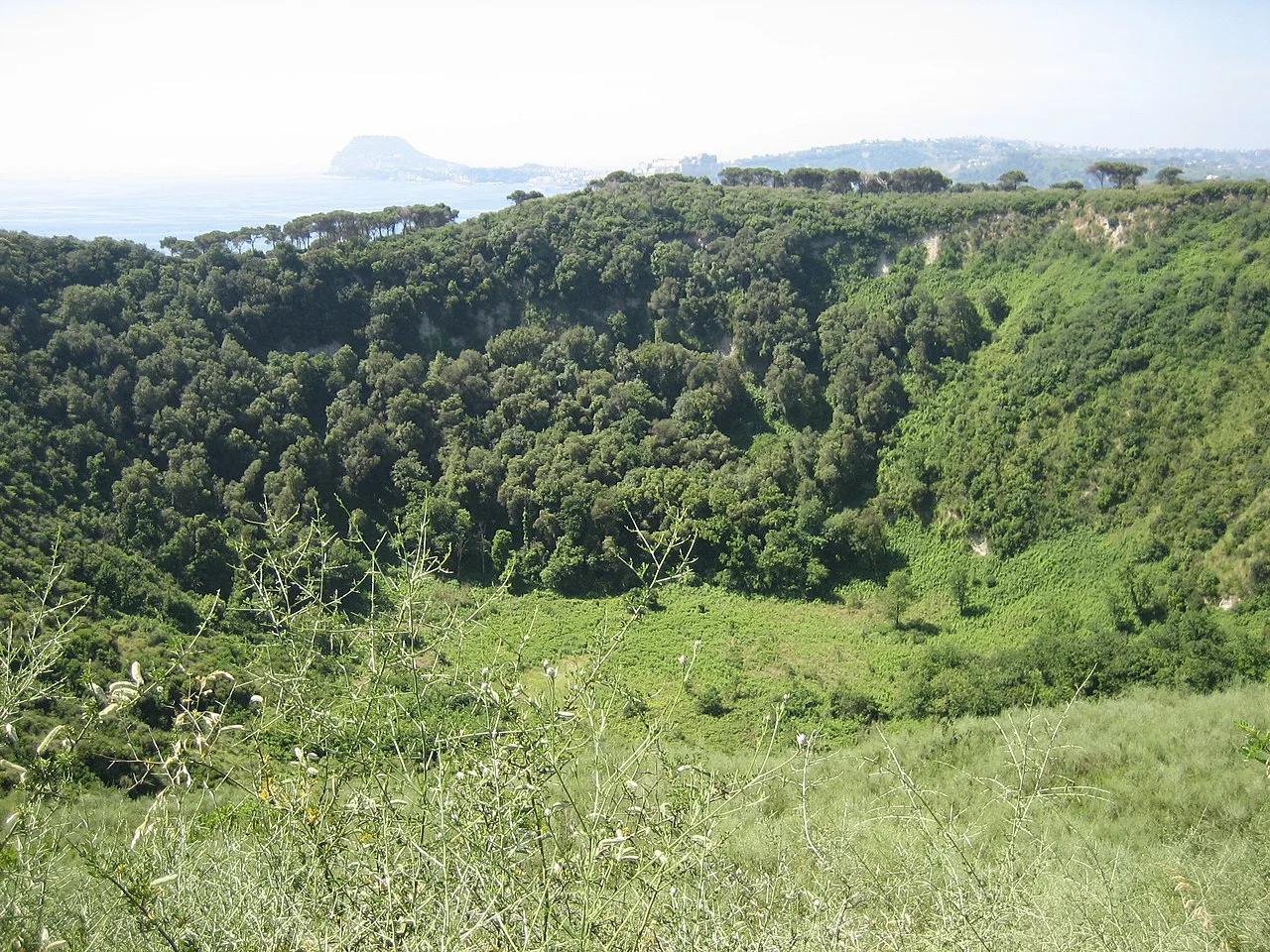
Campi Flegrei is a caldera about 7 miles long, formed roughly 39,000 years ago after a very large eruption emptied the magma chamber. Later eruptions were much smaller. They built the low hills and craters that dot the coast west of Naples. The most recent was in 1538, when Monte Nuovo: Europe's Newest Mountain and How to Visit rose beside the Gulf of Pozzuoli. Nothing since then has been an eruption, although the ground has risen and fallen repeatedly. The last time Pozzuoli was evacuated was 1983, during an uplift episode, and no eruption followed. That event is why the observatory in Naples was set up to watch the area. For the deeper background, read our guides to the supervolcano label and to the type of volcano it is.
What an Eruption Could Look Like
Scientists who study the area expect a future eruption to be small, not a repeat of the caldera-forming event. University College London professor Christopher Kilburn told the Guardian in 2023 that an eruption in the near future would more likely build a hill like those along the shore. He said it would not be the size that created the original caldera. A small eruption would still be serious in a densely built area. Evacuation across narrow, traffic-clogged streets is the main concern the observatory director raised. Many homes in Pozzuoli were also poorly built and would not withstand strong shaking. That is why the term "supervolcano" can mislead: it describes the deep past, while planning focuses on a local, hill-sized event.
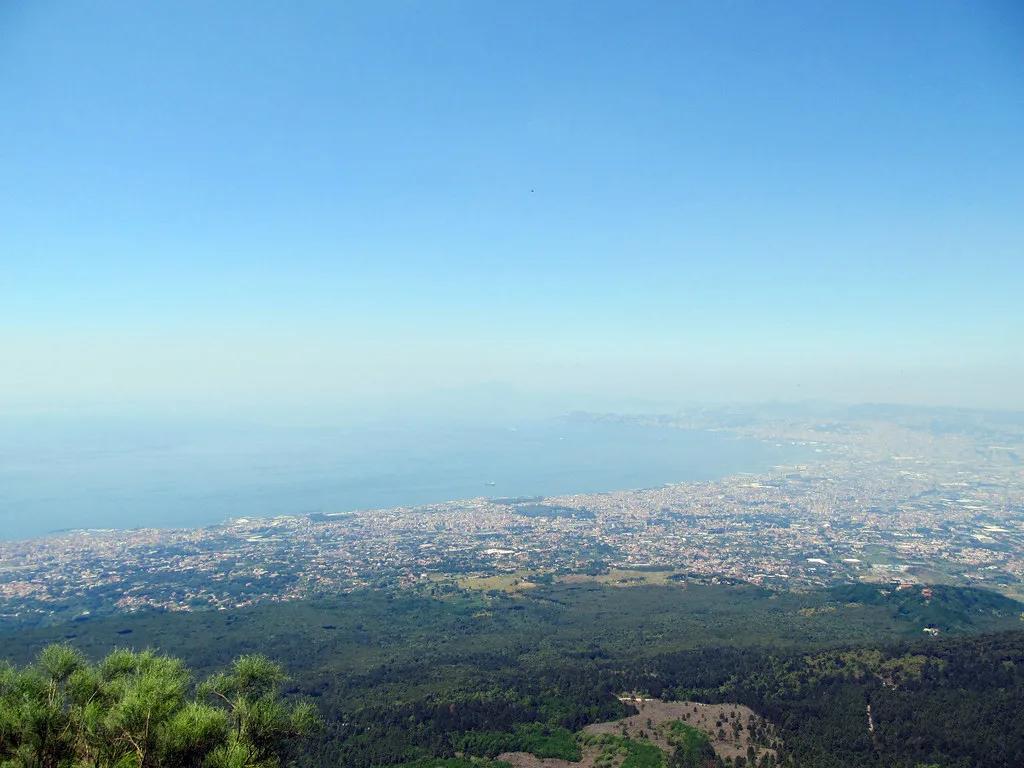
With at least 360,000 people living across the most at-risk hubs, even a small eruption would strain evacuation on narrow streets.
The Red Zone, Alert Levels and Evacuation Plan
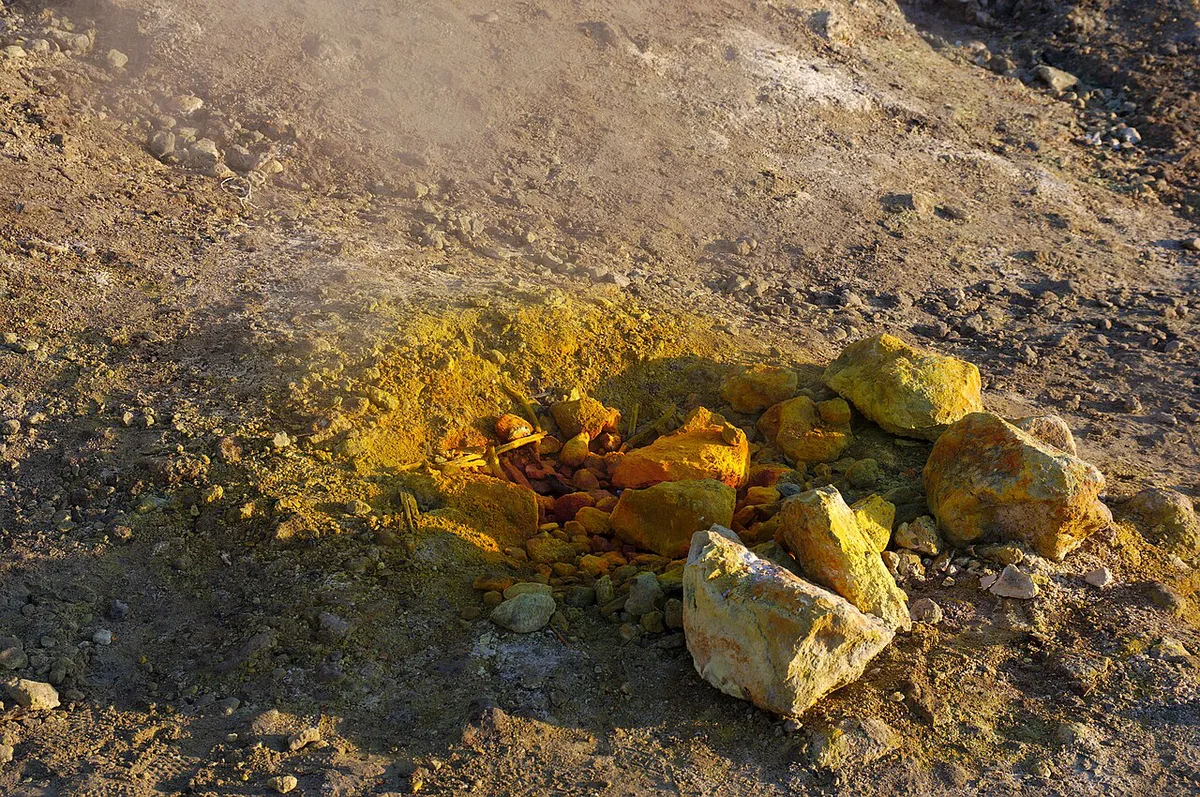
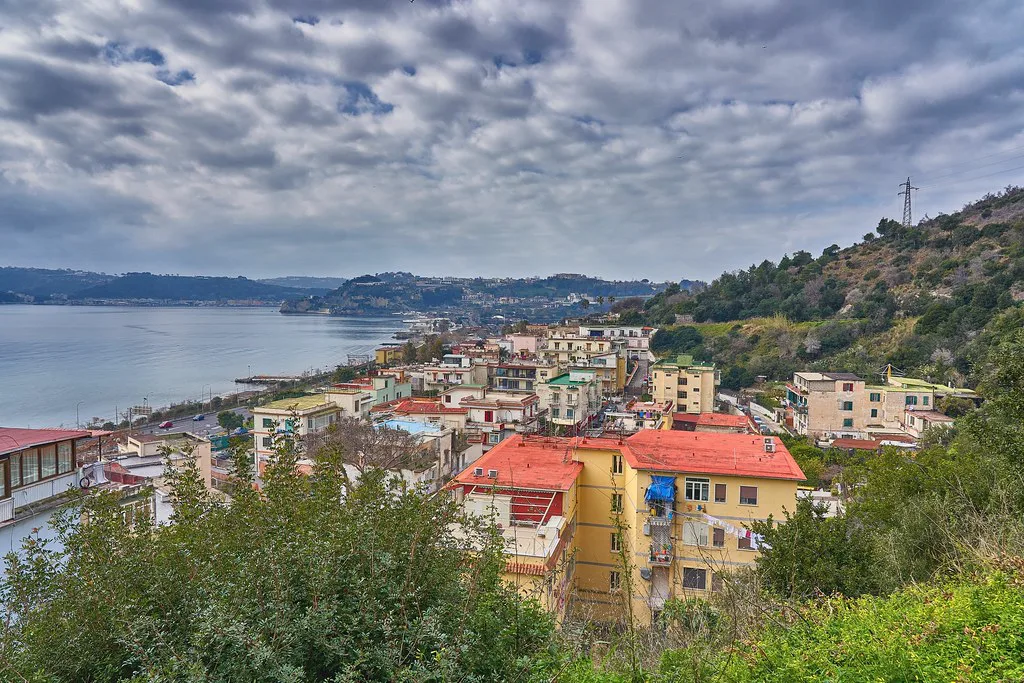
Italy's civil protection service divides the area into a red zone, where the risk is highest. The zone covers seven inhabited areas, including Pozzuoli and part of Naples, and at least 360,000 people live across the most at-risk hubs. Four alert levels exist: green, yellow, orange and red. The 2023 reports put the area on yellow. Read the current level on the Protezione Civile site, because it can change. The evacuation plan is designed to move residents out within 3 days, using private cars, buses, trains and boats. Evacuation drills are held regularly. Italian-language notices are the official version, so use a translation tool if needed.
Is It Safe to Visit? Decision Guide for Travelers
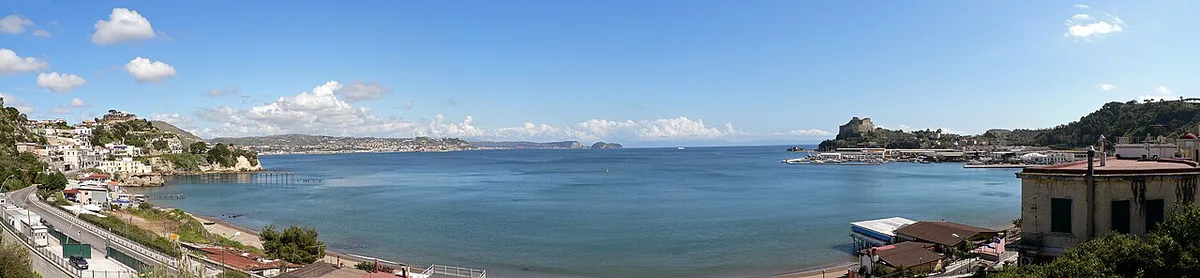
No article can call a destination safe or unsafe, so use the criteria below with the current official status. Day visitors face a different exposure from people sleeping in the red zone. Building quality matters most for overnight stays, because shaking is the most likely local effect.

| Scenario | Risk consideration | Practical step |
|---|---|---|
| Day trip from Naples | Short exposure; sites may close at short notice | Check site notices on the morning of the trip |
| Overnight in Pozzuoli or Baia | Inside the red zone; building quality varies | Ask the host about the building and the nearest evacuation route |
| Mobility-limited traveler | Evacuation relies on narrow, busy roads | Stay near a main road or station and read the municipal plan |
| Family with children | Quakes can be felt and unsettling | Agree on a meeting point and a plan for shaking |
| Long stay | Longer exposure to any change in alert level | Register for local alerts if offered and read the policy wording |
- Read the current alert level on the Protezione Civile site.
- Look at the latest INGV bulletin for quakes and uplift.
- Check which archaeological sites and parks are open.
- Learn the nearest evacuation route from your accommodation.
- Read your travel-insurance wording on volcanic and seismic events.
- Mistake to avoid: relying on social video for status, assuming every site is open, or ignoring Italian-language notices.
Sites and Areas Affected by Unrest
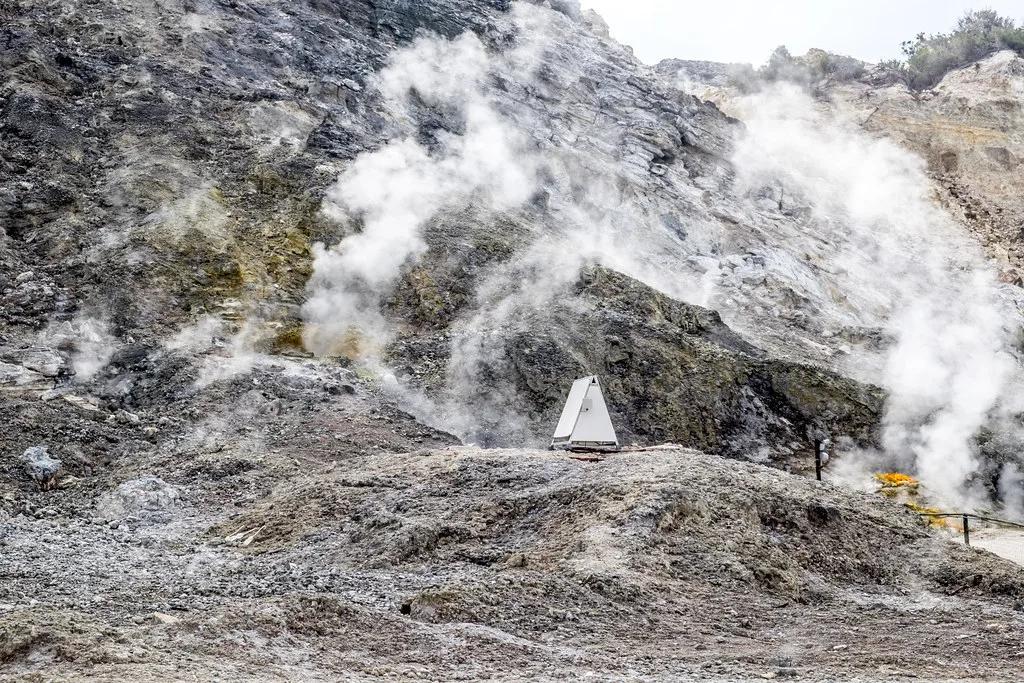
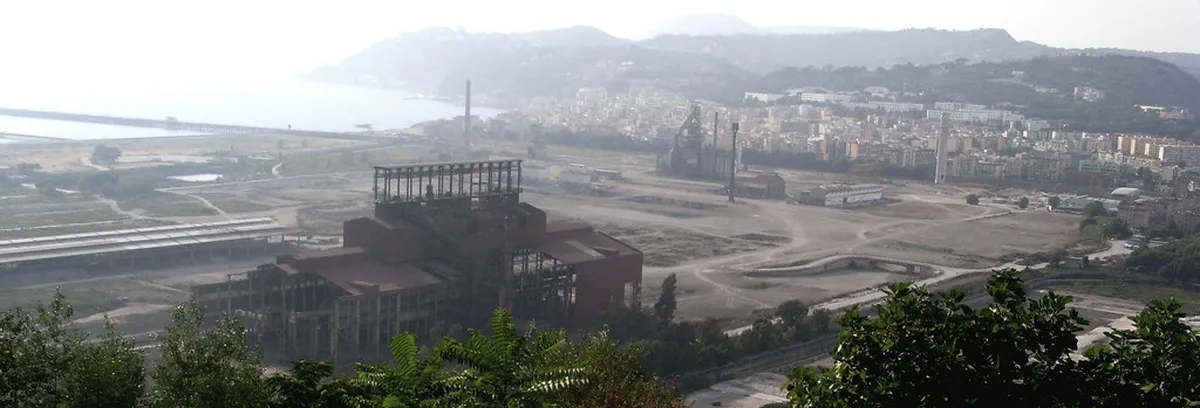
Solfatara has been closed to the public since 2017. An 11-year-old boy and his parents died there after slipping into the crater. Read the Solfatara page for background on the crater. Other places depend on current notices, so use the official channels for each. Pozzuoli is the town most affected by uplift, and Rione Terra, Pozzuoli: Visiting the Buried Roman Quarter sits on its waterfront. The Flavian Amphitheater and the Stufe di Nerone Spa, Bacoli: Visitor Guide & Tips are also in the area. The Parco Archeologico dei Campi Flegrei lists opening status for its sites, which include Baia and Cumae. Our pages on Baia, the underwater park and Cumae give visiting context.
Where to Stay and How to Get Around
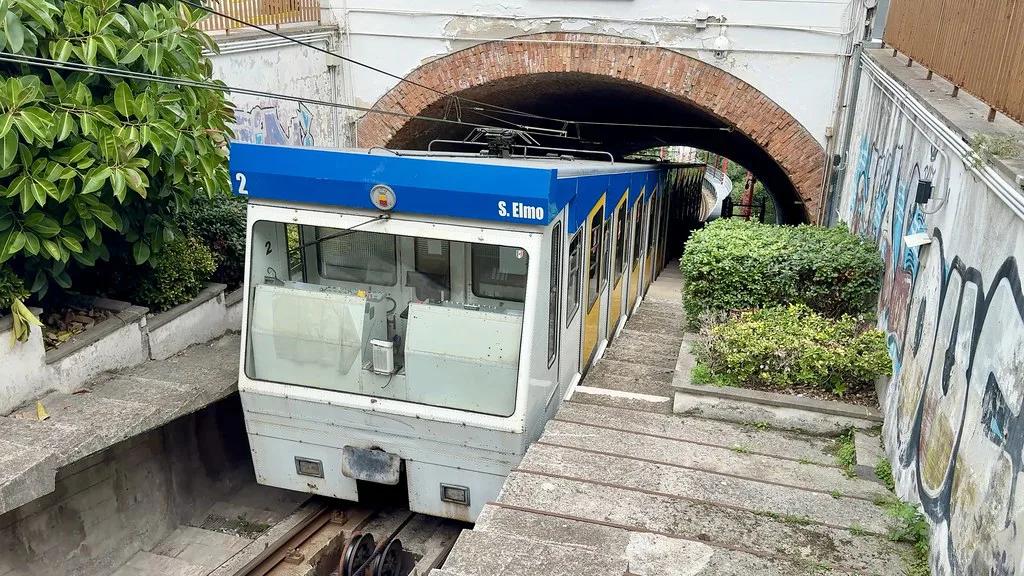
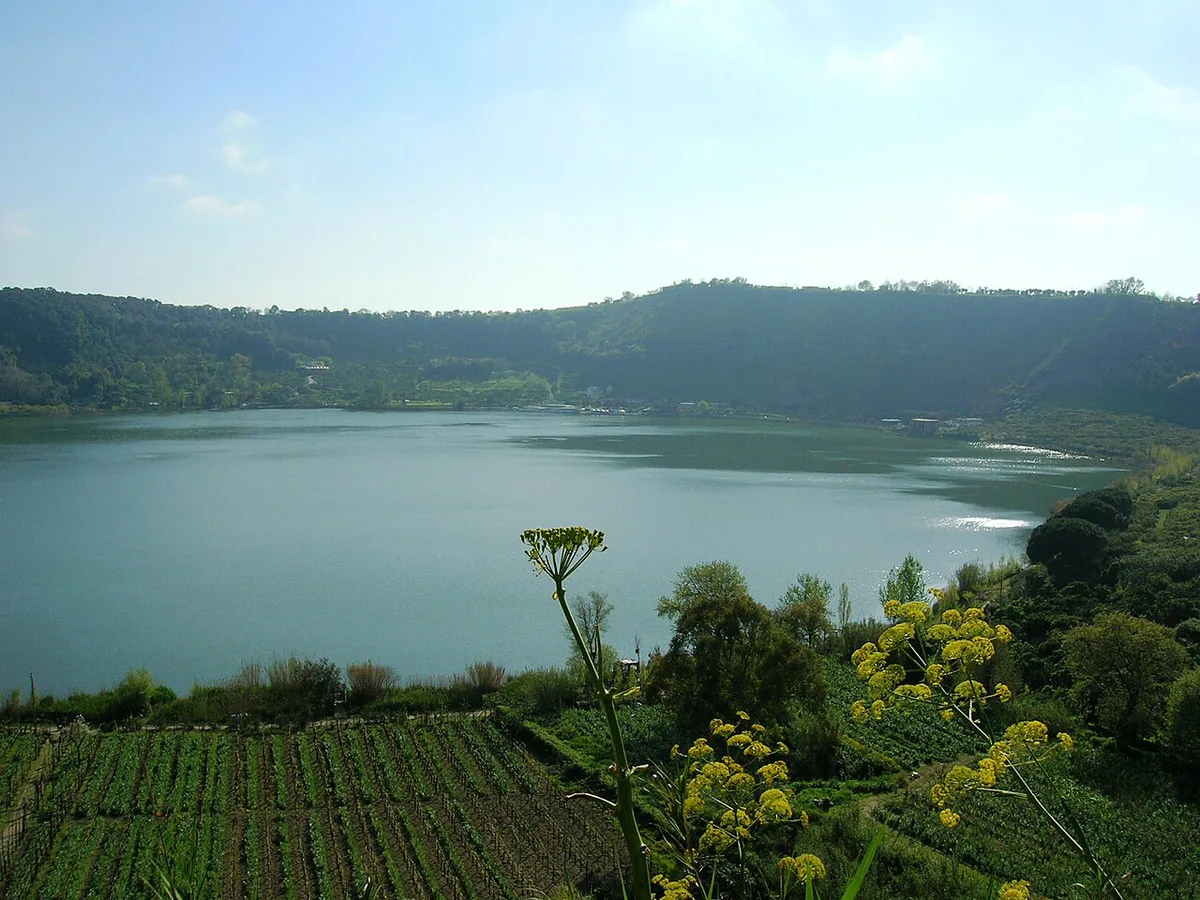
Staying in Naples keeps you outside most of the red zone. Parts of Naples are inside it, so ask your host about the building and area. Day visitors can reach the Phlegraean sites by rail or road from the city. Our route guide from Naples lays out the options. EAV publishes timetables for the regional rail lines serving the area. Use the Campi Flegrei Map: Where Sites Are & How to Visit to plan a day around two or three sites. Sleeping in Pozzuoli or Baia puts you closer to the coast, and the trade-off is a longer exposure inside the zone.
Compare any bed in the zone with the plan's target to move residents out within 3 days, using private cars, buses, trains and boats.
Where to Follow Official Updates
Use three sources in this order. First, the INGV Osservatorio Vesuviano bulletins report quakes, uplift and gas. Second, the civil protection pages show the alert level and the evacuation plan. Third, the Comune di Pozzuoli posts local notices and closures. Return to our Campi Flegrei hub for the sites worth planning around. Social video and aggregator sites often use alarming headlines, so treat them as leads, not as status.
Frequently Asked Questions
What type of volcano is Campi Flegrei?
Campi Flegrei is a caldera, a large depression formed after an eruption emptied the magma chamber about 39,000 years ago. It has no single cone like Vesuvius. Our guide to the volcano type explains the difference.
Is there an active volcano right now in Italy?
Campi Flegrei is in a monitored state of unrest, but it is not erupting according to official sources. Vesuvius is also monitored by INGV. See our Campi Flegrei and Vesuvius comparison for how they differ. Read the INGV bulletins for the current status.