6 Canary Islands Volcanoes to Visit: Where to Go and How to Choose
Last updated November 2026: the Canary Islands volcanoes most worth a visit sit on Tenerife, Lanzarote, La Palma and El Hierro, with easier self-paced options on Gran Canaria and Fuerteventura. Rule of thumb: pick Tenerife for a summit, Lanzarote for a guided lava-field tour and La Palma for hiking. Our guide compares all six islands, then adds a comparison table, a time plan and links to the island spokes.
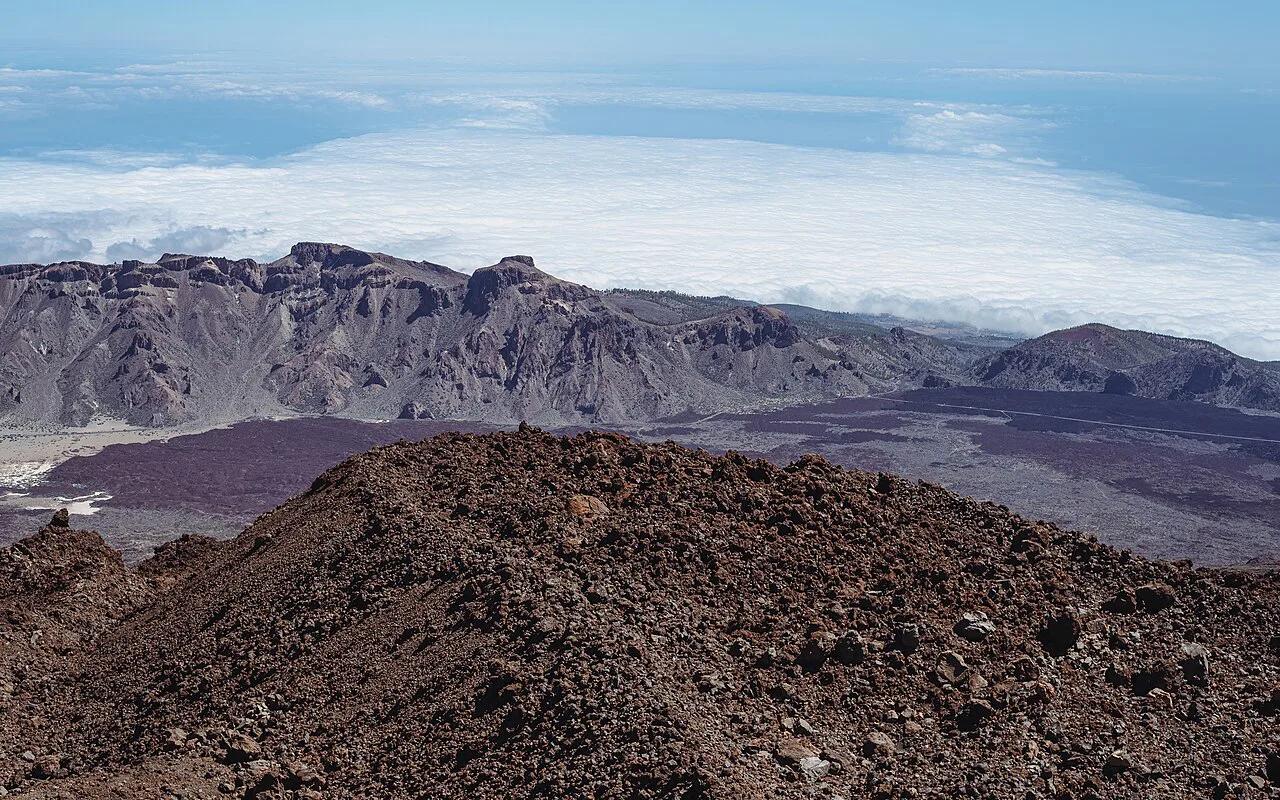
Featured image: Flocci Nivis, CC BY-SA 4.0, via Wikimedia Commons.
6 Canary Islands Volcanoes Worth Visiting, Island by Island
Each stop below fits one visit style: a summit you ride up, a landscape you tour, or a caldera you hike. Permits, trail closures and tour rules change, so check the linked official pages before you book. The other Atlantic volcanic archipelago in this guide is Portugal's Azores; our Azores volcanoes guide covers its craters and lakes.
1. Teide, Tenerife: the summit you can ride toward
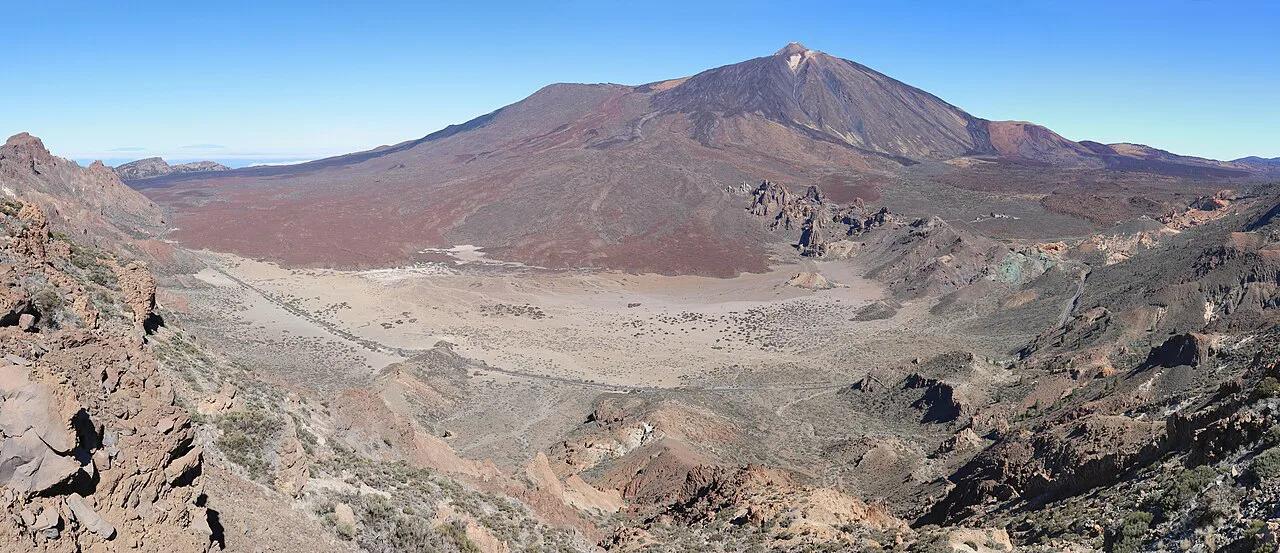
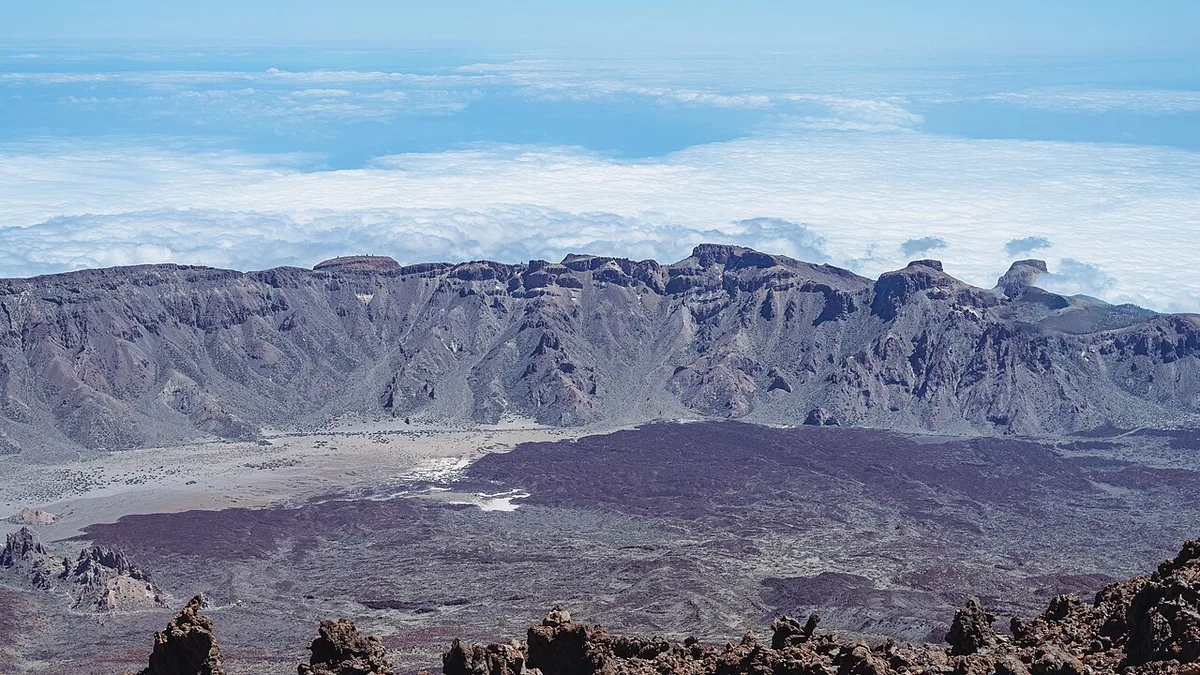
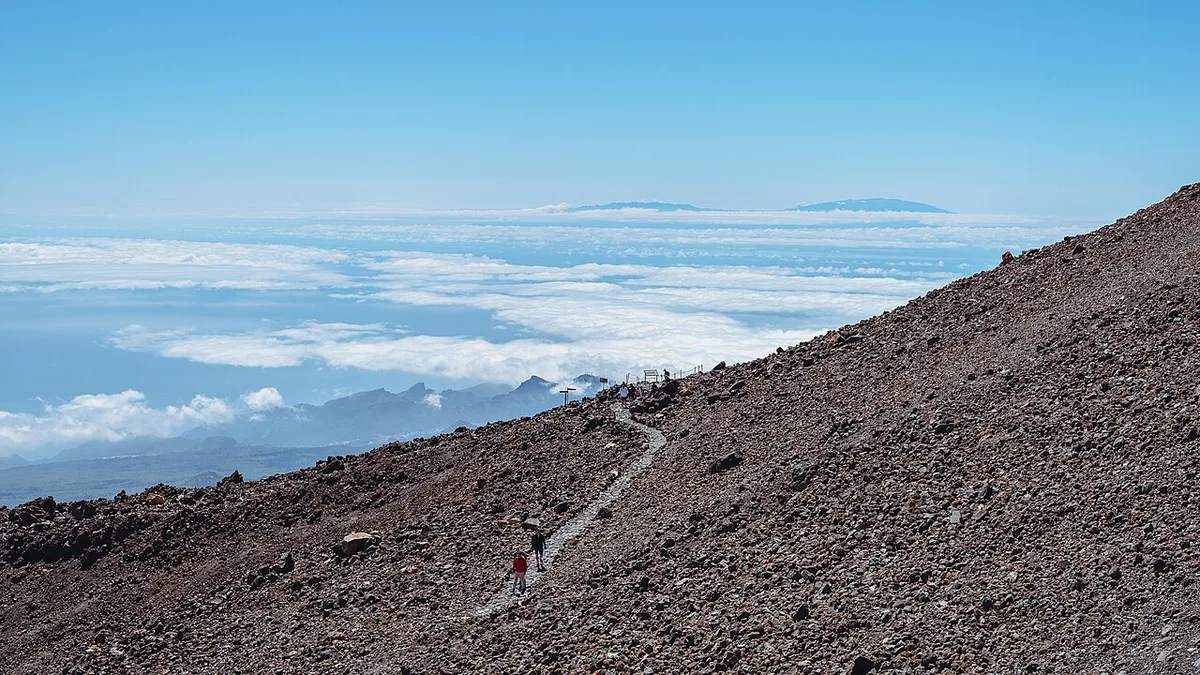
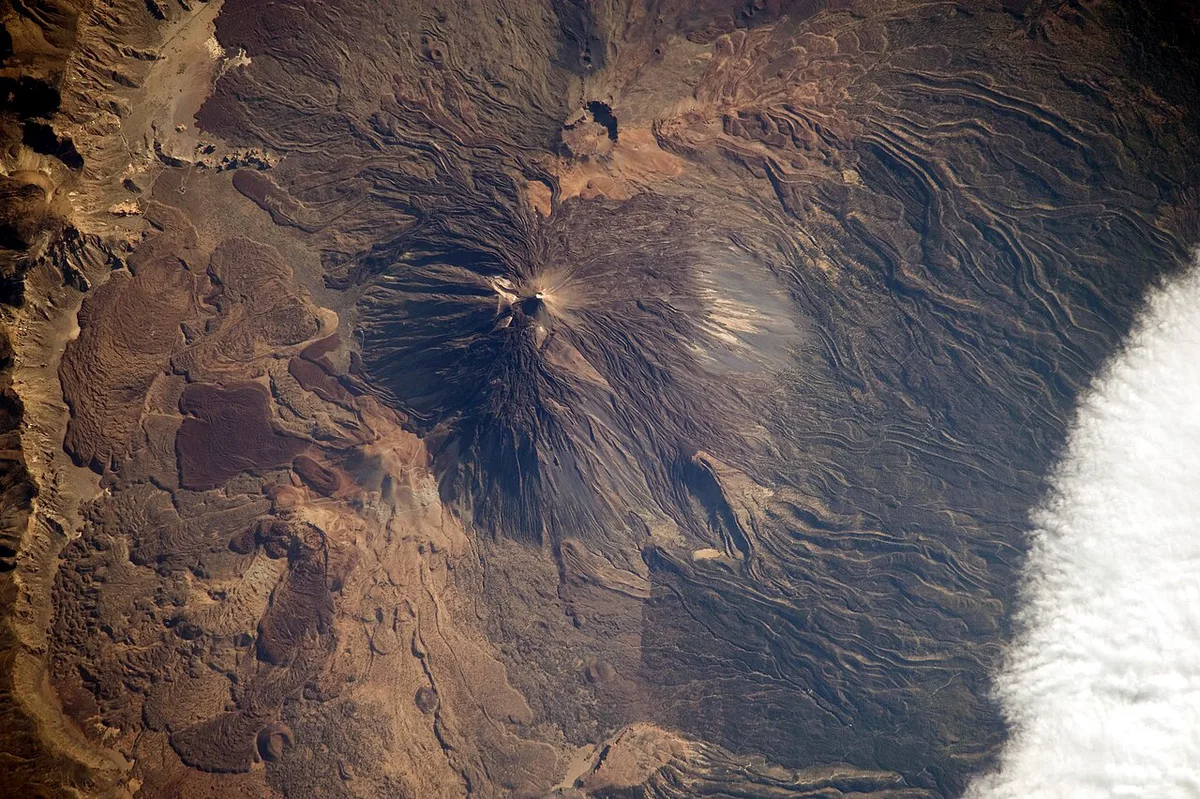
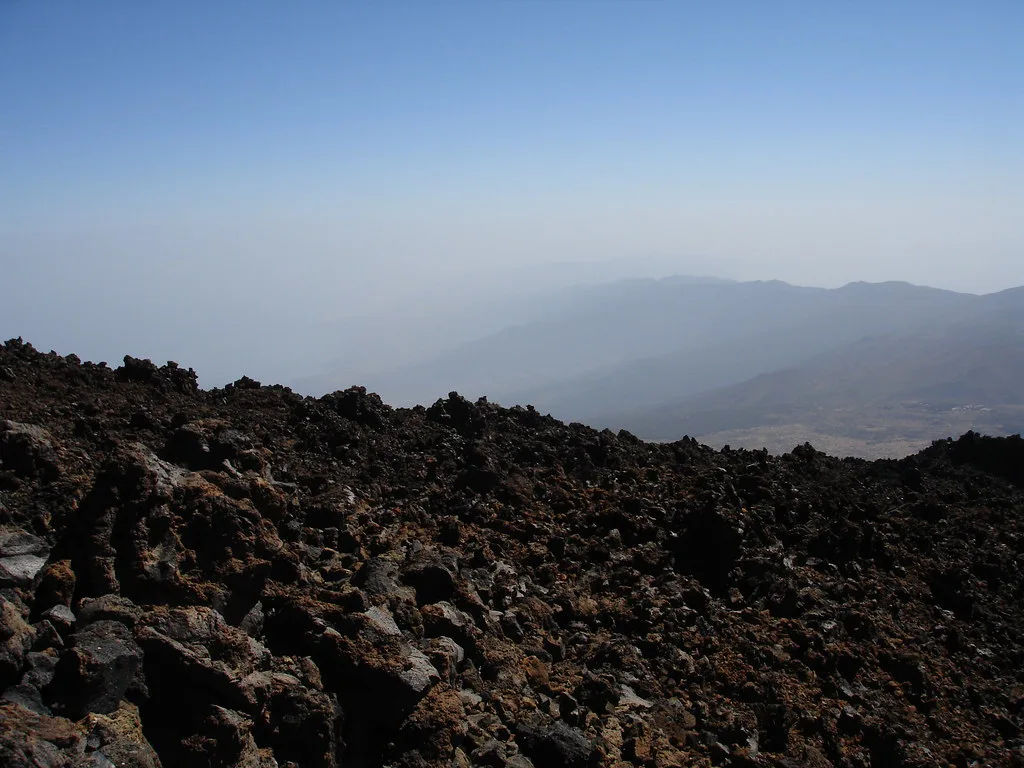
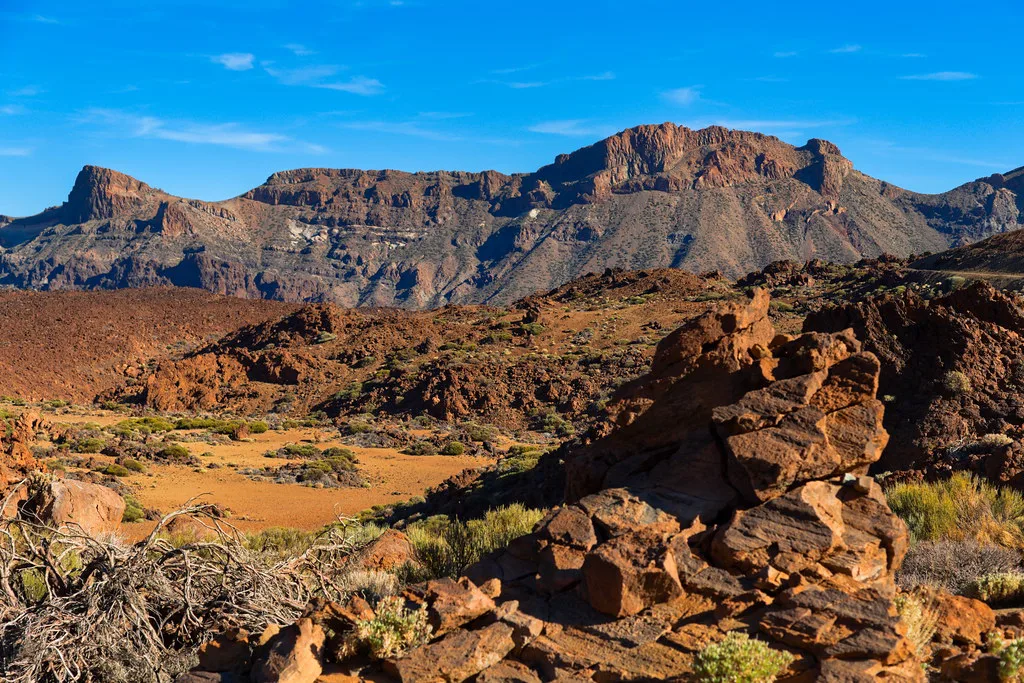
Teide anchors Teide National Park and is Spain's highest peak. Three visit styles exist: ride the cable car toward the top, hike a trail, or stay on the crater-floor roads and viewpoints of Las Cañadas. Reaching the summit crater itself needs a permit from the national park authority, so reserve before you travel.
Tenerife's last eruption was in 1909, and the slopes are still monitored. Allow a full day from the main resorts and carry warm layers, because wind and cold arrive with altitude. Skip the cable car if heights or altitude bother you, and choose the park-floor viewpoints instead.
2. Timanfaya, Lanzarote: the guided lava-field tour
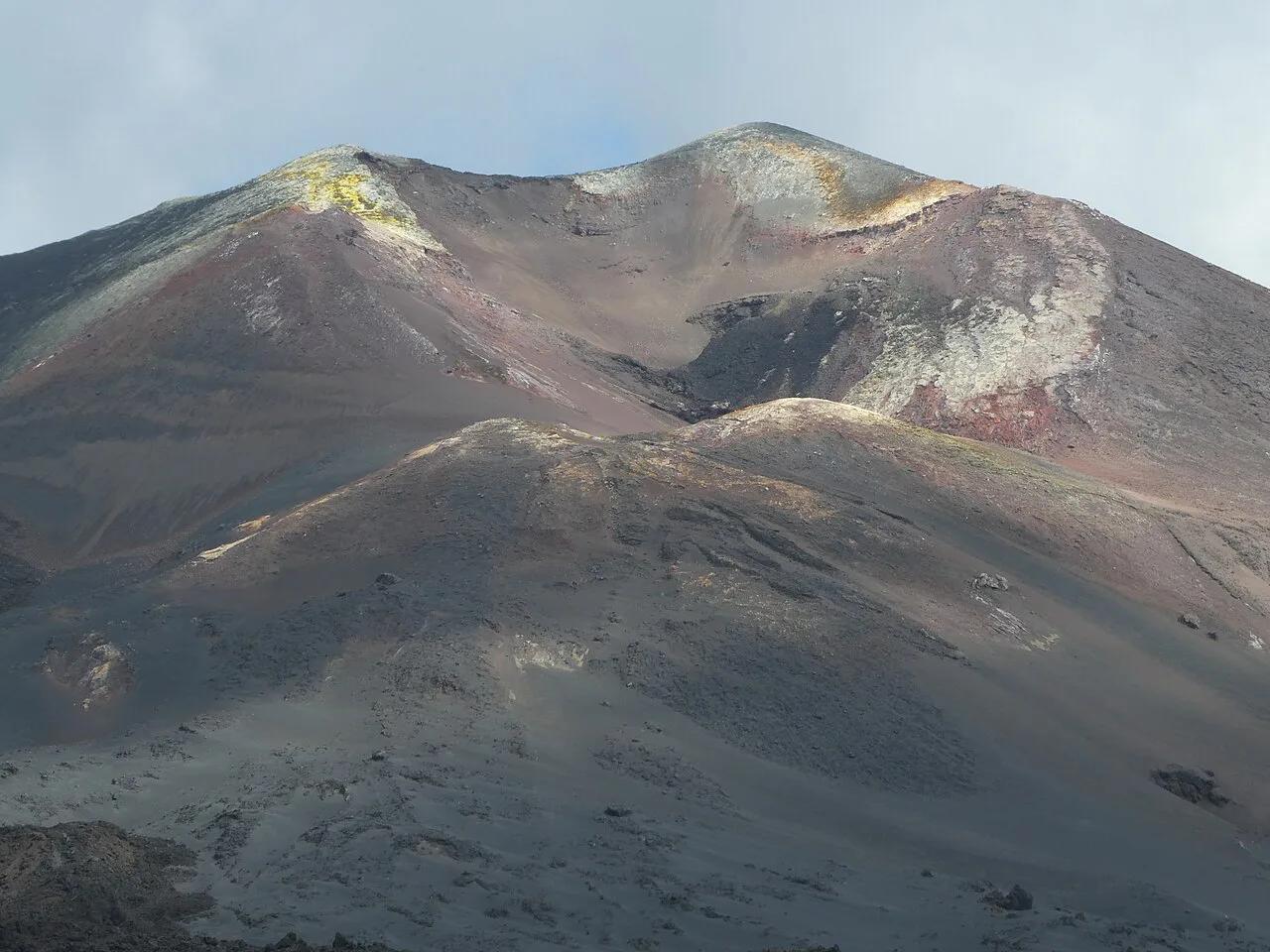
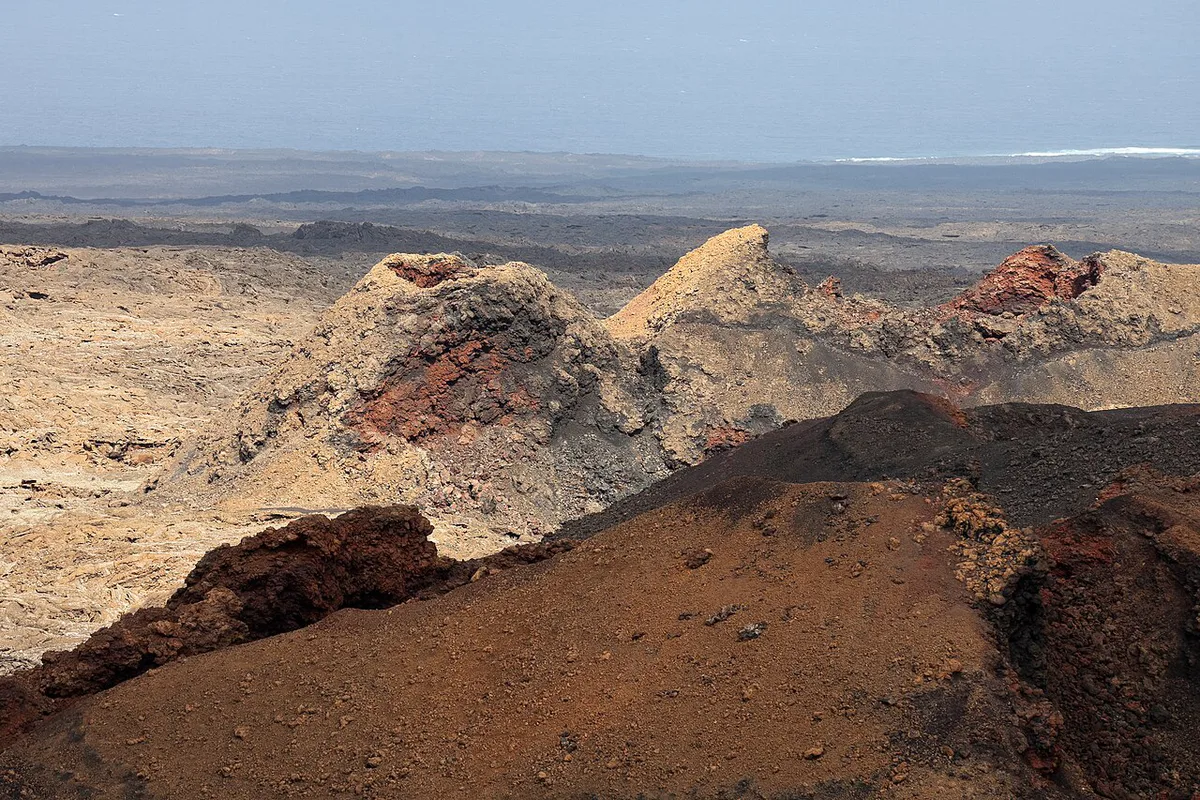
Timanfaya National Park preserves lava fields and cones left by a series of eruptions in the 18th century. Access runs through guided tours, so a bus follows a set route and you do not choose where to stop. Guides show geothermal demonstrations that reveal heat still rising from below the surface.
Plan half a day, including the drive from your resort area. Lanzarote suits drivers best, since a rental car links the park with the island's other lava landscapes. Skip it if you want to roam freely on foot, and choose the self-paced cone walks of Fuerteventura instead.
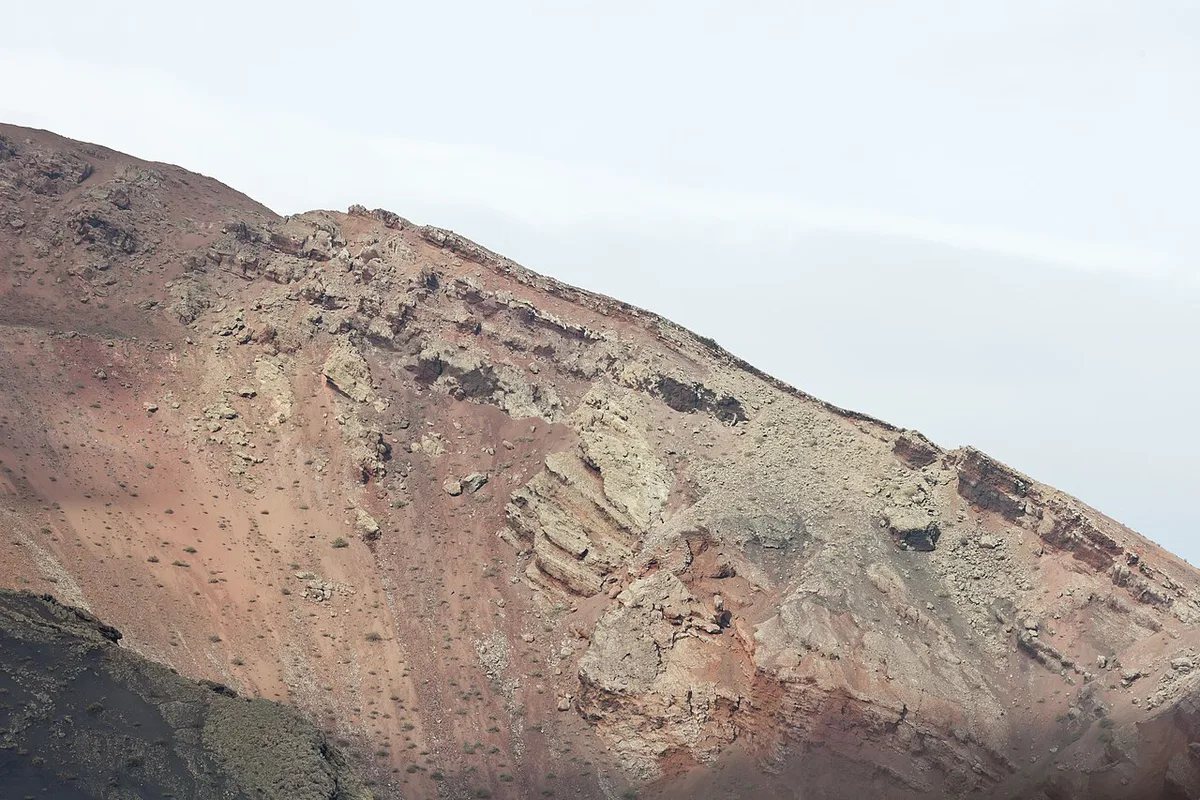
3. Caldera de Taburiente and Cumbre Vieja, La Palma: the hiking island
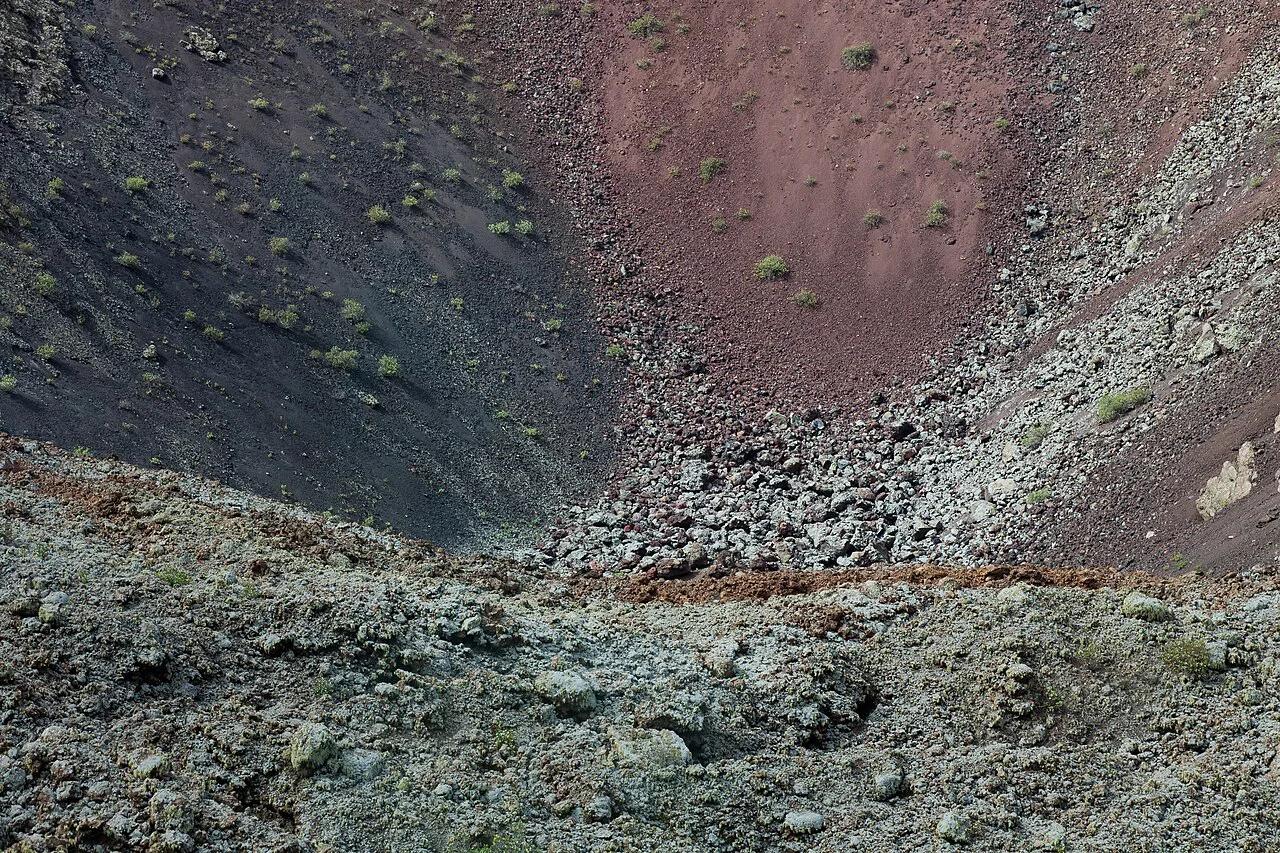
La Palma offers two volcanic experiences: the Caldera de Taburiente and the Cumbre Vieja eruption zone. Caldera de Taburiente National Park is an erosional caldera rather than a classic crater, carved over millennia into an amphitheater of forest, waterfalls and viewpoints. Hiking is the main activity, and trail access depends on park rules and weather closures.
Cumbre Vieja erupted in 2021, and the new lava fields are now part of the island's visitable landscape. Check INVOLCAN's monitoring updates for current activity before you set out. Skip La Palma if you only want a one-day stop, because the hikes reward a longer stay.
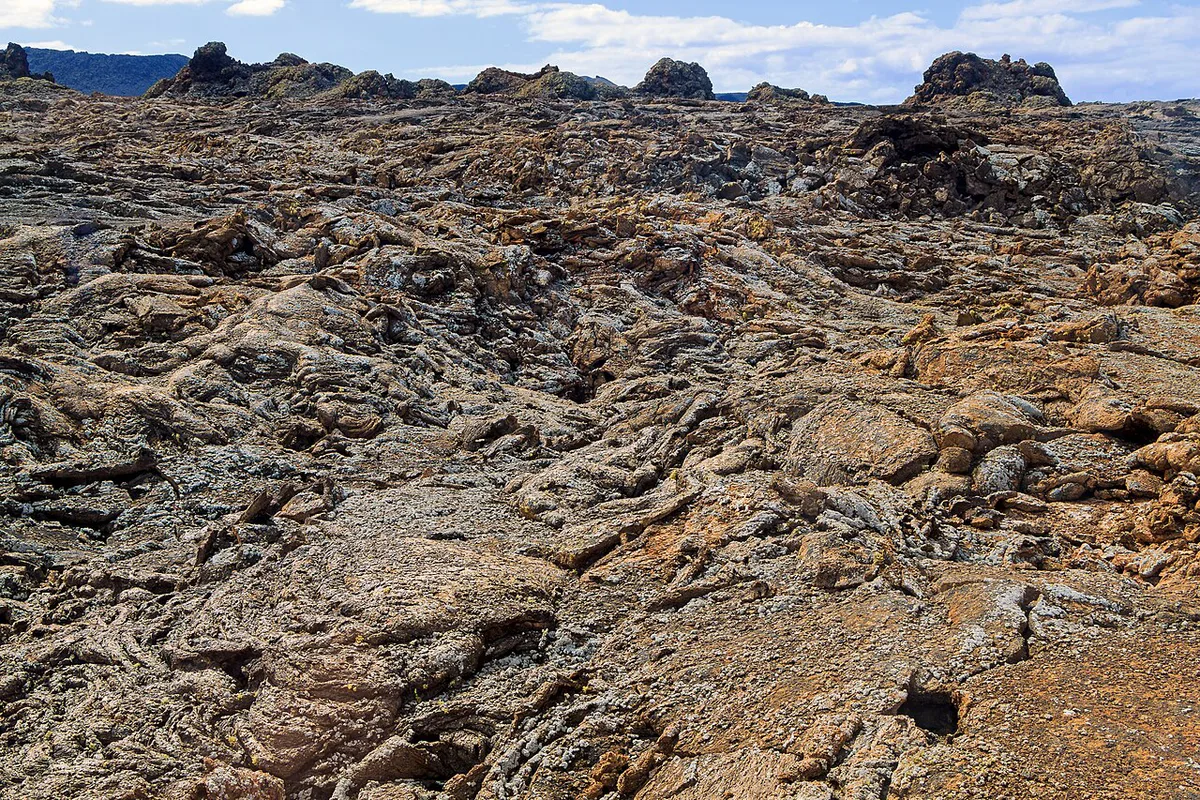
4. El Hierro and Tagoro: remote and low-crowd
El Hierro is remote and quiet, and reaching it takes a ferry or flight from another island. Offshore, the Tagoro submarine volcano erupted from late 2011 into 2012 and built a new cone on the seabed. That eruption happened underwater, so land visits focus on the island's rugged volcanic coastline.
Allow at least one night, because transfers eat the first and last day. Skip El Hierro if you only have 3 days, since the transfers would take most of your time.
5. Gran Canaria: short volcanic stops by car
Gran Canaria suits short, self-paced stops from the resort areas. Expect cones, craters and rock formations reachable by rental car or tour.
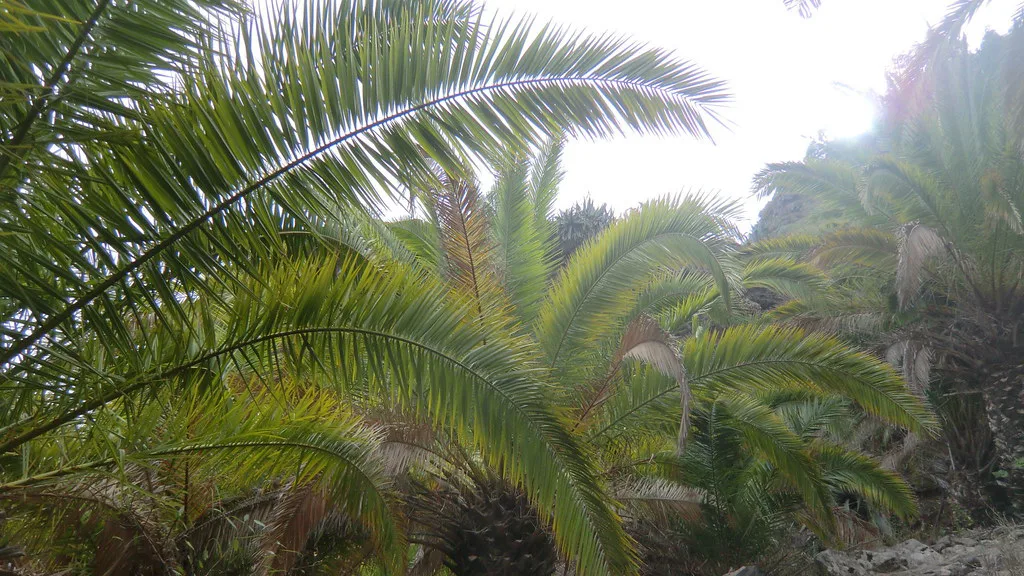
Our guide to Gran Canaria's volcanic landscapes names each stop with access notes. Skip it as your main volcano trip if you want a national-park summit or a guided lava tour, because Tenerife and Lanzarote deliver those.
6. Fuerteventura: quiet cones and lava coast
Fuerteventura offers uncrowded volcanic cones and lava-shaped coastline, mostly walked at your own pace. Our guide to Fuerteventura's volcanic cones covers where to walk and what to expect.
The island's official tourism site lists current trail and access information. Skip it if you want ticketed infrastructure such as a cable car or a staffed visitor tour.
Canary Islands Volcanoes Compared at a Glance
This table sorts the six islands by visit style, time and access. Costs are relative, because ticketing and permit rules sit with each park authority.
| Island | Main volcanic site | How you visit | Time needed | Access caveat | Best for |
|---|---|---|---|---|---|
| Tenerife | Teide and Las Cañadas | Cable car, trail or viewpoints | Full day | Summit permit; wind and altitude | First-time summit seekers |
| Lanzarote | Timanfaya | Guided bus tour | Half day | Tour-only route | Drivers who want lava fields |
| La Palma | Caldera de Taburiente, Cumbre Vieja | Caldera hikes, lava-field walks | 1 to 2 days | Trail closures; check activity | Hikers |
| El Hierro | Tagoro and volcanic coast | Coastal drives and walks | 1 night or more | Ferry or flight needed | Quiet trips |
| Gran Canaria | Cones and craters | Short drives and walks | Half day per stop | Varies by site | Flexible day trips |
| Fuerteventura | Volcanic cones and lava coast | Self-paced walks | Half day | Few staffed facilities | Uncrowded walking |
How to Plan Your Time Across the Islands
With 3 days, stay on one island: Tenerife for Teide, or Lanzarote for Timanfaya. With 5 days, add La Palma for a caldera hike, and accept one inter-island transfer. Island-hopping across more than two of the seven main islands loses a day to every transfer. Pick a base island near your main site and rent a car there. See where each site sits on our map of volcanic sites. A side trip to La Gomera adds another volcanic note, such as its rock monolith, and La Gomera's tourism board covers access.
Costs, Tickets and Booking
Free sites include open viewpoints and most self-guided trails. Ticketed options include the Teide cable car and the Timanfaya bus tour. Teide's summit permit needs advance reservation. Prices change by season, so read current fares on the operator and park authority pages before you book. La Palma and Fuerteventura cost the least in entry fees, while El Hierro costs most in transfers.
Safety, Weather and Volcanic Activity Updates
Check INVOLCAN for activity status before any trip. Trails close for wind, rain or volcanic reasons without much notice. Altitude on Teide brings cold and wind even on warm coast days. Carry water, layers and a printed route. Active monitoring does not mean danger: the last eruption on Tenerife was in 1909.
Mistakes to Avoid
Do not assume every site is walk-in, because Timanfaya is guided and Teide's summit needs a permit. Do not underestimate inter-island travel, since a ferry or flight can consume half a day. Do not ignore weather at altitude, and do not skip the official alert pages.
Frequently Asked Questions
Are there active volcanoes in Lanzarote?
Timanfaya's eruptions date to the 18th century, but heat still rises from below the surface, which is why guides run geothermal demonstrations. For current status, check INVOLCAN's updates.
Is it safe to go to Gran Canaria at the moment?
Check official travel advisories and INVOLCAN for current volcanic status before you travel. Our Gran Canaria volcano guide covers access to each stop.
Explore More Guides
Keep planning your trip with these guides.