Largest Volcano in Europe: Mount Etna (and What 'Largest' Means)
Last updated November 2026: the largest volcano in Europe is usually named as Mount Etna, on the east coast of Sicily, Italy. Other measures give other answers, because "largest" can mean most active, highest or widest. This guide defines each term, then explains how to visit Etna with realistic expectations.
Featured image: Flocci Nivis, CC BY-SA 4.0, via Wikimedia Commons.
The Short Answer: Mount Etna
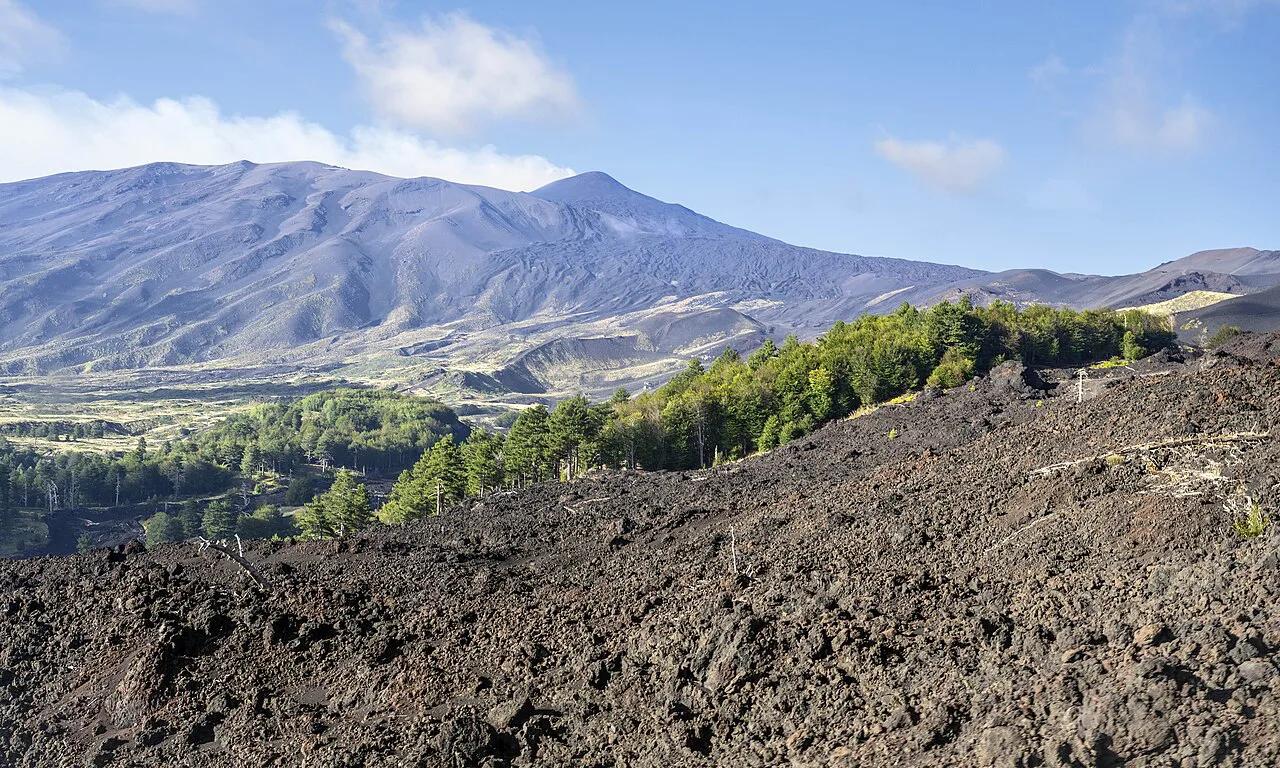
Mount Etna is generally cited as Europe's largest active volcano. It covers about 459 square miles (1,190 km²) and has a base circumference of about 87 miles (140 km). Its summit stands near 11,165 ft (3,403 m), but that figure changes as craters collapse and rebuild. Scientific monitoring data are published by INGV's Etna observatory in Catania.
- Location: east coast of Sicily, Italy, in the Metropolitan City of Catania
- Type: polygenic stratovolcano built by at least two overlapping volcanic structures
- Setting: above the boundary between the African and Eurasian plates
- Status: UNESCO World Heritage Site since June 2013 and a United Nations Decade Volcano
What "Largest" Means: Active, Highest, Area
Search results mix several different questions under one phrase. Etna wins on active volcano size and on footprint, with its area of about 459 square miles. Height is a separate contest, and Etna's summit moves with every major eruption. Our guide to the Highest Volcano in Europe: Etna vs Other Contenders covers the height question in full.
| Measure | Likely answer | Caveat |
|---|---|---|
| Largest active volcano | Mount Etna, Sicily | Widely cited; INGV holds the scientific data |
| Largest by area | Mount Etna, about 459 sq mi (1,190 km²) | Area figures differ depending on how the base is drawn |
| Highest summit | Depends on the Europe boundary | Etna's summit height changes with crater activity |
| Any volcano, Iceland or Caucasus included | Depends on definition | Counting these regions changes the ranking |
Etna by the Numbers
Etna's summit area has four principal craters: Voragine, Bocca Nuova, the Southeast Crater complex and the Northeast Crater. The Northeast Crater formed in 1911 and is currently the highest point. Roughly 900,000 people live in zones considered at potential risk, which is why the United Nations named it a Decade Volcano. The Etna Natural Park was established in 1987. Inside it, the Valle del Bove is a huge open depression on the eastern slope. It formed when the flank collapsed about 8,000 years ago.
- Area: about 459 sq mi (1,190 km²)
- Base circumference: about 87 miles (140 km)
- Summit: about 11,165 ft (3,403 m), variable
- People in potential-risk zones: about 900,000
- UNESCO inscription: June 2013
Why Etna Is So Active
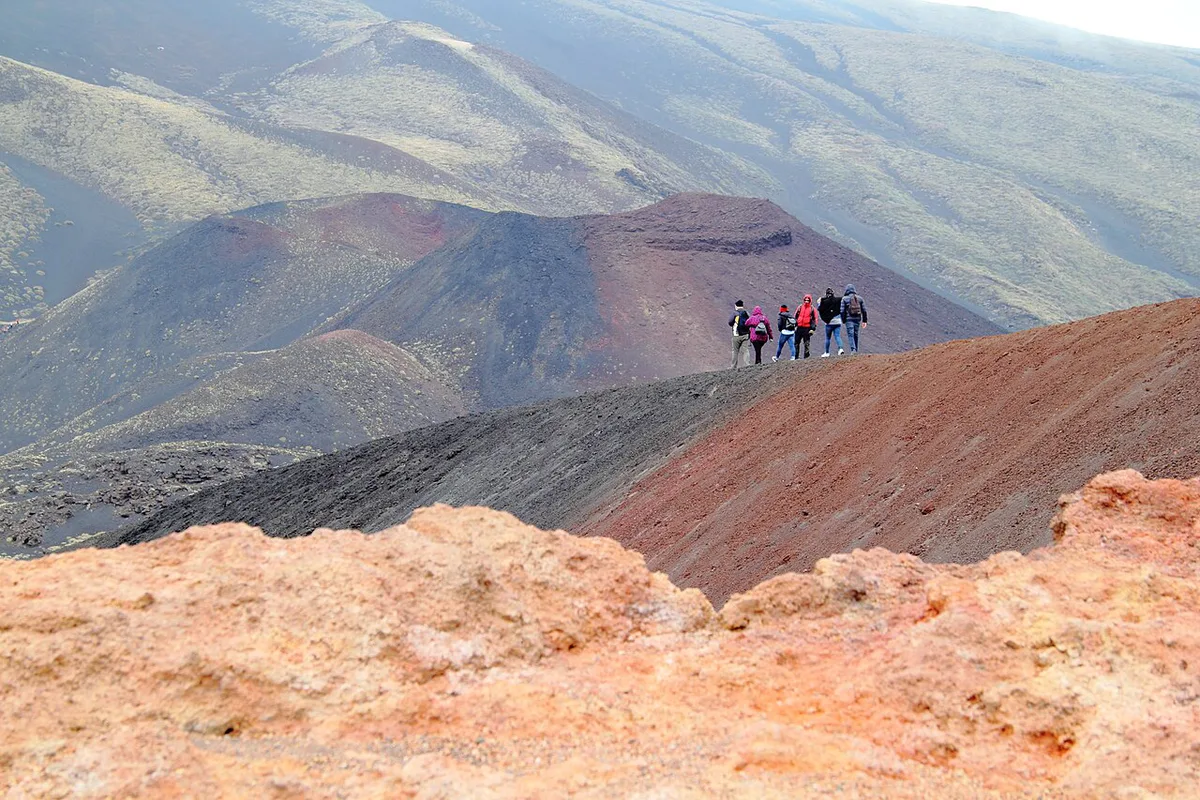
Etna sits above a convergent margin where the African Plate meets the Eurasian Plate. It runs two styles of activity, sometimes at the same time. Summit eruptions are persistent, with explosions and occasional lava from the top craters. Flank eruptions open fissures lower down and release lava at far higher rates. Flank eruptions have averaged about two years apart over four decades. At least 60 have occurred since 1600. The 2008–2009 flank eruption lasted 419 days. The 1669 eruption opened a fissure near Nicolosi, and its lava ran about 10.6 miles (17 km) to the sea near Catania. For wider context, see our overview of Volcanic Eruptions in Europe: Where They Happen and What They Mean for Travel.
Other Contenders in Europe
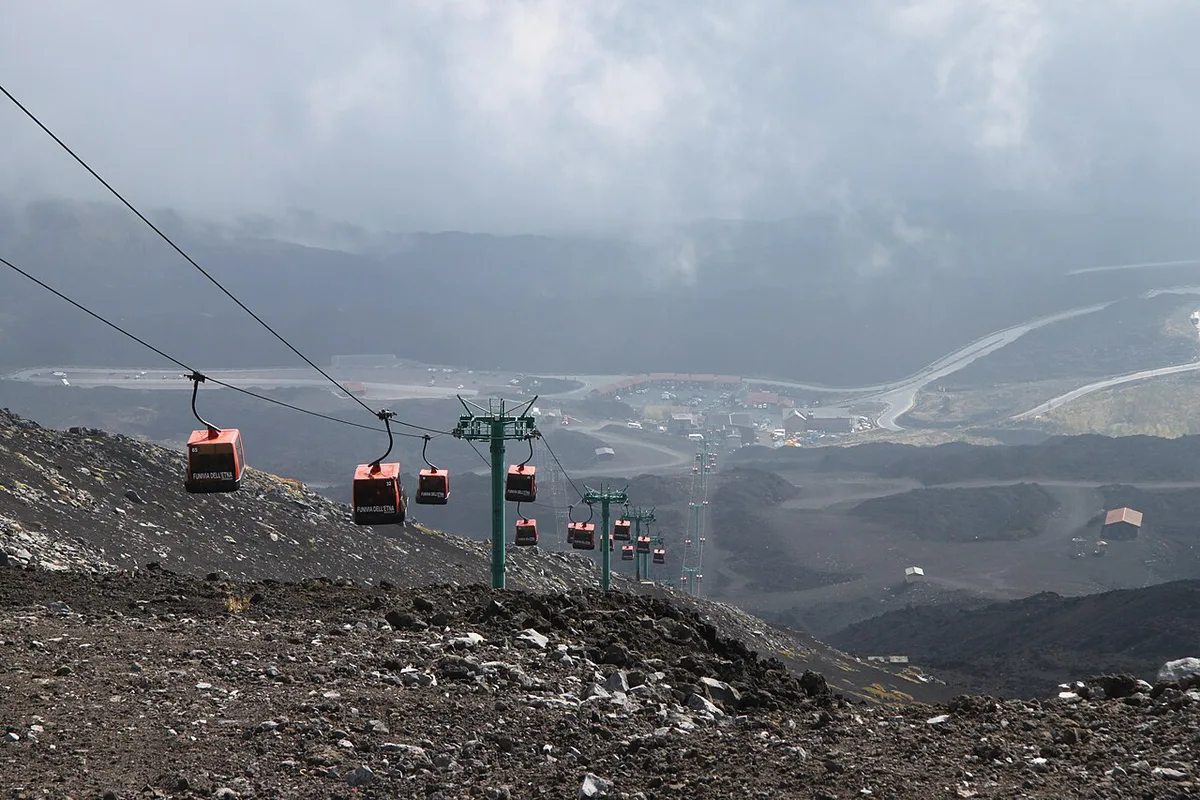
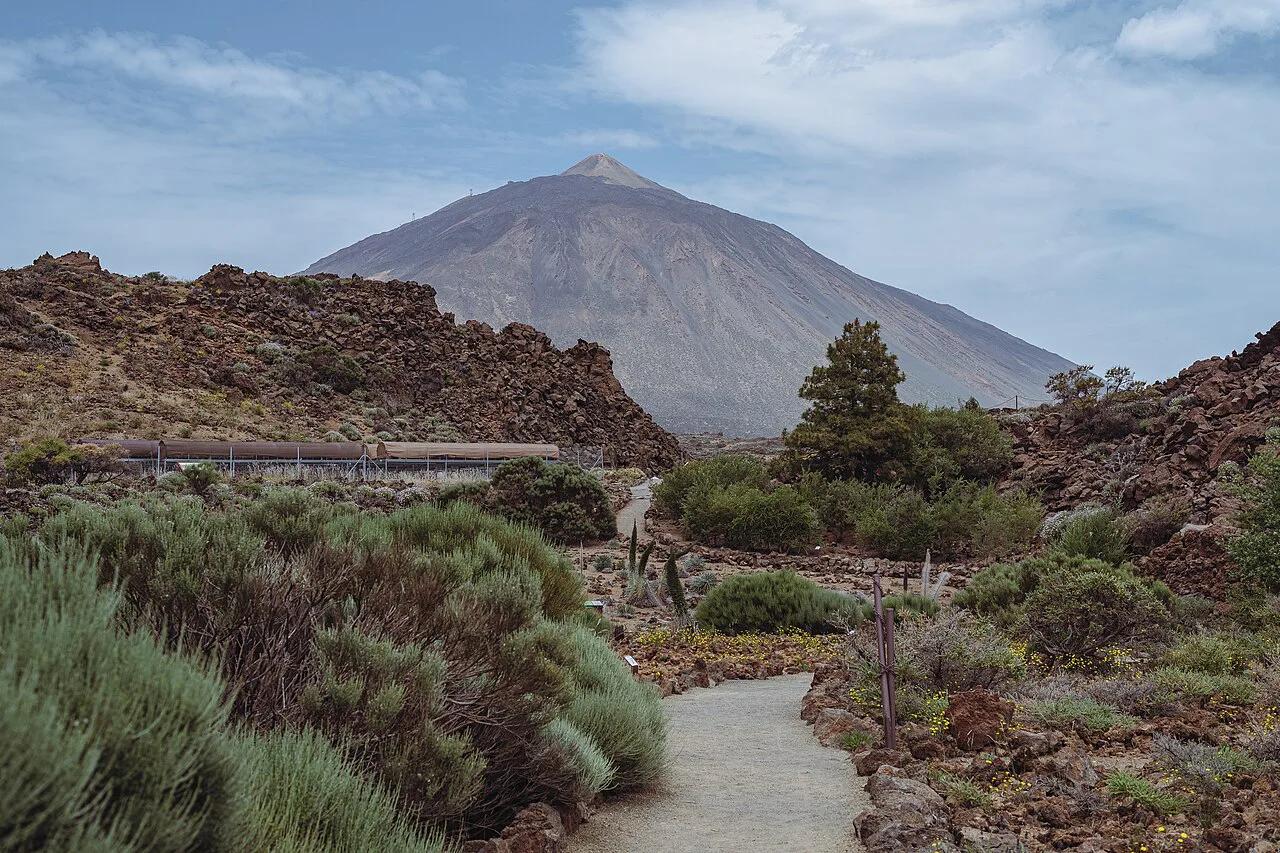
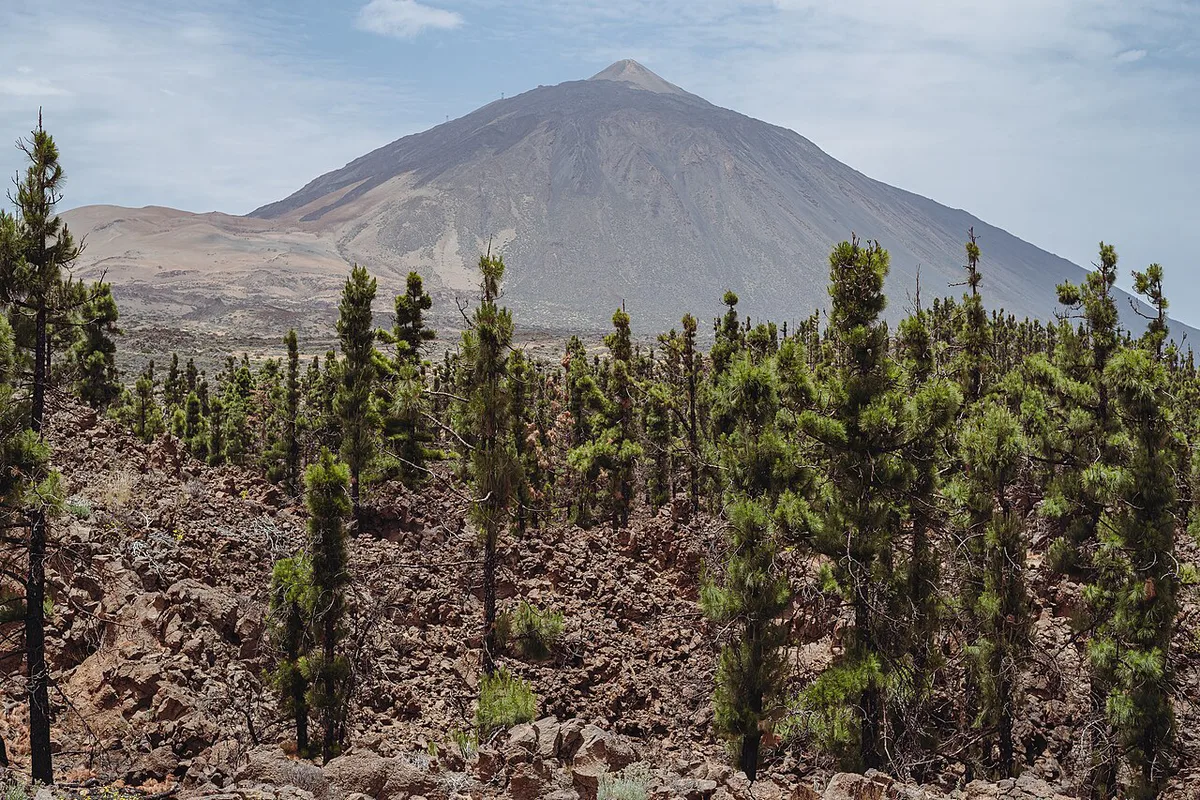
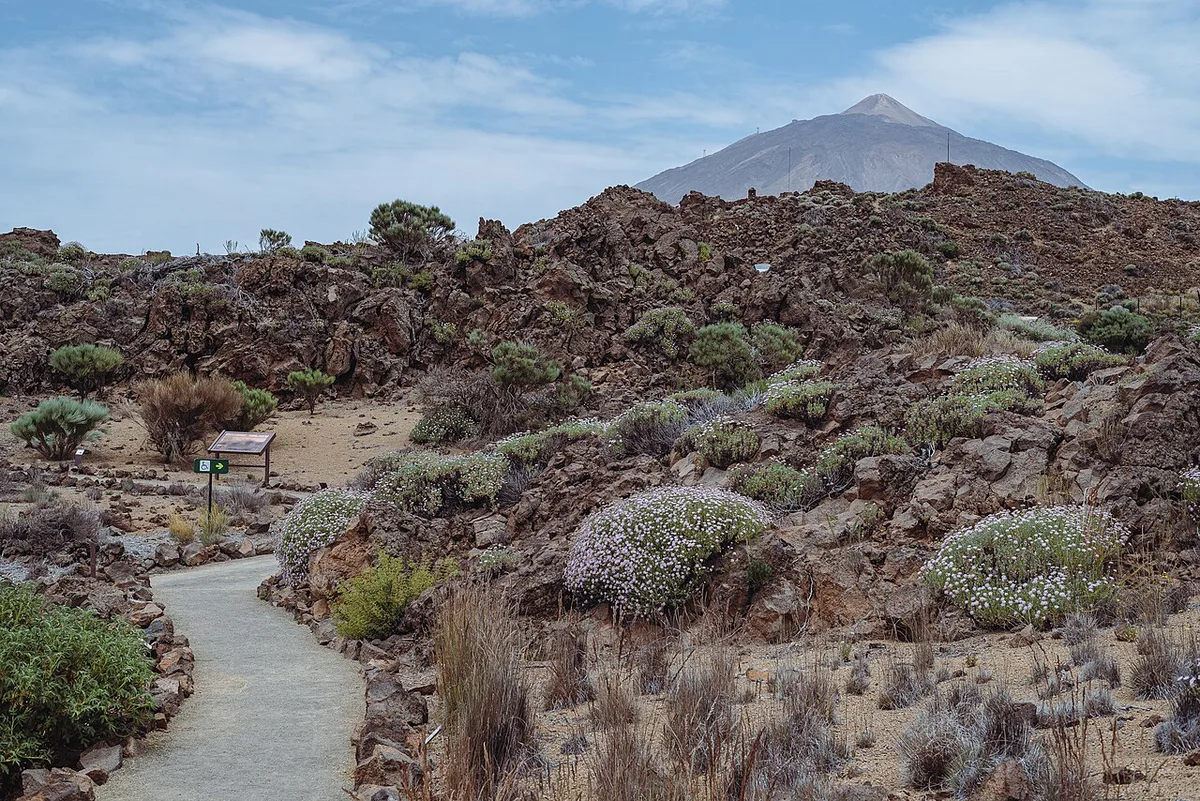
Rival claims depend on where you draw Europe's edge. Iceland is volcanic throughout, and the Icelandic Met Office monitors its eruptions. Spain's Canary Islands include Teide, protected in Teide National Park. Whether the islands count as Europe is a political-versus-geographic choice. Caucasus peaks raise the same boundary issue. For a full list, start with our guide to volcanoes in Europe. Our page on Active Volcanoes in Europe: Where They Are and Which You Can Visit narrows it to those currently erupting or restless. Use the Volcanoes in Europe Map: Where They Are and Which to Visit to see how they spread.
Visiting Etna: Access, Timing and Costs
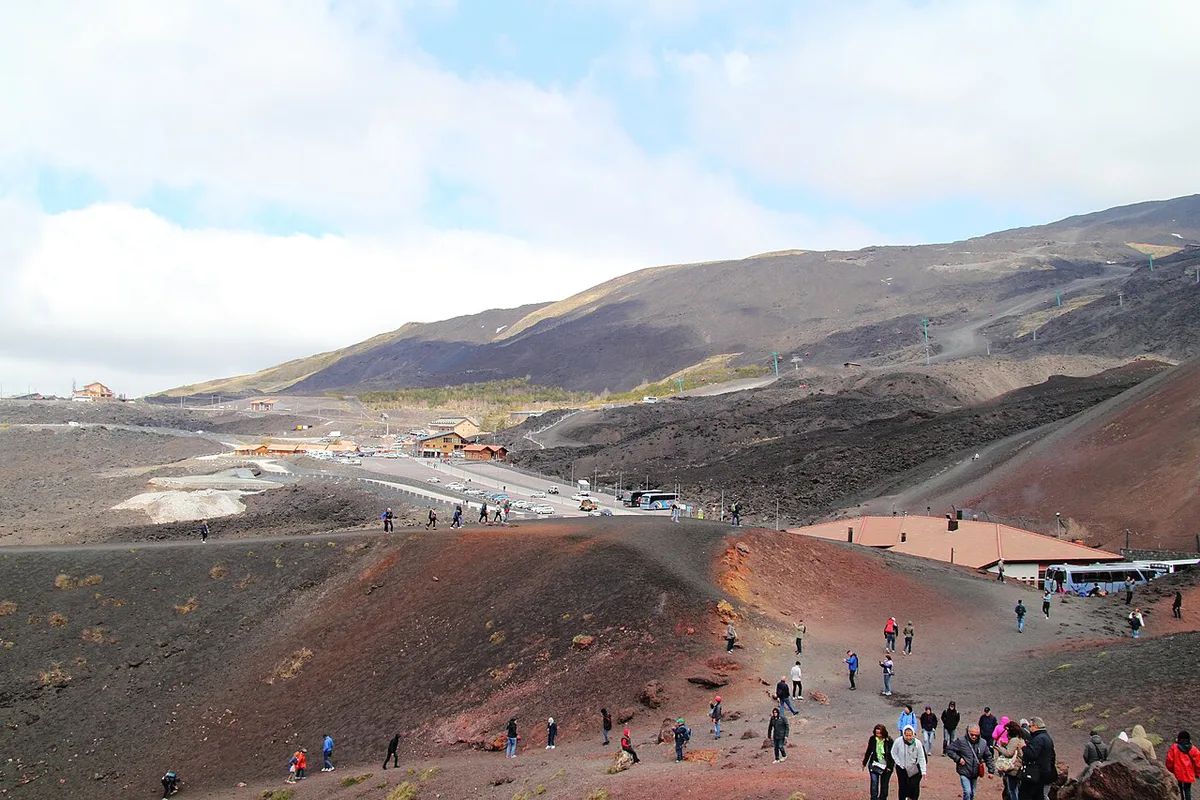
Etna offers three ways in. Which one suits you depends on fitness, time and the mountain's mood that day. Fares, cable-car schedules and guide fees are set by operators and change with the season, so check their current pages. Rank them by cost level: self-guided is lowest, guided summit excursions are highest. Closures above certain altitudes are routine when activity rises. Plan a full day, and keep a flexible second day if your dates allow. Our volcano tourism guide explains how other volcano destinations handle this.
Guided routes climb toward a summit near 11,165 ft (3,403 m), a figure that shifts as craters change, so check current conditions on the day.
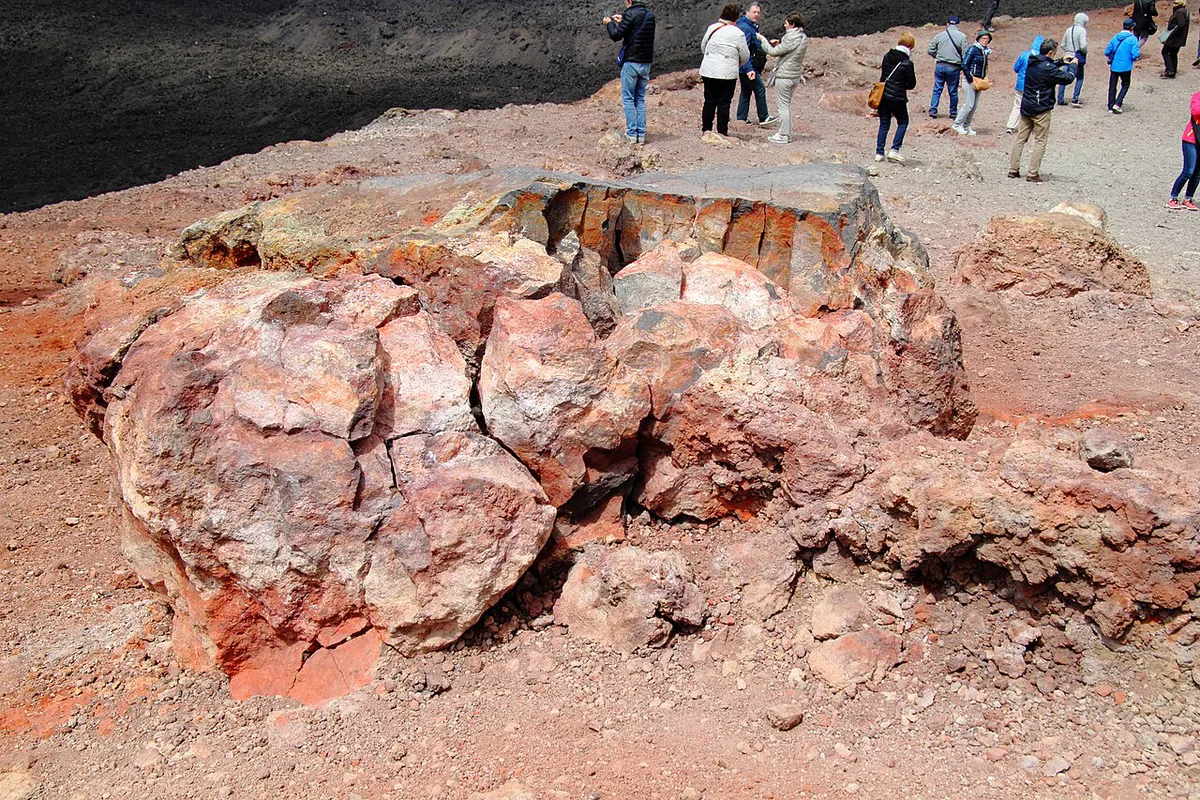
| Option | Time | Cost level | Fitness | Weather/activity risk |
|---|---|---|---|---|
| Self-guided lower craters | Half day | Low | Low to medium | Medium: paths shut when activity rises |
| Guided higher-altitude excursion | Full day | High | Medium to high | High: routes change or close |
| View from a distance, no climb | A few hours | Low | Low | Low: works even on closure days |
Where to Stay and How to Get Around
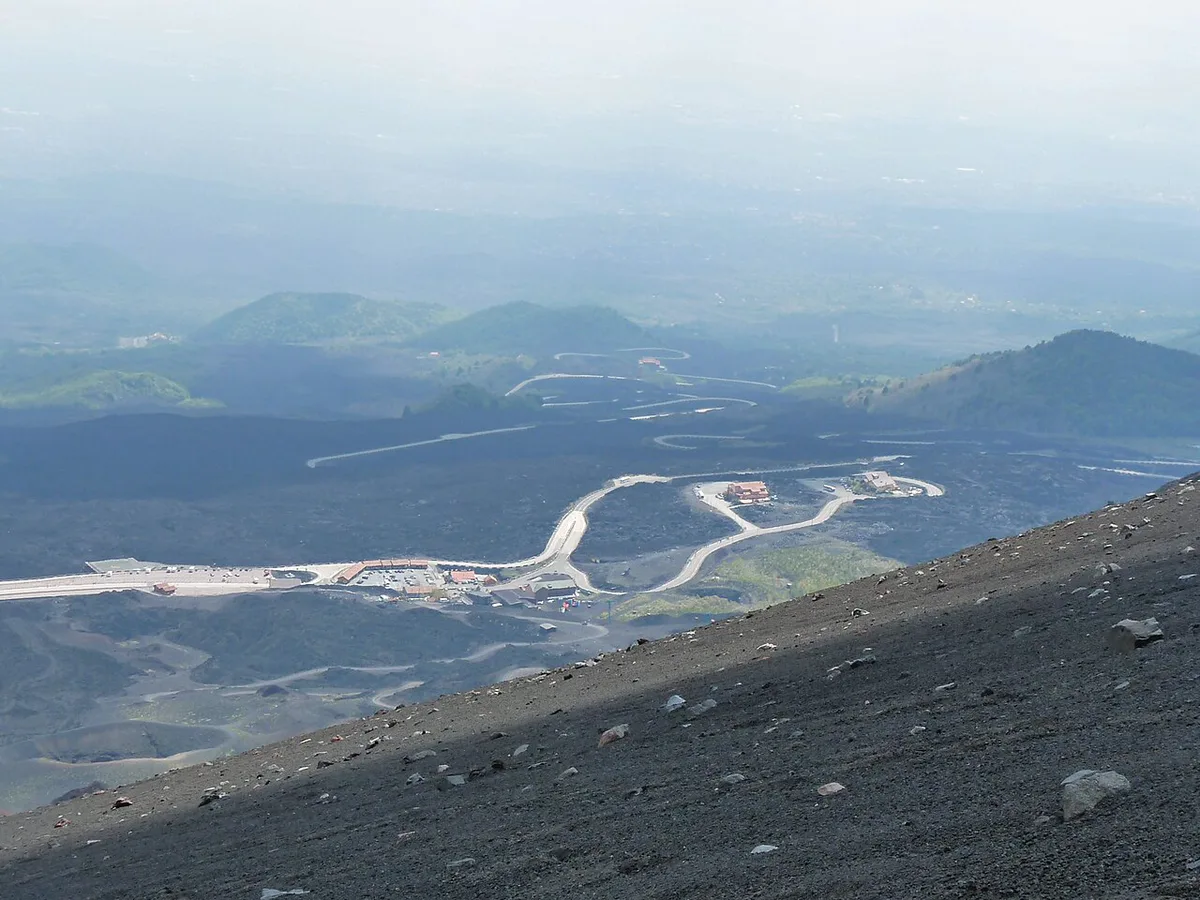
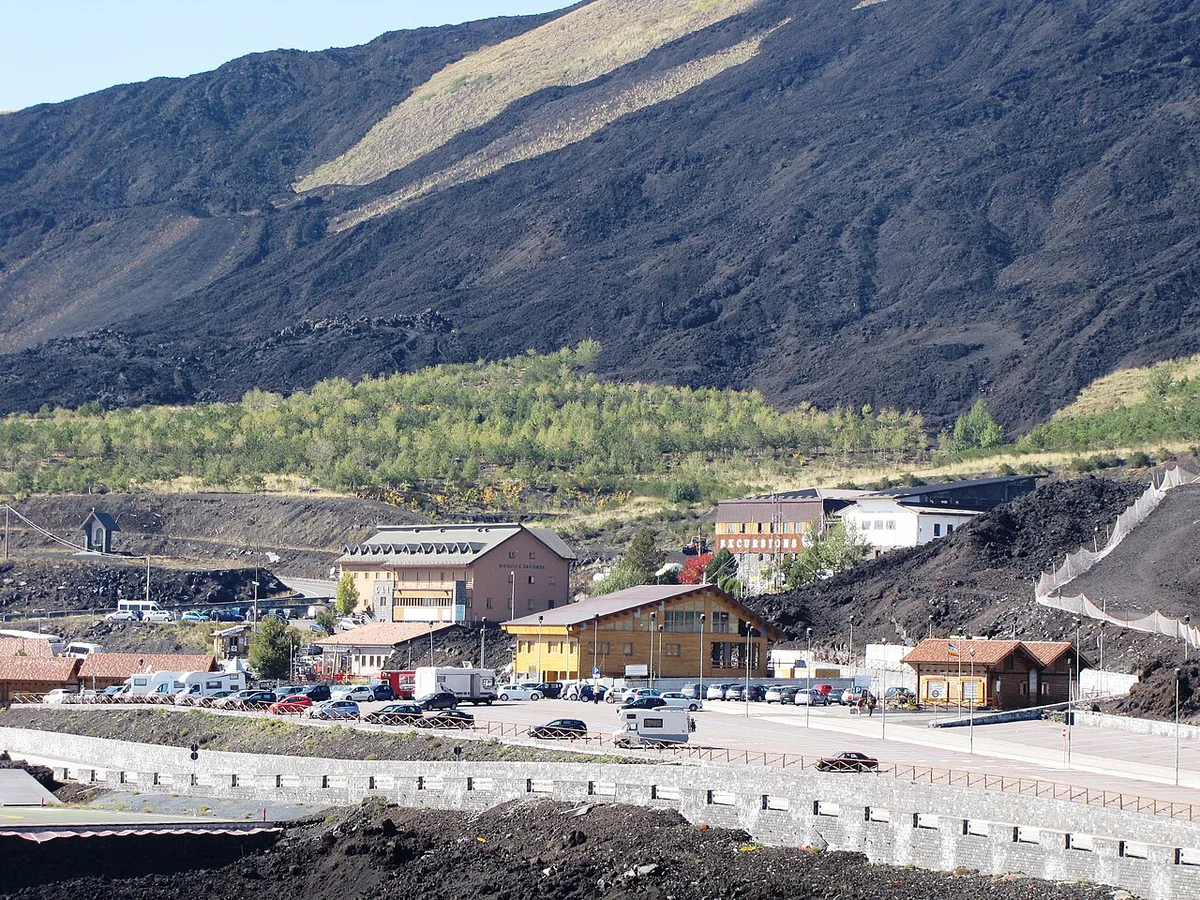
Catania is the practical base. It has the airport, the largest choice of hotels and bus links. Nicolosi sits on the southern flank, close to the lower craters, and suits hikers who want an early start. Ash can close Catania airport, as it did on several occasions between 2011 and 2015. Build slack into flight plans and read our guide on volcanic ash and flights. A rental car gives flexibility on the lower slopes. Guided transport removes the parking and navigation work above them. Photographers will want our volcano photography tips.
Catania's coast was reached by 1669 lava that ran about 10.6 miles (17 km) to the sea, a useful reminder when choosing a base.
Safety and Mistakes to Avoid
Etna is almost constantly active, so conditions change from one day to the next. Read the latest INGV bulletins before you set out. Our Volcano Safety Tips for Travelers in Europe cover gas, falling rock and following guides' instructions. Most problems come from a few repeat mistakes.
- Assuming the summit is always open, when access is set by current activity.
- Skipping warm layers: temperatures fall sharply as you climb above the town.
- Ignoring INGV or local authority advisories on the day.
- Booking a tight flight connection after an Etna trip, when ash can close Catania airport.
- Treating the lower craters as the summit: the Northeast Crater is the high point.
Frequently Asked Questions
Is Mount Etna still erupting?
Etna is in an almost constant state of activity, but the level changes daily. Check INGV's Etna observatory for the current status before you plan a trip.
Which is bigger, Vesuvius or Etna?
Etna is the volcano generally cited as Europe's largest, with a footprint of about 459 square miles (1,190 km²). Vesuvius is not usually given that title.