Rione Terra, Pozzuoli: Visiting the Buried Roman Quarter
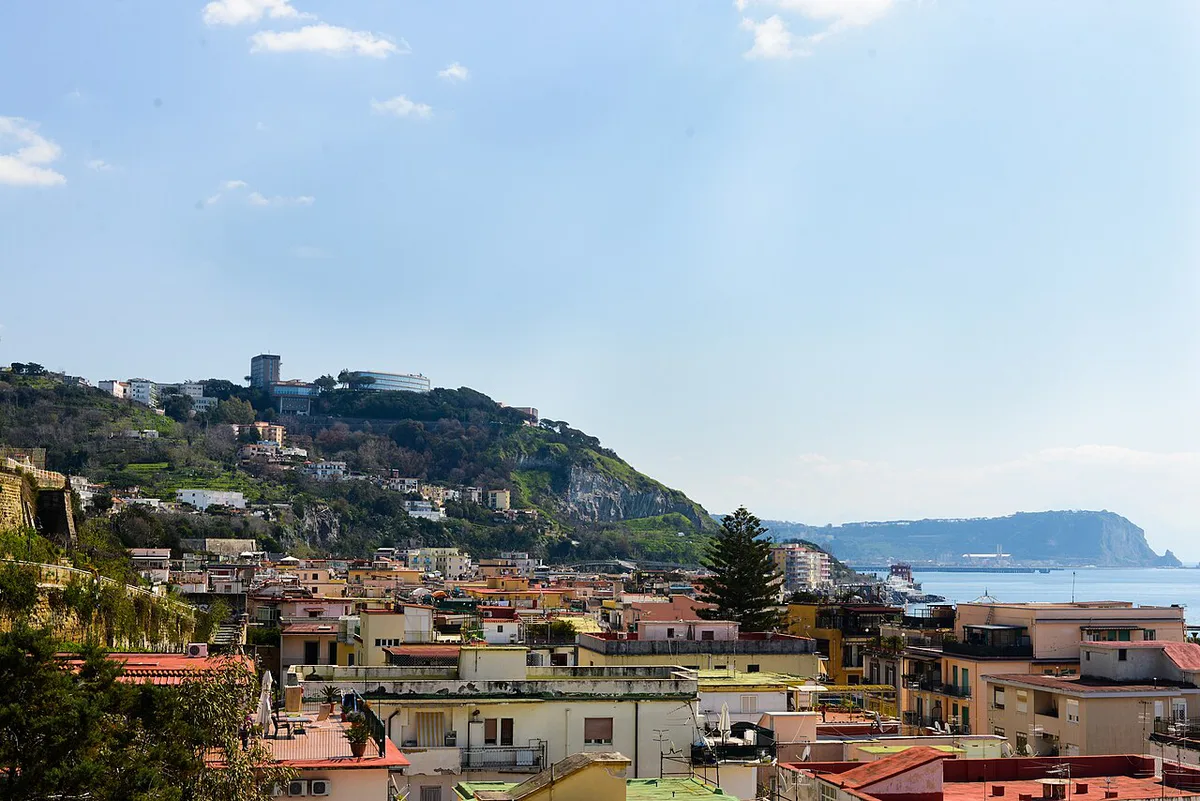
Last updated November 2026. Rione Terra is the old acropolis quarter of Pozzuoli, built on a tufa promontory above the Gulf of Pozzuoli. Under its streets lies a Roman layer of Puteoli, and its cathedral stands over a Roman temple. Access has changed over the years, so read the visiting section before you plan a day around it.
Featured image: Hyspaosines, CC BY-SA 2.0, via Flickr.
What Rione Terra is at a glance
Rione Terra is the oldest part of Pozzuoli. Greek settlers used the rock as an acropolis, and Rome later built the port city of Puteoli around it. Puteoli is traditionally dated to 194 BC. Today the town is called Pozzuoli, and our Pozzuoli town guide covers the rest of it.
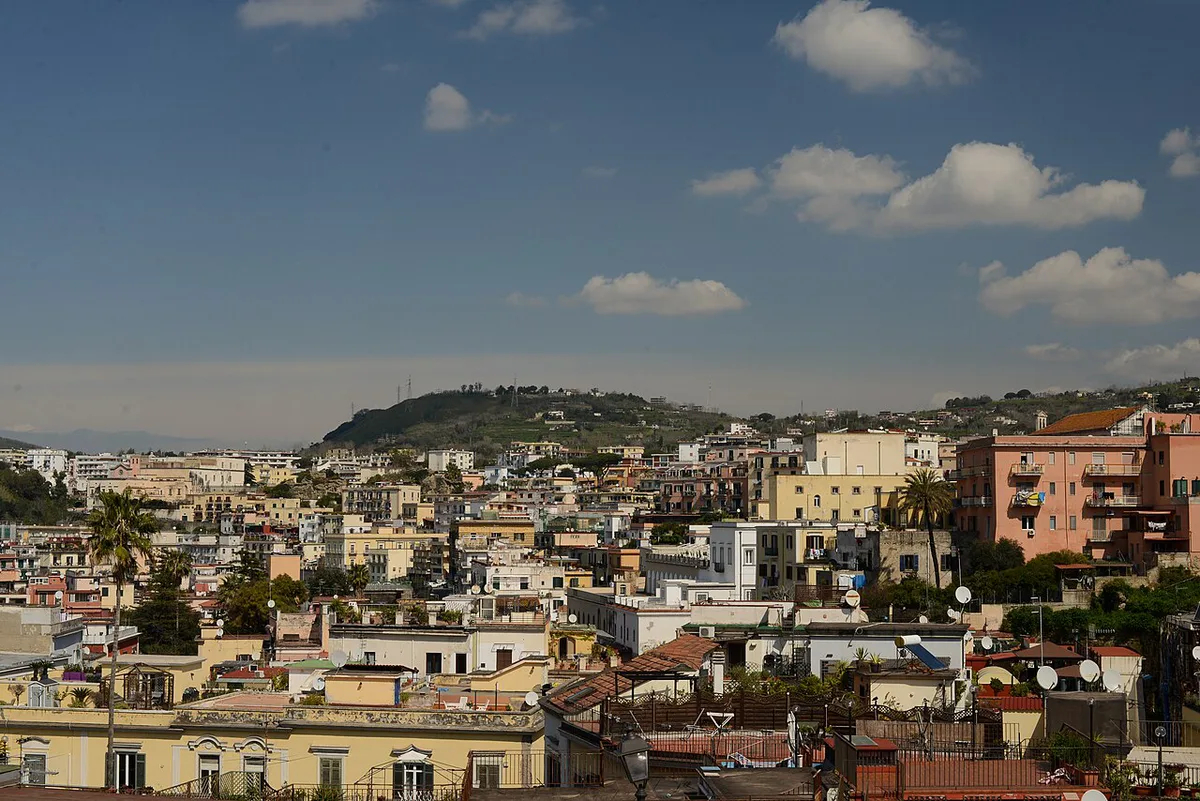

- Where: on the promontory above Pozzuoli's old port, in the Campi Flegrei area west of Naples.
- What you see: underground Roman streets, the Cathedral of San Procolo, and a belvedere over the gulf.
- Access type: structured visits have been the norm, so do not count on wandering in freely.
- Time to allow: plan roughly 1 to 2 hours as a planning estimate, not an official figure.
Why Rione Terra was evacuated
The ground here rises and falls slowly, a process called bradyseism. Buildings on the promontory cracked and became unsafe. Residents were moved out in stages, and accounts cite both 1970 and 1983 as evacuation dates. Our guide to bradyseism in Pozzuoli explains the mechanism. Restoration of the empty district began in the 1990s. The work exposed the Roman streets that had been built over for centuries. Spanish-era and medieval buildings were stacked on top of them. For monitoring of the ground movement, see INGV Osservatorio Vesuviano. This quarter is one stop in the wider Campi Flegrei area, and it does not need a volcano lecture to make sense.
What you actually see
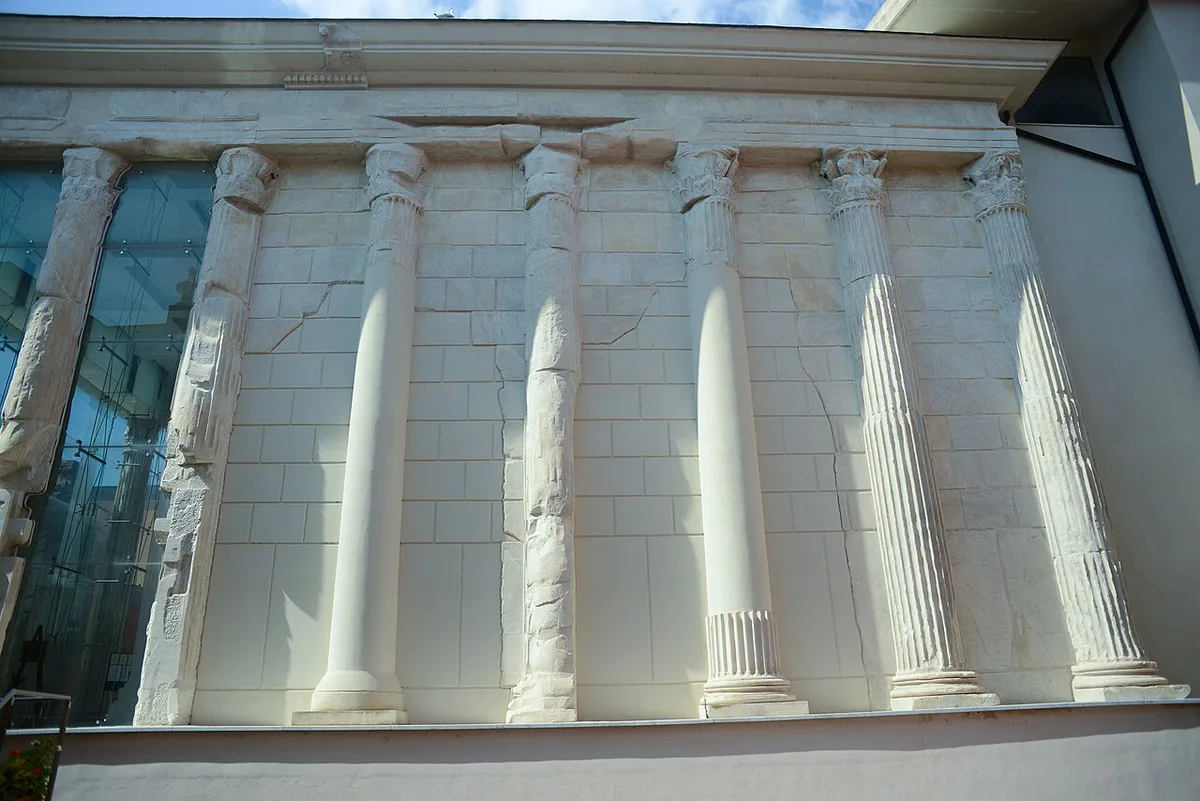
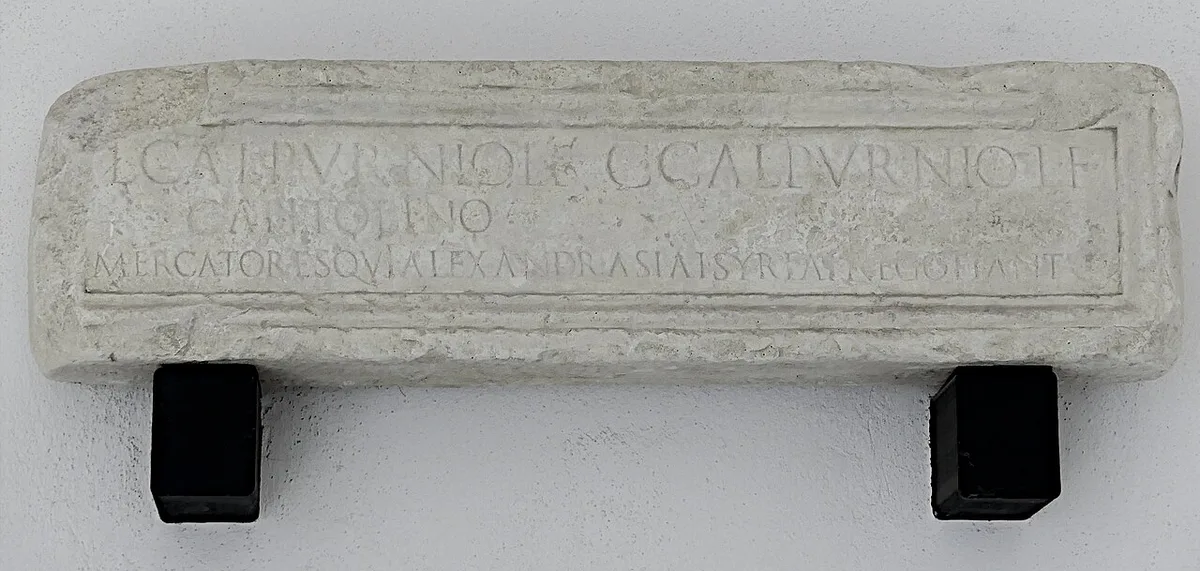
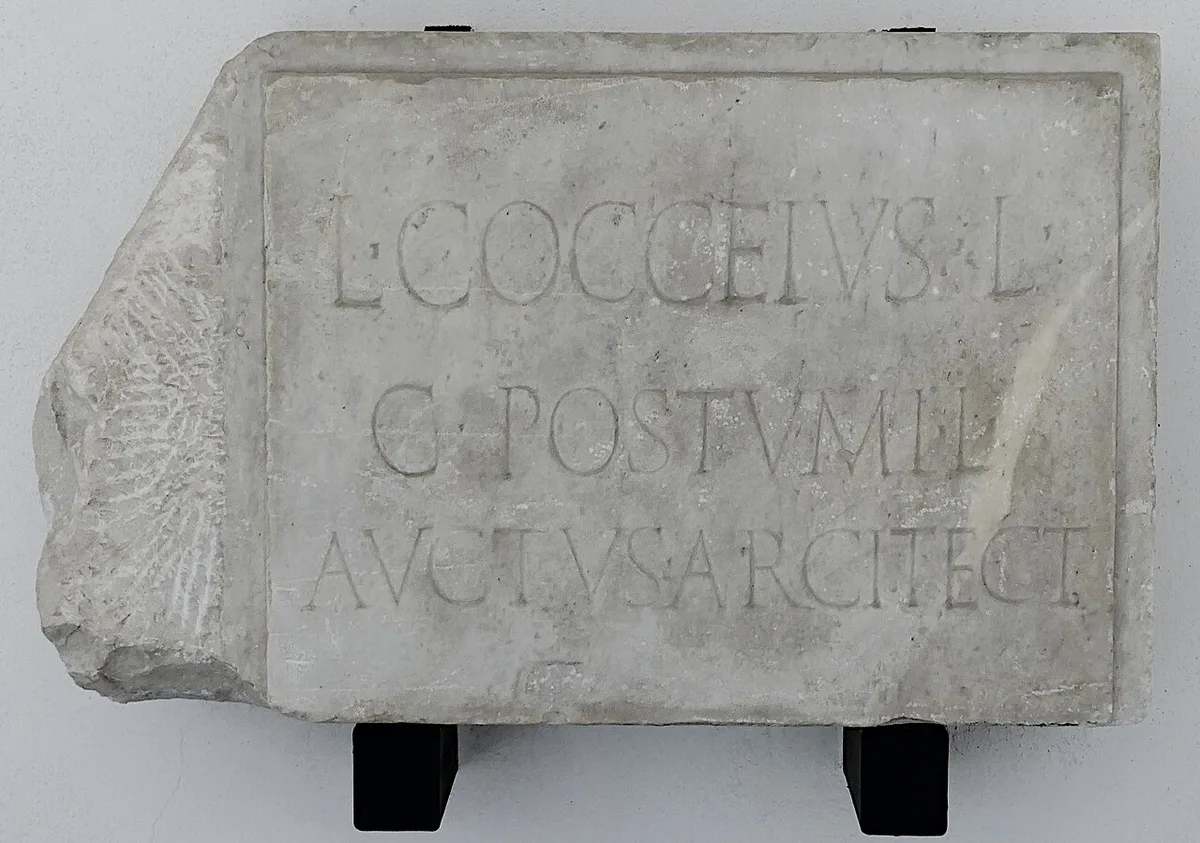
Below the modern street level, an ancient decumanus runs between the remains of shops, storerooms and workshops. This is the buried-city draw, and it is the reason to come rather than just stroll the lanes. Capitolium remains are reported to be visible as well. Above ground, the Cathedral of San Procolo stands on the ruins of the Temple of Augustus. Roman columns and structures sit beneath its Spanish-era design. The belvedere looks over the gulf and the old port below. A Diocesan Museum is reported inside the quarter, with religious artifacts. Many finds from the excavations are displayed at the Museo Archeologico dei Campi Flegrei in Baia, so the town of Baia completes the story.
Tickets, hours and how to get in
No current price, opening day or booking rule is established for this guide, so none is quoted here. Visits have historically run as guided tours, and the quarter has been closed at times. Check the Campi Flegrei archaeological park for hours, tickets and booking. Closures and access works are announced by the Comune di Pozzuoli. Prices and hours checked November 2026 were not published in a form we could cite, so treat any figure on a third-party listing with caution.
Getting there and getting up
Start in central Pozzuoli near the port, because the promontory rises directly above it. From Naples, our Naples to Pozzuoli route sets out the transport options. A lift from the lower town has been reported as newly opened. Ask the Comune whether it is running, where it starts, and whether it takes wheelchairs and strollers. If you walk, expect slopes and stairs, and uneven stone underground. Use the Campi Flegrei Map: Where Sites Are & How to Visit to place the quarter against the other sites.
Reserve 1 to 2 hours for the visit itself, then count the stairs and slopes on the walk up separately.
Is Rione Terra worth it? Who it suits
It rewards people who want history under their feet more than open-air views. The table below weighs the main traveler types.
| Traveler | Fit | Why |
|---|---|---|
| History and archaeology fans | Strong | Roman street layer plus a cathedral over a temple |
| Families with children | Mixed | Guided pacing, stairs and slopes; depends on age |
| Limited mobility | Check first | Lift status and underground surfaces need confirming |
| Short stay with a fixed Naples return | Only if booked | Access may be tied to a tour slot |
| Open-air site lovers | Skip if | The main interest is below ground and structured |
Pair it with the rest of Pozzuoli
Rione Terra pairs well with a half day in town. Start with the quarter while your energy is highest. Then walk down to the Flavian Amphitheater, which is larger and more visual. Finish at the Roman cistern at Bacoli if time allows, though it is a separate trip. For a different location, the Baia underwater park suits a second day. Choose Rione Terra for structured underground access, the amphitheater for scale, and Baia for museum finds.
Common mistakes to avoid
Most problems come from planning, not from the site itself.
- Arriving without checking the visit schedule or booking route.
- Expecting an open-street museum you can enter at will.
- Leaving too little time after a Naples train, with no buffer.
- Ignoring heat or rain without checking which parts are covered.
- Assuming the lift is working without asking the Comune.
Frequently Asked Questions
What is Puteoli called today?
Puteoli is now called Pozzuoli, a town in the Campi Flegrei west of Naples. Its old acropolis quarter is Rione Terra.
What is Pozzuoli famous for?
Pozzuoli is known for its Roman past as Puteoli and for its Flavian Amphitheater. It also sits in a zone of slow ground movement. Rione Terra shows the buried Roman layer.