Baia Underwater Park: Visit Baiae's Sunken Roman City
Last updated November 2026: the baia underwater park is an archaeological park of submerged Roman ruins at Baia, in Bacoli, in the Campi Flegrei near Naples. Slow ground subsidence called bradyseism sank the Roman resort of Baiae, and you see it on a guided dive, snorkel or boat trip. This guide helps you pick the right method, plan access and decide whether it deserves your half-day.
Featured image: Ruthven, CC0, via Wikimedia Commons.
What the Baia Underwater Park Is (and Why the City Is Underwater)
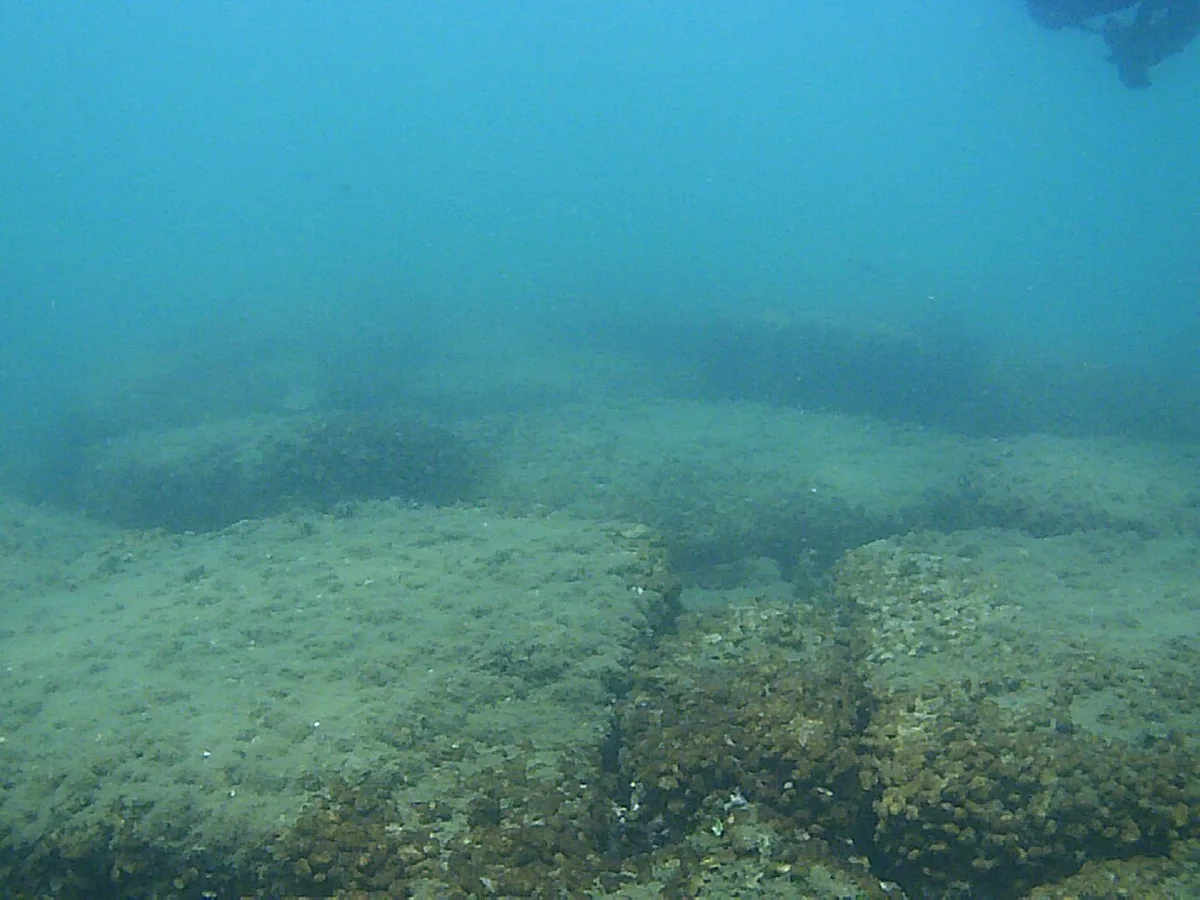
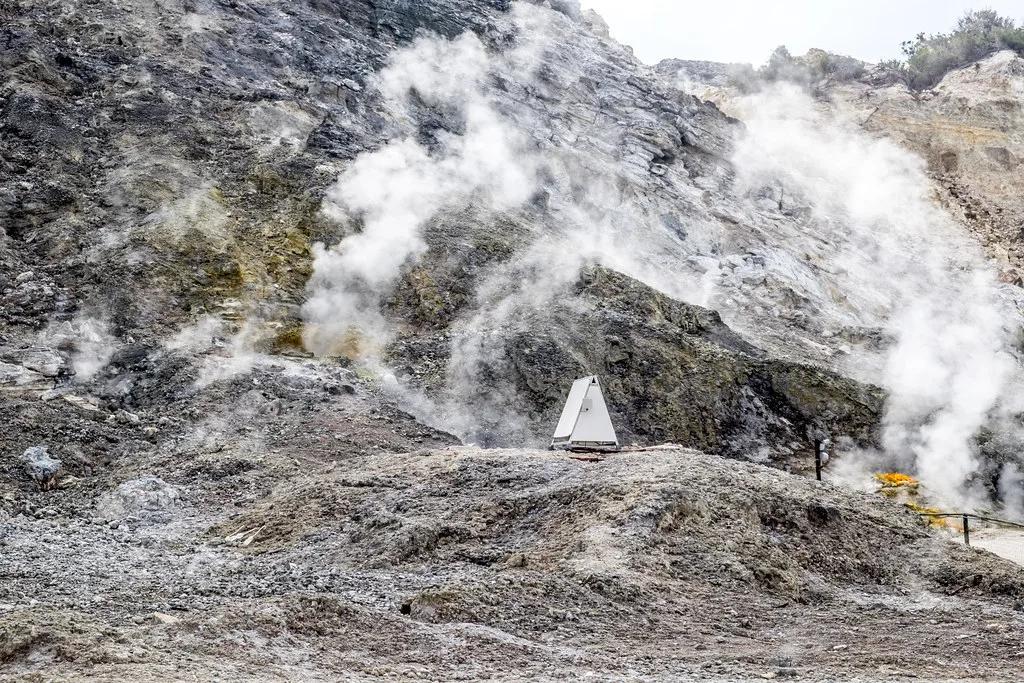
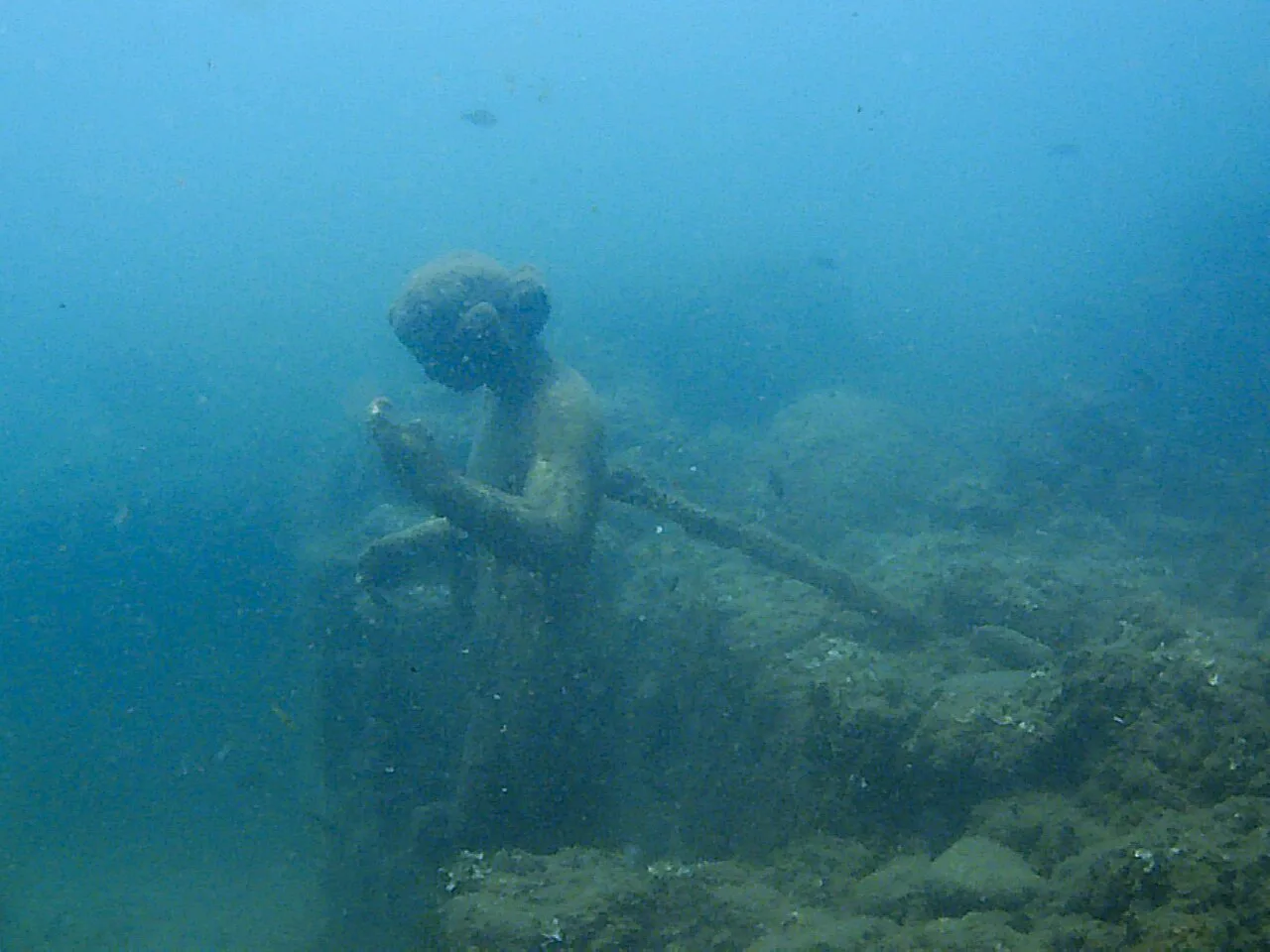
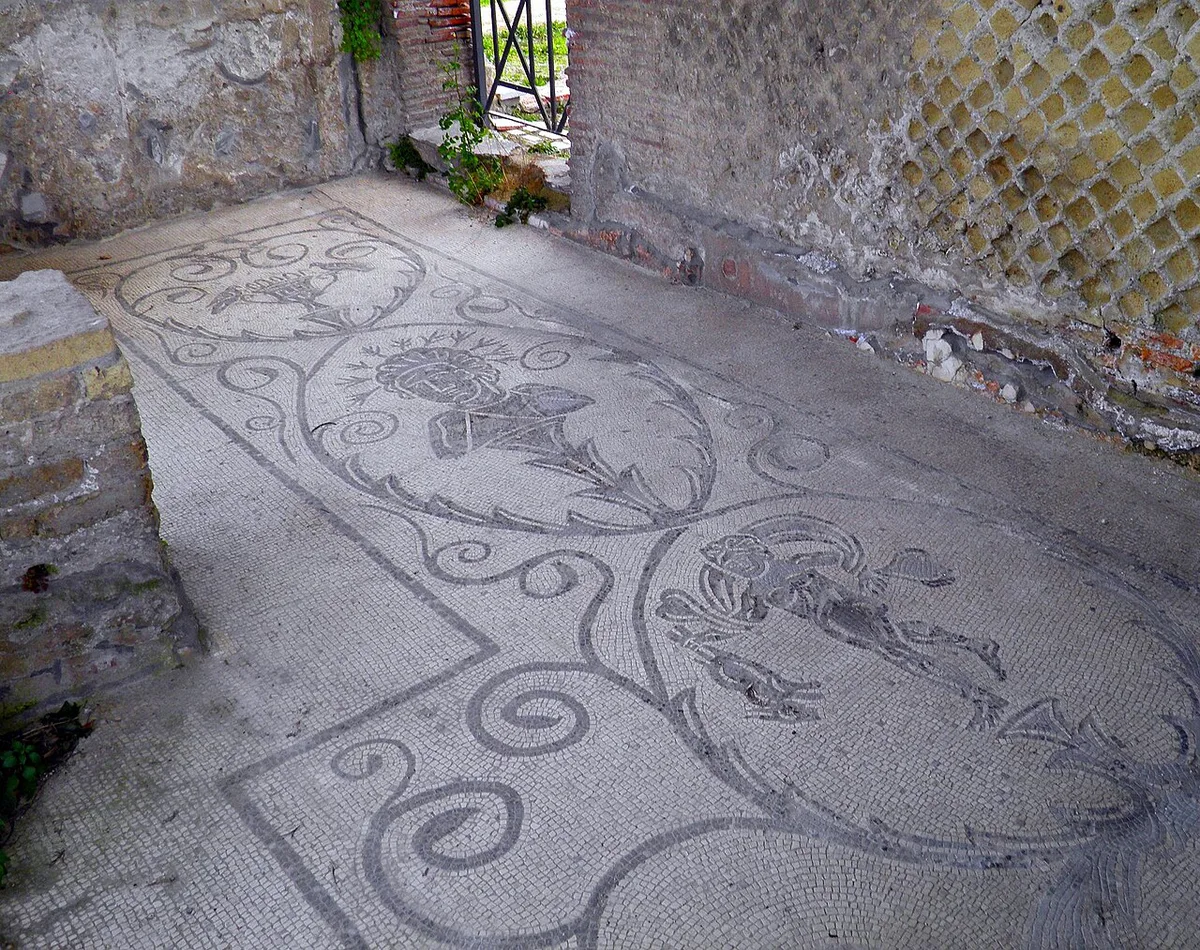
Baiae was a Roman seaside resort, and the Underwater Archaeological Park of Baia (Parco Archeologico Sommerso di Baia) protects what is left below the waterline. Mosaics, floors, walls and a nymphaeum now sit under the sea because the coast sank over centuries. That slow movement is ground rising and sinking, a signature feature of the whole volcanic area. Parts of the sea are a protected marine zone, so you cannot simply swim out and wander over the ruins. For the town itself, read our Roman Baiae resort town guide. For the wider region, start with the Campi Flegrei overview. Official details on the park are on its park website.
What You Can Actually See
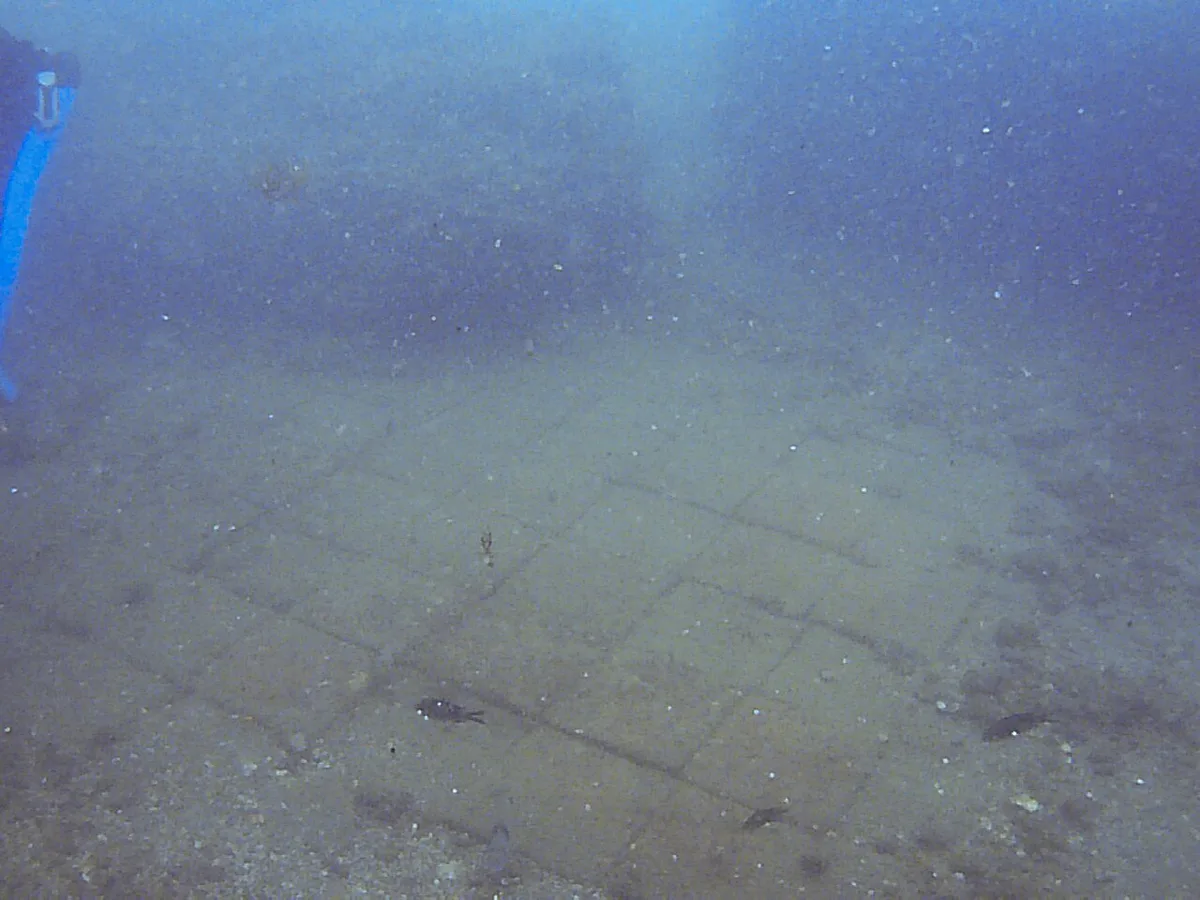
Expect low, weathered Roman structures rather than intact buildings. The highlights most often described are mosaics, tiles and marble floors, the nymphaeum of Punta Epitaffio, and statues from the time of Emperor Claudius. Not every feature is open to every visitor type. One diver noted that the statues site was off limits on their route, so do not book a dive expecting sculpture. Ask your operator exactly which zone your trip enters.
| Method | Likely to see | Main limit |
|---|---|---|
| Guided dive | Roman floors, walls and structures | Statues may be outside dive zones |
| Snorkel | Shallow remains close to the surface | Depends on clarity and zone rules |
| Glass-bottom boat | Overview of the submerged layout | Less detail, no close contact |
Dive, Snorkel or Boat? How to Choose
Reviewers describe the dive as shallow, staying within about 5 m (15 ft), with licences checked. Operators set the rules on depth and certification, so ask when you book. Visibility is the biggest variable: one August visitor found the water murky but still saw the ruins. Costs depend on method, group size, equipment hire and certification, so request current rates from each operator.
Reviewers describe dives as staying within about 5 m (15 ft), so the choice between methods comes down to certification and effort.
| Method | Certification | Effort | Best for | Cost tier |
|---|---|---|---|---|
| Guided dive | Licence checked | Moderate | Certified divers, photographers | Highest |
| Snorkel | Usually none, swimming needed | Moderate | Confident swimmers, families | Middle |
| Glass-bottom boat | None | Low | Non-swimmers, small children, history fans | Lowest |
Booking, Access and Tickets
Visits are guided and authorised, so book through the park or a licensed operator rather than turning up. Start at the official park site for current tour schedules and rules. Aggregators list daily hours of 9AM to 7PM, but tours are seasonal and weather-dependent, so treat fixed hours as unreliable. Bring photo ID and your dive certificate if you hold one. Listings give the address as Via Lucullo 94, Bacoli. One older review describes a dive centre on the beach side of the railway, reached through a pedestrian tunnel, with beach parking to the north. Check the meeting point with your operator before you travel.
Best Season, Sea Conditions and Visibility
Tours run seasonally because rough sea cancels trips. Summer brings the most reliable sea, yet crowds and stirred-up water can still reduce visibility. Spring and autumn may suit you if operators are running. Book with a flexible date, and ask how the operator handles cancellations. Pick the morning slot if offered, since wind often builds later in the day.
Aggregators list 9AM to 7PM, but wind often builds later, so a morning slot is the safer bet.
Getting There from Naples and Pozzuoli
Rail is the simplest option from Naples if you dislike parking. The EAV rail timetables cover the Cumana and Circumflegrea lines and show the nearest station to Baia. Driving gives flexibility but parking near the beach is limited in busy months. Taxis suit groups and bad-weather days. Our guide to getting from Naples compares the options in more detail. Coming from the port town, see Pozzuoli's port town. The area map shows how the sites fit together.
Plan the Half-Day: What to Pair It With
Keep the water trip to the morning and add one dry-land site afterwards. The options below grow in effort the further you go.
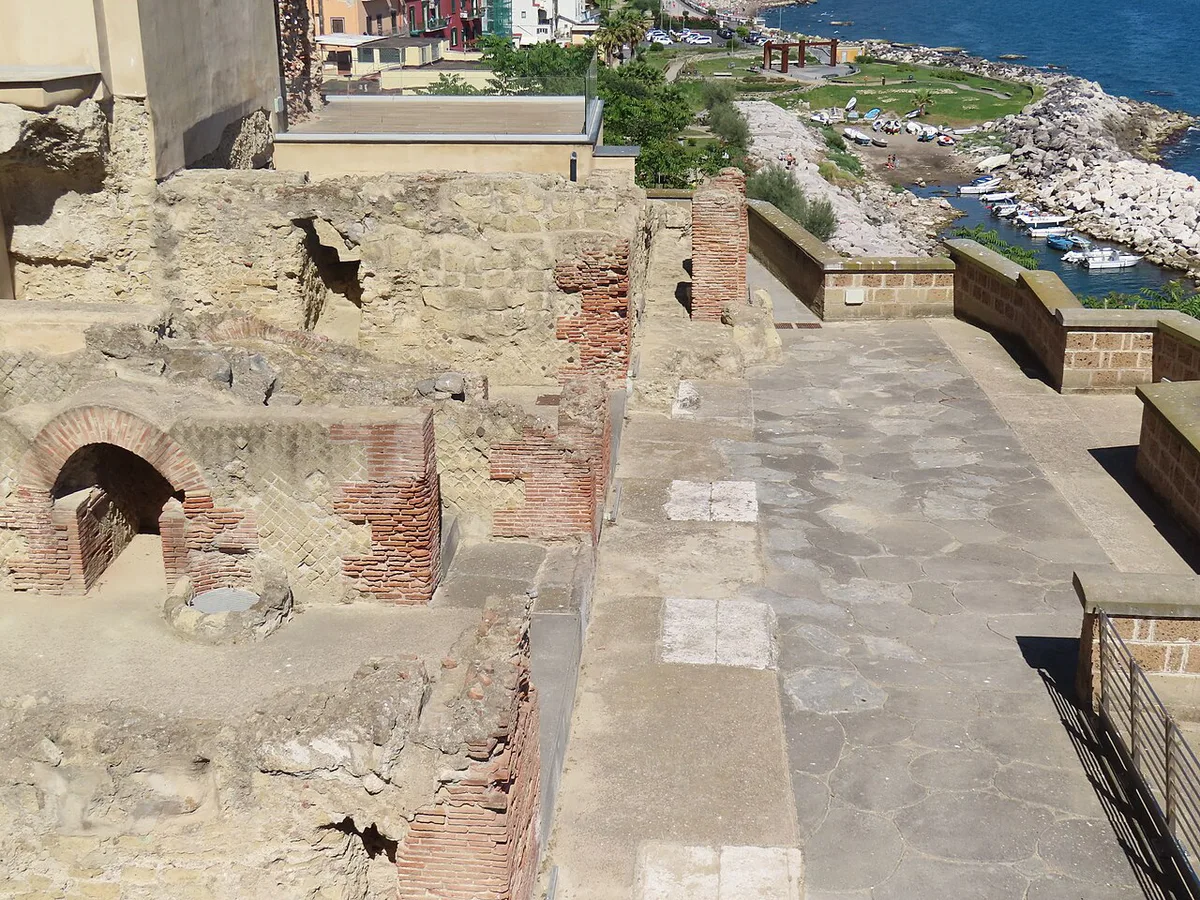
- Short on time: visit the Baia castle and museum, which is close to the park and home to the archaeological museum of the Campi Flegrei.
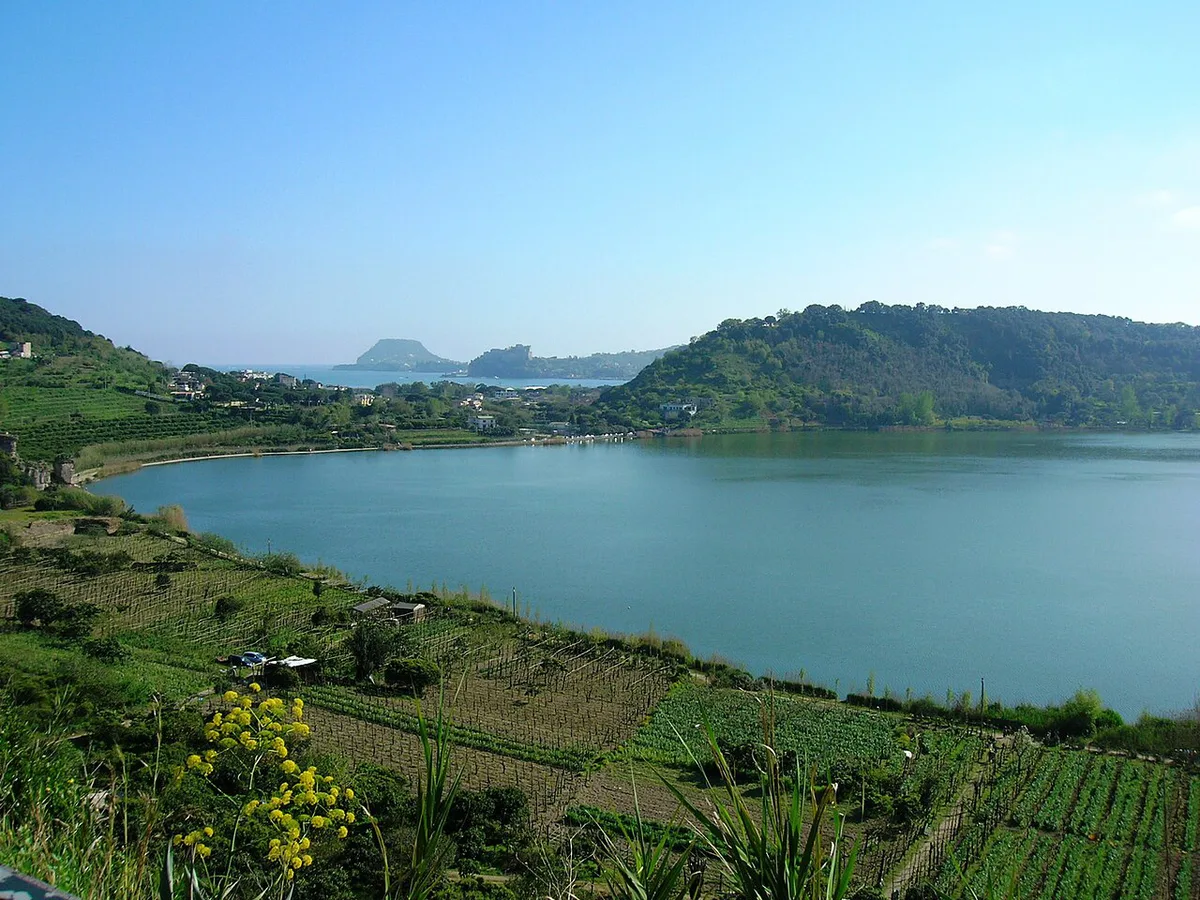
- Half-day extra: add the Avernus crater lake, which needs a short ride or drive.
- Archaeology day: continue to Cumae's ancient acropolis and the Roman cistern at Bacoli, both needing transport.
- Town stop: finish at Rione Terra in Pozzuoli or try Nero's steam baths for a thermal-history angle.
Is It Worth It? Who Should Skip It
Go if you love archaeology or want a rare, hands-on view of a drowned Roman resort. Skip it if you have one day in the region and want large, easily readable ruins. One reviewer felt Pompeii offered better value, and the underwater remains can be hard to read. For a boat trip, expect context over detail. Avoid these mistakes:
- Booking last minute in peak weeks.
- Expecting statues on a dive.
- Ignoring sea conditions in your plan.
- Assuming fixed hours instead of checking the operator's schedule.
Frequently Asked Questions
What is the name of the underwater city in Italy?
It is Baiae, the Roman resort now protected as the Underwater Archaeological Park of Baia. Part of the town sank because of bradyseism, the slow subsidence of the coast.
What Roman ruins are located near Naples, Italy?
Near Naples, the Campi Flegrei hold Baia's castle and museum, Cumae and the Piscina Mirabilis. The Campi Flegrei archaeological park lists its sites. Pompeii is also within reach for a separate day.