Cumae Guide: Sibyl's Cave, Acropolis & Visiting Tips
Last updated November 2026: Cumae is a Greek-founded acropolis site where the Sibyl's gallery, the Temple of Apollo and a Roman crypt share one archaeological park. It sits inside the 8 Best Things to See in Campi Flegrei: Sites, Safety and Access volcanic area. This guide covers what you see, how to arrive without a car and who can skip the trip.
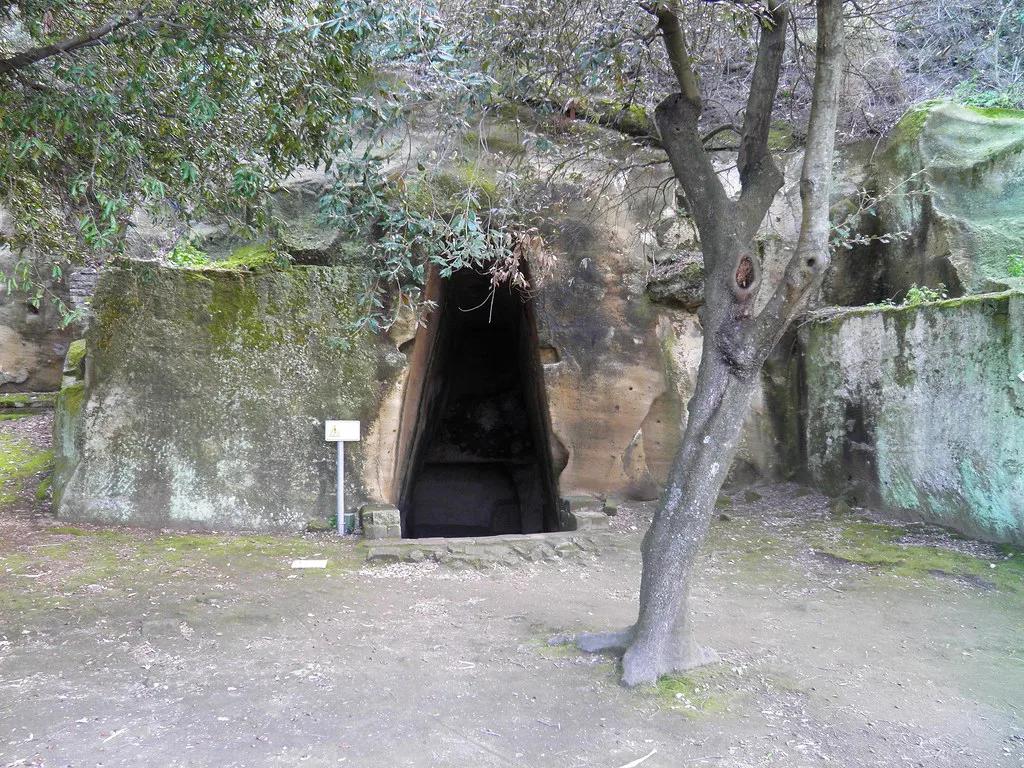
Featured image: Following Hadrian, CC BY-SA 2.0, via Flickr.
What Is Cumae and Is It Worth Visiting?
Cumae was a Greek colony on the coast of the Bay of Naples. Oxford Reference describes it as the oldest and most northerly Greek settlement on the Italian mainland. Today the Parco Archeologico di Cuma preserves a tufa acropolis, the temples of Apollo and Jupiter, the Antrum of the Sibyl and the Crypta Romana. Verdict: it is worth the trip if ancient history or Virgil's Aeneid interests you. It rewards a half-day more than a quick stop. Travelers with only a few hours in Naples can skip it. Anyone who prefers steaming craters to ruins may enjoy the Solfatara crater more. Visitors who want a mix of sea views and Roman architecture can pair it with Pozzuoli or Baia instead.
- Go if you want the Sibyl's gallery, a steep Sacred Way climb and temple foundations on a rock above the sea.
- Skip if you have under half a day, dislike uneven paving or want museum-style interpretation.
- Choose Pozzuoli or Baia if you want several smaller sights close together.
A Short History of Cumae
Euboean Greeks founded Cumae, traditionally dated to c. 730 BC. They had first used Ischia as a trading base, then moved to the mainland. From Cumae, Greek influence spread along the coast to places such as Pozzuoli and Naples. Battles against the Etruscans were fought near Cumae in 524 BC and 474 BC, and Greek forces won both. Cumae fell in 421 BC and became Italic. Romans later built over and around the Greek town. The Temple of Jupiter on the summit dates to the 3rd century BC, though it may replace an earlier sanctuary. Later phases include an early Christian basilica built over the upper temple, with graves cut inside it. Start with the Campi Flegrei Map: Where Sites Are & How to Visit to see how Cumae relates to the other ancient sites around Pozzuoli and Baia.
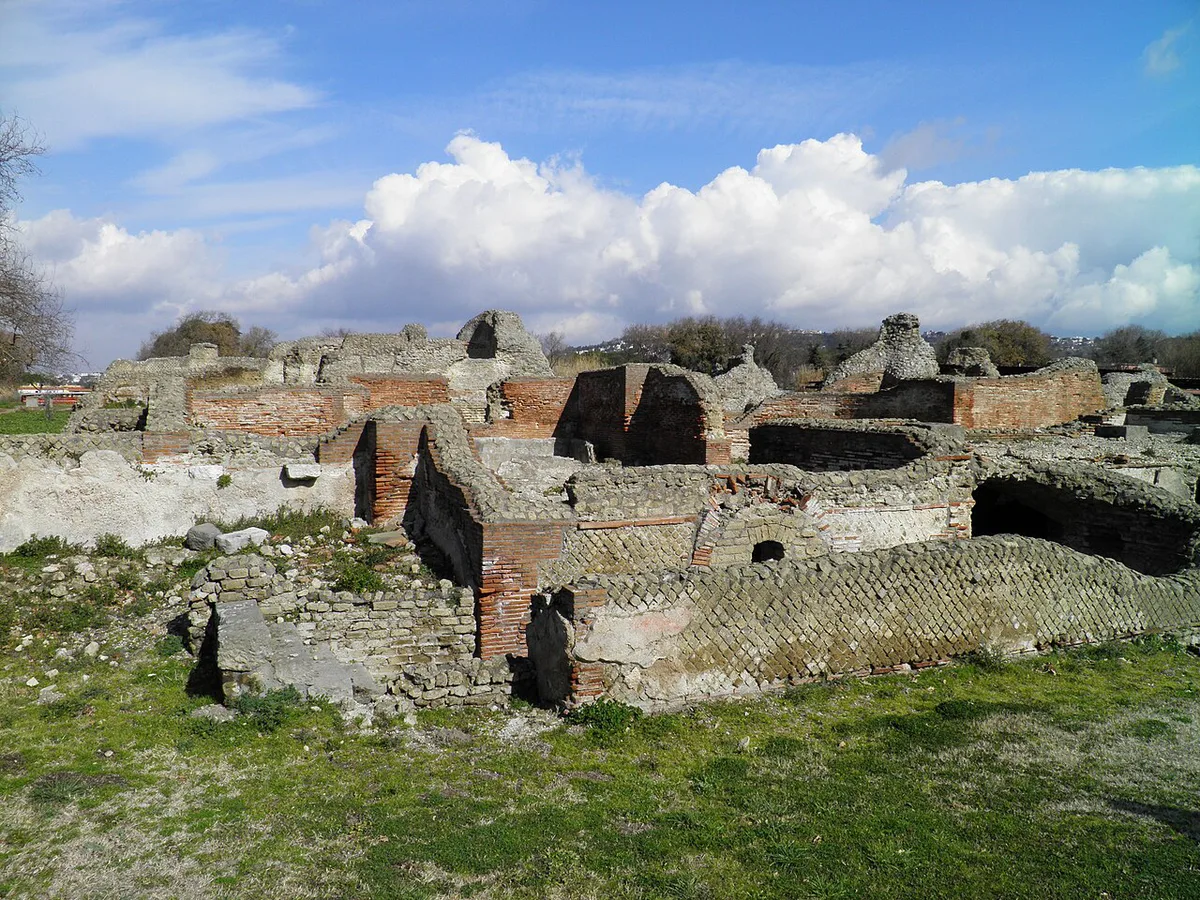
What to See at Cumae: Antrum, Acropolis and Temples
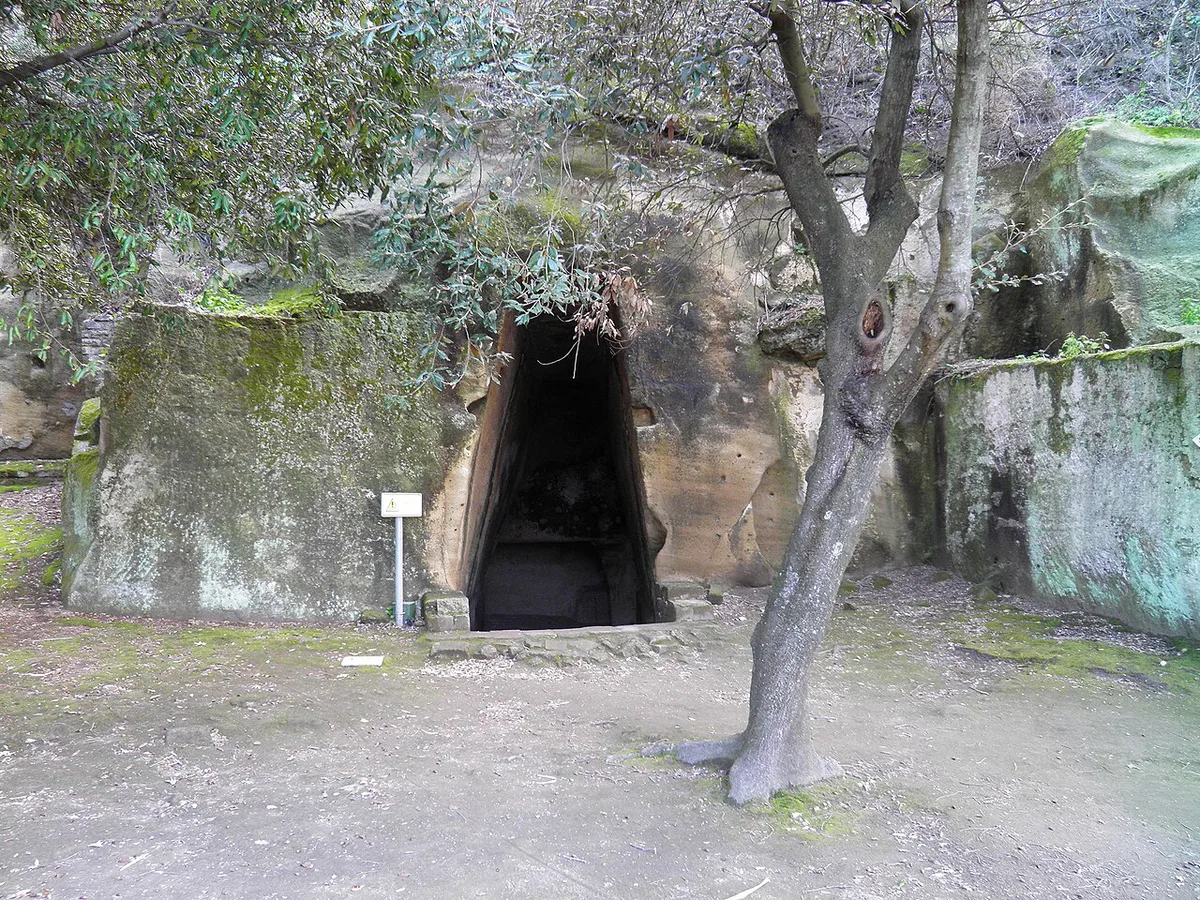
Inside the park, you first meet the Antrum of the Sibyl, a trapezoidal gallery cut into the rock. It was rediscovered in 1932. It runs roughly 100 m (about 330 ft) with side chambers and several openings that let in daylight. Above it, a path climbs to the acropolis. Visit the lower terrace first, then the summit.
- Antrum of the Sibyl: the long trapezoidal gallery with openings along its side.
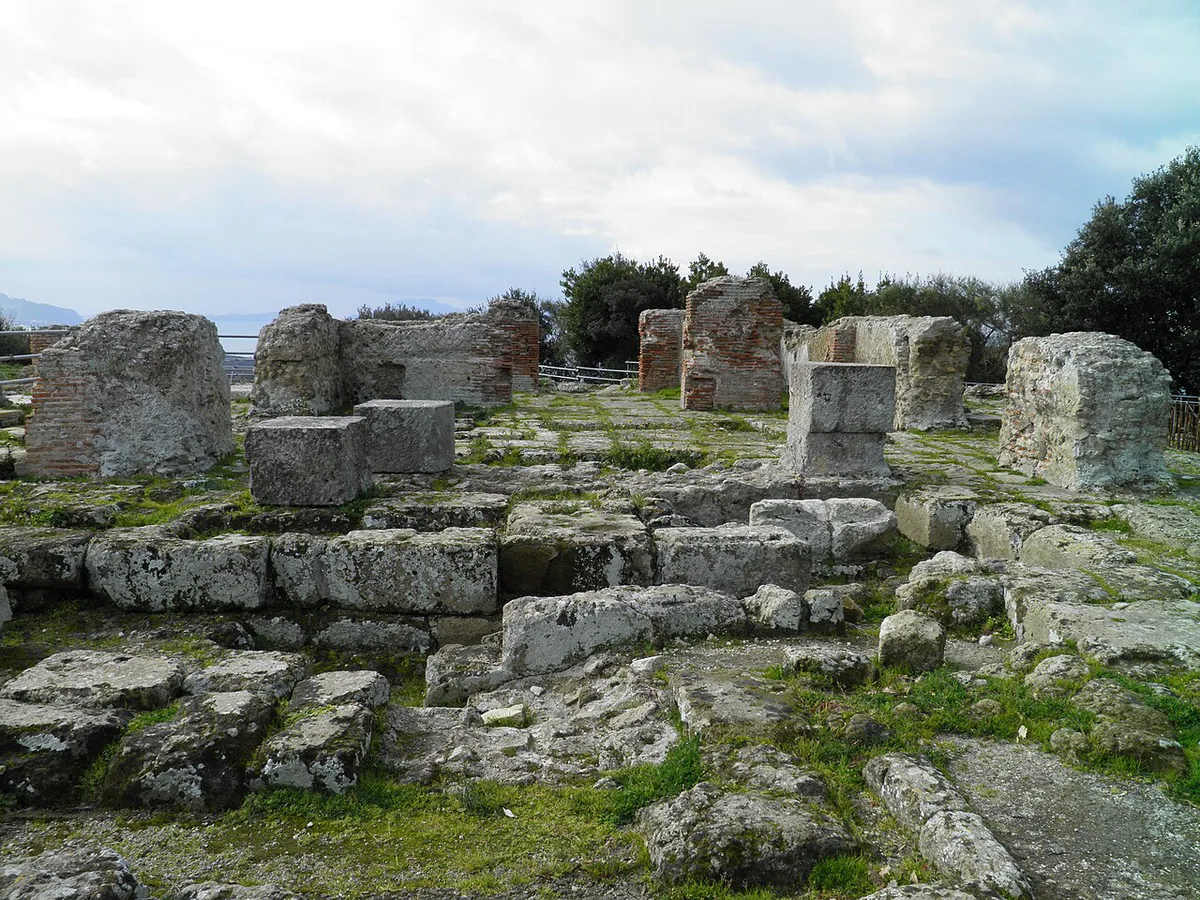
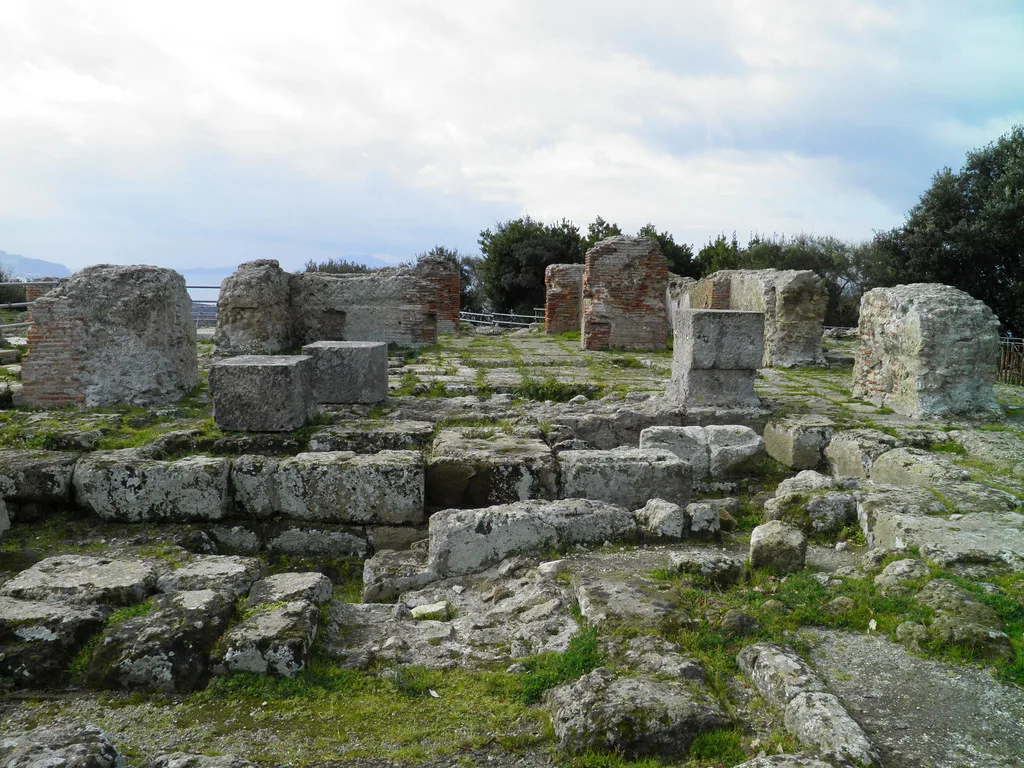
- Temple of Apollo: a terrace below the summit, with the larger Greek blocks visible at its base.
- Temple of Jupiter: on the summit, reached by the steep Sacred Way, with the Bay of Naples below.
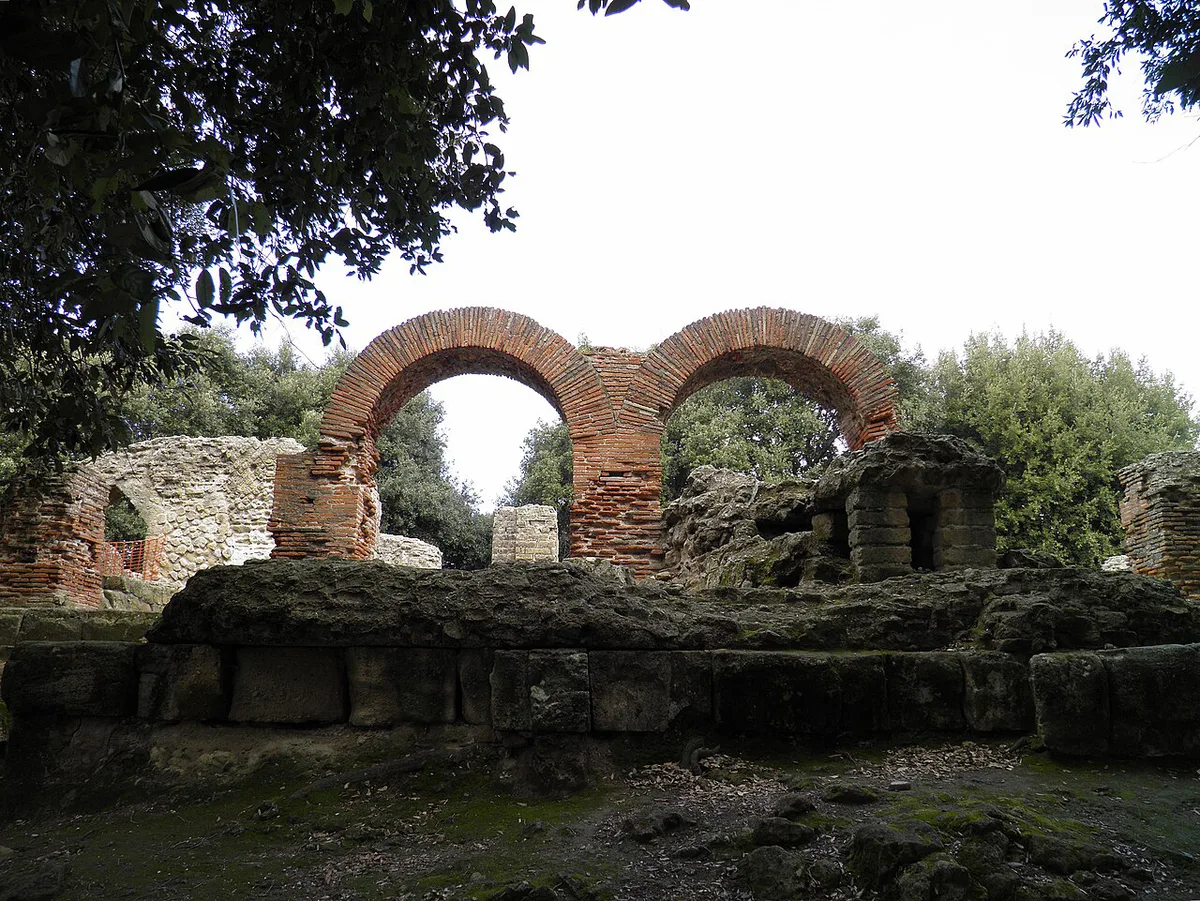
- Crypta Romana: Roman tunnels cut into the flank of the hill, with only parts open to visitors.
- Lower town: remains of Roman baths and a forum below the acropolis.
The Sibyl and Virgil: Myth Versus What Archaeology Shows
Virgil's Aeneid, Book 6, has Aeneas consult the Sibyl at Cumae before his journey to the Underworld. That part is literature. Virgil describes a tunnel with a hundred mouths, and the 1932 find of the Antrum persuaded many readers that he had a real place in mind. Scholars still debate whether this gallery was truly the Sibyl's seat. Treat the label as tradition, not proof. The Underworld entrance in the same story belongs to the Avernus area. Nearby Lake Avernus: Myth, Volcano and How to Visit is where ancient writers placed it. Keep this site separate from the Antrum of Initiation at Baia. That gallery is a different structure and is closed to the public.
Tickets, Opening Hours, and Booking
No published fee, closing time or combined-ticket rule is confirmed here for 2026. Check the Parco Archeologico dei Campi Flegrei site for current prices, hours, closure days and whether a combined ticket covers Cumae.
How to Get to Cumae from Naples and Pozzuoli
A car is the simplest route, but it is not required. The Cumana railway, run by EAV, serves the coast toward Fusaro and Torregaveta. Bus connections cover the last stretch, so check the operator's timetable before you leave. Our guide on getting around from Naples covers the wider network. Choose by effort and flexibility rather than by headline speed.
| Mode | Effort | Best when |
|---|---|---|
| Car or taxi | Lowest effort, door to gate | You want to add Lake Avernus and Baia in one loop |
| Cumana train plus bus | More changes, lowest cost | You are traveling light and have a full day |
| Organized tour | No planning | You want transport and commentary handled |
How Long to Spend and a Sample Half-Day Route
Plan about two to three hours inside the park. That is our estimate, not an official figure. Follow this order: entrance, Antrum, acropolis climb, Temple of Apollo, then Temple of Jupiter. Walk back down through the lower town and Crypta Romana. Then continue to Lake Avernus: Myth, Volcano and How to Visit for the lakeside Underworld setting. Finish in Baia, where the Castello di Baia (Castello Aragonese): Visiting Guide for Bacoli and the underwater park are options. For a quieter evening, Pozzuoli works as a base or a final stop.
Before the climb, the Antrum runs 100 m (about 330 ft) through the rock, so allow that stretch within the two to three hours inside the park.
Accessibility, Weather, and Practical Tips
Expect uneven ancient paving, a steep Sacred Way and limited shade on the acropolis. Mobility-impaired visitors should ask the park office which areas are reachable. Summer heat makes the climb harder, so go early and bring water. Winter brings softer light and a risk of rain on the slippery stone. Sturdy shoes help in every season.
- Mistake: arriving at midday in summer with no water or hat.
- Mistake: expecting the Baia Antrum of Initiation to be open here.
- Mistake: planning only one hour and skipping the summit.
- Mistake: relying on a bus without checking the current timetable.
Safety and Volcanic Context in the Campi Flegrei
Cumae lies within the Campi Flegrei caldera, where ground movement known as bradyseism is ongoing. Visitors normally tour the site without incident. For current alert levels, consult INGV Osservatorio Vesuviano and the park authority. Background reading on hazards is in our eruption guide.
Frequently Asked Questions
Who was the Cumaean Sibyl in Greek mythology?
She was a prophetess of Apollo who gave oracles at Cumae. In Roman tradition she offered nine books of prophecy to King Tarquinius Superbus. He refused, and she burned some before the last three were bought.
What is the Cumaean prophecy?
In Virgil's Aeneid, Book 6, the Sibyl predicts Rome's future greatness to Aeneas. That account is literary tradition, not documented history.