Campi Flegrei From Naples: How to Get There and What to See
Last updated November 2026: Campi Flegrei from Naples is an easy half-day or full-day trip west of the city by train, metro or ferry. Known in English as the Phlegraean Fields, it is a caldera dotted with Roman ruins, craters and harbour towns. Budget half a day for one town, or a full day for Pozzuoli, Baia and Cumae.
Featured image: Mark Fischer, CC BY-SA 4.0, via Flickr.
Campi Flegrei From Naples at a Glance
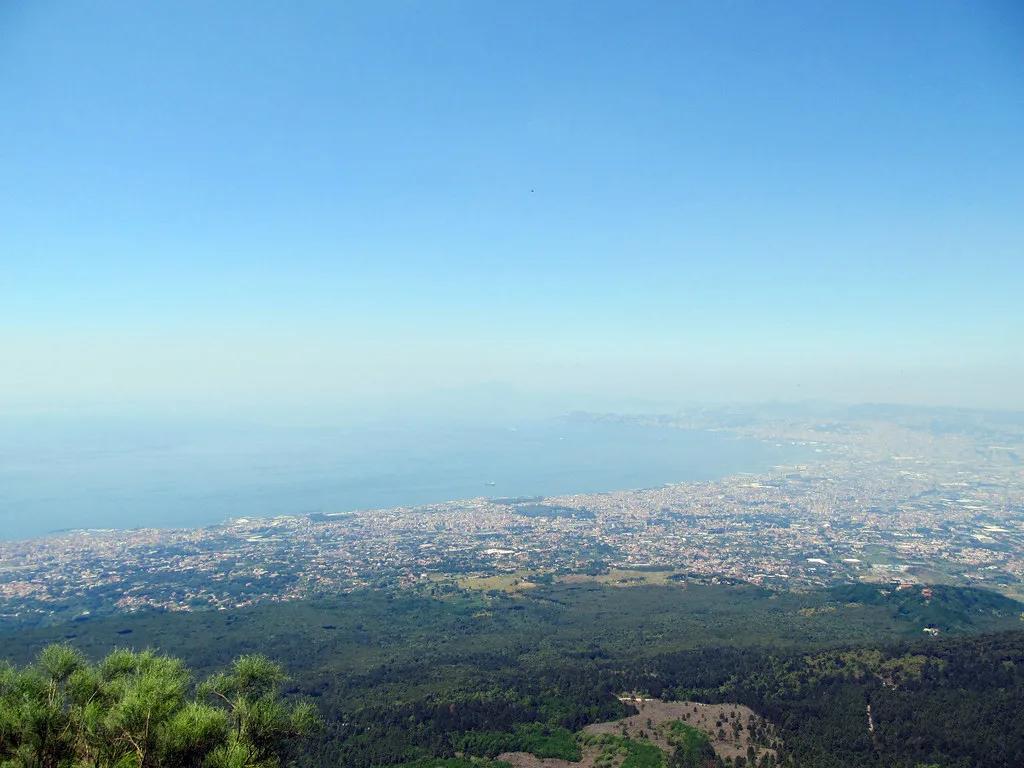
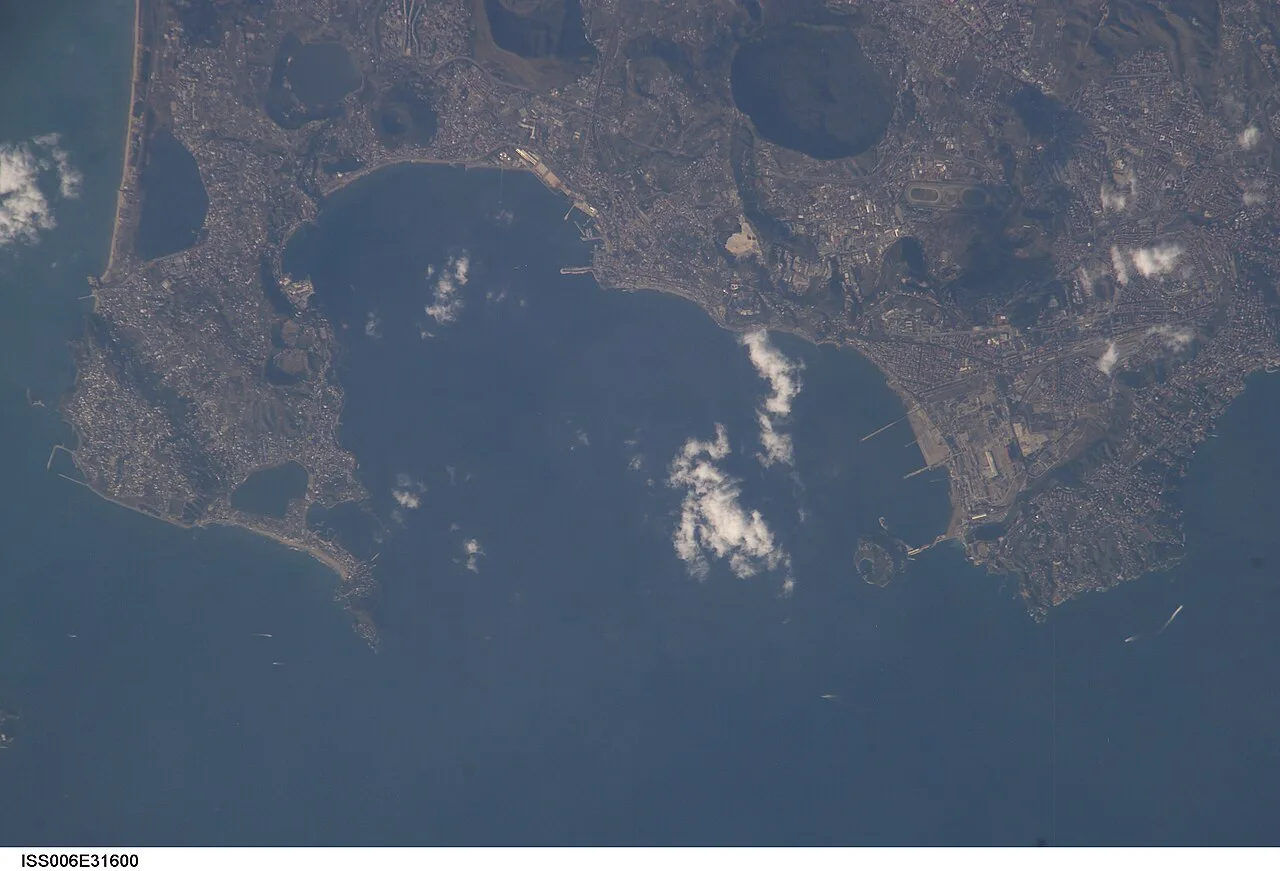
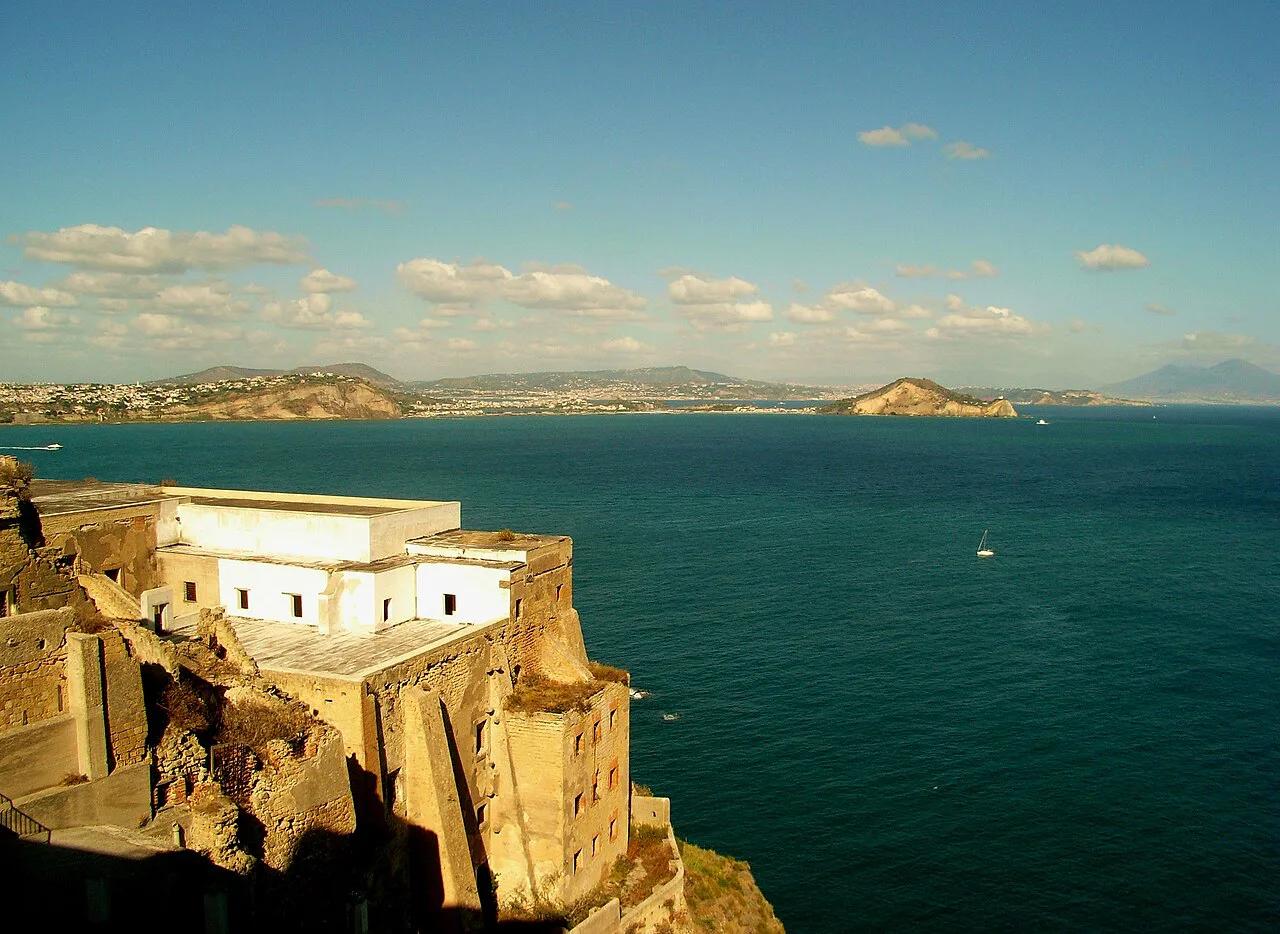
Campi Flegrei is a large caldera volcano west of Naples, with 24 craters and volcanic edifices. Most of them lie under the Gulf of Naples. There is no single cone to climb. Visitors come for ancient sites, steaming ground and sea views, and what kind of volcano this is explains why the landscape looks so flat. Vesuvius, by comparison, sits about 6 miles (9 km) east of Naples.
- Half a day: pick Pozzuoli, or Baia with Cumae, and stop there.
- Full day: Pozzuoli in the morning, then Baia and Cumae by local transport.
- Slow pace or low mobility: stay in Pozzuoli town and add one short taxi hop.
How to Get From Naples to Campi Flegrei
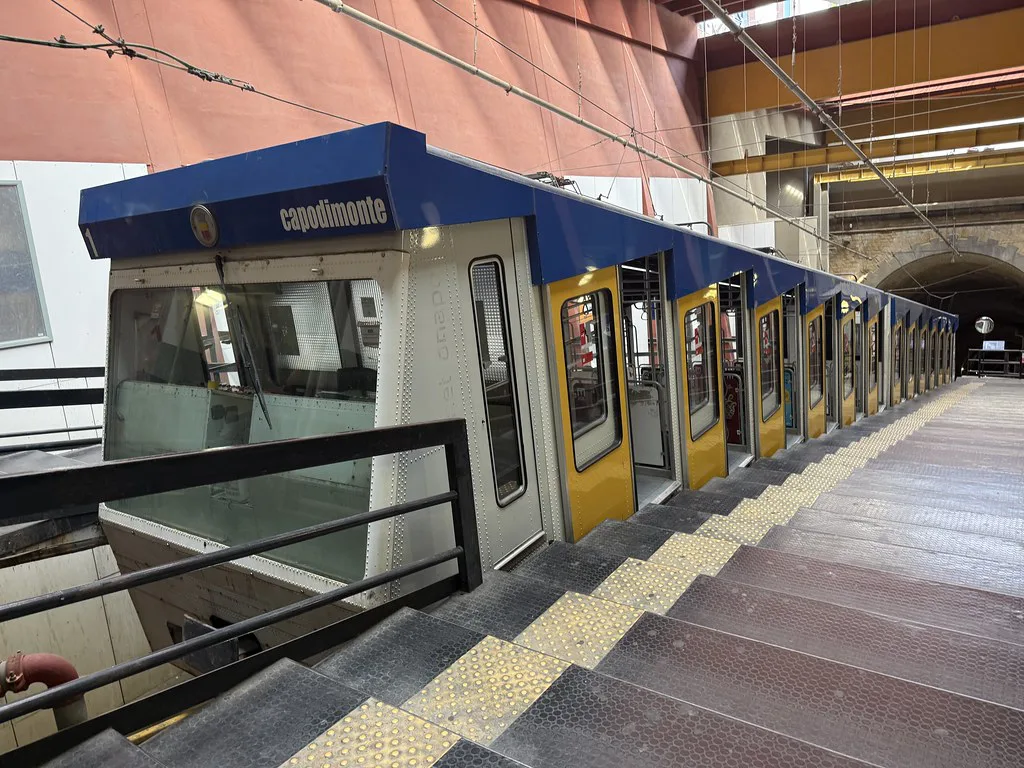
Most visitors answer "Naples to Pozzuoli" with the metro, because it is the simplest link. Metro Line 2 runs from Naples to Pozzuoli station. The Cumana railway leaves from Montesanto station and serves stops along the coast toward Baia and Cumae. Ferries also cross from Naples to Pozzuoli, and the pier depends on the operator. Timetables and fares change by season, so read them on the EAV operator site for the Cumana and Circumflegrea. Use the Campi Flegrei Map: Where Sites Are & How to Visit to see how the stops sit along the coast.
| Option | Leaves from in Naples | Best for | Trade-offs |
|---|---|---|---|
| Metro Line 2 | Naples stations on Line 2 | Pozzuoli town, Rione Terra, the port | Stops at Pozzuoli only; Baia and Cumae need another link |
| Cumana railway | Montesanto station | Baia, Lucrino, Cumae | Can be crowded at peak hours; some stations are a walk from the sites |
| Circumflegrea | Montesanto station | Inland Phlegraean towns | Less direct for the main coastal sights |
| Ferry | Naples harbour | Arriving at Pozzuoli from the sea | Sailings vary by season and weather |
| Car | Anywhere in the city | Cumae, Lake Avernus, Monte Nuovo in one loop | Limited-traffic zones (ZTL) and scarce parking |
| Organised tour | Pickup points set by the operator | Short on time, several sites | Fixed schedule and less flexibility |
Best Places to Visit, and Who Each Suits
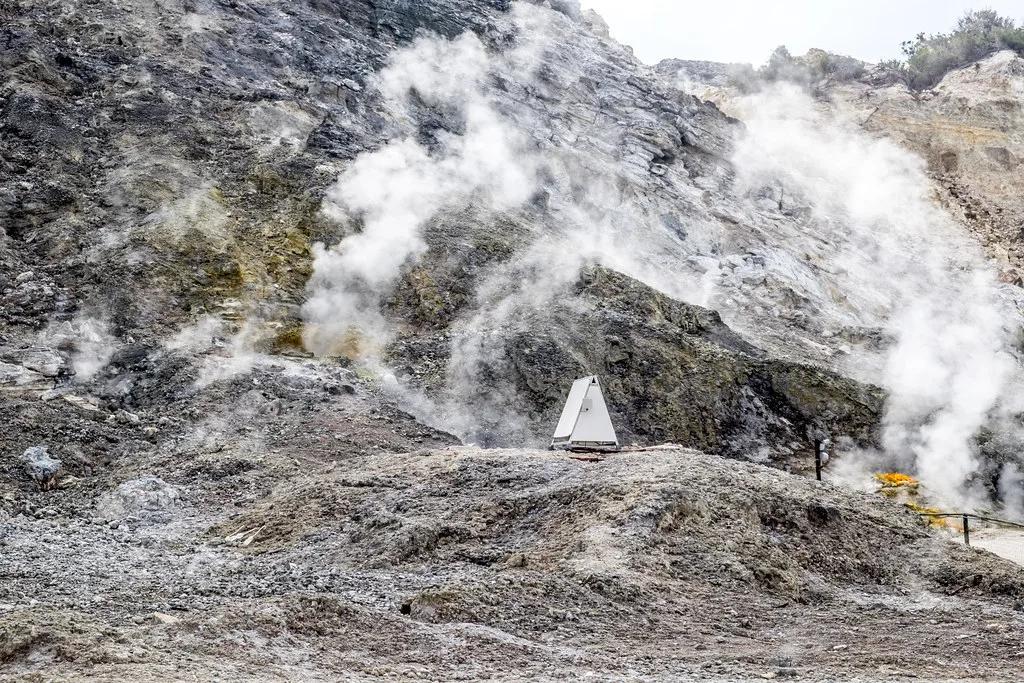
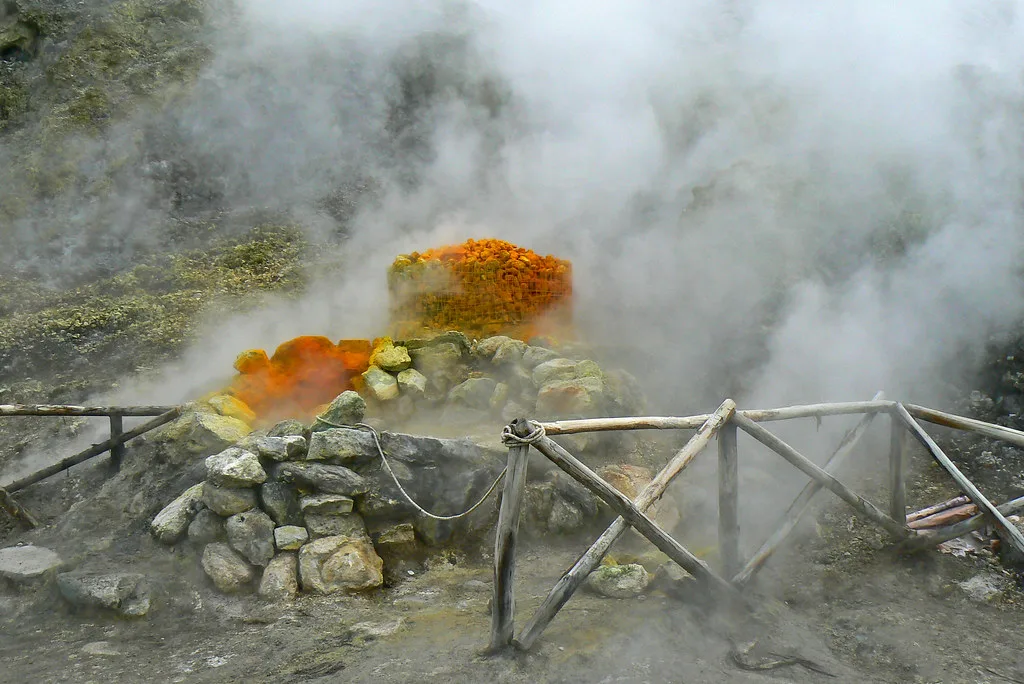
Pozzuoli and Baia are the two bases for most trips. Solfatara has fumaroles and boiling mud pools, and it was open to walkers until 2017. Its current visitor status needs checking before you plan around it. Another volcanic landmark here is bradyseism, which shows in the boreholes left by marine molluscs on the marble columns of Pozzuoli's Macellum. Those marks prove the ground has risen and fallen against sea level.
| Stop | Go for | Skip it if |
|---|---|---|
| Pozzuoli with Rione Terra, Pozzuoli: Visiting the Buried Roman Quarter | Old town, harbour, Roman streets | You want open countryside |
| Flavian Amphitheatre | Large Roman arena | You have already seen the Colosseum and want something different |
| Piscina Mirabilis Bacoli: Tickets, Hours & How to Visit | Roman water cistern | You dislike advance planning for access |
| Solfatara | Fumaroles and mud pools | It is closed to visitors when you go |
| Stufe di Nerone Spa, Bacoli: Visitor Guide & Tips | Ancient steam baths | You need easy step-free access |
| Baia with Baia Castle | Roman resort ruins and sea views | You only have a couple of hours |
| Baia Underwater Park: Visit Baiae's Sunken Roman City | Submerged Roman ruins | You do not want to swim or dive |
| Cumae | Early Greek colony and acropolis | You want a short, flat visit |
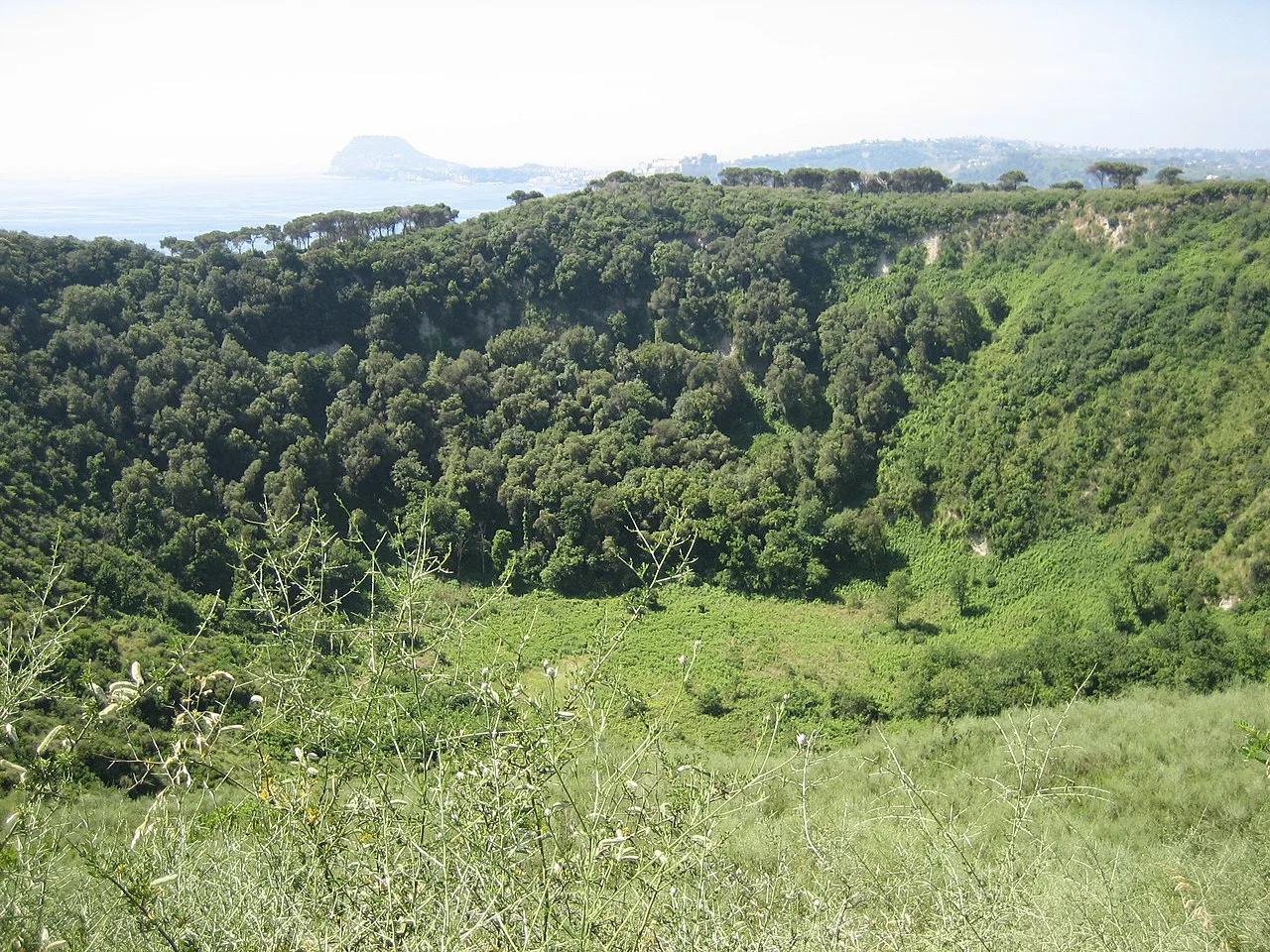
| Lake Avernus: Myth, Volcano and How to Visit | Crater lake and walk | You prefer indoor sites |
| Monte Nuovo: Europe's Newest Mountain and How to Visit | Youngest volcanic cone in the area | You want an easy stroll |
Sample Itineraries: Half Day, Full Day, Slow Pace
Each plan follows the transit line, so you spend less time backtracking. The weak links are the gaps between sites, where a bus or taxi may be needed. Lay out the stops on the regional map first.
Metro Line 2 covers the Pozzuoli plan alone, while the full day also needs the Cumana from Montesanto to reach Baia.
- Half day, Pozzuoli: take Metro Line 2 to Pozzuoli, walk to Rione Terra, then visit the amphitheatre and the harbour.
- Half day, Baia and Cumae: take the Cumana from Montesanto, see Baia castle, then continue to Cumae by local bus or taxi.
- Full day: do the Pozzuoli morning, then take the Cumana to Baia for the afternoon. Add Cumae only if opening days allow.
- Slow pace or with kids: base yourself in Pozzuoli, see Rione Terra at an easy pace, and use a taxi for any hop to Solfatara or Baia.
Tickets, Opening Days and Closures
Some Phlegraean sites have closed, restricted access or reopened over time because of ground uplift and earthquakes. The Campi Flegrei Archaeological Park publishes official opening days and ticket information for its sites. Check Pozzuoli notices on the municipal website as well. Some sites may need advance booking or fixed-hours entry, and many close one day each week.
- Check before you go: current status of each site you plan to see.
- Check before you go: opening days and last entry times.
- Check before you go: whether Solfatara and the Piscina Mirabilis are accepting visitors.
- Check before you go: any closure notice dated close to your trip.
Is Campi Flegrei Safe to Visit?
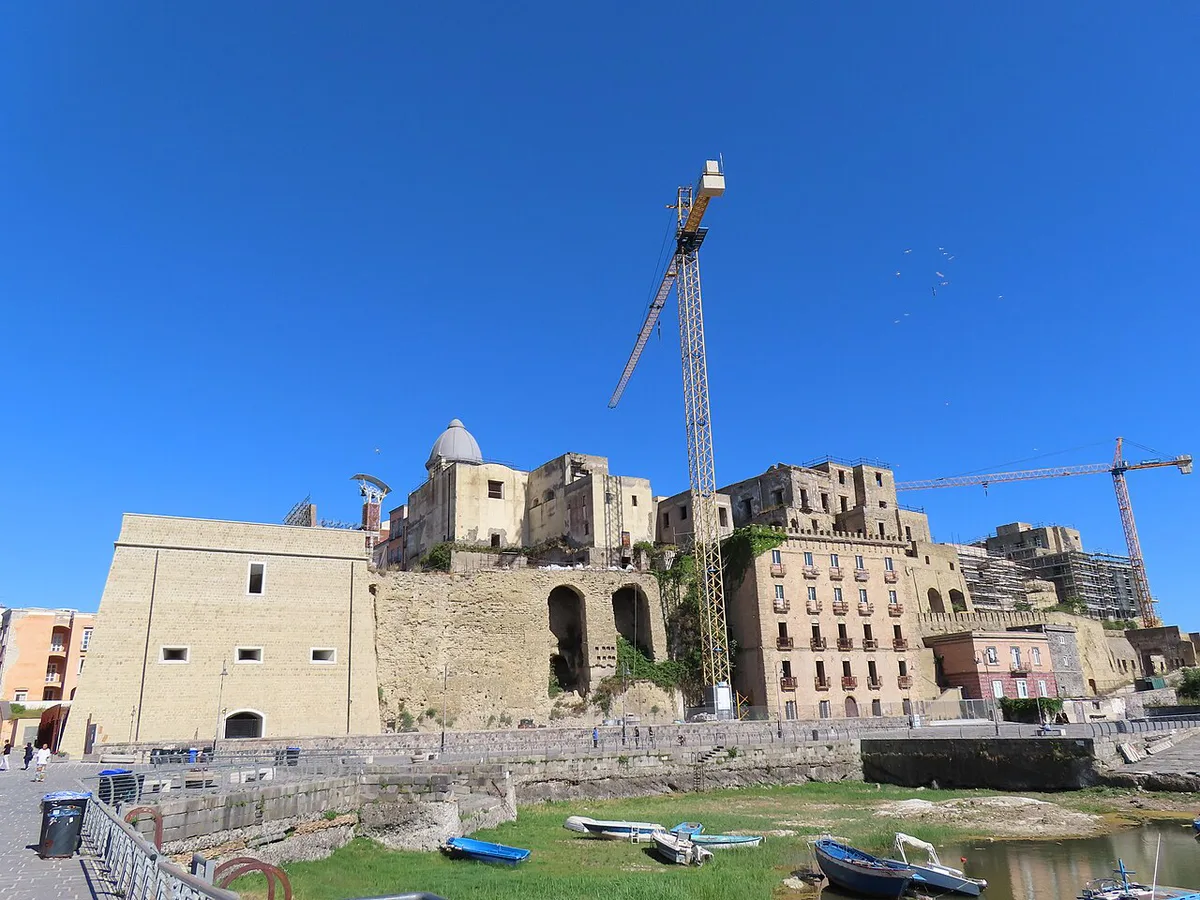
Campi Flegrei is an active volcanic area, and scientists monitor it continuously. Monitoring is run by the Vesuvius Observatory, which publishes current status reports. The region has been a regional park since 2003. For civil-protection guidance, read the Protezione Civile pages before you travel. For more detail, read about the caldera, and see how past activity works in the eruption history. Neither source advises against visiting ordinary tourist sites, but follow any local closure notices.
Where to Base Yourself and What to Pair It With
Naples centre suits most trips, because Montesanto and the Line 2 stations are easy to reach. Pozzuoli works better if you want early starts at Rione Terra or the amphitheatre. Pairing Campi Flegrei with Vesuvius in one day is tight, so read Campi Flegrei versus Vesuvius before choosing. In bad weather, favour covered or indoor stops and keep the sea sites for a clear day. The Vesuvius National Park site lists conditions for the other volcano.
Mistakes to Avoid
Four errors catch most first-time visitors.
Campi Flegrei has 24 craters and volcanic edifices, most of them under the Gulf of Naples, so there is no single peak to climb.
- Expecting a cone-shaped volcano: this is a caldera with craters and lakes.
- Arriving on a closure day without checking the park calendar.
- Trying to see every site in a single day.
- Ignoring summer heat on exposed sites such as Cumae and Solfatara.
Frequently Asked Questions
How big would a Campi Flegrei eruption be?
Scientists do not give one forecast size, because activity can range from small events to larger ones. Read the Campi Flegrei eruption guide for the history, and follow INGV Osservatorio Vesuviano for current status.