Baia, Italy: Roman Resort, Castle and Underwater Park Guide
Last updated November 2026: baia is the Italian word for bay, but this guide covers Baia, the Roman imperial pleasure resort in Bacoli on the Gulf of Pozzuoli. Visitors come for the terraces of the archaeological park, a castle museum and a protected underwater archaeological zone. In our editorial judgement it suits half a day on its own, or a full day when paired with Cumae or Pozzuoli.
Featured image: Tyler Bell, CC BY 2.0, via Wikimedia Commons.
What Baia is, and which Baia this guide covers
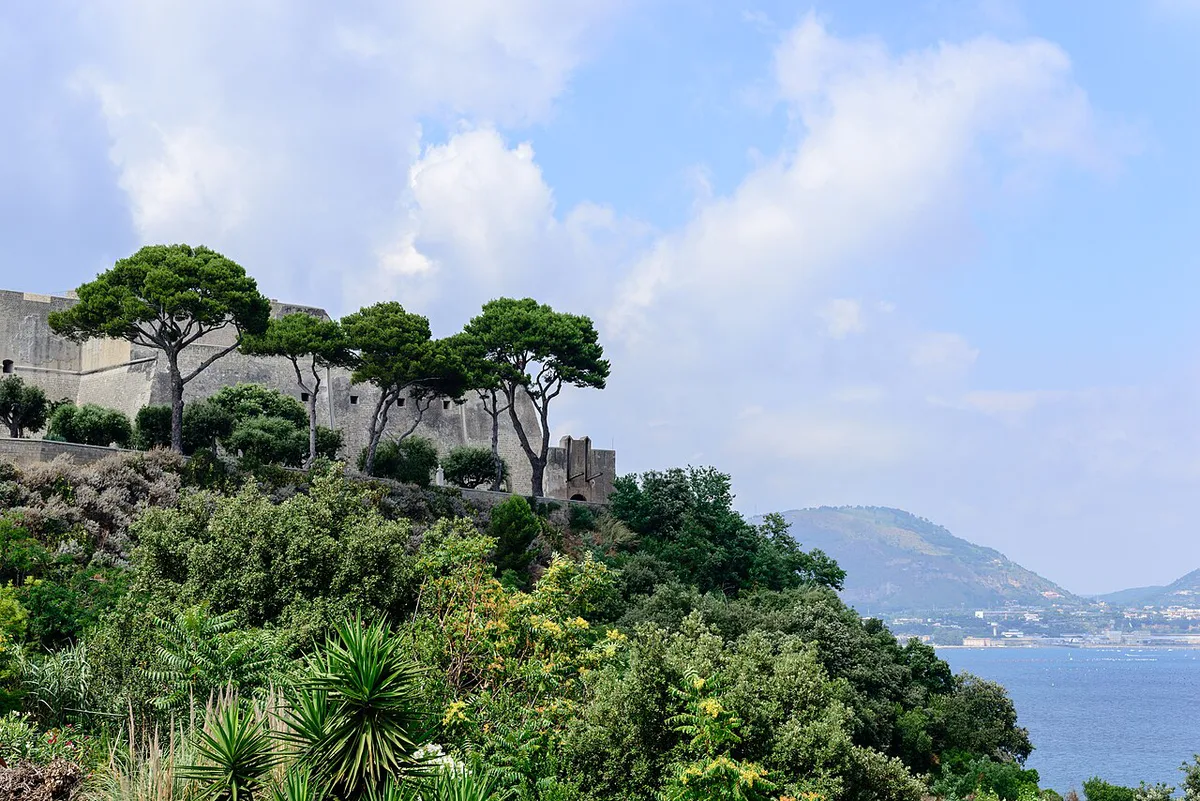
Baia is a seaside district of Bacoli, on the Gulf of Pozzuoli in the 8 Best Things to See in Campi Flegrei: Sites, Safety and Access west of Naples. In Roman times it was an imperial pleasure resort. Today it holds an archaeological park, a castle museum and a partly submerged ancient shoreline. Searching for a restaurant, brand or another place called Baia? This guide will not help with those. It covers only the Roman resort town.
The Roman resort story in brief
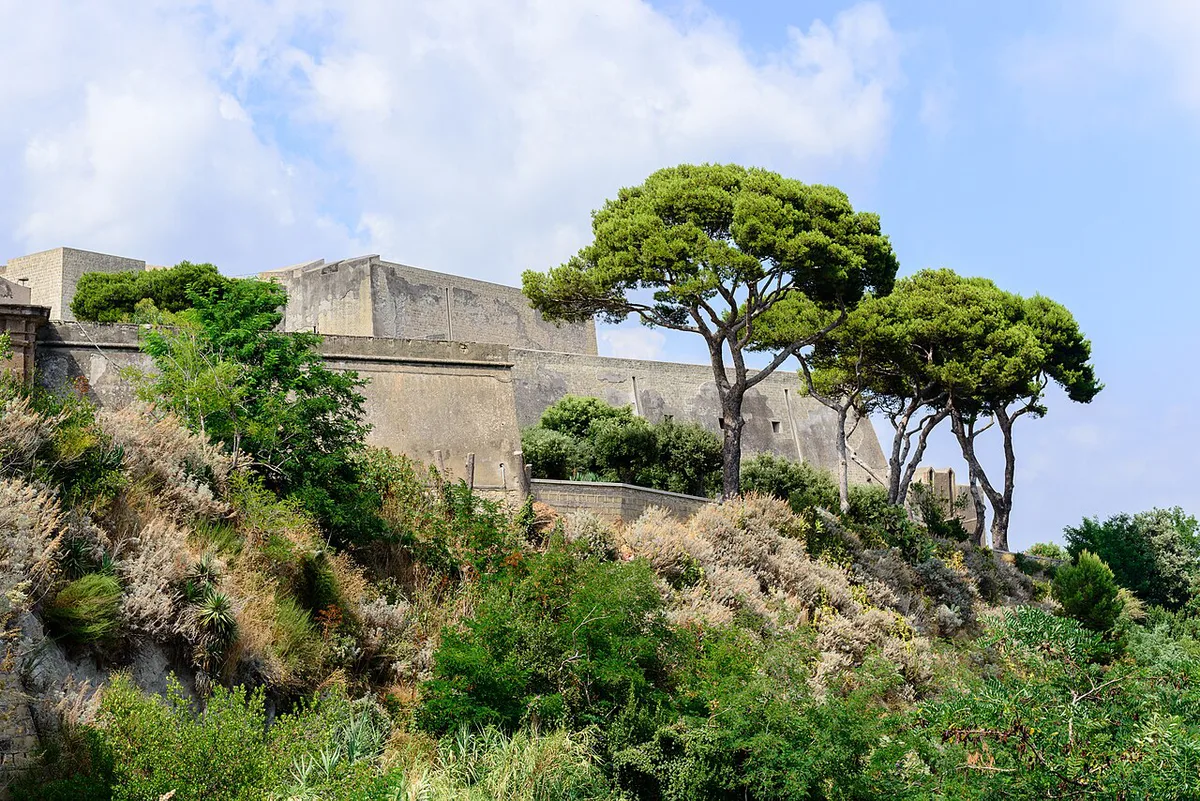
Wealthy Romans built villas, baths and pavilions on the slopes above the bay. Volcanic heat under the ground fed natural hot springs, which made the shore a fashionable place to bathe. Slow ground movement known as bradyseism later lowered parts of the coastline. That is why some of the ancient resort now lies below sea level. For the geology behind it, read about how the volcano works.
What to see in Baia
Baia offers three separate experiences. Each has its own detail page, so this section stays short.
- Archaeological park: terraced remains of baths and a nymphaeum on the hillside above the bay. It is run by the Campi Flegrei Archaeological Park.
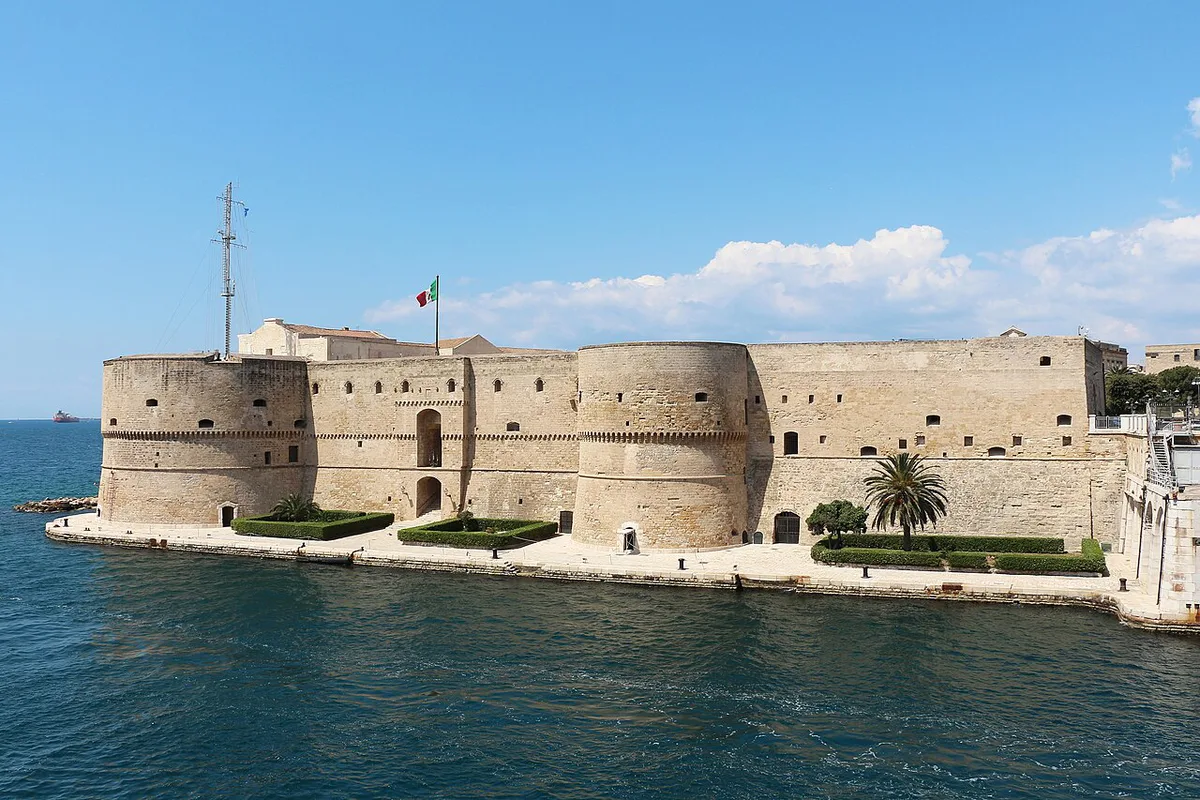
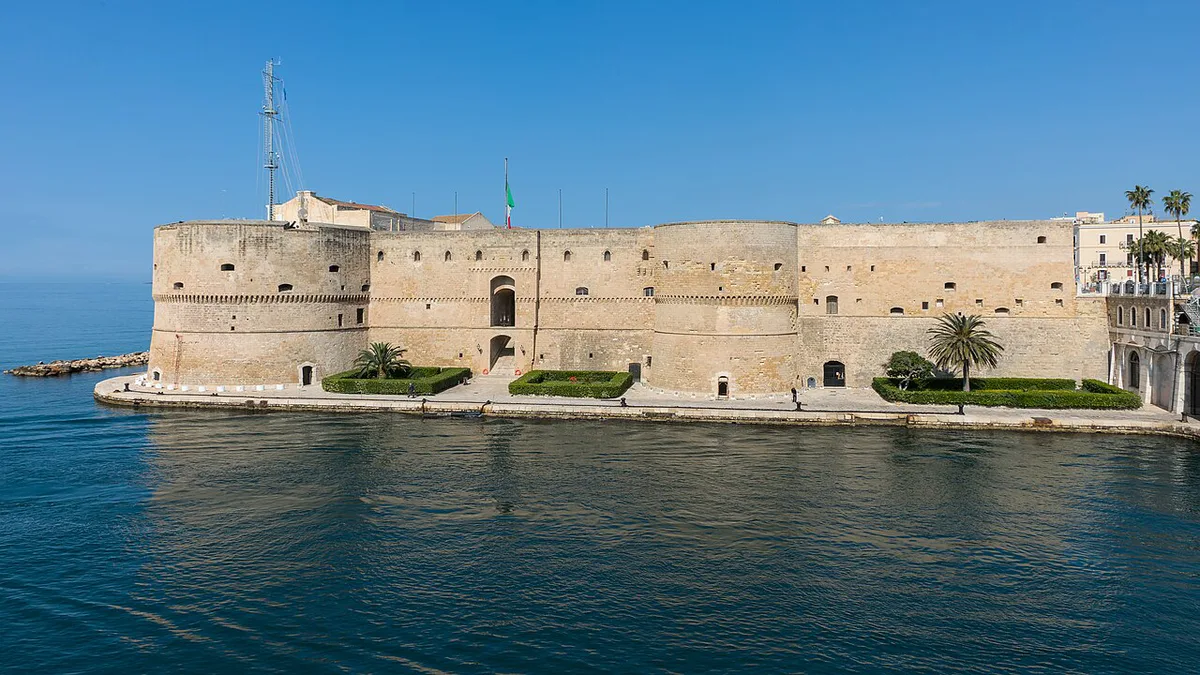
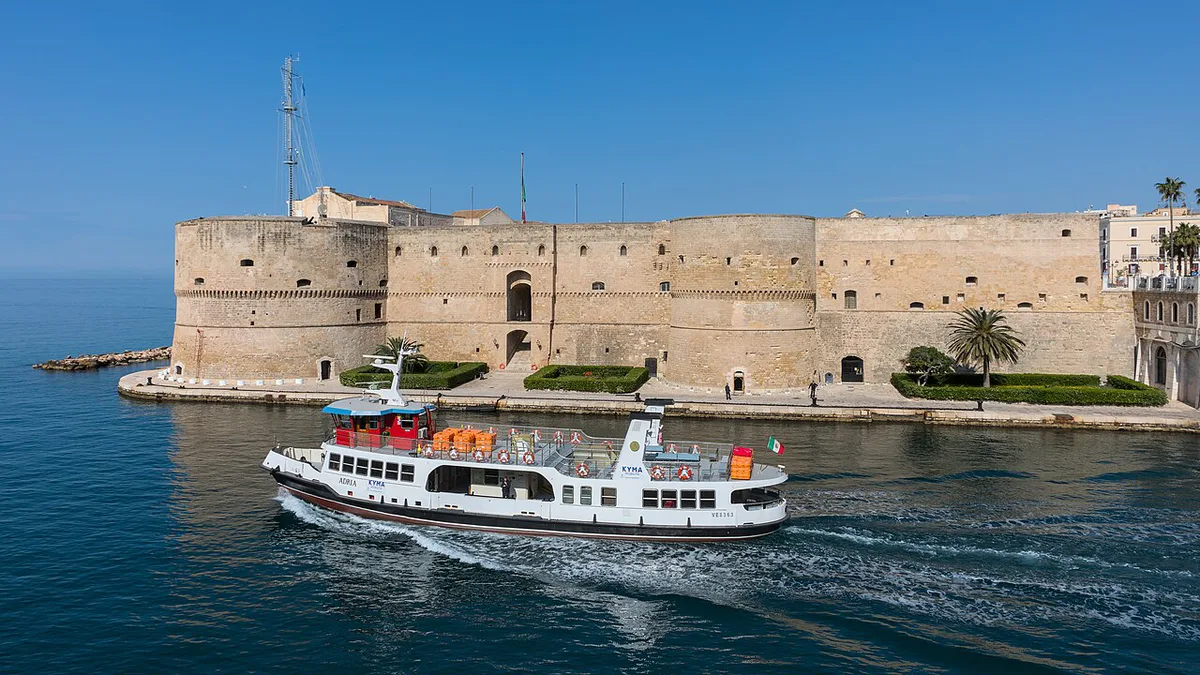
- Castello Aragonese: the castle at Baia houses the Museo Archeologico dei Campi Flegrei. Visiting details are on the castle and museum page.
- Underwater park: a protected zone of sunken Roman structures, seen by diving, snorkelling or glass-bottom boat. Read our sunken Roman city overview for the options. Access rules come from the Parco Sommerso di Baia authority.
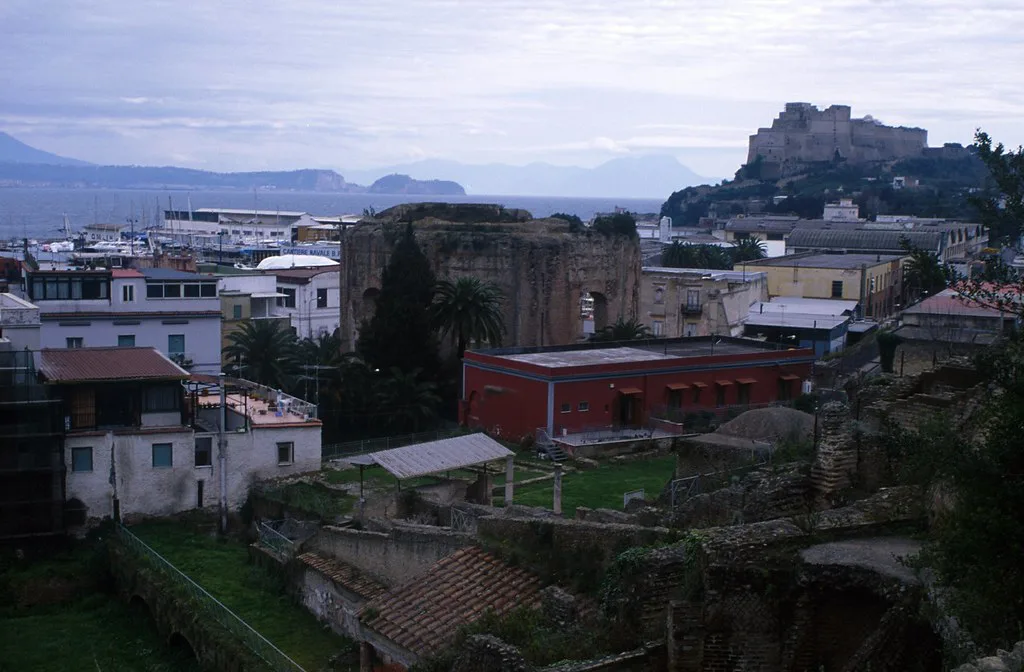
Named ruins in the Baia archaeological park
The park's ruins are known by traditional names that are easier to follow once you know what they were. Most of the "temples" were actually bath halls and pavilions that belonged to imperial villas, and the labels date from early antiquarian guesses.
- Baths of Sosandra: the upper terraces of the complex. They are named after a statue found on the site and are a good place to take in the layout of the hillside and the view over the gulf.
- "Temple of Mercury": a circular, domed bath hall with an opening at the top of the dome. It is the best-preserved interior in the park and dates from the late Republican period, before the Pantheon in Rome.
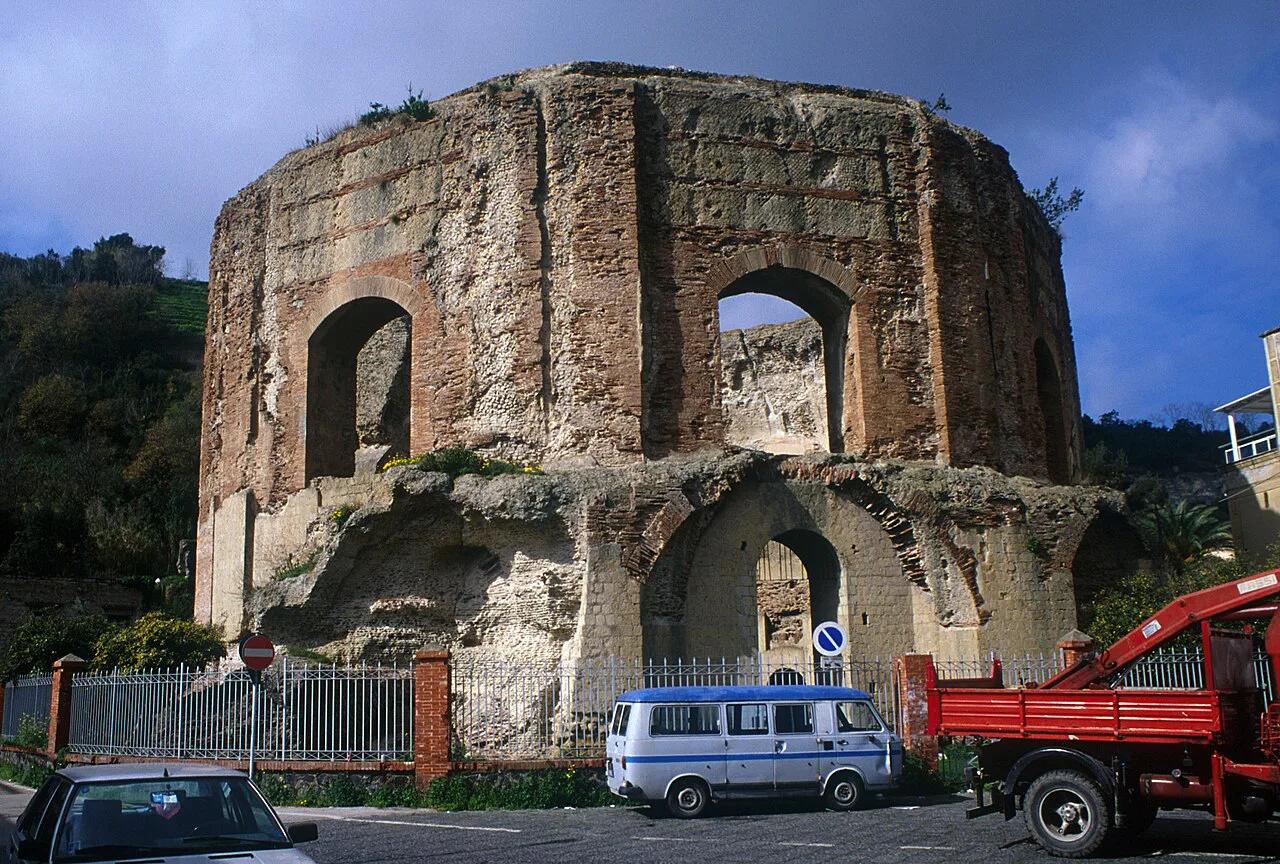
- "Temple of Venus": an octagonal exterior around a round hall. It is linked to the bathing pavilions that stepped down towards the shore.
- "Temple of Diana": the largest surviving hall, a bath building whose big dome has partly collapsed. The scale of the walls shows how large these spa buildings were.
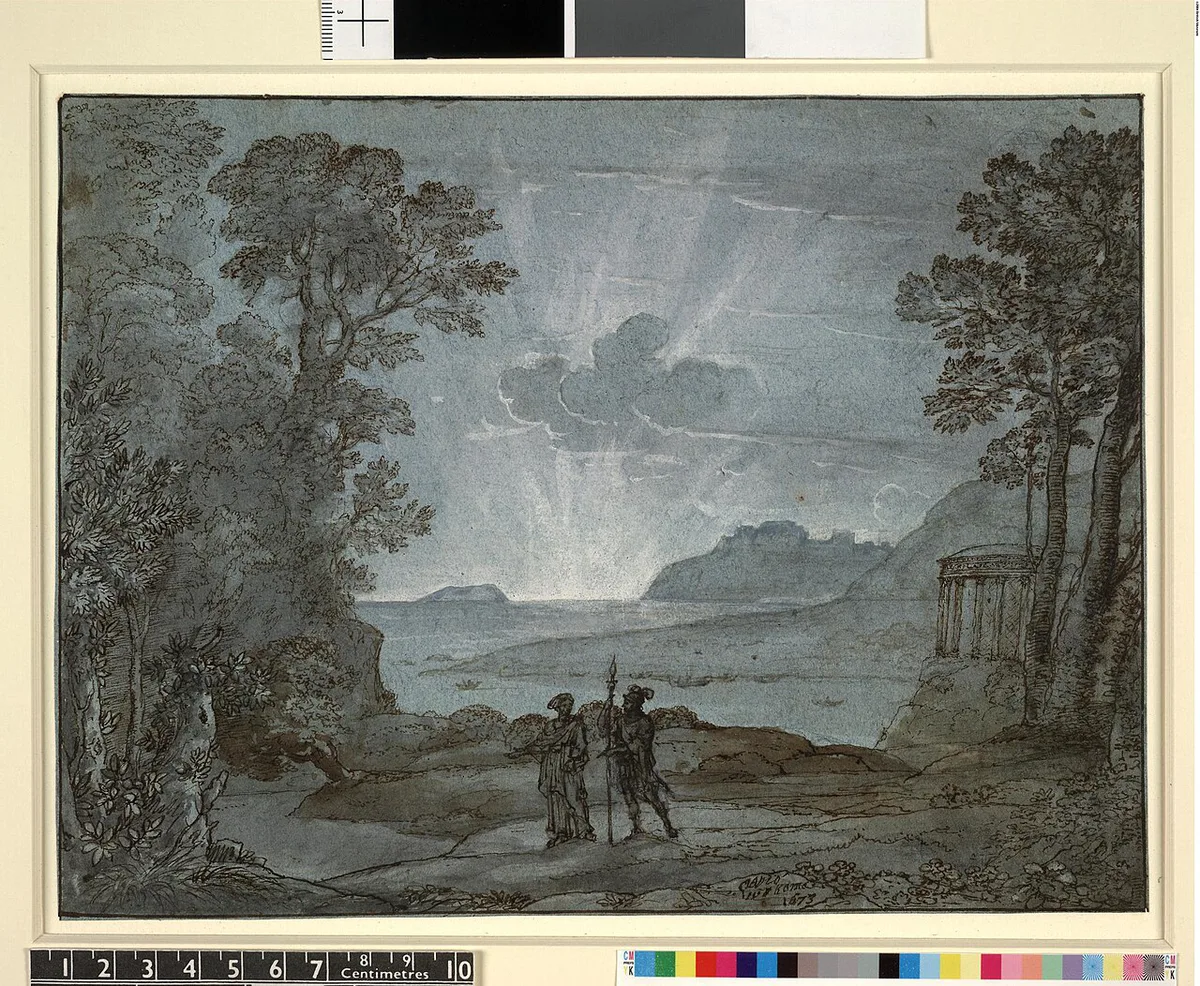
The setting explains the names that matter in Roman history. Baiae was a retreat for senators and emperors, and the emperor Hadrian died here in AD 138. The ancient writers also treated it as a place of luxury and scandal, which is why the town became a byword for pleasure.
Some halls and terraces can be closed for conservation or safety, so check the Campi Flegrei Archaeological Park site for which areas are open before you plan a route. Allow extra time for the steps between terraces.
Land or sea? A decision table
Pick the experience that matches your time, your comfort on a boat and the weather. Fill in the gaps with the official sites before you commit. Set expectations too. From the shore you will not walk along submerged streets. Seeing the sunken structures needs a boat, a snorkel or a dive, and rough sea can cancel a trip. Land and castle visits do not depend on the sea.
| Option | What you see | Who it suits | Booking needs | Weather or sea dependence | Kids and limited mobility |
|---|---|---|---|---|---|
| Archaeological park | Terraced baths, a nymphaeum and views over the bay | History fans comfortable with slopes and steps | The park site lists current access | Exposed hillside, so hot or wet days are harder | Hilly ground with steps; ask the park about access |
| Castello di Baia and museum | Local finds displayed inside a castle | Visitors who want context for the ruins | See the park site for hours and entry | Mostly indoors, so least weather-dependent | Castle layouts include stairs; ask in advance |
| Underwater park | Submerged Roman structures from a boat, snorkel or dive | Divers, snorkellers and boat-trip visitors | Book ahead with an authorised operator | Depends on sea state and visibility | Glass-bottom boat is the gentlest option; diving needs certification |
Getting to Baia from Naples, Pozzuoli and Rome
Public transport is the simplest approach from Naples. EAV runs the Cumana and Circumflegrea railways, and its EAV timetables show current services. Our Naples to Campi Flegrei route guide compares the options. Pozzuoli lies on the same gulf, so you can reach Baia from there by local rail, bus or taxi. From Rome, take a train to Naples first, then continue by EAV rail or taxi. Use the Campi Flegrei Map: Where Sites Are & How to Visit to judge distances between the station, the park and the castle. Expect uphill walking between them. Note the last departure on your return line before you climb. Plan lunch around the waterfront or Pozzuoli town rather than counting on food at the sites. Wear grippy shoes, and carry water and a hat.
When to go, and how long to stay in Baia
Spring and autumn suit the exposed terraces best. Summer heat makes the hillside tiring, so start early. Boat trips to the underwater park depend on calm sea, which matters more than the calendar. As an editorial estimate, allow half a day for the park and castle together. Add time if you plan a boat trip or want a second stop on the same day.
A half-day plan for Baia on foot
Baia's sights sit on different levels of the hillside, so the order you take them in changes how tiring the day is. This plan works for a half-day visit. It assumes you reach the area by EAV rail, as described above. Treat the sequence as a suggestion and confirm opening times first.
- Start with the archaeological park. The terraces are exposed to the sun, so do them first, especially in summer. Work from the upper levels down towards the bath halls, which saves you a climb at the end.
- Move on to the castle and museum. The Museo Archeologico dei Campi Flegrei is mostly indoors. It gives you shade at midday and puts the finds from the ruins you have just seen in context.
- Finish at the water. Spend the last stretch on the waterfront, where the sunken part of the ancient town lies offshore. If you have booked a glass-bottom boat or a snorkel trip with an authorised operator, schedule it for the calmest part of the day and keep a weather fallback.
Practical points:
- Check the return times on your EAV line before you start the climb.
- Eat before or after rather than relying on the sites for food.
- If the sea is rough, switch the boat trip for more time in the museum or the park. The land sights do not depend on the weather in the same way.
With a second stop, such as Cumae, start the park early and treat the castle as the item you can shorten.
Tickets, booking and costs
Prices, hours and booking rules change, and none are listed here. Check the official park site for the park and castle, and the marine protected area site for underwater visits.
Combining Baia with Cumae, Pozzuoli and Lake Avernus
Three combinations work well. Confirm connections on the EAV site before relying on any of them.
- Baia and Cumae: pair the resort with the ancient acropolis at Cumae. This likely needs rail plus a local bus or taxi.
- Baia and Pozzuoli: add Rione Terra, Pozzuoli: Visiting the Buried Roman Quarter and the Flavian Amphitheatre. The Solfatara has its own access status, so look that up before planning it. This is the easiest combination by public transport.
- Baia and Lake Avernus: pair the coast with Lake Avernus: Myth, Volcano and How to Visit and Monte Nuovo: Europe's Newest Mountain and How to Visit. Short hops between them usually need a taxi or local transport.
Safety, seismic activity and accessibility
Baia sits in an area of ongoing ground unrest. Visitors are not in danger on a normal day, but access can change. Watch INGV Osservatorio Vesuviano for monitoring updates. Follow civil protection guidance and local closure notices before you travel. For background, read about the eruption risk. Our comparison of Campi Flegrei and Vesuvius adds context. Terrain is hilly with steps, so visitors with limited mobility should ask the park office about accessible routes before visiting.