7 Volcanoes in Italy: Active, Dormant and Visitable
Last updated November 2026: volcanoes in Italy split into an active southern arc and a set of dormant or extinct centers farther north. Etna, Stromboli and Vulcano are the active ones, while Vesuvius and Campi Flegrei are quiet but closely monitored. Start with the table below, then use our Italy volcano map to see how the regions fit together.
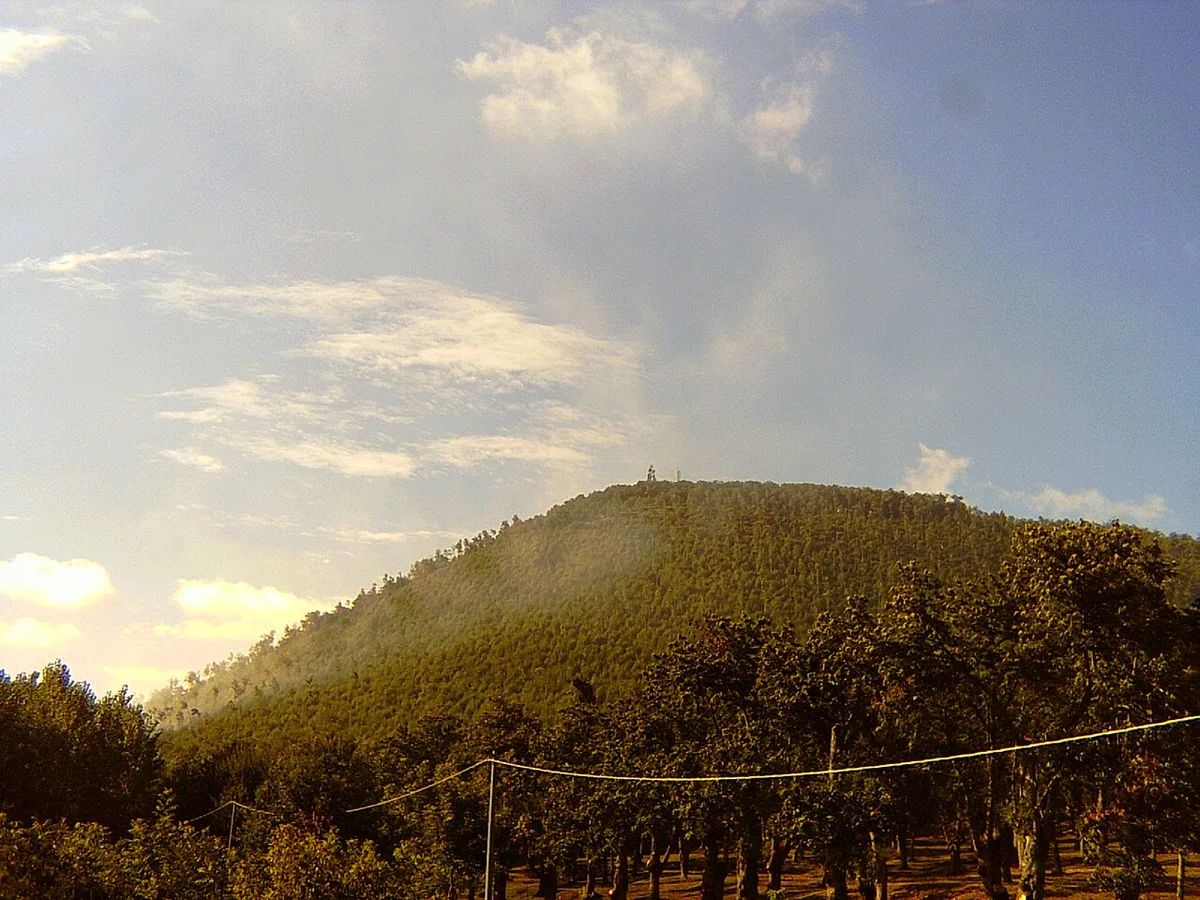
Featured image: Cayambe, CC BY 4.0, via Wikimedia Commons.
Quick answer: volcanoes in Italy at a glance
Italy's most active volcanoes sit in the south, in Sicily, the Aeolian Islands and the Bay of Naples. Dormant and extinct volcanoes run north through Lazio, Campania, Basilicata and Tuscany. Our guide to which Italian volcanoes are active goes deeper on status. Status here means scientific classification, not a forecast.
| Volcano | Location | Status | Can you visit? |
|---|---|---|---|
| Etna | Sicily | Active | Yes, with limits near the summit craters |
| Stromboli | Aeolian Islands | Active, persistent small explosions | Yes, guided climbs and boat views |
| Vulcano | Aeolian Islands | Active, fumaroles | Yes, crater rim hike |
| Vesuvius | Near Naples | Dormant, monitored | Yes, park trail to the crater rim |
| Campi Flegrei | West of Naples | Restless caldera, monitored | Yes, Solfatara area subject to access rules |
| Mount Epomeo | Ischia | Dormant | Yes, hiking trails |
| Colli Albani | Near Rome | Quiescent | Yes, lakes and villages |
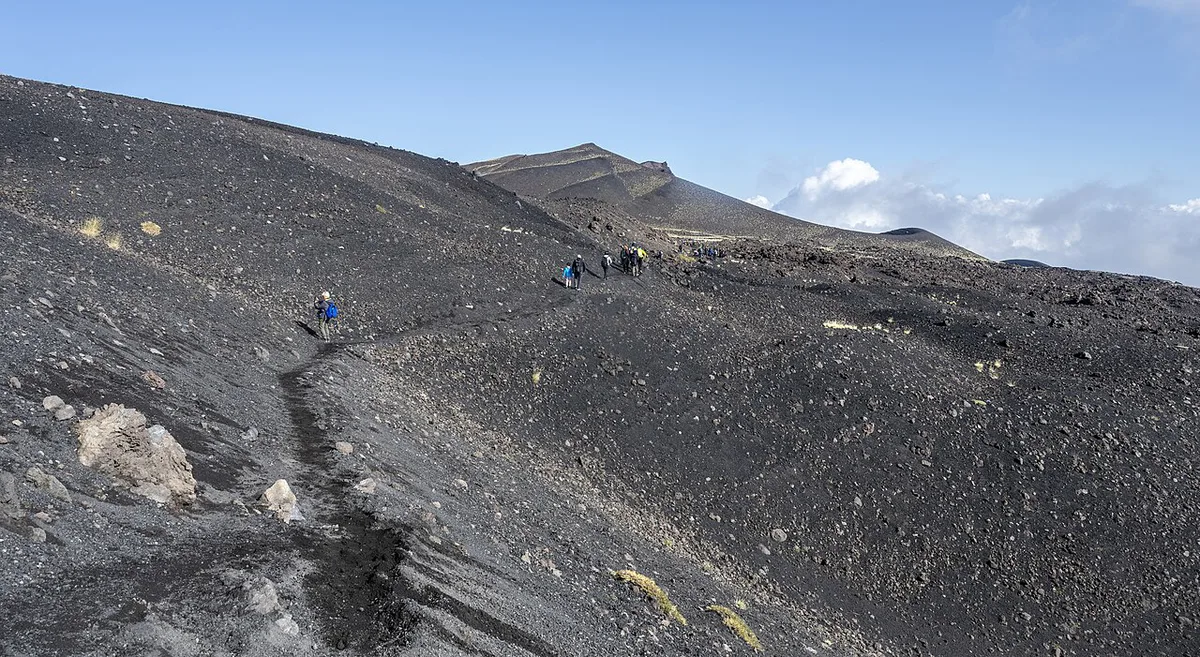
7 Volcanoes in Italy Worth Visiting
Access details were checked November 2026. Each volcano below is a different kind of trip, from a lift-assisted day on Etna to a short hike on Ischia. To compare Italy's volcanoes with Iceland, the Canaries, the Azores and Santorini, start with our overview of volcanoes in Europe.
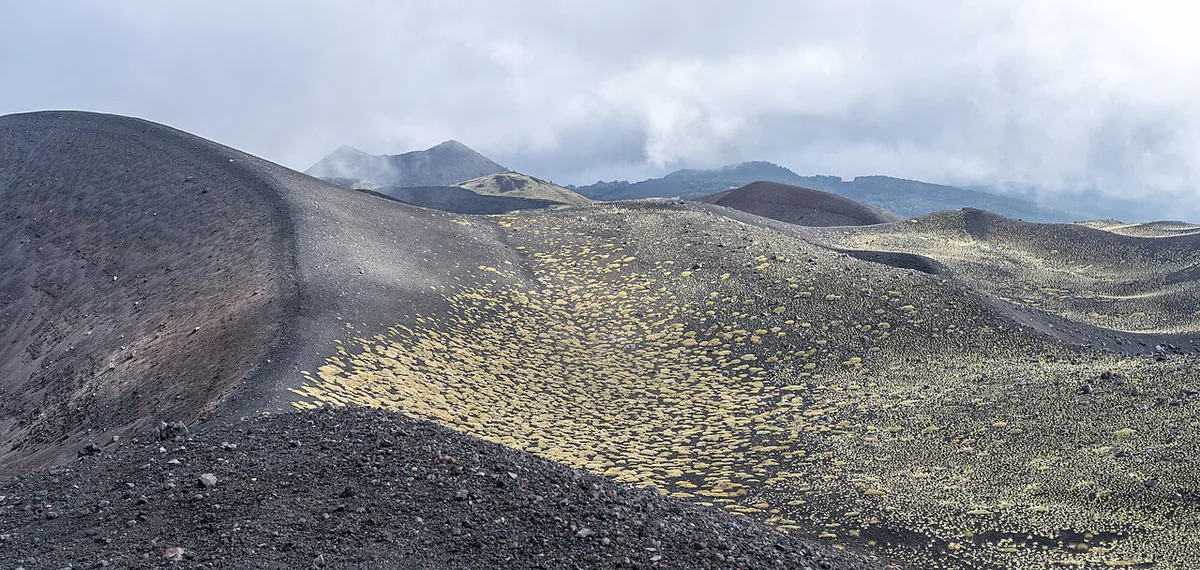
1. Mount Etna, Sicily
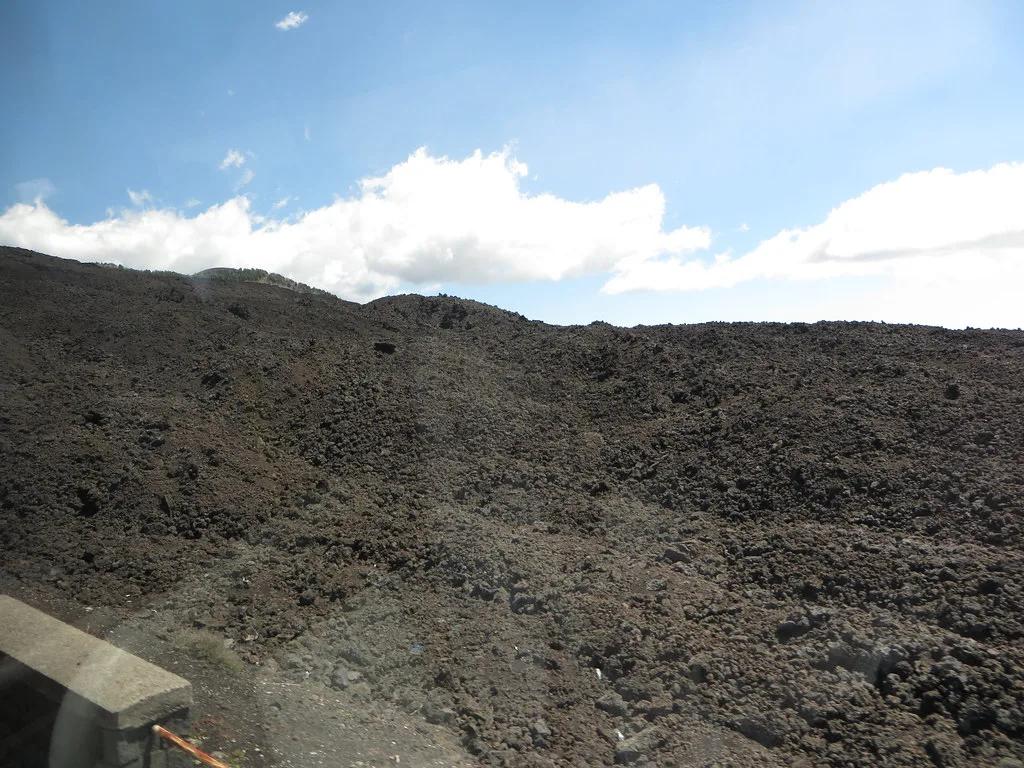
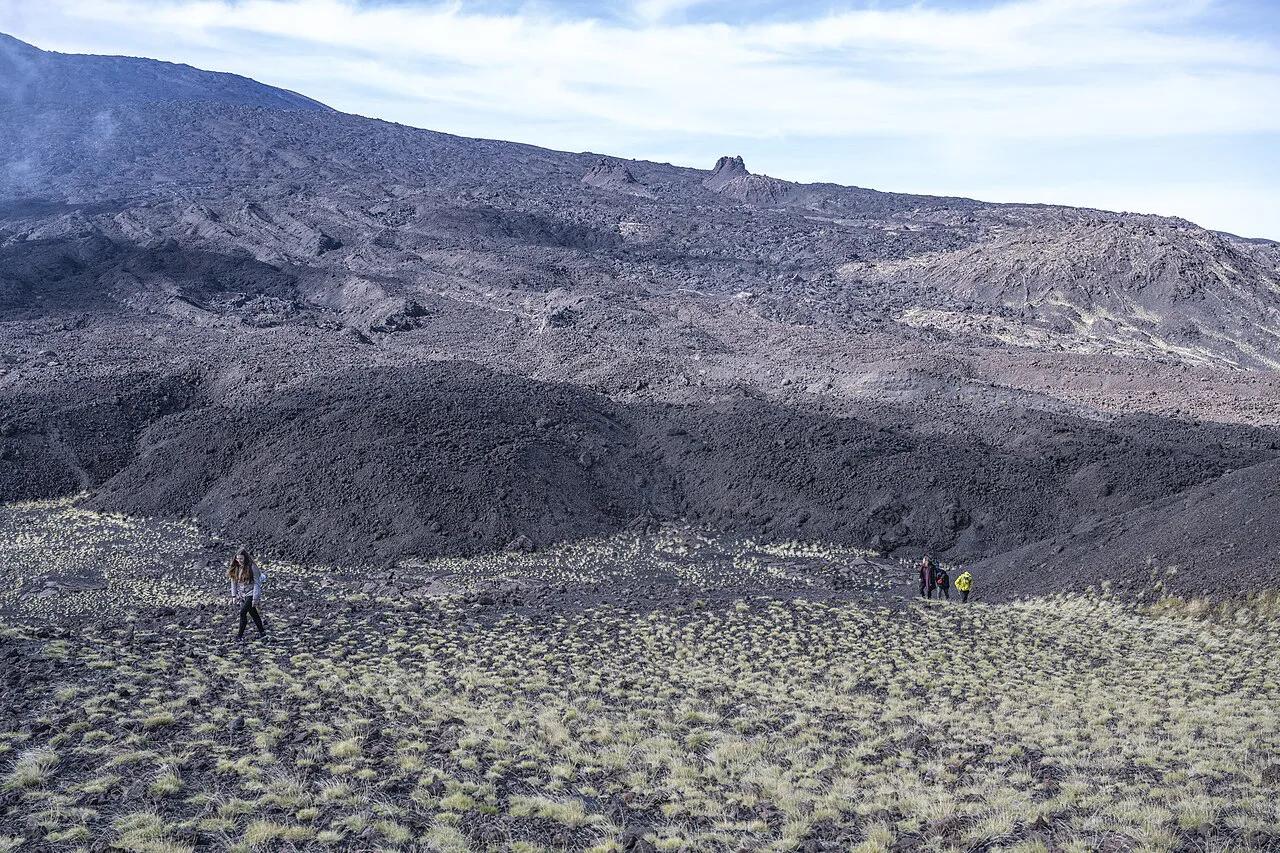
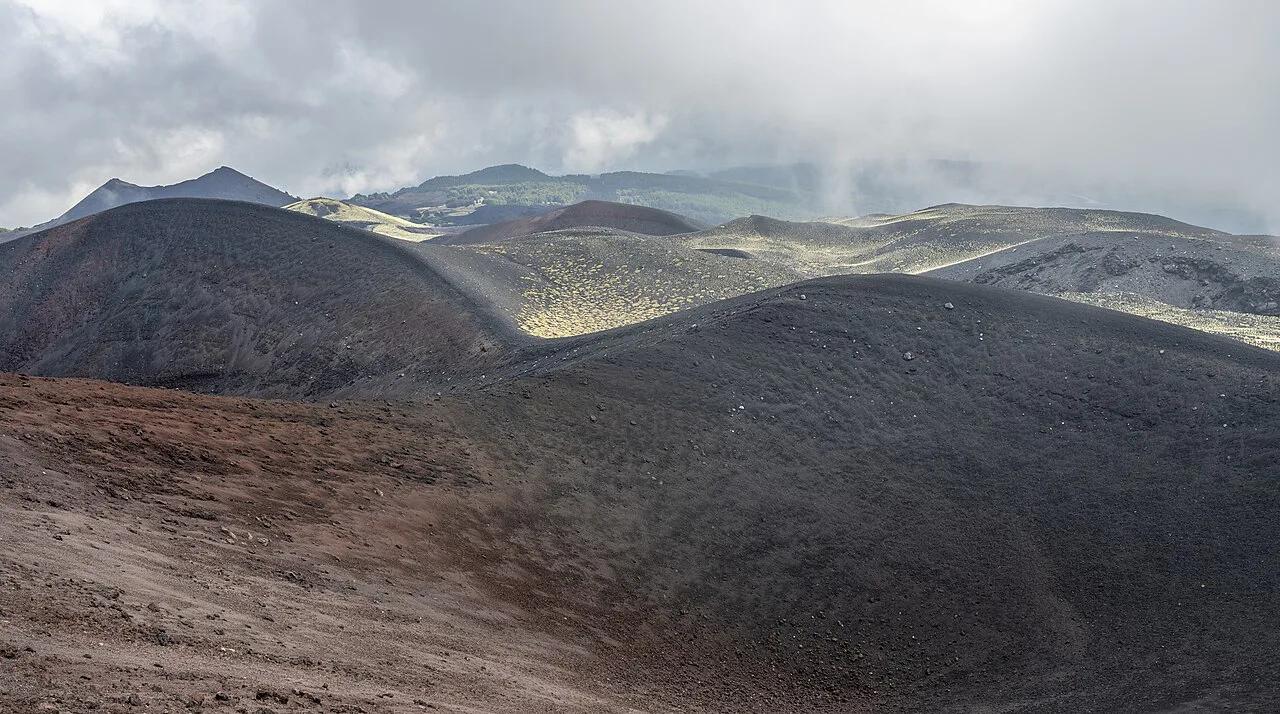
Etna is the large active volcano of Sicily, standing at about 3,329 m (roughly 10,900 feet) before the next eruption changes the summit. Lower slopes have lava fields, old cinder cones and short walks that need no permit. Summit craters are a different matter, because authorized guides and altitude limits shift with activity.
Read the current rules at Parco dell'Etna before you pick an itinerary. Plan a full day, and read our Sicily volcano guide for the wider picture. Skip the high route if you have only a half day or no sturdy boots.
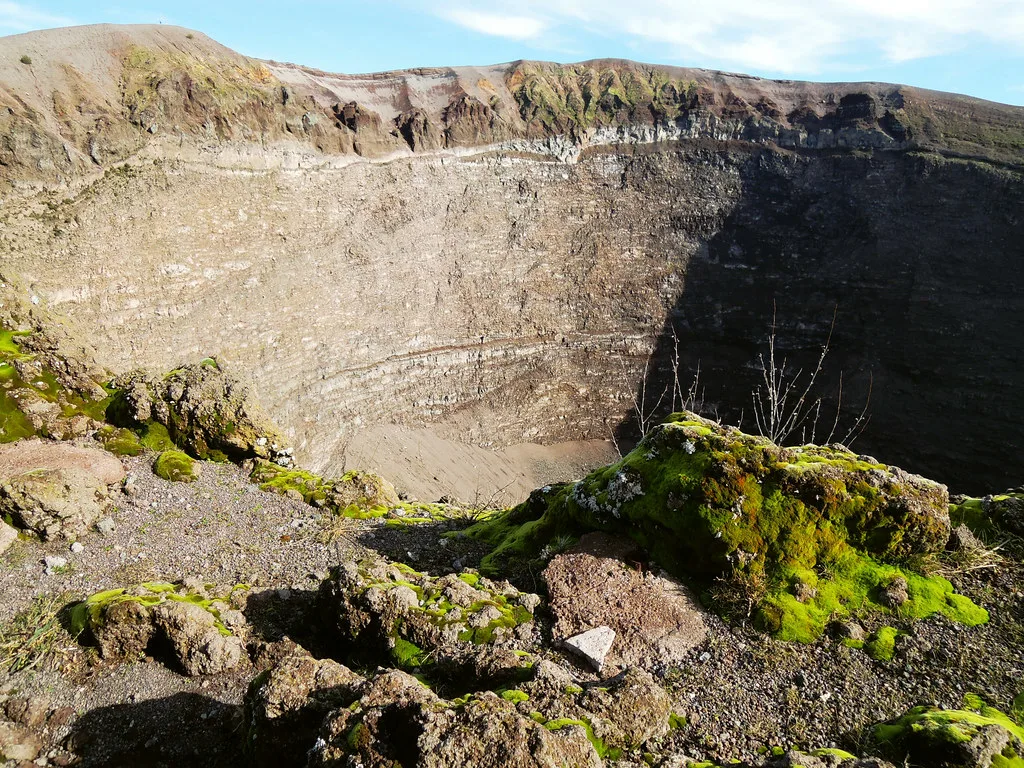
2. Stromboli, Aeolian Islands
Stromboli is a small island that is also a volcano, famous for frequent small explosions that glow after dark. Most visitors stay on the island or make it a long day trip by ferry or hydrofoil from other Aeolian islands. Guides lead the climbs, and the rules about how high you may go change with activity.
Evening is the draw, so you also need a plan for the descent in the dark. Our comparison of Stromboli versus Etna helps if you can only pick one. Skip it if you dislike steep loose ground or rough sea crossings.
3. Vulcano, Aeolian Islands
Vulcano is the island that gave every volcano its name, and it still vents sulfur gas from fumaroles. The crater rim hike is short enough for a morning, and you smell the vents before you see them. Ferry and hydrofoil schedules in the Aeolians depend on weather, so leave slack in your plans.
Combine it with Stromboli on a multi-island trip rather than treating it as a day trip from the mainland. Skip it if sulfur fumes bother you, and avoid vent areas when the wind is poor.
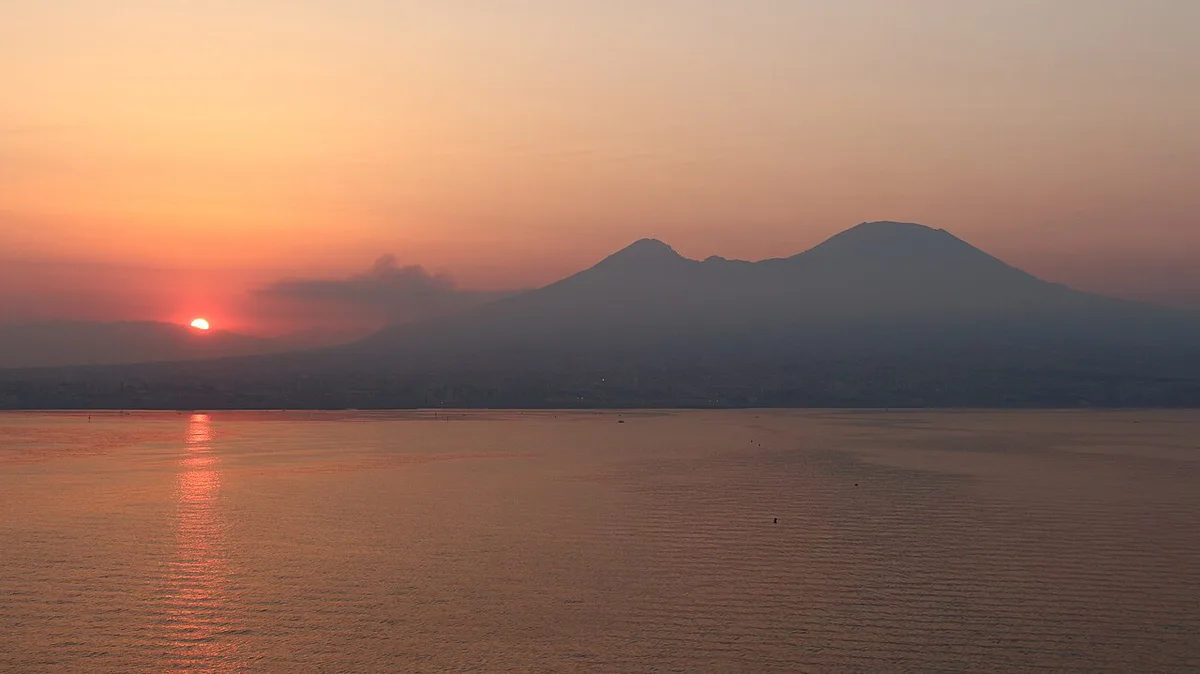
4. Vesuvius, Bay of Naples
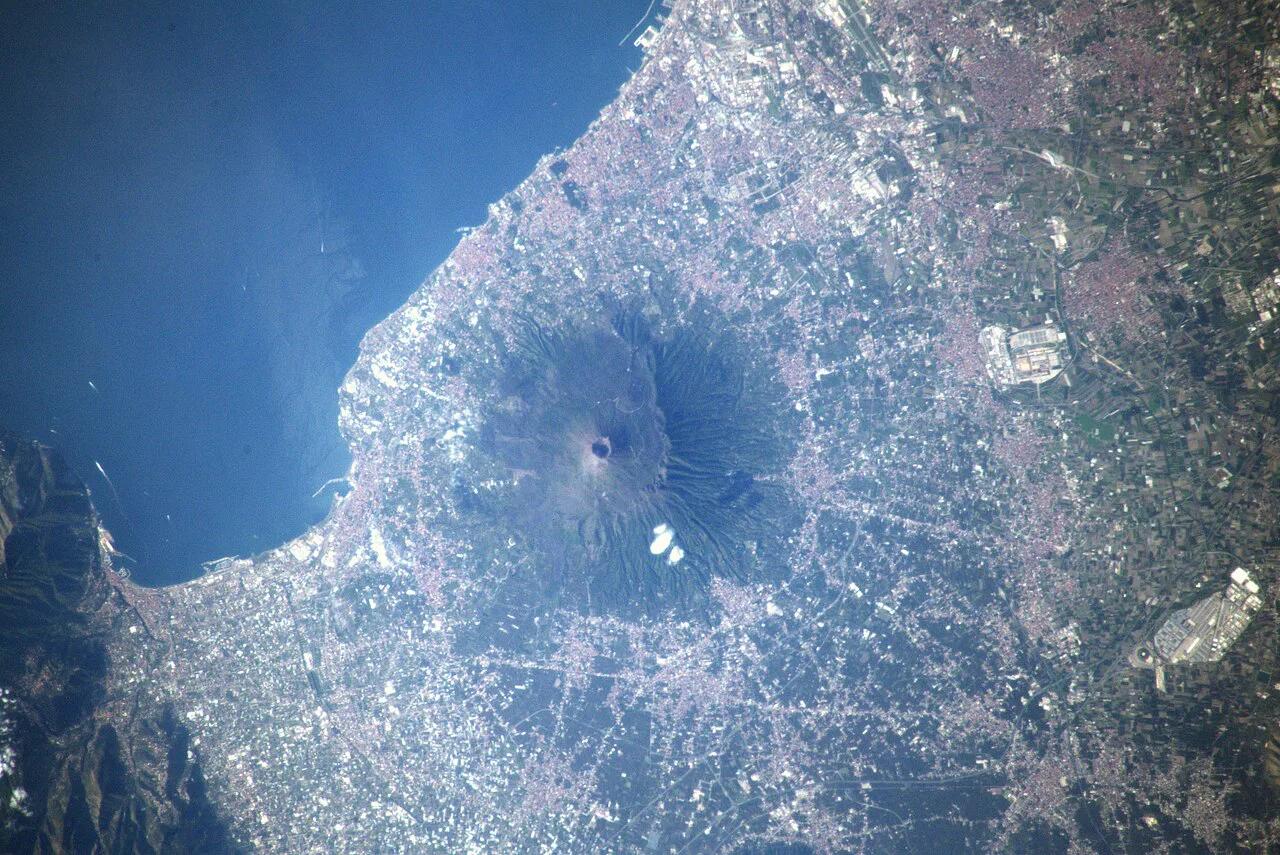
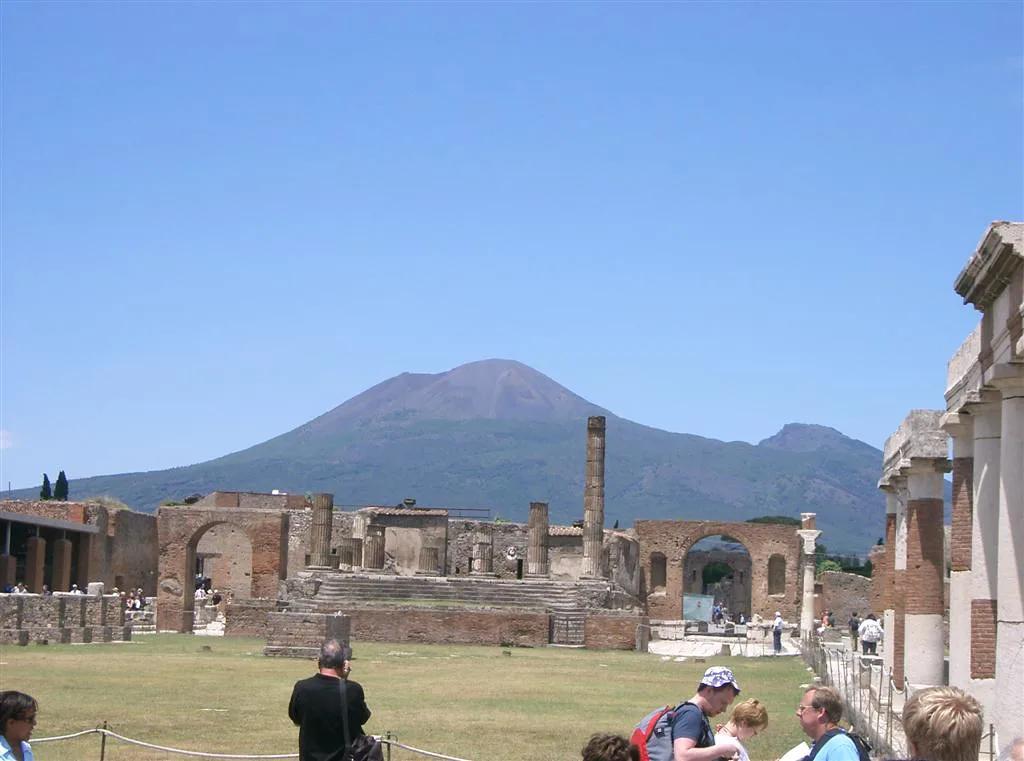
Vesuvius is dormant and monitored, and its eruption in 79 AD buried Pompeii and Herculaneum. Its last eruption was in 1944, and the crater is reached on a trail inside the national park. Check ticket and trail information with Parco Nazionale del Vesuvio.
Pompeii is a separate site, so a Pompeii ticket does not mean the volcano trail is open. Our guide to Volcanoes Near Naples: Vesuvius, Campi Flegrei & Ischia lays out a combined day. Skip it in poor visibility, because the crater views are the whole point.
5. Campi Flegrei, west of Naples
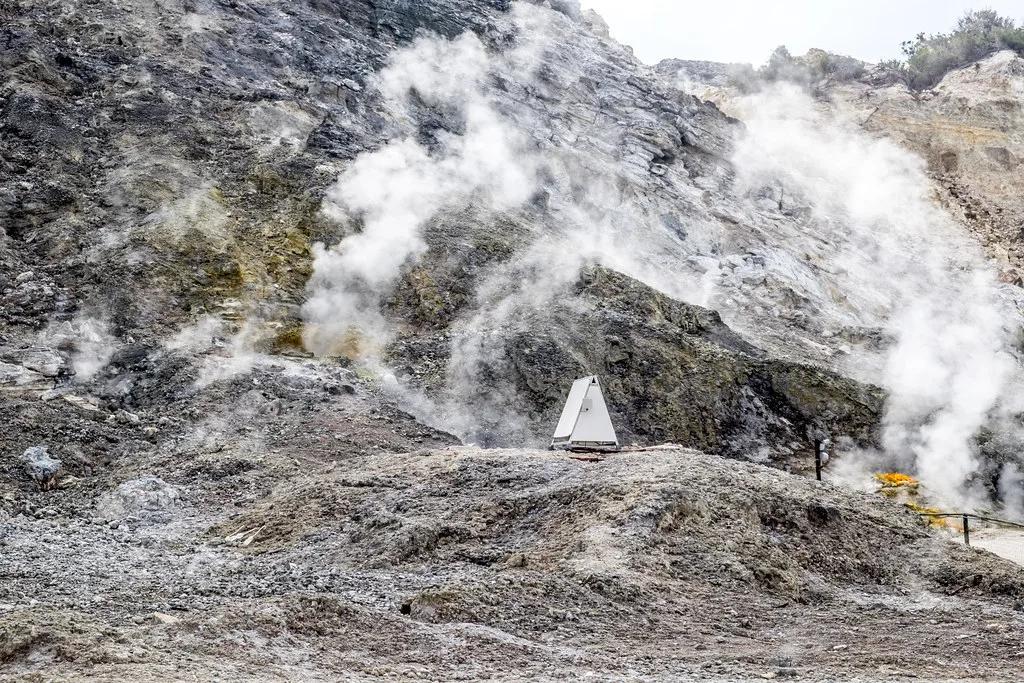
Campi Flegrei is a wide caldera of old craters rather than a single cone, and it includes the Solfatara area with steaming ground. Ground movement and small quakes here get heavy media coverage, which is why it features in alarming videos. Scientists at INGV Osservatorio Vesuviano publish the monitoring data.
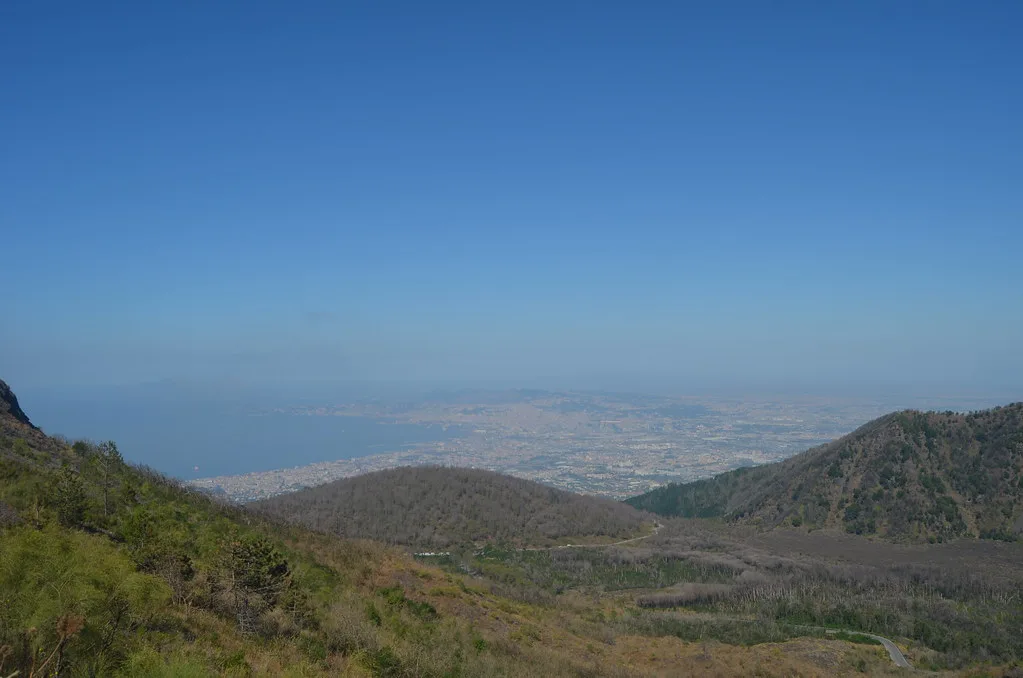
Access to the Solfatara and other sites can change, so look for current notices before you travel. Skip it if you want a classic cone-and-crater hike, since this is a geology-and-fumaroles visit.
6. Mount Epomeo, Ischia
Mount Epomeo is the high point of Ischia and a dormant volcanic block, reached on footpaths from several villages. The hike suits most fit walkers and gives a view across the Bay of Naples on a clear day. Ischia's thermal springs are a reminder that the heat below the island is still there.
Find ferry and visitor details through the Ischia tourism office. Our page on Mount Epomeo routes covers trail choices. Skip it on a hazy or rainy day, since the summit view disappears.
7. Colli Albani, near Rome
Colli Albani is the volcanic hill district southeast of Rome, with crater lakes and hill towns. It is quiescent and suits travelers who want volcanic scenery without a trek or ferry. Our guide to Volcanoes Near Rome: What You Can Actually Visit compares its easy day trips.
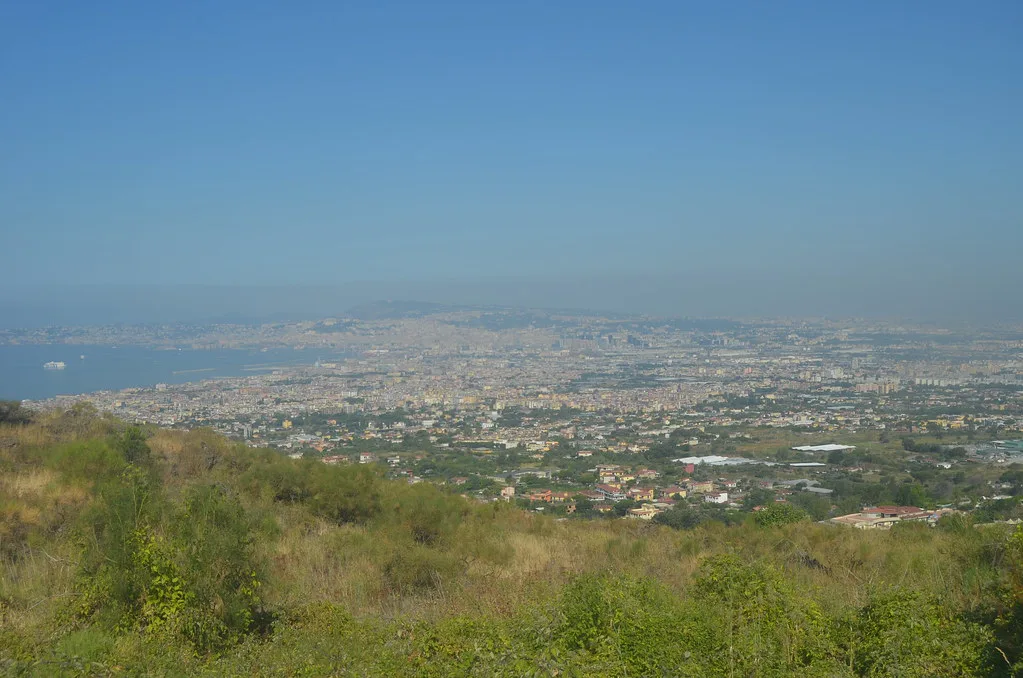
Read the Colli Albani overview if you want lake and village options. Skip it if you want smoking craters, because nothing here is visibly active.
Other volcanic areas worth knowing
Italy has more volcanic ground than the seven stops above. Each of these gets one short line, and each has its own guide.
- Roccamonfina
- Roccamonfina is an extinct volcano with forested slopes, run as a regional park; see our Roccamonfina guide or the park's own site.
- Monte Amiata
- Monte Amiata is a dormant volcanic mountain in Tuscany, covered in woodland; see Monte Amiata: Tuscany's Dormant Volcano Visitor Guide.
- Monte Vulture
- Monte Vulture is an extinct volcano in Basilicata with crater lakes; see Monte Vulture Guide: Lakes, Craters & How to Visit.
- Marsili
- Marsili is a large submarine volcano in the Tyrrhenian Sea that you cannot visit; see Marsili seamount.
- Isola Ferdinandea
- Isola Ferdinandea is a volcanic island that rose and then sank off Sicily; see Isola Ferdinandea: The Sunken Volcano Island of Sicily.
Which volcano should you visit?
Match the volcano to your time, fitness and tolerance for transport friction. Our Stromboli versus Etna comparison handles the most common dilemma.
Hikers weighing Etna should note its summit stands at 3,329 m (roughly 10,900 feet), so the high route is a serious day.
| Traveler | Best pick | Effort | Guide needed? |
|---|---|---|---|
| First-timer with one day | Vesuvius | Easy trail | No for the rim trail |
| Hiker | Etna or Epomeo | Moderate to hard | Yes near Etna's summit |
| Night views and photography | Stromboli | Hard and late | Yes for climbs |
| Families and history lovers | Vesuvius with Pompeii | Easy | No |
| Rome-based day trip | Colli Albani | Easy | No |
Planning volcanoes in Italy by region
Distances between volcanoes are large, so group them by region rather than hopping across the map.
| Region | Volcanoes | Base | Main friction |
|---|---|---|---|
| Naples area | Vesuvius, Campi Flegrei, Epomeo | Naples or Ischia | Separate tickets, ferry to Ischia |
| Sicily | Etna | Sicily | Guide and altitude rules |
| Aeolian Islands | Stromboli, Vulcano | Lipari or the islands | Weather-dependent ferries |
| Near Rome | Colli Albani | Rome | Needs a car or regional transit |
Safety, monitoring and closures
Monitored unrest is not an eruption. Campi Flegrei and Vesuvius produce frequent headlines, yet scientists track both continuously. Read official status at INGV, and follow INGV Osservatorio Etneo for Etna. Treat any video claiming a volcano is waking up as unverified until an official bulletin confirms it.
Costs, tickets and access
Costs fall into four relative levels. Viewing a volcano from a village or viewpoint is usually free. Park trails such as Vesuvius use a ticket. Etna summit zones and Stromboli climbs need paid guides. Ferries and hydrofoils to the Aeolians and Ischia are the other big expense. Compare operators through our Volcano Tours Italy: Etna, Stromboli, Vesuvius Compared guide, and check each official page for current fees.
Common mistakes to avoid
Most problems come from timing and assumptions rather than from the volcanoes themselves.
Pompeii and Vesuvius share a history back to the 79 AD eruption, but a Pompeii ticket will not open the crater trail.
| Mistake | Better approach |
|---|---|
| Climbing Stromboli unguided or late in the day | Use a guide and plan the descent before dark |
| Assuming a Pompeii ticket opens Vesuvius | Buy and check each site separately |
| Ignoring closures and altitude limits on Etna | Read the park page the day before |
| Wearing trainers on loose cinder | Wear sturdy boots with grip |
| Trusting eruption videos | Check INGV bulletins instead |
Frequently Asked Questions
Is Vesuvius going to erupt again?
Vesuvius is dormant, not extinct, and INGV Osservatorio Vesuviano monitors it continuously. Its last eruption was in 1944. Nobody can give a date, so rely on official bulletins instead of video headlines.
Is Mount Etna still erupting?
Etna is among Italy's most active volcanoes and has frequent episodes of activity. Current status changes quickly, so check the INGV Osservatorio Etneo bulletins before you travel.
Why does Italy have many volcanoes?
Italy sits where the African and Eurasian plates meet, and that collision feeds volcanic activity in the south. Older volcanic centers farther north formed through related processes and are now dormant or extinct.
Explore More Guides
Keep planning your trip with these guides.
Guides
- Volcanoes in Sicily: Etna, Stromboli & Vulcano Guide
- Active Volcanoes in Italy: Where to Visit & What to Know
- Monte Amiata: Tuscany's Dormant Volcano Visitor Guide
- Roccamonfina Volcano
- Mount Epomeo: Ischia Hike, Trails and Tips
- Marsili Volcano
- Colli Albani (Alban Hills)
- Volcanoes in Italy Map: Active, Dormant and Visitable
- Volcanoes Near Naples: Vesuvius, Campi Flegrei & Ischia
- Volcanoes Near Rome: What You Can Actually Visit
- Volcano Tours Italy
- Monte Vulture Guide
- Isola Ferdinandea: The Sunken Volcano Island of Sicily
- Stromboli vs Etna: Which Volcano to Visit (Access, Safety, Time)