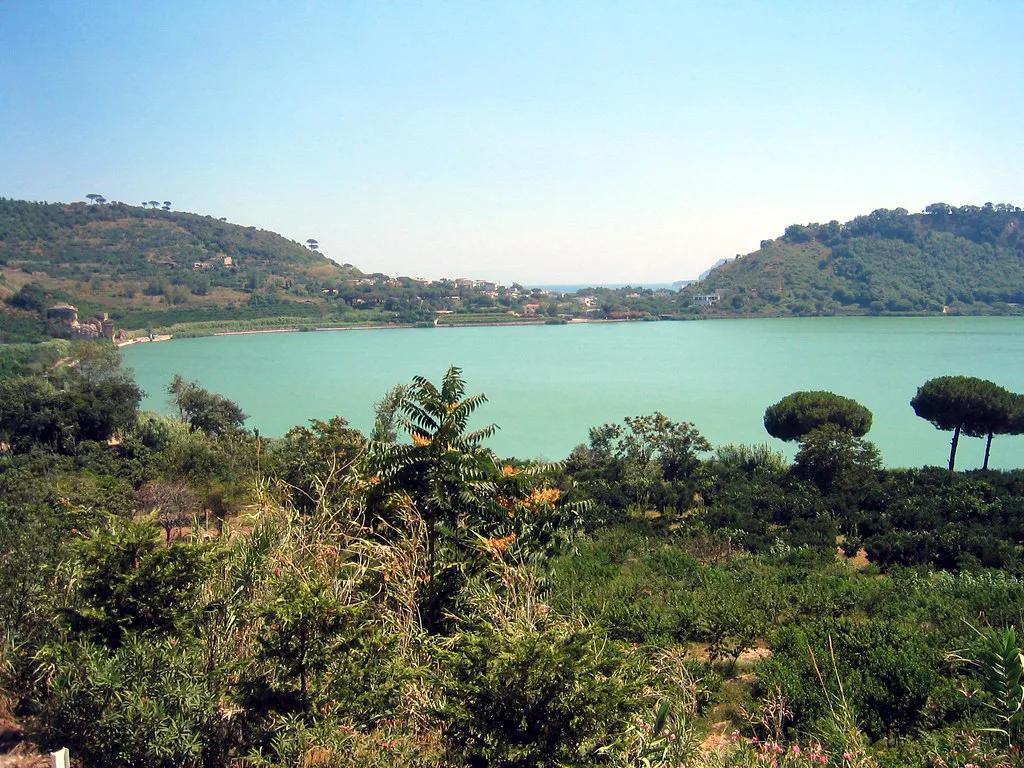
Last updated November 2026: lake avernus (Lago d'Averno) is a volcanic crater lake in the Campi Flegrei, close to Pozzuoli and west of Naples. Roman writers treated it as a gateway to the underworld. Below you get the myth, the geology and a realistic plan for fitting it into a day.
Featured image: get directly down, CC BY 2.0, via Flickr.
What Lake Avernus Is
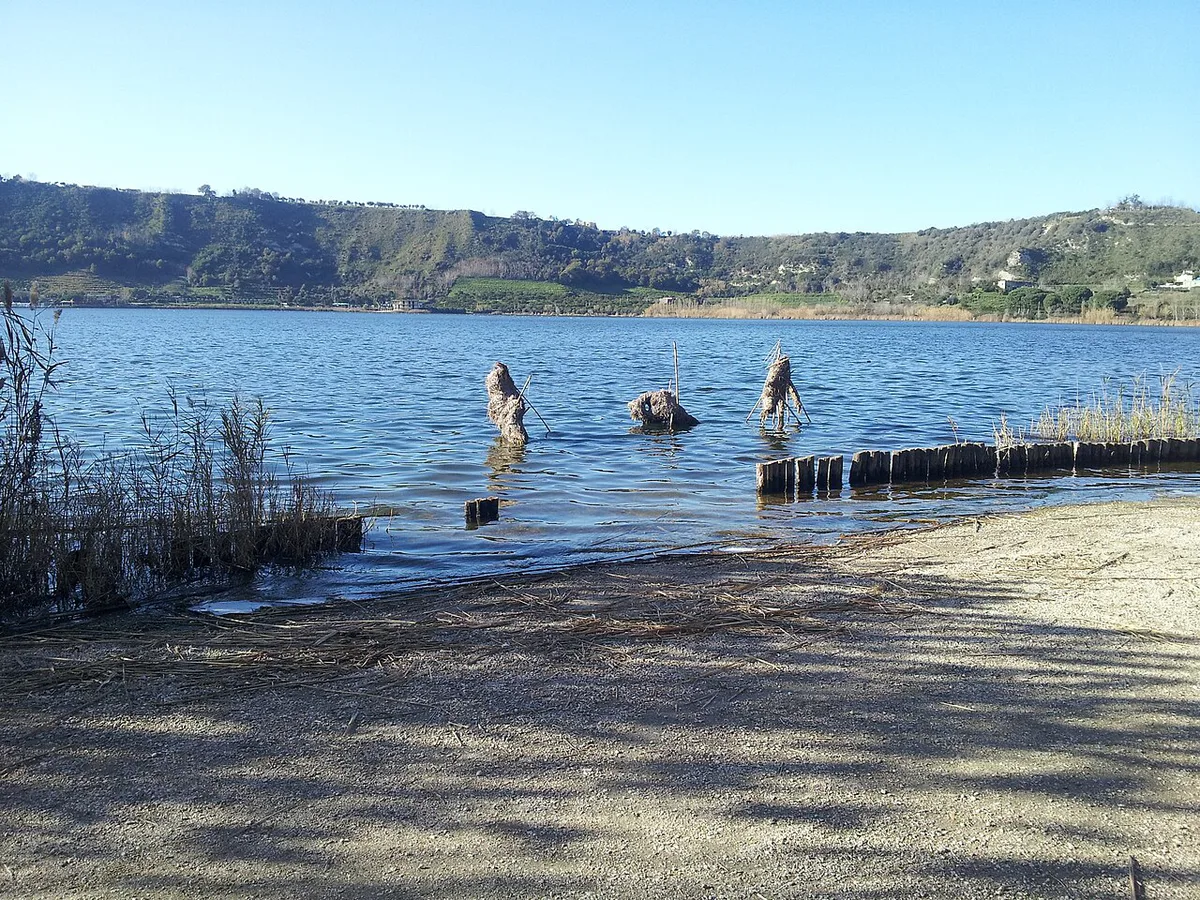
Lake Avernus is a small, round, quiet lake sitting in an old volcanic crater within the Campi Flegrei. Locals know it as Lago d'Averno. It belongs to the Pozzuoli side of the area, so Pozzuoli is the natural base. For the wider region, start with our Campi Flegrei overview.
- Type: crater lake with a walkable shoreline
- Area: Campi Flegrei, near Pozzuoli and Cumae
- Best for: myth and history fans, short stops, photographers
- Time needed: a short stop on its own, longer if you add nearby ruins
The Underworld Myth: What Ancient Writers Said
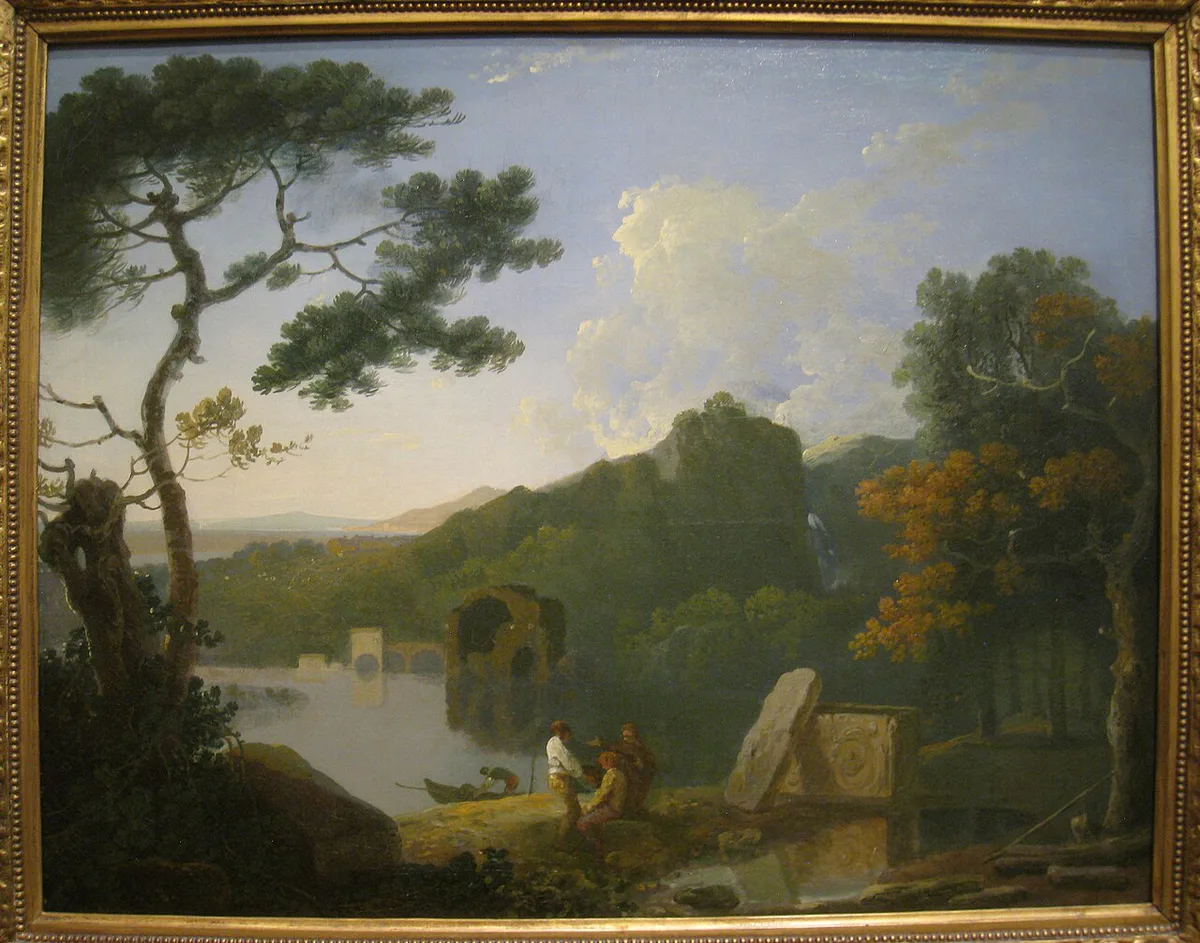
Virgil places the entrance to the underworld here in Book 6 of the Aeneid. Aeneas descends after meeting the Sibyl of Cumae, who guides him. The Romans also read the name Avernus as linked to a Greek word meaning "without birds", a tradition that tied the lake to deadly vapors. Treat these as ancient stories, not surveyed facts. Nothing on the shore marks a literal doorway, so you bring the myth with you. The Sibyl's own story belongs to ancient Cumae, the nearest major archaeological site.
A Volcanic Crater Lake in the Campi Flegrei
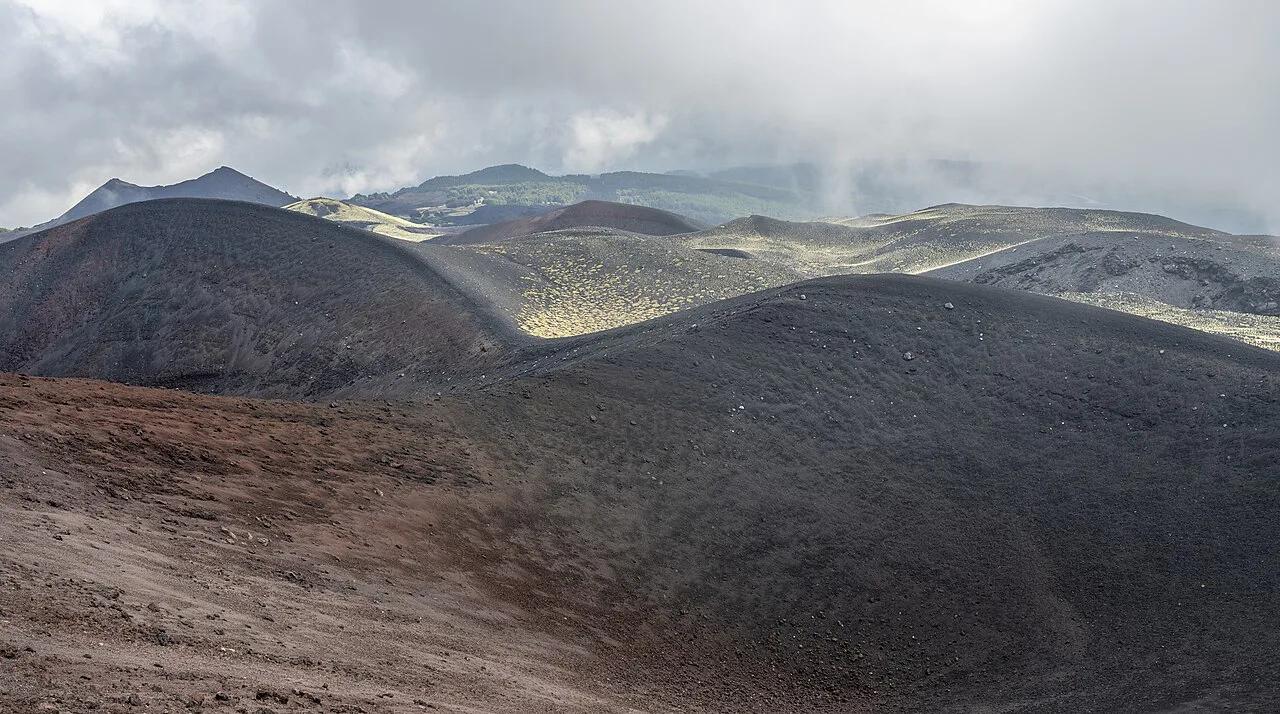
Avernus fills a crater inside the Campi Flegrei volcanic system, a landscape of overlapping craters rather than one cone. If you want the full picture, read our guide to what type of volcano Campi Flegrei is. The caldera context is covered in the supervolcano explainer. Ground movement here is called bradyseism, and our bradyseism guide explains it in plain language. For current volcanic status, rely on monitoring by INGV Osservatorio Vesuviano. Our page on a possible Campi Flegrei eruption adds safety context.
How to Get to Lake Avernus
From Naples, the usual approach is to go to Pozzuoli first and continue locally. Rail and bus services in this area are run by EAV, the regional operator, which runs the Cumana line. Check its site for current timetables, because frequencies change. Our guide to reaching Campi Flegrei from Naples covers the connections step by step. A car or taxi gives the most freedom, while buses and trains suit car-free visitors who accept more waiting. Use the Campi Flegrei Map: Where Sites Are & How to Visit to plan the sequence.
| Option | Best for | Trade-off |
|---|---|---|
| Train or bus via Pozzuoli | Car-free travelers | Slower, depends on timetables and a final local leg |
| Taxi from Pozzuoli | Short on time | Costs more, simple door-to-lake trip |
| Car | Combining several stops | Parking and narrow local roads |
| Guided tour | First-time visitors wanting context | Fixed schedule |
What to See Around the Lake
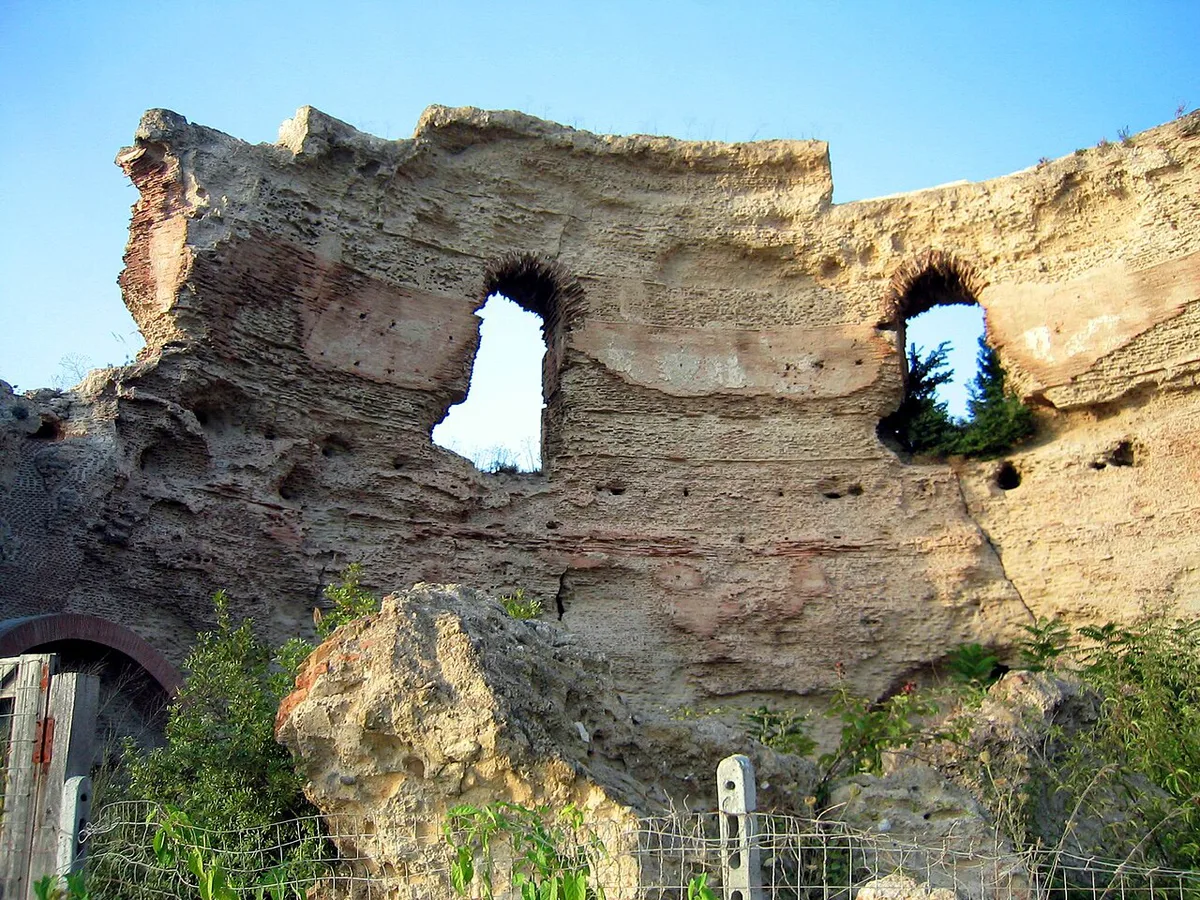
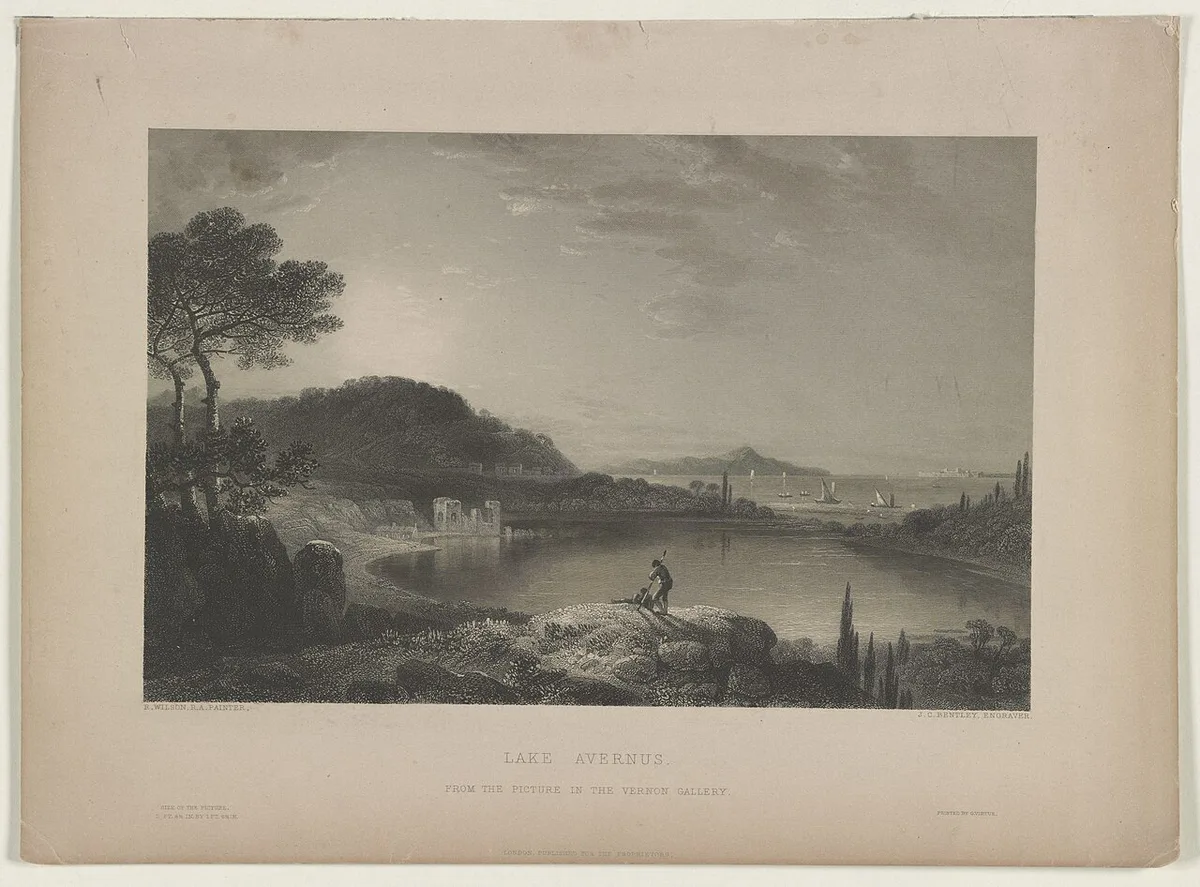
The main experience is the shoreline itself: still water, wooded crater slopes and a clear sense of an enclosed basin. Ruins on the shore are locally known as the Temple of Apollo. Their name is traditional, so read them as a Roman-era structure beside the lake rather than a proven shrine. Photographers do best in low morning or late-afternoon light, when the water is calm and the crater rim stays out of harsh glare. Stay on public paths, since some land around the shore may be private.
Combining Lake Avernus With Nearby Sites
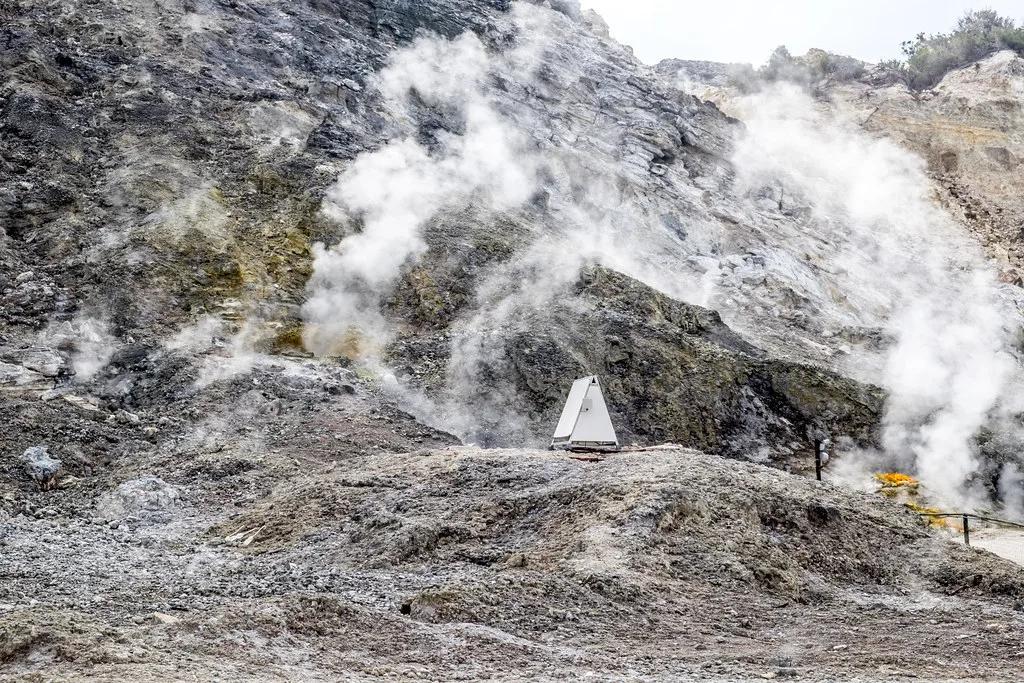
Cumae is the strongest pairing because the myth connects both places. Add Baia if you want more ruins, including the Castle of Baia and the Baia Underwater Park: Visit Baiae's Sunken Roman City. Pozzuoli adds the Flavian Amphitheater. For volcanic scenery, the Solfatara crater is a different kind of stop. If time is short, skip the extras and pair Avernus with Cumae only.
| Stop | Best for | Effort |
|---|---|---|
| Lake Avernus | Myth, quiet scenery, photos | Low |
| Cumae | Sibyl story, archaeology | Medium, ticketed site |
| Baia | Roman ruins, underwater park | Medium, separate trip |
| Solfatara | Active volcanic ground | Medium, separate trip |
Costs, Hours and Practical Notes
Access notes checked November 2026. The lakeshore itself is a public landscape, but ticketed sites nearby set their own hours and fees. Check the Parco Archeologico dei Campi Flegrei for Cumae and Baia. For local closures or path restrictions, the Comune di Pozzuoli is the place to look. Bring water and a hat, since shade along the shore is uneven. Surfaces can be rough, so mobility-limited visitors should expect a short, careful visit.
When to Go and Who Should Skip It
Go in the morning or late afternoon, and prefer spring or autumn over midsummer heat. After heavy rain, paths can turn muddy. Mythology fans, photographers and geology fans get the most from it. Families with children and car-free travelers can visit if they plan transport first. Skip it if you want dramatic volcanic scenery in a tight schedule.
- Expecting a dramatic crater: it is a calm lake in a wooded basin
- Visiting in midday heat with no water or shade
- Assuming nearby sites are open without checking official hours
- Treating the myth as a marked, physical entrance
Frequently Asked Questions
What is Avernus in Greek mythology?
Avernus is the lake Romans, following Virgil, linked to the entrance to the underworld. Its name was tied to a Greek word meaning "without birds". Aeneas enters the underworld nearby in the Aeneid.
What are the Phlegraean Fields?
The Phlegraean Fields, or Campi Flegrei, are a volcanic area of craters west of Naples. Lake Avernus sits inside it. Our Campi Flegrei guide covers the whole region.
Can you swim in lake Avernus?
Swimming rules and shore access can change. Check the Comune di Pozzuoli for current restrictions before planning a dip. Most visitors come to walk the shore and take photos.