Volcano Photography in Europe: Best Spots, Settings and Safety
Last updated November 2026: volcano photography in Europe runs from explosions at Stromboli in the Mediterranean to extinct craters in central Europe. Active lava, crater landscapes and volcanic scenery each call for different kit and very different safety margins. Start with our overview of European volcanoes if you have not picked a destination yet.
Featured image: Pablosievert, CC BY-SA 4.0, via Wikimedia Commons.
Which Type of Volcano Photography Do You Want?
Decide on the shot first, because it sets your destination, your risk and your fallback plan. Active crater shots depend on eruptions you cannot schedule. Landscape shots work in almost any season. The table compares the main options.
| Shot type | Example sites | Access | Safety risk | Best season | Who should skip it |
|---|---|---|---|---|---|
| Active crater, lava or ash plume | Etna, Stromboli | Guided or restricted, depends on alert level | High | Depends on activity, not on season | Anyone unwilling to follow observatory closures |
| Crater-rim landscape | Teide, Etna summit zone | Moderate, often by cable car or trail | Moderate | Clear, dry spells | Photographers without cold-weather layers |
| Basalt formations and scenery | Roques de García, Azores | Easy to moderate | Low to moderate | Spring to autumn for most sites | Those who only want lava |
| Dormant cone or crater lake | Badacsony, Ciomadul | Easy, mostly marked paths | Low | Late spring to autumn | Photographers chasing drama |
| Night sky and glow | Teide, Stromboli at dusk | Needs night access planning | Moderate to high | Moonless, cloud-free nights | Solo photographers on unmarked ground |
Where to Photograph Volcanoes in Europe
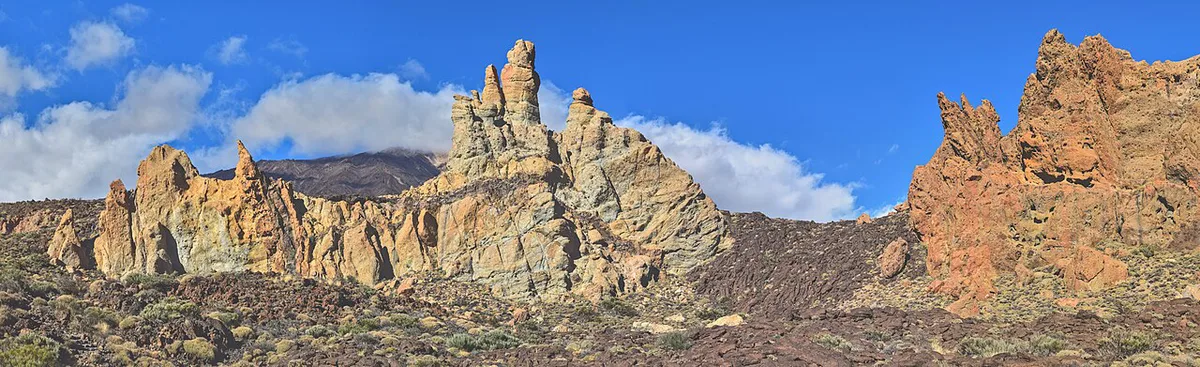
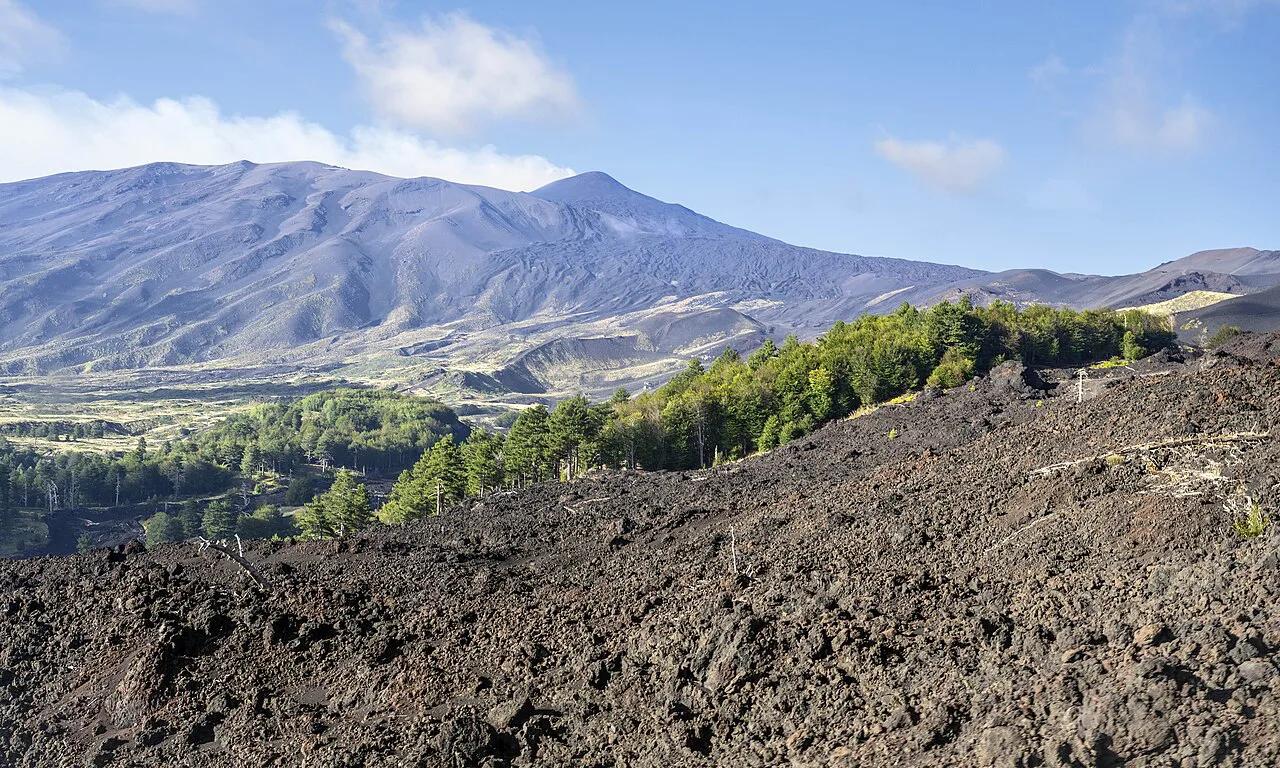
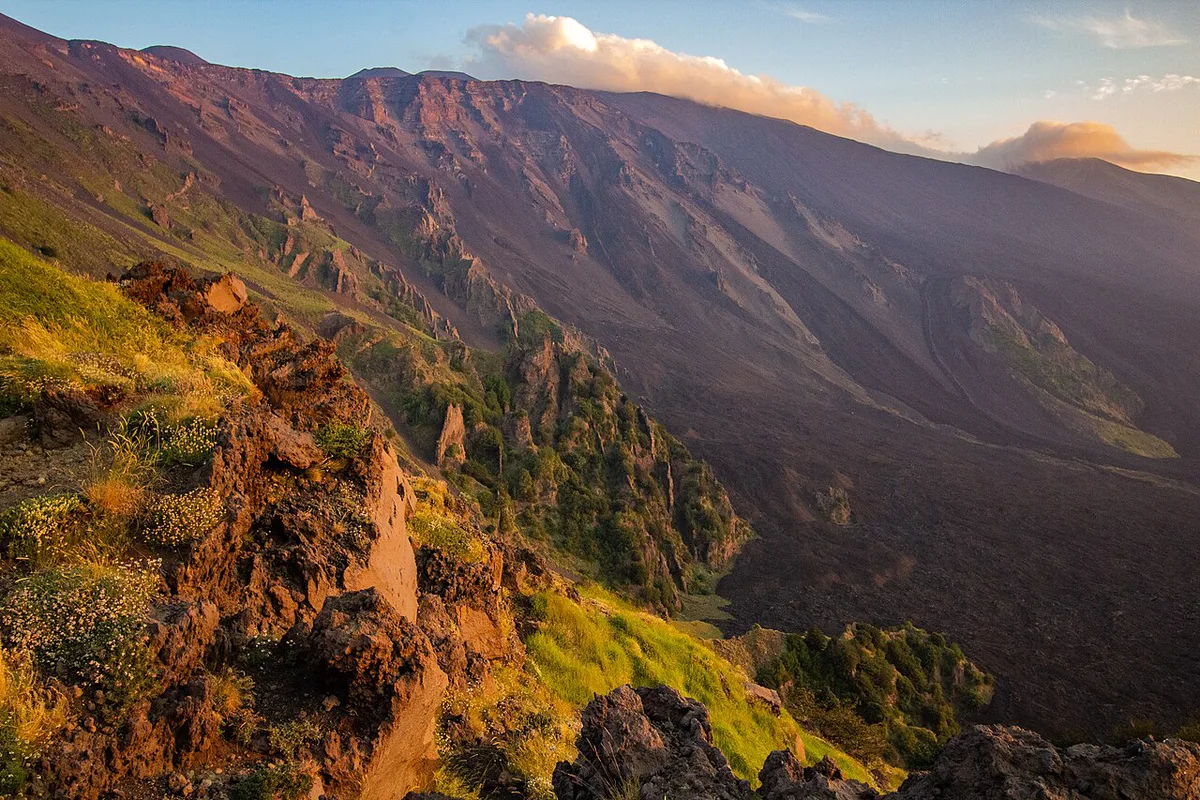
Etna offers two classic approaches. Rifugio Sapienza gives access to the upper slopes, and the Valle del Bove viewpoints frame the vast collapsed basin below the summit craters. Current alert levels and access limits come from the INGV Osservatorio Etneo, which monitors the volcano.
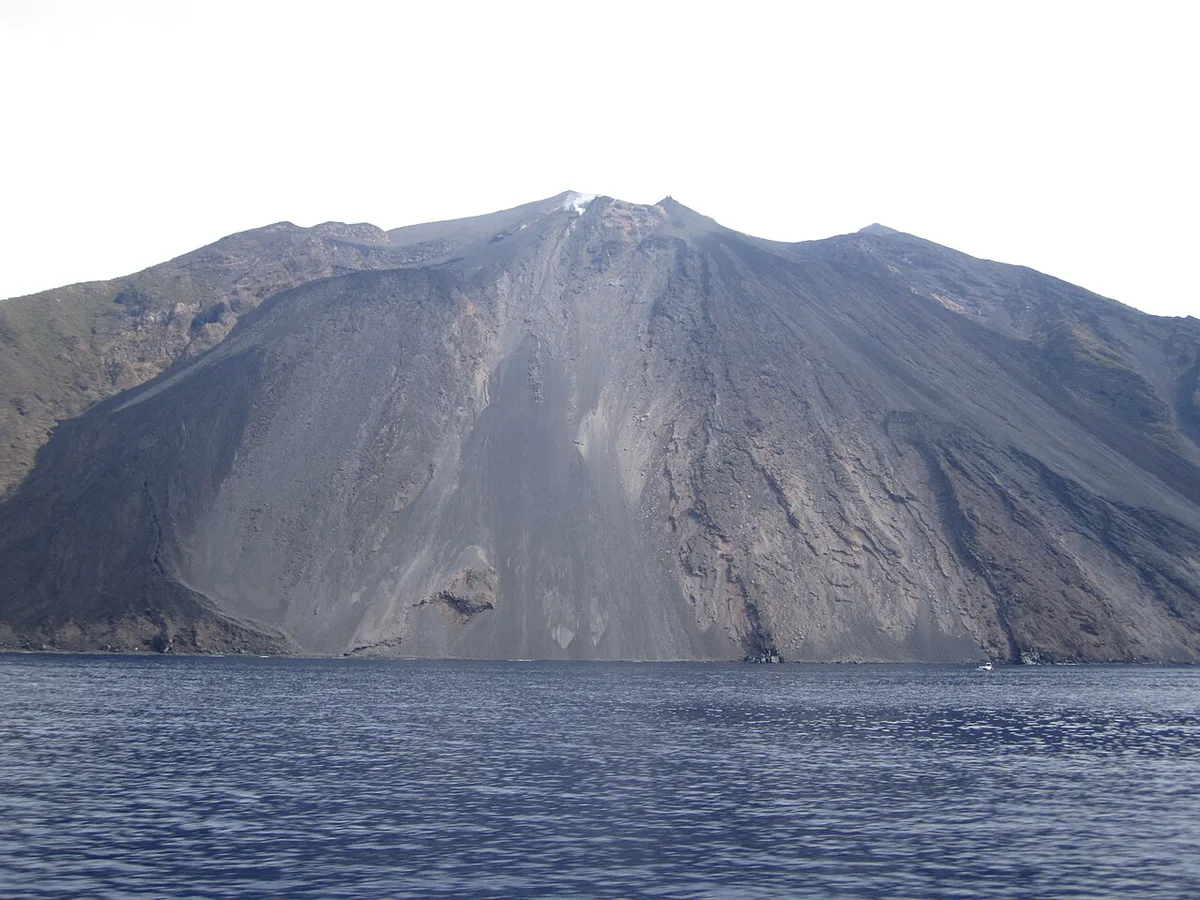
Stromboli rewards patience. Photographers shoot from a boat offshore or from Ginostra, a village on the island, so they stay clear of the crater zone. Night explosions read best from a distance with a stable tripod.
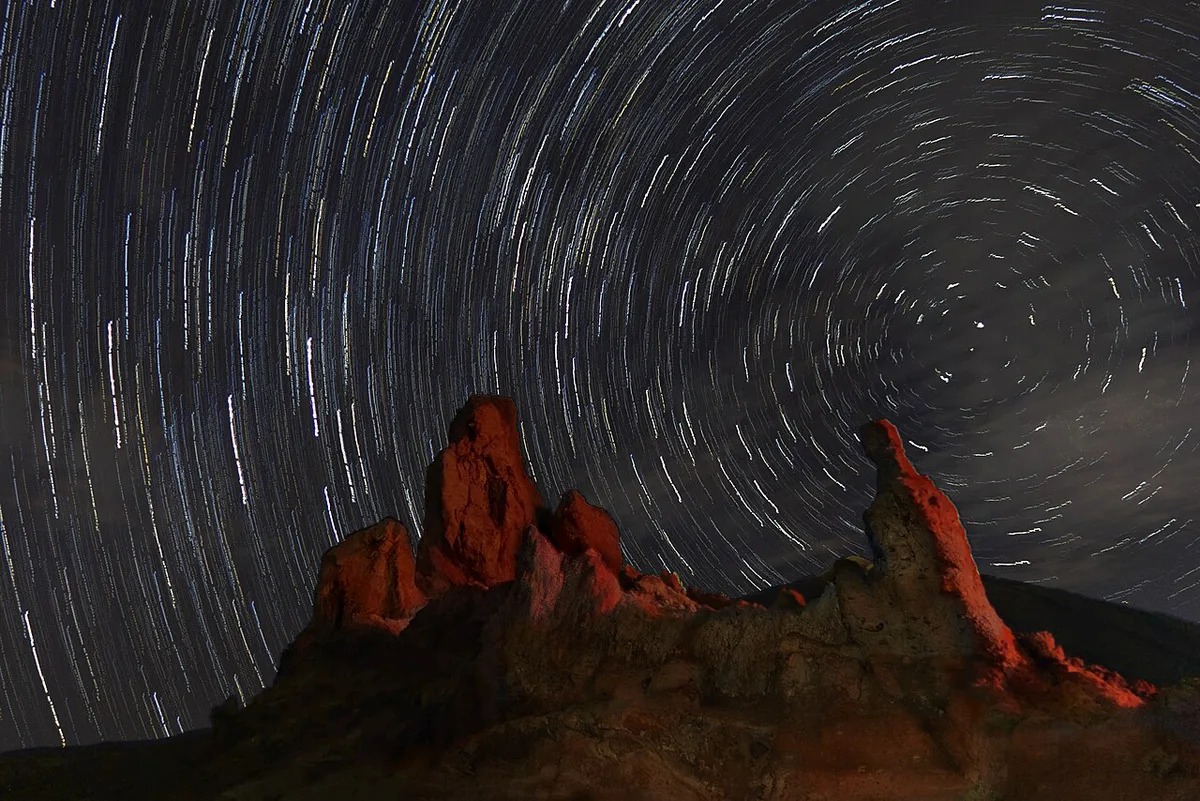
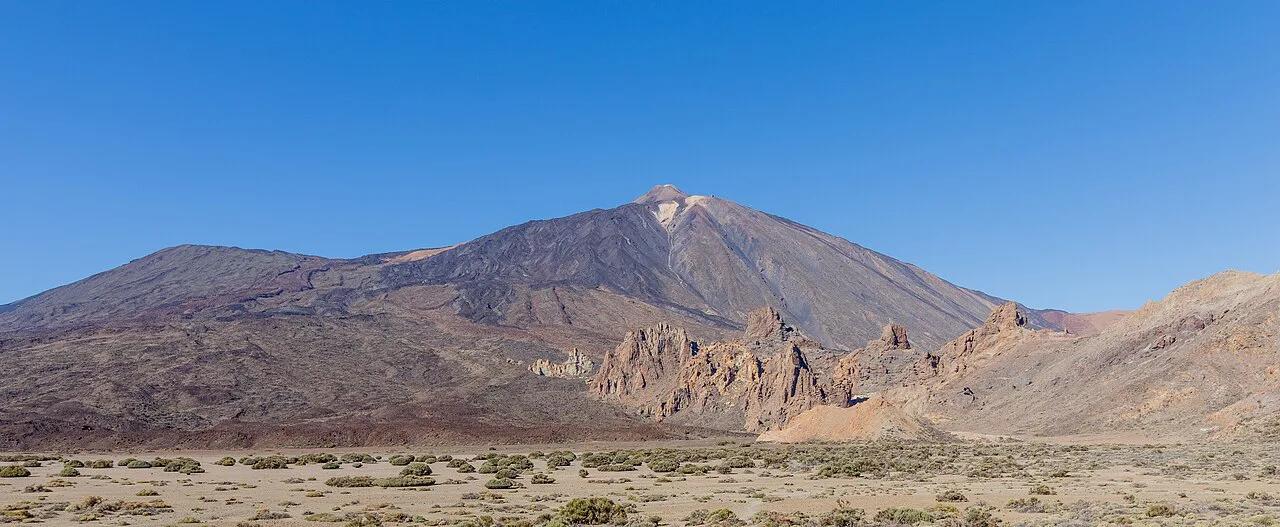
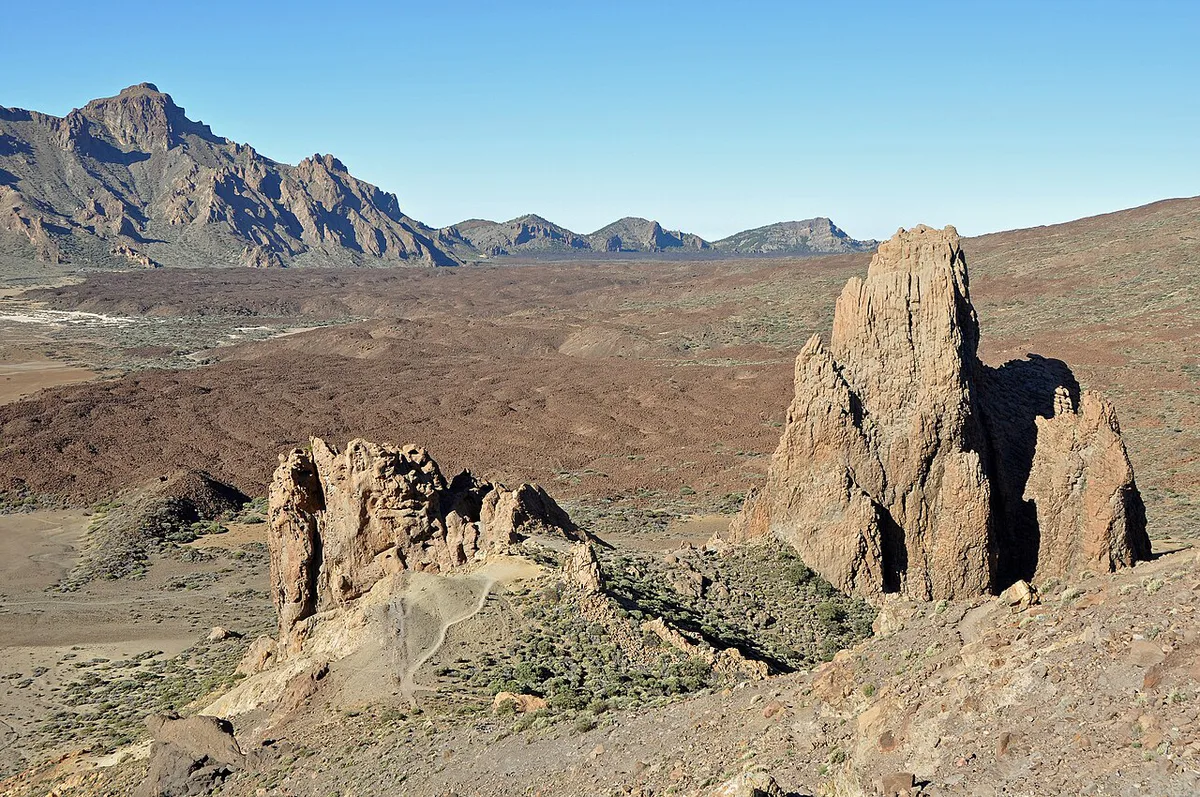
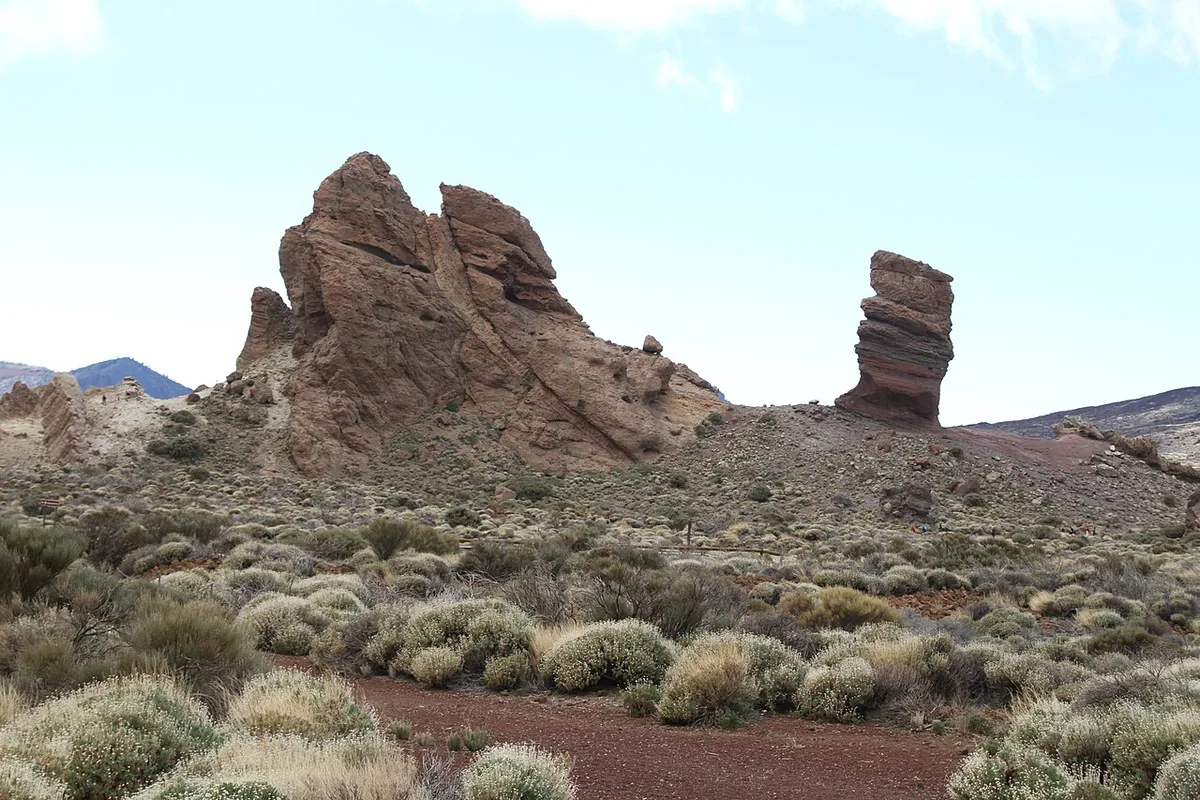
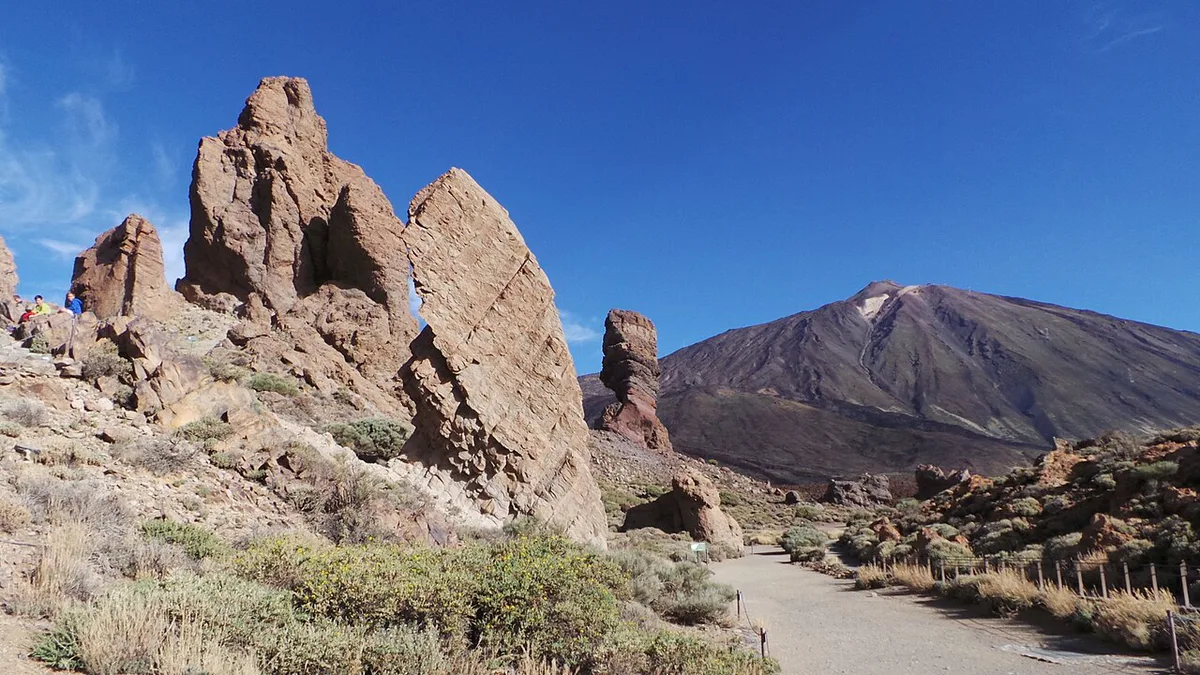
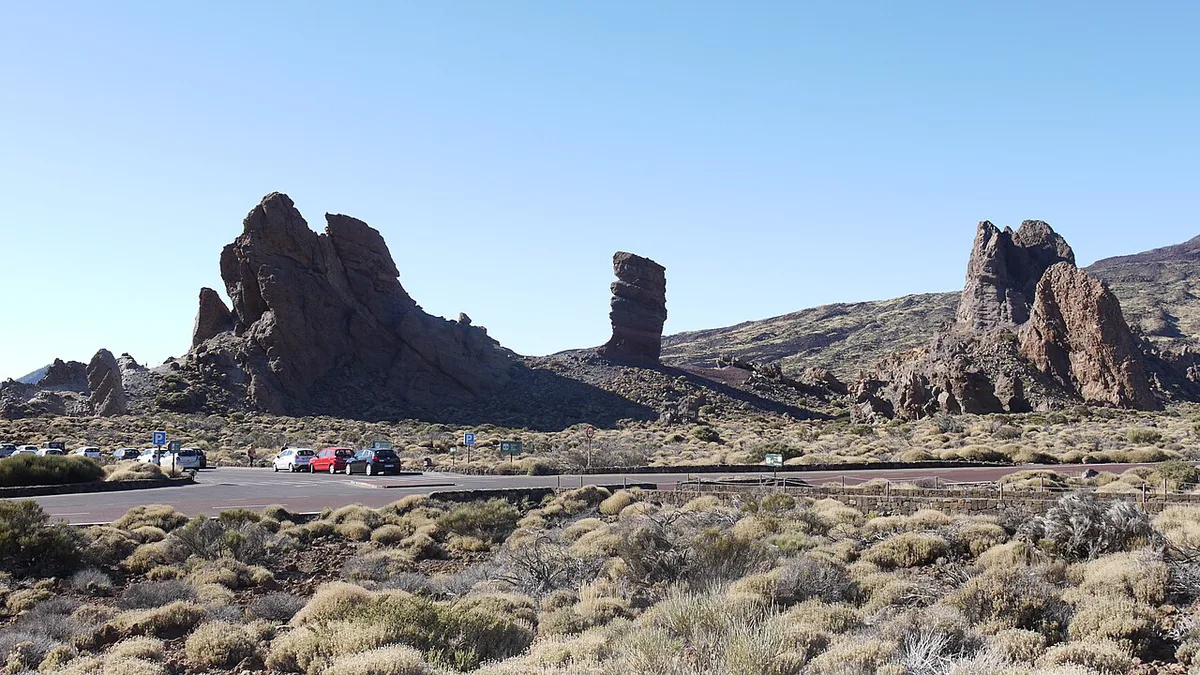
Teide on Tenerife suits sunrise work, especially the Roques de García rock formations in the foreground. Cable-car timetables and closures are listed by the Teleferico del Teide operator. Park rules are set out on the Teide National Park page.
The Atlantic offers more. Iceland has the best-known lava fields, and its Met Office publishes eruption and hazard updates. The Azores add crater lakes and fumaroles, and our guide to Portugal's volcanic islands covers them.
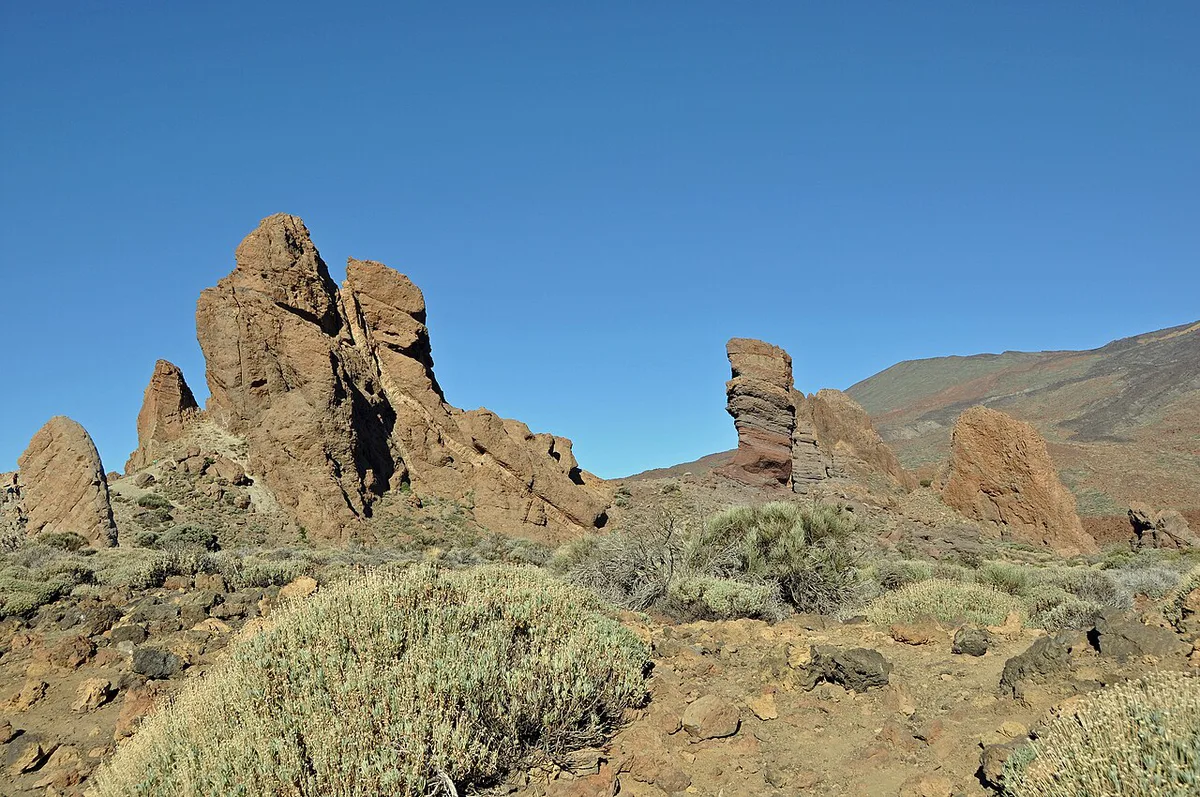
Dormant and extinct sites need no special permission for the landscape itself. Badacsony's basalt hillside and the Ciomadul crater lake make calm alternatives. Remote Arctic scenery is covered in our Jan Mayen guide, while central Europe's older landscapes appear in our Swiss volcano guide.
Plan your route using our map of European volcanoes. For scale and viewpoints, see the Largest Volcano in Europe: Mount Etna (and What 'Largest' Means). The Highest Volcano in Europe: Etna vs Other Contenders offers a second scenic anchor. Current eruptive sites are listed in our active volcano guide.
Kit and Camera Settings That Matter
Carry a wide lens for craters and skies, plus a telephoto for explosions and distant lava. A sturdy tripod is essential for dusk and night work. Treat every setting below as a starting point and adjust to the light.
For glow at night, use manual mode, a wide aperture and a long exposure. Begin with a low ISO and raise it only if the frame is too dark. Lava glow overexposes quickly, so review the histogram after every few frames.
Graduated and ND filters help at sunrise on Teide, where the sky is much brighter than the rock. Use a lens hood and a clear protective filter against ash and grit. Gas from fumaroles can corrode metal contacts, so wipe the body with a damp cloth after each session.
Cold drains batteries fast on high summits. Keep spares in an inner pocket and swap them warm.
- Wide zoom and telephoto lens
- Tripod and remote release
- ND and graduated filters
- Protective filter, lens cloth and rain cover
- Spare batteries kept warm
- Headlamp with a red light mode
Timing: Season, Light and Eruption Windows
Golden hour and blue hour give the most colour on crater rims and basalt cliffs. After dark, cloud-free nights show glow best. Cloud cover and wind decide whether a summit is usable on any given day, so keep a flexible schedule.
Eruption timing is unpredictable, and authorities close access when unrest rises. Build an itinerary with a non-eruption fallback. Shots you can get without an eruption include crater-rim panoramas, rock formations at Roques de García, sunrise light on Teide and crater lakes at dormant sites.
On rainy or quiet days, switch to indoor options. Our guides to Volcano Museums in Europe: Where to Go and How to Choose and Volcano Tourism in Europe: Where to Go and What to Know cover them. Background on past activity is in our record of European eruptions.
Safety, Permits and Access Rules
Local civil protection and volcano observatory guidance overrides any photo goal. Check the current alert level before you set out, using sources such as the Icelandic Met Office for Iceland or CIVISA for the Azores.
Stay outside exclusion zones, and treat crater edges, lava benches and fresh deposits as unstable ground. Toxic gas can collect in hollows, and wind can shift an ash plume towards you without warning. Our Volcano Safety Tips for Travelers in Europe cover the basics.
Drone rules differ by country and by protected area. Do not assume a flight is legal; ask the park office or national aviation authority first. Ash clouds can also ground aircraft, so read our guide to volcanic ash and flight disruption before booking tight connections.
Planning the Trip: Cost, Time and Getting There
Guided access costs more than going alone, but it usually gives better safety, local knowledge and entry to restricted zones. Independent trips are cheaper and more flexible, though you carry the planning risk. At active sites such as Etna and Stromboli, a guide or boat operator often makes the shot possible at all.
A day trip suits Teide and dormant sites. A multi-day base suits Etna, Stromboli and Iceland, because weather and activity can cancel the best slot. Costs here are relative, so check each operator's current prices.
Avoid these common mistakes.
- Standing too close for the sake of a shot
- Ignoring wind direction and plume movement
- Shooting without lens protection
- Relying on a drone without checking local rules
- Skipping a cold-weather power plan
- Building an itinerary with no non-eruption fallback