Volcanic Eruptions in Europe: Where They Happen and What They Mean for Travel
Last updated November 2026: volcanic eruptions in Europe centre on Italy and Iceland, with Etna the most frequently active volcano. Most eruptions stay local, but ash can ground flights far from the crater. This guide walks through six landmark eruptions and shows how to plan a trip around current activity.
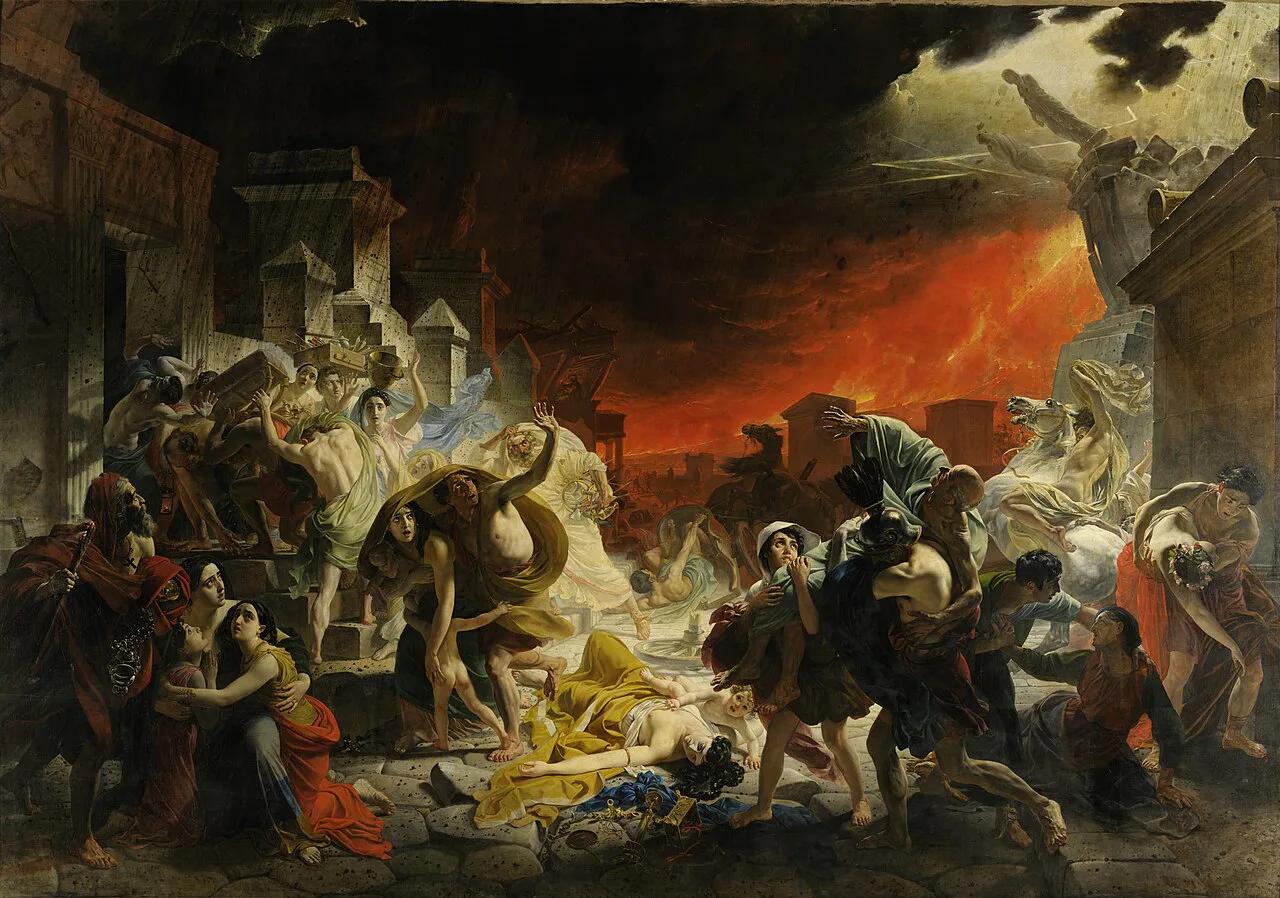
Featured image: Karl Bryullov, Public domain, via Wikimedia Commons.
Where volcanic eruptions in Europe happen
Italy has the busiest cluster: Etna, Stromboli, Vesuvius and the Campi Flegrei caldera near Naples. Iceland sits on the Mid-Atlantic Ridge and erupts repeatedly. Greece has Santorini and Nisyros. The Atlantic islands add the Azores and the Canary Islands. "Europe" is defined loosely here, and Iceland and the Atlantic islands are included by convention. For a full country-by-country list, see our overview of European volcanoes. Our list of currently active volcanoes separates restless from sleeping ones. You can also place each one on the volcano map of Europe.
Mount Etna, Sicily: the most frequent eruptions
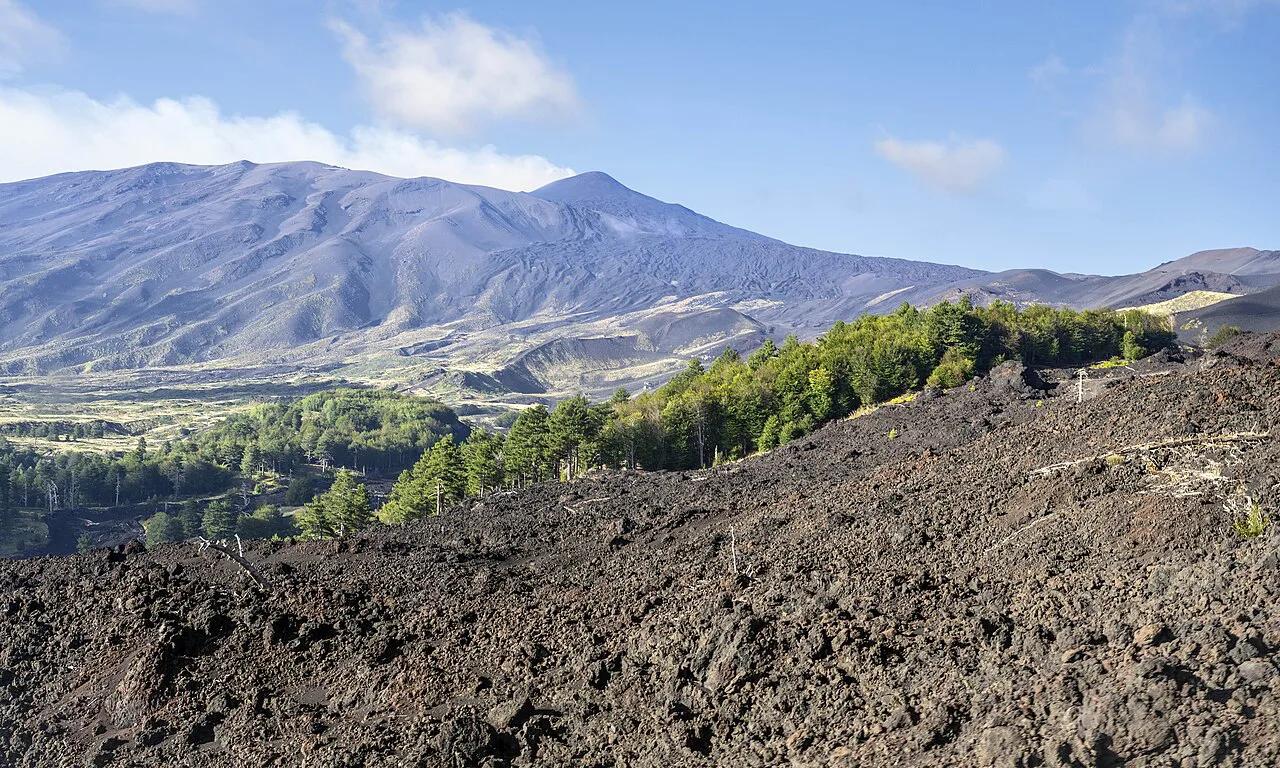
Etna stands at roughly 3,370 m, though the figure shifts as the summit craters build up and collapse. Its typical activity is Strombolian: bursts of lava fountaining and ash from the summit craters. Occasional paroxysms are stronger and can send ash over Catania. Authorities restrict access to the summit zone when activity rises, and guided access is the norm in those periods. Ash can briefly close Catania Airport, so flights are the usual link between the volcano and your trip. Live status comes from INGV's Etna observatory. For scale, compare Etna with the Largest Volcano in Europe: Mount Etna (and What 'Largest' Means). See also the highest volcano on the continent.
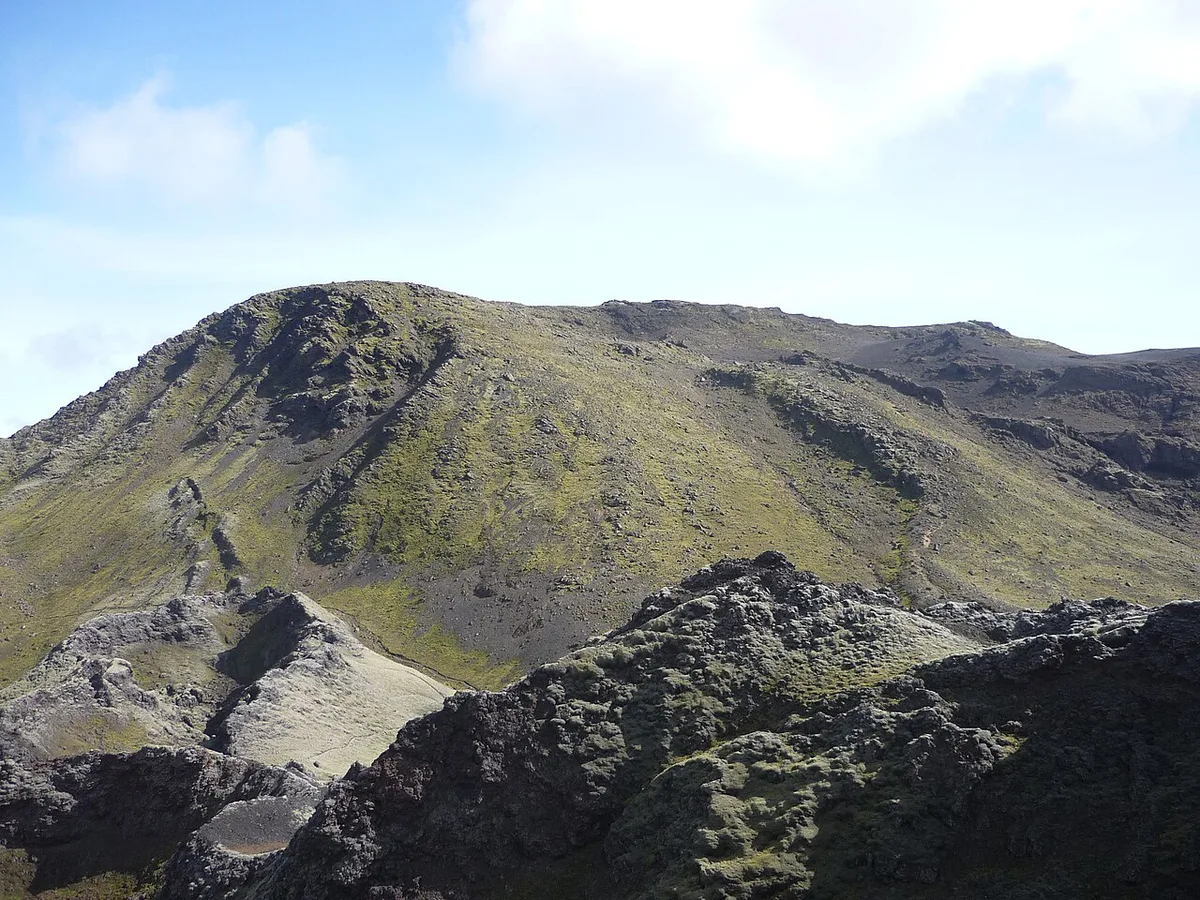
Vesuvius and Campi Flegrei, Naples: rare but high-consequence
Vesuvius erupted in AD 79 and buried Pompeii and Herculaneum. It is not erupting now, and it has been quiet for decades. Its last major eruption belongs to the 20th century. Today it is a hiking destination in a national park. Campi Flegrei, west of Naples, is a monitored caldera with periods of ground uplift and small earthquakes. Nobody can predict an eruption there, so follow Campania civil protection notices. The excavated towns are run by the Pompeii Archaeological Park, which publishes visitor information.
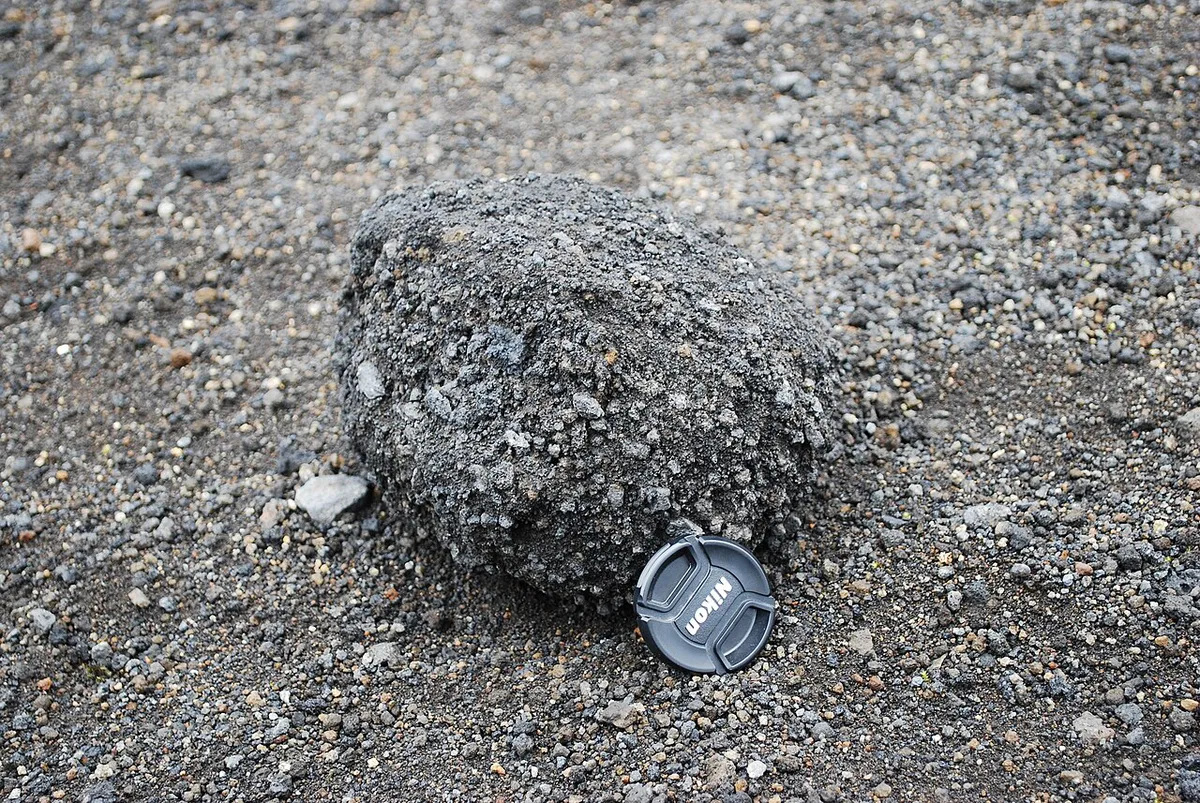
Iceland: Eyjafjallajökull 2010 and recent fissure eruptions
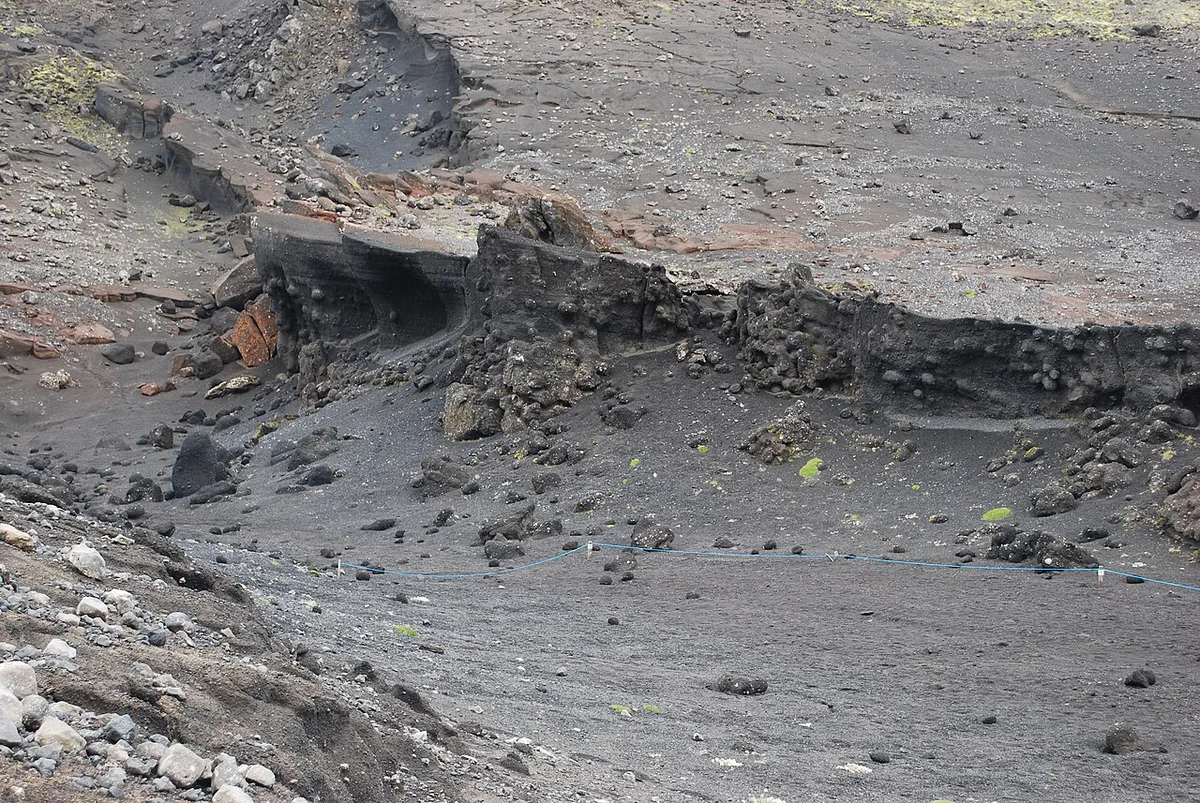
Eyjafjallajökull is the benchmark for air-travel disruption. Its April 2010 eruption put a glacier-fed ash plume into busy North Atlantic airspace, and airspace across much of Europe closed for days. Iceland's recent eruptions are mostly effusive, with lava flowing from fissures rather than ash climbing into the jet stream. That makes most of them a local hazard. Road and area closures change quickly, so read the Icelandic Met Office before you travel. For the aviation side, read our guide to ash clouds and flight disruption.
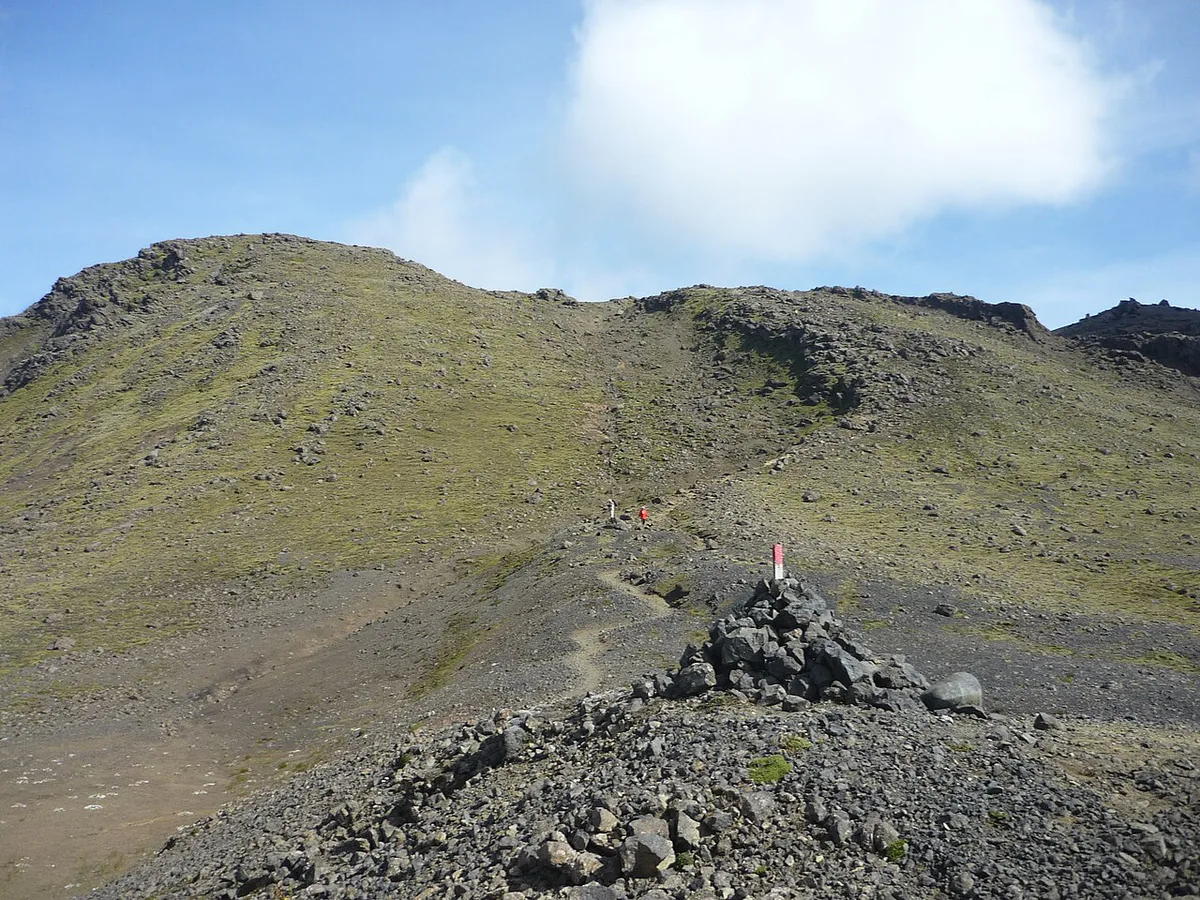
Stromboli, Santorini and other watch-list volcanoes
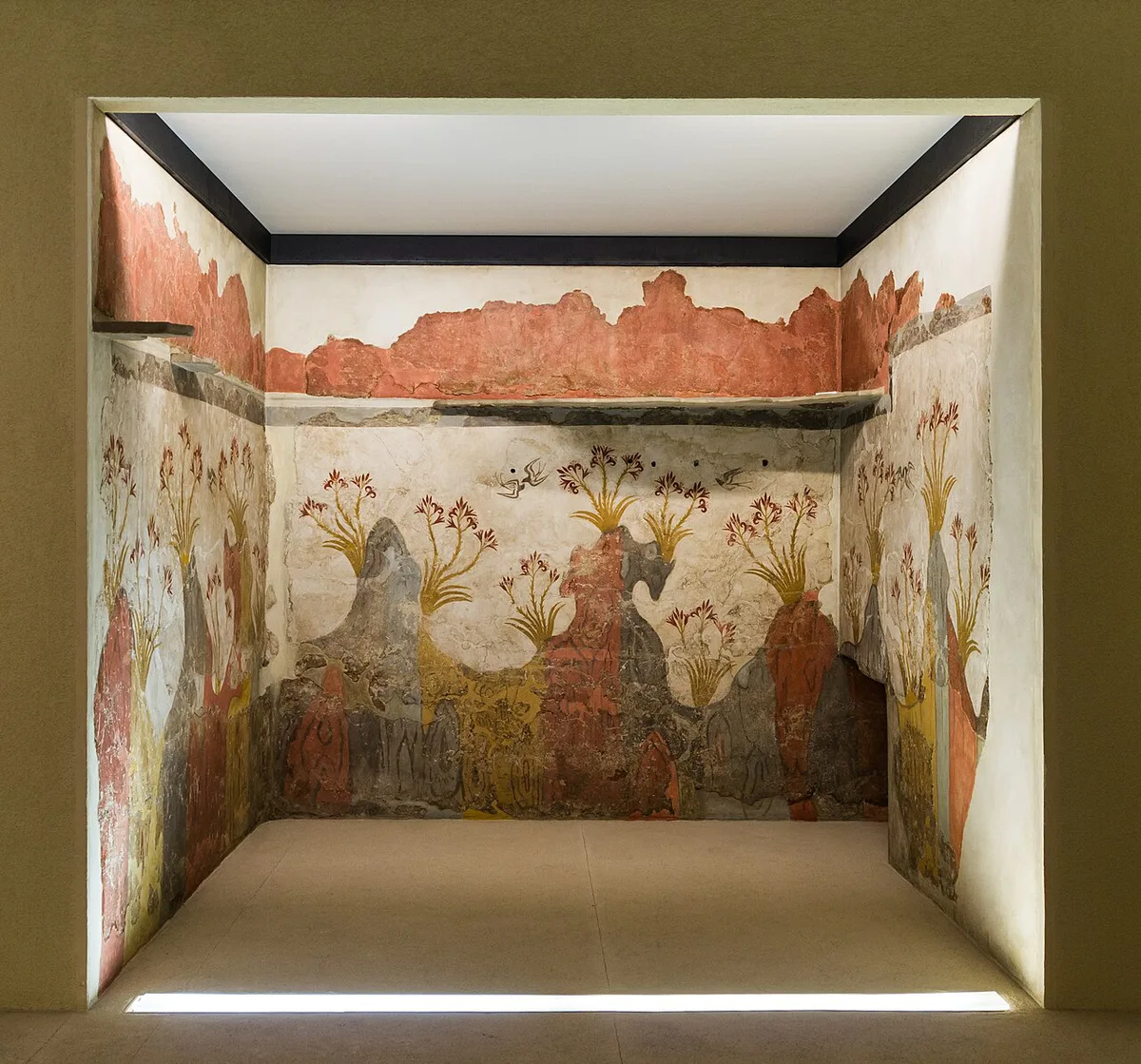
Stromboli, off Sicily's north coast, has near-constant small explosions. Santorini's caldera was formed by a huge Minoan eruption around 1600 BC. Today it is monitored for unrest and remains a major visitor draw. La Palma's Cumbre Vieja erupted from 19 September 2021 and lasted 85 days. That eruption destroyed homes and farmland on the island's west side. The Azores are monitored by CIVISA's seismovolcanic surveillance. See our page on Portugal's volcanic islands for details. Arctic Jan Mayen is covered in our Jan Mayen profile, though it has no ordinary tourism.
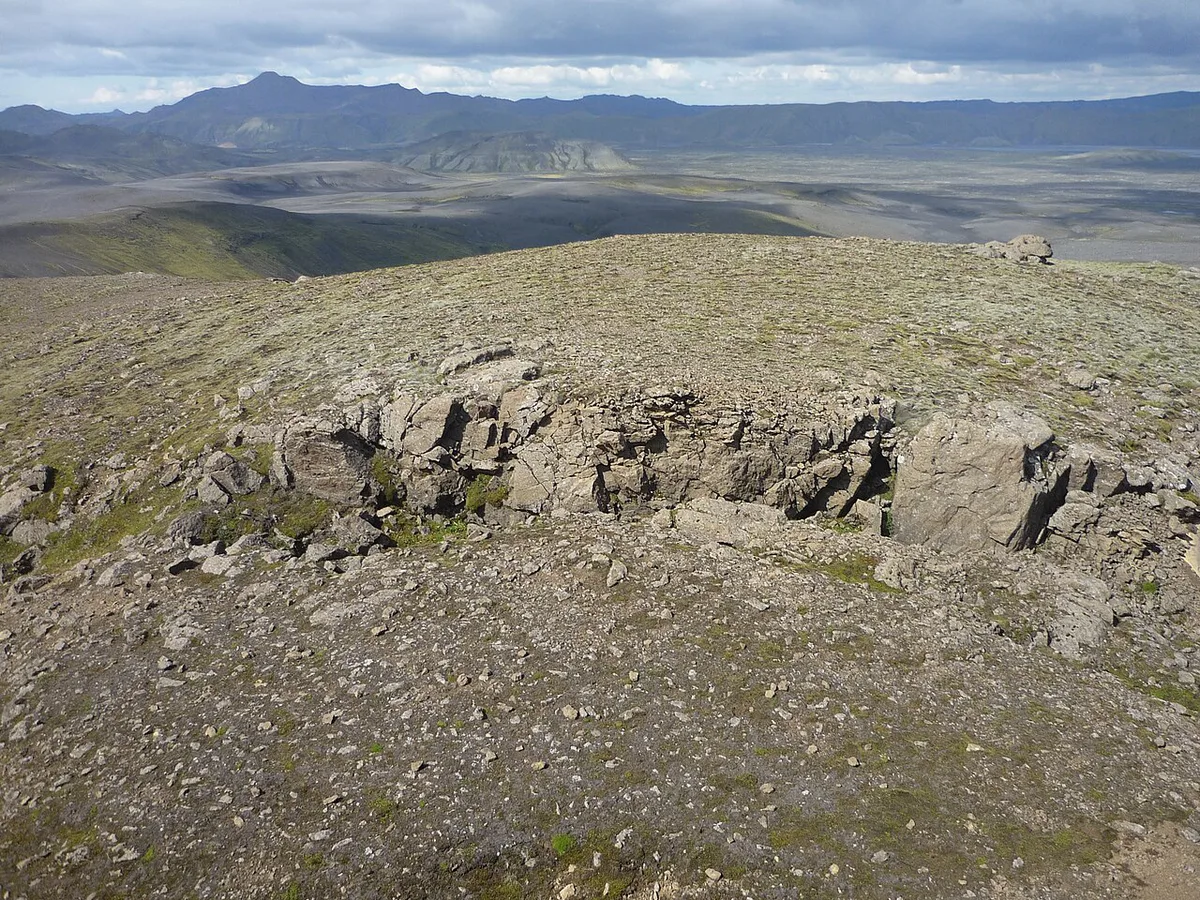
Famous historic eruptions at a glance
Six events show how differently European volcanoes behave. Dates are the widely accepted ones.
| Volcano | Event | Why it matters |
|---|---|---|
| Santorini | Minoan eruption, around 1600 BC | Formed the caldera visitors see today |
| Vesuvius | AD 79 | Buried Pompeii and Herculaneum, now excavated sites |
| Etna | 1669 | Lava flows reached Catania and reshaped the city's edge |
| Laki, Iceland | 1783-84 | Long fissure eruption with severe harm to Icelandic farming |
| Eyjafjallajökull | 2010 | Closed airspace across much of Europe |
| La Palma | 2021 | Destroyed homes and farmland over 85 days |
Will an eruption disrupt your trip? Decision criteria
Most European eruptions will not cancel a holiday. Impact depends on the type of eruption and on distance from the crater. Effusive eruptions flow slowly, Strombolian ones throw material near the summit, and explosive ones send ash high. Match the scenario below to your plans. Our Volcano Safety Tips for Travelers in Europe cover on-the-ground behaviour in more depth.
| Scenario | Likely effect | What to do |
|---|---|---|
| Ash cloud | Flight delays or closures | Rebook with the airline and read your insurance for volcanic or natural-event exclusions |
| Summit-zone closure | Guided or lower-level access only | Follow local guide and park authority rules |
| Ash on roads and in air | Slow travel and poor air quality | Limit time outdoors if you have asthma, and protect children |
| Distance from crater | Resorts and cities are often far from the vent | Choose lodging away from the active slope |
- Mistakes to avoid: ignoring a closure sign or a guide's instruction.
- Relying on a single-day forecast for a multi-day plan.
- Booking fully non-flexible fares around a volcano that is already restless.
Seeing volcanoes safely: access, timing and cost trade-offs
Guided summit tours cost the most and carry the highest effort and risk, but they reach the craters when authorities allow it. A cable-car ride or lower-slope hike is cheaper and gentler, as on Tenerife's Teide, where the Teide cable car runs to the upper slopes. Viewing from a distance, or by boat at Stromboli, is the lowest-risk option. Conditions change daily, so decide on the day. Our overview of Volcano Tourism in Europe: Where to Go and What to Know compares more options. Photographers can use our tips for photographing volcanoes. Rainy days suit volcano museums across Europe.
Extinct and dormant volcanoes
Not every volcano is a threat. Extinct and dormant volcanoes are quiet, and they make safe hiking and scenery. Romania's Ciomadul crater lakes and Hungary's Badacsony vineyard hill are examples. Switzerland has its own volcanic remnants, covered in our Switzerland volcano guide. Dormant volcanoes could erupt again, but active ones such as Etna show regular activity.
Frequently Asked Questions
What European country has volcanoes?
Italy, Iceland, Greece, Spain and Portugal all have volcanoes. Italy has Etna, Stromboli and Vesuvius. Iceland has many active systems. Spain's volcanoes are in the Canary Islands, and Portugal's are in the Azores.
What volcano is due to erupt in 2026?
No volcano can be scheduled for an eruption date. Etna is the most likely to show activity, and Iceland's fissures can open with little warning. Check INGV for Etna and Stromboli, and the Icelandic Met Office for Iceland.