Volcano Tourism in Europe: Where to Go and What to Know
Last updated November 2026. Volcano tourism means visiting active or dormant volcanic landscapes, and Europe offers it in several formats, from cable cars to caldera boat trips. This guide helps you match a volcano to your fitness, season and risk tolerance before you book. For the full catalogue, start with our overview of European volcanoes.
Featured image: Olaf Tausch, CC BY 3.0, via Wikimedia Commons.
What Volcano Tourism Is (and the Five Ways to Do It)
Volcano tourism covers any trip built around a volcanic landscape: craters, lava fields, calderas, hot springs or the museums that explain them. Most European experiences fall into five formats. Each carries different access rules, so choose the format before you choose the mountain.
| Format | Typical example | What to expect |
|---|---|---|
| Crater-rim hike | Vesuvius crater path | Self-paced walk to the rim with views over the Bay of Naples |
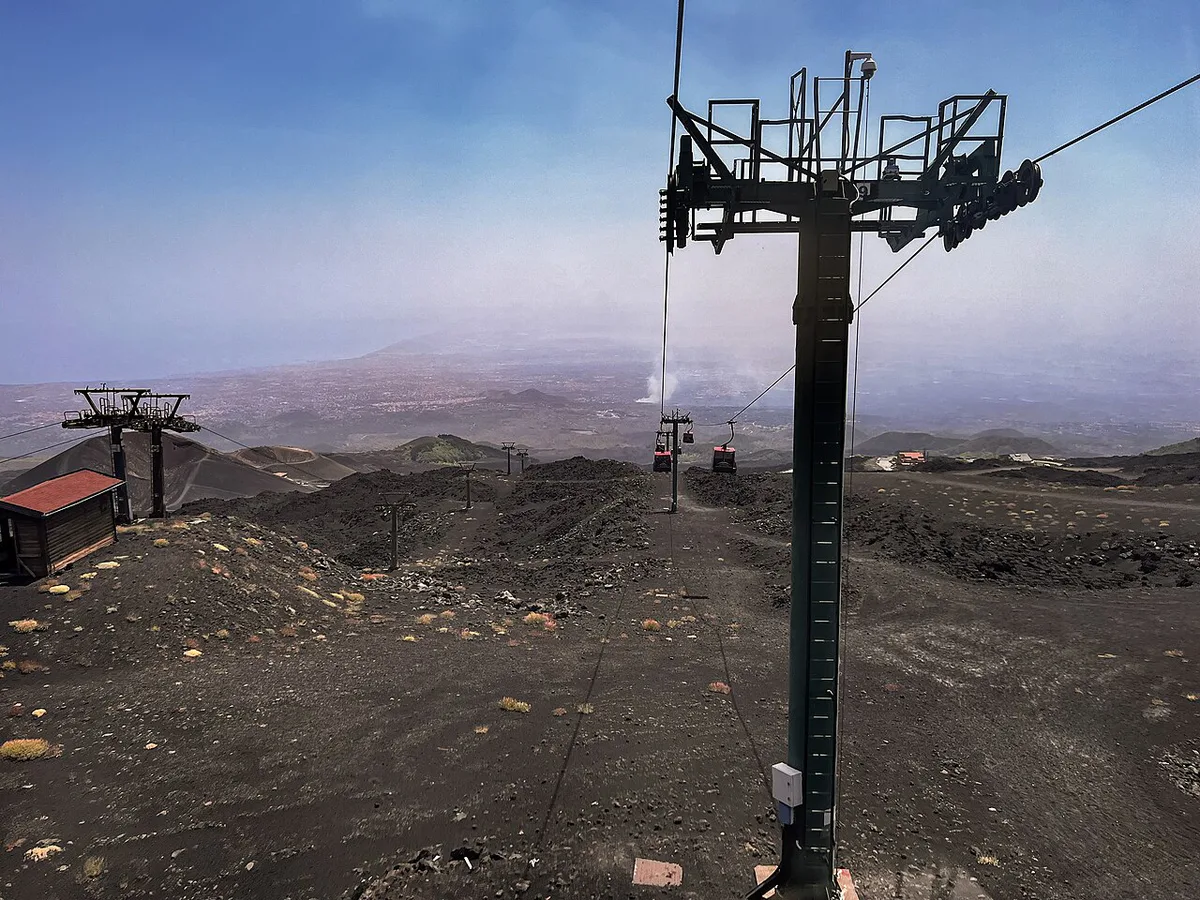
| Cable car or viewpoint | Teide, Etna | Lift to high ground, then a short walk or a guide-led continuation |
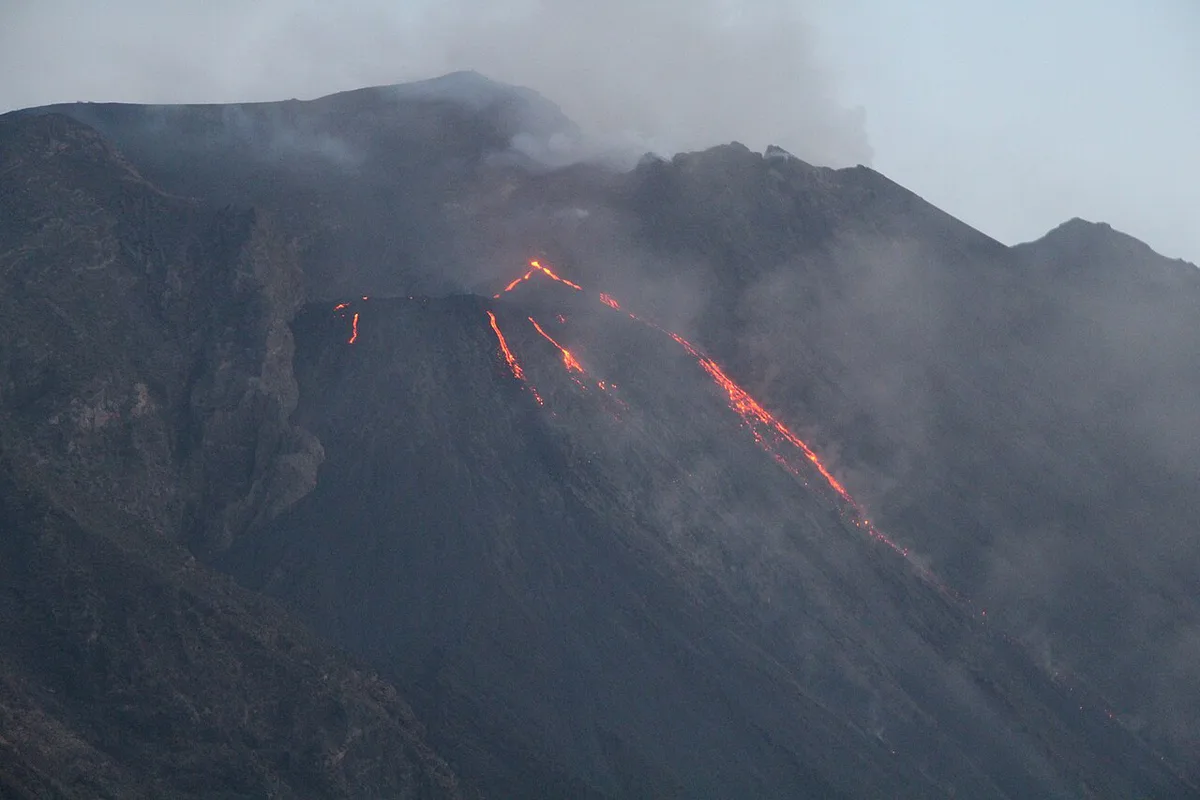
| Guided summit or lava tour | Etna, Stromboli | Guide-led groups, with the route set by current activity |
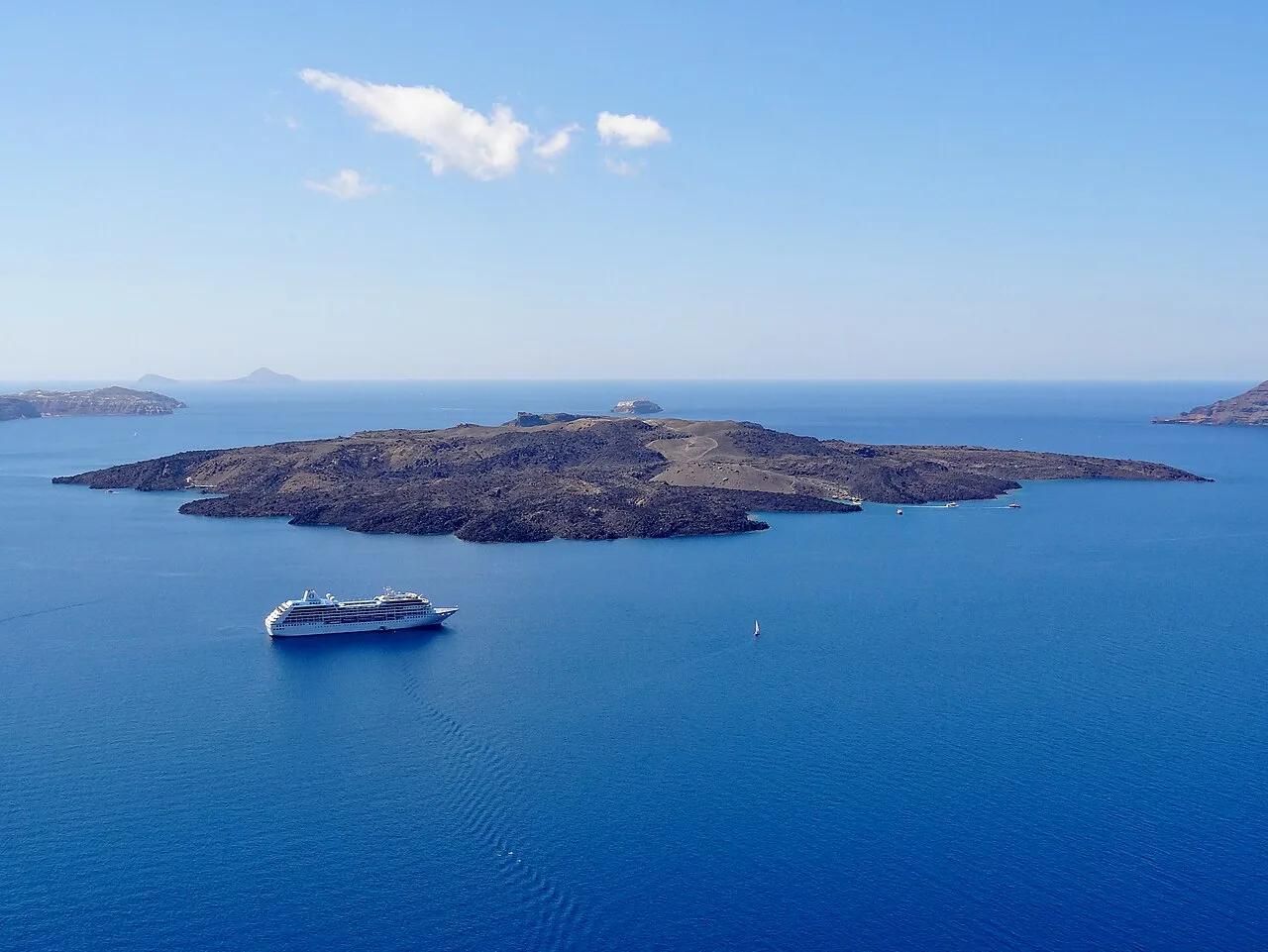
| Boat or caldera trip | Santorini, Nea Kameni | Boat crossing, then a walk on the volcanic island |
| Geothermal, spa or museum | Iceland, Canary Islands | Low-risk options that work in bad weather or during closures |
Where to Go in Europe: Match the Volcano to the Traveler
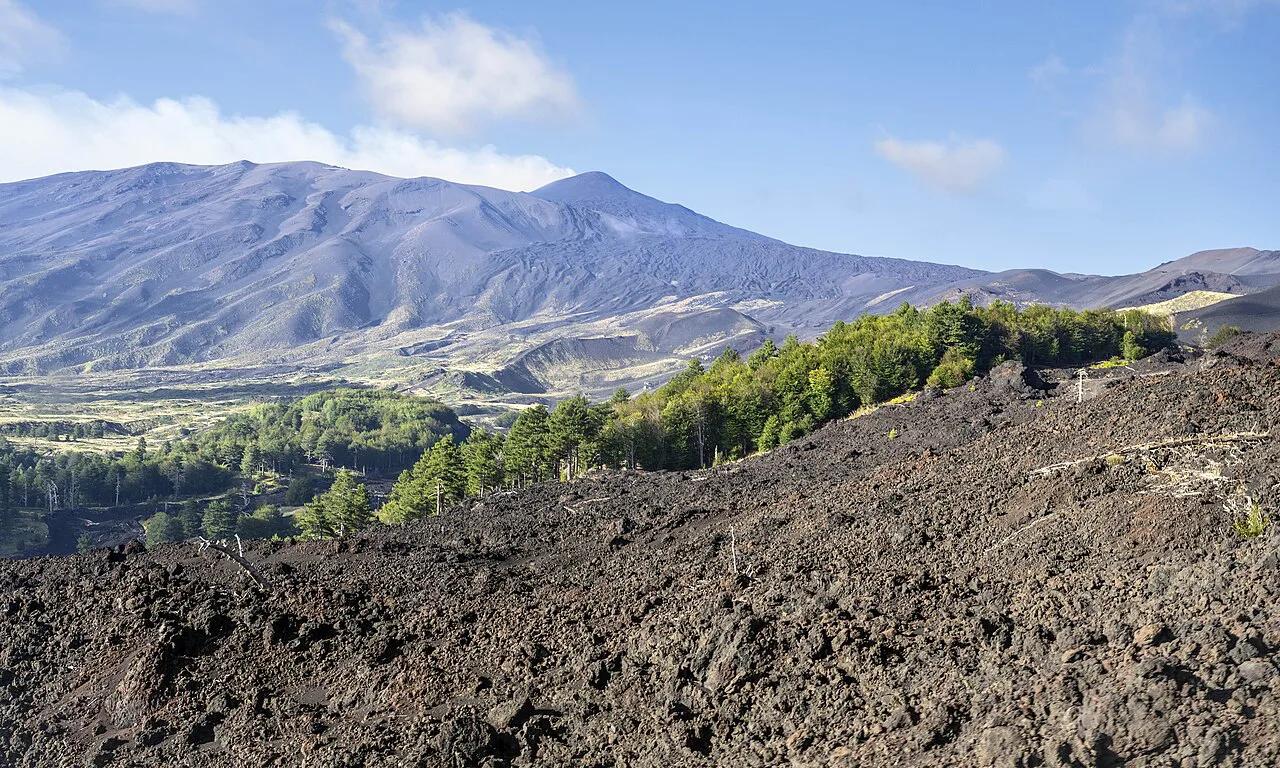
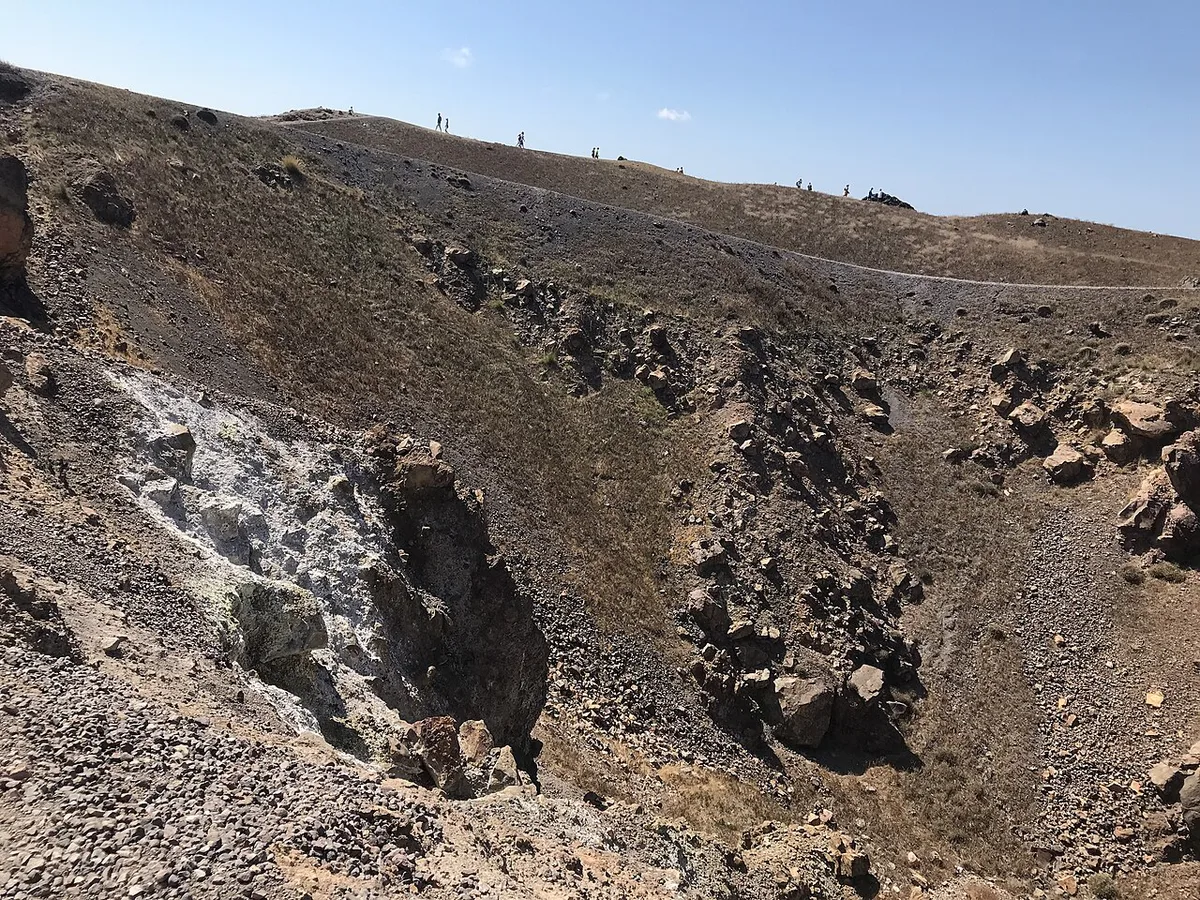
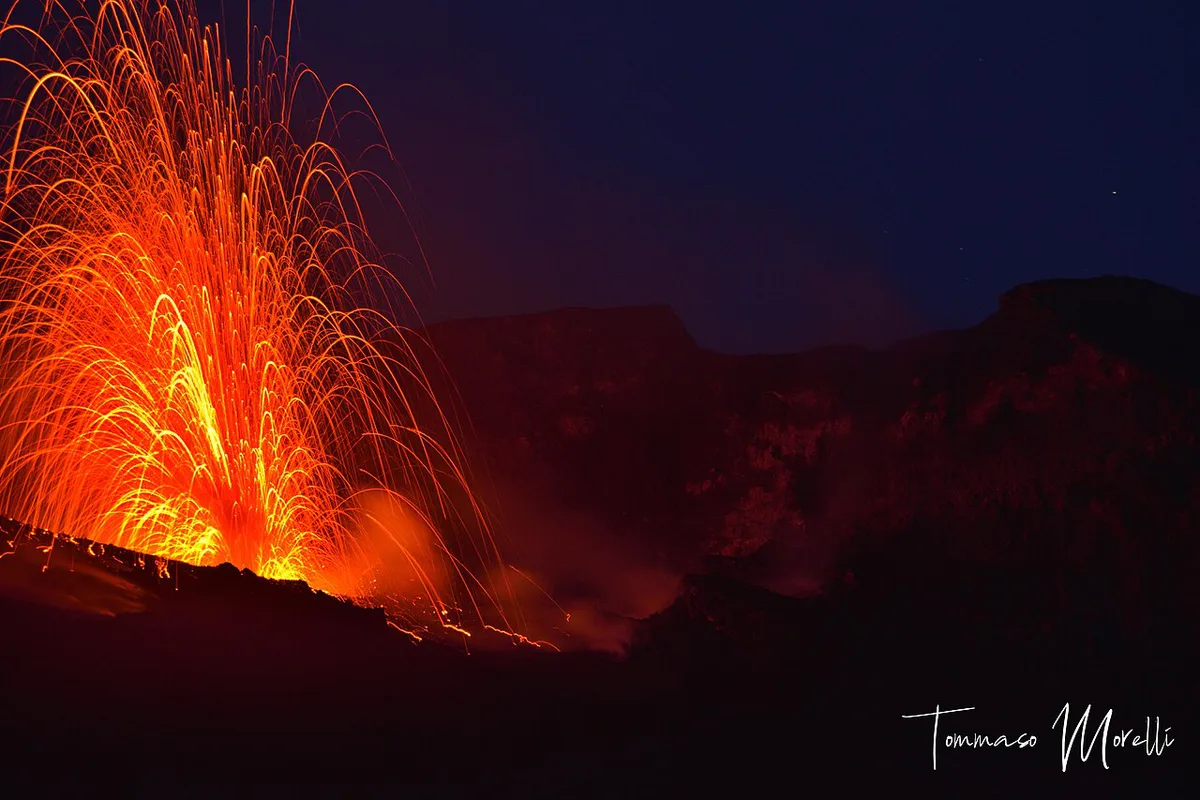
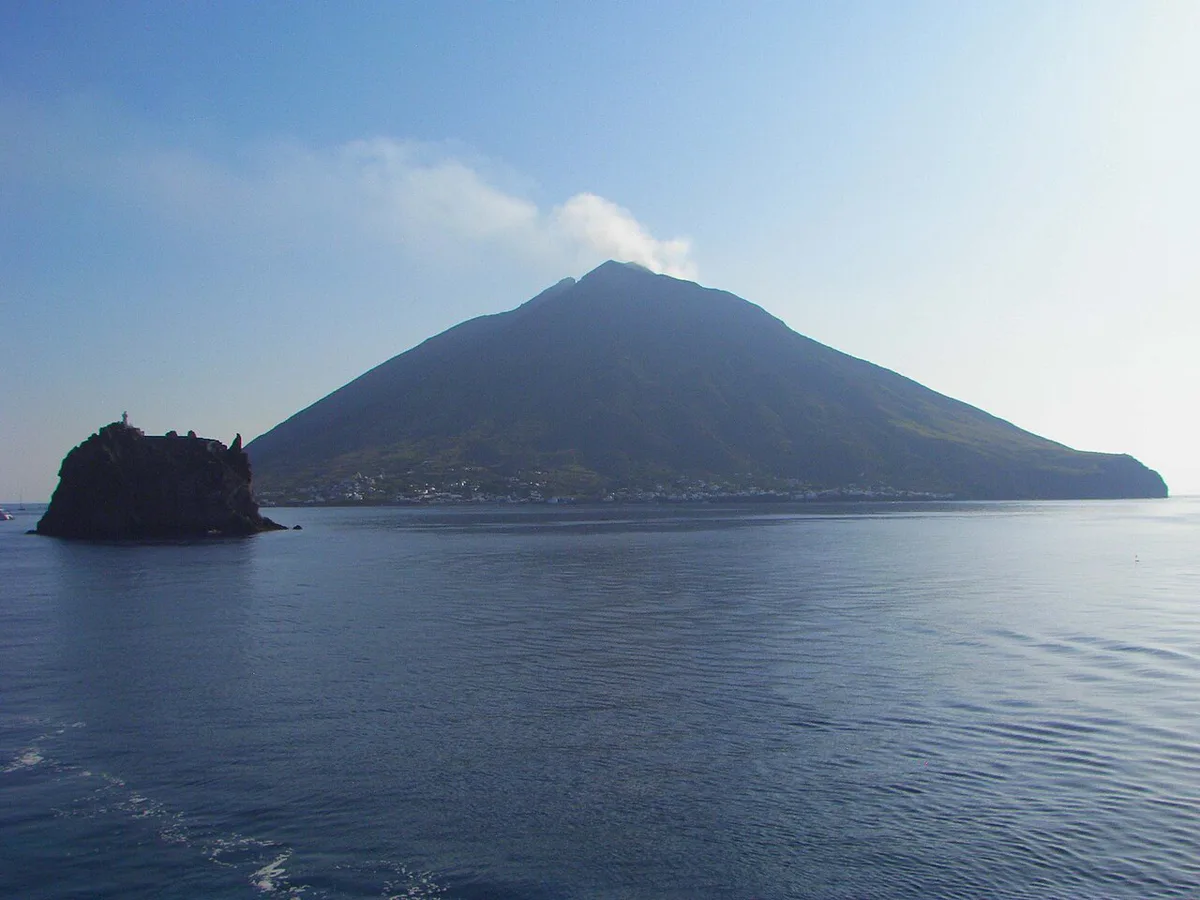
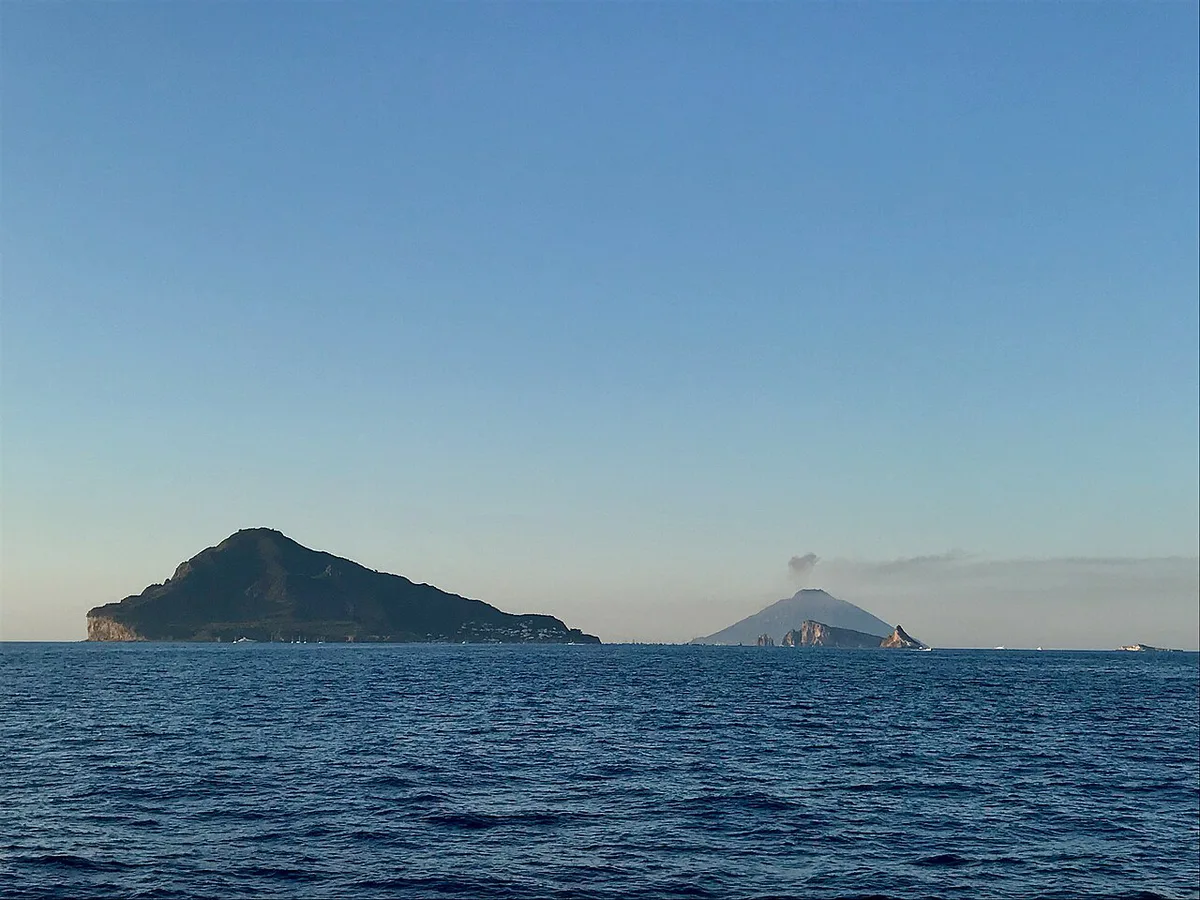
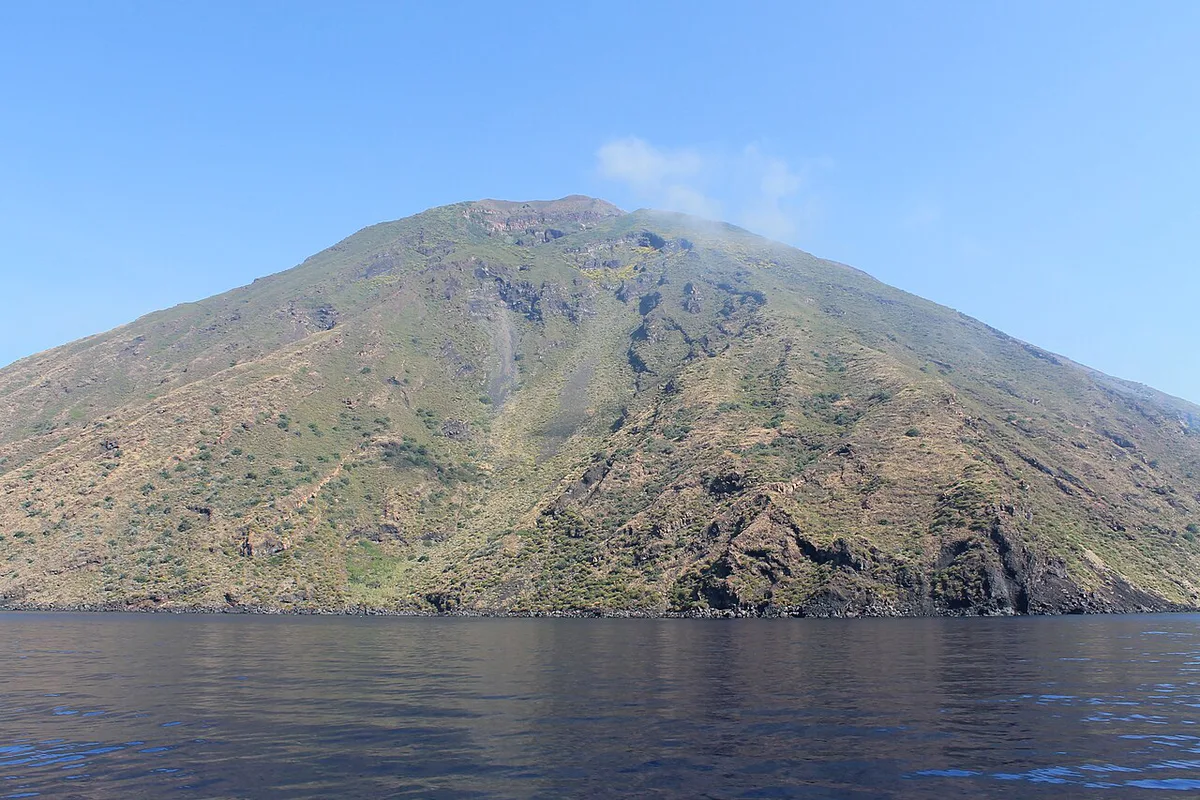
Italy, Spain, Greece and Iceland hold most of Europe's organized volcano visits. Etna has a cable car and guided routes managed through the Etna park authority. Vesuvius has a crater path above Naples, and Stromboli in the Aeolian Islands is known for guided summit walks. Santorini offers boat trips to Nea Kameni, and Tenerife's Teide has a cable car run by the Teide cable car operator. Lanzarote's Timanfaya and La Palma add controlled-access lava landscapes, while Iceland suits travelers who want glaciers and geothermal pools alongside the volcanoes. Our volcano map of Europe shows how these sites sit relative to each other. Bucket-list hunters can compare the Largest Volcano in Europe: Mount Etna (and What 'Largest' Means) with the Highest Volcano in Europe: Etna vs Other Contenders. If activity matters most, our guide to active volcanoes you can visit narrows the list.
| Traveler | Best-fit format | Good starting points |
|---|---|---|
| Families | Boat trip or short crater walk | Santorini's Nea Kameni, Vesuvius |
| Casual walkers | Cable car plus a short trail | Teide, Etna |
| Serious hikers | Guided summit climb | Stromboli, Etna summit zone, Iceland |
| Photographers | Sunrise or sunset viewpoint | Etna, Stromboli, Santorini caldera |
| No-car travelers | Organized tour or ferry-linked island | Vesuvius from Naples, Santorini, Aeolian Islands |
How to Choose: Decision Criteria
Weigh these factors in order. The first two usually decide the trip.
- Access: islands such as Stromboli and Santorini need a ferry or flight, while Vesuvius and Etna can be reached by road from big cities.
- Fitness: a cable car or boat trip suits low mobility, and a guided summit climb does not.
- Guided or independent: active summit zones often require a guide, and the park rules for your target decide whether you can go alone.
- Season: summer heat on exposed lava fields and winter snow on Etna or Teide both change what is open.
- Crowds: cable cars and caldera boats fill at midday, so early departures work better.
- Closure risk: the more active the volcano, the more likely your route changes on the day.
- Budget: free trails, ticketed lifts and guide-required routes sit in different cost tiers.
Planning Your Time
Match the format to the time you have. Cable-car and boat trips fit a half-day, and a crater-rim walk plus travel to the base fits a full day. Summit climbs on Etna or Stromboli work better as part of a multi-day stay in a nearby base town. Budget extra time for the journey to the trailhead, because that often takes longer than the walk itself. Keep a fallback ready for low cloud or wind, such as a museum, a thermal pool or a lower viewpoint.
Costs, Permits, Tickets and Access
No firm fares appear here because lift prices, guide fees and permits change by season. Check the park or operator site for the current figure before you pay.
| Cost category | Examples | Planning note |
|---|---|---|
| Free | Public viewpoints and lower trails | Weather and closures still apply |
| Ticketed | Cable cars, boat trips, park entry | Book ahead in peak months |
| Guide-required | Summit zones near active vents | Rules follow the current alert level |
| Premium | Private guides and small-group tours | Worth it for summit access or photography |
Safety, Closures and Eruption Disruption
Volcanic access changes quickly, and official sources carry the current picture. Italian monitoring updates come from INGV's Etna observatory, and Iceland's alerts come from the Icelandic Met Office. Read our Volcano Safety Tips for Travelers in Europe before any summit walk. Ash can ground flights even when the volcano is far from your destination, so see how volcanic ash disrupts flights. Past events are covered in our guide to eruptions in Europe. Check your travel insurance for eruption and cancellation wording before you book. Avoid these common mistakes:
- Assuming the summit is always open.
- Booking a tour without checking the alert level.
- Wearing beach footwear on lava or loose ash.
- Ignoring wind direction and volcanic gas.
- Booking tight flight connections near an active eruption.
Where to Stay and Get Around
Base towns near the volcano cut your travel time. Resorts give you beaches and amenities but add a transfer before every excursion. Cars suit Etna, Teide and Lanzarote, where trailheads are spread out. Buses and organized tours suit Vesuvius and the Naples area. Island volcanoes such as Stromboli and Santorini depend on ferries, so check the schedule and allow a buffer day if you have a flight to catch.
Responsible Volcano Tourism
Stay on marked trails, because lava crusts and loose ash break easily and can injure you. Follow protected-area rules, including controlled-access zones such as Timanfaya. Hire local guides and stay in nearby villages, since that keeps income in the communities living beside the volcano. Take rubbish with you, and never remove rock samples.
Beyond the Hike: Museums, Photography and Maps
On a closed or cloudy day, use a museum. Our guide to Volcano Museums in Europe: Where to Go and How to Choose lists indoor options. Photographers can plan angles and gear with our volcano photography tips. Lesser-known options include the Azores and Madeira in Portugal's volcanic islands. Hungary's Badacsony volcanic hill is a vineyard walk, and Romania's Ciomadul crater lakes suit quiet nature days. Read about volcanic traces in Switzerland for an Alpine angle. Jan Mayen is covered in our Jan Mayen guide, but it is not a realistic tourist destination.
Frequently Asked Questions
Can you visit an active volcano?
Yes, at several European volcanoes, but usually within set limits. Lower trails and viewpoints are often open, while summit zones may need a guide or close during unrest. Check the monitoring body's latest bulletin on the day.