6 Ways to See Stromboli Volcano: Access Rules & Planning Guide
Last updated November 2026. Stromboli volcano is an island in the Aeolian Islands, north of Sicily, and it has erupted in small, frequent bursts for about 2,000 years. There is no airport, so you arrive by sea, and hiking limits depend on the alert level. This guide compares six ways to see the eruptions, then covers access rules, ferries, timing and what to pack.
Featured image: Norbert Nagel, CC BY-SA 3.0, via Wikimedia Commons.
Stromboli Volcano at a Glance
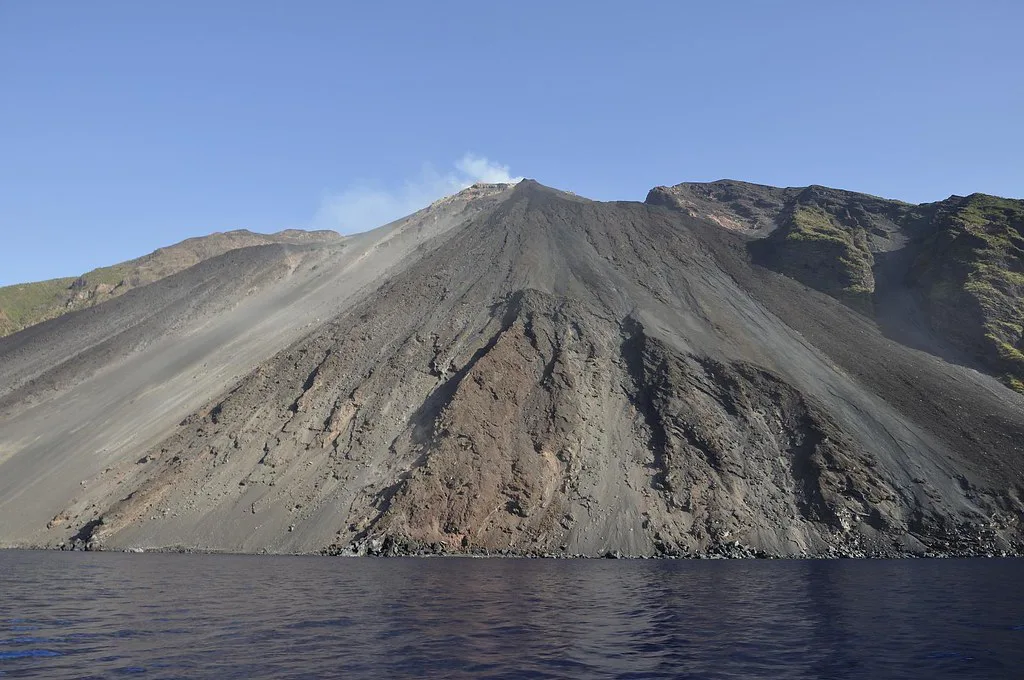
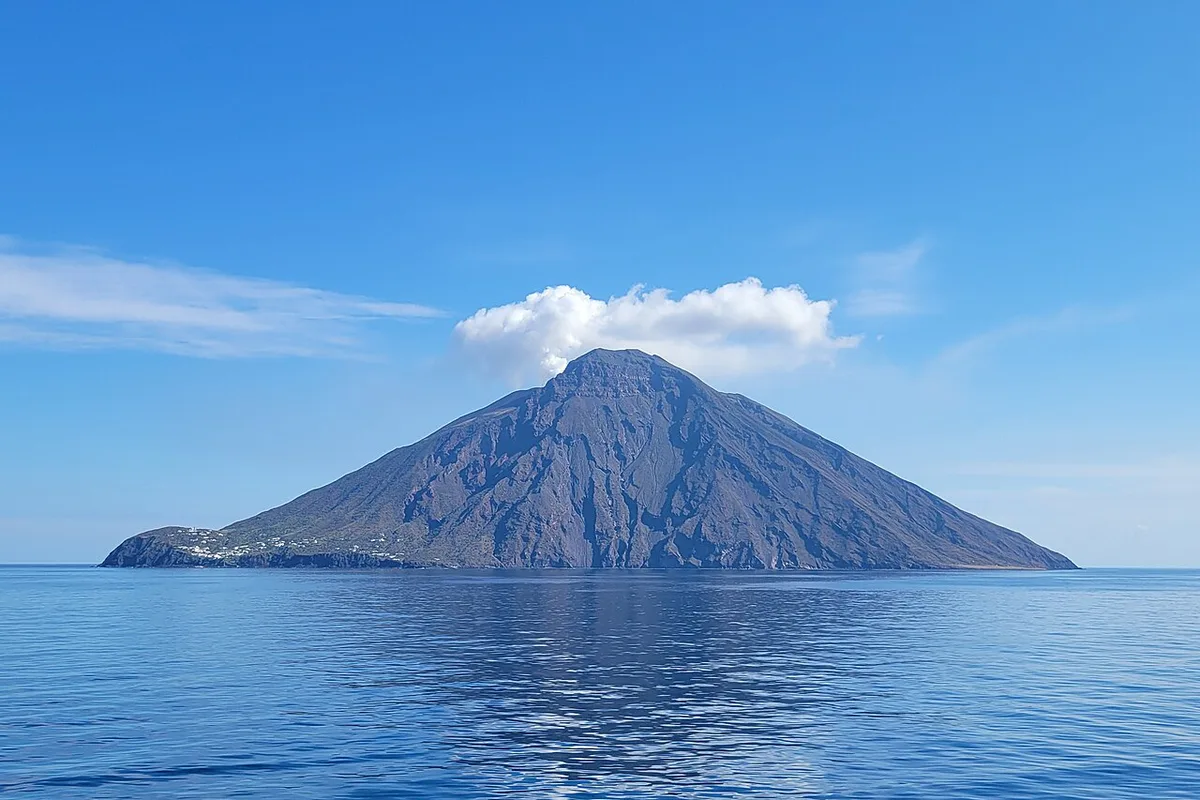
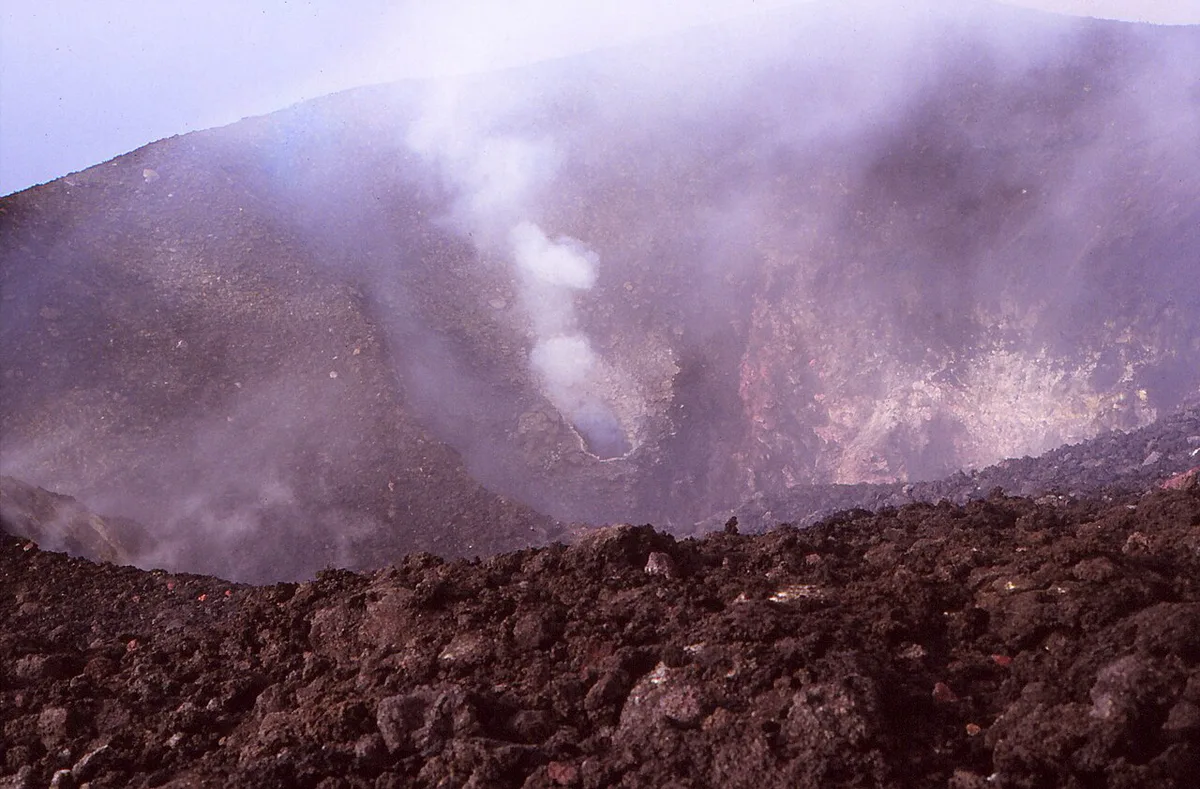
Stromboli is the northernmost of the seven Aeolian Islands, in Messina province. Its summit craters throw out gas, lava fragments and blocks on average three to seven times an hour, in jets 100 to 200 m high. UNESCO inscribed the Aeolian Islands as a World Heritage Site in 2000. Its near-constant explosions put Stromboli on any list of active volcanoes in Europe you can actually watch erupting.
| Question | Short answer |
|---|---|
| Where is it? | Aeolian Islands, Tyrrhenian Sea, north of Sicily |
| What type of activity? | Persistent small explosions, called Strombolian |
| Highest point | Pizzo sopra la Fossa, just below 1,000 m; I Vancori is cited at 924 m |
| How do you get there? | By sea only: hydrofoil or ferry, usually from Milazzo |
| Main access caveat | Limits above 290 m depend on the alert level and local ordinance |
6 Ways to See Stromboli Volcano
Each option below trades effort against access rules and sea risk. The limits quoted come from the May 2025 ordinance. The Comune di Lipari changes them with the alert level, so read the current text before you choose.
| Option | Effort | Access rule | Sea dependence | Best for |
|---|---|---|---|---|
| Guided hike above 400 m | High | Authorised guide required | Low once on the island | Close craters view |
| Unguided walk to 290 m | Moderate | No guide on village side | Low | Independent walkers |
| Night boat trip | Low | Stay 400 m offshore | High | Seeing the Sciara glow |
| Shore or terrace | Low | None | Low | Families, short stays |
| Ginostra | Moderate | Free to 130 m above Ginostra | High | Quiet-seekers |
| Webcam | None | None | None | Pre-trip checks |
1. Guided hike above 400 m
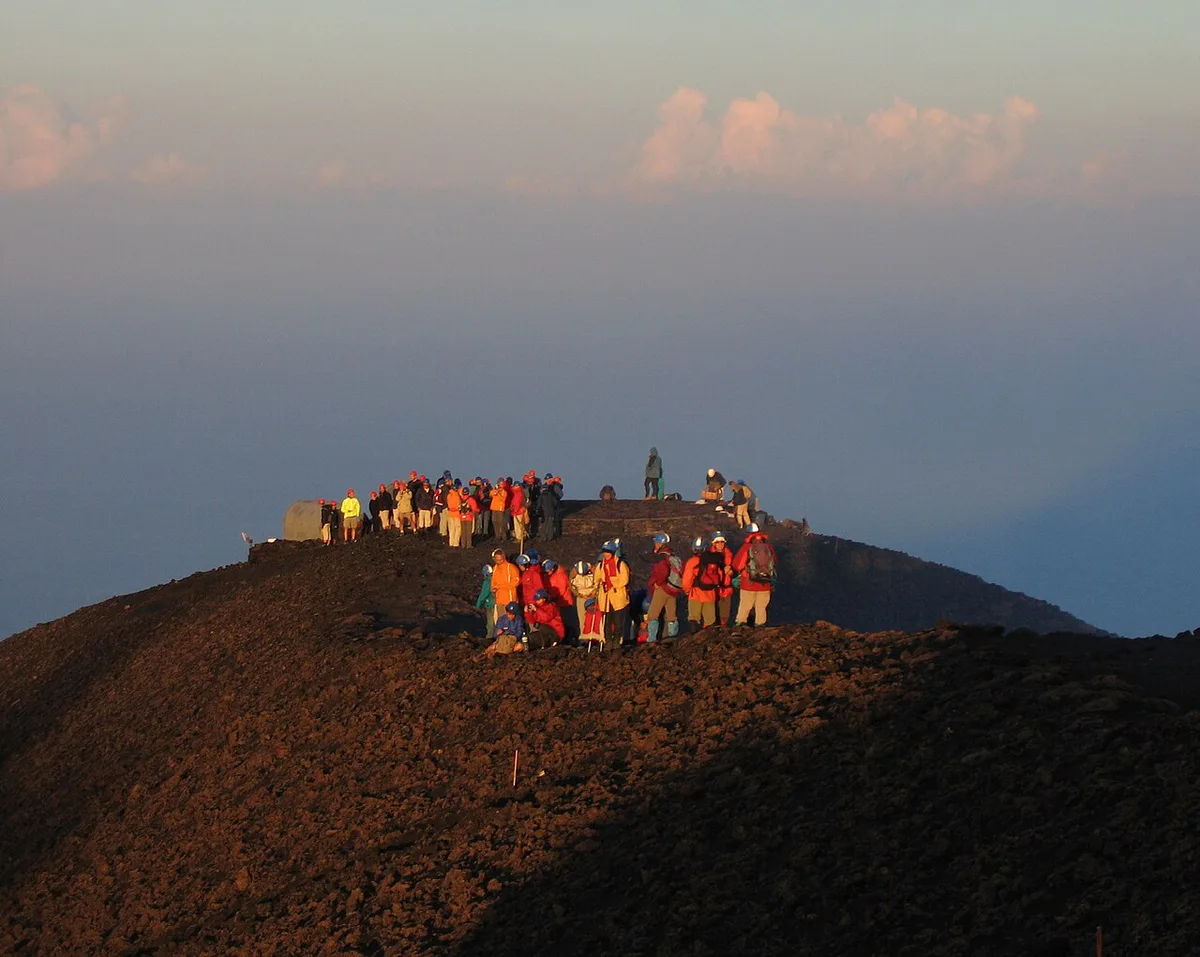
This is the closest legal view of the craters, and it runs into the evening so you see explosions after dark. Above 400 m you may only walk with authorised alpine or volcanological guides, and the crater area itself has been closed. Expect steep paths on loose volcanic sand and scoria with little shade. A helmet and head torch are part of the kit.
Our Stromboli hike guide covers the route in detail. Compare operators on our Stromboli Volcano Tour: Which One to Book page. Skip it if you dislike steep, exposed climbs or cannot tolerate a late descent in the dark.
2. Unguided village-side walk
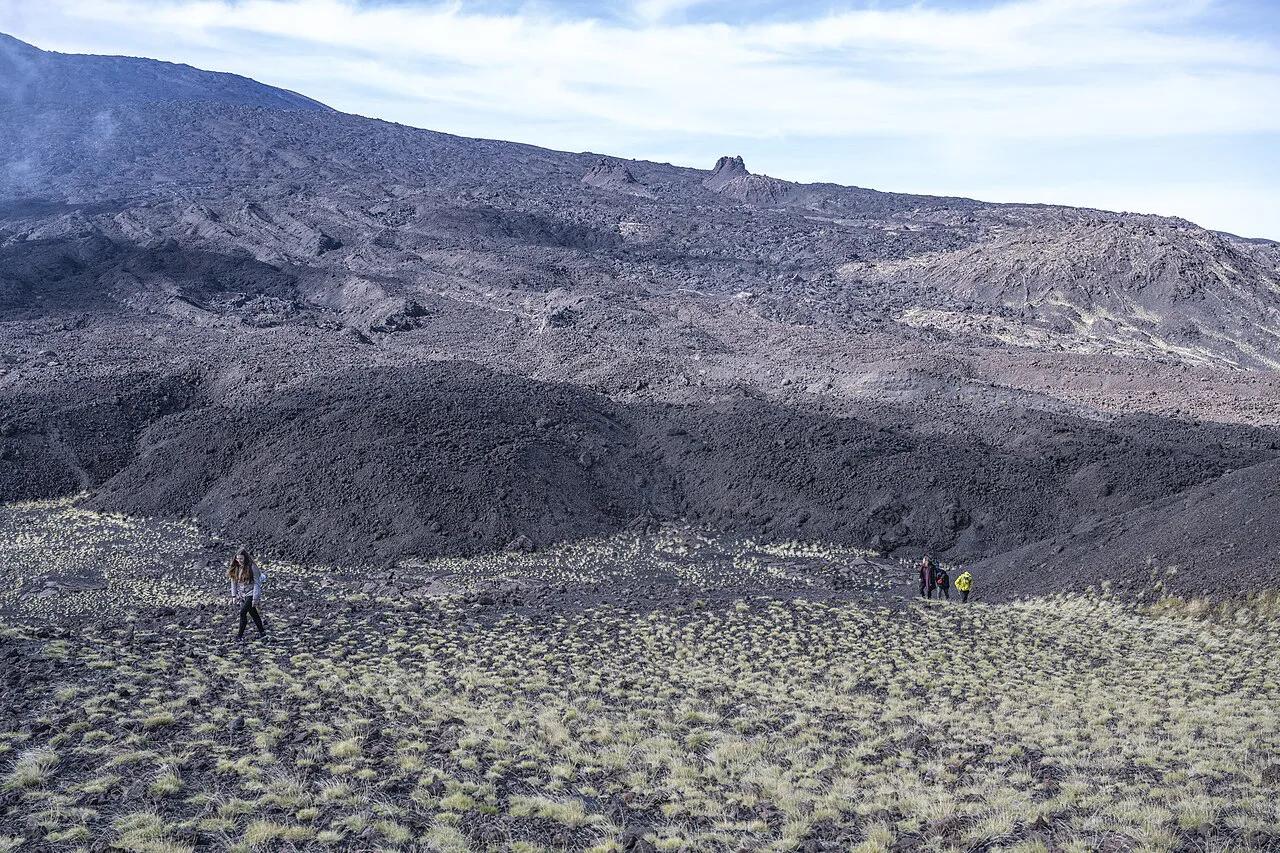
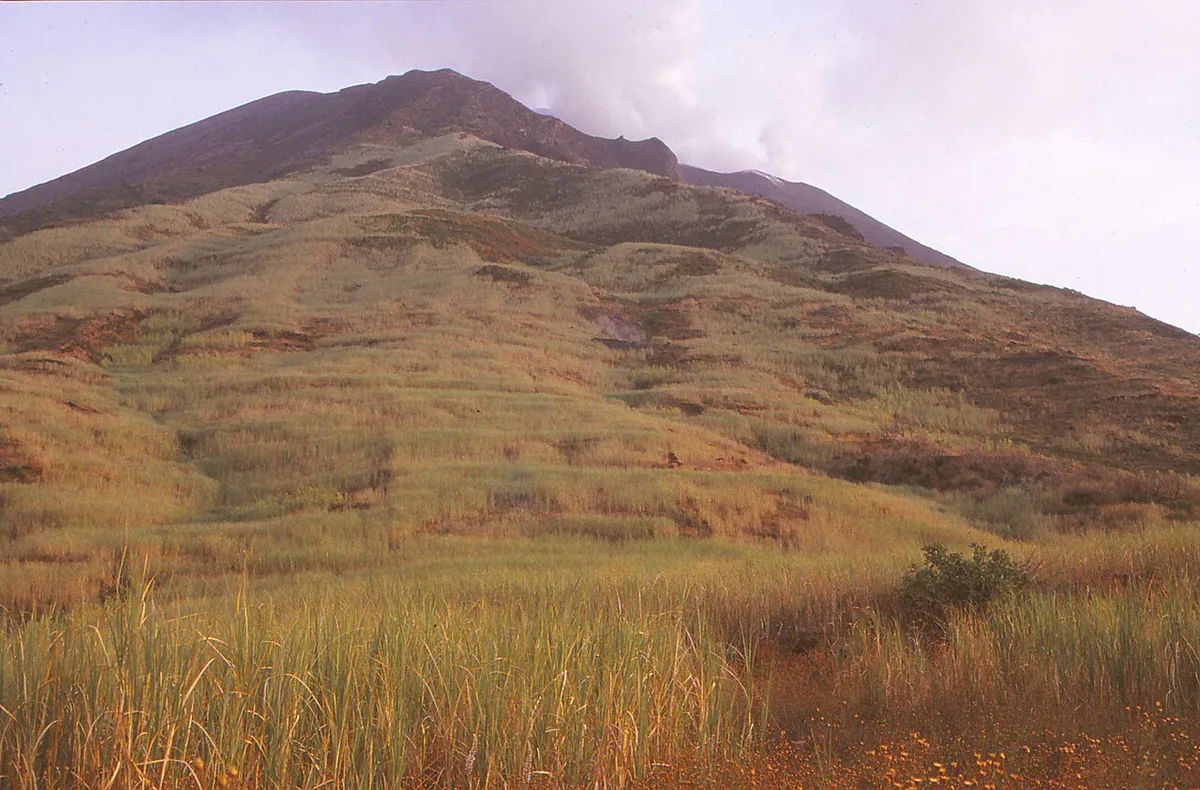
On the Stromboli village side, walkers could climb freely up to 290 m under the May 2025 ordinance. You need no guide for this stretch, so it suits a free afternoon or a short evening. The view is wider than it is dramatic, because you stay well below the craters.
Paths are steep and shaded only in places, so bring water and sun protection. Skip it if you want to watch explosions at close range, because only the guided route climbs higher.
3. Night boat trip past the Sciara del Fuoco
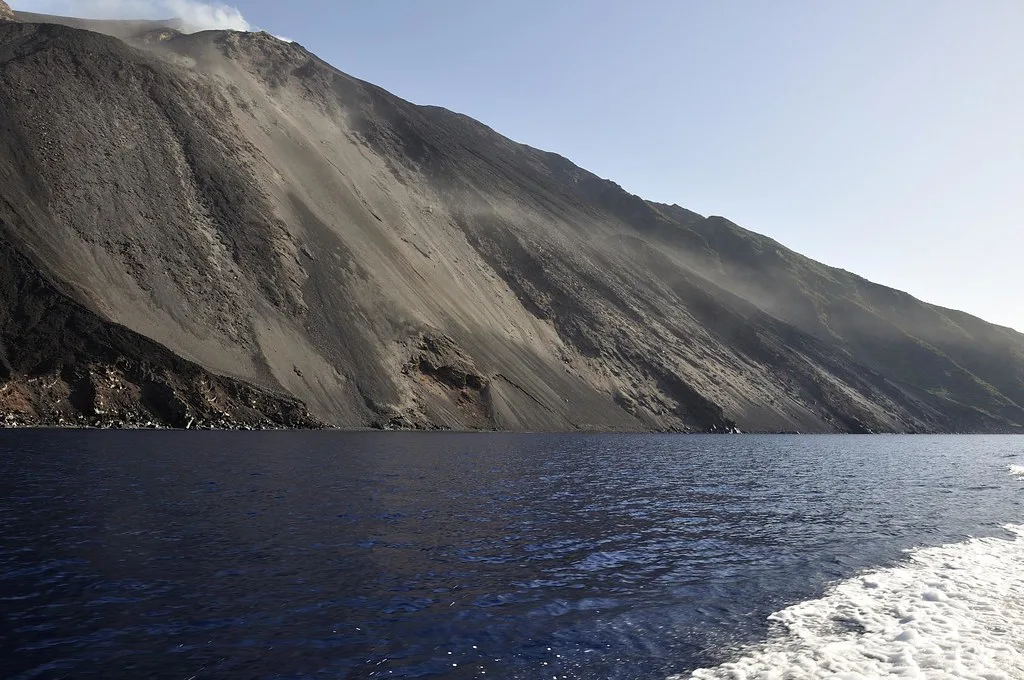
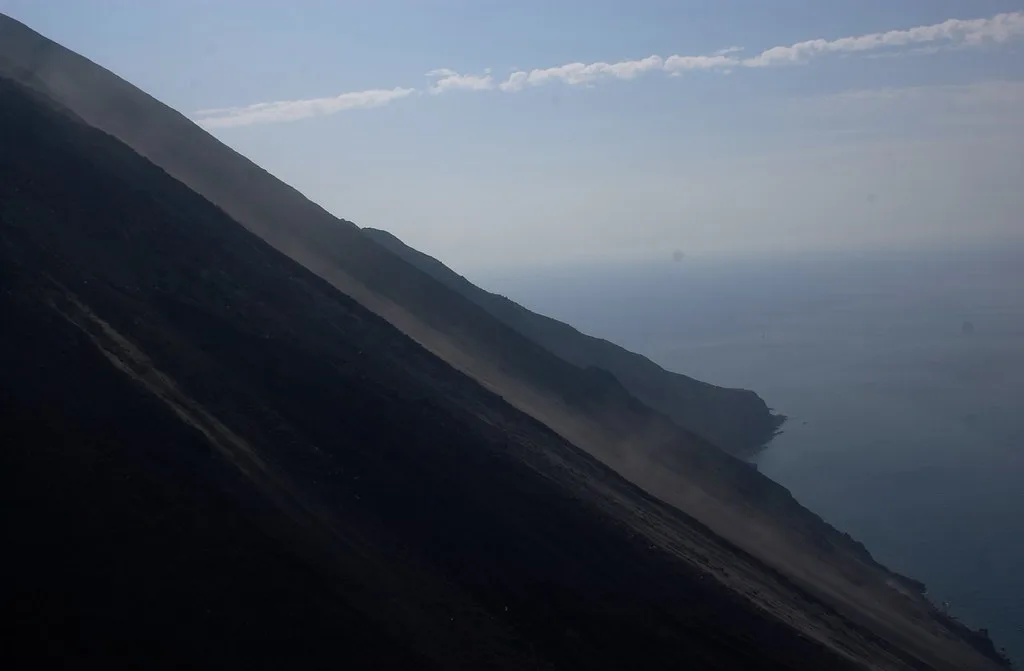
The Sciara del Fuoco is the horseshoe-shaped scar on the north-west flank, where lava is channelled down to the sea. From a boat you see the glow and the explosions above it without climbing. Boats must stay at least 400 m offshore of this coast, and swimming there is banned.
Read more on the Sciara del Fuoco, Stromboli: What It Is and How to See It before you book. Calm seas matter, so trips can be cancelled in rough weather. Skip it if you are prone to seasickness or have only one night on the island.
4. Shore or village terrace
Explosions and the glow are visible after dark from the slopes, the shore and the village, with no hike at all. This is the lowest-effort option and works for families and anyone with limited mobility. Stromboli village has accommodation and restaurants, so you can watch over dinner.
Your view depends on the angle, so you may see the glow rather than the jets themselves. Skip it if you want to see lava thrown above the craters.
5. Ginostra vantage points
Ginostra is a small hamlet with more limited services than Stromboli village. Walkers could climb freely to 130 m above Ginostra under the May 2025 ordinance. It suits travellers who want quiet over convenience and are happy to plan food and lodging ahead.
See our Ginostra guide for how to reach it. Skip it if you need easy ferry links, restaurants or a choice of guides.
6. Remote viewing by webcam
A webcam lets you check activity before you commit to the crossing. It also helps if you cannot travel, since the island is reachable only by sea. Eruptions are frequent, but a screen cannot show the scale of the jets or the glow after dark.
Use our Stromboli webcam page to find a live view. Skip it as a substitute if you want the full night-time experience.
What Makes Stromboli Volcano Erupt Constantly
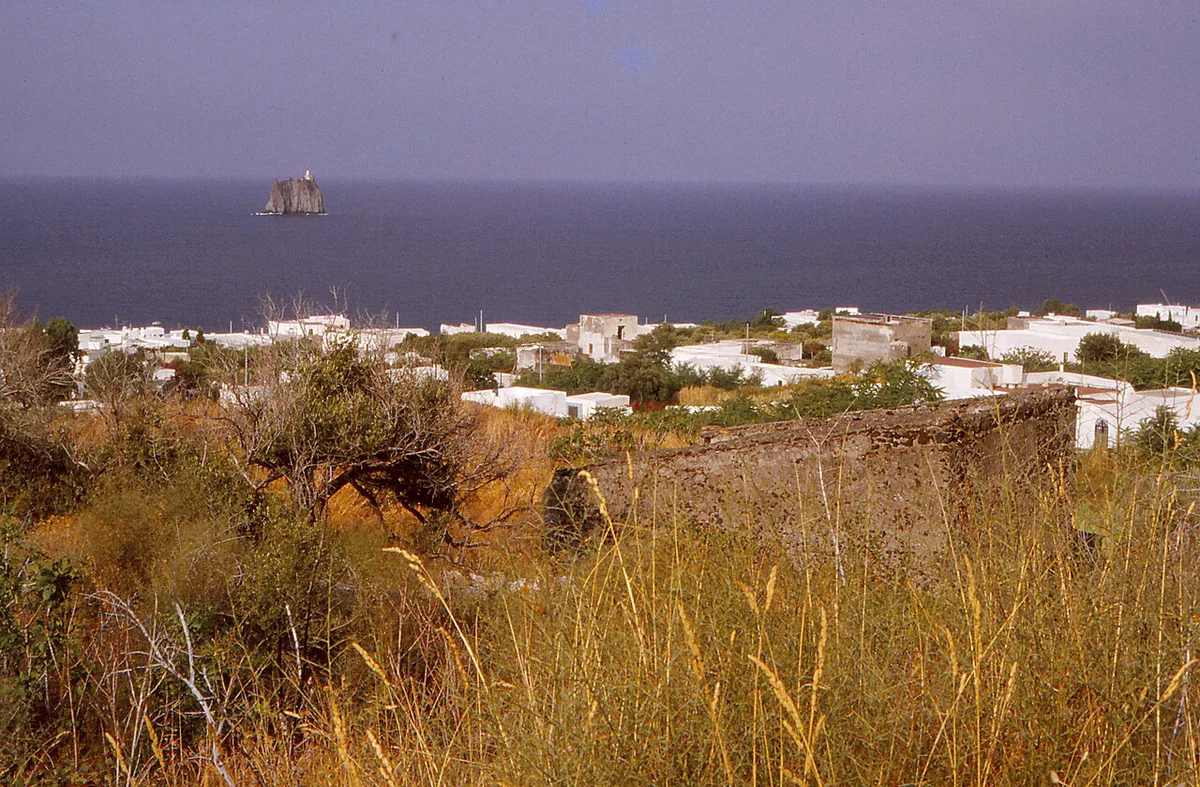
Stromboli is an open-conduit volcano, so magma always sits near the surface. That is why it has thrown out gas and glowing lava for about 2,000 years. Ancient observers called it the lighthouse of the Mediterranean. Strombolian eruptions are small and rhythmic, with explosions lasting seconds. Vulcanian eruptions are heavier, and paroxysms are far larger. INGV recorded paroxysms on 3 July and 28 August 2019, when the column rose more than 2 km. An earlier blast in 1930 killed six people. Read what an eruption looks like for more depth. For the classification, see what type of volcano Stromboli is. On the north-west flank, a collapse about 5,000 years ago left the Sciara del Fuoco. On 30 December 2002, part of that slope slid into the sea and raised a tsunami 11 m high.
Access Rules and Safety on Stromboli
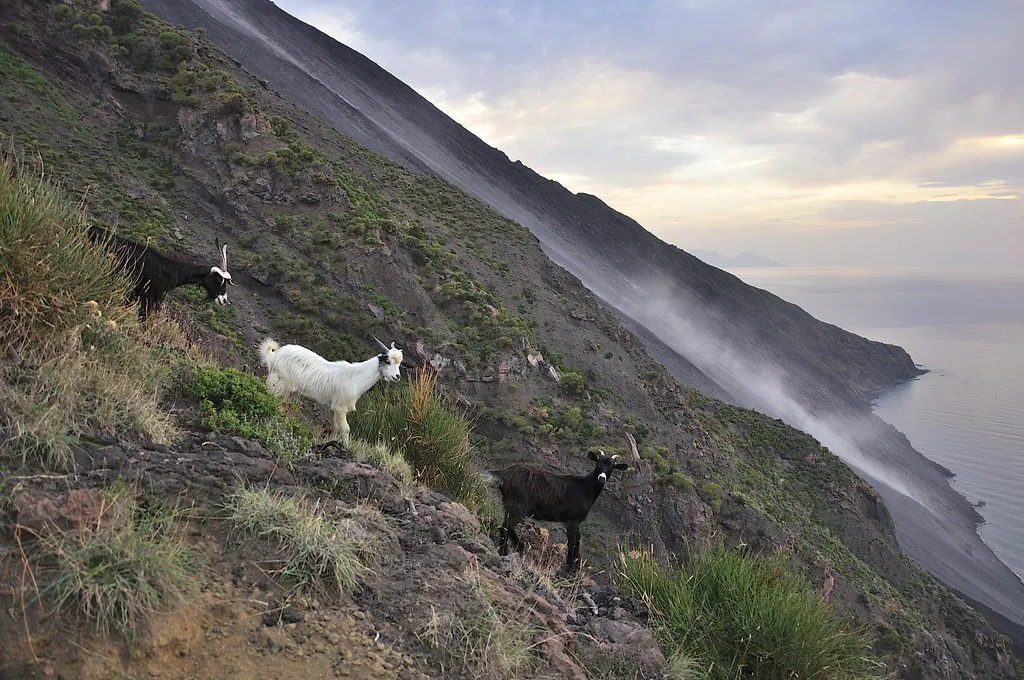
Under the May 2025 ordinance, walkers could climb to 290 m on the village side and to 400 m with authorised guides. The limit above Ginostra was 130 m, and the crater area was closed. Limits move with the alert level, so read the current ordinance on the Comune di Lipari website. Activity status appears in the INGV Stromboli bulletins. Larger explosions can come without obvious warning. If you are high on the volcano, shelter at once in a reinforced shelter. If the sea draws back, you hear a very loud explosion or sirens sound, climb inland along the signed escape routes. Swimming and boating within 400 m of the Sciara del Fuoco coast are always banned. Our hiking guide explains how guides handle these rules.
Larger explosions can come without obvious warning, and INGV's 2019 paroxysms saw the column rise more than 2 km.
- Do not assume you can reach the crater.
- Do not book a same-day return connection.
- Do not treat posted limits as fixed.
- Do not enter the sea within 400 m of the Sciara del Fuoco coast.
How to Get to Stromboli
Stromboli has no airport. Fly to Catania or Palermo in Sicily, then travel to Milazzo on the north coast. From Milazzo, take a hydrofoil or ferry, which usually calls at other Aeolian Islands on the way. Allow a full travel day from a Sicilian airport. Timetables and operators change, and the Liberty Lines site publishes hydrofoil timetables you can check. Sea crossings can be cancelled in rough weather, so avoid tight onward flights. Keep a spare night after your last planned volcano evening.
When to Go and How Long to Stay
The volcano erupts year-round, so sea conditions and the alert level matter more than season. Spring and autumn are cooler for walking on exposed slopes than midsummer, and summer is busiest. Explosions show best after dark. Plan two or three nights as a heuristic. Day 1 is travel and arrival. Day 2 is a guided evening hike or boat trip. Day 3 is a buffer for cancelled boats and sea delays.
Keep Day 3 free as a spare, because rough weather can cancel the crossing from Milazzo.
Costs, Tickets and Booking
Guide fees, boat trips, ferry fares and lodging all vary by season, and no single published price covers them. Budget for four items: a guided hike, a boat trip, the crossing from Milazzo and your bed. Ask guides directly what the fee includes, such as a helmet. Check ferry fares on the operator's timetable site. Book the hike and lodging before the crossing in summer, when the island is busiest.
Where to Stay and Get Around
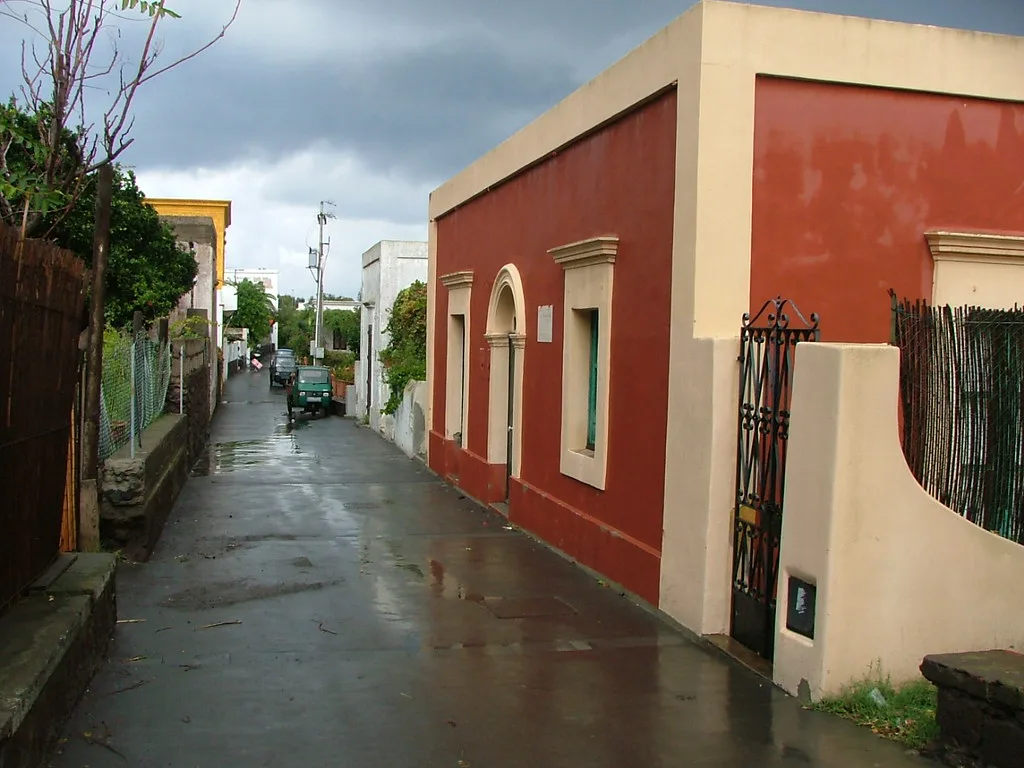
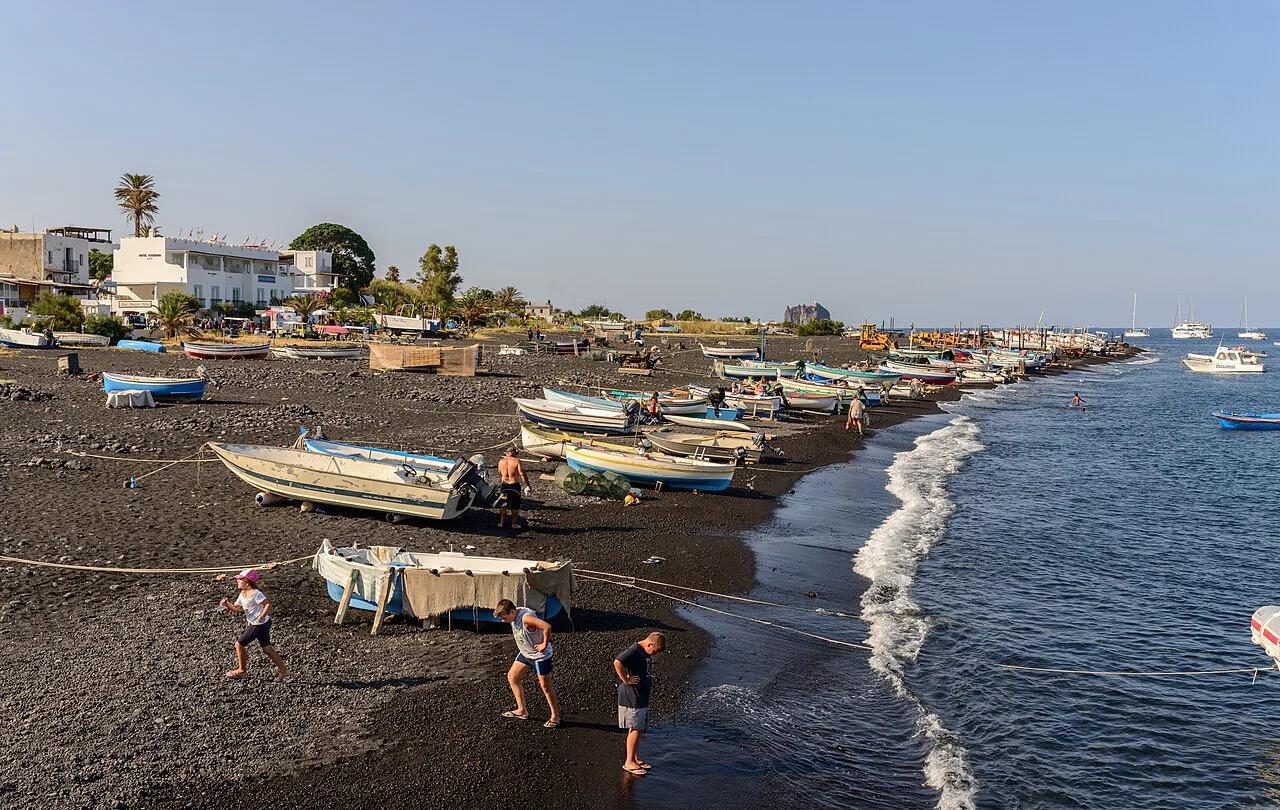
Stromboli village has accommodation, restaurants and authorised guides. Ginostra is a small hamlet with more limited services, so arrange food and beds ahead. The island is small and you get around on foot. Our Stromboli Volcano Map: Craters, Trails & Access Zones shows the paths and viewpoints. Confirm any local transport with your host.
What to Bring to Stromboli
Pack sturdy boots, a head torch for evening hikes and plenty of water. Sun protection matters because the slopes are exposed. Guides supply or require a helmet above 400 m. Leave plans flexible in case boats are cancelled by the sea.
- Sturdy boots
- Head torch
- Helmet for guided hikes above 400 m
- Water and sun protection
- Flexible plans
Stromboli vs Etna vs Vulcano
Stromboli offers frequent small explosions and a sea-only crossing. Etna is the mainland Sicilian volcano reached from Catania or Palermo, so it carries no ferry risk. Vulcano is another Aeolian island with a different draw. Try the Vulcano Mud Baths: Costs, Access and Whether to Go for a soak. Walk to the Gran Cratere on Vulcano for a crater rim.
| Volcano | Trade-off |
|---|---|
| Stromboli | Frequent explosions, night viewing, sea crossing and access limits |
| Etna | Reached from Sicily; check its own access rules |
| Vulcano | Crater walk and mud baths in the Aeolian Islands |
More to See Around Stromboli
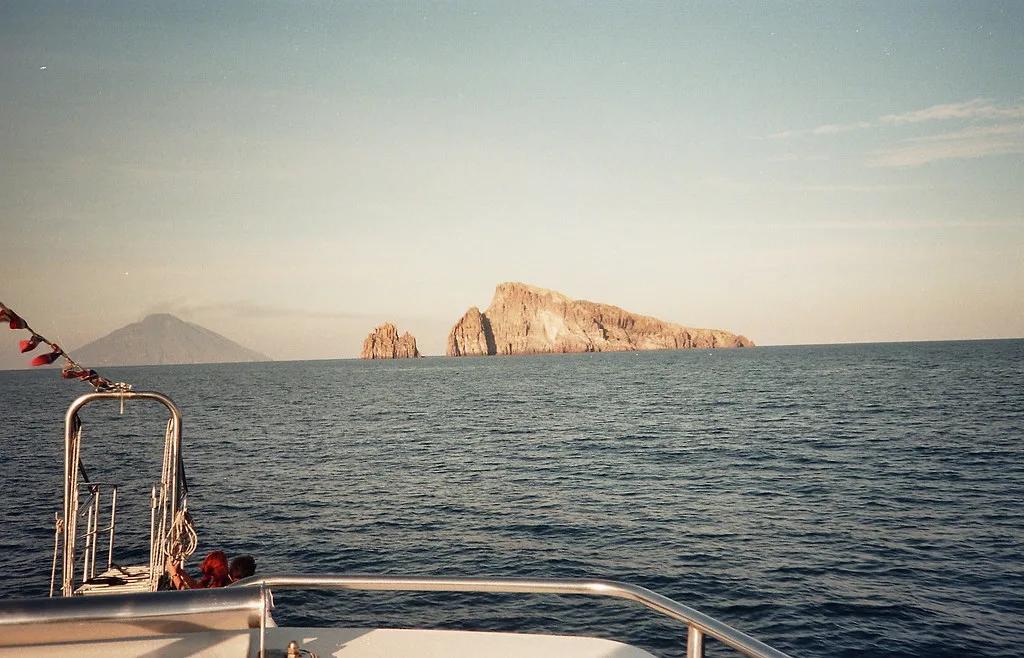
Offshore, Strombolicchio is the eroded neck of the island's oldest volcanic centre. Local food includes Malvasia delle Lipari, a sweet golden wine, and Aeolian capers. Join a boat trip past the Sciara del Fuoco on a Stromboli Volcano Tour: Which One to Book.
Explore More Guides
Keep planning your trip with these guides.
Guides
- Stromboli Eruption: What's Normal, What's Dangerous, and Visiting Safely
- What Type of Volcano Is Stromboli? Stratovolcano Explained
- Sciara del Fuoco, Stromboli
- Ginostra, Stromboli
- Strombolicchio
- Stromboli Volcano Tour: Which One to Book
- Stromboli Volcano Hike: Rules, Timing and Options
- Stromboli Volcano Webcam: Live Cameras and What They Show
- Stromboli Volcano Map: Craters, Trails & Access Zones
- Vulcano Mud Baths: Costs, Access and Whether to Go
- Gran Cratere Vulcano: Hike Guide, Safety & Timing