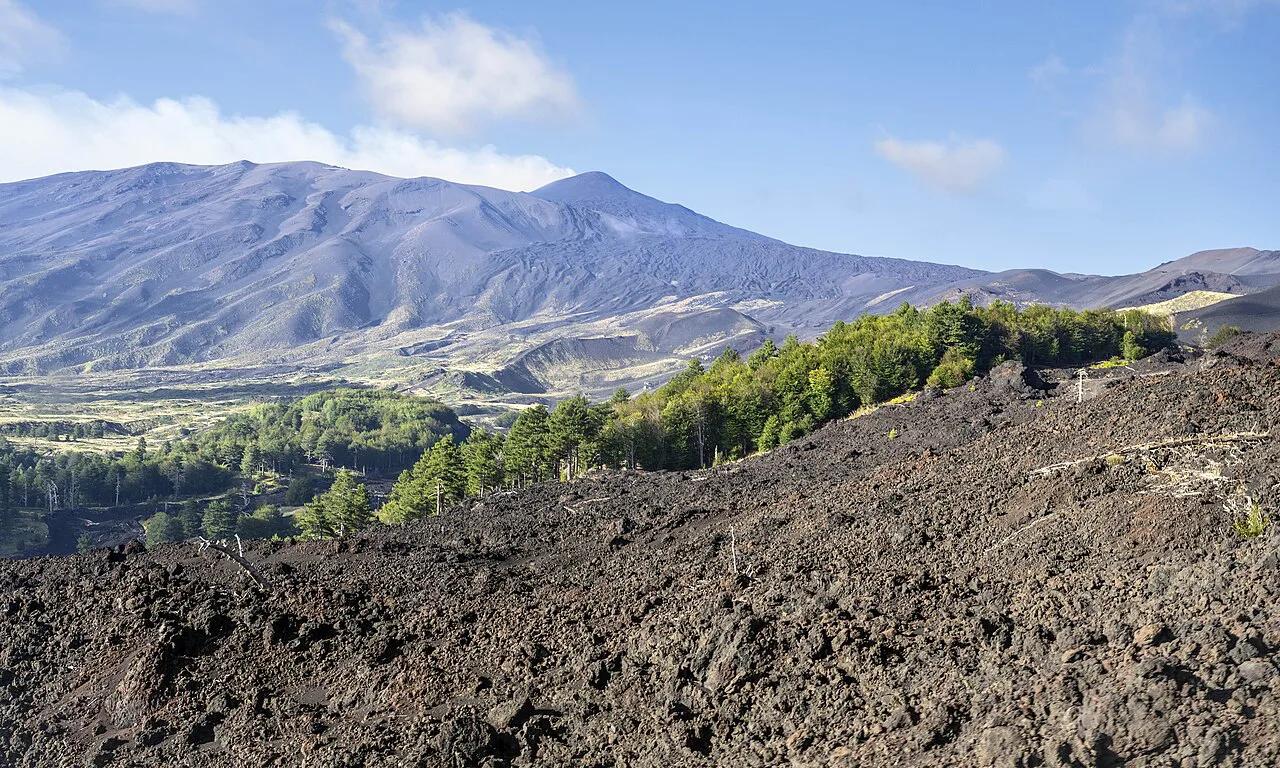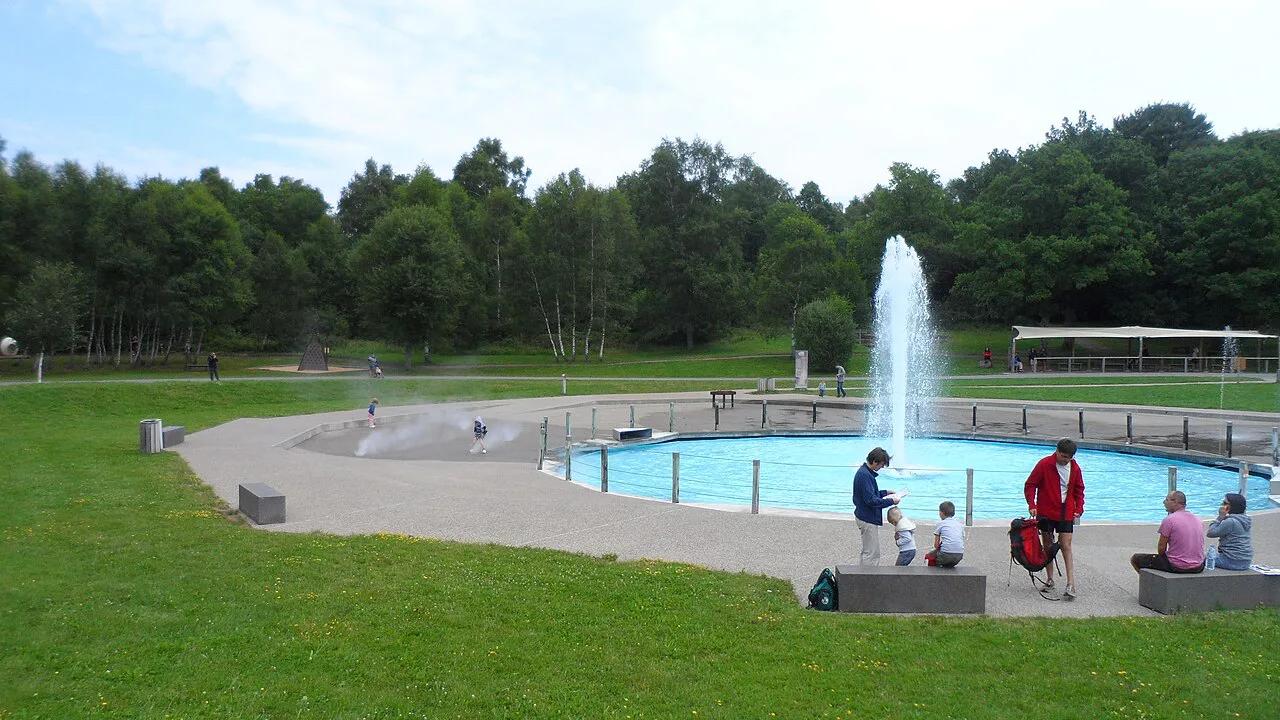
Volcano Museums in Europe: Where to Go and How to Choose
Last updated November 2026: a volcano museum in Europe is usually an interpretive centre or park rather than a classic collection. Good options cluster in Auvergne, Iceland and Italy. Use this guide to pick the right venue type, then pair it with a safe look at the real volcano.
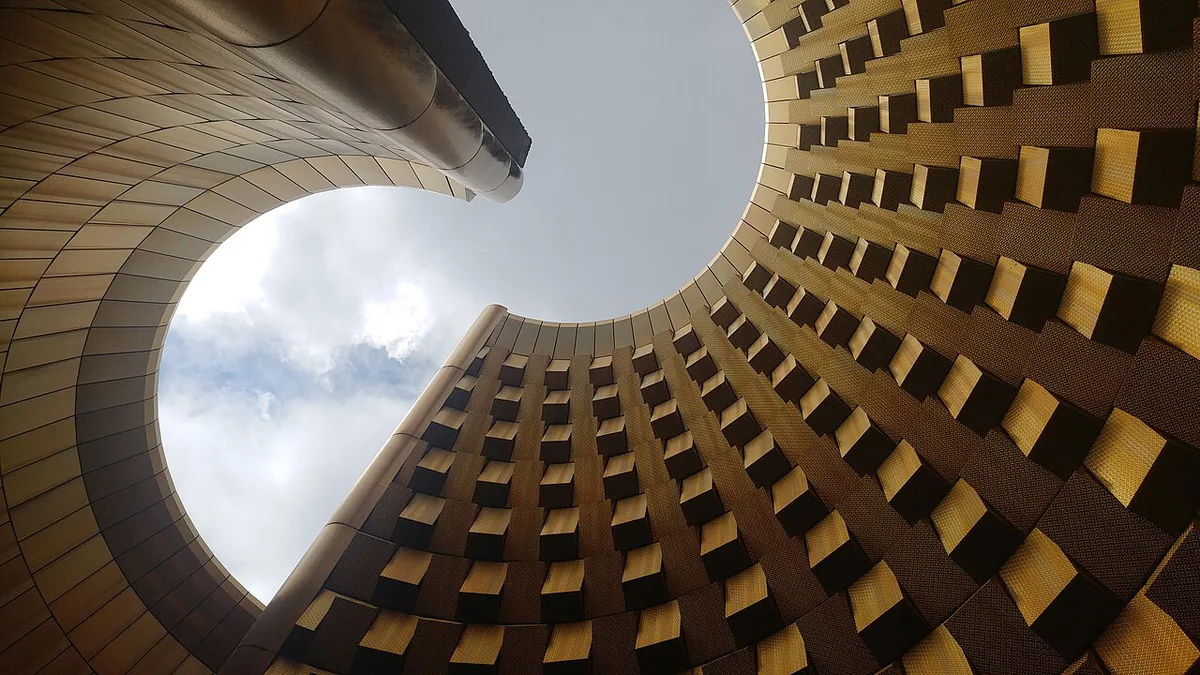
Featured image: Camulogene77, CC BY-SA 4.0, via Wikimedia Commons.
Volcano Museums in Europe: Quick Answer
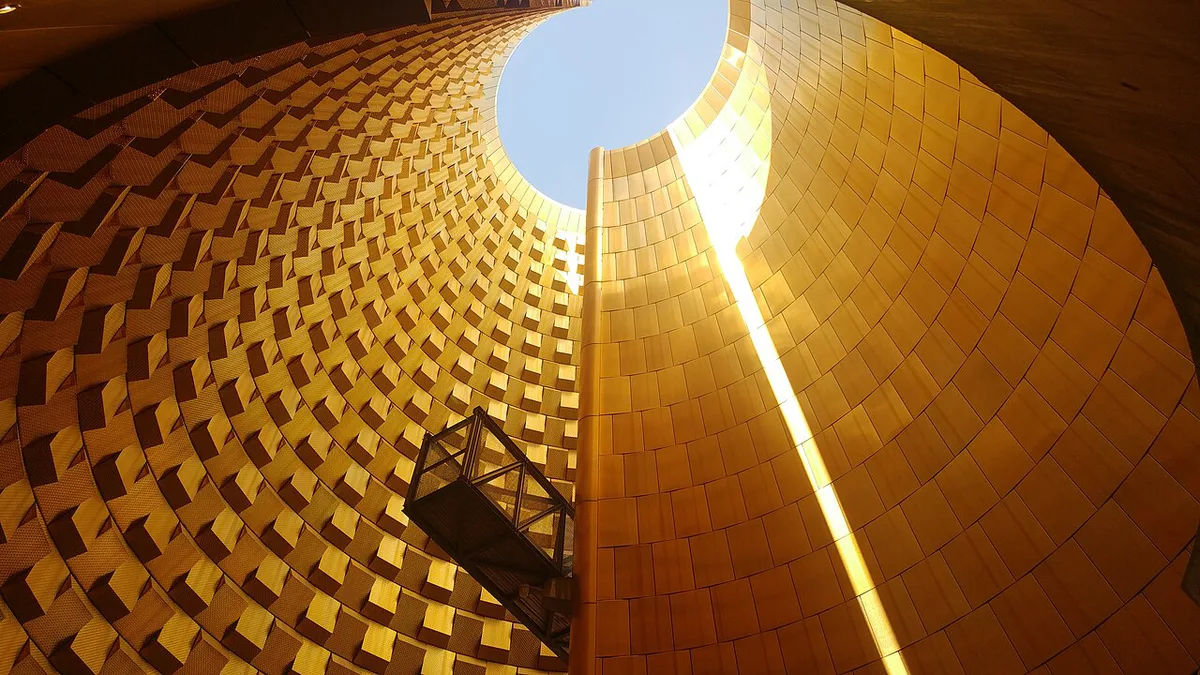
Europe has volcano visitor centres in several volcanic regions, from central France to the north Atlantic and southern Italy. Most pages in search results cover Hawaii, so European venues are easy to overlook. If you are still choosing a region, start with our overview of volcanoes in Europe. A short list of places worth checking first follows.
- Vulcania, Auvergne, France: a volcano-themed park with exhibits.
- Lava Centre, Hvolsvöllur, Iceland: an exhibition centre on Icelandic eruptions and earthquakes.
- Casa dei Vulcani, Stromboli, Italy: a small island centre tied to the volcano above it.
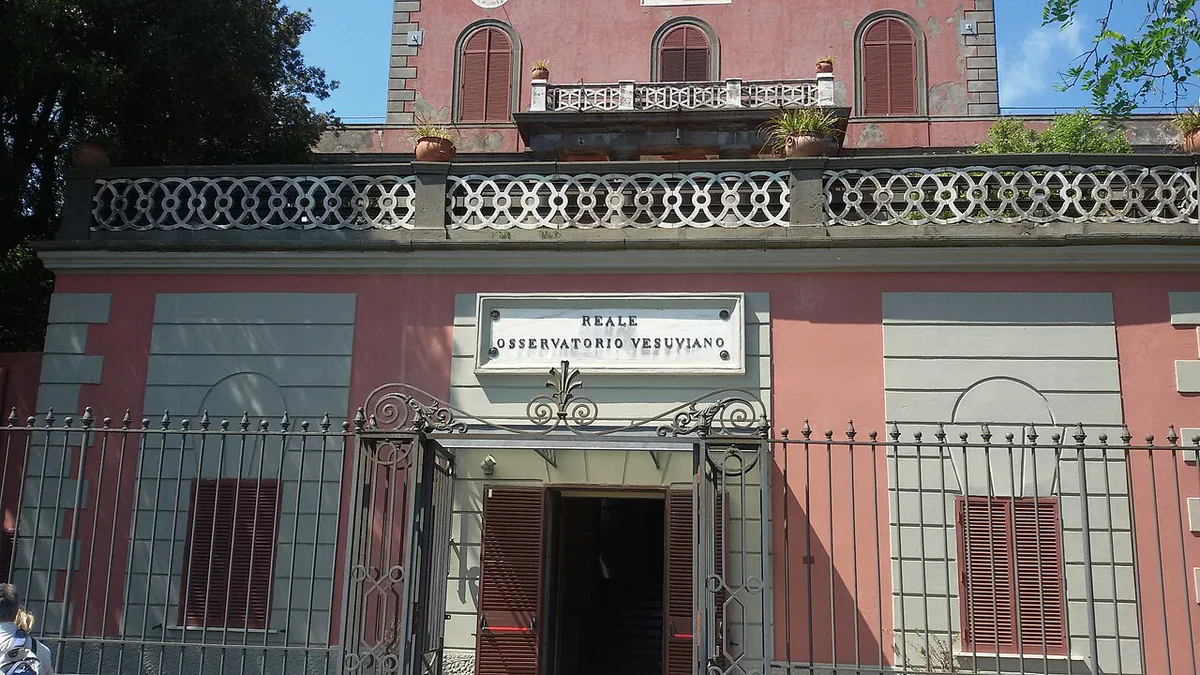
- Osservatorio Vesuviano, Italy: the historic observatory on Vesuvius, run within Italy's national volcanology institute.
- Etna-area museums and the observatory network: useful context before a crater visit.
Museum, Visitor Centre, or the Volcano Itself?
A museum or interpretive centre explains how eruptions work, shows rock and ash samples, and usually keeps you indoors. A visitor centre adds practical help, such as current trail and access advice from staff. A crater walk or viewpoint gives you the real terrain, but it depends on weather and on the volcano's current activity. Choose an indoor venue for rain, young children or limited mobility. Choose the volcano itself when conditions are calm and you can walk or ride a lift safely. Many trips work best as both, with the exhibit first and the landscape second.
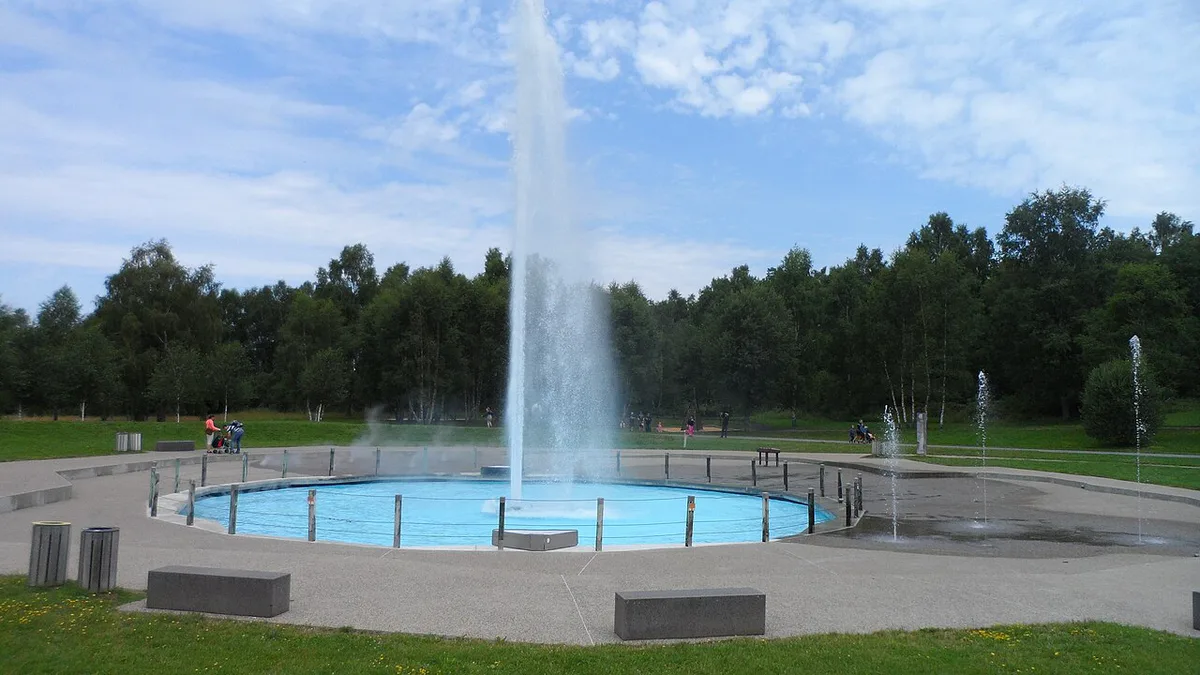
Best Volcano Museum and Visitor Centre Options by Region
Each region below has a venue worth checking against its own official page before you book travel. Use our map of volcanoes in Europe to see how far apart they are. Distances between regions are large, so pick one or two rather than trying to link them.
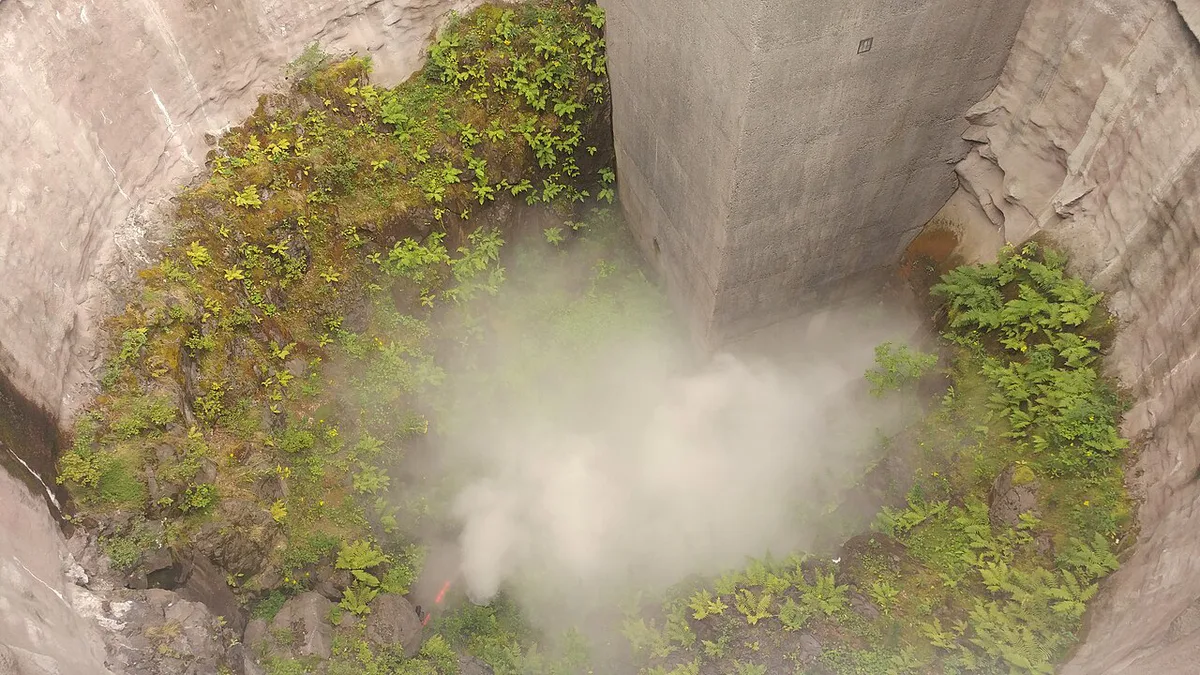
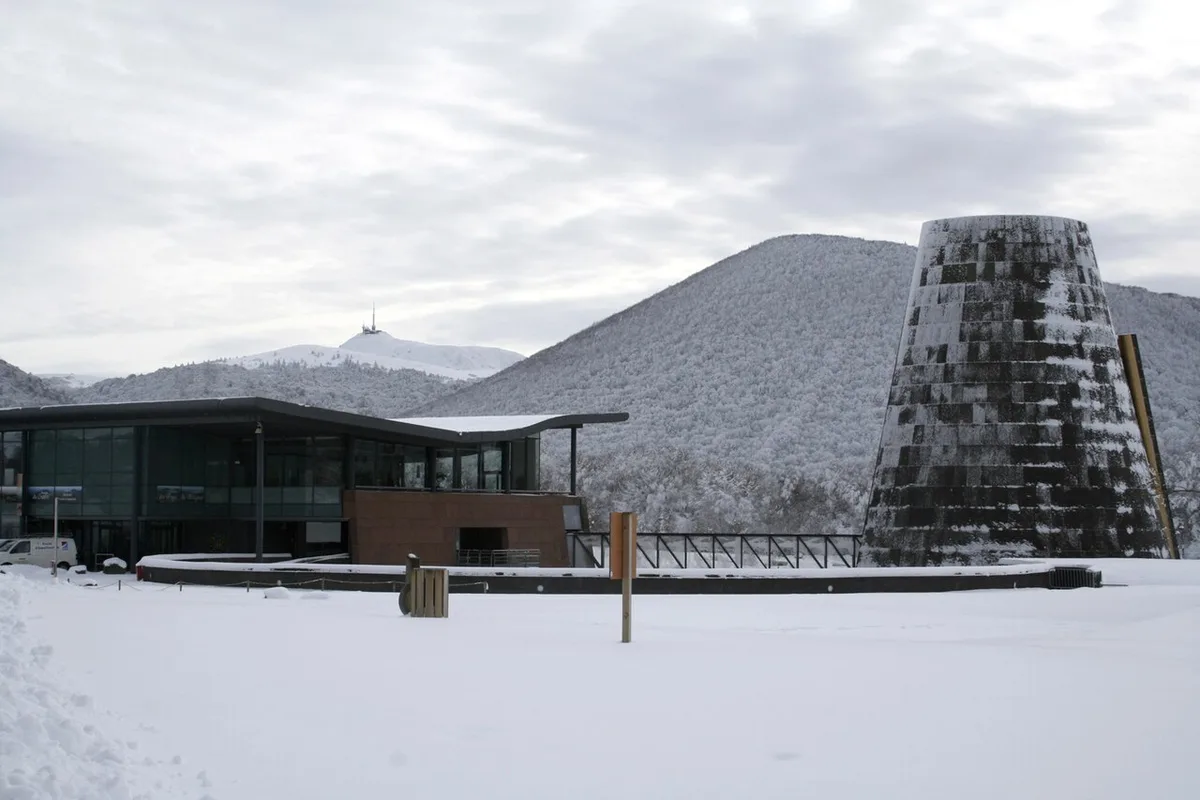
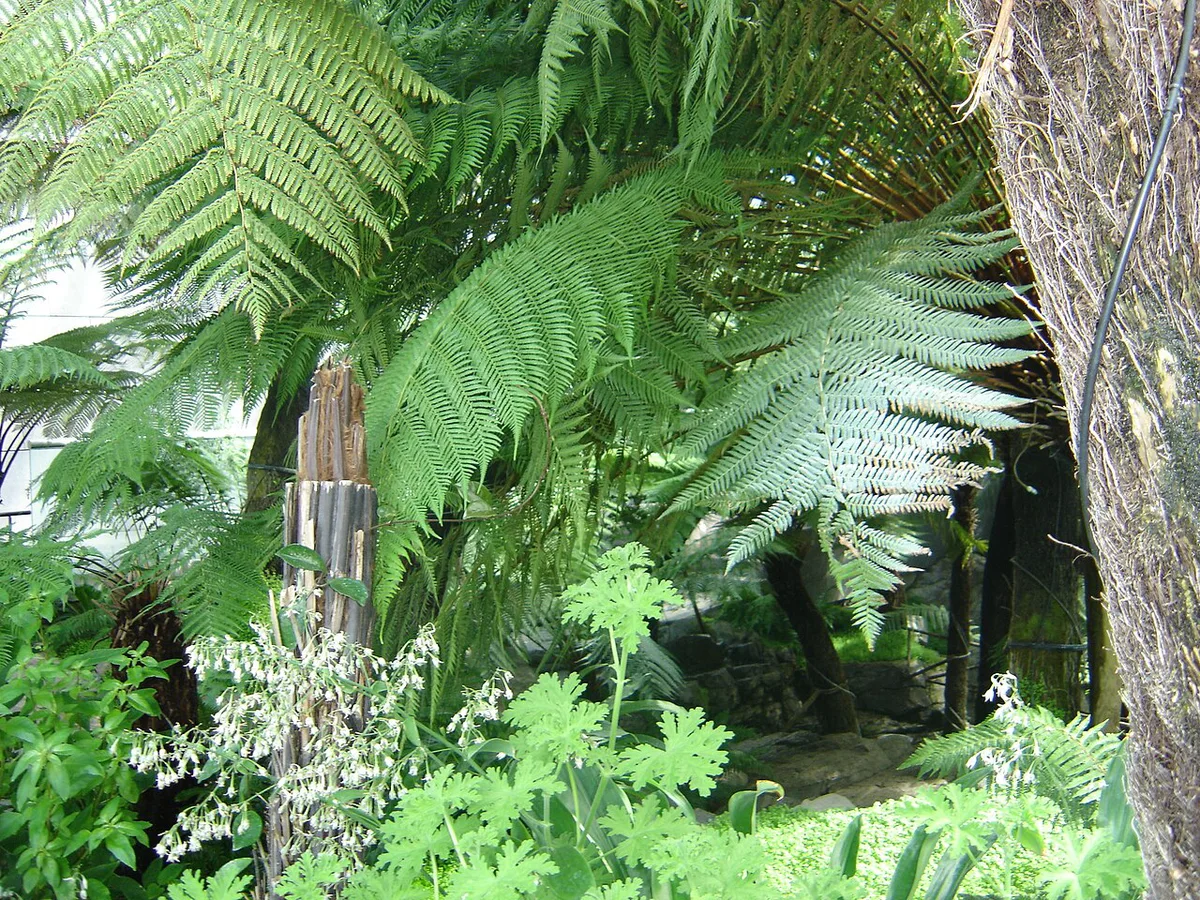
- Central France: Vulcania in Auvergne is a large, family-oriented park about volcanoes and earth science. It suits a full indoor-leaning day, including wet weather.
- Iceland: the Lava Centre in Hvolsvöllur presents Iceland's volcanic and seismic story in one building. It works as a stand-alone stop on the south coast.
- Aeolian Islands, Italy: Casa dei Vulcani on Stromboli is a small centre that puts the island's constant activity in context. Reaching Stromboli depends on ferry or hydrofoil schedules, so plan the crossing first.
- Naples area, Italy: Osservatorio Vesuviano is the world's oldest volcano observatory, and the parent institute publishes Vesuvius information on the INGV volcano pages.
- Sicily: Etna has its own monitoring centre, the INGV Osservatorio Etneo. Local museums and guide offices around the mountain add context before a supervised crater visit.
- Canary Islands, Spain: Tenerife has no named museum here, but the Teide cable car and the Teide National Park pages cover access to the volcano itself.
Comparison Table: Time, Access, Booking and Best Season
Use this table to compare venue types. Cells say where to look rather than guess, because hours, prices and seasons change by venue.
| Venue | Region | Type | Setting | Details source |
|---|---|---|---|---|
| Vulcania | Auvergne, France | Park with exhibits | Mostly indoor and outdoor mix | Vulcania official site |
| Lava Centre | Hvolsvöllur, Iceland | Exhibition centre | Indoor | Lava Centre official site |
| Casa dei Vulcani | Stromboli, Italy | Island visitor centre | Indoor | Local tourism office |
| Osservatorio Vesuviano | Vesuvius, Italy | Historic observatory | Indoor | INGV volcano pages |
| Teide area | Tenerife, Spain | National park and cable car | Outdoor | Teide cable car and park pages |
Tickets, Opening Hours and Booking
Ticket prices, opening hours and booking rules vary by venue and season. Read them on each venue's own site, such as the Lava Centre and Vulcania pages linked above.
How to Fit a Museum Into a Volcano Trip
Put the exhibit first when the weather is unclear. It tells you what you are looking at, and you can still decide on the viewpoint afterward. Our guide to volcano tourism covers more trip styles. On Stromboli or Etna, treat the museum as the briefing and the volcano as the main event. In Iceland, a rain day at the Lava Centre is a sensible swap for an outdoor hike. For photos at the crater, read our volcano photography tips before you pack.
Getting There and Getting Around
Vulcania and the Lava Centre are easiest with a car, since both sit outside major city centres. Island venues depend on ferries or flights, and rough sea or ash can cancel them. Winter can shorten opening or close mountain access, so look at each official site before you fix dates. Book accommodation only after your transport is secured, particularly for Stromboli. Ash from eruptions can also ground flights, which our guide to volcanic ash and flights explains.
Safety, Alerts and Flight Disruption
A museum is safe to enter on an active-volcano day, but the outdoor part of your trip may not be. Check the local monitoring agency before you set out. In Iceland that is the Icelandic Met Office. In the Azores it is CIVISA. In Italy it is INGV. For background, see our list of Active Volcanoes in Europe: Where They Are and Which You Can Visit. Our page on Volcanic Eruptions in Europe: Where They Happen and What They Mean for Travel shows how activity changes. Follow our Volcano Safety Tips for Travelers in Europe on any crater walk, and obey local closures.
Mistakes to Avoid
These are checks to run before you go, not claims about any single venue.
- Assuming a visitor centre is open all year; seasonal closures are common.
- Visiting a legacy museum that has since closed; confirm it is still open.
- Expecting all exhibits in English; check the language options.
- Skipping advance booking where a venue asks for it.
- Treating a museum visit as a substitute for current volcano alerts.