Volcanoes in Portugal: Azores & Madeira Guide
Last updated November 2026: volcanoes in Portugal sit offshore, in the Azores and Madeira archipelagos, not on the mainland. São Miguel in the Azores is the easiest island for crater lakes, fumaroles and geothermal sites. Pico, also in the Azores, adds a summit climb, and this guide shows how to choose between the islands and plan your time. For the wider picture, start with our Europe volcano overview.
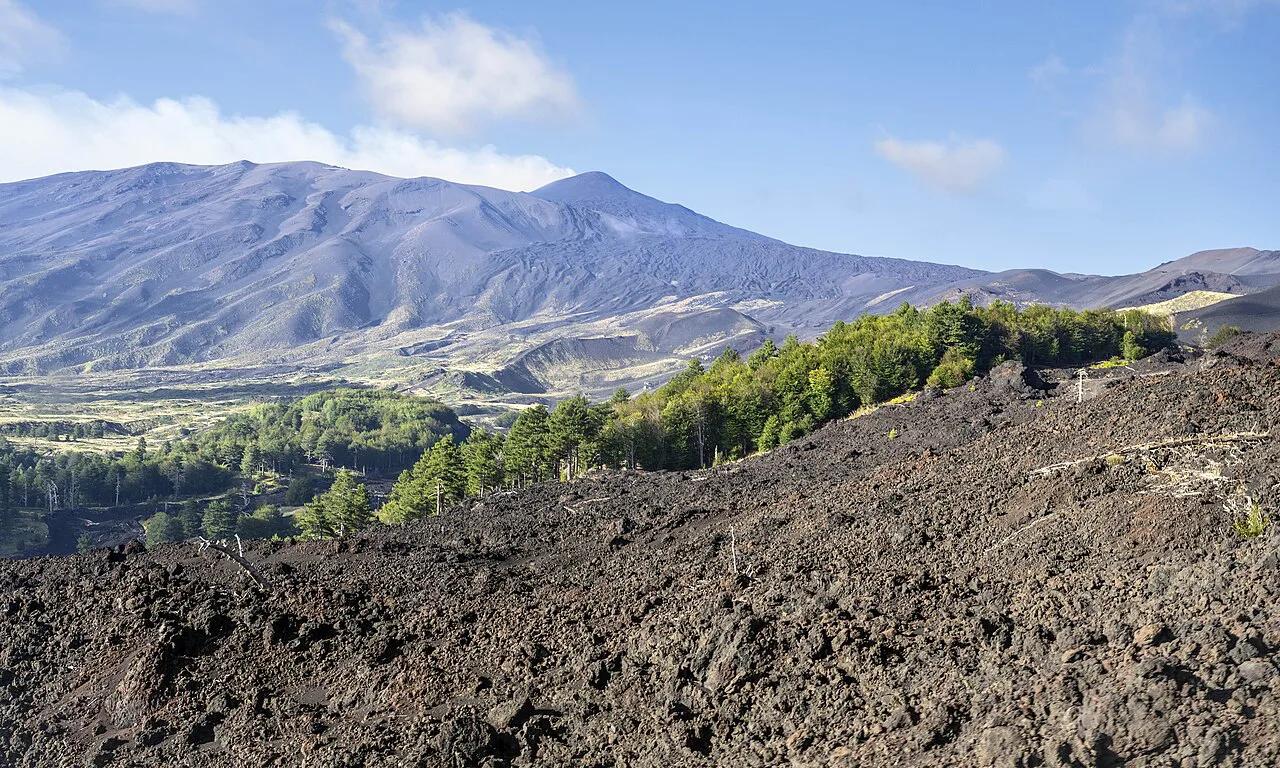
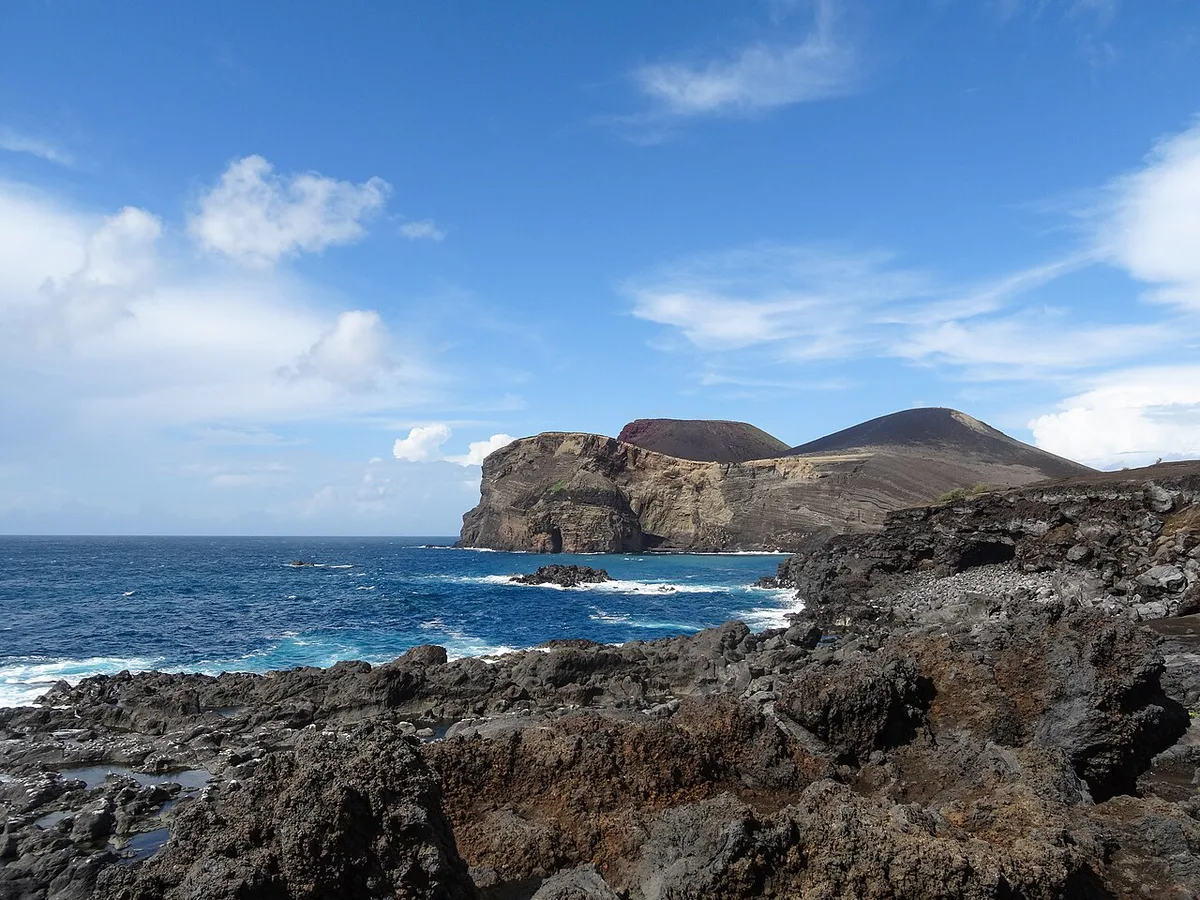
Featured image: The Cosmonaut, CC BY-SA 4.0, via Wikimedia Commons.
Volcanoes in Portugal: Where They Are
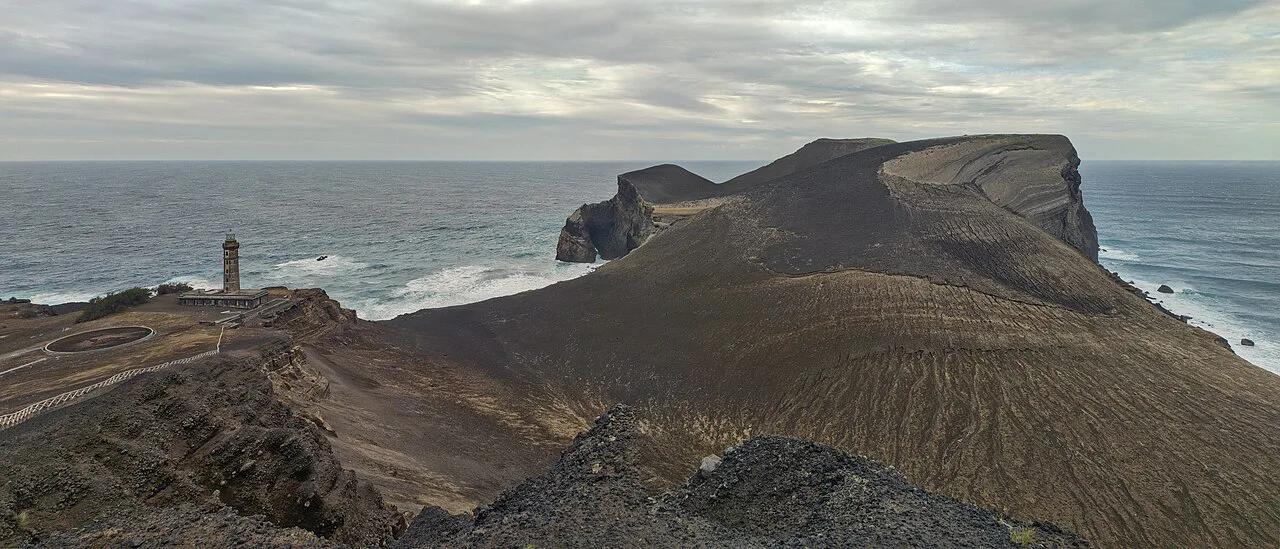
Mainland Portugal on the Iberian Peninsula is not a volcano destination. Wikipedia's category for Portuguese volcanism lists Madeira as its only subcategory. Azores volcanism is covered separately, and the Azores are the main place to see volcanic landscapes. Madeira's volcanoes are extinct, so expect eroded volcanic terrain rather than live geothermal activity. Azores volcanoes are different. São Miguel and other islands have seismic and volcanic monitoring, so treat them as geologically active country.
Azores vs. Madeira at a Glance
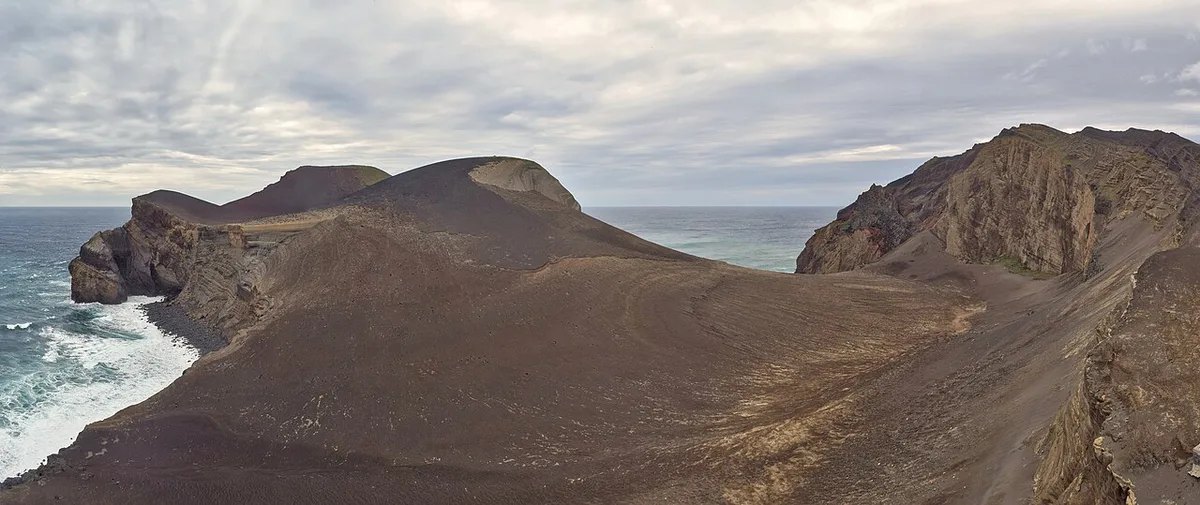
Pick the archipelago by what you want to see. This table compares the two for a visitor.
| Azores | Madeira | |
|---|---|---|
| Volcanic setting | Active volcanic islands under official monitoring | Extinct volcanic islands |
| Best for | Crater lakes, fumaroles, hot springs, a summit climb | Dramatic eroded terrain and walking |
| Visitor-ready sites | Furnas, Sete Cidades, Fogo, Pico | Check Madeira's official tourism pages |
| Skip if | You dislike changeable weather and island hopping | You want fumaroles or active geothermal sites |
Volcanic Sites Worth Visiting
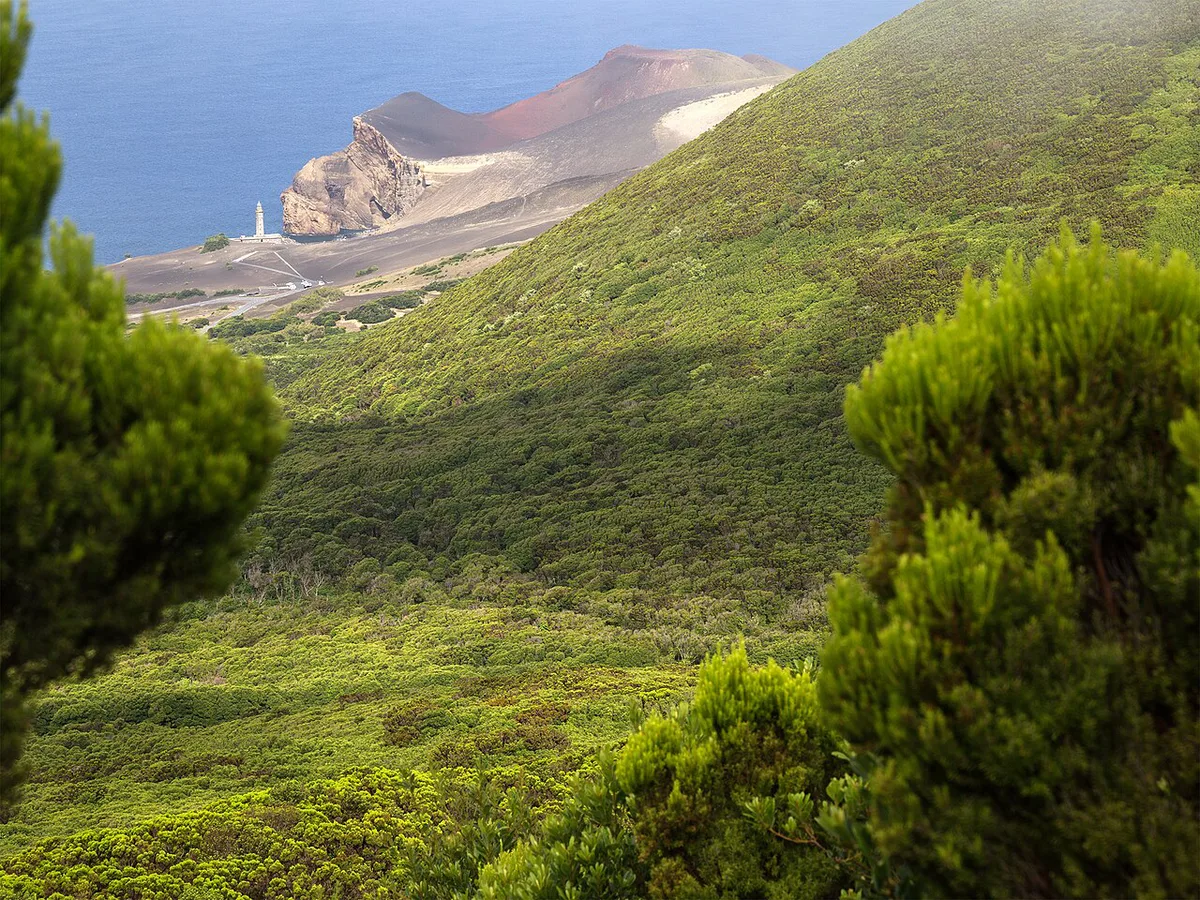
Four Azores sites cover most of what visitors come for. Each entry notes the effort level and who should skip it.
- Furnas, São Miguel: a caldeira with fumaroles and geothermal activity. Effort is low, and it suits most visitors. Skip it if you dislike sulphur smells.
- Sete Cidades, São Miguel: a caldera with crater lakes. Effort ranges from a viewpoint stop to a rim walk. Skip the rim walk if cloud is low, because views vanish.
- Fogo, São Miguel: a volcano with a crater lake, reached on foot. Effort is moderate. Skip it with limited mobility or in poor visibility.
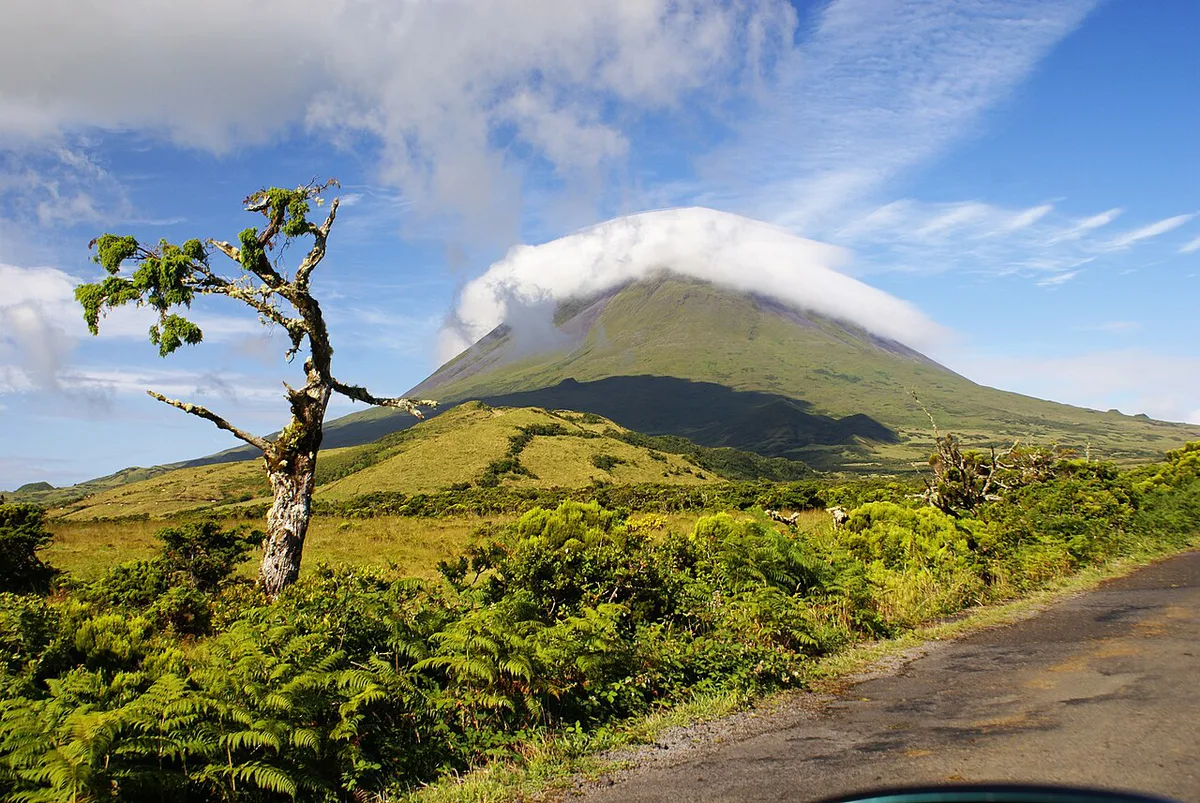
- Pico: Portugal's highest mountain, and a volcano. The summit climb is the most demanding option here. Skip it without good fitness, proper footwear or a guide.
How to Choose and Plan Your Time
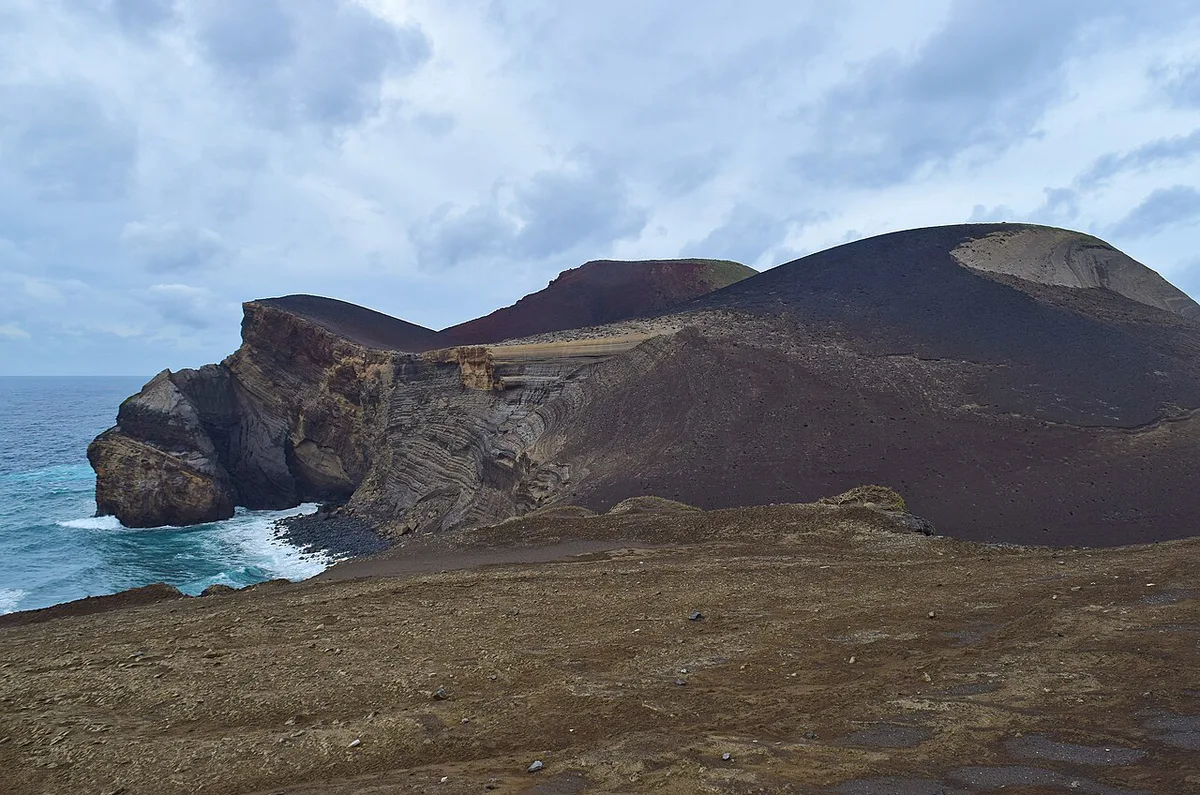
São Miguel packs three of the four sites above onto one island. That makes it the sensible base for a first trip. Pico needs its own island stay, so add it only if you have time. Use this table to match days to goals.
Adding Pico to a 1 week trip means inter-island travel, and guided climbs need booking ahead in peak season.
| Time | Realistic plan | Trade-off |
|---|---|---|
| 1 day | Furnas or Sete Cidades on São Miguel | Pick one site; do not rush both |
| 3 days | Furnas, Sete Cidades and Fogo on São Miguel | Needs a flexible schedule for cloud |
| 1 week | São Miguel plus Pico | Adds inter-island travel and weather risk |
Getting There and Getting Around
Reach the Azores by air from the mainland, then fly or take ferries between islands. Ferry links are limited, so check schedules on Visit Azores before you plan an island hop. A rental car gives the most freedom on São Miguel. Without a car, guided tours cover the main sites. If flights are disrupted, see our guide to volcanic ash and flights.
Costs, Tickets and Opening Hours
Viewpoints and lake walks are low cost. Guided tours and the Pico summit climb sit in the medium band, because they involve guides and transfers. Flights and a rental car are usually the biggest costs. This page quotes no prices that an official source does not publish. Current fees and booking rules are on Visit Azores and on operator pages. Book guided climbs and tours ahead in peak season.
Safety and Monitoring
Official volcanic and seismic information for the Azores comes from CIVISA, the regional surveillance centre. Check it before you travel. Unofficial status maps such as VolcanoDiscovery are useful extras, but their colours are the site's own interpretation and carry no official weight. Everyday hazards are mundane: cloud, slippery trails and fumarole areas where gas collects. Our Volcano Safety Tips for Travelers in Europe cover gas, trail and weather precautions. To see how Portugal compares with other countries, read about Active Volcanoes in Europe: Where They Are and Which You Can Visit.
Common Mistakes to Avoid
These errors cost visitors the most time and views.
- Expecting volcanoes on the mainland. They are on the islands.
- Planning around one crater view. Cloud can hide it, so keep a spare day.
- Skipping booking for guided climbs and tours in peak season.
- Reading unofficial status colours as official alerts. Use CIVISA for that.
- Assuming Madeira offers active geothermal sites. Its volcanoes are extinct.
Where This Fits in Europe
The Azores fit into a wider Atlantic and Mediterranean volcano itinerary. Our map of European volcanoes shows where the islands sit. For trip ideas beyond Portugal, see volcano tourism in Europe. Photographers can also read our volcano photography tips. For eruption history across the continent, read about Volcanic Eruptions in Europe: Where They Happen and What They Mean for Travel.
Frequently Asked Questions
Could the Azores erupt?
Yes. The Azores are volcanically active islands under official monitoring. Check CIVISA for current alerts before you travel.
Does Portugal have mountains?
Yes. Pico in the Azores is Portugal's highest mountain, and it is also a volcano. Its summit climb is the most demanding volcanic hike in the country.