Badacsony, Hungary: Volcanic Hill, Wine & Visitor Guide
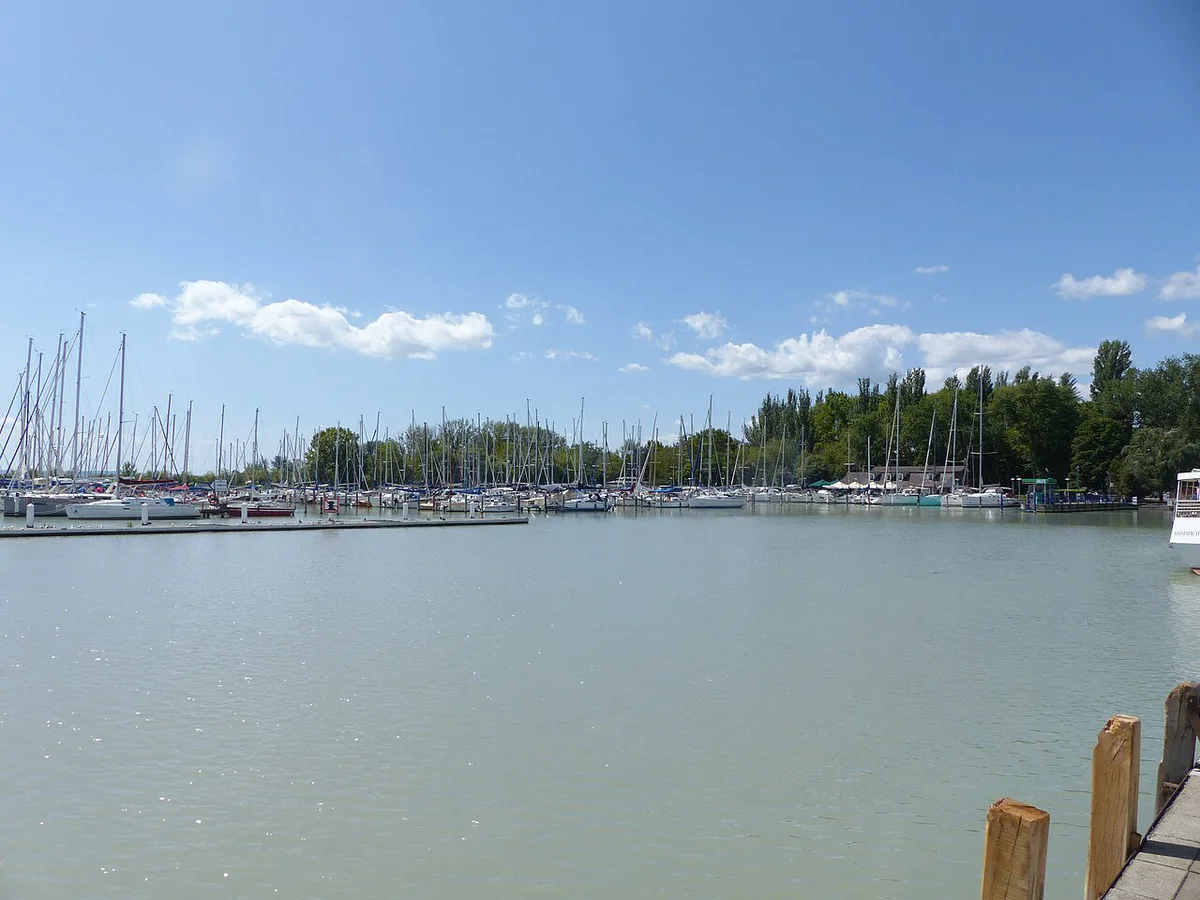
Last updated November 2026. Badacsony is an extinct, basalt-capped volcanic hill on the northern shore of Lake Balaton in Hungary, and its terraced slopes make up one of the country's best-known wine regions. It suits walkers, wine drinkers and anyone curious about volcanic landforms far from the active European hotspots. Allow a full day in the warm months and expect many lakeside businesses to run on a seasonal calendar.
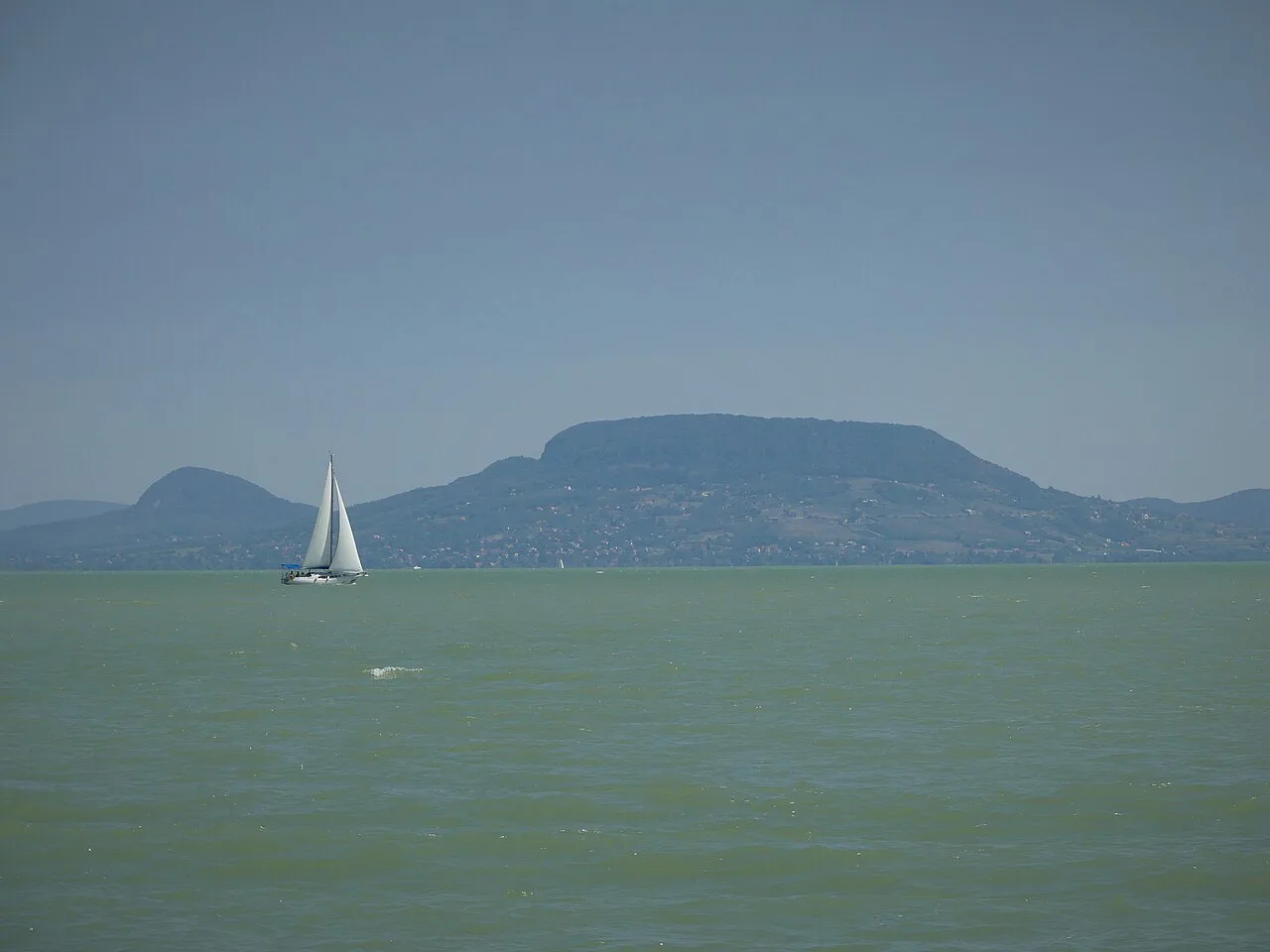
Featured image: Elekes Andor, CC BY-SA 4.0, via Wikimedia Commons.
What Is Badacsony? Quick Answer
Badacsony is a flat-topped volcanic hill rising straight from the Lake Balaton shore in Hungary. It sits inside the Balaton Uplands National Park, a protected landscape managed by the Balaton Uplands National Park Directorate. Vineyards climb its lower slopes, and the basalt cap forms the summit area with wide views across the water. Visitors come for three things: the walk up, the wine and the lake.
- Where: northern shore of Lake Balaton, Hungary
- What: extinct volcanic butte capped with basalt
- Known for: Kéknyelű and Olaszrizling white wines
- Best for: walkers, wine drinkers, photographers
- Poor fit for: beach-only trips and anyone who cannot manage steps or slopes
Is Badacsony a Volcano? Geology in Plain English
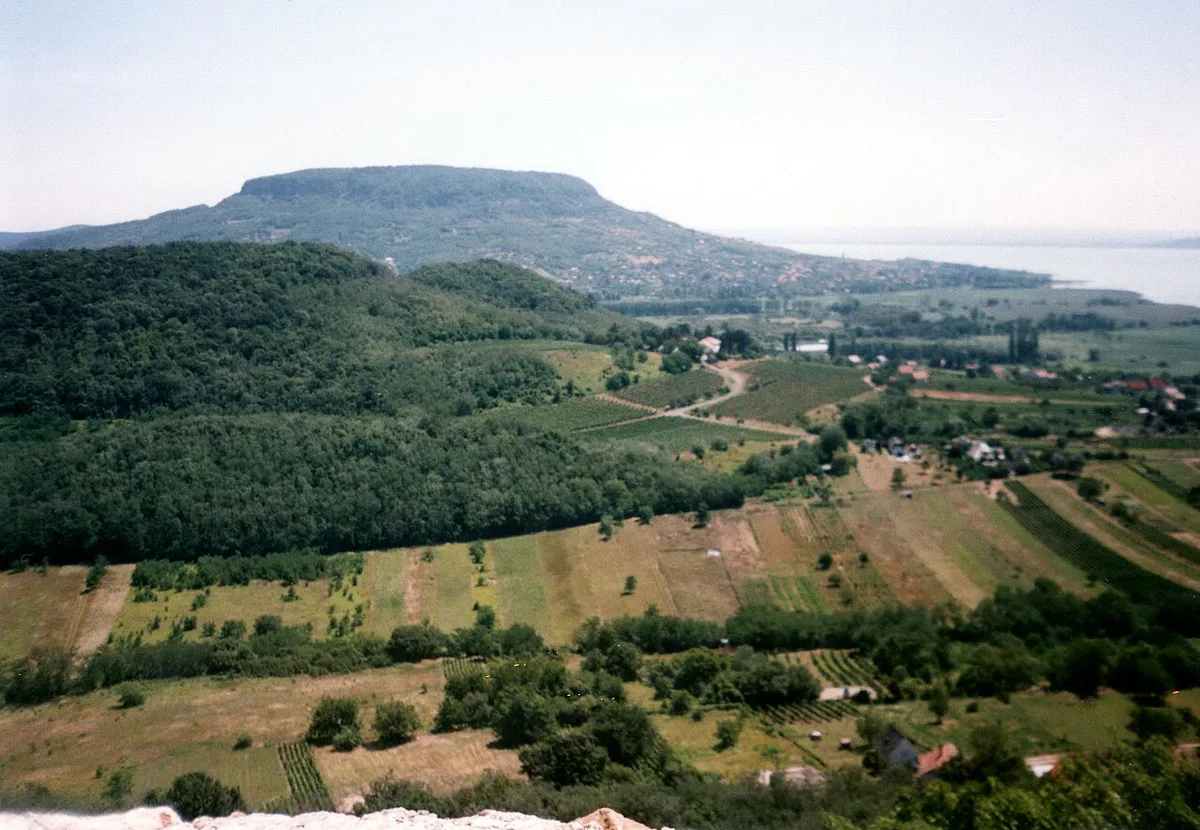
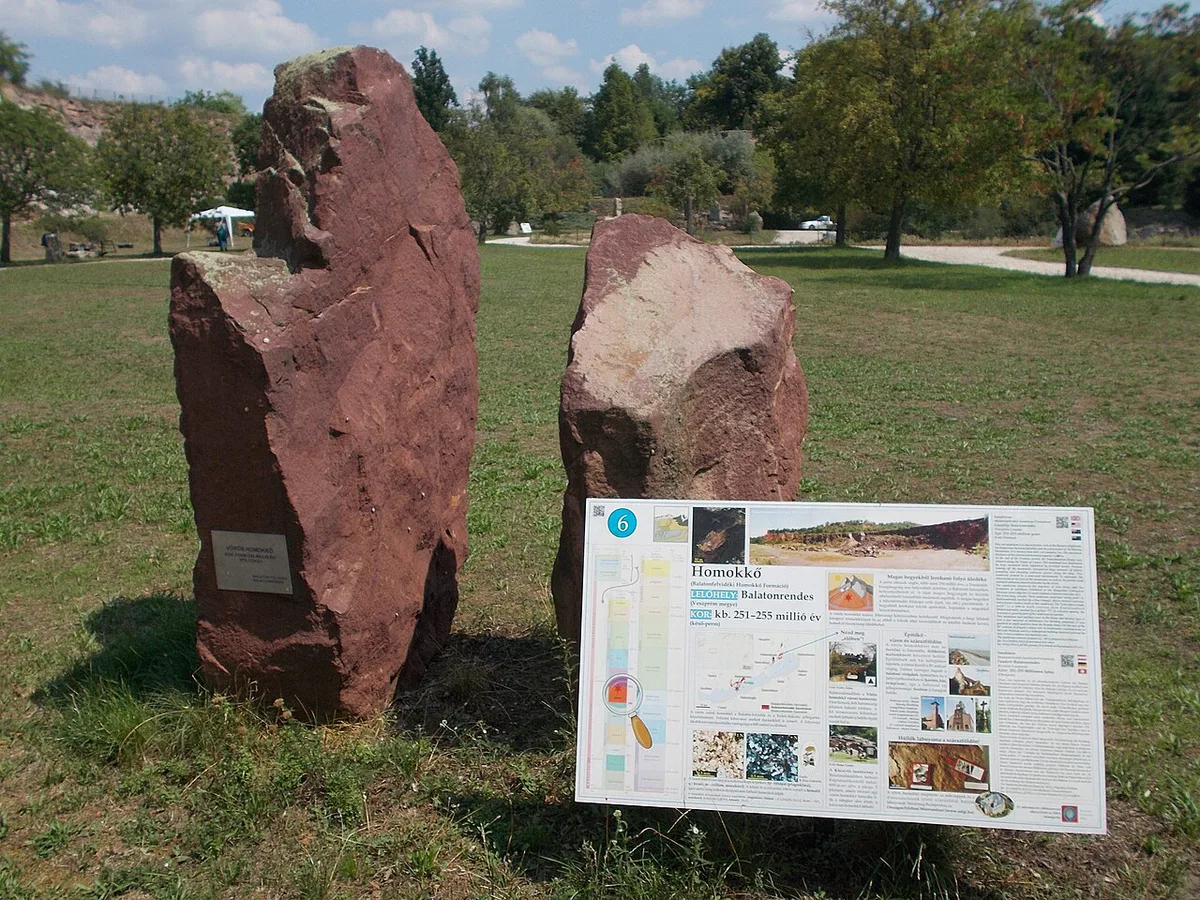
Yes, in origin. Badacsony is an extinct volcanic hill, so it will not erupt and carries no ash or lava risk. A hard basalt cap protects the softer rock beneath it, and erosion has stripped away the surrounding land. That is why the hill stands alone as a butte, also called a witness hill. The cap breaks into vertical basalt columns that you can see along cliff edges and old quarry faces. Weathered volcanic rock also gives the vineyards their mineral-rich soil. For a wider view, start with our overview of 7 Volcanoes in Europe You Can Visit: Access, Timing and Safety. If you want to place Badacsony beside other volcanic areas, use the map of European volcanic regions. Active systems behave very differently, and the list of active European volcanoes shows the contrast. Another inland extinct volcano in Central and Eastern Europe is Ciomadul in Romania.
Best Things To Do in Badacsony
Start with the hill itself. Walking trails lead from the vineyard belt up to the basalt cap, and the reward is a lake view from the upper slopes. Wear shoes with grip, carry water and avoid the climb in midday summer heat. Trail marking and protected-area rules are published by the national park directorate, so read them before you set off. For general hill-walking caution, see our Volcano Safety Tips for Travelers in Europe. Cellar tastings are the second draw. Many cellars sit on the lower slopes, so you can combine a walk with a tasting. Lakeside time rounds out the day, with promenade strolls and swimming in warm months. Events matter too. The Füge Feszt (Fig Festival) ran from October 10 to 12 in 2025, with figs, Kéknyelű wine and jazz, and a 2026 edition was announced for October. In April 2026, forty-two exhibitors represented the region at the 15th "Badacsony in New York" tasting, a sign of how export-minded the local growers are.
Plan a late-October stay around the Füge Feszt, which ran October 10 to 12 in 2025, since festival weekends fill quickly and beds need booking early.
Badacsony Wine Region: Kéknyelű, Olaszrizling and What to Taste
Two white grapes define the region. Olaszrizling is the most widely planted variety and typically gives fresh, crisp wines with citrus and green-apple notes. Kéknyelű is rarer and is the local signature, usually fuller and more textured. In May 2025 the Hungarikum Committee declared Badacsony kéknyelű a Hungarikum, which formally recognises it as a national treasure. Furmint and Hárslevelű also grow in the area, though they are better known from other Hungarian regions. Tastings usually mean small pours of several wines, often with local snacks. Book ahead in summer and on festival weekends, and ask each cellar about its own hours. If you are driving, nominate a designated driver or arrange a taxi, and keep to walking distance between cellars.
How Much Time To Plan in Badacsony
Match your time to your priorities. The table below compares the three realistic options.
| Option | Best for | What fits | What to skip |
|---|---|---|---|
| Half day | Train or boat day-trippers | One hill walk or two cellar visits, plus lakeside time | Summit and tastings together |
| Full day | Most first-time visitors | Morning climb, lunch, afternoon tasting, lake views at dusk | Neighbouring towns |
| Overnight | Wine drinkers and photographers | Sunset and sunrise on the hill, relaxed tastings without driving | Nothing, but book early in summer |
Best Time To Visit Badacsony by Season
Season shapes everything here, because many cellars and lakeside businesses open only part of the year. Spring brings green slopes and blossom, and the regional tourism campaign VisitBalaton365 has promoted spring visits beyond the traditional summer peak. Summer is warmest and most crowded. Autumn adds the harvest and the Fig Festival. Winter is quiet, though Balatonlelle, Fonyód and Badacsony announced a joint Advent event for December 12 with a boat connection between the towns. Check each business's hours for your dates.
| Season | Weather and crowds | Highlights | Watch for |
|---|---|---|---|
| Spring | Mild, quieter, green slopes | Blossom, hill walks, wine tastings | Some lakeside services not yet open |
| Summer | Hot, busiest, heavy traffic | Swimming, long evenings | Heat on the climb, parking pressure |
| Autumn | Cooler, golden vineyards | Harvest, Füge Feszt in October | Festival weekends fill up |
| Winter | Cold, very quiet | Advent events, empty trails | Many cellars and cafés closed |
Getting To and Around Badacsony
Badacsony has a station on the Balaton north-shore rail line, so you can reach it from Budapest without a car. Check MÁV for current routes, journey times and fares. Seasonal boats link several lakeside towns, and the Advent service shows that boat links also run outside summer on special dates. By car, expect heavy traffic and limited parking in peak summer. Once you arrive, you can walk between the station, the lakeside and the lower cellar zone. The hill climb is steeper than the lakefront stroll. A car-free visit works well if you pick cellars close together and skip the summit in extreme heat.
Costs, Tickets and Opening Hours
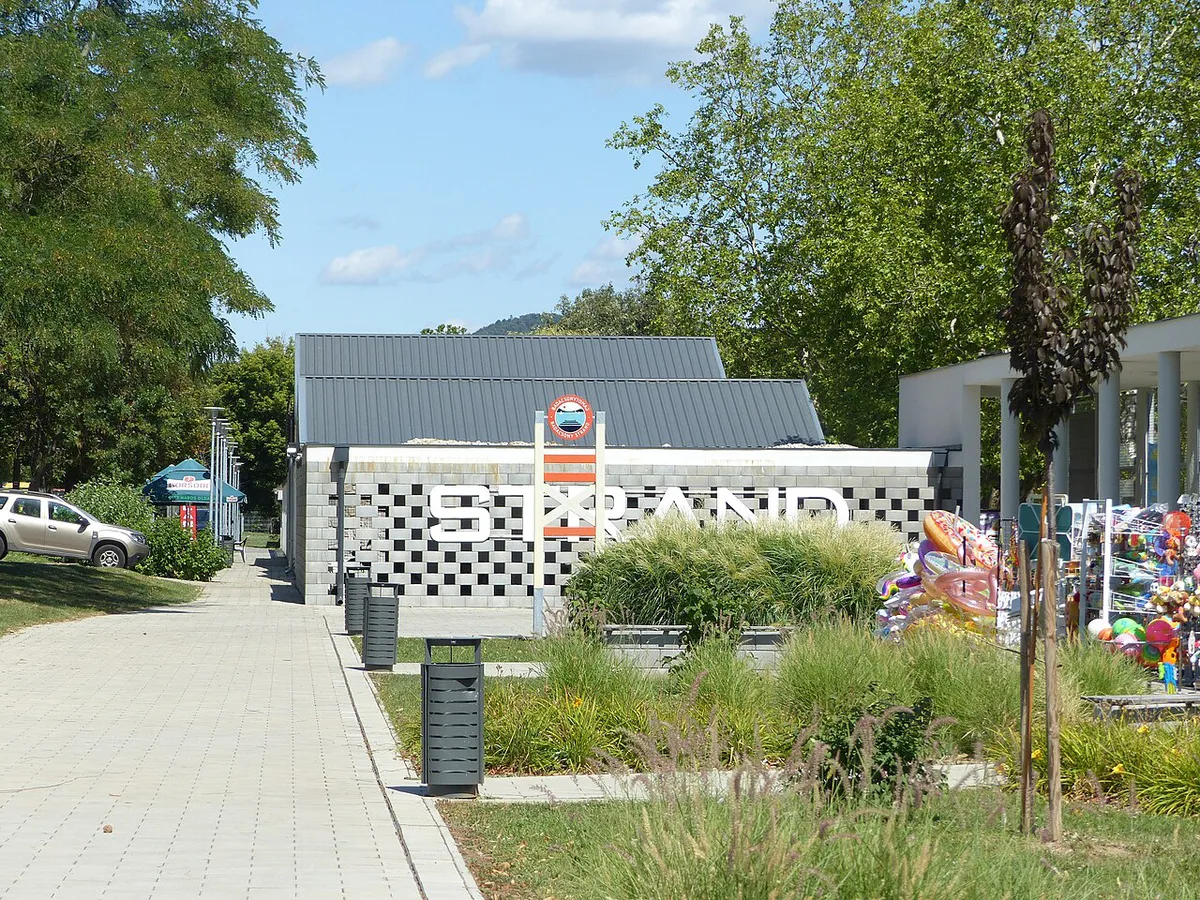
Walking the lakefront and lower slopes costs nothing, while cellar tastings, boat rides and restaurant meals are paid. No fixed hours apply across the region. Check the Hungarian National Tourism Agency site and each cellar's own page for current prices and hours.
Where To Stay Near Badacsony
Staying in Badacsony puts you within walking distance of the lake, the station and the cellars, so you can taste without driving. Neighbouring Balaton towns such as Balatonlelle and Fonyód tend to be larger and more oriented to beach holidays. They may offer more variety but usually need a train or boat hop to reach the hill. Summer evenings can be noisy near the waterfront, so ask about location when you book. Book early for July and August, and for festival weekends in October.
Mistakes To Avoid and Who Should Skip Badacsony
A few planning errors cause most disappointments. Avoid these:
Even on the December 12 Advent event day, check each cellar's hours, since many cellars and cafés stay closed in winter.
- Arriving in winter and expecting every cellar and café to be open
- Climbing in midday summer heat without water or sturdy shoes
- Driving after tastings instead of arranging a taxi or sober driver
- Turning up unannounced at cellars on busy festival weekends
- Treating Badacsony as an active volcano, when it is extinct and safe in that respect
Next Steps for Volcano Fans
If Badacsony sparks your interest in landforms, our guide to volcano tourism in Europe covers destinations that suit different travel styles. Visitors with limited mobility, or those who want a beach-only trip, should consider the flatter lakeside towns instead.