Volcanoes in Europe Map: Where They Are and Which to Visit
Last updated November 2026: this volcanoes in europe map groups the continent's volcanic areas into a handful of regions. Most sit in Iceland, Italy, the Aegean and the Atlantic islands of the Canaries and Azores, with extinct fields scattered inland. For the full catalogue, use our complete list of European volcanoes.
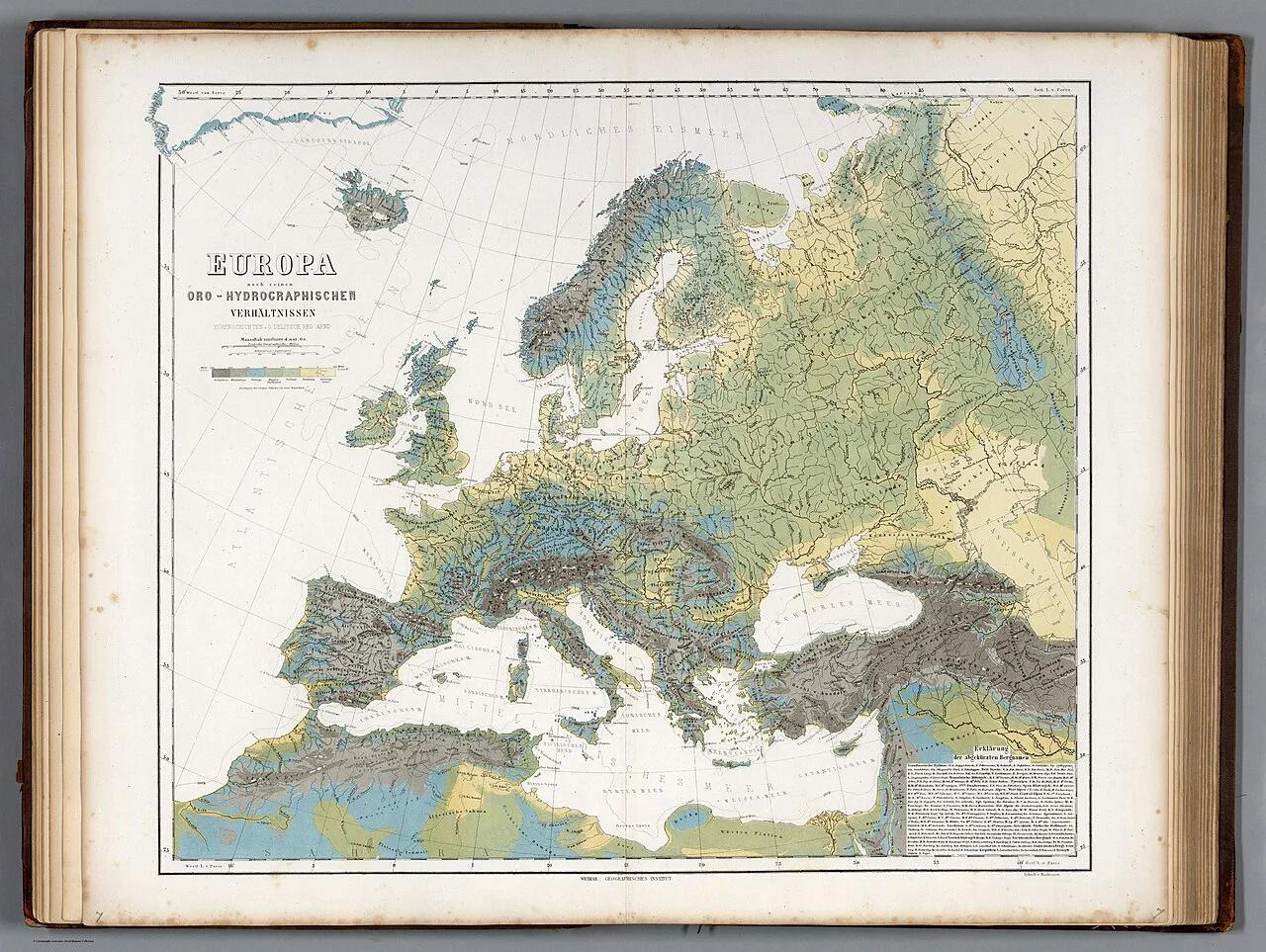
Featured image: Geographisches Institut (Weimar, Germany) Biederman, Public domain, via Wikimedia Commons.
Quick answer: where Europe's volcanoes are
Here, Europe includes Iceland and the Spanish and Portuguese Atlantic islands, because they belong to European countries. Place the map at the top of this section, with one label per region and the named volcanoes beneath it. Use the text list below as the phone-friendly version of the same map. Each region name is a starting point for planning, not a hazard zone.
- Iceland and Jan Mayen: the Mid-Atlantic Ridge, including Eyjafjallajökull. Remote Arctic Jan Mayen has its own page, Jan Mayen's volcanic island.
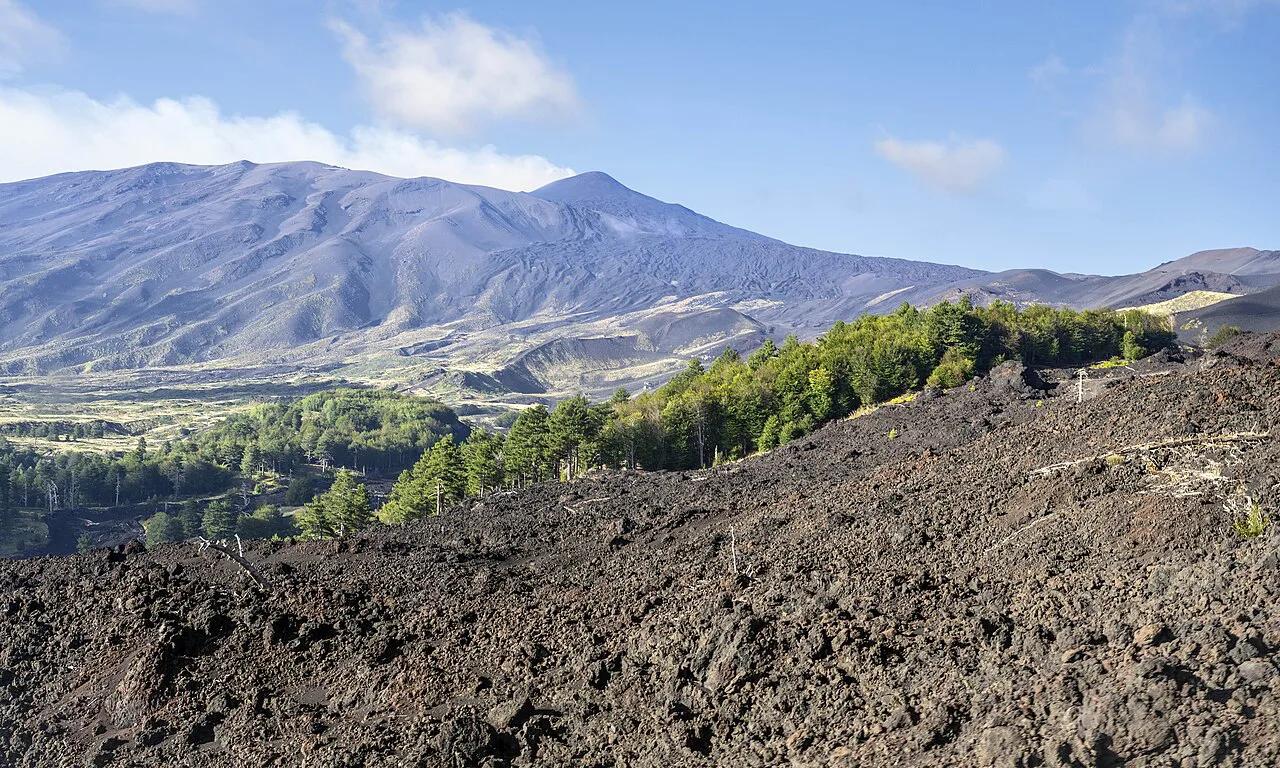
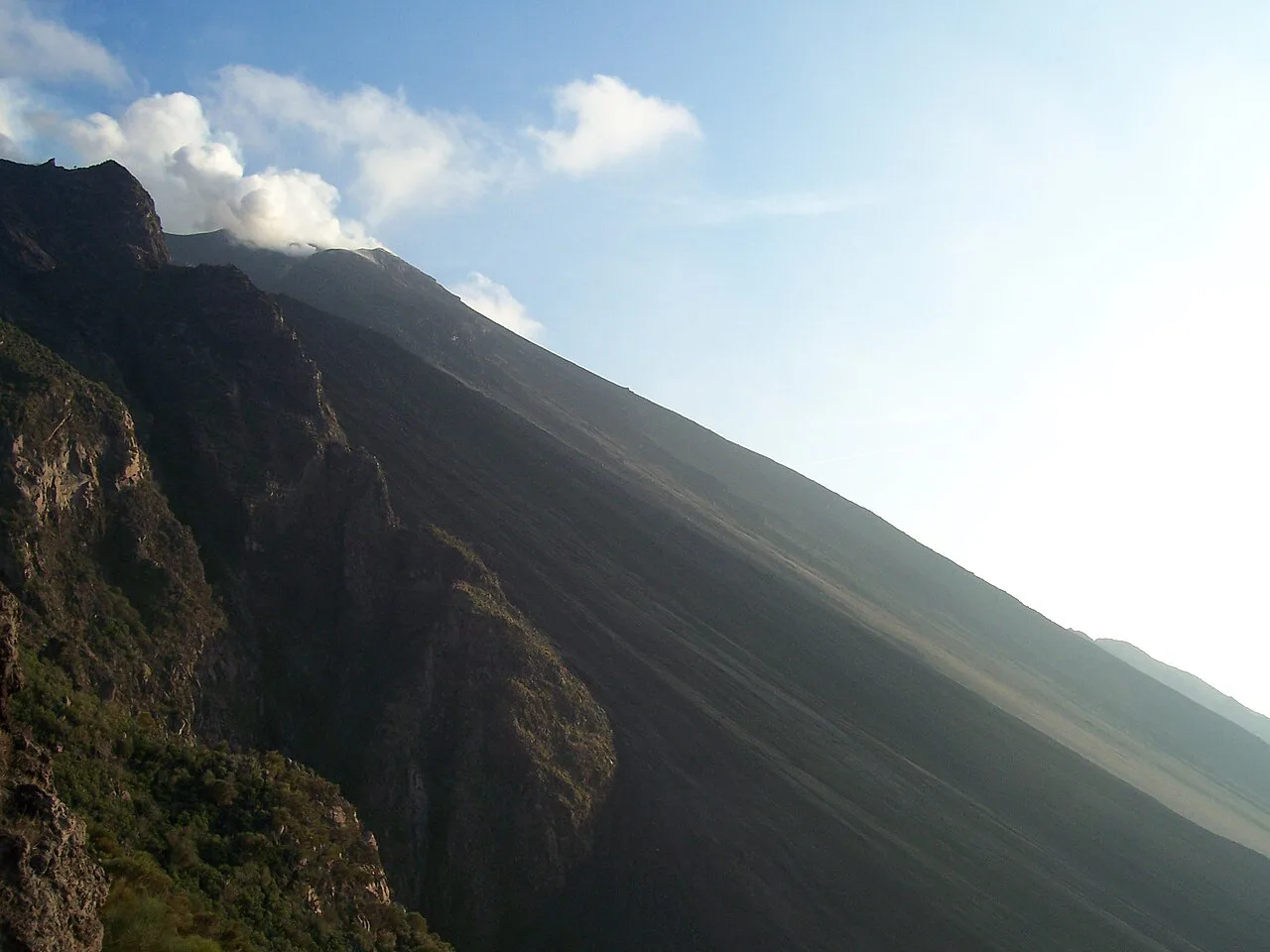
- Italy: Etna in Sicily, Vesuvius near Naples, and the Stromboli and Aeolian group.
- Greece's South Aegean arc: Santorini with Nea Kameni, Nisyros and Milos.
- Spain's Canary Islands: Teide on Tenerife and Cumbre Vieja on La Palma.
- Portugal's Azores: Pico, covered in Portugal's volcanic islands.
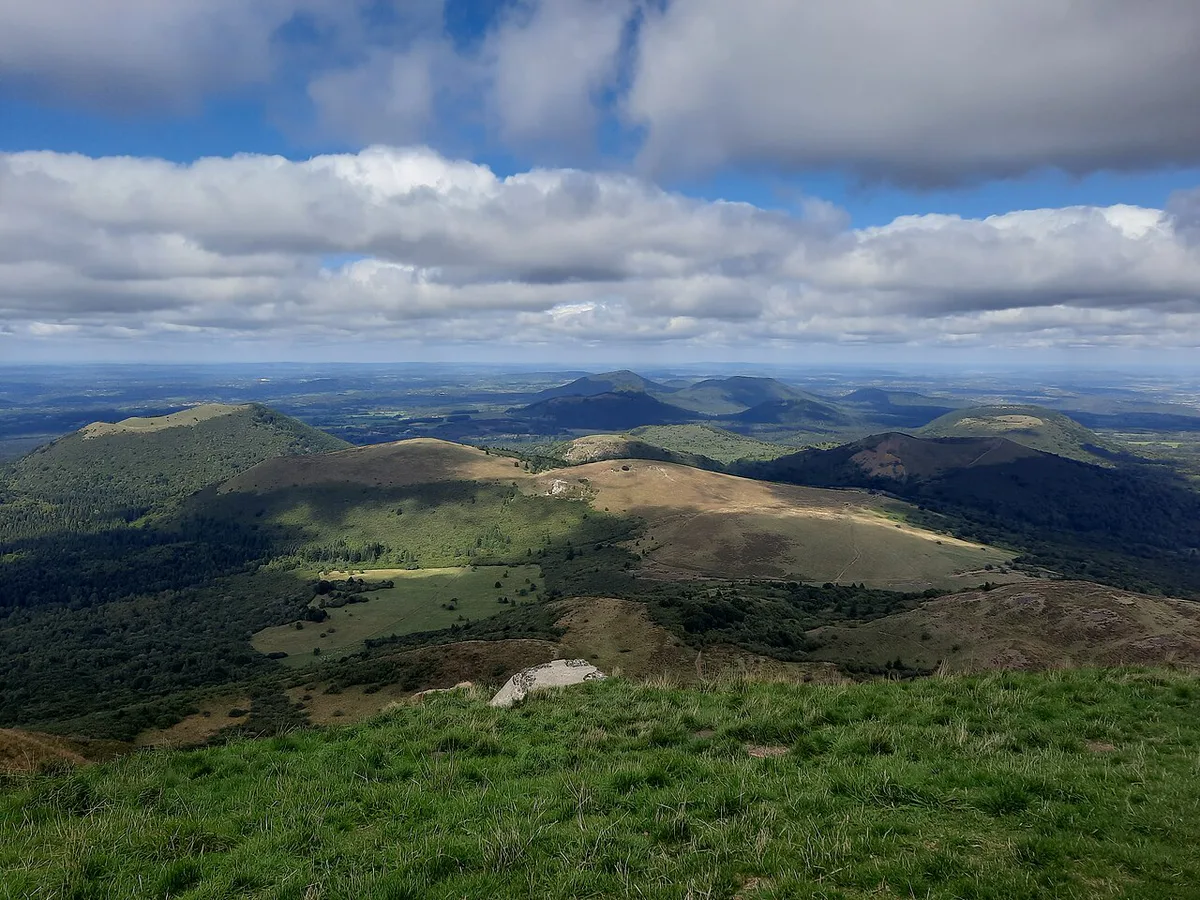
- Extinct and inland fields: Badacsony in Hungary, Ciomadul in Romania, and Swiss sites.
Volcanic regions of Europe at a glance
Use this index to match a region to the kind of trip you want. Status labels follow monitoring agencies and can change, so treat the column as a starting point. Our main European volcano list goes deeper on each name.
| Region | Example volcanoes | Status | Best for | Access |
|---|---|---|---|---|
| Iceland | Eyjafjallajökull | Monitored by the Icelandic Met Office | Glacier and lava landscapes | Check road and alert pages first |
| Italy | Etna, Vesuvius, Stromboli | Etna and Stromboli active; Vesuvius monitored | Summit hikes and ruins | Park rules and guided zones apply |
| Greek Aegean | Santorini, Nisyros, Milos | Caldera islands with geothermal features | Island caldera walks | Ferry or flight to the island |
| Canary Islands | Teide, Cumbre Vieja | Teide in a national park; La Palma has erupted in recent history | Lava fields and high-altitude hiking | Base towns such as Los Cristianos on Tenerife |
| Azores | Pico | Monitored by CIVISA | Island cone climbs | Inter-island flights and ferries |
| Extinct and inland | Badacsony, Ciomadul | Extinct or dormant | Quiet crater lakes and vineyards | Ordinary road access |
Active vs dormant vs extinct: reading the map
Active means a volcano has erupted in recent history or shows ongoing unrest. Dormant means quiet but capable of waking up. Extinct means no future eruption is expected. Labels can change, so treat any map as a snapshot rather than a live feed. Our guide to currently active European volcanoes tracks the current picture. For past events, see major European eruptions.
Which volcanic area to visit: decision criteria
Start with what you want to do, then check season and access. Published heights put Etna at nearly 3,370 m (about 11,050 ft), and that summit height shifts after eruptions. Size comparisons live on Europe's largest volcano and Europe's highest volcano. Tenerife visitors often base themselves in Los Cristianos, in the island's south, for trips to Teide National Park. Planning ideas for any region sit in volcano tourism in Europe, and shooting tips in volcano photography advice.
Etna's summit reaches nearly 3,370 m (about 11,050 ft), so a crater trip can be cancelled at short notice when activity rises. Keep a lower-altitude plan as backup.
| If you want | Look at | Trade-off |
|---|---|---|
| A summit hike | Etna, Teide, Pico | Guided-only zones and weather closures |
| Ruins plus a crater | Vesuvius with Pompeii and Herculaneum | Crowded; the 79 AD eruption is the draw |
| Island caldera views | Santorini, Nisyros | Ferry or flight logistics |
| Glaciers and lava | Iceland | Alerts and road closures can change plans |
| Rainy-day option | Volcano museums | No crater views |
Safety, closures and flight disruption
Crater access can close at short notice when activity rises. Check the Icelandic Met Office for Iceland and INGV's Etna observatory for Sicily. For the Azores, CIVISA monitoring publishes updates. Ash can ground flights across a wide area, as the 2010 Eyjafjallajökull eruption showed. Our ash and flight disruption guide explains rebooking. Pack-and-go advice is in Volcano Safety Tips for Travelers in Europe. If a crater is shut, European volcano museums make a lower-risk alternative.
Mistakes to avoid
Three errors catch most map-led planners.
- Treating this map as a current hazard map. It shows regions, not live alert levels.
- Assuming every volcano can be climbed. Many summit zones are guided-only or closed.
- Ignoring access rules. Check park and tourism authority pages before you travel.
Map check: plan around access, not just location
A map helps you compare regions, but it cannot tell you whether a trail, crater or road is open. Use it to choose a landscape first, then check the relevant monitoring and park pages before booking transport. Etna rises to nearly 3,370 m, so high-altitude conditions can differ sharply from Sicily’s coast. Its summit height can also change after eruptions.
For a history-and-crater combination, Vesuvius sits alongside Pompeii and Herculaneum, whose destruction followed the eruption of 79 AD. For Iceland, build flexibility into flights and driving plans. Ash from Eyjafjallajökull disrupted air travel across Europe in 2010. A region label therefore identifies where to start researching, rather than promising access or a current hazard level.
- Check official alerts on the day you travel.
- Trail, road, ferry and guided-zone rules are set separately, so look each one up.
- Keep a museum or lowland alternative for closure days.
Frequently Asked Questions
What European country has volcanoes?
Italy, Iceland, Greece, Spain and Portugal all have volcanoes. Inland, Hungary and Romania have extinct fields such as Badacsony and Ciomadul. Switzerland also has volcanic sites.
What volcano is due to erupt in 2026?
No one can name a date, and any claim like that is guesswork. Check live alerts from the Icelandic Met Office, INGV or CIVISA before travelling.
Are there volcanoes in mainland Europe?
Yes. Italy's Etna, Vesuvius and Stromboli sit in the south, while extinct fields lie in Hungary and Romania. Our Swiss volcanic sites page covers the Alpine side.