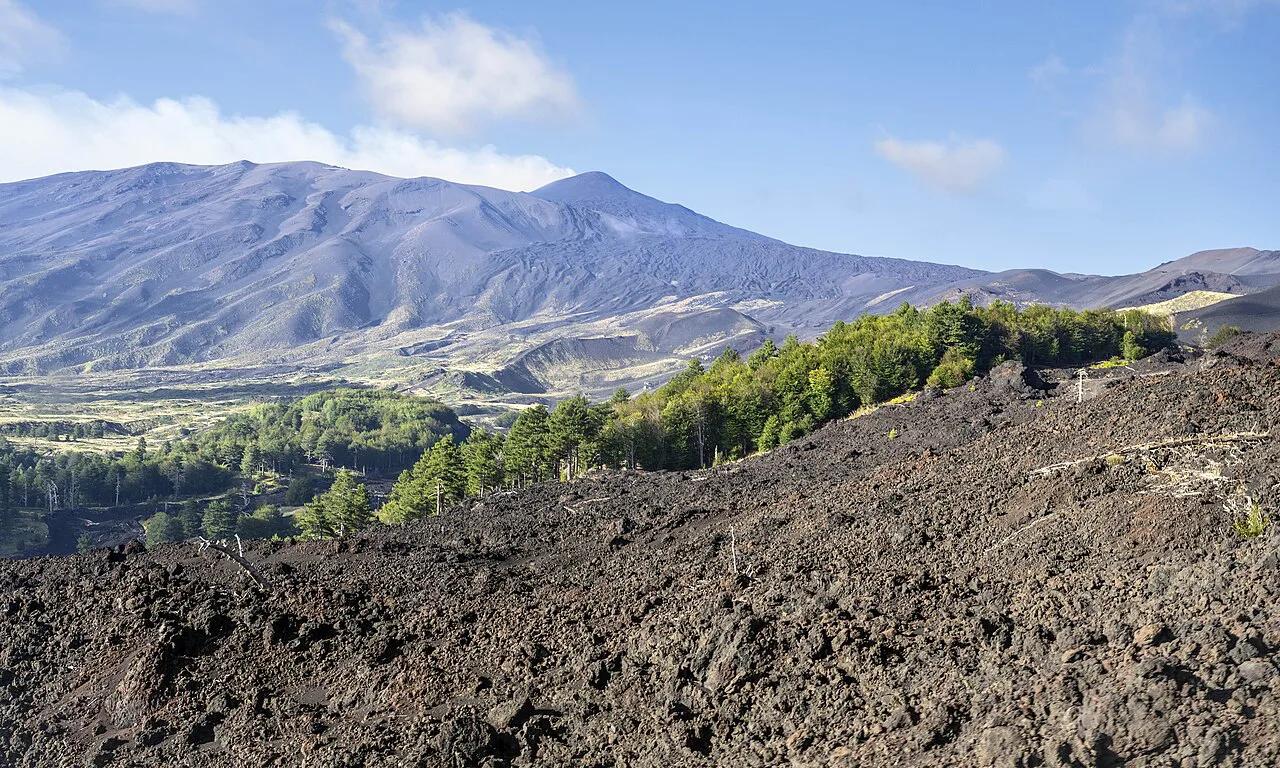
Volcanoes in Switzerland: Are There Any? What to See Instead
Last updated November 2026: Switzerland has no active volcanoes, so the honest answer on volcanoes in Switzerland is short. No Swiss cone can be climbed, and there are no crater tours or eruption alerts. Real volcanic landscapes sit just over the border and across Europe's volcanic regions.
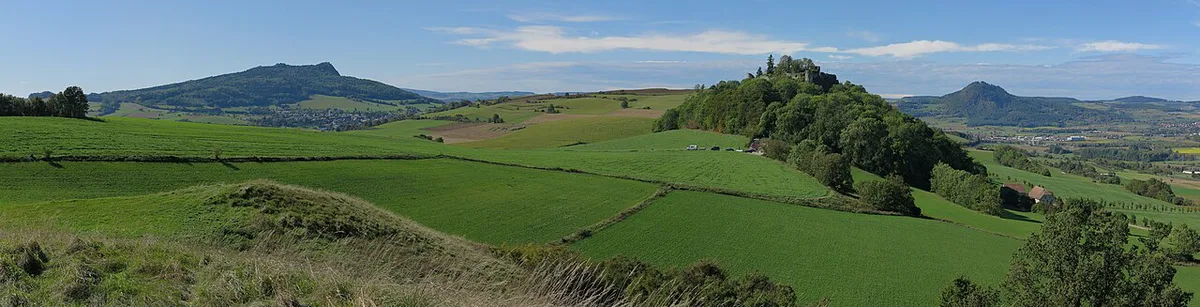
Featured image: Gladys80, CC BY-SA 3.0, via Wikimedia Commons.
Are There Volcanoes in Switzerland?
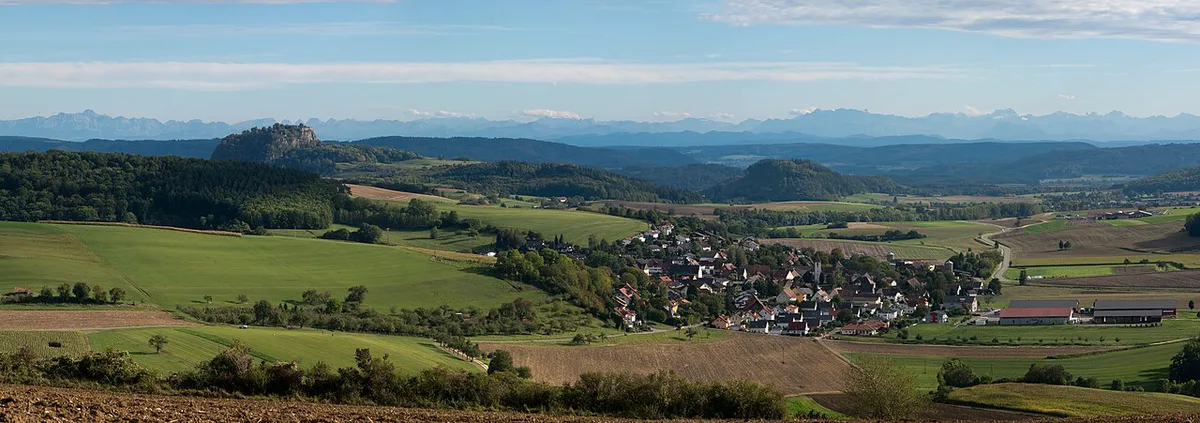
No. Switzerland has no active volcanoes and no volcanic peaks that visitors can hike. Do not plan a trip around volcano viewing here. The dramatic Alpine hazards that get mistaken for volcanic activity are avalanches, glacier collapse and rockfall. Those are covered below, followed by a table of where to go for the real thing.
Why Switzerland Has No Active Volcanoes
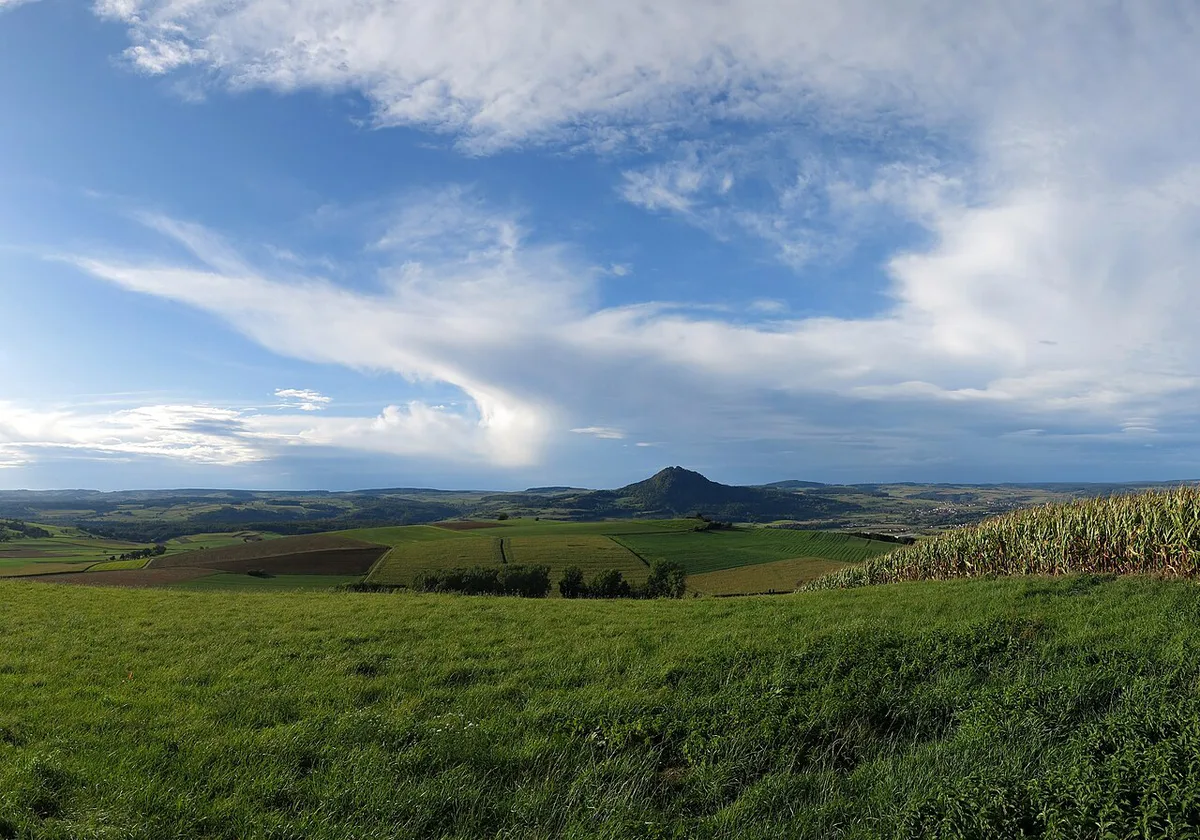
The Alps formed where continental plates collided and crumpled rock upward. That process builds high mountains, but it does not feed magma to the surface the way an active volcanic arc does. Any volcanic rock in Swiss geology is ancient or minor, and it is not a visitor attraction. For specific localities, use the geological maps from swisstopo, the Swiss geological survey.
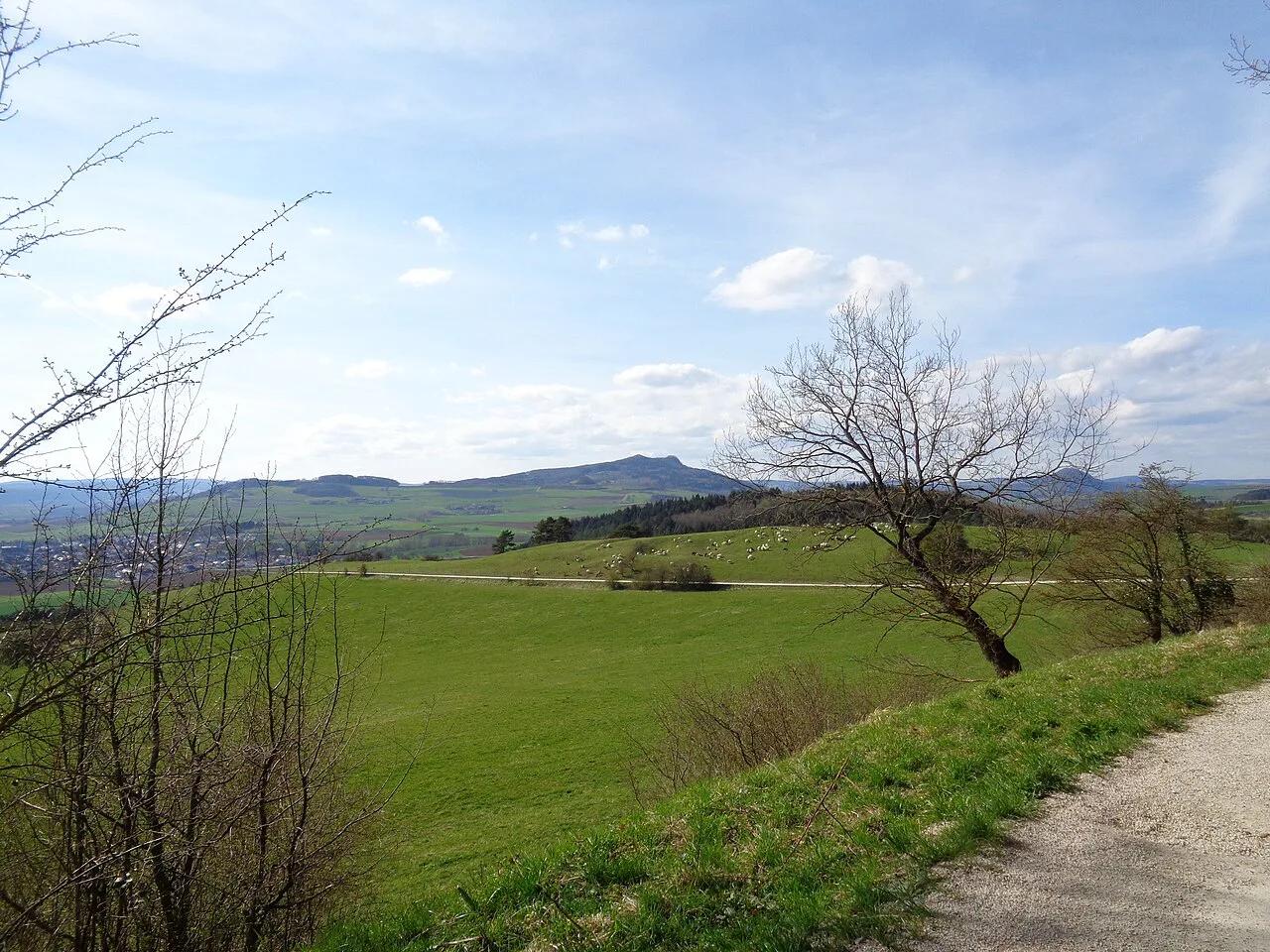
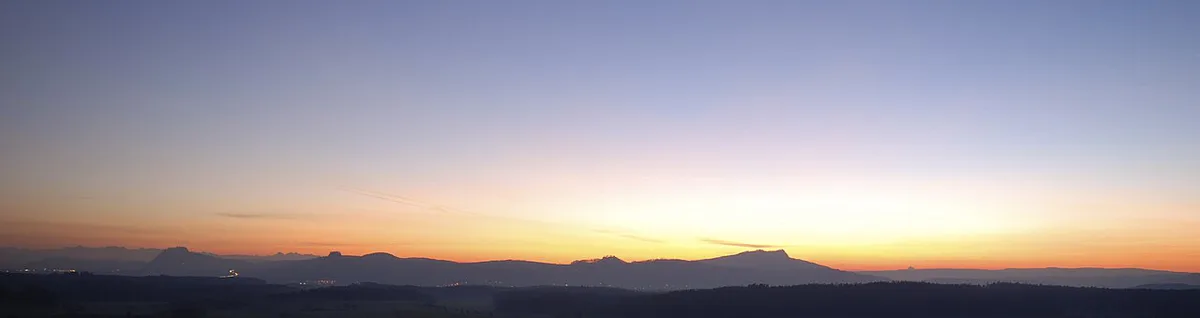
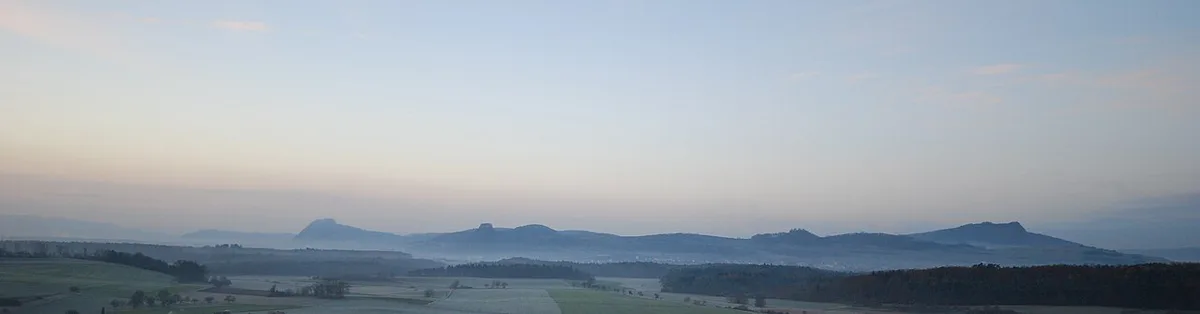
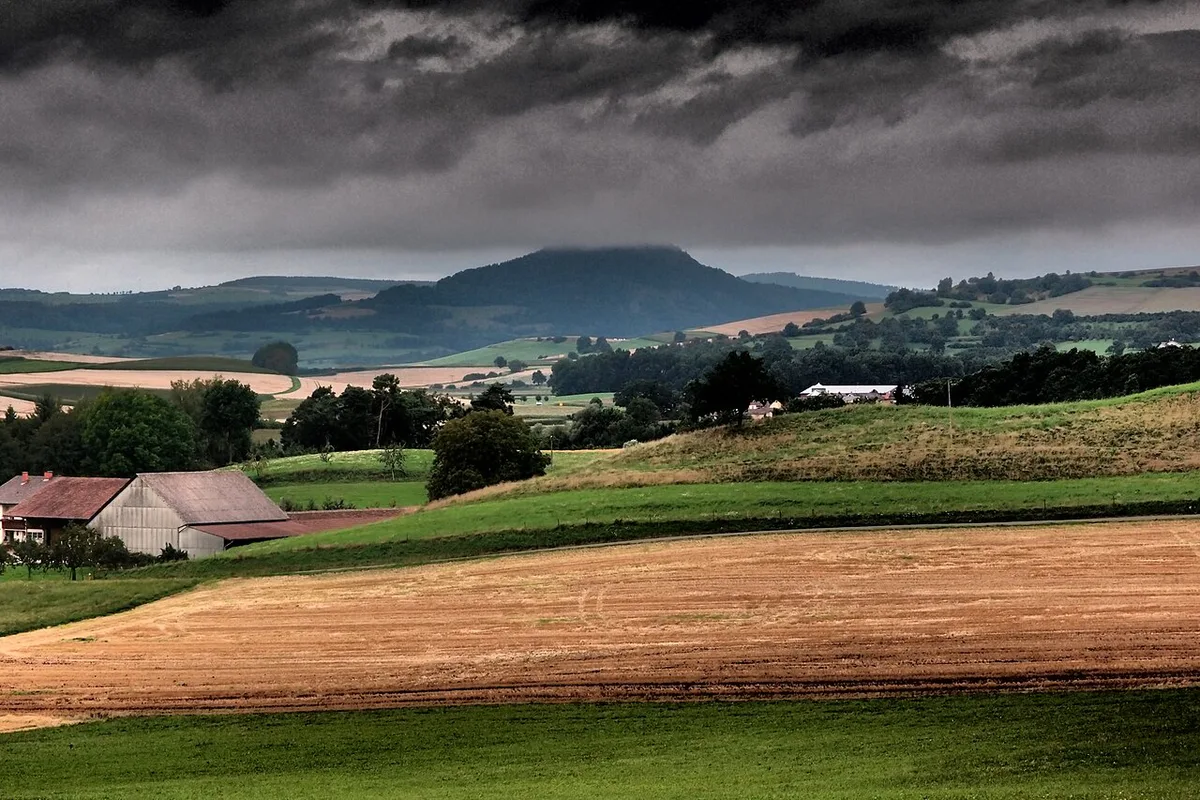
- Nearest volcanic landscape: the Hegau volcanic field just over the border in Germany (see our guide to volcanoes in Germany).
- Best-known Hegau landmark: Hohentwiel, near Singen.
- Status: ancient, long extinct volcanic terrain, not an eruption risk.
Avalanches, Glaciers and Rockfall: Hazards Mistaken for Volcanic Activity
Swiss mountains and volcanoes share a link in research. According to a 2022 research news piece from the SLF, cold powder avalanches and hot pyroclastic flows both move in destructive pulses. SLF researchers study powder avalanches at the Vallée de la Sionne test site in Arbaz, canton of Valais. The same article cites measurements from the 9 December 2019 eruption on New Zealand's Whakaari/White Island. That is a comparison between two hazards, not evidence of Swiss volcanism.
- Powder avalanche: cold snow and air, studied at Vallée de la Sionne in Valais.
- Pyroclastic flow: hot ash and gas from an eruption, as at Whakaari/White Island in 2019.
- Glacier collapse: ice and rock failing under gravity, with no magma involved.
Glacier Collapse in the Lötschental
Real Swiss mountain danger is glacial and gravitational. AFP reported that a glacier collapse largely destroyed the village of Blatten in the Lötschental valley. Authorities had evacuated the village of about 300 people beforehand. One person, a 64-year-old man who was not among the evacuated residents, was reported missing. Treat this as a reminder that Alpine hazards need Alpine warnings, not volcano alerts.
What to See in Switzerland Instead
No volcano-themed attraction in Switzerland is documented here, so do not expect one. Check SLF avalanche bulletins and MeteoSwiss forecasts before any high-mountain outing. Those are the official sources for the hazards that actually apply. If you want volcanic geology, the cluster pages below cover places built for visitors.
Where to Go for Real Volcanoes Nearby
Match your goal to a destination. Our map of European volcanoes shows how the options sit across the continent.
| What you want | Where to look |
|---|---|
| An active or recent volcano | Active Volcanoes in Europe: Where They Are and Which You Can Visit |
| A dormant crater lake | Ciomadul |
| Volcanic hills and vineyards | Badacsony |
| The science of eruptions | European volcano museums |
| Safety rules near volcanoes | Volcano Safety Tips for Travelers in Europe |
Safety and Planning Notes
Check official warnings for the specific hazard you face. In the Swiss Alps, that means SLF and MeteoSwiss. For travel to volcanic regions, read our volcano safety guidance first. Ash clouds from distant eruptions can also disrupt flights into Swiss airports. Our page on volcanic ash and flights explains how that works.
Authorities had evacuated about 300 people from Blatten before the collapse, so a warning from SLF or MeteoSwiss is worth acting on immediately.
For trip-planning details, see Geopark Schwabische Alb.
Frequently Asked Questions
Do Alps have volcanoes?
The Alps are a collision mountain range, not a volcanic chain. Switzerland has no active volcanoes within its borders.
Are there volcanoes in Europe?
Yes, several European countries have active or dormant volcanoes. See our guide to Active Volcanoes in Europe: Where They Are and Which You Can Visit for where to find them.