Active Volcanoes in Europe: Where They Are and Which You Can Visit
Last updated November 2026: active volcanoes in Europe cluster in Italy, Iceland and Spain's Canary Islands, and only some are practical to visit. Here, "active" means eruptions in recorded or Holocene history, the Smithsonian Global Volcanism Program's framing, and "Europe" includes Iceland, Mediterranean islands and the Canaries. For the continent-wide picture, start with our wider European volcano overview.
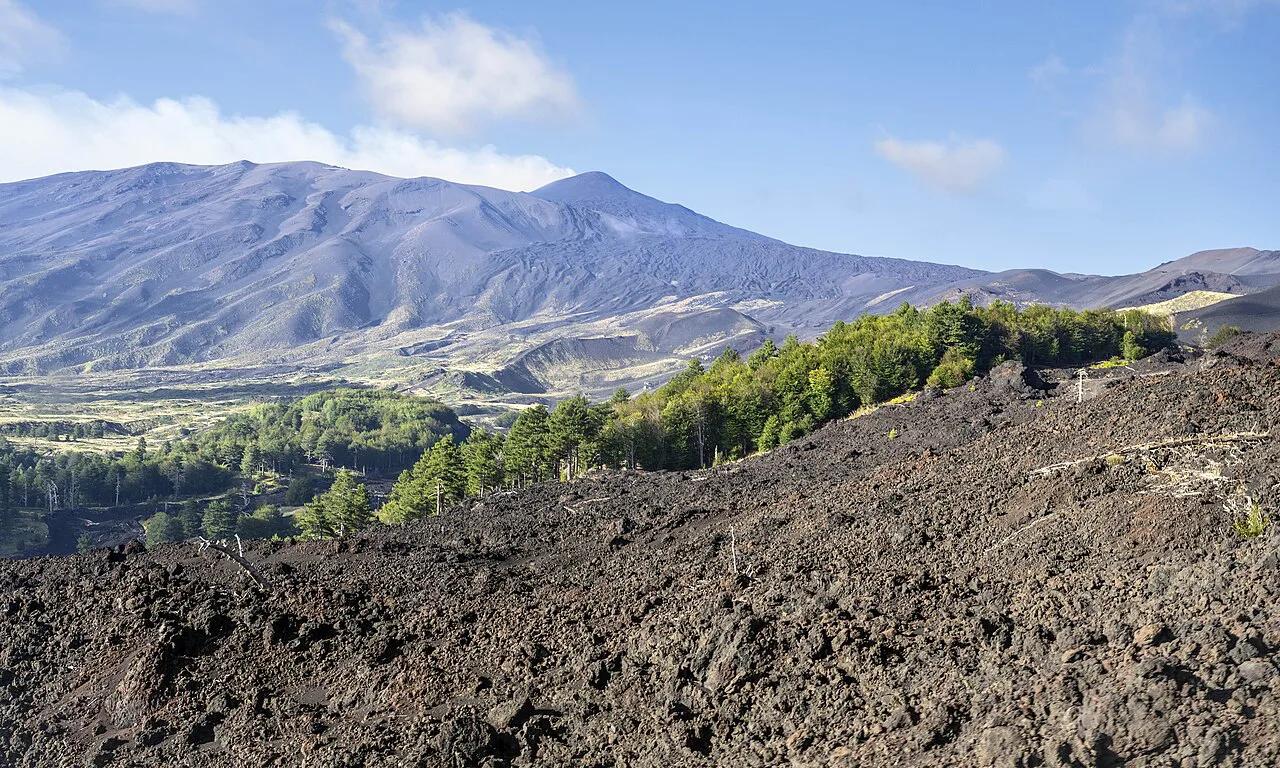
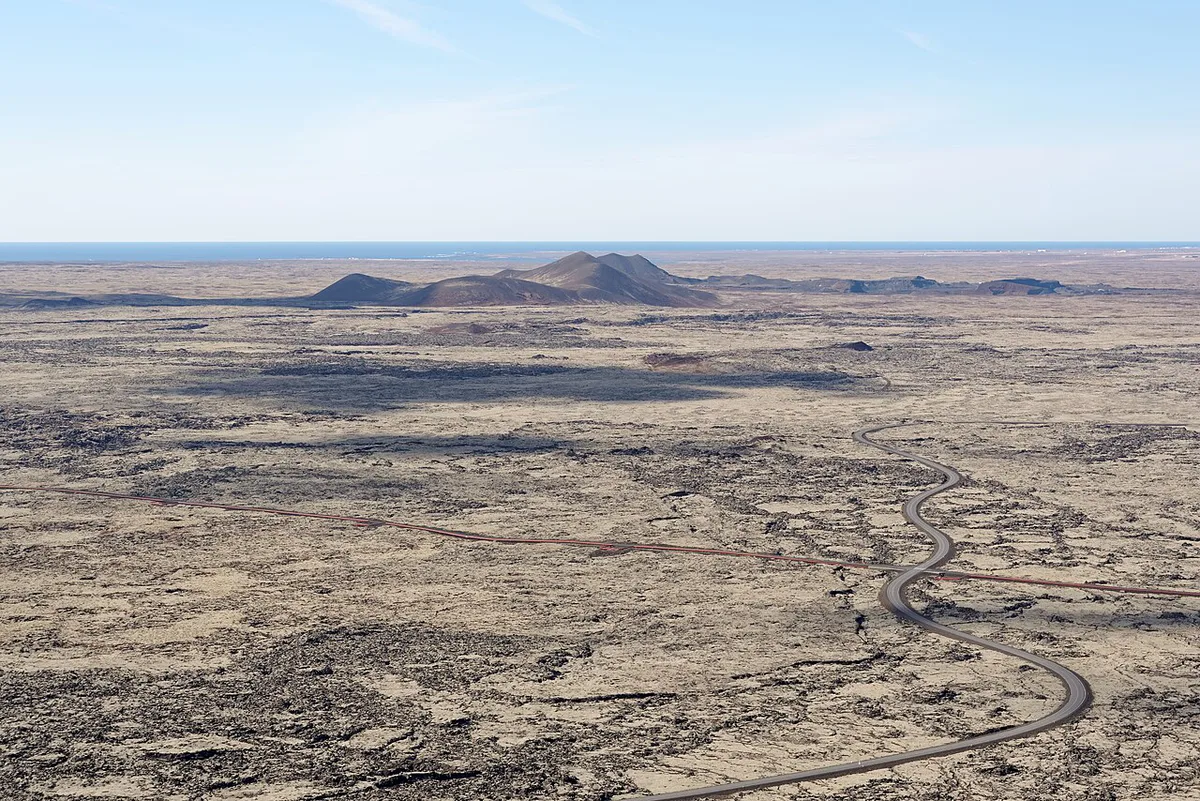
Featured image: Kritzolina, CC BY-SA 4.0, via Wikimedia Commons.
Which Volcanoes Count as Active Volcanoes in Europe?
Active does not mean erupting today. Etna and Stromboli erupt often, Campi Flegrei is restless, and Vesuvius is quiet but closely monitored. Iceland's Hekla, Katla, Grímsvötn, Eyjafjallajökull and Askja all have recorded eruptions. El Hierro in the Canaries has recent eruptive history too. Status changes, so check the monitoring agency before you travel. Our interactive volcano map shows where each one sits.
| Volcano | Country | Status tier | Can you visit? | Best for | Skip if |
|---|---|---|---|---|---|
| Etna | Italy | Frequently erupting | Yes, with guided and lower-crater options | First active-volcano trip | Summit zones are closed or you dislike crowds |
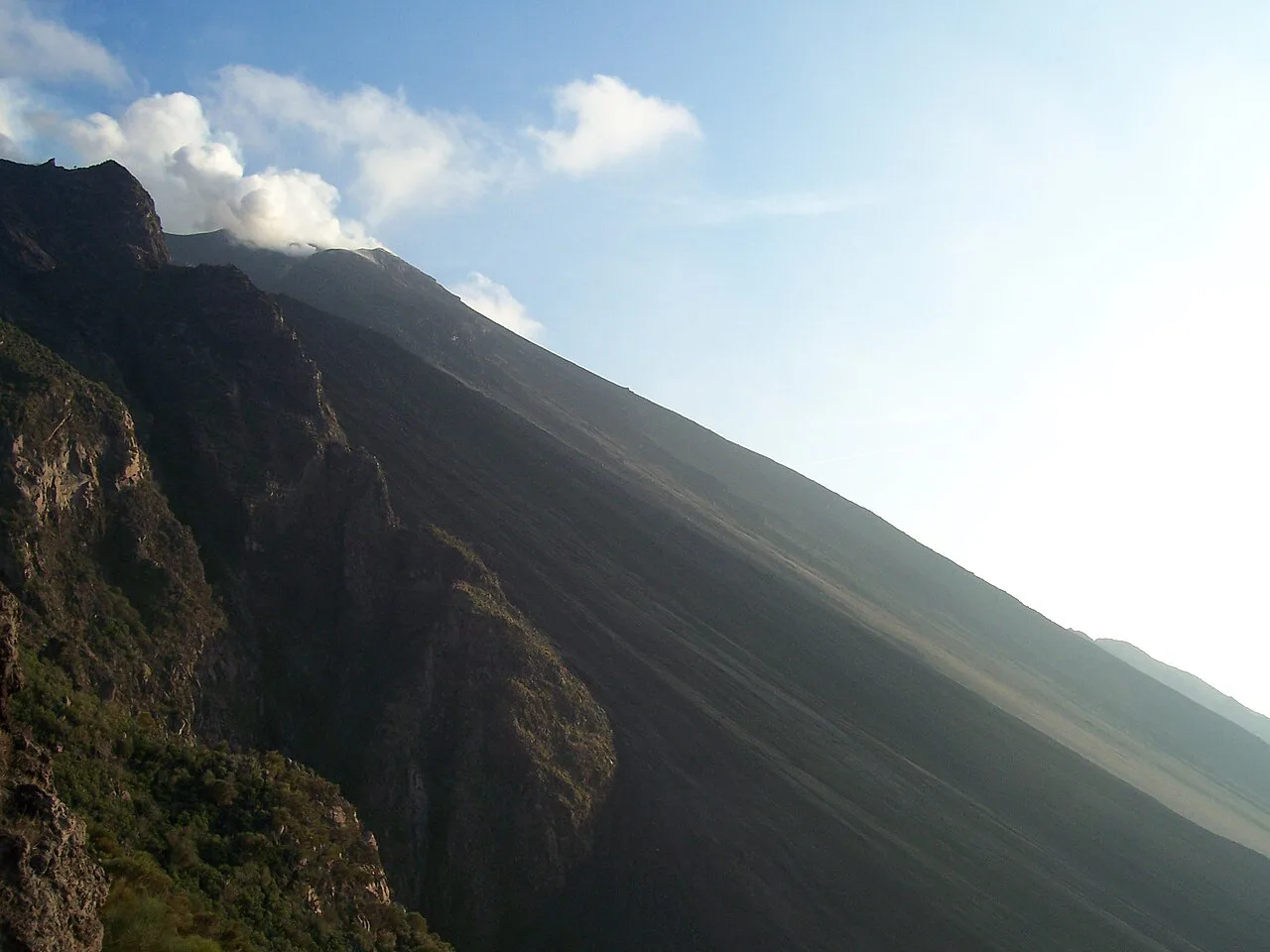
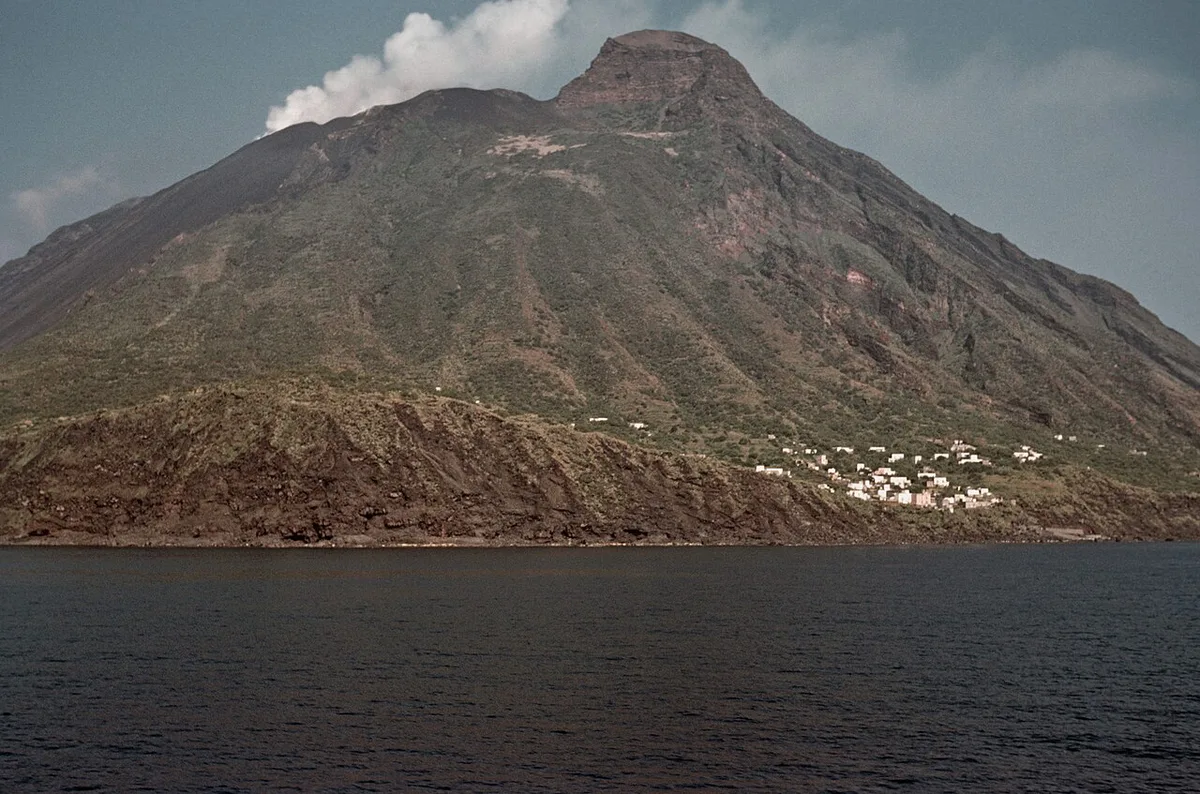
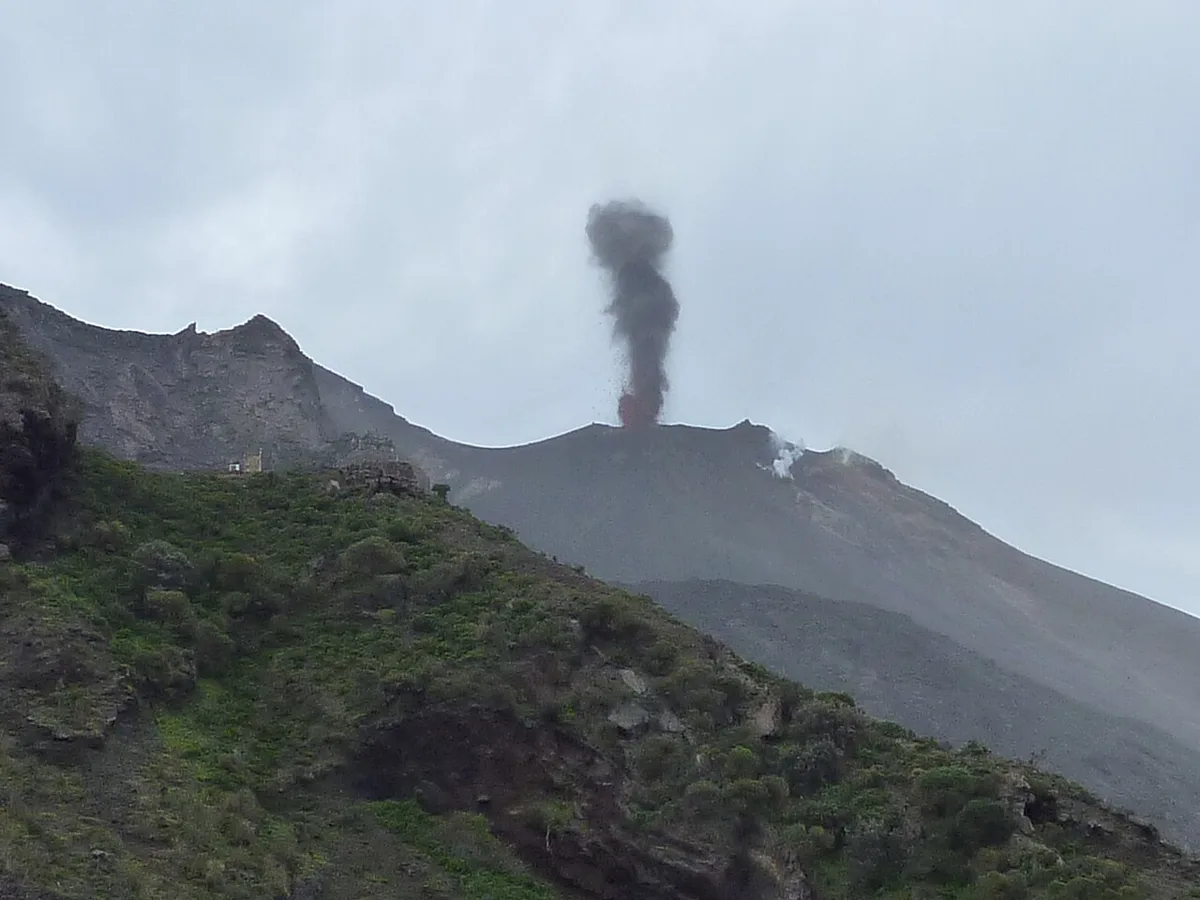
| Stromboli | Italy | Persistent explosive activity | Yes, island trip with guides | Night-time glow | You want a quick day trip |
| Vesuvius | Italy | Quiet, monitored | Yes, crater-rim visit | Naples city breaks | You want live eruptions |
| Campi Flegrei | Italy | Restless, monitored | Limited, area-dependent | Geology fans | You need certainty about access |
| Hekla | Iceland | Recorded eruptions | Hiking and tours, remote | Highland hikers | You have no 4x4 or tour |
| Katla | Iceland | Glacier-covered, monitored | Mostly viewed from outside the ice | Landscape photography | You want a summit |
| Grímsvötn | Iceland | Glacier-covered, monitored | Not a casual visit | Researchers and specialists | You want an easy day out |
| Eyjafjallajökull | Iceland | Recorded eruptions | Yes, around the glacier | Ash-history stops | You want crater views |
| Askja | Iceland | Recorded eruptions | Seasonal highland access | Remote crater hikes | Roads are still closed |
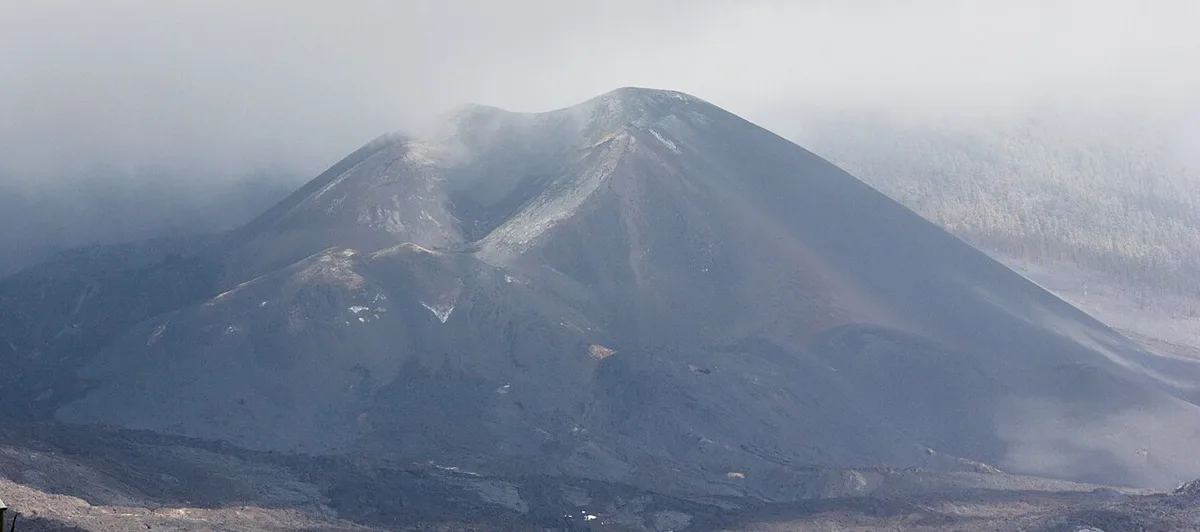
| El Hierro | Spain (Canary Islands) | Recent eruptive history | Yes, island hiking | Quiet island trips | You want a big cone |
Italy: Etna, Stromboli, Vesuvius and Campi Flegrei
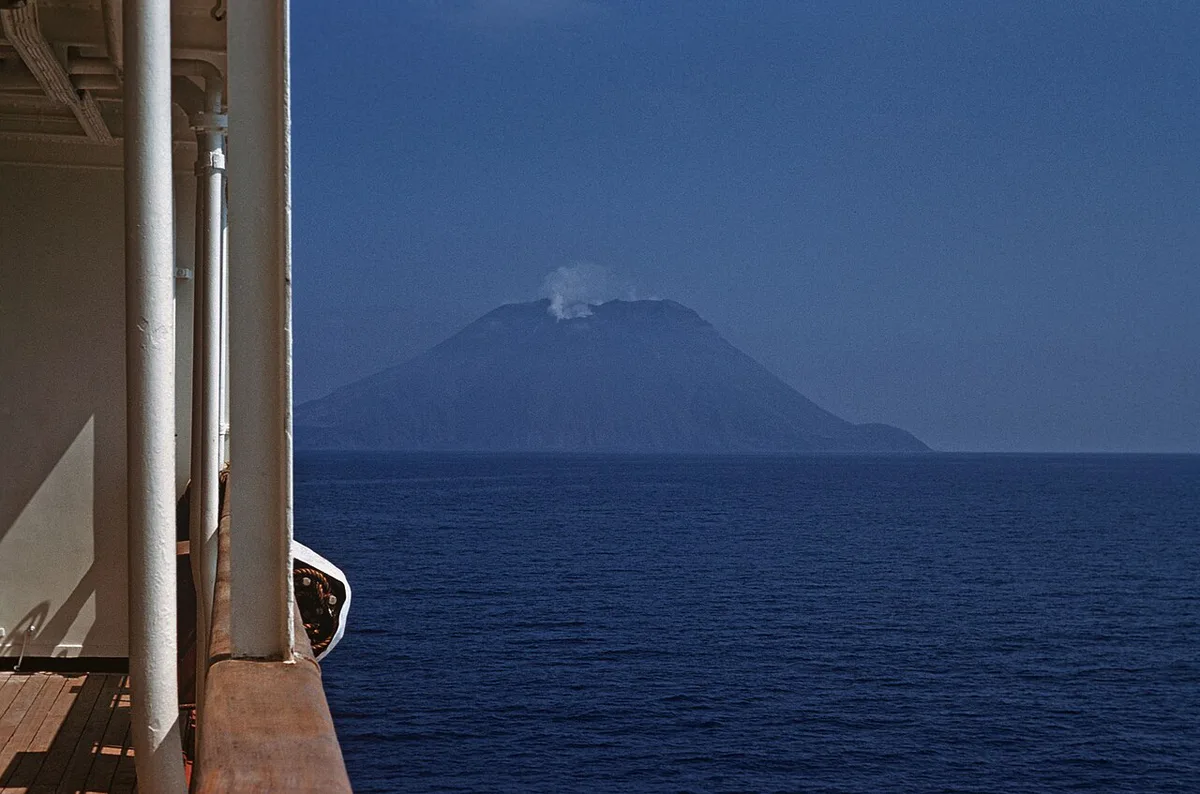
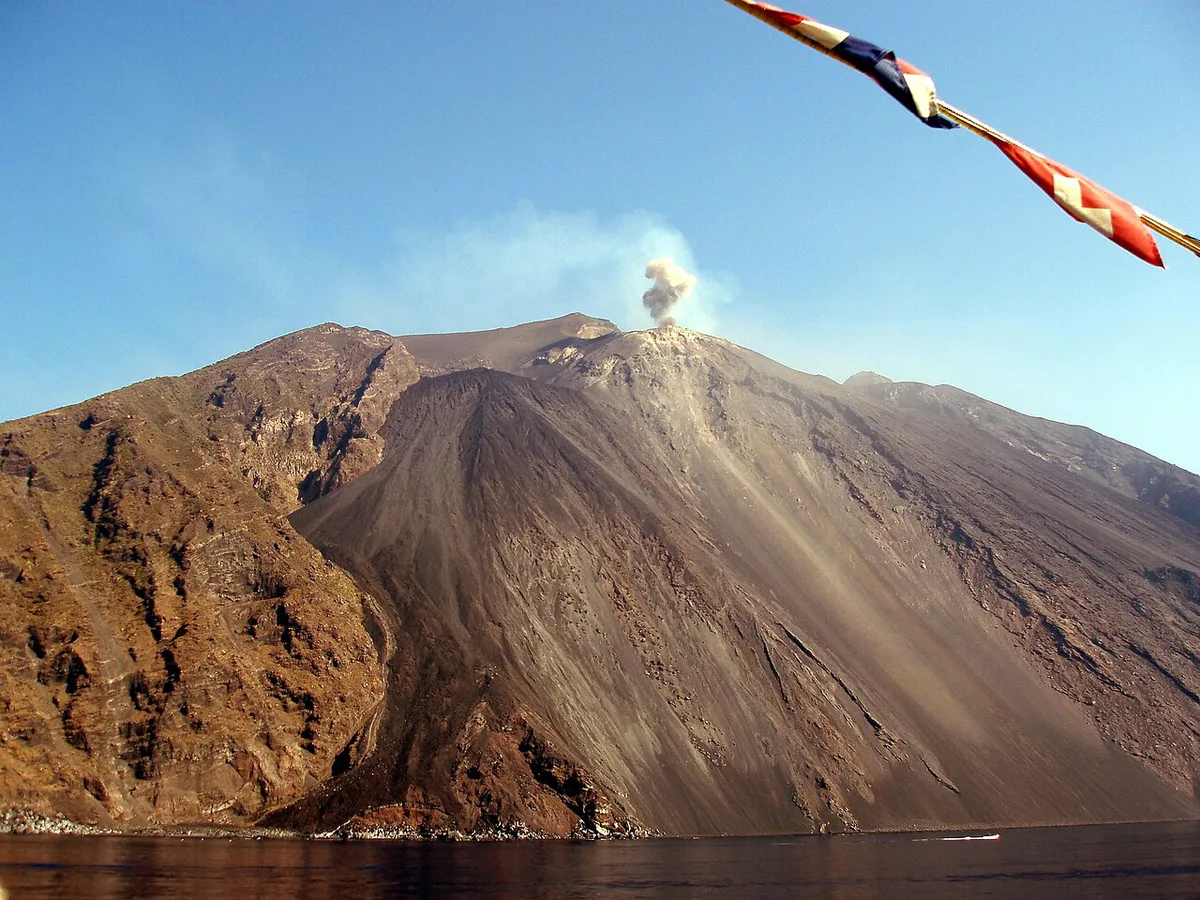
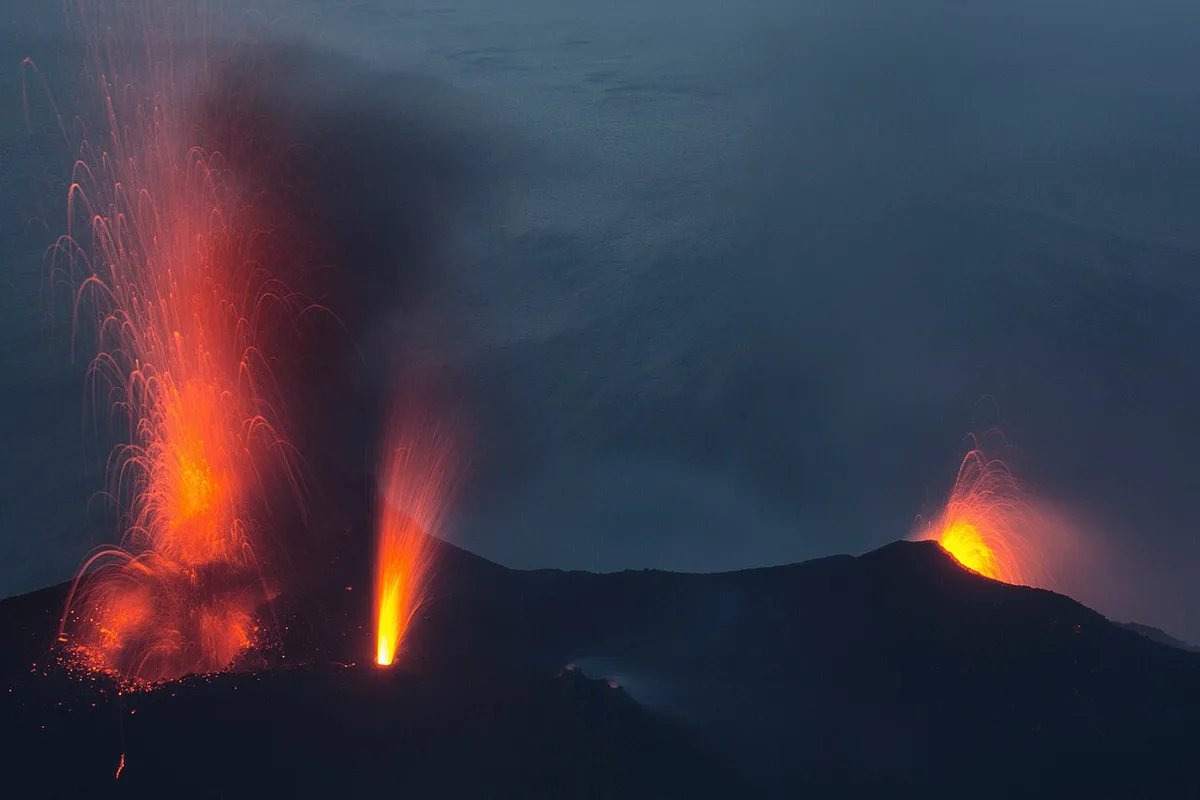
Italy gives you the easiest access to active volcanoes in Europe. Etna's summit is listed at 3,324 m, nearly 11,000 ft, but eruptions change it, so check INGV's Etna observatory for the current figure. Our guide to the Highest Volcano in Europe: Etna vs Other Contenders covers the height debate. For size comparisons, see the Largest Volcano in Europe: Mount Etna (and What 'Largest' Means). Etna has erupted frequently over roughly 500,000 years. In February 2021, an eruption sent ash over the Southeast Crater and closed Catania's airport, while authorities watched the villages of Linguaglossa, Fornazzo and Milo. Past events like that are collected in our record of European eruptions. Stromboli suits a dedicated island trip, since its explosions are best seen after dark. Vesuvius sits beside Naples and fits a short city-break add-on. It buried Pompeii in AD 79 and remains monitored. Campi Flegrei, near Pozzuoli, is restless rather than dramatic. Summit and crater rules depend on current activity, so read INGV's volcano pages before booking a guide.
Iceland: Hekla, Katla, Grímsvötn, Eyjafjallajökull and Askja
Iceland offers more volcanoes but harder logistics. Hekla and Askja lie in the interior, so you need a 4x4 or a guided tour, and highland roads open only in summer. Katla, Grímsvötn and Eyjafjallajökull sit under or beside glaciers, which limits how close you can safely go. Plan around daylight and snow, because winter shortens the viewing window sharply. Icelandic Met Office publishes volcano status. SafeTravel Iceland posts road and area closures. Our guide to volcano tourism explains how tours handle access. Farther out, Jan Mayen: Beerenberg Volcano, Access and How to Visit is a remote Arctic volcanic island that few travelers reach.
Spain's Canary Islands: El Hierro
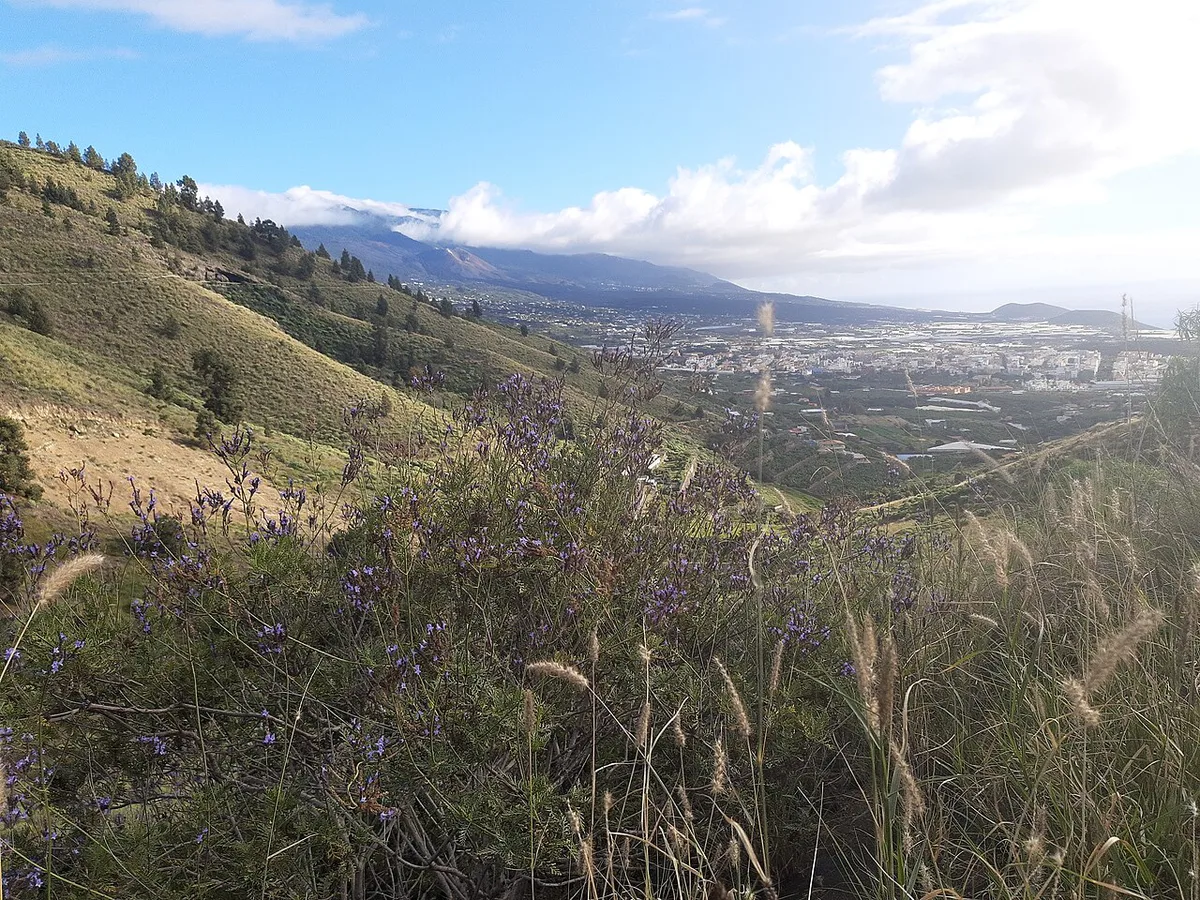
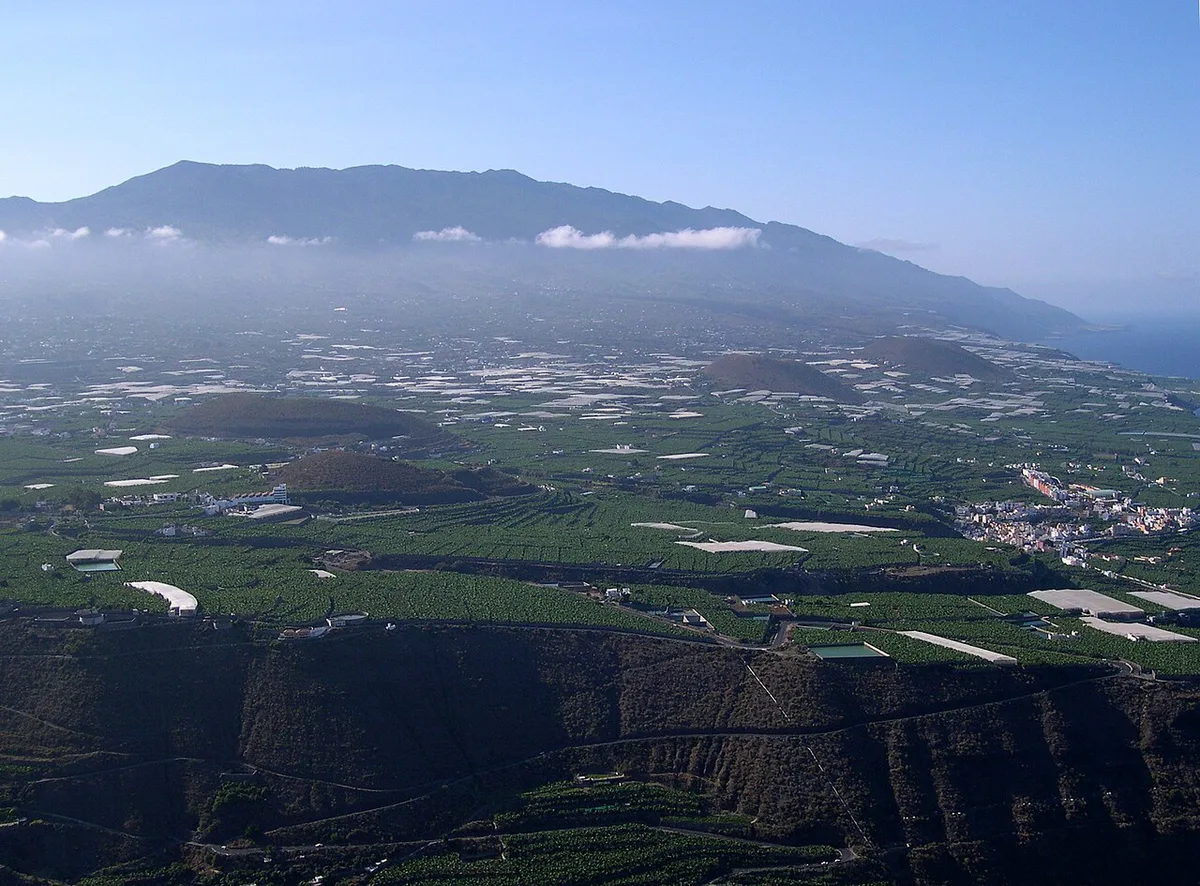
El Hierro is a short entry on this list because visitor infrastructure for volcano-viewing is modest. Treat it as a quiet island hiking trip with volcanic scenery. Spain's national geographic institute and the Canary Islands emergency authorities publish current status and any closed trails.
How to Check Whether a Volcano Is Safe to Visit Right Now
Official monitoring agencies beat news headlines and tour-company pages. Each agency uses its own alert scale, so read its definitions instead of assuming one color means the same everywhere. Our Volcano Safety Tips for Travelers in Europe cover what to do at the crater rim. Run this checklist before you go:
- Open the monitoring agency page for your volcano: INGV for Italy, the Icelandic Met Office for Iceland.
- Read the current alert level and what it says about visitor access.
- Check closure notices from the park authority or road agency.
- Ask your guide whether the route is running that day.
- Keep one backup activity within reach.
Planning Around Eruptions: Flights, Insurance and Backup Plans
Ash can close airports even when villages are safe, as Catania's airport closure in 2021 showed. Eyjafjallajökull is the best-known case of wider aviation disruption. Our volcanic ash flight guide explains how rebooking works. Build a buffer day before any long-haul return. Read your travel policy for volcanic-ash and airport-closure wording, because exclusions differ between insurers.
Which Active Volcano Should You Visit?
Match the volcano to your trip style.
Etna's February 2021 airport closure shows that a first-timer trip can be disrupted by ash, so book a return flight with a flexible date.
- First-timer: Etna or Vesuvius, both near large cities with regular services.
- Hiker: Hekla or Askja in Iceland, with a 4x4 or tour and summer road access.
- Photographer: Stromboli at night. Our volcano photography tips cover exposure and safety.
- Family: Vesuvius, with a shorter crater-rim route and city amenities nearby.
- Short city-break add-on: Naples with Vesuvius.
- Low mobility: browse the museums about European volcanoes instead.
Active vs Dormant vs Extinct: Common Mix-Ups
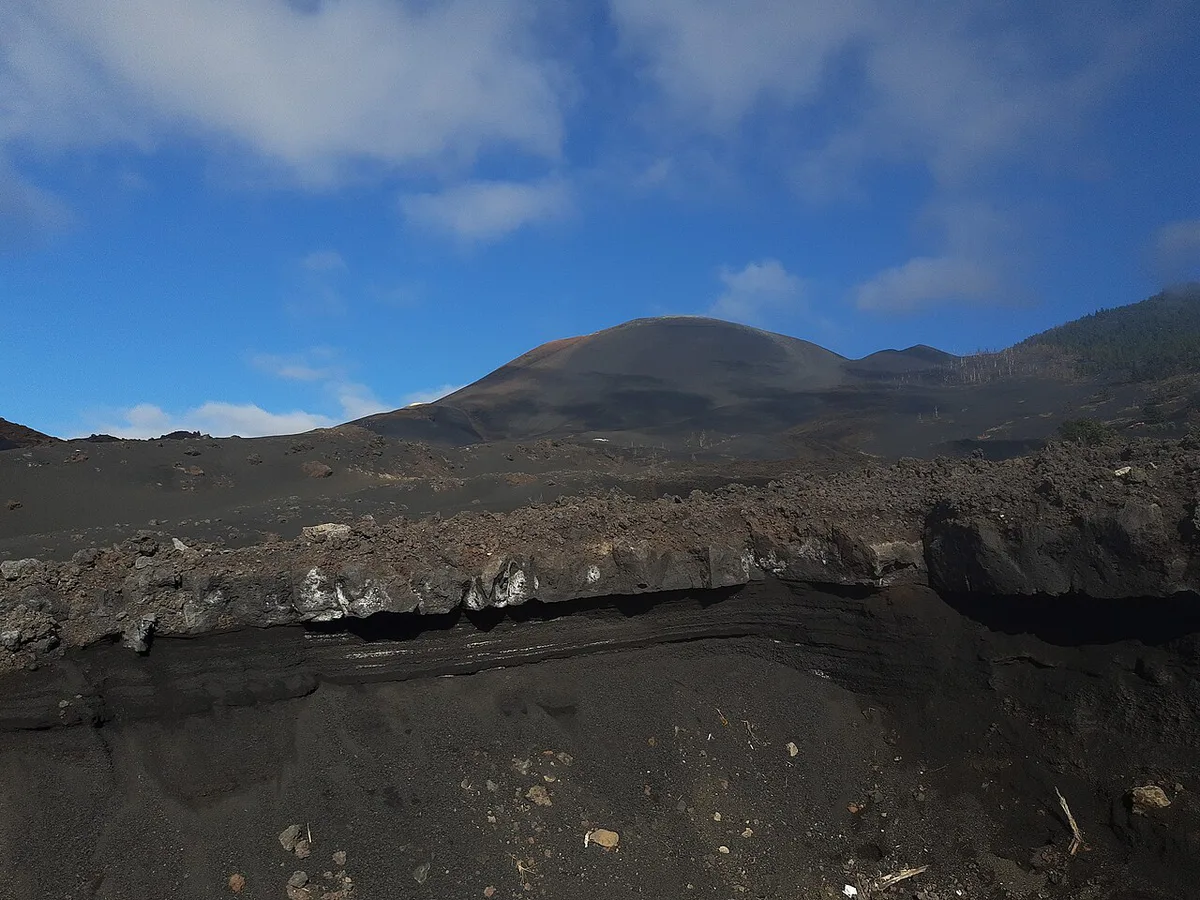
Not every volcanic landscape is active. Ciomadul in Romania is a dormant-or-extinct case often confused with active ones. Badacsony in Hungary is an extinct volcanic hill known for its landscape. In the Atlantic, the Azores do have active volcanism, and CIVISA monitors it. Our page on Volcanoes in Portugal: Azores & Madeira Guide covers the islands in more detail.
Frequently Asked Questions
What is Europe's largest active volcano?
Etna is the volcano most often named, with a listed summit of 3,324 m. Our guide to the largest volcano in Europe explains how size is measured.
What volcano is due to erupt in 2026?
No agency can schedule an eruption. Check INGV for Italy and the Icelandic Met Office for Iceland for current status.
What are two active volcanoes?
Etna in Sicily and Stromboli in the Aeolian Islands are two active European volcanoes. Both have frequent recorded eruptions.