Ciomadul Volcano, Romania: Crater Lake, Hiking and Planning Guide
Last updated November 2026. Ciomadul is a volcano in the Ciomatu Mountains of the Romanian Carpathians, in Harghita County. Its twin craters hold Lake Sfânta Ana and the Mohoș peat bog, which makes it one of the most distinctive stops among the continent's 7 Volcanoes in Europe You Can Visit: Access, Timing and Safety. This guide covers the names, the sights, route choices, bear safety and timing.
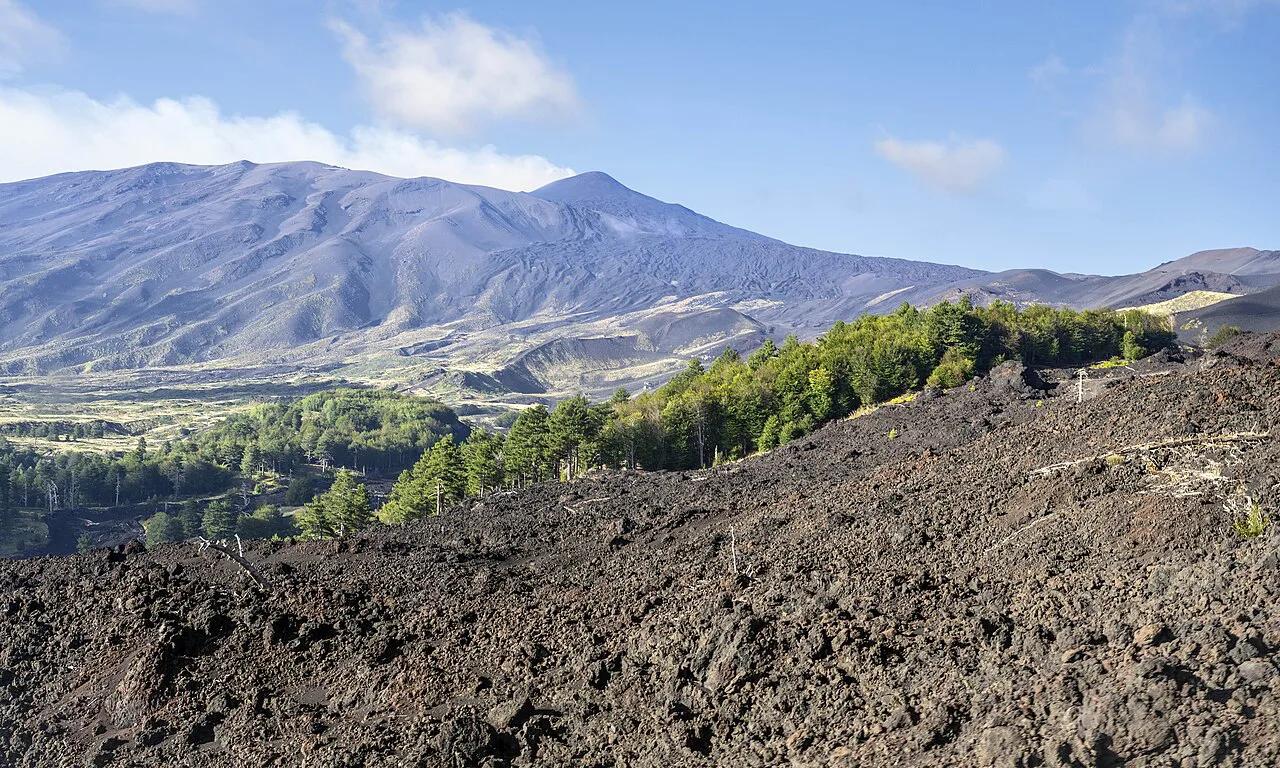
Featured image: Asybaris01, Public domain, via Wikimedia Commons.
What Ciomadul Is
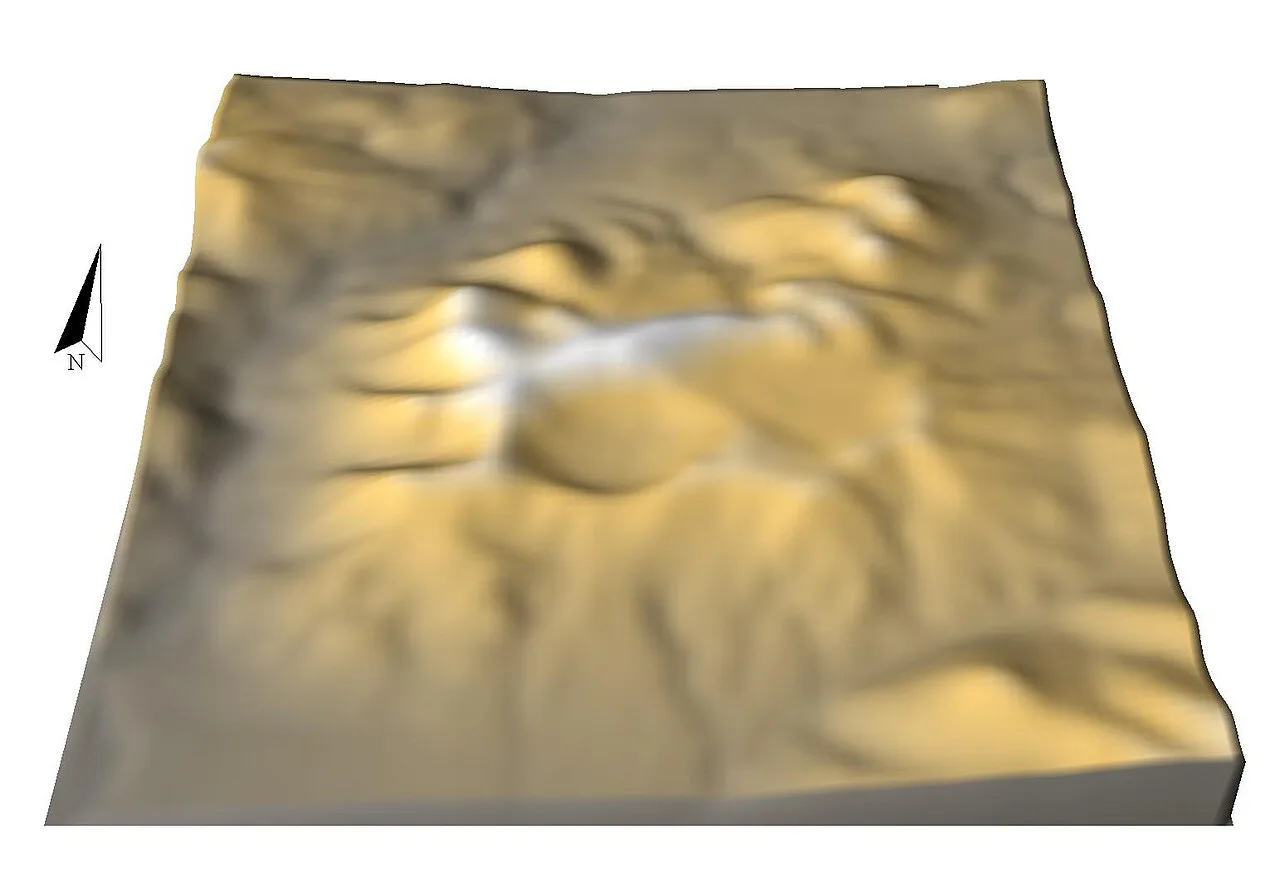
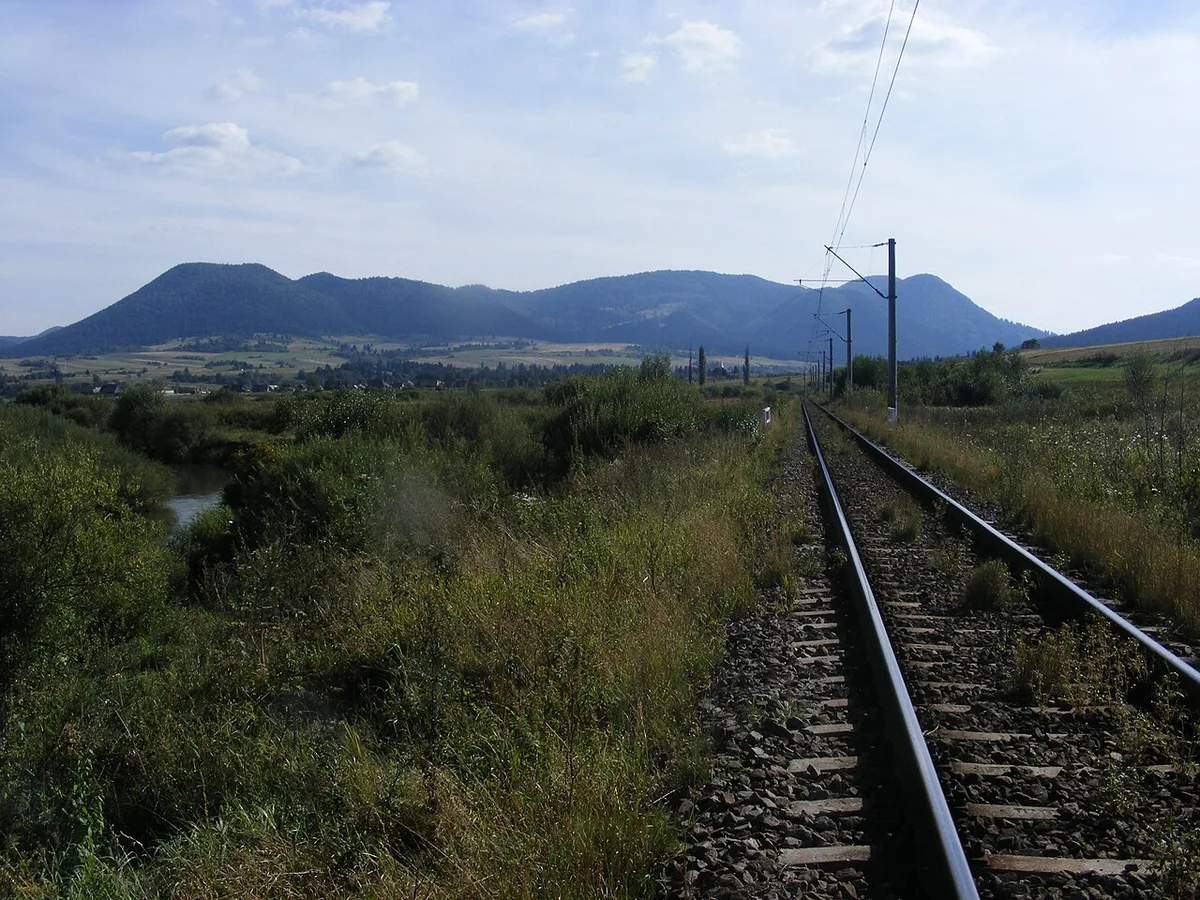
Ciomadul sits in Harghita County, Romania. Local and map names vary: Ciomadul, Ciomatu, Ciomatul Mare, and the Hungarian Csomád or Nagy-Csomád. All of them point to the same volcanic massif. Romanian and Hungarian names appear side by side because Harghita County has a large Hungarian-speaking population.
Ciomadul is usually described as an extinct volcano. Some volcanologists instead treat it as a potentially dormant system, so wording differs between sources. Nothing here resembles an erupting cone. For a contrast with places that are truly restless, read our guide to Active Volcanoes in Europe: Where They Are and Which You Can Visit.
To place it on a map, use our map of European volcanoes. The massif is part of the Carpathian volcanic chain, far from the sea and from the better-known Italian and Icelandic cones.
Sfânta Ana Lake and the Mohoș Bog: What to See
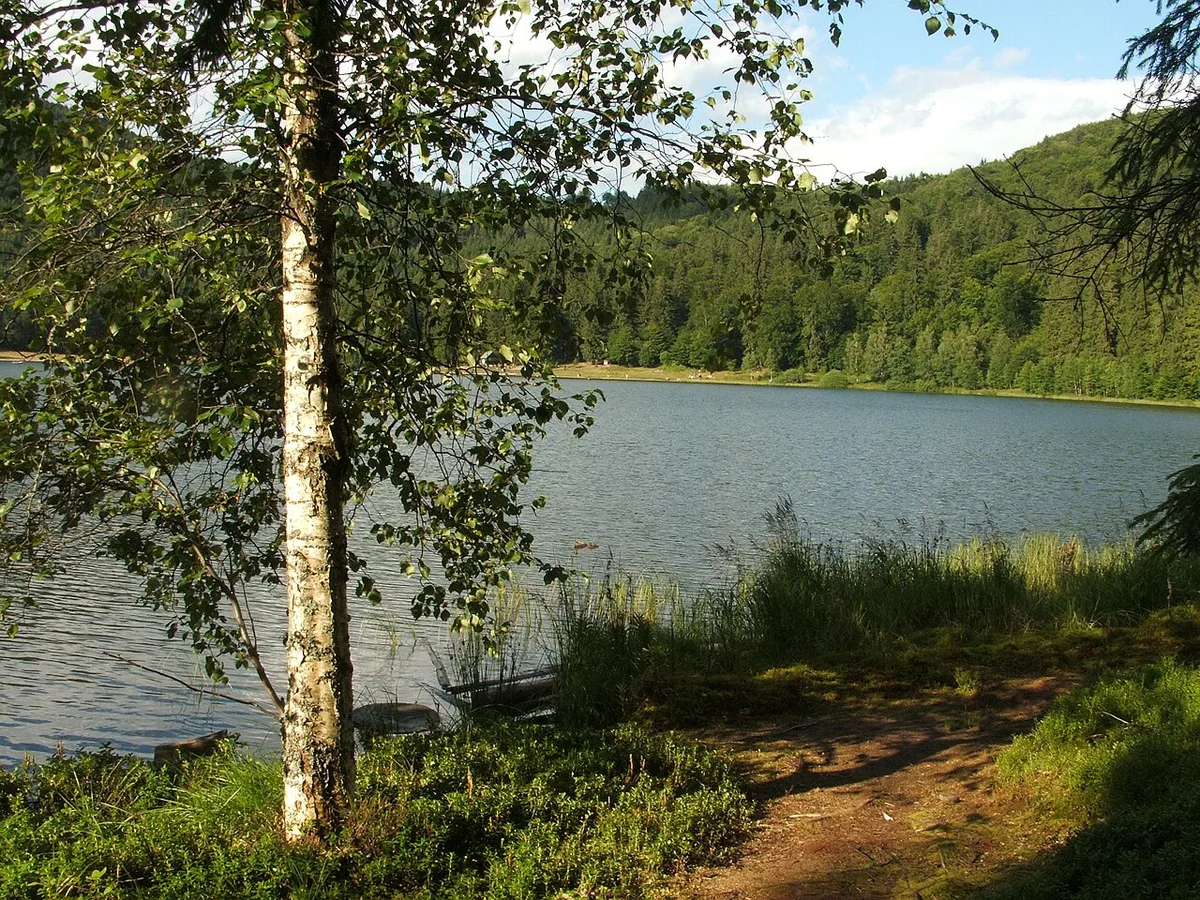
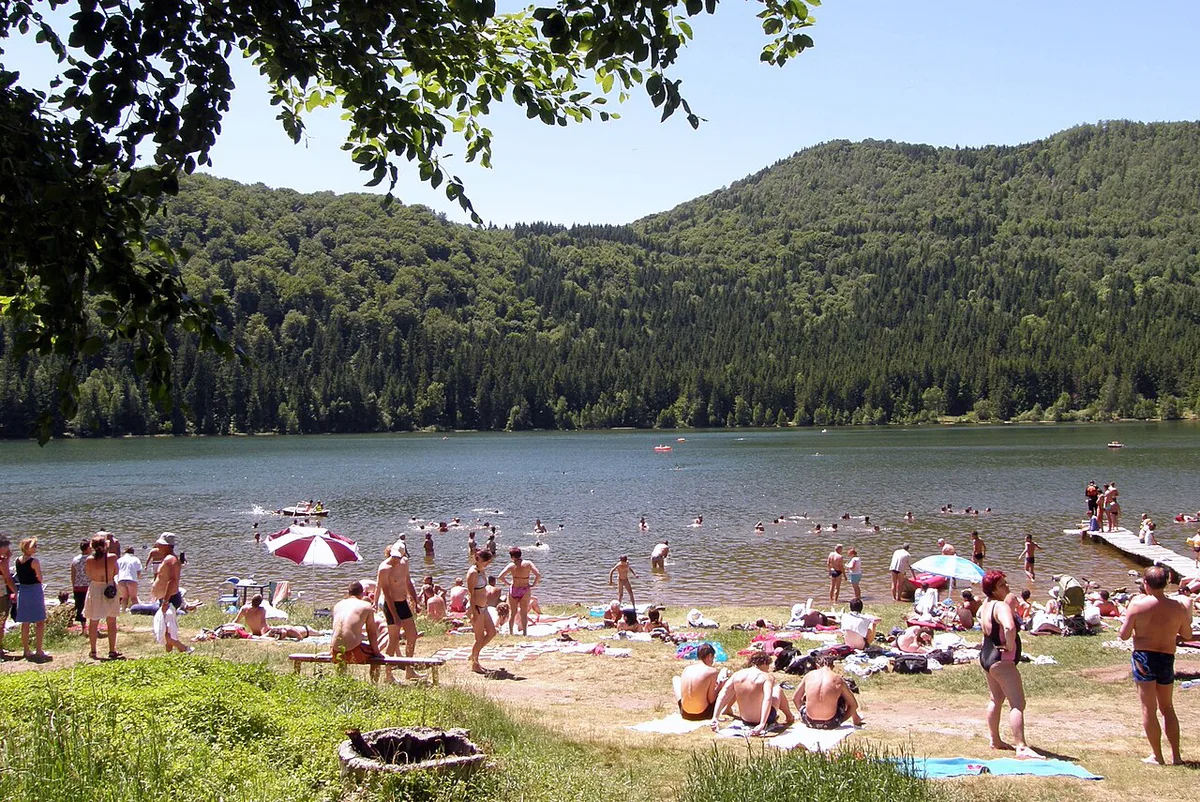
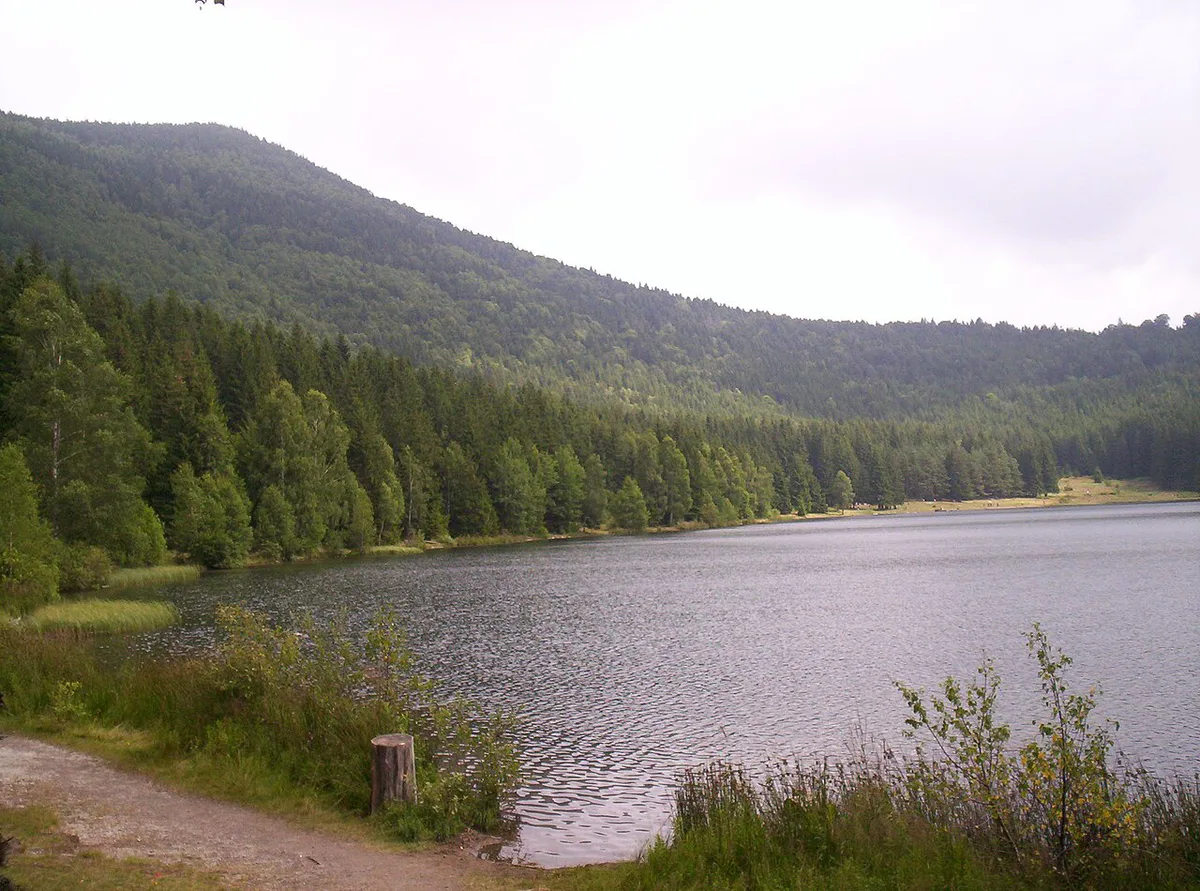
Sfânta Ana (Hungarian: Szent Anna) is the crater lake that draws most visitors. Many descriptions call it Romania's only volcanic crater lake, though that superlative is worth checking before you repeat it. Forest surrounds the water, so the scene is green and enclosed rather than a bare caldera.
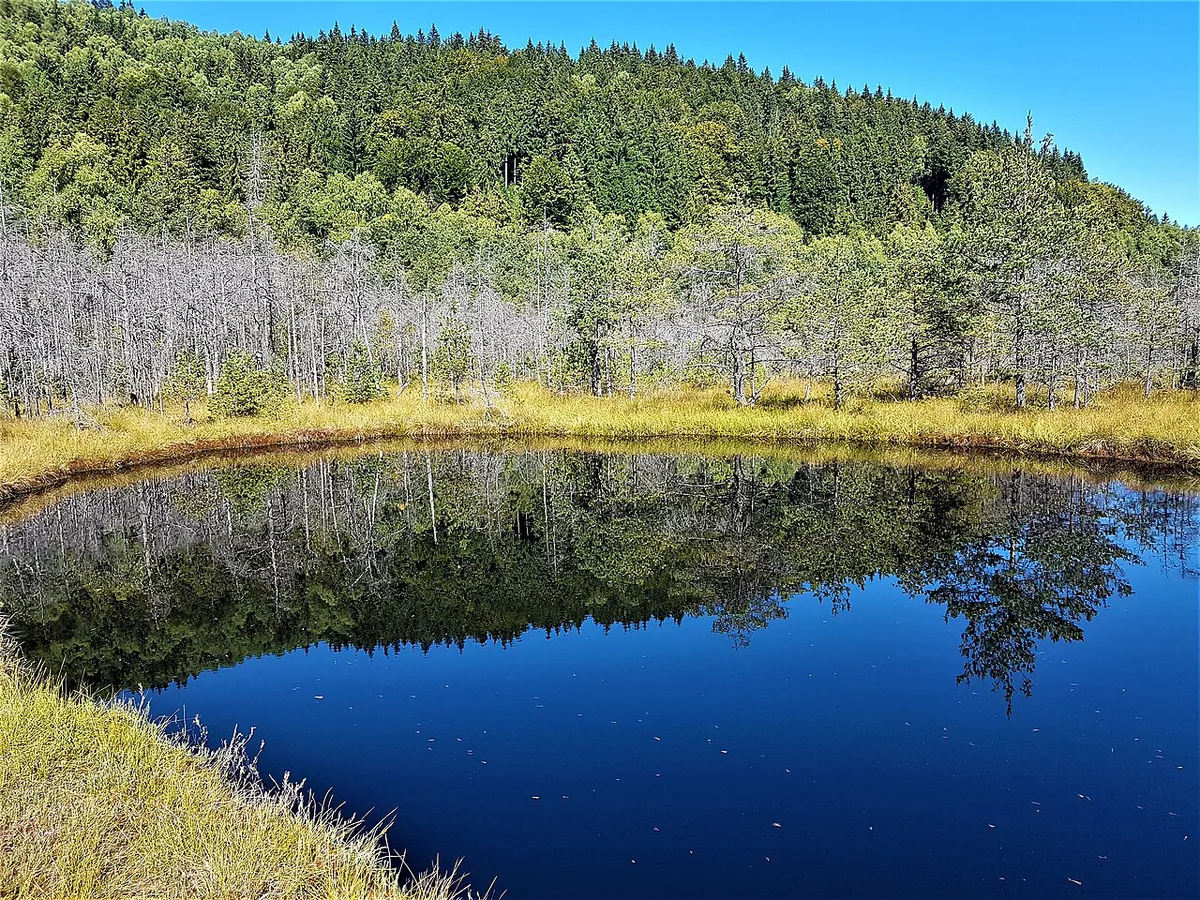
Mohoș (Hungarian: Mohos-tőzeglápok) is the second crater. It is a peat bog, not a lake, and it holds distinctive bog flora and a few small ponds. Expect soft, wet ground and a different mood from the lake.
Both features sit inside the same volcanic structure. They make a natural pairing for a single day. Volcano photography tips help with the low light under the forest canopy, especially at the lake.
- Sfânta Ana lake: the forest-ringed crater lake and the main reason to come.
- Mohoș bog: the second crater, filled with peat and small ponds.
- Ciomatul Mare summit: the high point of the Ciomatu Mountains.
- Mineral springs: reported to the east and south of the massif, around the Băile Tușnad area.
Hiking Ciomadul: Route Options and Time Needed
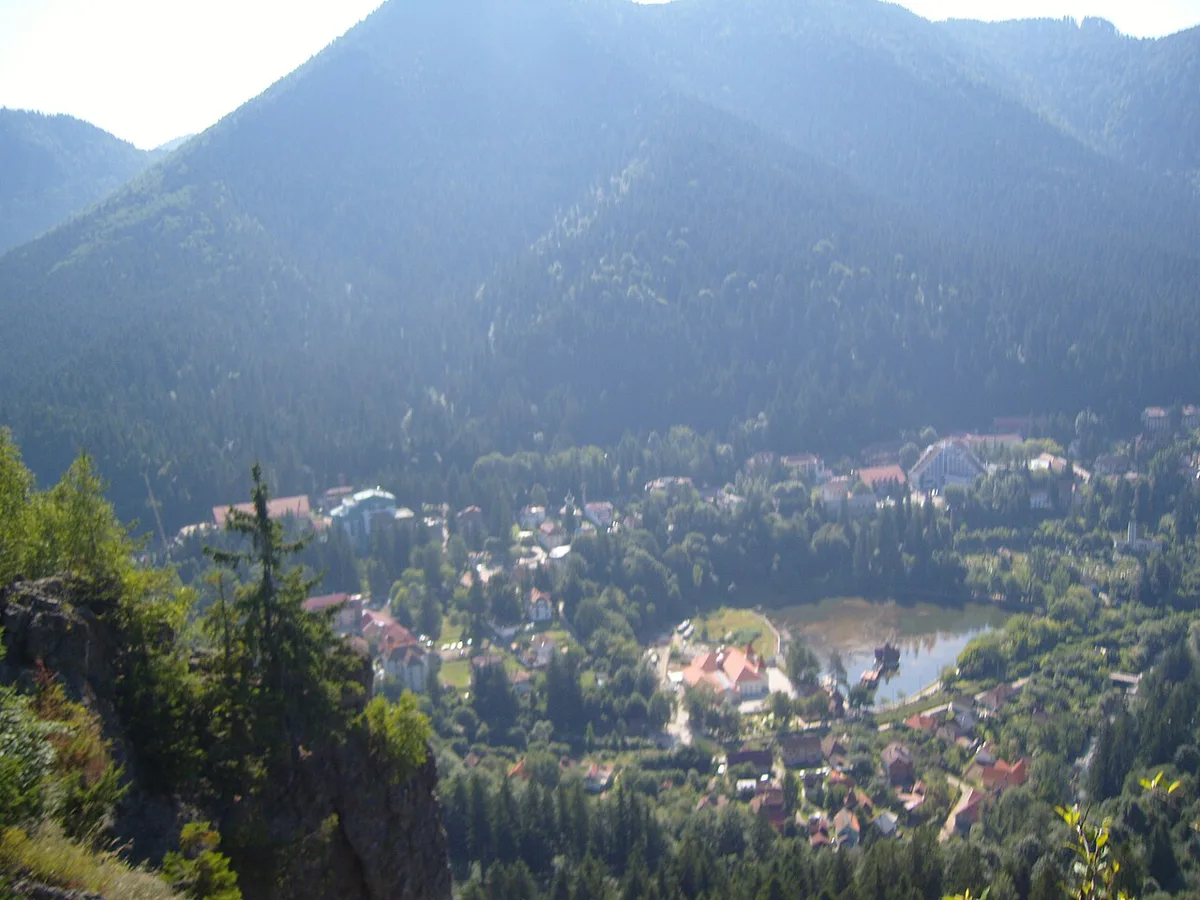
Trail details are the part of Ciomadul planning most worth confirming locally. Hikers report the Sfânta Ana lake and the Ciomatul Mare summit as the two main goals. Elevation figures disagree between sources: 1,301 m is given for the summit and 1,284 m for a lower false peak. Do not assume you have reached the top because a cairn or viewpoint appears.
For current trailheads, marking and route times, use Harghita County tourism and ask at your base town. The table below frames the decision without inventing times.
| Route | Effort | Time | Best for |
|---|---|---|---|
| Lake-only walk | Low to moderate | Check locally | Short visits and families with older children |
| Summit loop (Ciomatul Mare) | Moderate | Check locally | Hikers who want the high point and the lake |
| Multi-day trek across the Ciomatu and Bodoc Mountains | Demanding | Check locally | Experienced, self-sufficient walkers |
Bear Safety and Trail Rules
Bears are the main practical hazard. Hikers who walked the Ciomatu and Bodoc Mountains describe strong local warnings, and the animals are said to be well established in the area. Take that seriously.
Walk in a group and make noise on forested sections. Keep food sealed and never leave rubbish behind. Do not approach a bear or cub, and back away slowly if you meet one. For general principles, read our Volcano Safety Tips for Travelers in Europe.
Rules on swimming, camping, fires and bikes at the lake are not something to guess. Ask the local tourist office before you set out.
- Who should skip it: visitors without a vehicle, without hiking fitness, or unwilling to follow bear precautions.
- Also skip it if you expect an erupting volcano.
- Mistake to avoid: assuming you can swim or camp at the lake without checking the rules.
- Mistake to avoid: treating the 1,284 m false peak as the summit.
When to Go
Late spring to early autumn is the usual hiking window for the Carpathians, but no source here fixes exact dates for Ciomadul. Snow, mud and shorter daylight make shoulder seasons harder for the summit loop. Bears are active in warm months, so summer needs the same precautions as any other season. Ask locally about trail conditions before a shoulder-season walk.
Getting There and Where to Base Yourself
Base yourself in a town near the massif, such as Băile Tușnad, which is associated with the region's mineral springs. A car gives the most flexibility for reaching trailheads in the Ciomatu Mountains. Public transport options and any parking or entry fees are not confirmed here, so ask the county tourism office. Check any fee in lei when you arrive; do not assume one exists.
Ciomadul in the Context of European Volcanoes
Ciomadul is a quiet, forested volcanic landscape rather than a smoking summit. It suits readers interested in geology and hiking more than eruption-watching. For wider trip ideas, see our overview of Volcano Tourism in Europe: Where to Go and What to Know. Hungary's Badacsony volcanic hill offers a gentler comparison, and the shared Csomád name reflects the region's Hungarian-speaking heritage.