Mount Vesuvius Last Eruption: 1944, and What Came Before
Last updated November 2026: the Mount Vesuvius last eruption took place in March 1944, not in 79 AD. The 79 AD blast that buried Pompeii is the famous one, but it is a separate event from the most recent eruption. Vesuvius has been quiet since 1944, and the Osservatorio Vesuviano publishes its current status.
Featured image: ell brown, CC BY 2.0, via Flickr.
When did Mount Vesuvius last erupt?
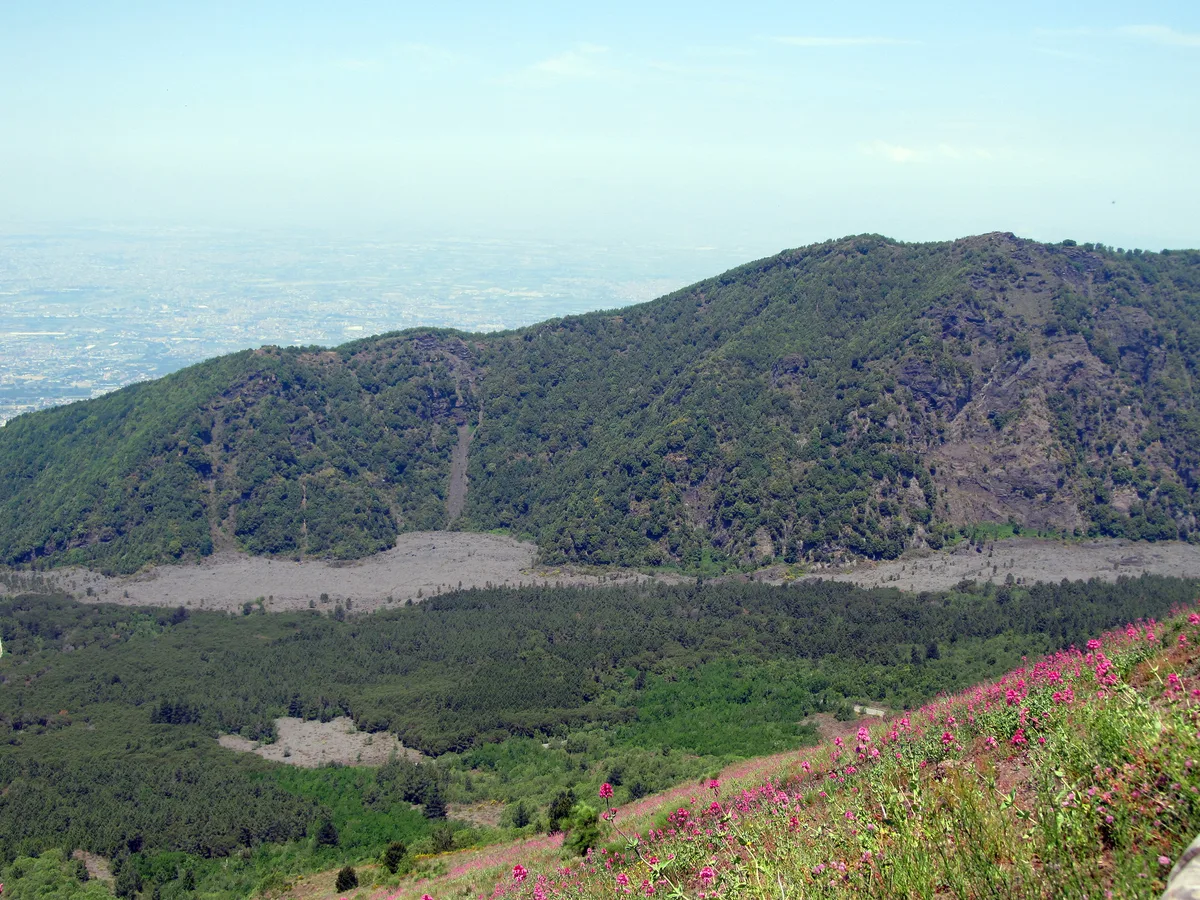
Vesuvius last erupted in March 1944, in the middle of World War II. Lava flows from that eruption reached the villages of San Sebastiano al Vesuvio and Massa di Somma. Allied forces were operating around Naples at the time, so the eruption also damaged nearby Allied airfields. Do not confuse it with the eruption of 79 AD, which is the one people usually mean when they talk about Pompeii. For the wider picture, see our Vesuvius eruption overview.
Timeline of major Vesuvius eruptions
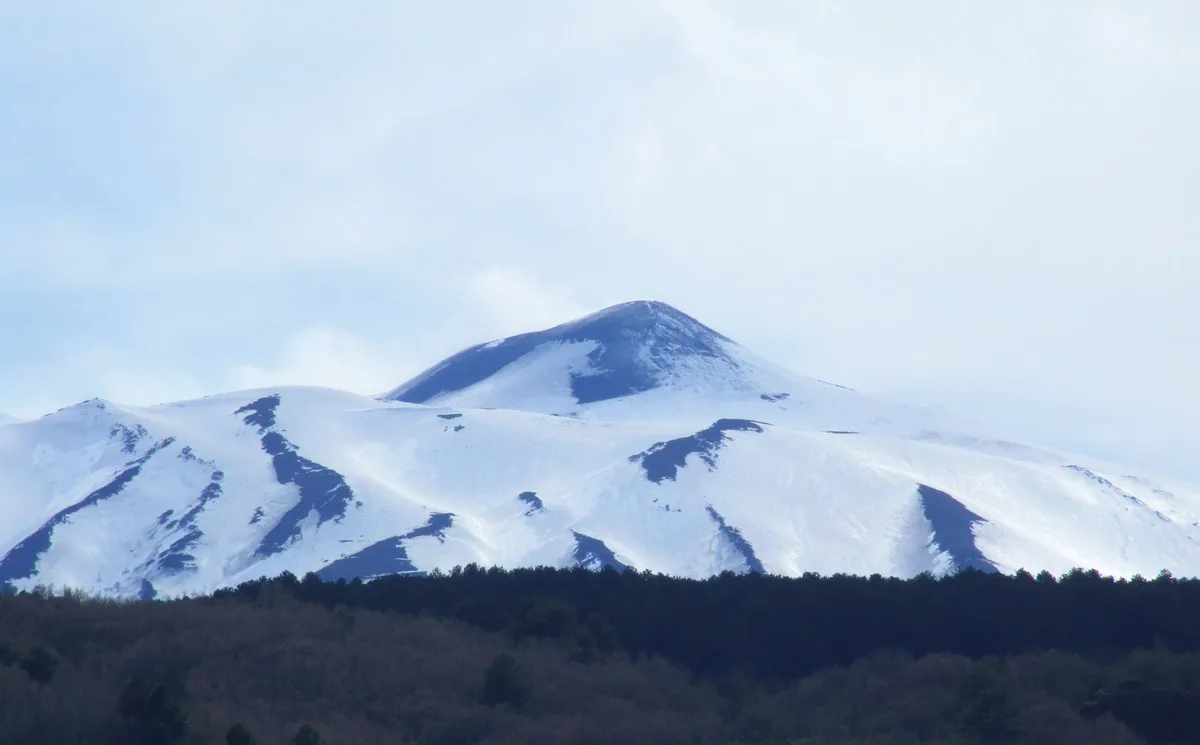
Vesuvius has erupted many times. Dates and scale vary slightly between studies, so treat the table as a guide to the big turning points. Between 1631 and 1944 the volcano erupted repeatedly, with notable events recorded in 1660, 1822, 1872, 1906 and 1929. For a fuller explanation of why it behaves this way, read what type of volcano Vesuvius is.
| Date | Impact | Why it matters |
|---|---|---|
| 79 AD | Pompeii buried in ash and pumice; Herculaneum hit by pyroclastic flows | The most famous eruption, and the reason both towns survive as archaeological sites |
| 1631 | Eruption after a long quiet period | Often treated as the start of Vesuvius's modern eruptive phase |
| 1631 to 1929 | Repeated eruptions, including 1872, 1906 and 1929 | Showed Vesuvius as a frequently active volcano |
| March 1944 | Lava flows into San Sebastiano al Vesuvio and Massa di Somma | The most recent eruption to date |
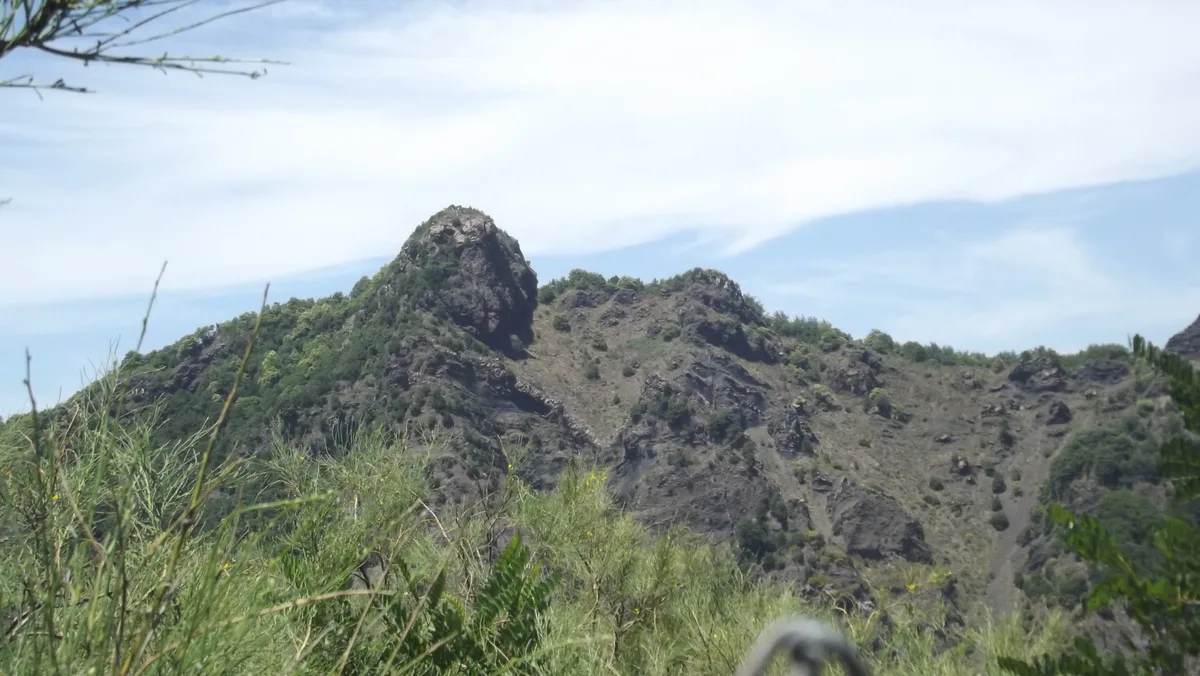
What happened in the March 1944 eruption
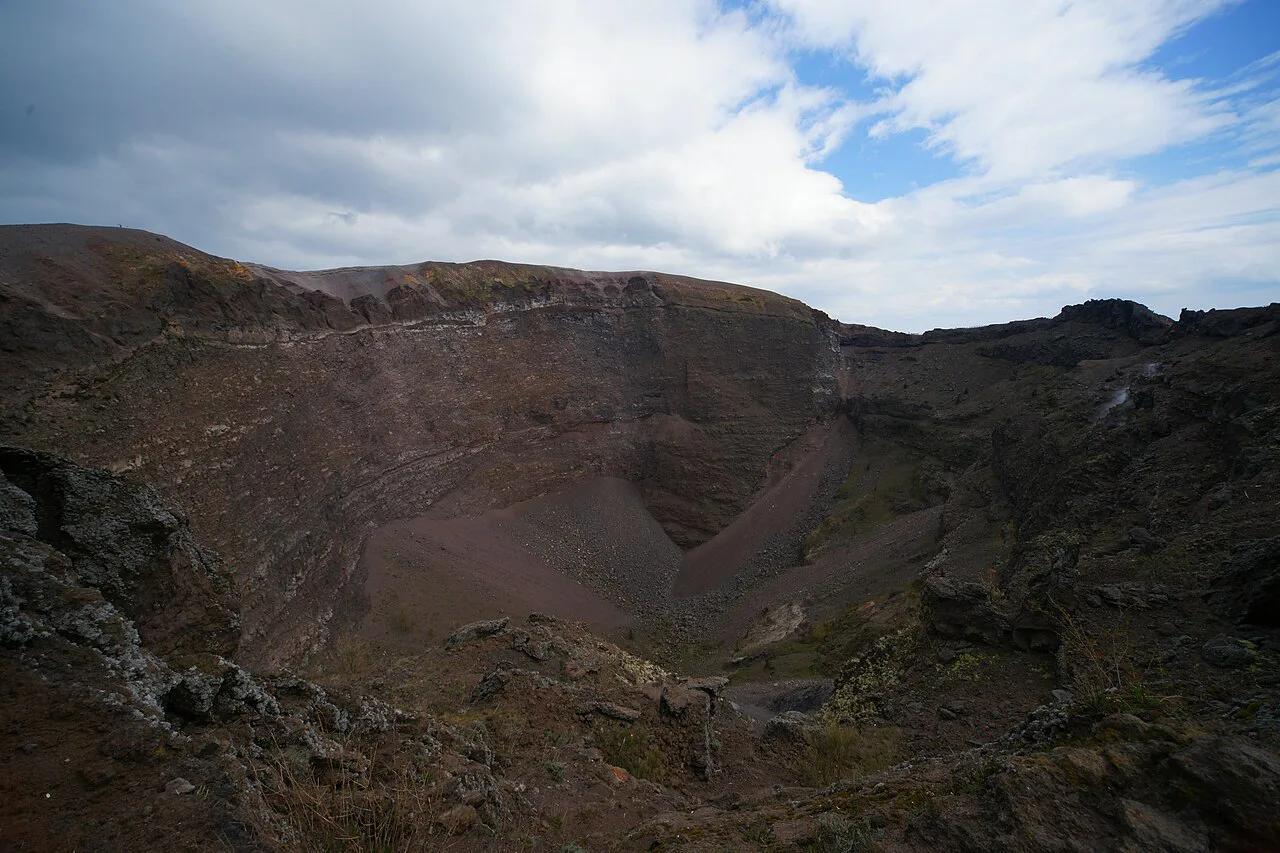
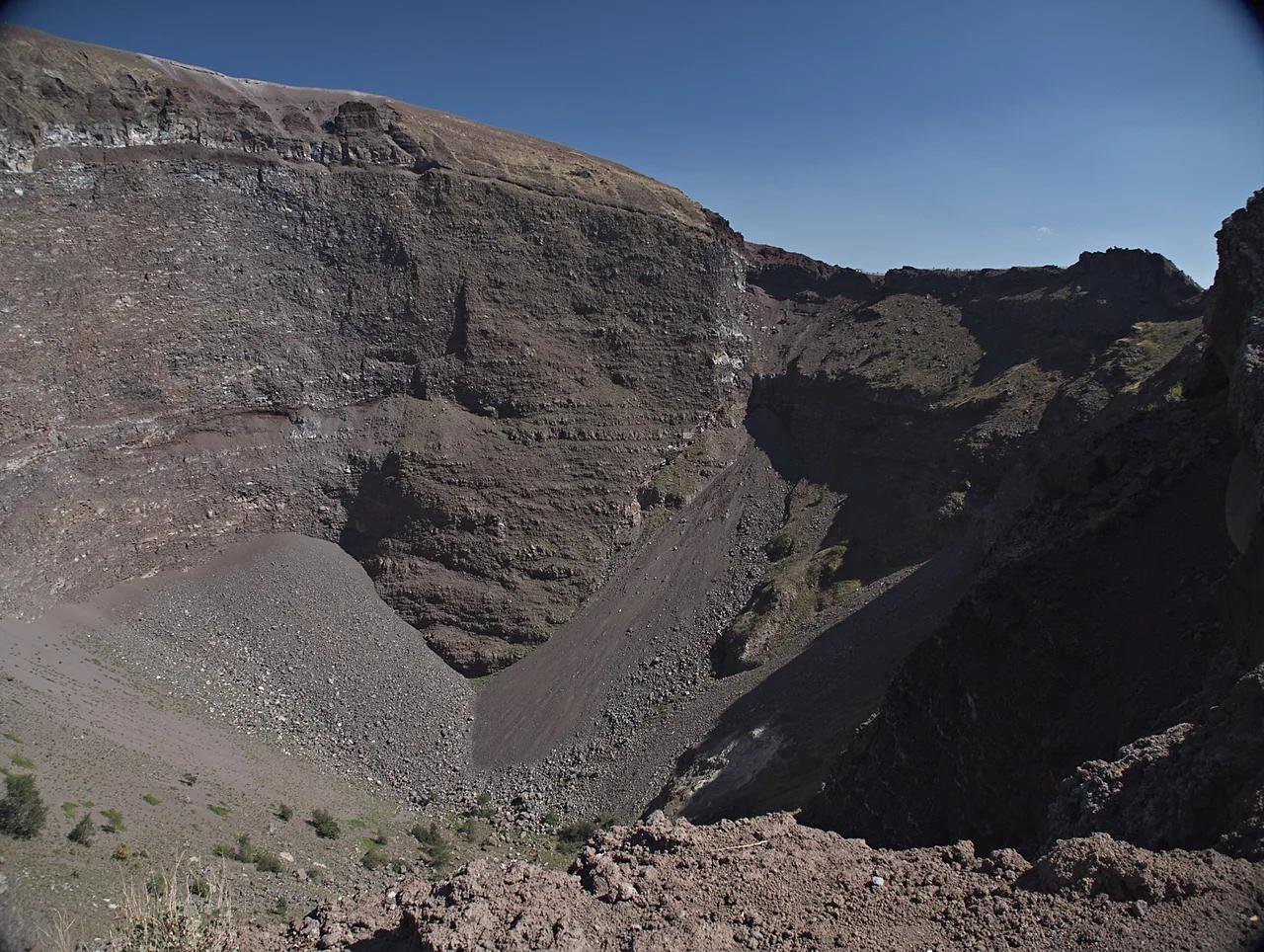
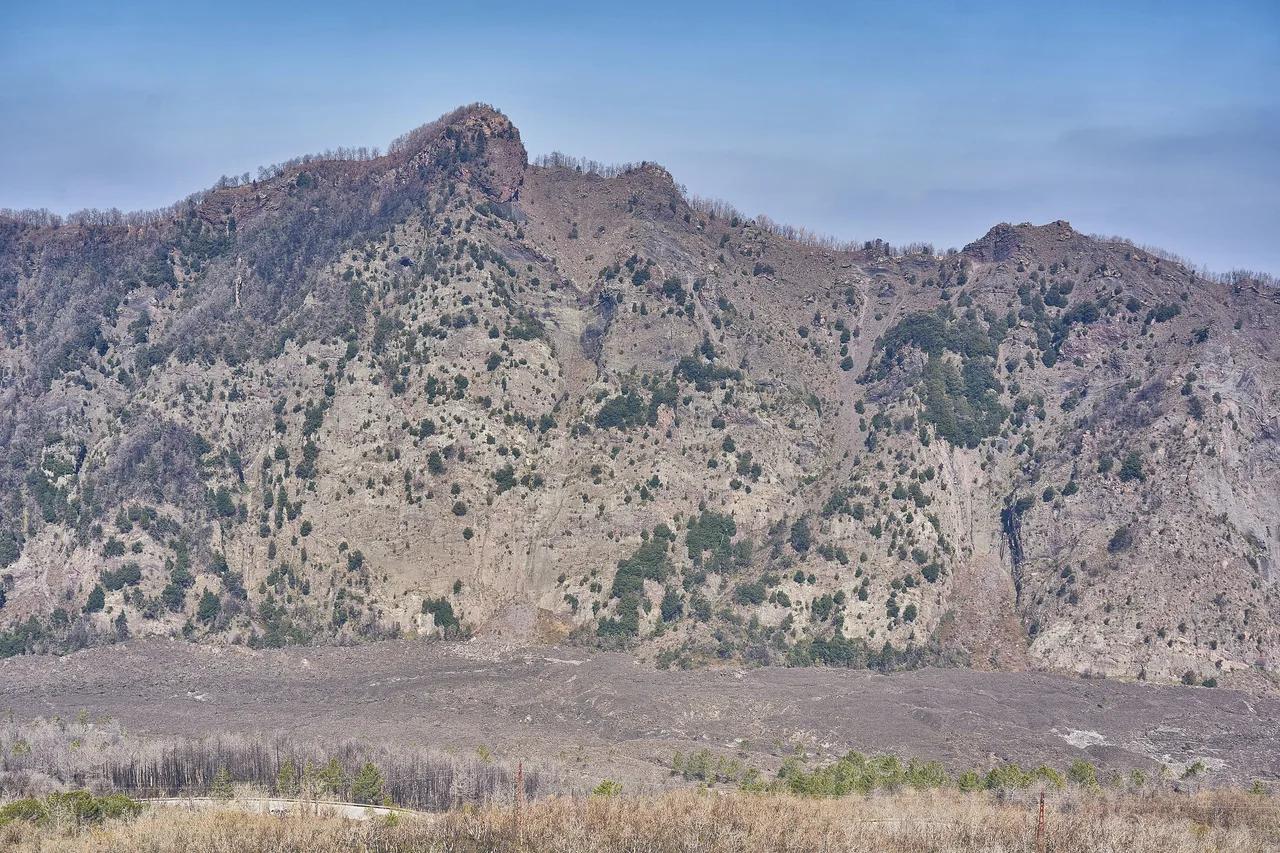
The 1944 eruption sent lava down the slopes toward the villages on the volcano's flanks. San Sebastiano al Vesuvio and Massa di Somma were the places reached by the flows. Wartime conditions shaped the story, because Allied forces were stationed in the Naples area and nearby airfields were damaged. Today the eruption is a local memory more than a visitor attraction. Walking the summit path is the closest most travelers get to the volcano's recent history, and our crater guide explains what you see at the rim.
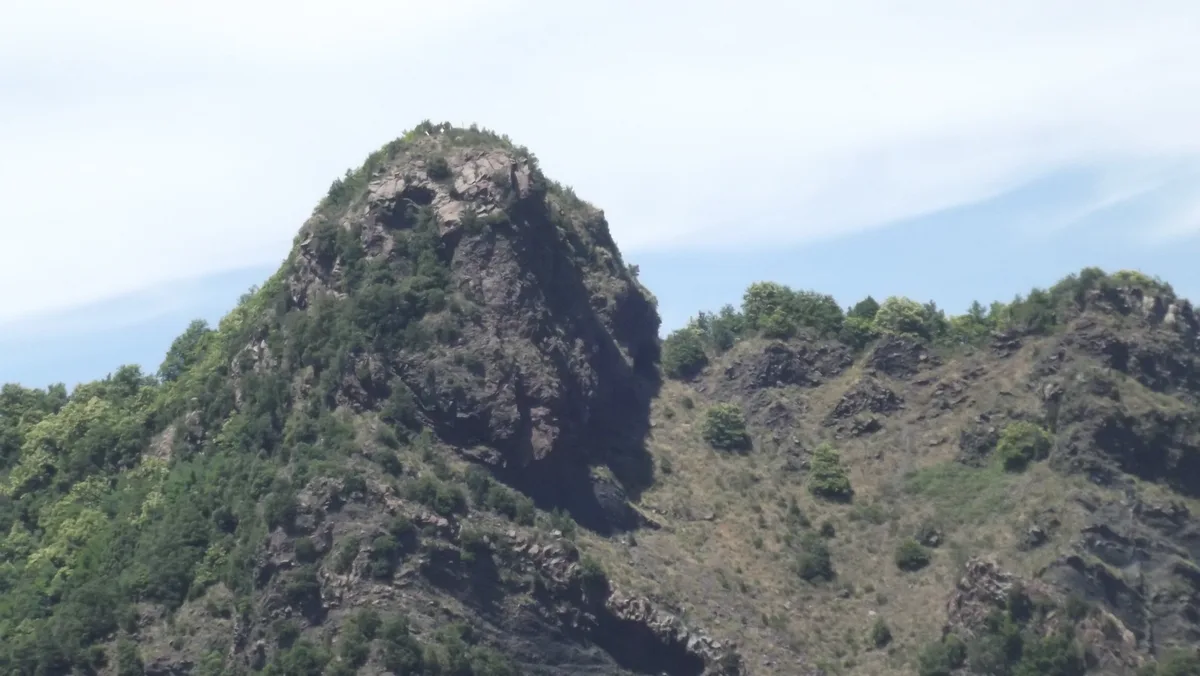
- Date: March 1944, during World War II.
- Villages reached by lava: San Sebastiano al Vesuvio and Massa di Somma.
- Wider damage: nearby Allied airfields.
- Status since: no eruption recorded after 1944.
How the 79 AD eruption differed

The 79 AD eruption was a different kind of event. Ash and pumice fell on Pompeii to a depth of roughly 4 to 6 meters, about 13 to 20 feet, and buried the town. Herculaneum was overwhelmed by pyroclastic flows, which are fast-moving currents of hot gas and volcanic material. The eruption column is usually put at about 33 km, around 21 miles, though figures vary by study. Sources traditionally give August as the month, but the exact date is debated. Pliny the Younger described it in letters to Tacitus. Go deeper with our 79 AD eruption guide. Casualty estimates are contested, so we cover them separately in How Many People Died in Pompeii? The Numbers Explained. Villa remains at Oplontis belong to the same story.
Ash and pumice reached about 13 to 20 feet at Pompeii, a far larger scale than the 1944 lava that reached two villages.
Is Vesuvius still active, and what is the risk today?
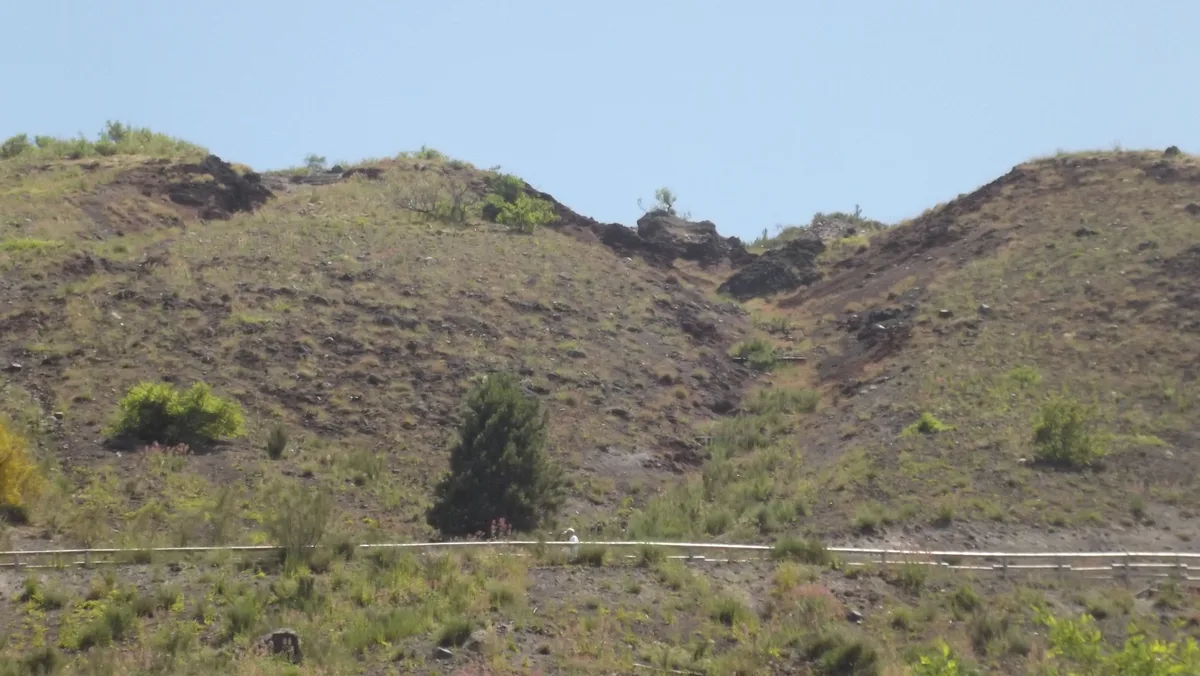
Vesuvius is classed as an active volcano and is closely monitored. The INGV Osservatorio Vesuviano tracks it and is the place to check the current alert level. Several million people live in the surrounding danger zone, so authorities maintain an evacuation plan. The Protezione Civile page on Vesuvio explains the planning and zones. Nobody can predict the date of the next eruption. Our guide to whether Vesuvius is still active covers the monitoring in more detail. The red zone is the area planners treat as most exposed.
Repeated eruptions from 1631 to 1929 explain why Vesuvius is still watched closely, even though nothing has been recorded since March 1944.
Can you visit the Vesuvius crater today?
Yes, in normal conditions you can walk to the crater rim inside the national park. Access, opening days, ticket prices and closures change, so use the Parco Nazionale del Vesuvio site for current details. Weather can shut the summit path, which is why a forecast check matters. Our tickets guide covers booking. The hike guide describes the walk. Seasonal planning is in Best Time to Visit Vesuvius: Month, Season & Time of Day. Check Vesuvius Weather: Summit Conditions, Seasons & Go/No-Go Guide before you set out.
- Mistake: treating 79 AD as the last eruption. The last one was in 1944.
- Mistake: assuming the crater is always open. Weather or activity can close it.
- Mistake: skipping the weather and closure check on the day.
- Mistake: underestimating the travel time between Vesuvius and Pompeii.
How to combine Vesuvius with Pompeii and Herculaneum
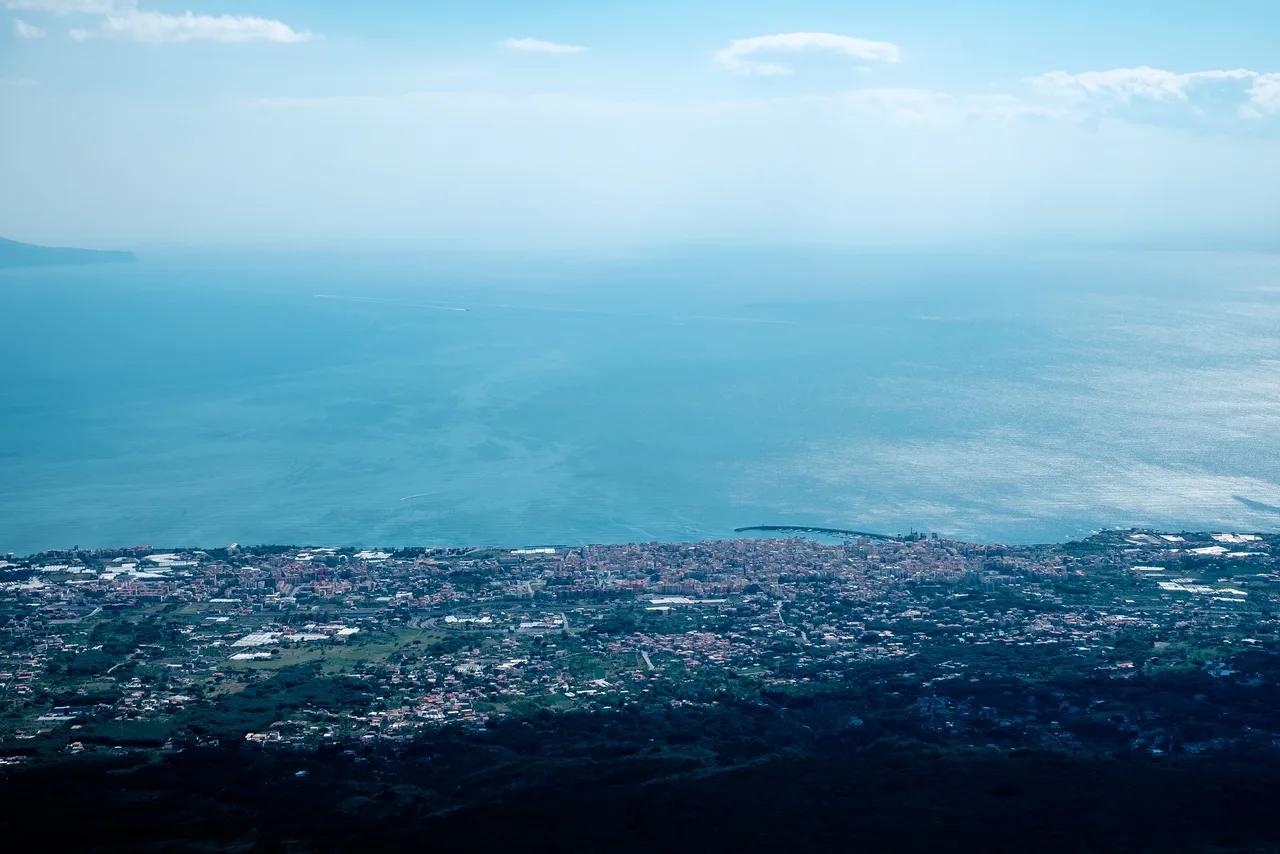
Vesuvius, Pompeii and Herculaneum all sit around the Bay of Naples, and many travelers pair them. A volcano morning plus an archaeological afternoon makes a full day. Opening hours and prices for the ruins are on the Pompeii Archaeological Park site. The Circumvesuviana rail operator publishes its timetable at EAV Circumvesuviana. Our Pompeii and Vesuvius tour guide compares combined options. Choose a base using the table below.
| Plan | Time needed | Best for |
|---|---|---|
| Vesuvius only | Half day | Travelers focused on the volcano and the 1944 story |
| Vesuvius plus Pompeii | Full day | Visitors who want both eruptions in one trip |
| Vesuvius plus Herculaneum or Oplontis | Full day | Travelers who prefer smaller ruins |
Getting to Vesuvius from nearby bases
Routes depend on where you stay. Start with Vesuvius from Naples: How to Get There, Costs & Timing, then compare Vesuvius from Pompeii: How to Get There and Is It Worth It. Staying on the coast? Read Vesuvius from Sorrento: Train, Tour or Driver?. Day-trippers can use Vesuvius from Rome: Day Trip Options and Timing. If you prefer a guide, browse Vesuvius Tours: Which Type to Book, DIY Costs and Timing. Driving? See Vesuvius Parking: Where to Park, Cost and the Walk to the Crater.
Pair this with our broader tourism attractions guide for the full city overview.
Frequently Asked Questions
What year will Mount Vesuvius erupt again?
Nobody can say. Vesuvius last erupted in 1944, and scientists do not predict dates. Follow the Osservatorio Vesuviano for current monitoring.
Would Naples be destroyed if Vesuvius erupted?
Several million people live in the danger zone around the volcano, so authorities keep an evacuation plan. Outcomes would depend on the eruption's size and wind. See our red zone guide for the planning zones.
Did anyone survive Pompeii after the eruption?
Many residents are thought to have fled before the worst phases, though estimates vary. Read our guide to Pompeii's death toll for the debate.