Highest Volcano in Europe: Etna vs Other Contenders
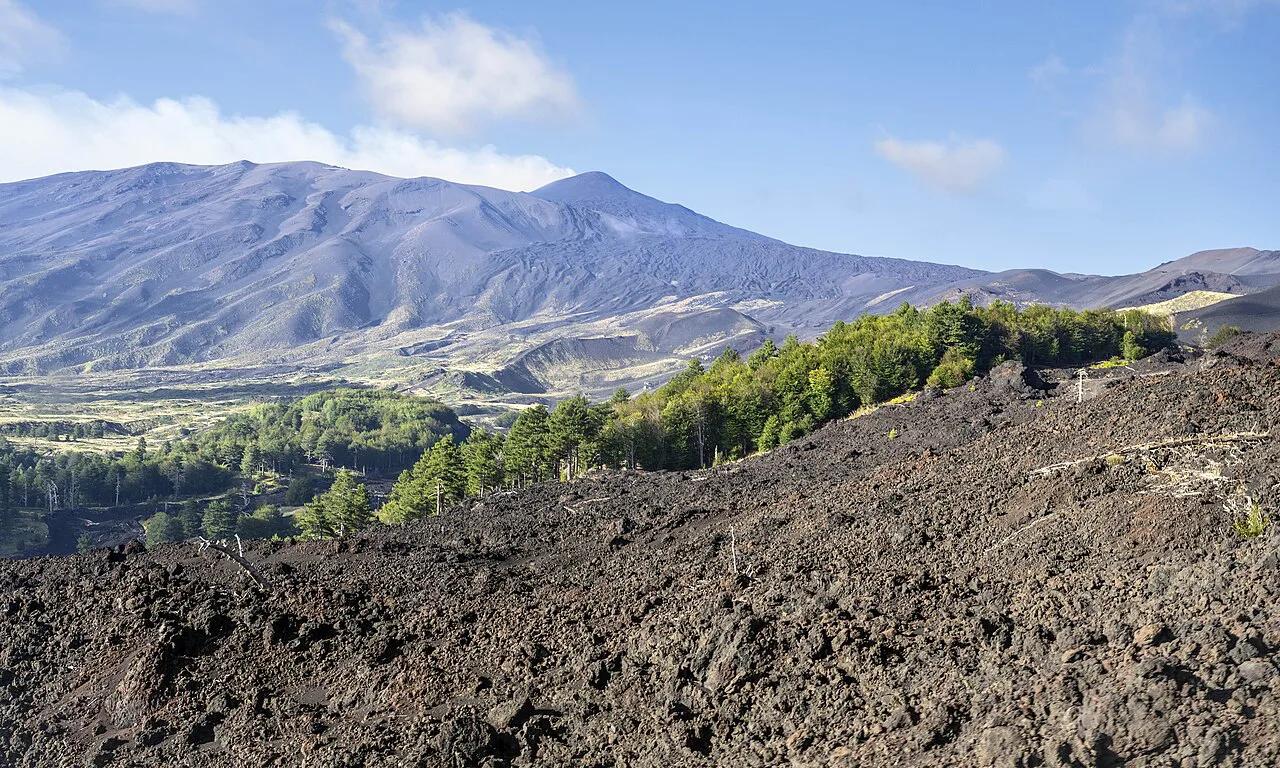
Last updated November 2026. The highest volcano in Europe is Mount Elbrus if you place the continent's border along the Caucasus ridge, and Mount Etna if you count only the active volcanoes of the European mainland and islands. Elbrus is a dormant stratovolcano on the Russia-Georgia border. Etna is the tallest active volcano in Europe, and it is the one most travelers can actually visit.
Featured image: Ingo Mehling, CC BY-SA 4.0, via Wikimedia Commons.
The short answer: which volcano is highest in Europe?
Two answers are correct, because the question mixes two definitions. One asks for the highest volcano of any status, and the other asks for the highest active one. Pick the definition first, then read the matching row below. Summit elevations shift with eruptions and survey methods, so take current figures from the monitoring bodies named in this guide.
| Definition | Volcano | Location | Status |
|---|---|---|---|
| Highest volcano if the Caucasus counts as Europe | Mount Elbrus | Caucasus, Russia-Georgia border | Dormant stratovolcano |
| Highest active volcano in Europe | Mount Etna | Sicily, Italy | Active, erupts regularly |
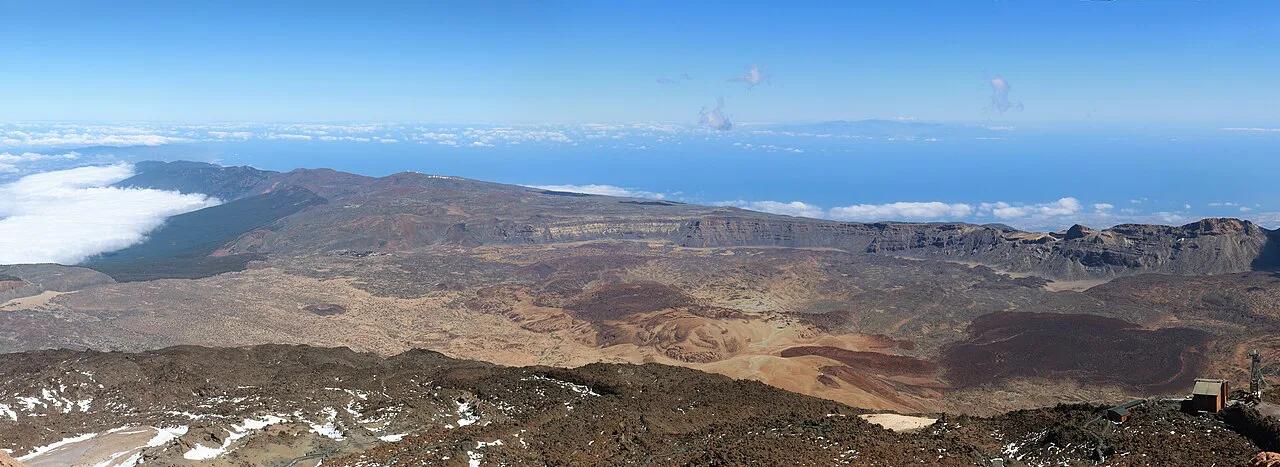
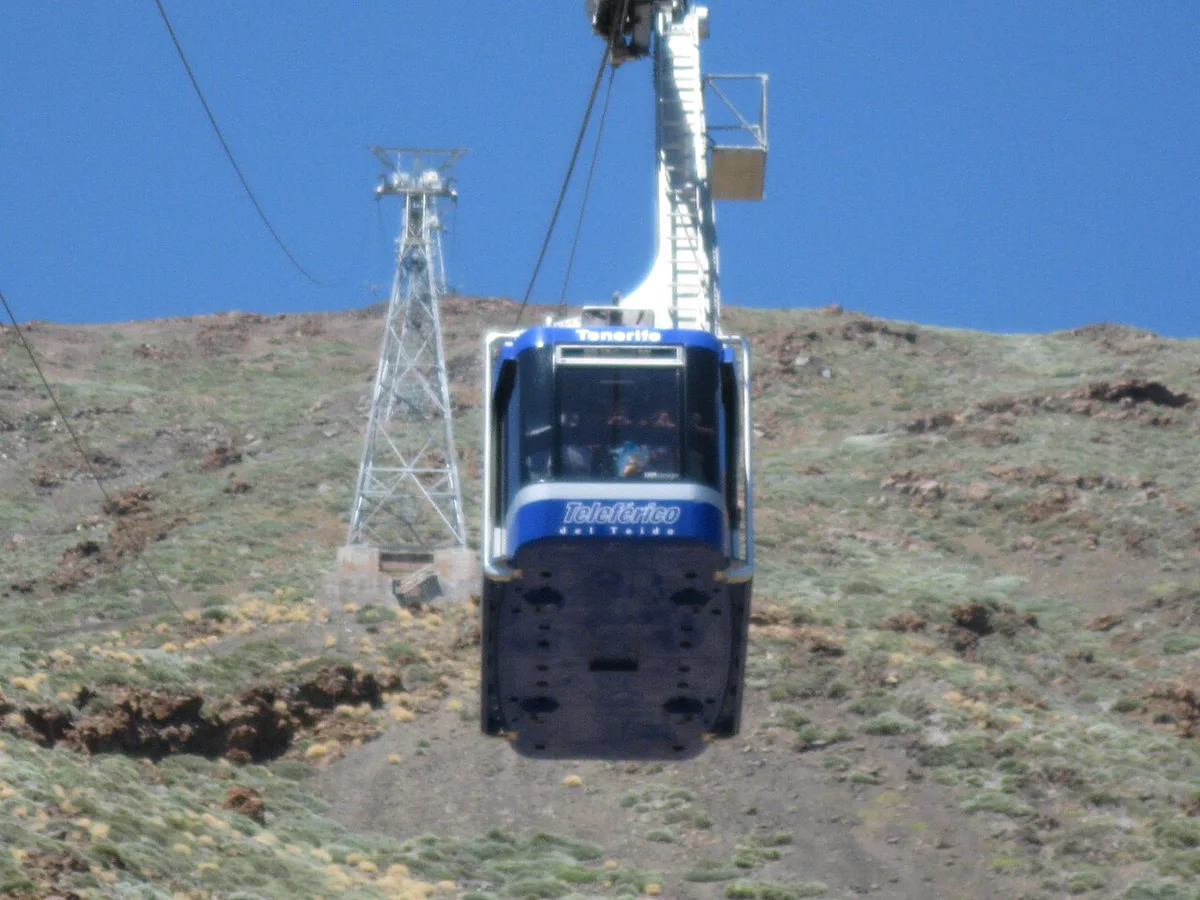
| Highest volcano in Spanish territory | Teide | Tenerife, Canary Islands | Not erupting at present |
Why the answer depends on where Europe ends
Europe has no single legal border with Asia. Many geographers follow the Caucasus watershed, which puts Elbrus on the boundary line. Others use the Kuma-Manych depression, which leaves the whole Caucasus out of Europe. Under that second convention Elbrus does not count, and the title passes to a volcano on the European mainland or its islands. Elbrus also sits on a disputed political frontier, so maps disagree about which side its summit belongs to. For the full list of contenders, see our wider guide to European volcanoes. For locations, use the European volcano map.
Mount Etna: Europe's highest active volcano
Etna rises over Catania, the second-largest city in Sicily. It is the largest of Italy's three active volcanoes, alongside Stromboli and Vesuvius. Etna has erupted regularly for thousands of years, and its crater zone changes shape after each major episode. That is why its summit height is not one fixed number. Live status and current activity bulletins come from the INGV Osservatorio Etneo in Catania. Read recent bulletins before you quote an elevation or plan a summit trip.
Highest vs largest vs most active
Tall, large and active are three separate claims. Height measures the summit above sea level. Size can mean volume or footprint. Activity means how often a volcano erupts. Etna leads Europe on the last two as well as on height among active volcanoes, which is why it is often called Europe's largest active volcano. Elbrus is higher but dormant. Our largest-volcano comparison breaks down the size question. Our list of Europe's active volcanoes covers the activity question.
Summit heights compared: Elbrus, Teide and Etna
The three volcanoes in the table at the top are not close in height. Elbrus is far taller than the other two, which is why the Caucasus border decision matters so much for the headline answer.
| Volcano | Approx. summit height | Status | Practical note |
|---|---|---|---|
| Mount Elbrus | About 5,642 m (west summit) | Dormant | A glaciated high-altitude climb, not a walk |
| Teide, Tenerife | About 3,715 m | Not erupting at present | The highest point in Spanish territory |
| Mount Etna, Sicily | Roughly 3,300 m, varies | Active | The summit height changes after eruptions |
Etna is roughly 2,300 m lower than Elbrus, so "highest active" and "highest overall" are very different claims. Only Etna's figure shifts noticeably, because its summit craters are rebuilt by eruptions. Elbrus and Teide change little from year to year.
Getting near Elbrus. Elbrus is on the Russia-Georgia frontier, so access depends on border rules and on your government's current travel advice. Check that advice before you plan any climb. The ascent needs glacier and altitude experience, and most climbers go with a licensed guide.
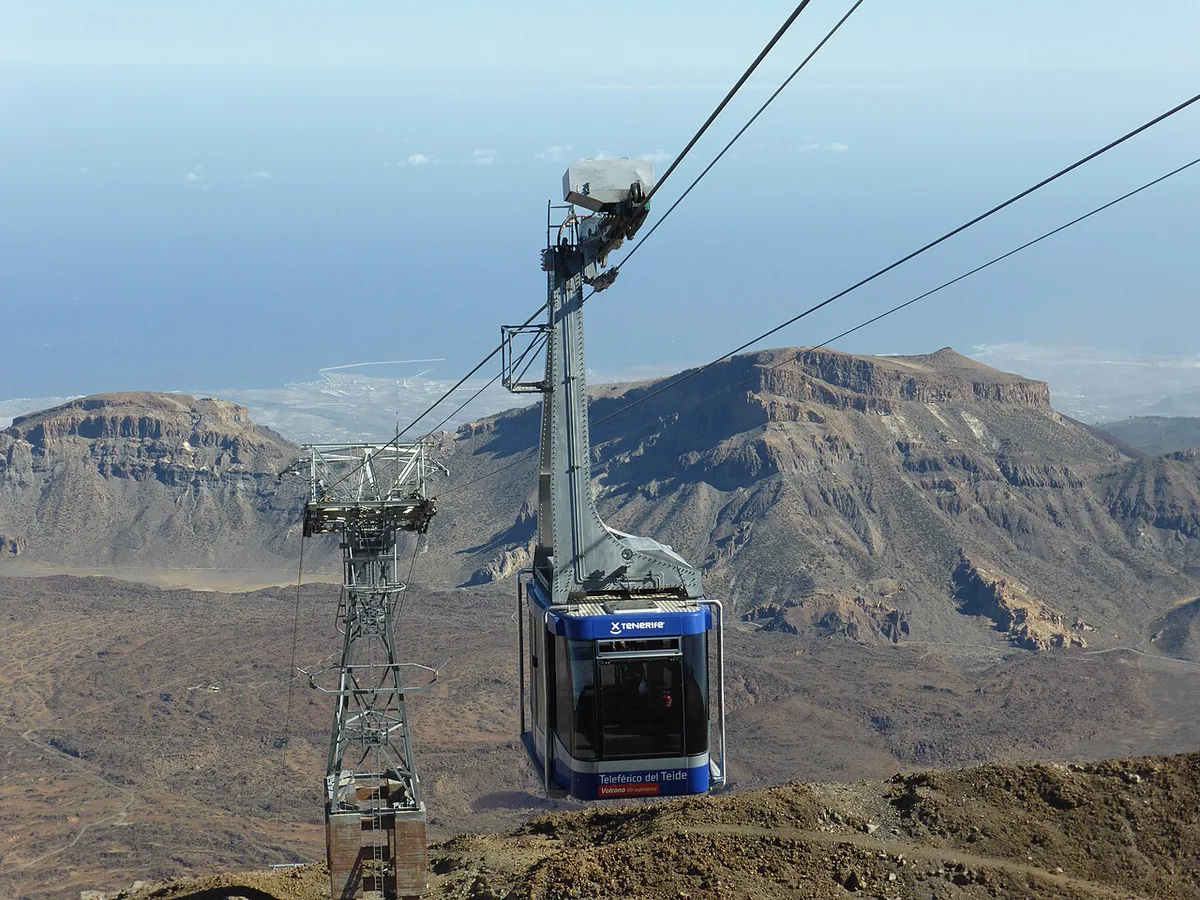
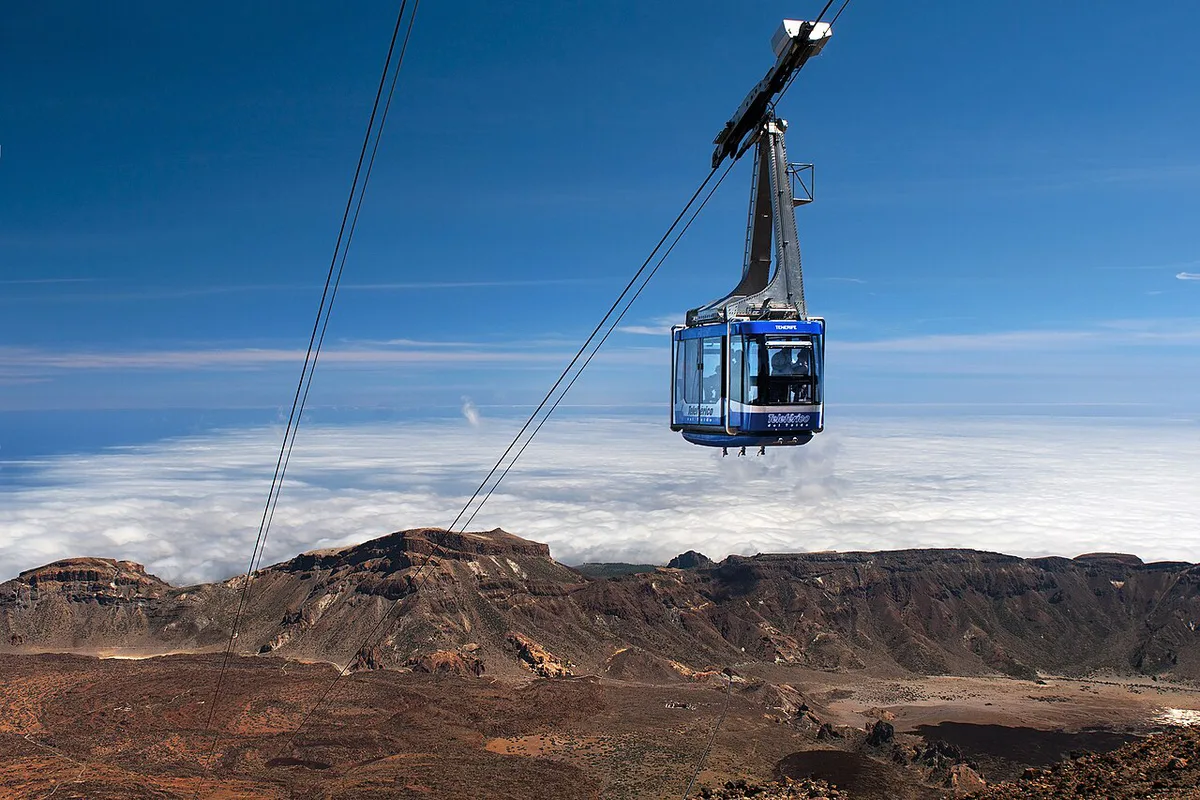
Teide is the easiest of the three to visit and the best fallback if you want a high volcano without a technical climb. Our Canary Islands volcano map shows where it sits among the other island cones.
Can you visit? Access, guides and what to expect
Etna draws hikers who want to see eruptive activity, and Catania is the usual starting point. Access depends on the current alert level. Authorities can close the summit zone at short notice, and the permitted area can differ from week to week. Prices, schedules and guide requirements for the upper zones are not fixed, so check the park and INGV pages for current rules. Plan around the three visit styles below.
| Visit style | Who it suits | Advance booking | Main constraint |
|---|---|---|---|
| Self-guided lower-crater walk | Independent hikers, families | Usually not needed | Stays below the restricted summit zone |
| Guided summit-zone tour | Hikers wanting the highest permitted point | Recommended | Depends on current alert level and weather |
| Viewing only from the lower slopes | Photographers, short stays | Not needed | Limited by cloud and ash plumes |
When to go and how to check conditions
Summer suits hiking, while winter brings snow to the upper slopes and can limit access. Wind and cloud can shut the higher routes in any season. Before you leave, read the latest INGV Etna bulletin and any local civil protection notices. Our Volcano Safety Tips for Travelers in Europe explain how to read alert levels. If you are flying in, check volcanic ash flight disruption, because Catania airport can pause operations during ash fall.
Etna vs Stromboli vs Vesuvius
Choose Etna for the biggest mountain and the widest range of hikes. Choose Stromboli, a small island volcano, for frequent explosions seen from a distance. Choose Vesuvius for a short trip from Naples and a crater rim walk. Vesuvius is the smallest of the three. For photo planning, see our volcano photography tips. For other trips, our volcano tourism guide compares destinations across the continent.
Common mistakes to avoid
Most problems come from assumptions made before arrival.
- Assuming the summit is always reachable. Closures follow the alert level, not the calendar.
- Wearing trainers. Lava rock and cinder slopes need sturdy hiking boots.
- Ignoring wind and ash alerts posted by INGV.
- Booking flights without checking ash disruption.
- Quoting one summit elevation as permanent. Eruptions change it.
Other volcanoes in Europe worth knowing
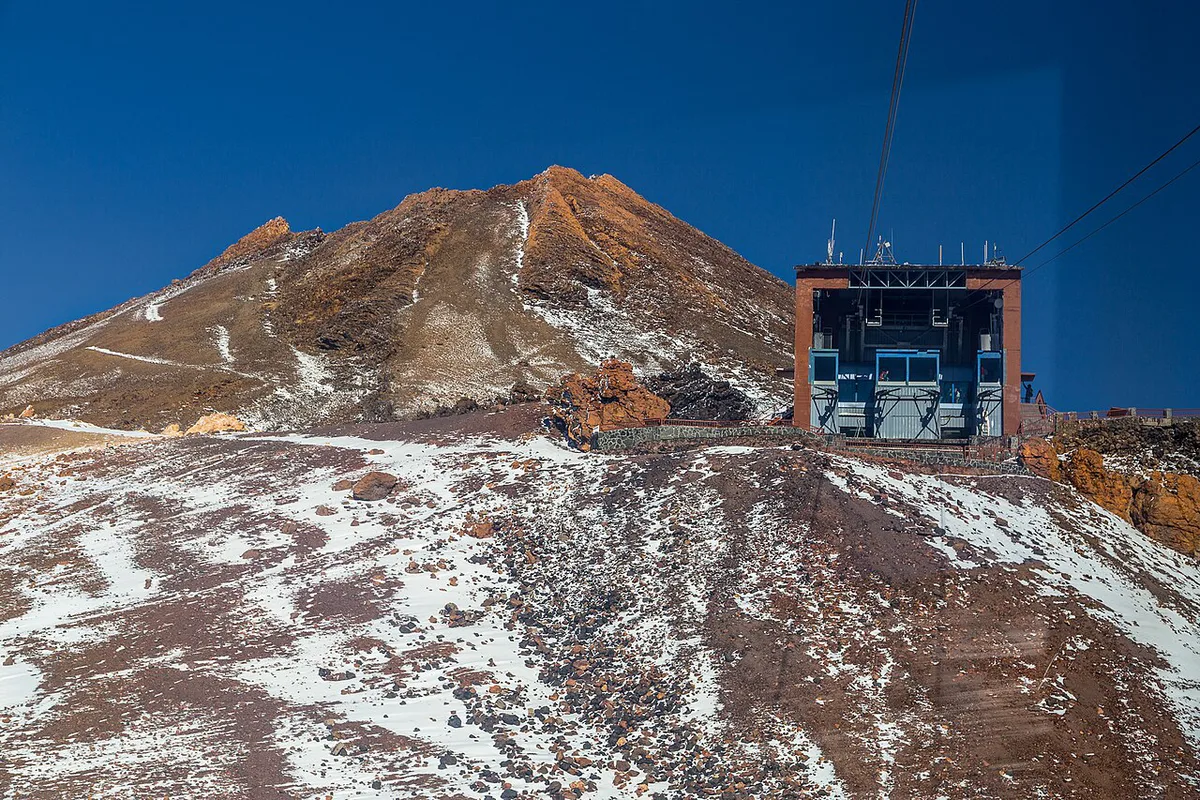
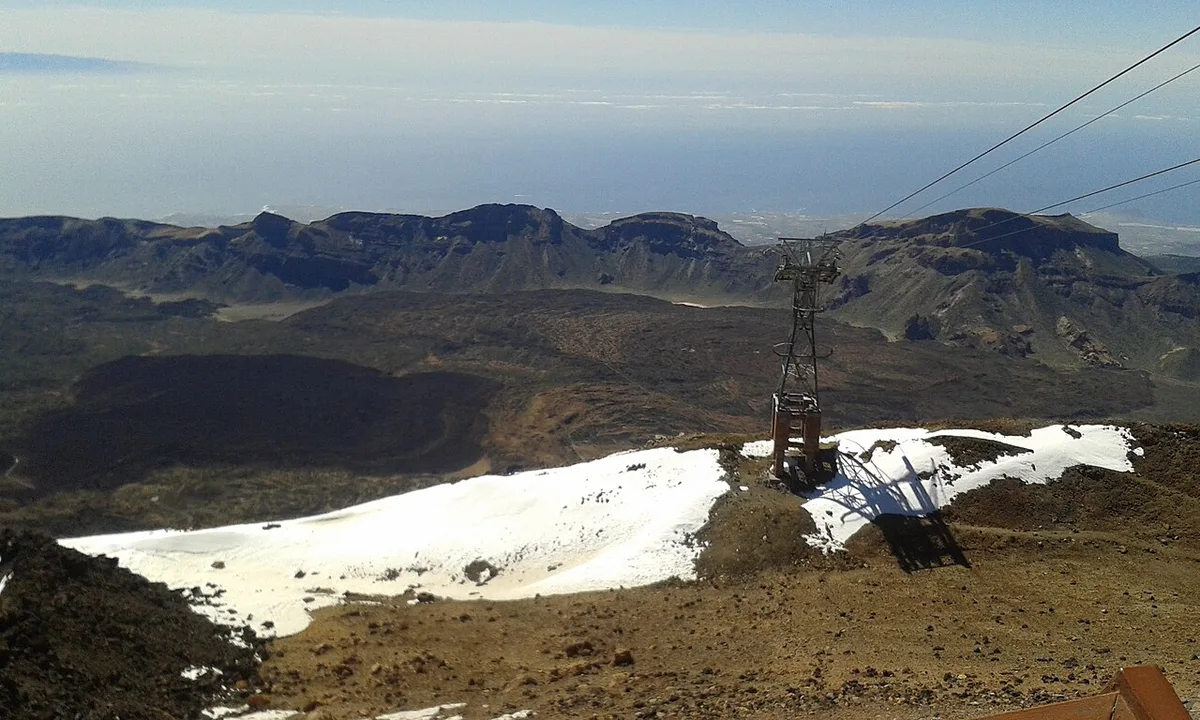
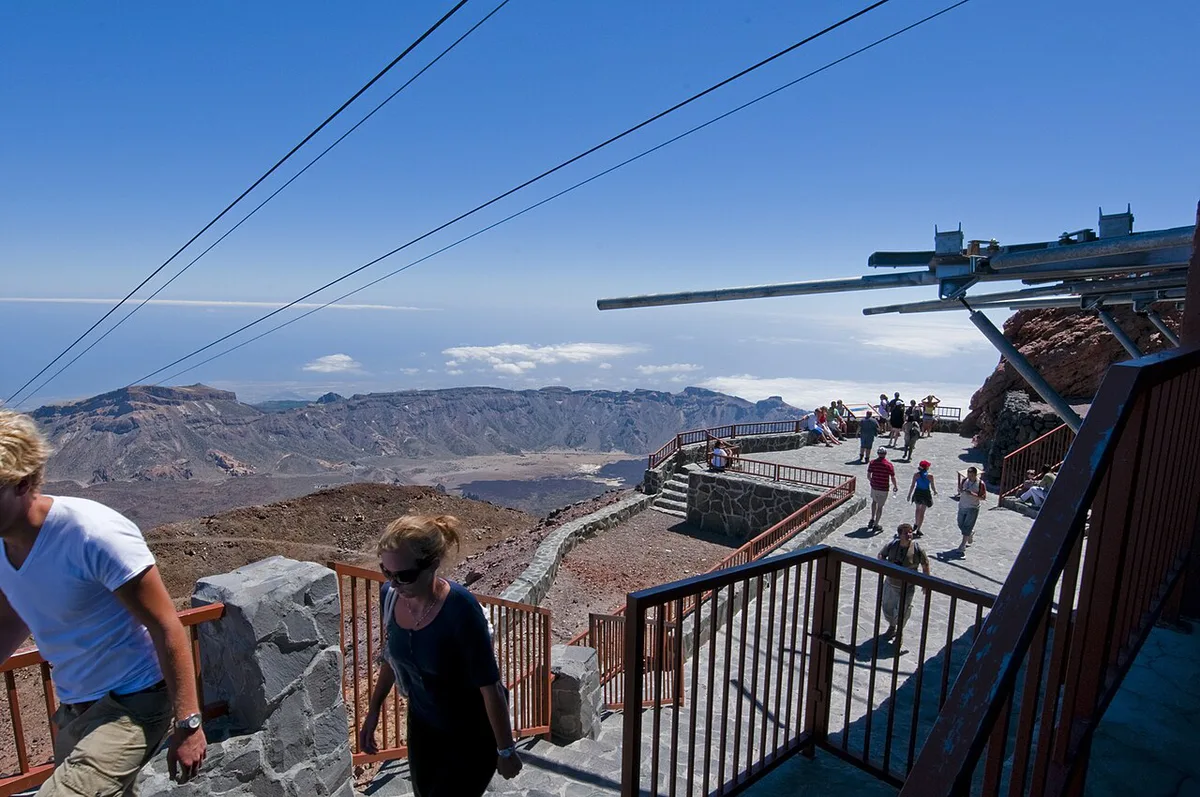
Teide on Tenerife is the highest peak in Spanish territory, and the Teide National Park page describes its protected area. Whether the Canary Islands count as Europe depends on whether you mean political or geographic Europe. Past eruptions on the continent are covered in our history of European eruptions.
Frequently Asked Questions
What is Europe's largest active volcano?
Mount Etna in Sicily is generally named Europe's largest active volcano. It towers over Catania and erupts regularly. Check the INGV Osservatorio Etneo for its current activity.
Which is bigger, Vesuvius or Etna?
Etna is bigger. It is the largest of Italy's three active volcanoes, which also include Vesuvius near Naples and Stromboli. Vesuvius is easier to reach from Naples, but Etna is larger and more active.