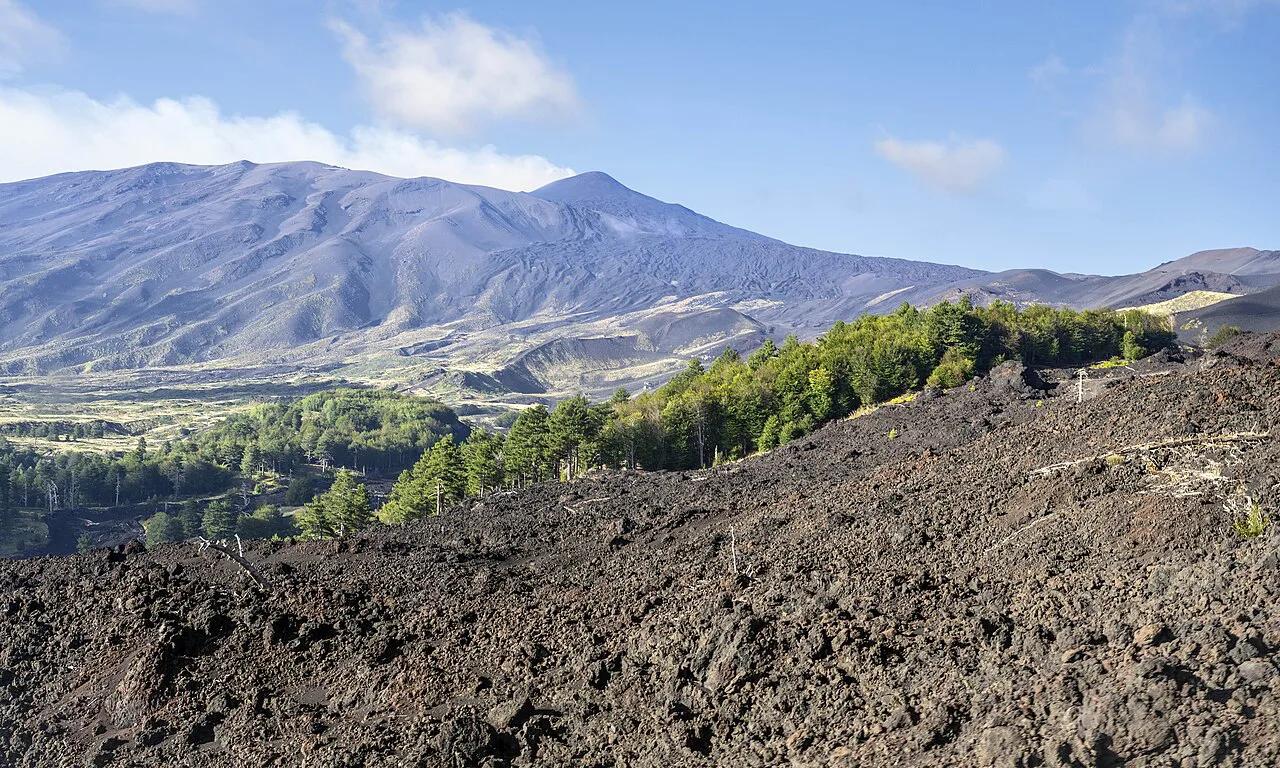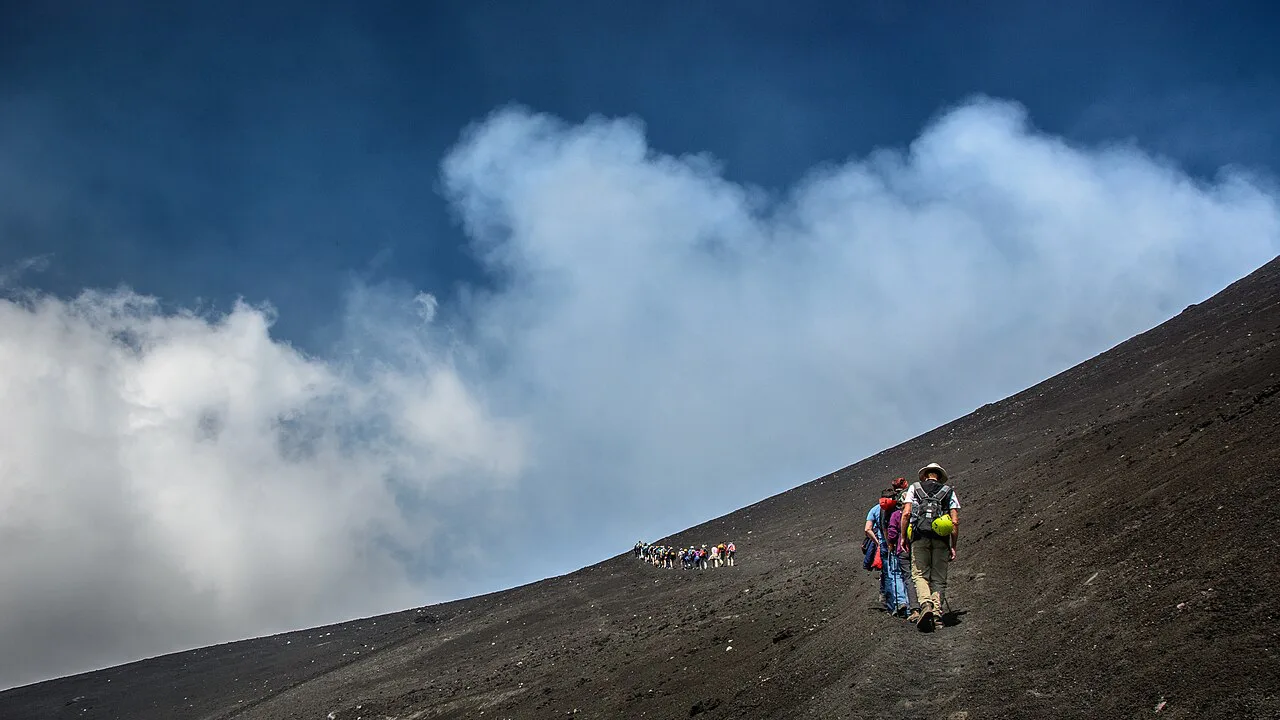
Last updated November 2026: these volcano safety tips for Europe come down to a few habits. Check the official alert level before you leave, stay on marked routes, and skip the crater when gas or wind turns against you. Local authorities always outrank a general guide, because conditions change from day to day.
Featured image: kuhnmi, CC BY 2.0, via Wikimedia Commons.
Quick answer: the most important volcano safety tips
Five rules cover most visits to Europe's volcanoes. Each one is expanded in the sections below.
- Read the official alert level and closure notice on the day you travel, not the week before.
- Stay on marked paths and outside posted exclusion zones, even when others ignore them.
- Turn back if you smell sulfur, feel dizzy, or find the wind blowing gas toward you.
- Book a guide for summit areas where access rules apply.
- Keep buffer days and a flexible booking at the end of the trip, since ash can ground flights.
Know the hazards you may meet in Europe
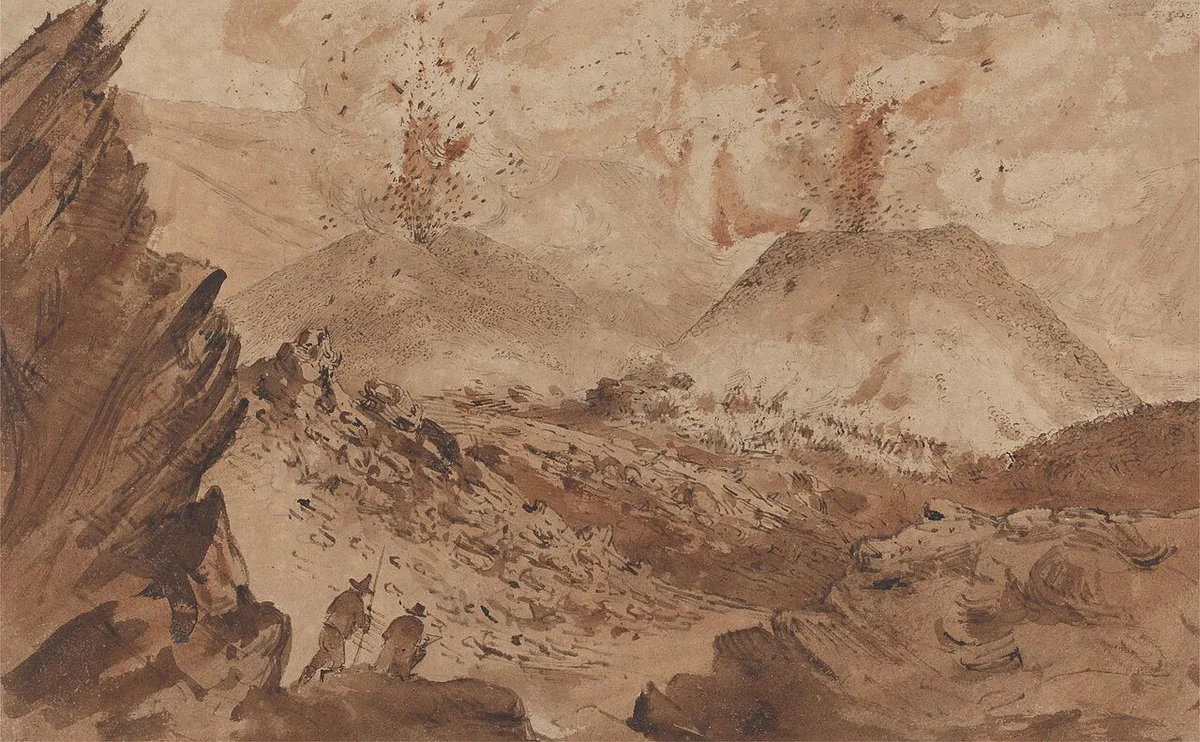
Not every hazard applies at every site. Ashfall and gas are the ones most visitors meet, while lava flows and explosive fragments mainly matter near an erupting vent. For orientation on which sites are active, see Europe's currently active volcanoes. Dormant and extinct sites such as Ciomadul's crater lakes and Badacsony's basalt hill carry no eruption alert. Steep rims, slippery paths and local gas warnings still apply there.
| Hazard | Where it matters | What to do |
|---|---|---|
| Ashfall | Downwind of an erupting vent, and at airports | Stay indoors, protect eyes and lungs, avoid driving |
| Volcanic gas (CO2, SO2) | Near craters, fumaroles and low-lying hollows | Leave if you smell sulfur or feel dizzy; do not rely on a dust mask |
| Ballistic fragments | Close to an active vent during explosive activity | Respect exclusion zones; never approach for a closer view |
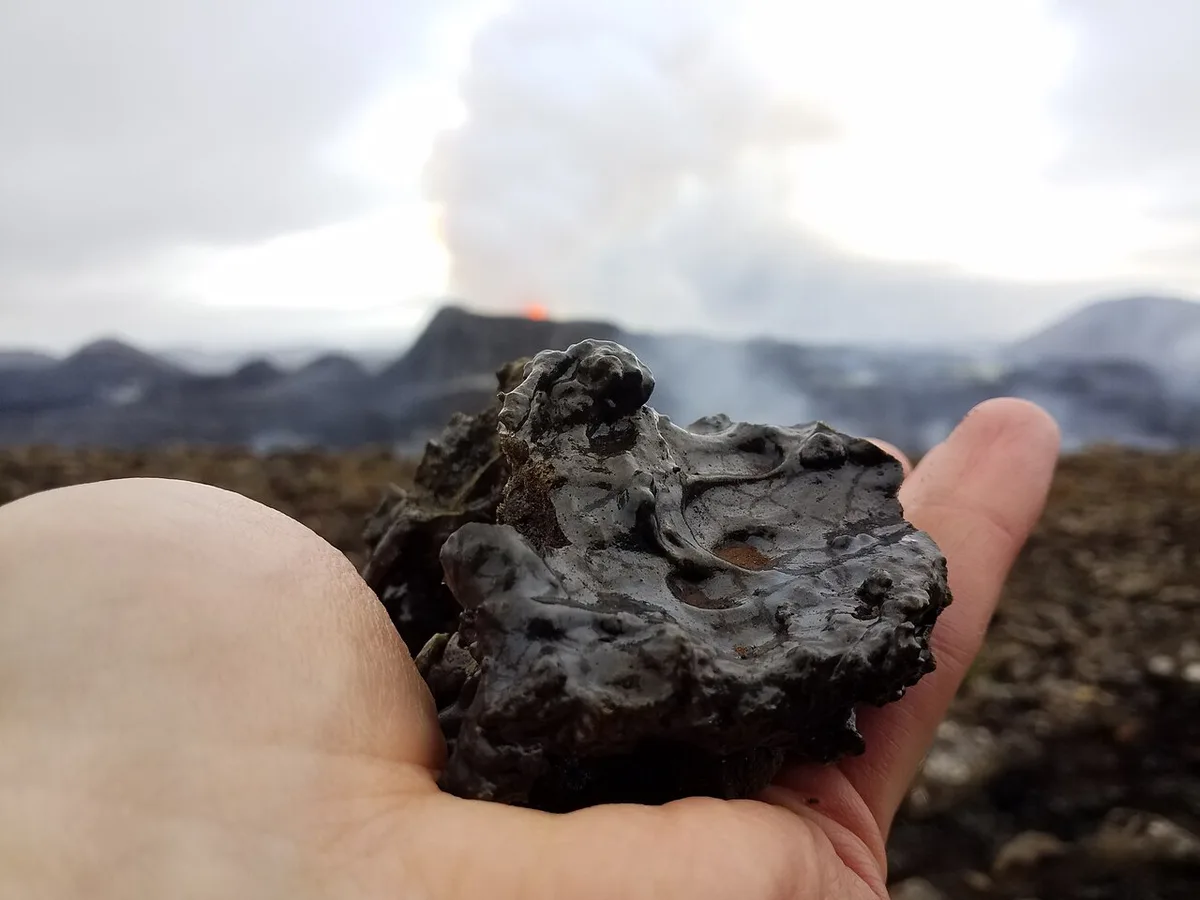
| Lava flows | Effusive eruptions, such as those in Iceland | Follow road and path closures; flows can cut access routes |
| Hot ground and fumaroles | Summit and crater areas | Stay on marked paths; do not step onto discolored or steaming ground |
| Steam or phreatic blasts | Crater lakes and hydrothermal areas | Obey closures; these can happen with little warning |
Before you go: check status, plan and pack
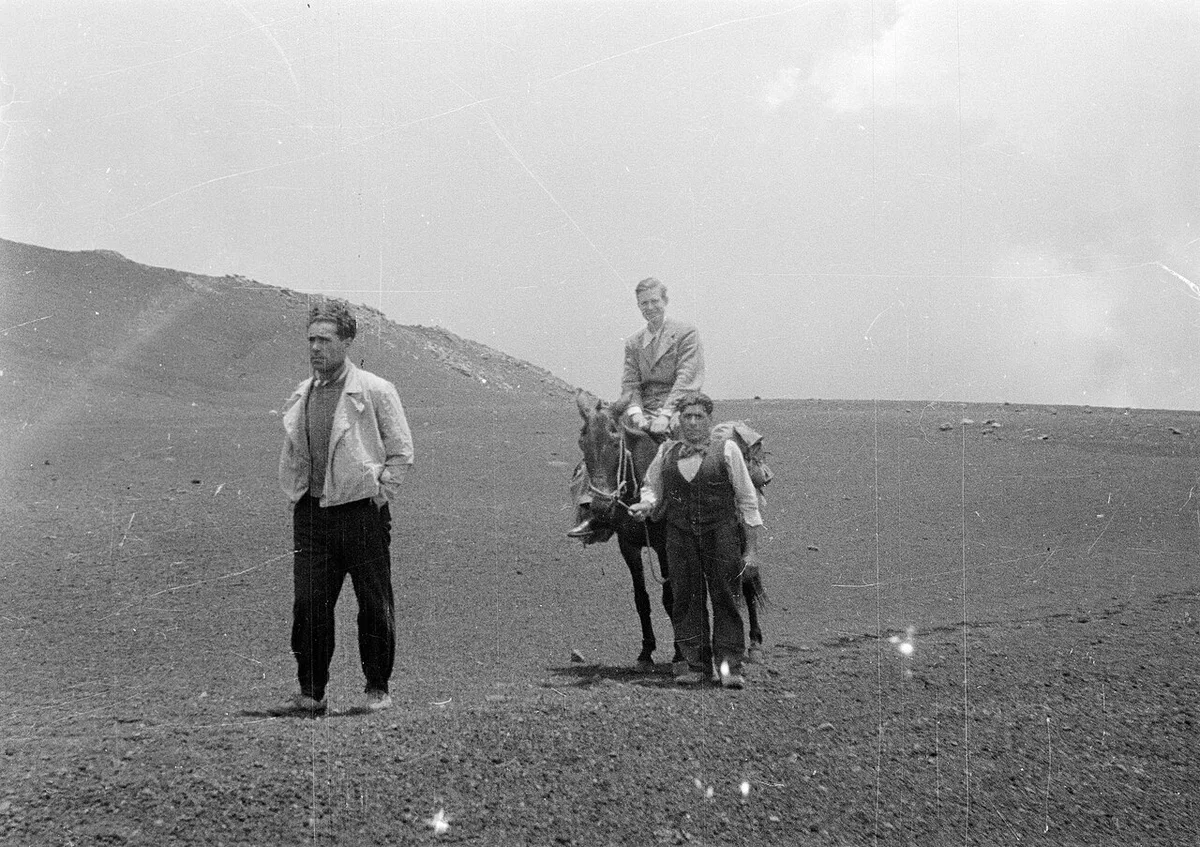
Alert-level names and colors differ by country, so read the scheme used by the local observatory. For Sicily, the INGV Osservatorio Etneo is the monitoring body for Etna. Near Naples, Vesuvius National Park publishes visitor information for its paths. In Iceland, the Icelandic Met Office reports on volcanic activity. SafeTravel Iceland carries travel alerts and closures. For the Azores, CIVISA handles seismovolcanic surveillance. On Tenerife, the Teide cable car site shows operating status for the summit lift. Europe's emergency number is 112. Save it in your phone before you hike.
- Dust mask or FFP2/N95 respirator, plus sealed goggles for ash.
- Water, snacks, and any medicine you take daily.
- Sturdy boots, long sleeves, a windproof layer, and a headlamp.
- Phone with offline maps and a charged power bank.
- Travel insurance that explicitly covers volcano-related disruption.
- Flexible or refundable bookings for flights and hotels.

On the volcano: crater walks, guided vs independent
Access to summit areas is set by local authorities and can change within hours. On Etna, summit-zone access and guide rules depend on the current activity level. At Vesuvius, park rules limit where you may walk. A licensed guide reads the day's conditions and knows the closures, which is the main reason to book one. For planning options, see guided volcano visits. Use this checklist on the morning of your walk.
- Go: the alert level is normal, paths are open, wind is blowing gas away from the route, and you feel fit.
- Postpone: the alert level has risen, visibility is poor, or wind is carrying gas along your route.
- Skip the crater: access is closed, you smell sulfur, you have breathing trouble, or the guide advises against it.
If ashfall or an eruption happens while you are there
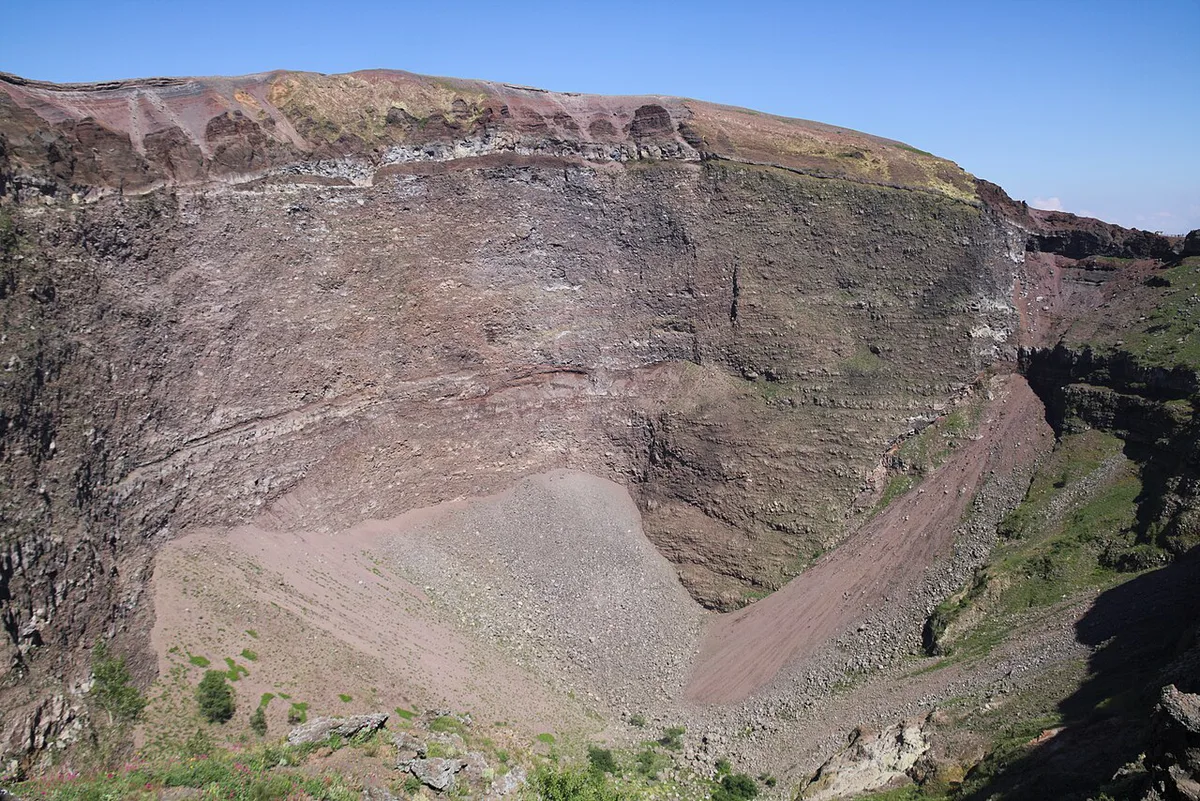
Move indoors, close windows and doors, and switch off air-conditioning that draws outside air. Follow instructions from local civil protection and your hotel. If you must go outside, wear a fitted FFP2/N95 mask, goggles, long sleeves and gloves. Avoid driving, because ash makes roads slippery and can damage engines. Do not drink water that looks cloudy or tastes unusual until local authorities say it is safe. On a mountain, leave by the route staff or guides indicate, and do not try to photograph the activity. Safe volcano photography starts with a respectful distance.
Europe's emergency number is 112, so keep it reachable while you stay indoors and follow civil protection instructions.
Health and who should skip the crater
Ash irritates eyes, nose and throat. It can cause coughing, wheezing and shortness of breath. Children, older adults and people with asthma, heart or lung conditions are most at risk. Talk to your doctor before a high-altitude crater walk if you are in one of these groups. Pregnancy is another reason to ask medical advice first. A dust mask or FFP2/N95 respirator helps against ash particles. It does not protect you from volcanic gas. If gas is the concern, the only safe response is to leave the area.
Flights and trip disruption
Ash in the air can close airspace and cancel flights far from the volcano. Read our guide to ash-related flight disruption for rebooking rights and airline practice. Keep a buffer of at least a day or two at the end of the trip, and avoid tight same-day connections to a long-haul flight. Check your insurance wording for volcano cover before you buy. Save your airline's app and your insurer's emergency line offline.
After the event: cleanup and returning home
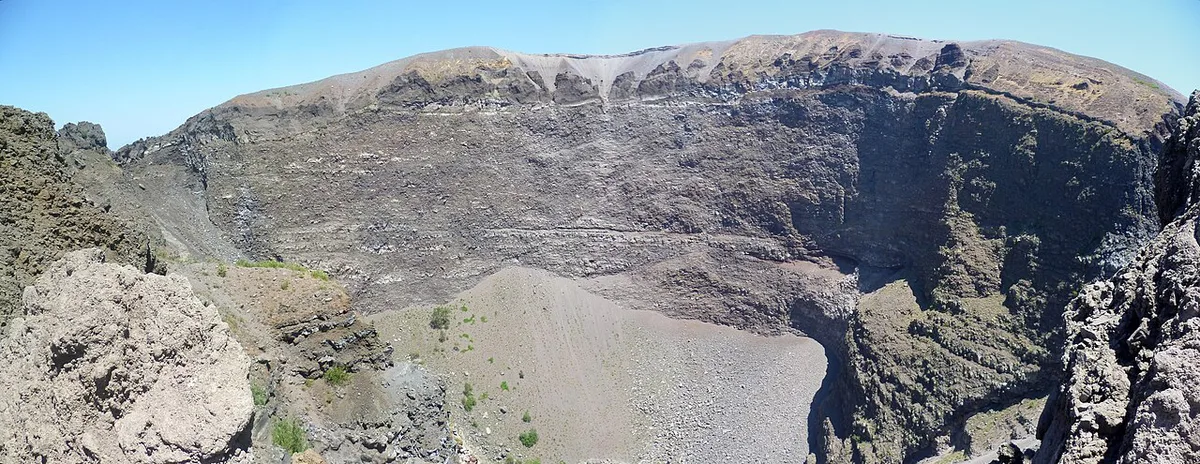
Ash can keep settling and being stirred up by wind and traffic, so keep wearing a mask outdoors until officials say otherwise. Shake ash from clothes and shoes before going inside. Wet surfaces before wiping them so dust does not rise. Do not wash ash into drains. Follow local updates before resuming hikes, and expect some paths to stay closed. For background on past events, see eruptions in Europe.
Mistakes to avoid
Most incidents involve ordinary mistakes rather than dramatic ones.
- Relying on a general guide instead of today's official alert and closure notice.
- Walking past barriers or ropes for a closer photo.
- Wearing a dust mask and assuming it protects against gas.
- Hiking alone or without telling your accommodation your route.
- Booking a tight flight connection the day after a volcano trip.
- Assuming a dormant site has no hazards at all.
Where to go next
Browse 7 Volcanoes in Europe You Can Visit: Access, Timing and Safety for site profiles. Use the interactive volcano map to match your route to the nearest monitoring body.
Frequently Asked Questions
How can you be safe from a volcano?
Check the official alert level and closure notice before you go. Stay on marked paths and outside exclusion zones. Leave at once if you smell sulfur, feel dizzy, or hear an official warning.
What is usually a safe distance from a volcano?
No single distance applies everywhere. Safe zones depend on the volcano, its current activity and the wind. Follow the exclusion zones set by the local authority and your guide.
How do we prepare for a volcano?
Pack an FFP2/N95 mask, goggles, water and medicine. Save local emergency contacts, including 112. Buy insurance that covers volcano disruption and keep bookings flexible.