Volcanic Ash Cloud Flights: What Travelers Should Do (Europe)
Last updated November 2026. Volcanic ash cloud flights can be cancelled even when the airport is nowhere near the lava, because ash closes airspace sectors as well as runways. Check your flight status and your passenger rights before you leave for the airport. Below you will find how closures work, what to do at each stage, and how to rebook.
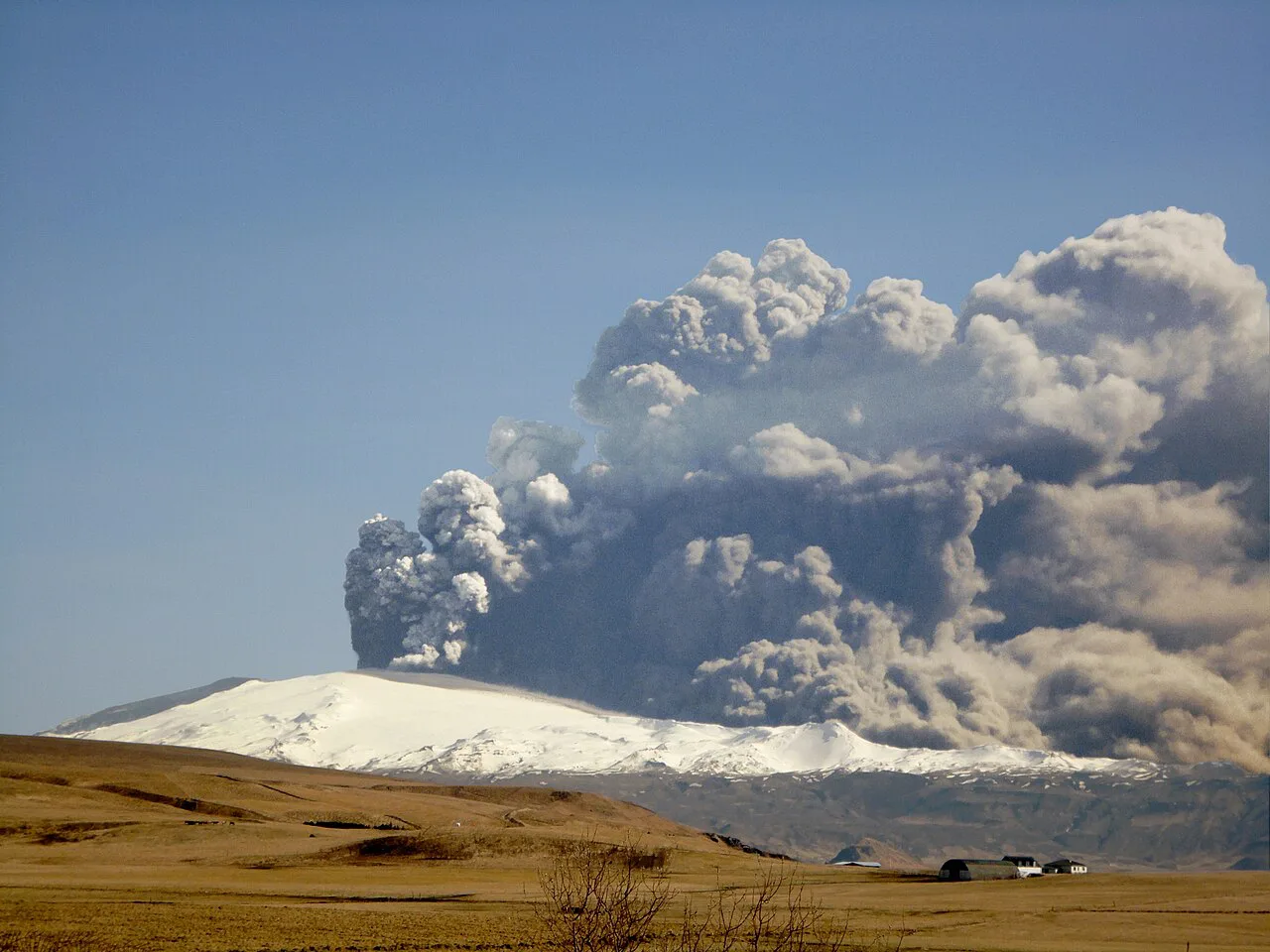
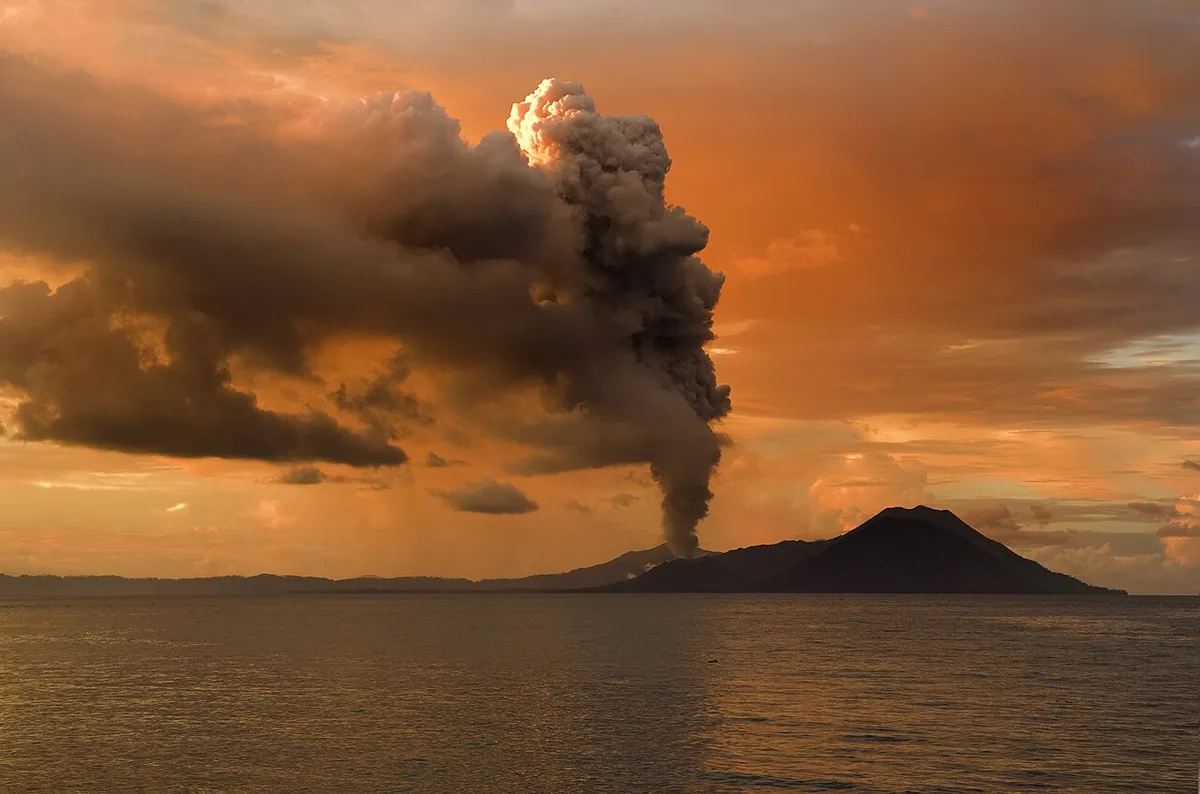
Featured image: Árni Friðriksson, CC BY-SA 3.0, via Wikimedia Commons.
Why volcanic ash cloud flights get grounded
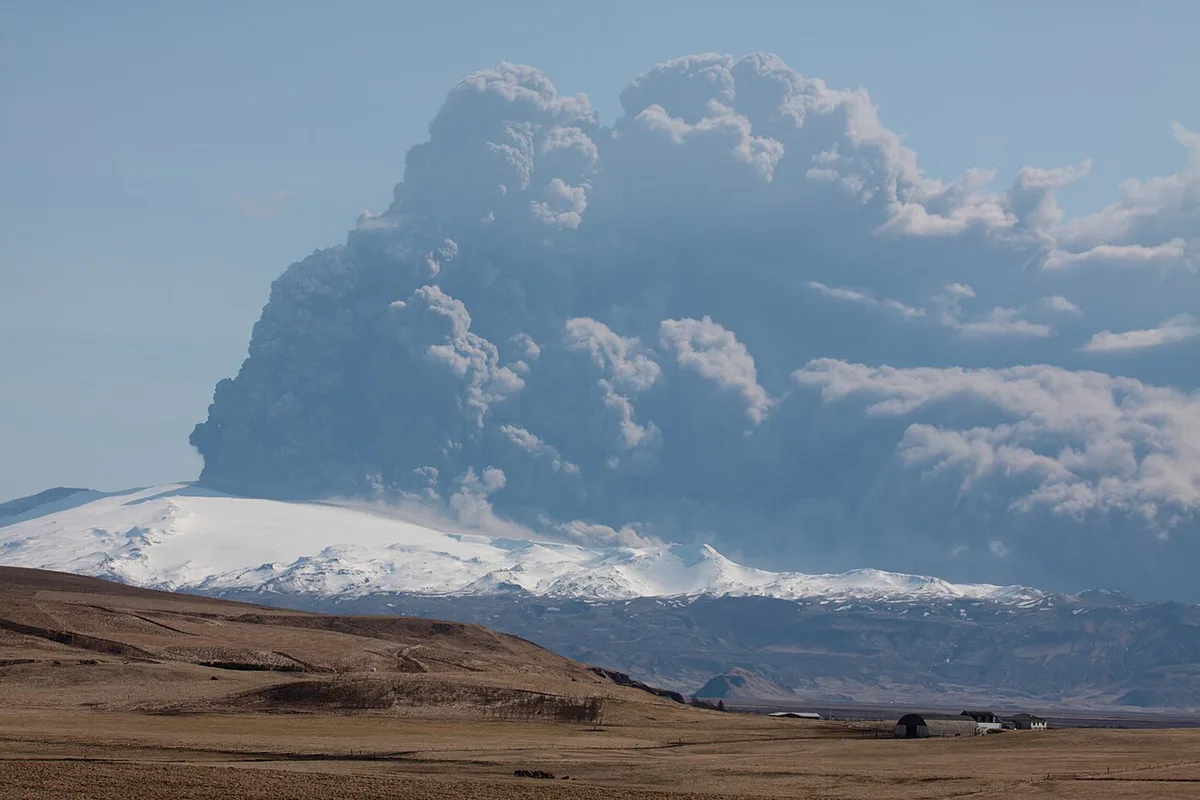
Ash is not soft dust. The particles are tiny and abrasive, and jet engines can suck them in. Inside an engine they can damage components and potentially cause power loss. Ash also affects aircraft instruments and cuts visibility. On the ground it makes runways more slippery, particularly when wet. Pilots struggle to spot ash clouds, and airborne and air traffic control radar do not normally detect them. The US Federal Aviation Administration warns that flying into an ash cloud can be "exceedingly dangerous". It says that avoiding ash is the most important precaution.
How an eruption becomes a closure
A cancellation is the end of a chain, not the start. Each link in the chain belongs to a different body. Rules differ by country, so the airline's and airport's own notices always come first.
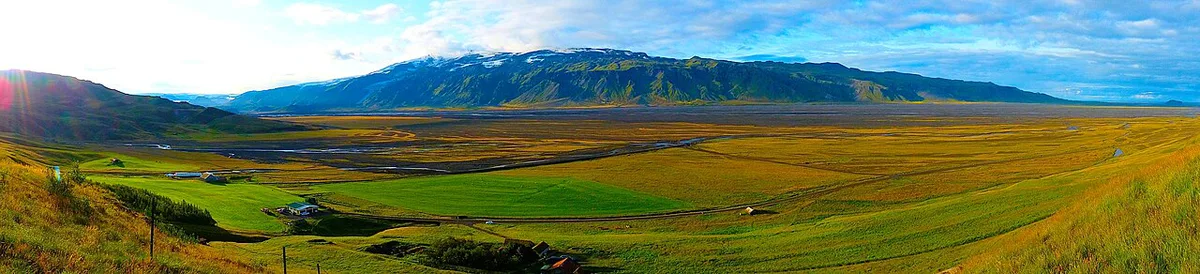
- Observatory: a volcano observatory reports the eruption. For Etna, that is the INGV Osservatorio Etneo, which issues the aviation colour alerts.
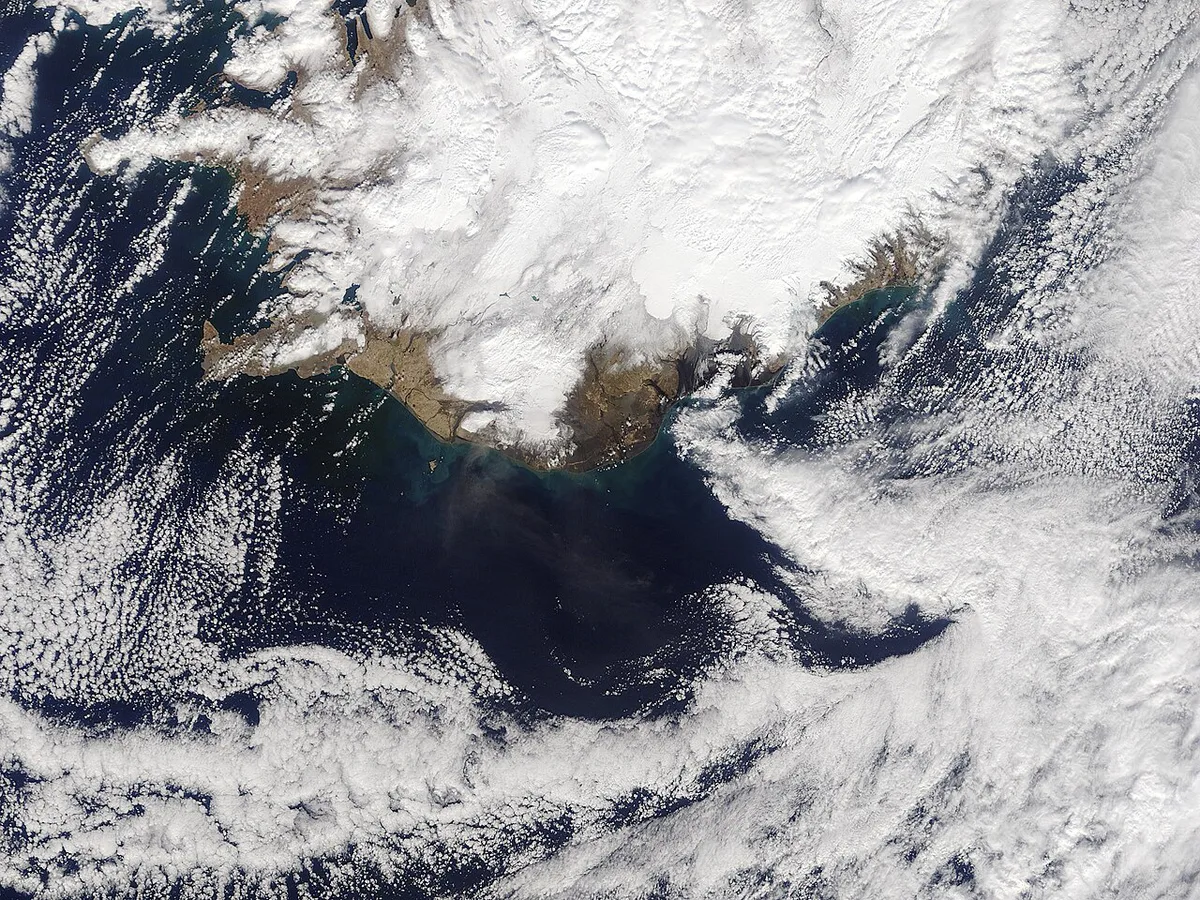
- Advisory: a regional Volcanic Ash Advisory Centre (VAAC) forecasts where the ash will drift. The London VAAC at the Met Office covers Icelandic eruptions.
- Airspace: air navigation providers close or restrict the affected sectors. EUROCONTROL coordinates the wider European network.
- Airport and airline: the airport operator decides whether to open, and airlines then cancel or reschedule flights.
What the 2010 Eyjafjallajökull closure changed
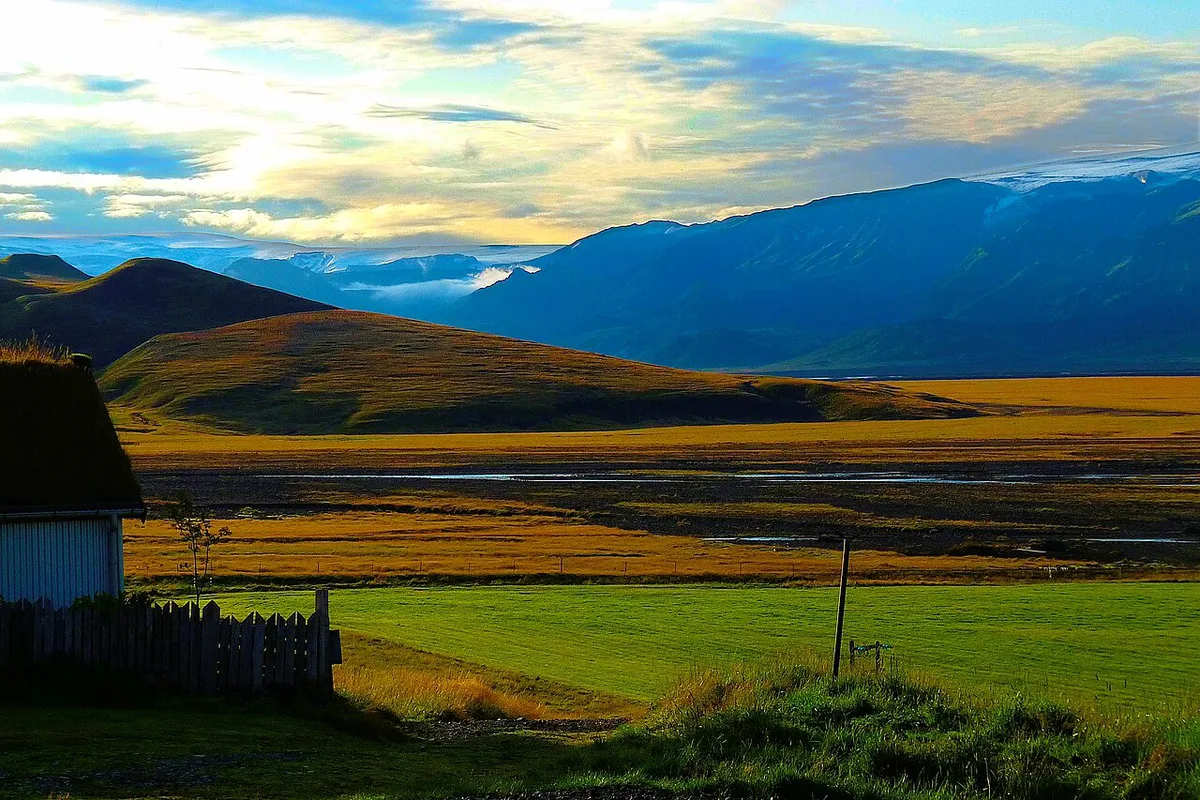
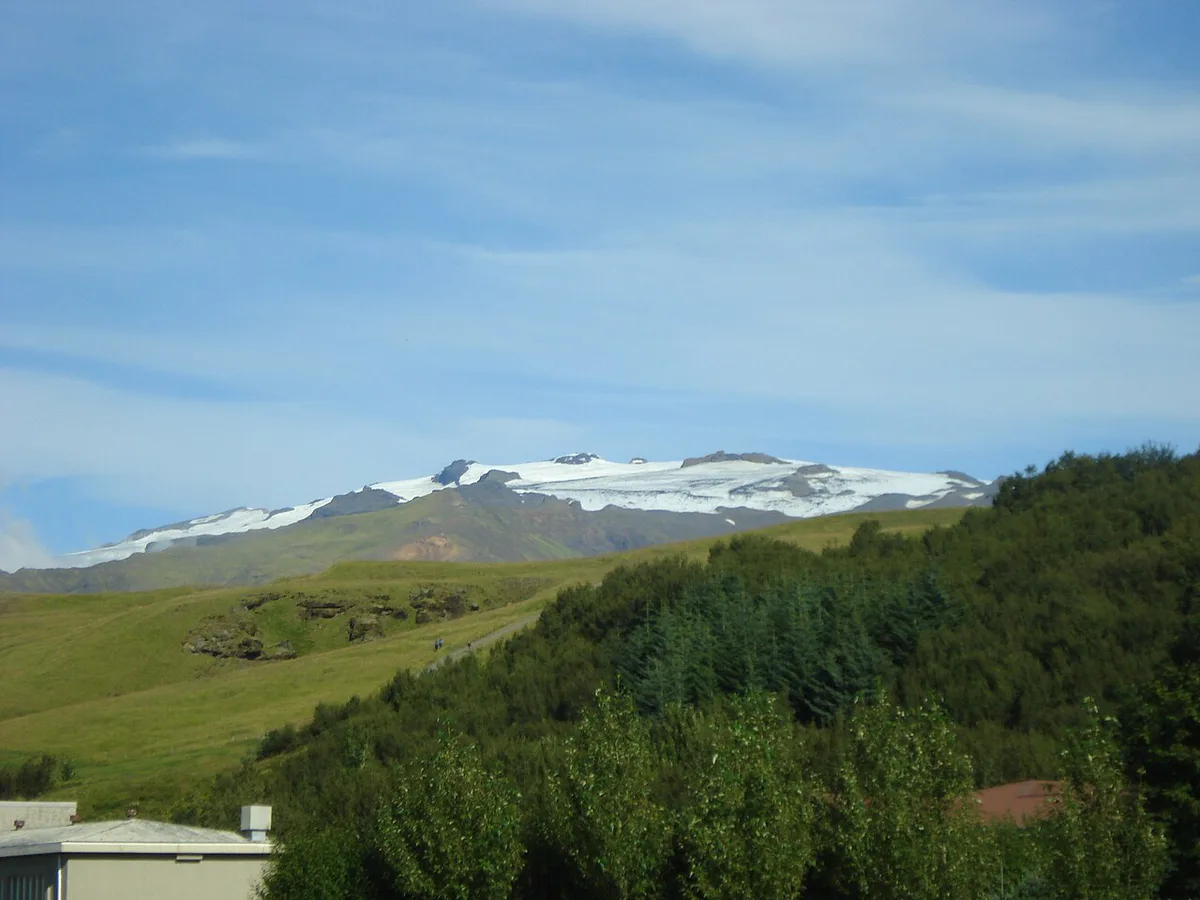
Iceland's Eyjafjallajökull eruption in April 2010 is the benchmark case. Large parts of European airspace were shut because ash was treated as a blanket hazard. Europe's response, involving EASA, EUROCONTROL and the London VAAC, moved toward concentration-based limits and regional closures. That is why modern disruptions tend to hit specific sectors and airports rather than the whole continent. For other past events, see our guide to Volcanic Eruptions in Europe: Where They Happen and What They Mean for Travel.
Which European airports are most exposed
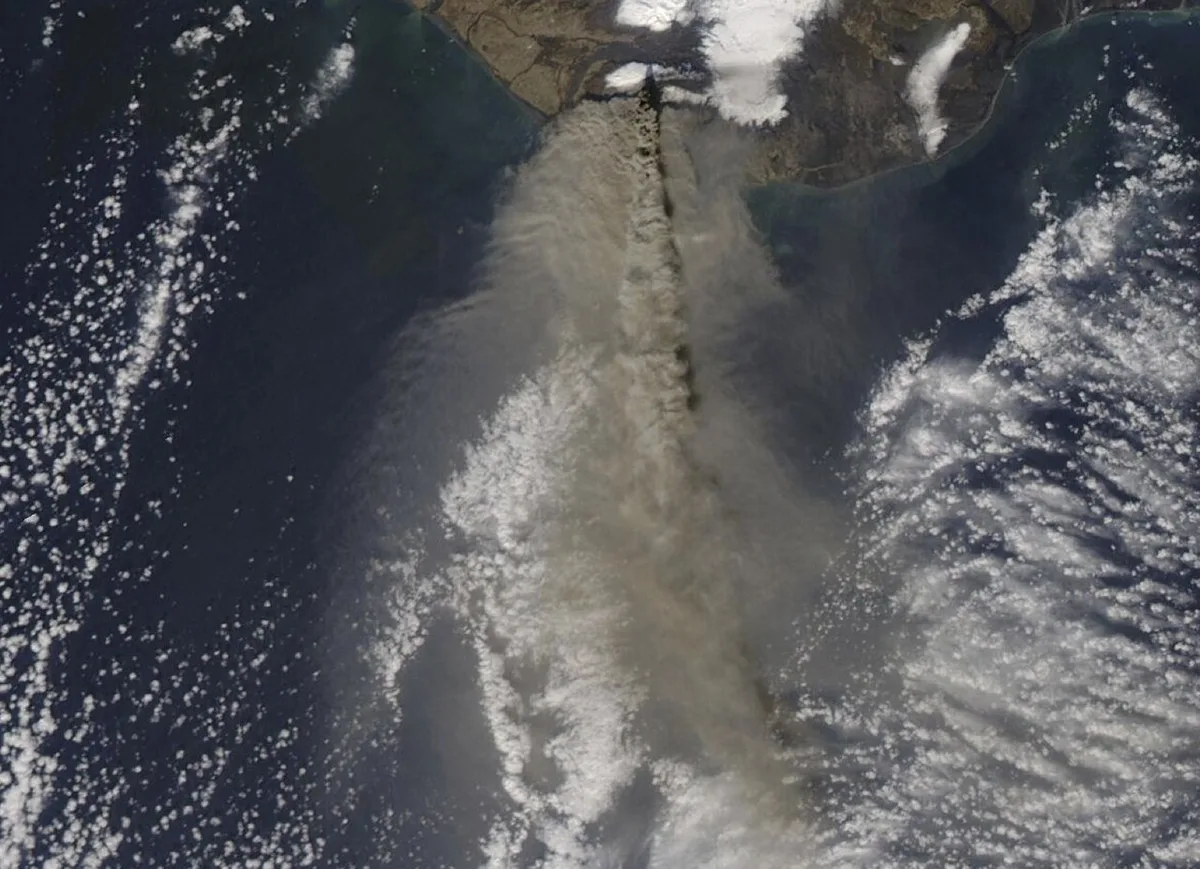
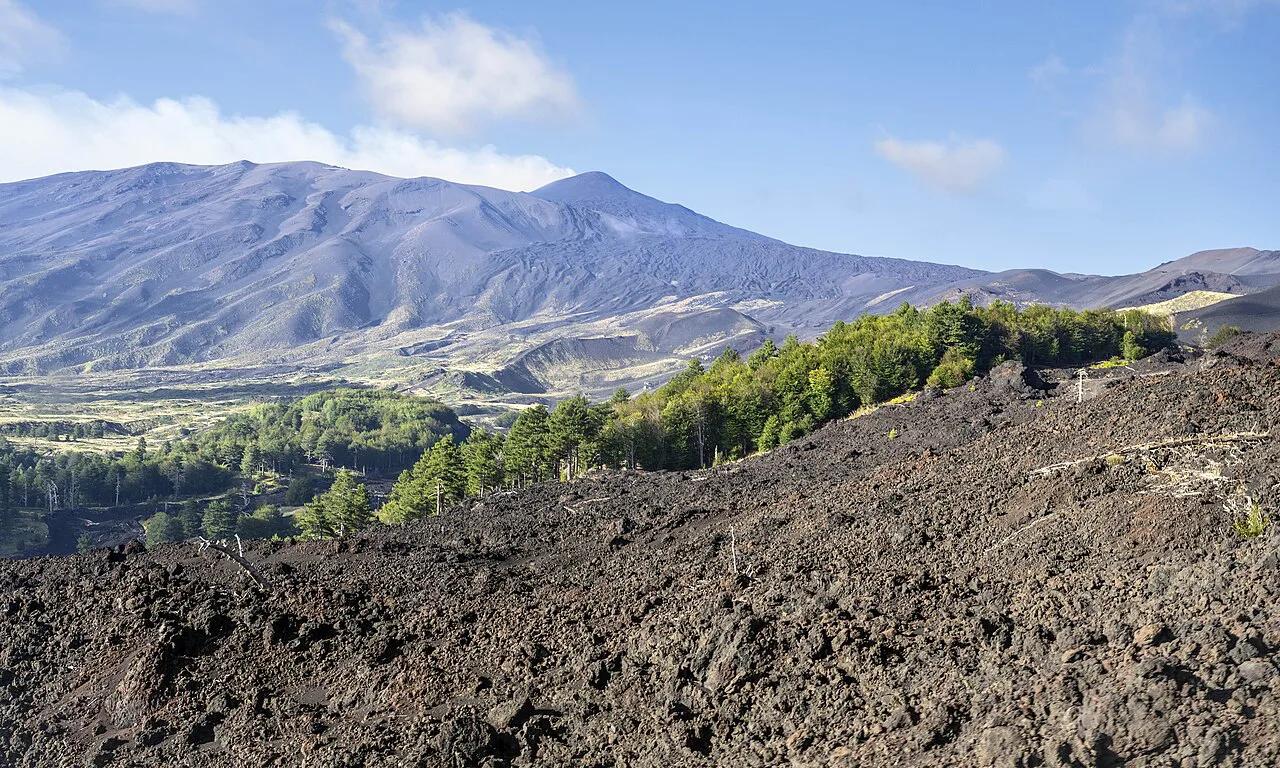
Catania is the clearest example. Etna stands about 3,300 m (10,800 ft) high, and our guide to the Largest Volcano in Europe: Mount Etna (and What 'Largest' Means) covers its size. In late September 2026, reports said Catania Airport suspended operations until 11:59 pm on 28 September. That was the third consecutive day of grounded flights, after an ash cloud of about 4 km moved toward the airport and closed two airspace sectors. Reports of other Etna events give different ash heights, so treat any single figure as event-specific. Iceland is the other main source of disruption on transatlantic and northern routes. The Icelandic Met Office publishes eruption updates. Our list of Active Volcanoes in Europe: Where They Are and Which You Can Visit shows where else activity is monitored, and the volcano map places each one.
Catania's closure ran until 11:59 pm on 28 September, the third consecutive day of grounded flights, so a rebooking plan should cover several days, not one.
What to do before you travel and if your flight is cancelled

Check your flight status before you go to the airport. Then use the table to match your situation to a move. For wider precautions near active volcanoes, read our Volcano Safety Tips for Travelers in Europe.
| Situation | Best move | Watch out for |
|---|---|---|
| Eruption reported, flight still listed | Check the airline app and airport status; wait at home | Leaving for the airport on a hunch |
| Airspace restricted, flight delayed | Wait for a rescheduled departure or request rebooking | Assuming the delay will end soon |
| Flight cancelled | Choose rerouting or a refund in writing | Accepting a voucher you did not ask for |
| Stranded at the airport | Ask the airline for meals and a hotel | Paying out of pocket without keeping receipts |
| Closure lasts several days | Rebook via another airport or a ground route | Booking non-refundable transport too early |
Your rights when ash cancels your flight
Ash is normally treated as an extraordinary circumstance under EU air passenger rules. That usually removes the cash compensation for the cancellation. The airline must generally still offer rerouting or a refund. It must also provide care such as meals and a hotel while you wait. Keep boarding passes, receipts and the cancellation notice. Rules and statuses change, so check the European Commission's air passenger rights pages and your airline's policy for your own case.
Alternatives and ground routes: a Sicily example
If Catania is closed, Palermo is the obvious alternative, and Comiso is a smaller option. Ground transfers from either to eastern Sicily depend on current schedules, so check operators directly. The table compares the options qualitatively.
| Option | Time | Cost level | Flexibility |
|---|---|---|---|
| Wait at Catania | Open-ended | Low if the airline covers care | Low; depends on reopening |
| Rebook via Palermo or Comiso | Moderate, plus transfer | Often higher | Medium; seats can sell out |
| Ferry or train route | Longer on the ground | Varies by operator | Higher; usually bookable late |
Mistakes to avoid
Most stress comes from a few avoidable errors. If your trip involves an active crater, read our note on Volcano Tourism in Europe: Where to Go and What to Know. For broader planning, our guide to volcanoes in Europe is the hub.
- Going to the airport before checking flight status.
- Booking non-refundable ground transport or hotels too early.
- Assuming the airline will rebook you automatically.
- Trusting social media videos over airline and airport notices.
- Throwing away receipts and cancellation messages.
Frequently Asked Questions
How fast does volcano ash typically travel?
There is no fixed speed, because ash moves with the wind at the altitude it reaches. VAACs forecast its drift, and closures follow those forecasts. That is why airspace sectors can close hours after an eruption.