Active Volcanoes in Italy: Where to Visit & What to Know
Last updated November 2026: the active volcanoes in Italy are Etna, Stromboli, Vulcano, Vesuvius, Campi Flegrei and Ischia, plus the submarine Marsili. Sources disagree on the count, so the popular "three active volcanoes" line is a simplification. Our Italy volcano hub covers the whole country, and this page helps you pick which one to visit.
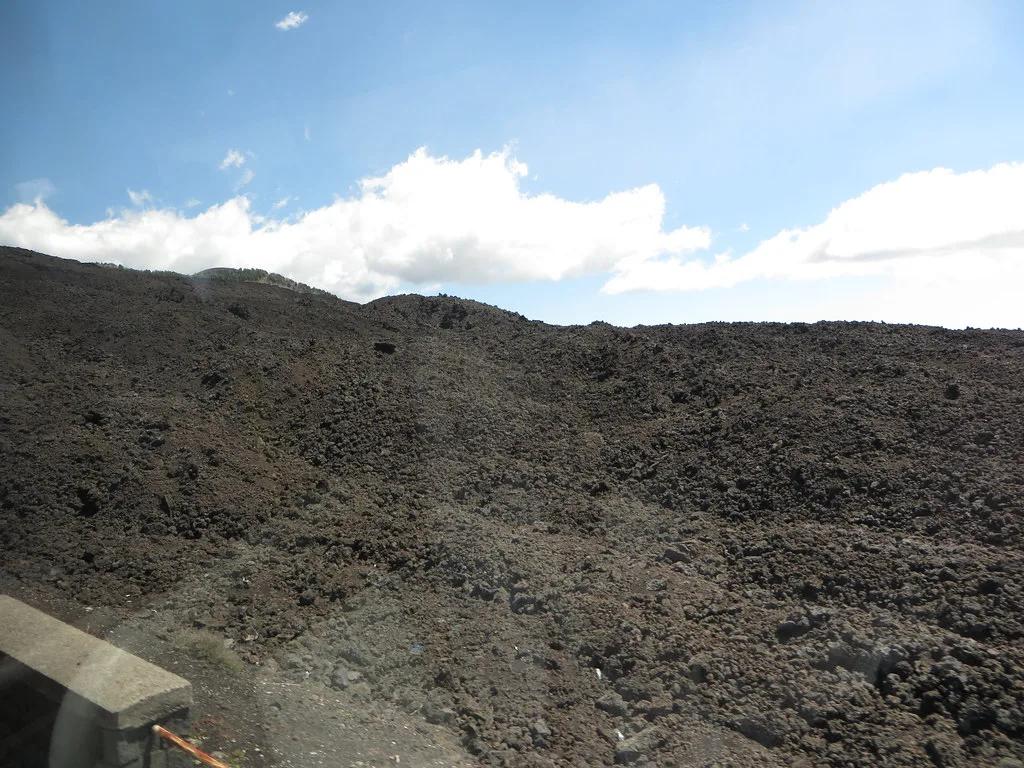
Featured image: Bernt Rostad, CC BY 2.0, via Flickr.
Italy's active volcanoes at a glance
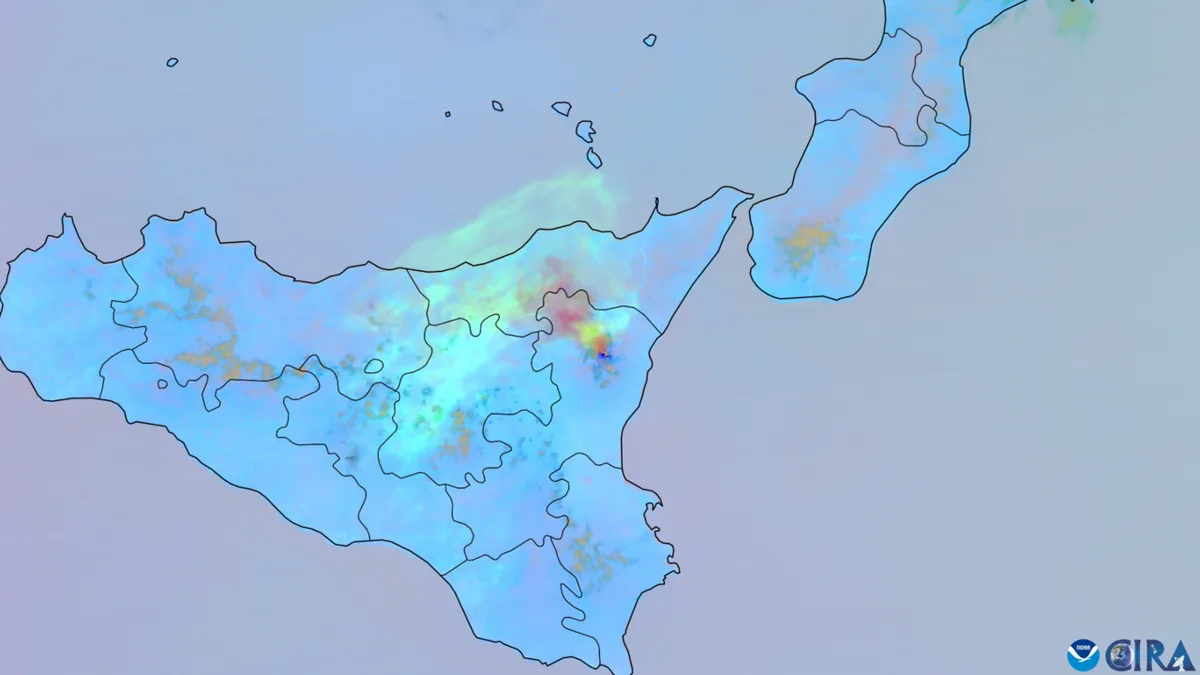
Use this table to compare Italy's active volcanoes by region, access and who should skip them. Activity status changes quickly, so check INGV before you go. Our Italy volcano map shows where each one sits.
| Volcano | Region | Activity style | Can you visit? | Best base | Skip if |
|---|---|---|---|---|---|
| Etna | Sicily | Frequent summit and flank activity | Yes, with access zones that change | Catania or Taormina | You have no car or tour and only a few hours |
| Stromboli | Aeolian Islands, Sicily | Persistent, mild explosions | Yes, usually with a guide | Stromboli village | Rough seas worry you or you cannot hike steep ash slopes |
| Vulcano | Aeolian Islands, Sicily | Fumaroles and gas | Yes, crater rim hike | Vulcano or Lipari | Gas or sulfur smell bothers you |
| Vesuvius | Campania | Quiet but closely monitored | Yes, crater trail | Naples | You want fresh lava |
| Campi Flegrei | Campania | Restless, monitored caldera | Partly, via Pozzuoli sites | Naples or Pozzuoli | You expect a single cone |
| Ischia | Campania | Volcanic island with hot springs | Yes, as an island trip | Ischia | You want a crater walk |
| Marsili | Tyrrhenian Sea | Submarine | No | None | You want to see it |
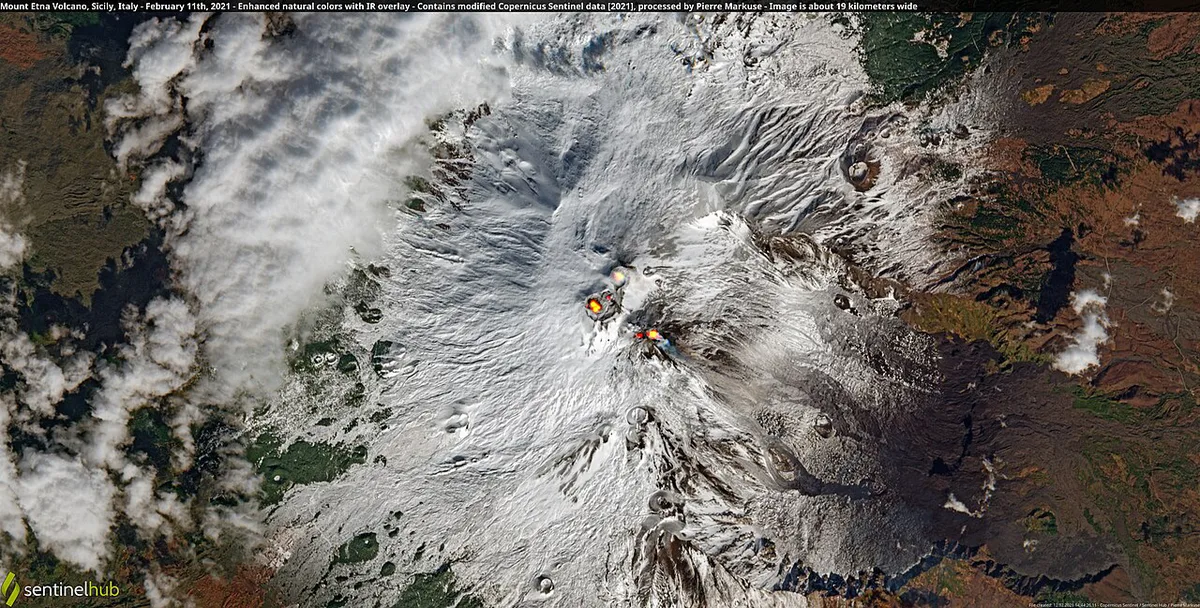
What "active" actually means
Volcanologists use "active" for volcanoes that have erupted in historical times. Erupting now, historically active, restless, dormant and extinct are different states. Smithsonian Global Volcanism Program and INGV both use these categories, which is why counts differ between sources. A page claiming "three" usually counts only the most famous cones. Vesuvius last erupted in 1944 and is quiet but closely watched by the INGV Osservatorio Vesuviano. Campi Flegrei is described as restless and monitored. That wording is more accurate than sensational "supervolcano" headlines.
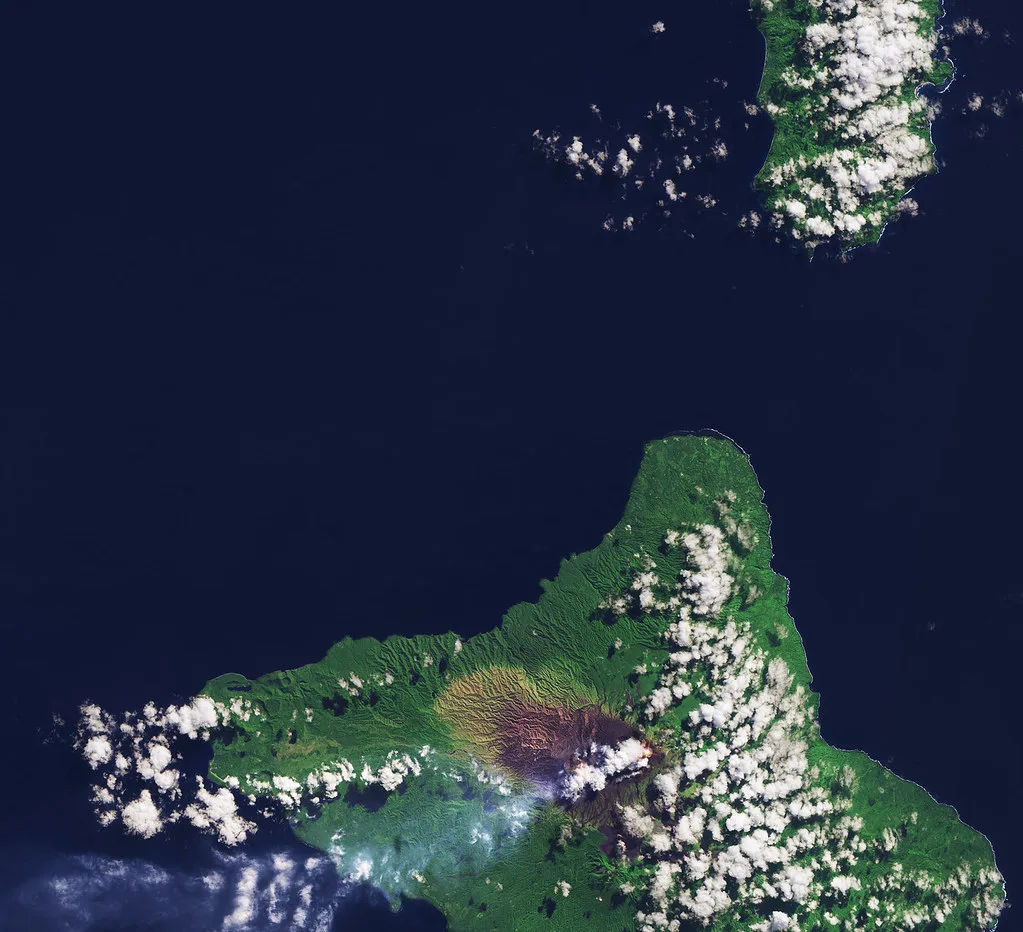
Etna, Stromboli and Vulcano: the visitable active trio
Sicily's trio offers the most direct view of active volcanism in Italy. Our Sicily volcano guide goes deeper on each one. Access rules change after eruptions, so read current notices before booking.
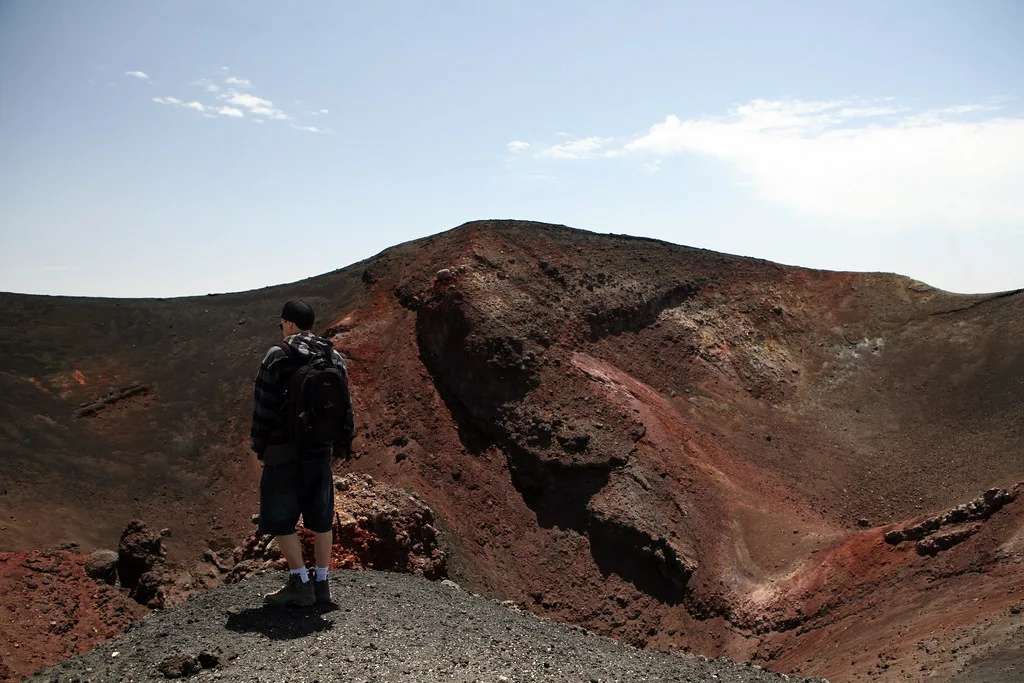
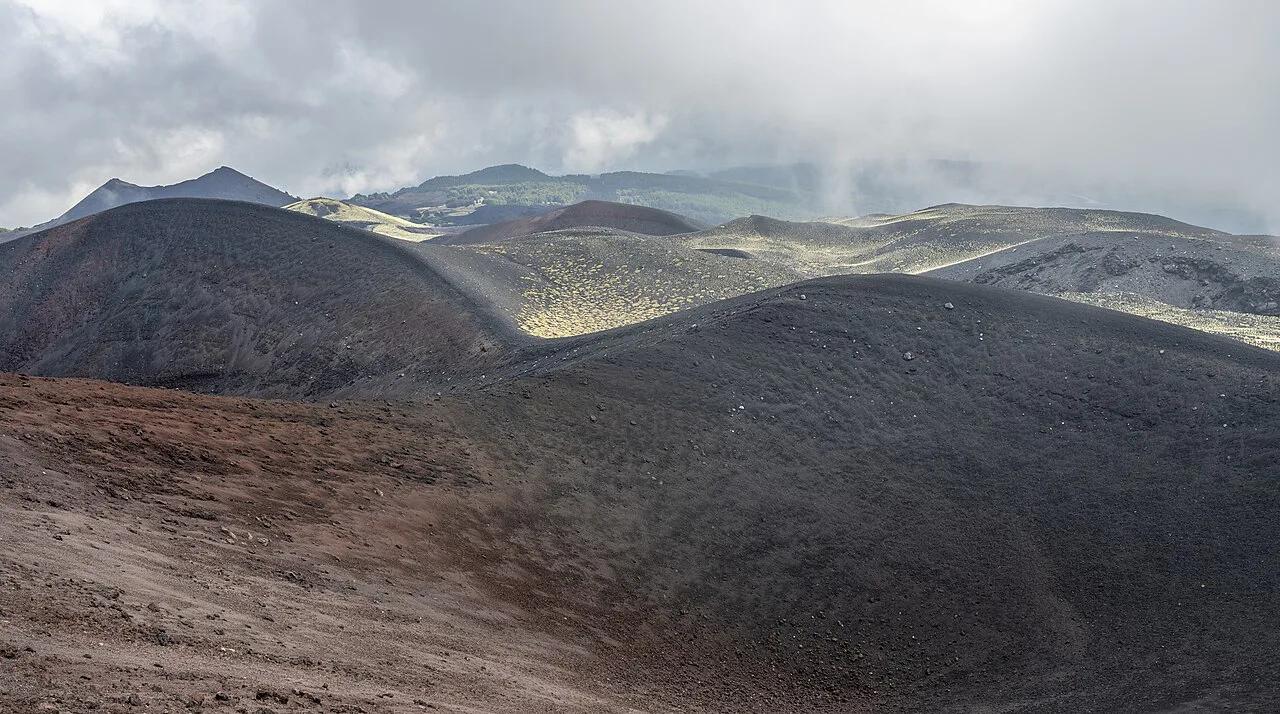
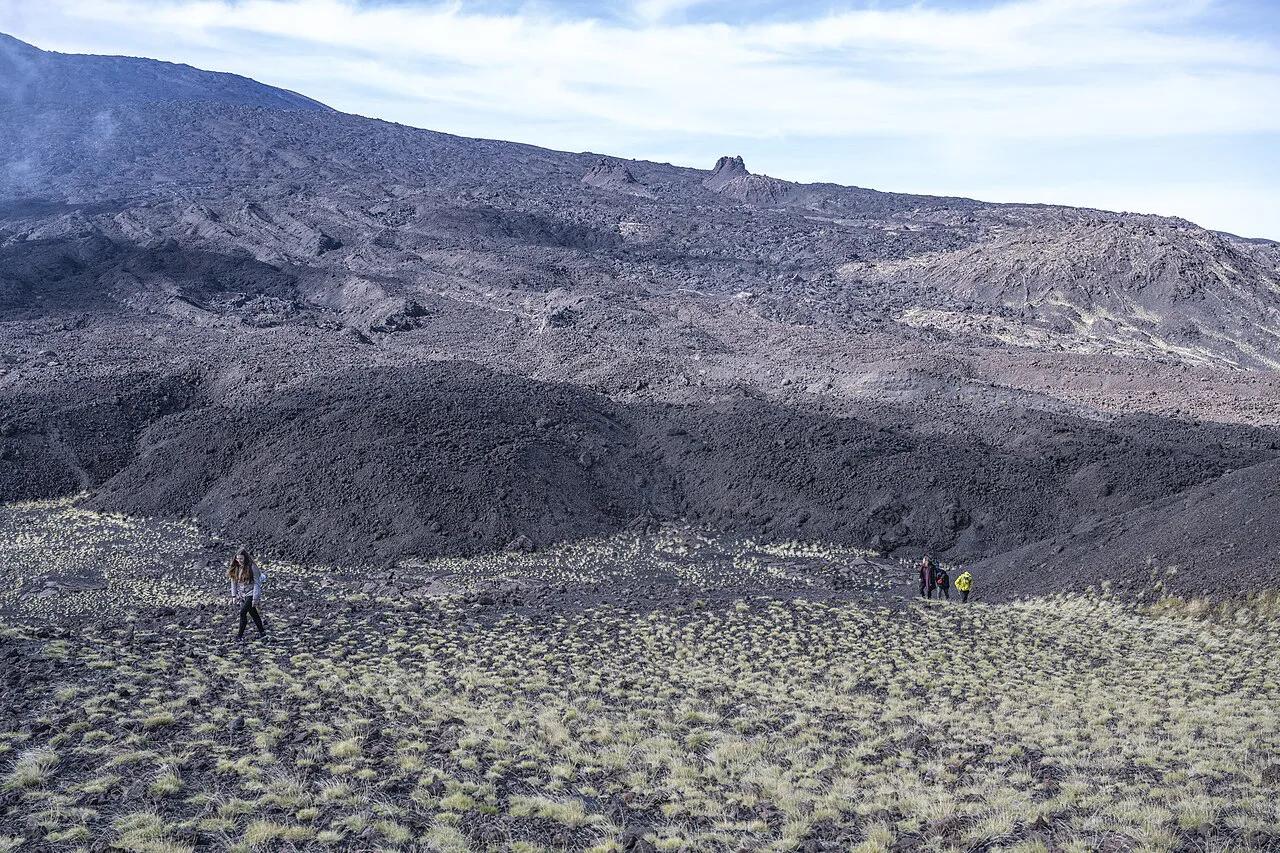
- Etna: about 10,800 ft (roughly 3,300 m), with the summit height shifting after eruptions. Catania or Taormina work as bases. Summit zones depend on alert levels, so check the Parco dell'Etna before booking. Guides are the safer route above the lower craters.
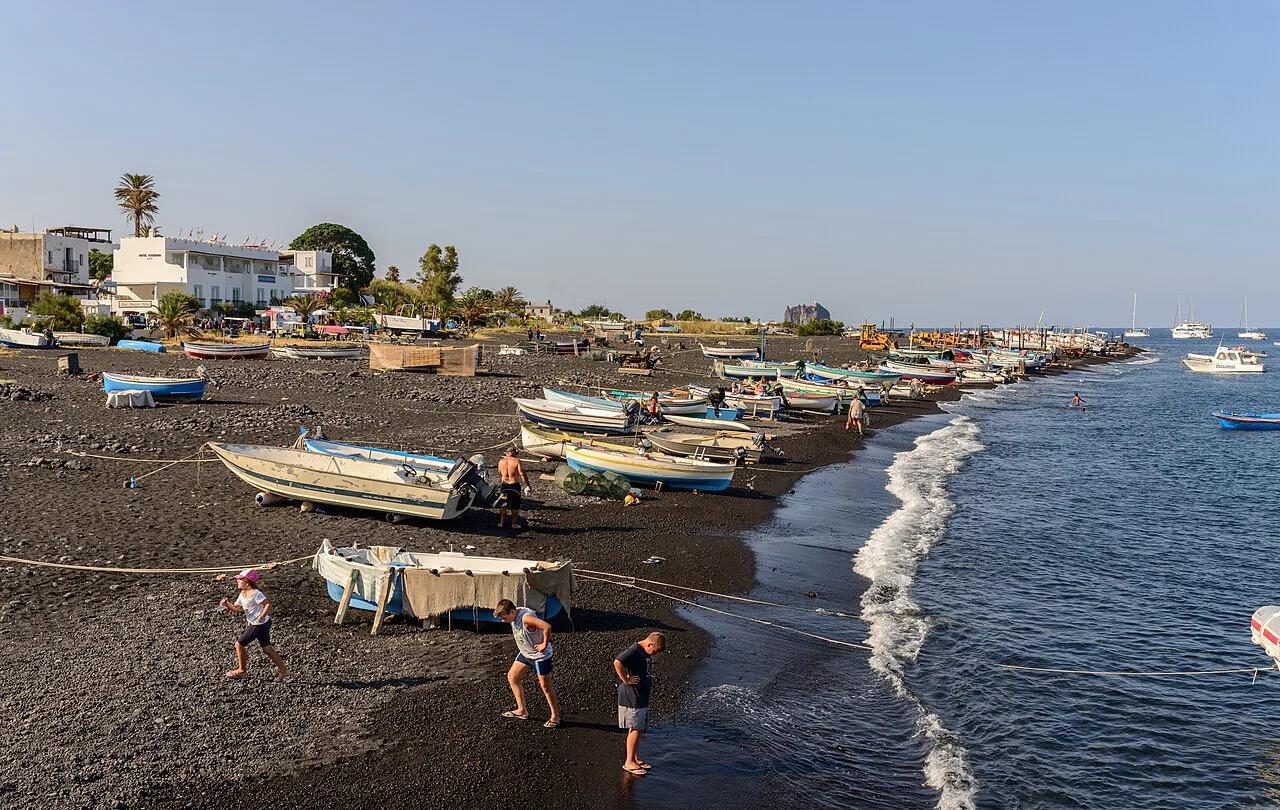
- Stromboli: about 3,040 ft (926 m) and known for persistent, mild explosions. Most visitors hike with a guide, often in the evening to see the glow. Boats and hydrofoils run from the Aeolian ports, and rough seas can cancel sailings.
- Vulcano: fumaroles and a strong sulfur smell on the crater rim. The name is the source of the word "volcano". Bring sturdy shoes and expect wind.
Vesuvius, Campi Flegrei and Ischia: active volcanoes near Naples
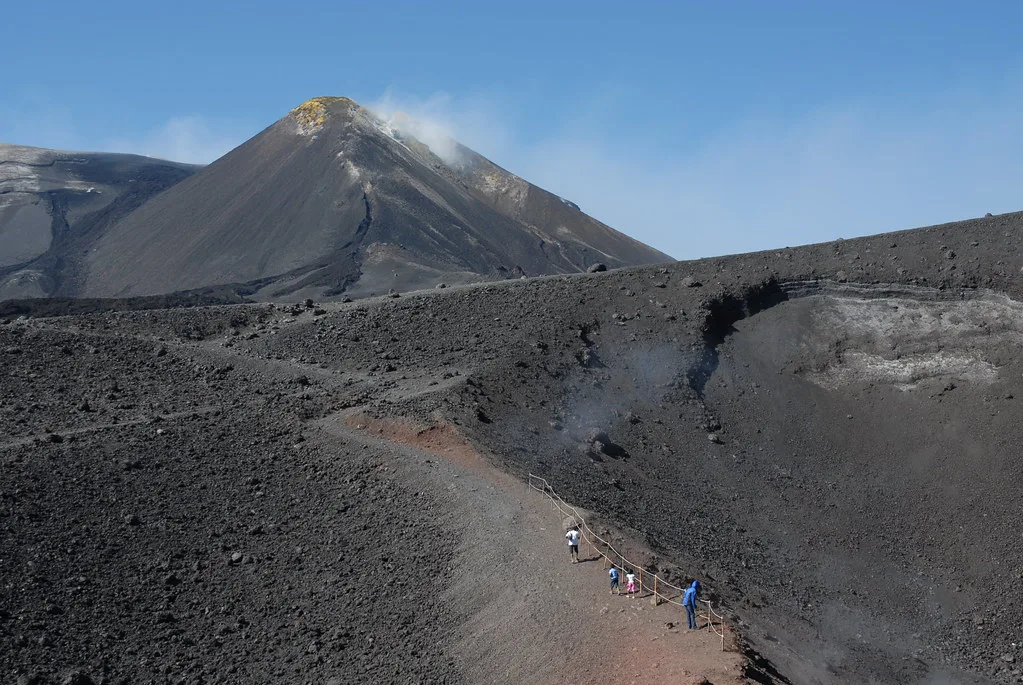
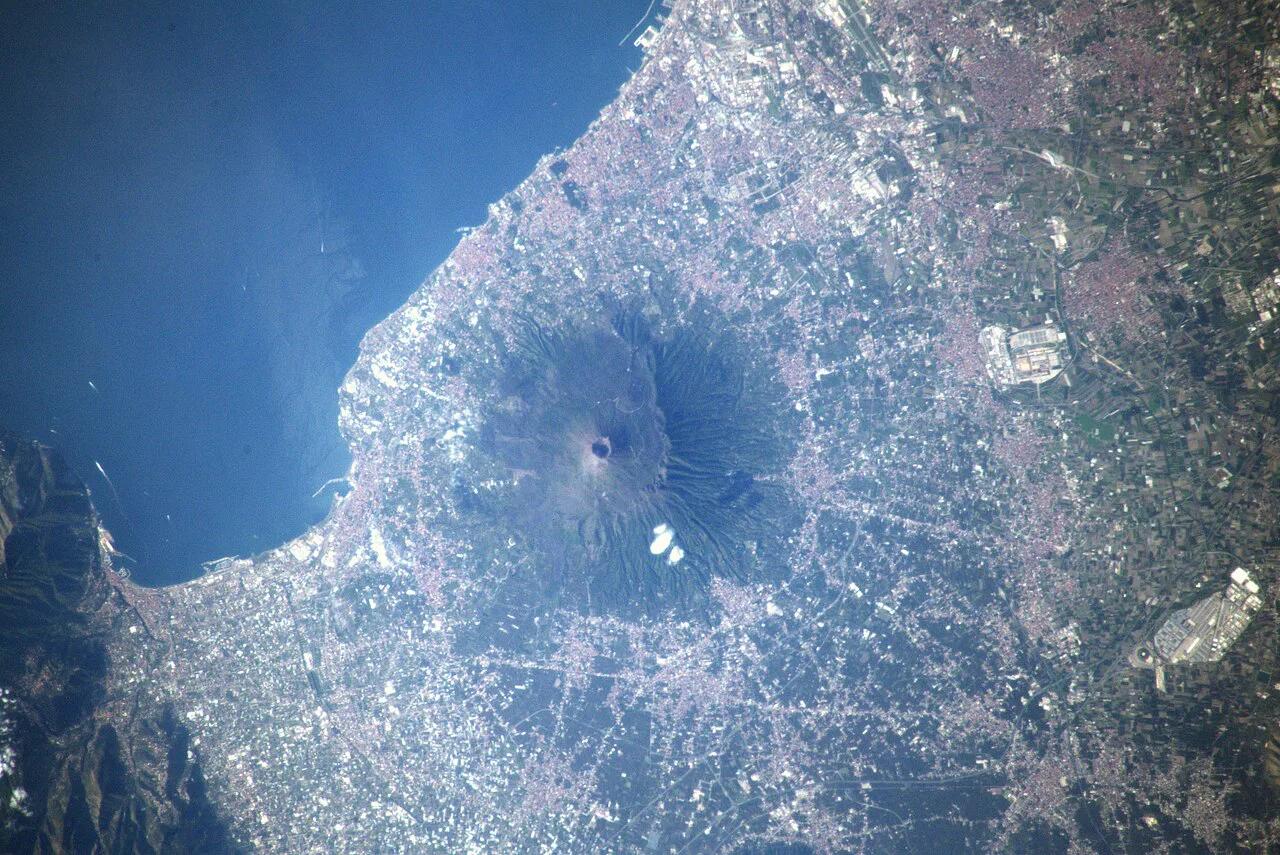
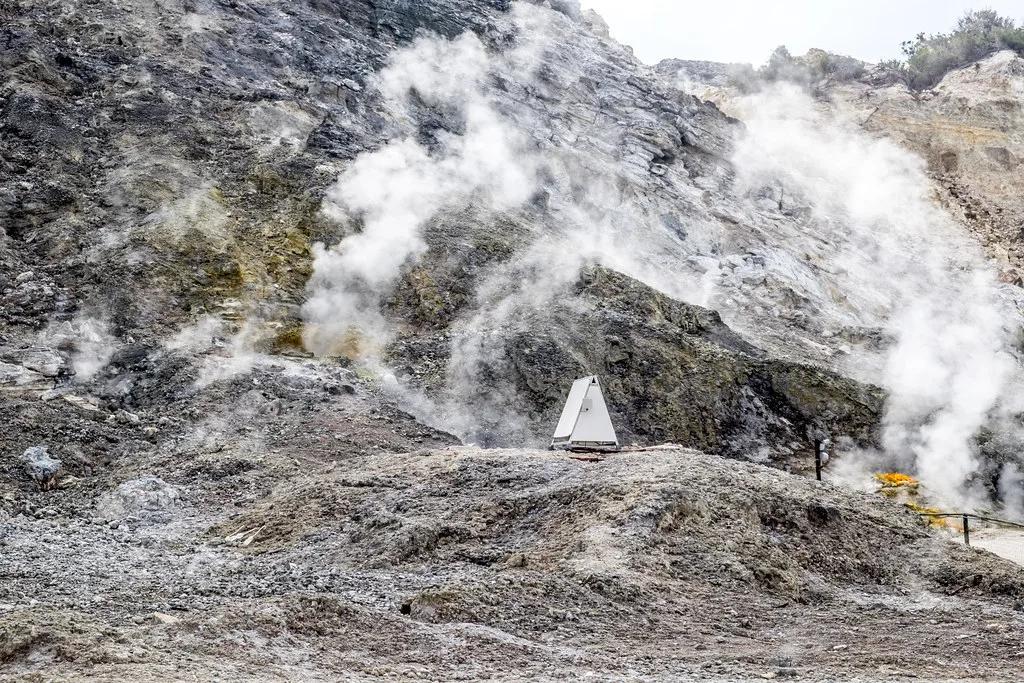
Naples sits among three active systems. Vesuvius is the one most visitors climb. Its crater trail is run by the Vesuvius National Park, so book tickets there. The eruption of 79 AD buried Pompeii, and the volcano last erupted in 1944. Quiet is not extinct, so treat it as a monitored volcano. Campi Flegrei is a caldera around Pozzuoli rather than a single cone. Check the Campi Flegrei archaeological park and local authorities for open sites, because the Solfatara crater's status should not be assumed. Ischia is a volcanic island known for hot springs, reached by ferry from Naples. Our Naples volcano guide compares all three.
Submarine and lesser-known volcanic systems
Most of Italy's remaining volcanic systems cannot be visited. Marsili is a large submarine volcano in the Tyrrhenian Sea, and you cannot see it from a boat. Read our Marsili guide for the science. Ferdinandea is a submarine volcano off Sicily that briefly formed an island in 1831. Our Isola Ferdinandea page explains why you cannot land there. Pantelleria is a volcanic island with a volcanic system, and its status deserves a check with INGV.
- Rome's volcanic area: dormant, as covered in Volcanoes Near Rome: What You Can Actually Visit and Colli Albani (Alban Hills): Volcano Day Trip from Rome.
- Monte Amiata: Tuscany's Dormant Volcano Visitor Guide in Tuscany: extinct.
- Roccamonfina in Campania: extinct or dormant.
- Monte Vulture Guide: Lakes, Craters & How to Visit: extinct.
- Mount Epomeo: Ischia Hike, Trails and Tips on Ischia: part of Ischia's volcanic system, not a separate active cone.
How to choose: pick by trip type
Match the volcano to your time, mobility and tolerance for weather risk. Levels are relative, because tour prices vary by operator. For guided options, browse our Volcano Tours Italy: Etna, Stromboli, Vesuvius Compared.
| Trip type | Best pick | Time | Cost | Effort |
|---|---|---|---|---|
| One day from Naples | Vesuvius | Low | Low | Low to mid |
| Sicily trip | Etna | Mid | Mid | Mid |
| Island-hopping | Stromboli and Vulcano | High | Mid to high | Mid to high |
| Family or low mobility | Vesuvius or Ischia | Low | Low | Low |
| Photography or night hike | Stromboli | High | Mid to high | High |
Getting to Italy's active volcanoes: ports, trains and timings
Each volcano has a different gateway, and the transfer often decides how much of a day you actually get at the crater. Timetables shift by season and sea conditions, so confirm with the operator before you commit.
| Volcano | Usual gateway | How you get there | Plan for |
|---|---|---|---|
| Vesuvius | Naples | Circumvesuviana train to Ercolano, then a shuttle or taxi to the park entrance | Half a day |
| Campi Flegrei | Pozzuoli | Metro line 2 or Cumana railway from Naples | Half a day |
| Ischia | Naples or Pozzuoli | Ferry or hydrofoil, roughly an hour | Full day or overnight |
| Etna | Catania | Excursion, rental car or public bus up to the southern slope | Full day |
| Vulcano | Milazzo | Hydrofoil to the Aeolian Islands, about an hour | Full day or overnight |
| Stromboli | Milazzo | Hydrofoil or ferry, several hours depending on the vessel | Overnight |
Stromboli is the one that punishes tight schedules. Evening guided hikes finish after dark, and rough seas can cancel the last boats, so sleep on the island rather than racing a same-day return.
For Etna, access above the lower craters depends on the current alert level, which is why many visitors book a guided excursion from Catania. Our Is Mount Etna active? page explains how to read its status before you choose a route. If you are basing yourself in Naples, Is Mount Vesuvius still active? covers what the monitoring means for a crater visit.
Safety, monitoring and when not to go
Check live bulletins before every trip. The INGV Osservatorio Etneo covers Etna, and the Vesuvian observatory covers Naples. Italy's Civil Protection Department publishes alert levels and plans. Closures follow eruptions, so avoid booking summit tours without checking the current level. Ash can disrupt Catania airport, so keep flexible flights. Gas, wind and poor visibility are the usual hazards on crater rims. Stromboli day-trippers can be stranded by sea conditions.
- Mistake: assuming Vesuvius is extinct.
- Mistake: relying on an old blog for access rules.
- Mistake: booking a summit tour without checking the alert level.
Frequently Asked Questions
Is Vesuvius still active, and when did it last erupt?
Yes, Vesuvius is classed as active. It last erupted in 1944 and is monitored by INGV Osservatorio Vesuviano. Check that observatory for current status.
Is Mount Etna still erupting?
Etna is among Italy's most frequently active volcanoes. Its status changes often, so check INGV Osservatorio Etneo for the latest bulletin.