Stromboli Volcano Hike: Rules, Timing and Options
Last updated November 2026: a Stromboli volcano hike works on a two-tier access system, and you cannot simply walk to the crater alone. Independent hikers are reported to be limited to a lower viewpoint around 290–300 m (roughly 950–985 ft), while licensed guides lead groups higher, to about 400 m (roughly 1,300 ft). Rules shift with volcanic activity, so this guide helps you choose between a guided climb, a walk without a guide, and a view from a boat.
Featured image: puffin11uk, CC BY-SA 2.0, via Flickr.
Can you do a Stromboli volcano hike, and how high can you go?
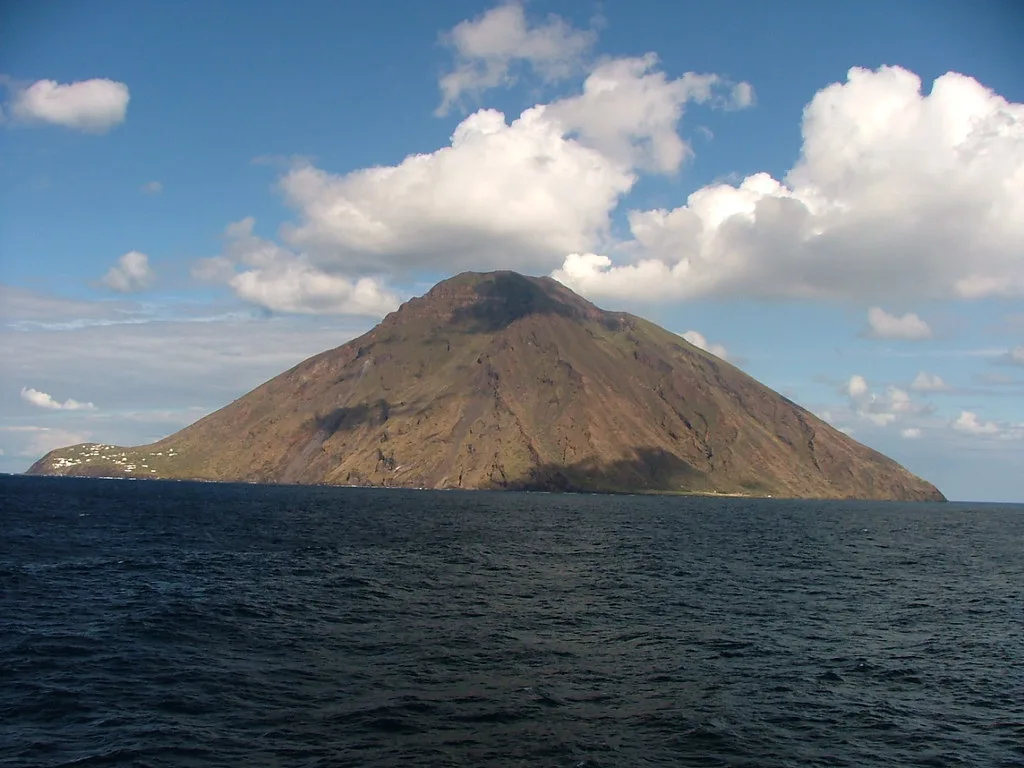
Civil protection sets the altitude limit on Stromboli, and that limit moves with volcanic activity. Without a guide, hikers are reported to be capped at a lower viewpoint around 290–300 m (roughly 950–985 ft) above sea level. Licensed volcanological guides can lead groups higher, to about 400 m (roughly 1,300 ft), where the crater area comes into view. Going past those limits can bring fines. For the current alert level, read INGV's Stromboli monitoring page on the day you plan to climb. Summit tours typically take 5 to 6 hours in total. Ascent runs about 2 hours, and descent takes 1 to 1.5 hours. Breaks and time at the crater make up the rest. Operators set their own schedules, so ask for exact meeting and return times when booking. One village-based route variant, listed on Komoot, measures 9.45 km (about 5.9 miles) with 880 m (about 2,890 ft) of climbing. It is rated Hard and starts and ends at the ferry terminal. Guided summit tours differ from that route and vary by operator. Strombolian eruptions, short explosive bursts that typically come every 15 to 20 minutes, are why most people climb at dusk. Our explainer on the Strombolian style covers how those bursts work. For the wider island picture, start with the Stromboli volcano overview.
Choose your option: guided, independent or by boat
Four options cover most travelers, and the table below compares them. Cost levels are relative, because operators set their own fees. Hiking Stromboli without a guide is possible only up to the lower viewpoint. That walk suits anyone who wants coastal views and a look at Strombolicchio without a night descent. Komoot lists a Sciara del Fuoco sunset trail at 2 hours 33 minutes, 9.10 km (about 5.7 miles) and 340 m (about 1,115 ft) of climbing. Our guide to the Sciara del Fuoco lava slide explains what you see from there. Boat trips skip the climb entirely. Compare operators in our Stromboli volcano tour options. With only one night on the island, the guided sunset climb gives the strongest view of the craters. Pick the lower viewpoint or a boat if the weather, your knees or your nerves rule out the summit area.
| Option | Access limit | Effort | Time | Cost level | Best for | Skip if |
|---|---|---|---|---|---|---|
| Independent hike to the lower viewpoint | Reported cap around 290–300 m | Moderate to hard | Roughly 2.5 hours on the Sciara del Fuoco trail | Lowest (no guide fee) | Coastal views and a first look at the slide | You want the crater area |
| Guided sunset or summit hike | Guide required; reported limit about 400 m | Hard | 5 to 6 hours in total | Highest of the four | Seeing eruptions up close at dusk | You dislike heights or night descents |
| Sciara del Fuoco sunset trail | Below the guided limit | Hard on Komoot's scale | 2 hours 33 minutes, 9.10 km, 340 m | Low | Sunset views without a guide | You want crater-rim views |
| Boat-based viewing | None on land | Minimal | Ask the operator | Medium | Anyone who cannot or will not climb | You want to walk the volcano |
Fitness, terrain and what to bring
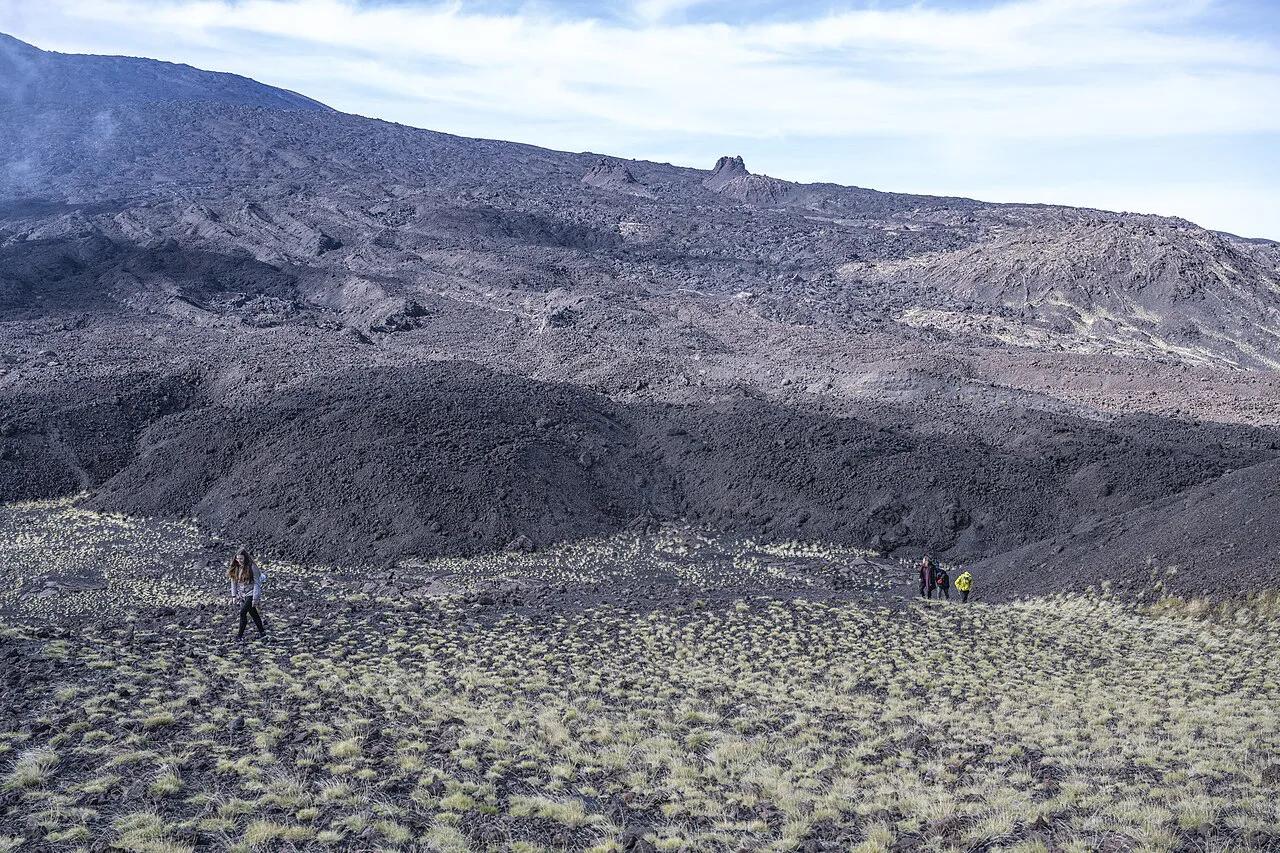
Stromboli's upper slopes are loose volcanic sand over steep rock, and the final climb to the viewpoints is the hardest part. Soft black sand slows every step, which is why the ascent takes about 2 hours. Heat, dust and volcanic gas add to the effort. Guided groups typically supply helmets and masks, but ask your operator what is included. A headlamp is essential for the night descent. Wind picks up near the top, so pack a layer even after a warm day.
- Sturdy hiking boots with grip for loose sand and rock
- Plenty of water, since the climb is dry and hot
- A headlamp with fresh batteries for the descent
- A windbreaker, plus warm layers for night hikes
- A dust mask or bandana for sandy sections
- Snacks for the 5 to 6 hour outing
Who should skip the summit hike
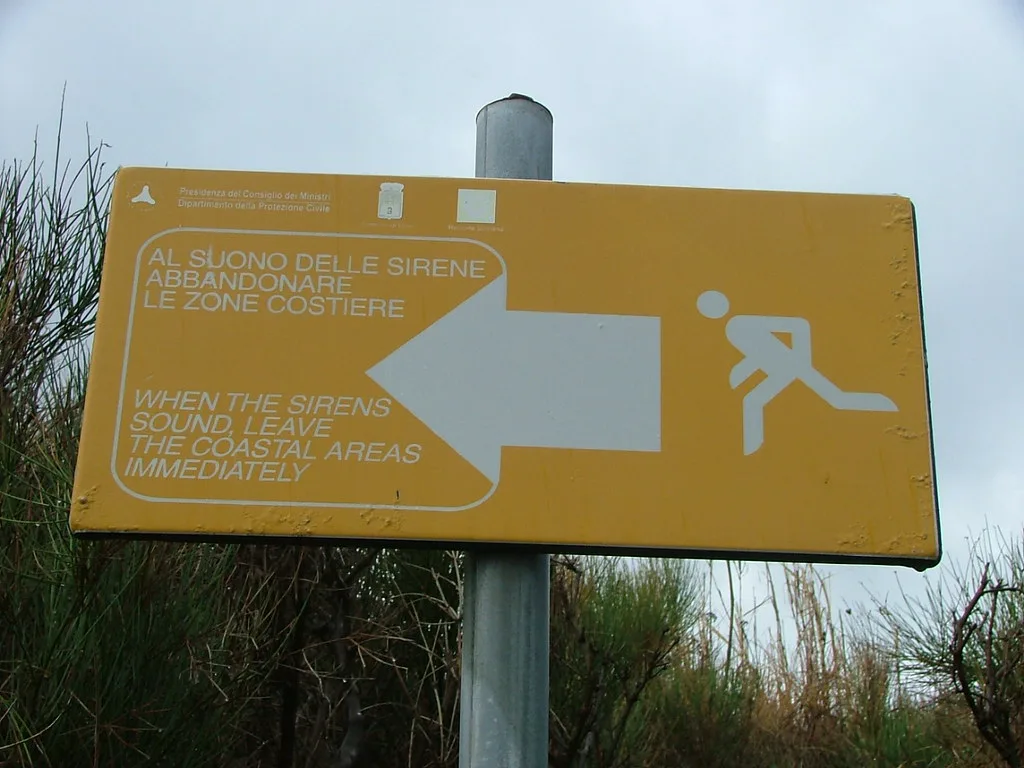
The summit climb is a poor fit for some travelers, and a boat trip or the lower viewpoint serves them better. Poor fitness is the first reason, because the sustained incline lasts several hours. Fear of heights matters on steep rock and a dark descent. Young children struggle with the pace and the late return. Respiratory problems make the dust and gas a real risk. Dogs are not recommended on the steep terrain with hot ash and fumes.
- Skip if you cannot walk uphill for about 2 hours without long stops
- Skip if steep drops or loose footing make you anxious
- Skip if you are traveling with young children
- Skip if you have asthma or other breathing problems
Timing: season, time of day and the evening schedule
Sunset and night hikes show glowing eruptions best, because lava reads far brighter against a dark sky. Summer heat makes the dry climb harder. Spring and early autumn are generally preferred. Avoid midday starts in high summer. A typical guided evening follows the relative timeline below. Dinner timing matters because groups can return close to midnight. One traveler account describes getting a takeaway pizza from a waterfront pizzeria just before it closed. Ask your host about late kitchens before you leave.
- Meet your guide in the village and check gear
- Climb for about 2 hours, with breaks
- Spend time at the permitted viewpoint during dusk and darkness
- Descend for 1 to 1.5 hours by headlamp
- Look for a late dinner near the waterfront
Safety, rules and cancellations
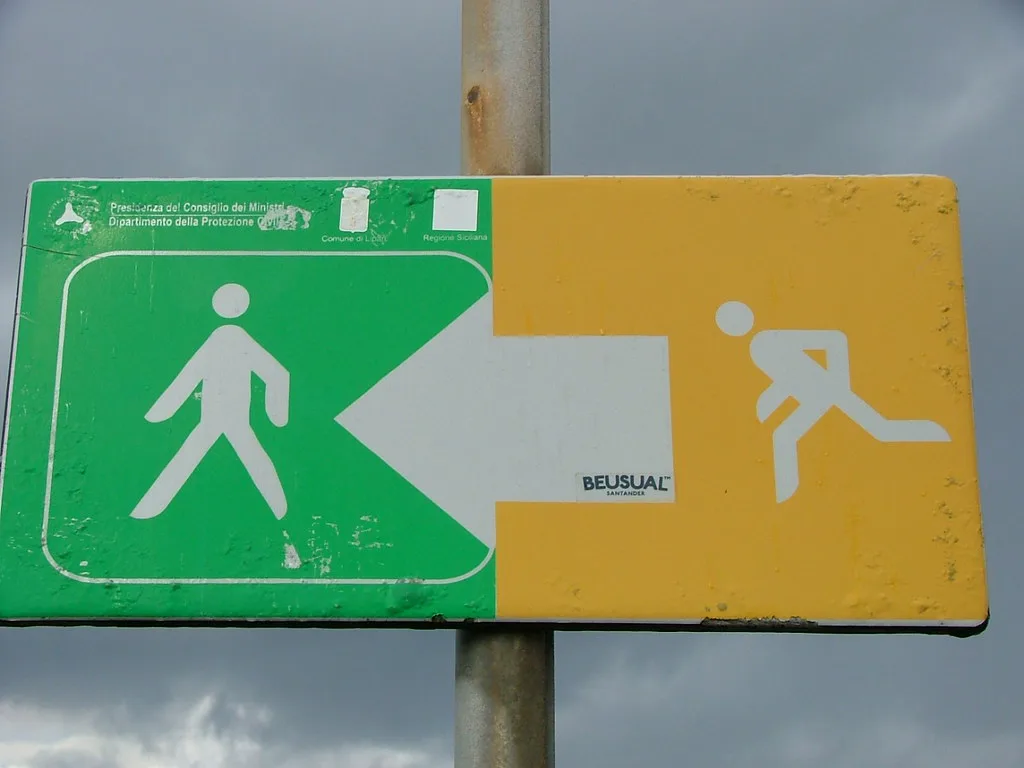
Eruptions typically come roughly every 15 to 20 minutes, but activity varies and no operator can promise a particular blast. Read our guide to Stromboli eruptions for how activity is described. Authorities can lower the permitted altitude or close access when activity rises. Bad weather can cancel departures as well. Access ordinances come from local and regional authorities, and Stromboli sits within the Comune di Lipari. Before you travel, check the live crater webcam. Plan a backup in case your hike is cancelled. A boat tour or a lower viewpoint walk still gets you a view of the Sciara del Fuoco.
- Mistake: no headlamp for the descent
- Mistake: starting a summer climb at midday
- Mistake: booking a ferry back that leaves too little margin after a late descent
- Mistake: booking a guide without checking accreditation or the cancellation policy
Getting there and staying overnight
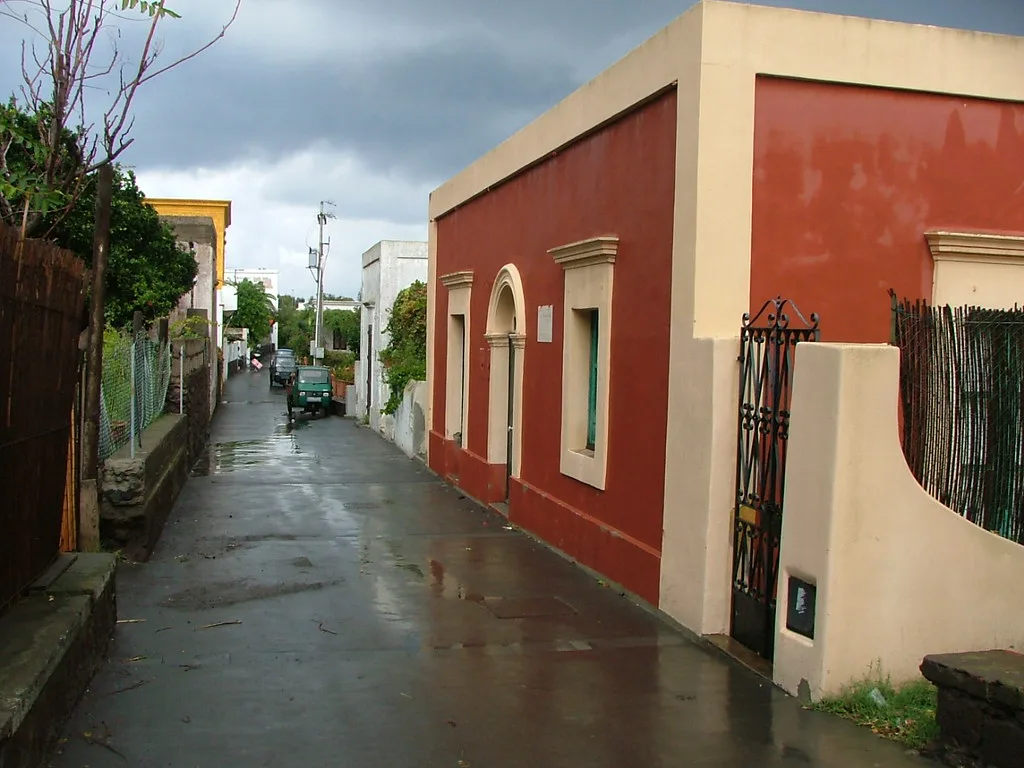
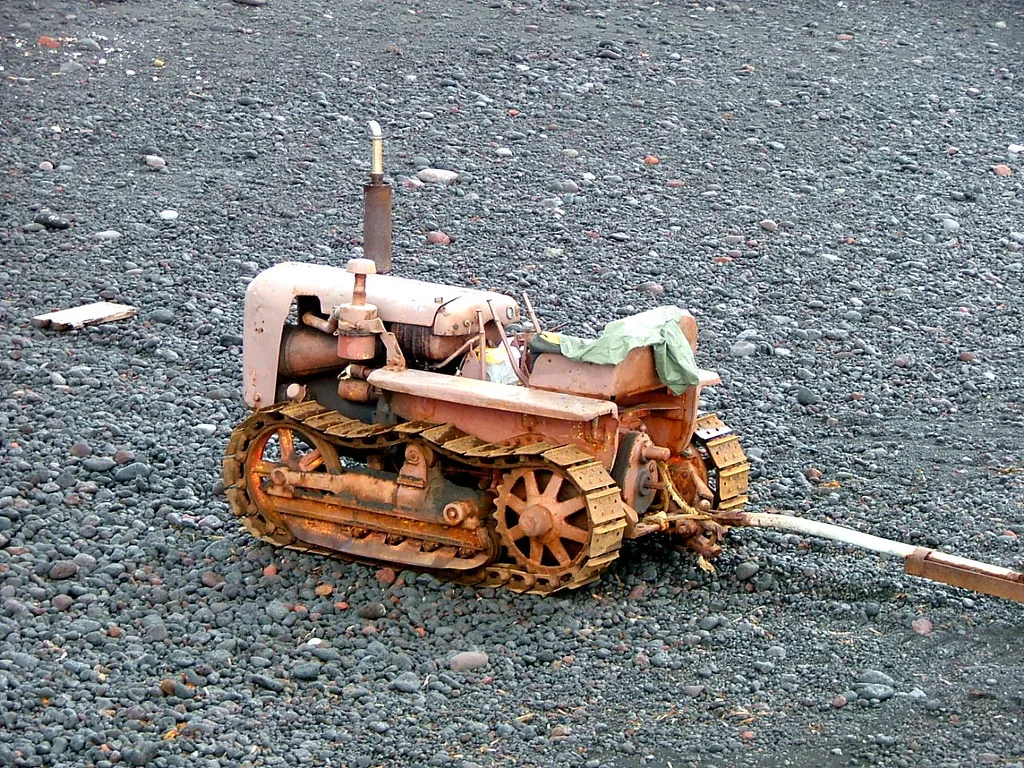
Ferries and hydrofoils reach Stromboli from Sicily and the other Aeolian Islands. Check Liberty Lines timetables for current sailings, since schedules change by season. Siremar is the other operator to compare. Stromboli is largely car-free, with only mini-trucks for transport, so there is no trailhead parking. Most visitors walk from the ferry terminal into the village and on to meeting points. Travel light, since vehicles are limited. Overnight stays beat day trips because a late descent can make you miss the last departure. Staying also lets you eat a late dinner without watching the clock. Use the Stromboli map to orient yourself in the village.
Costs and booking
Guided hike fees differ by operator and season. Ask operators directly for current prices, and check Liberty Lines for ferry fares.
- Cost category: the guided hike
- Cost category: ferry or hydrofoil tickets
- Cost category: accommodation, ideally for at least one night
- Cost category: gear rental if the operator does not supply it
- Cost category: food, including a late dinner
- Booking window: reserve ahead for summer and ask operators how early to book
- Guide accreditation: ask whether your guide is licensed and authorized for the altitude
- Group size: one traveler account describes 18 people in a guided group, so ask for the cap
- Included gear: ask whether helmets, masks and headlamps are supplied
- Cancellation policy: ask what happens if alert levels or weather stop the hike
Combine the hike with nearby sights
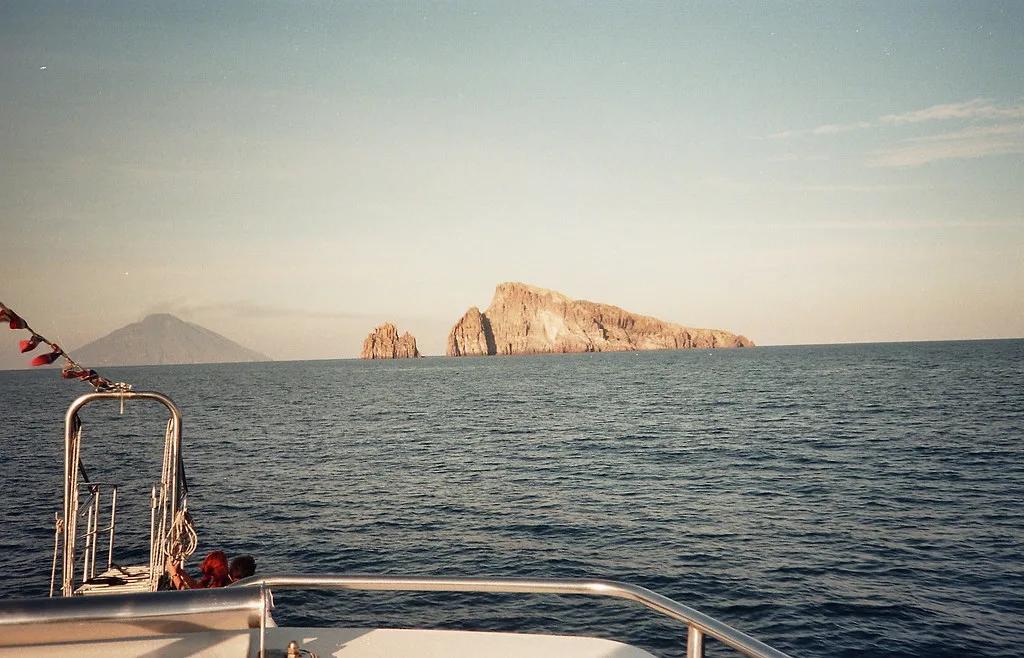
Pair your hike with a second day on the water. Read about Strombolicchio and its lighthouse before choosing a boat trip. Ginostra is the island's second village; see our Ginostra village profile. Vulcano island is a lower-commitment alternative if a night hike is not for you. Read about the mud bath stop on Vulcano. Walk-up details are in our Gran Cratere crater guide. Check each island's route rules separately before you compare effort.
Frequently Asked Questions
Is it worth visiting Stromboli?
Yes, if you want to see regular Strombolian eruptions from a viewpoint or a boat. The guided sunset hike gives the closest view, while boat trips suit anyone who cannot climb.
What country is the Stromboli volcano in?
Stromboli is in Italy, part of the Aeolian Islands near Sicily. It falls under the Comune di Lipari.
Does anyone live on Stromboli island?
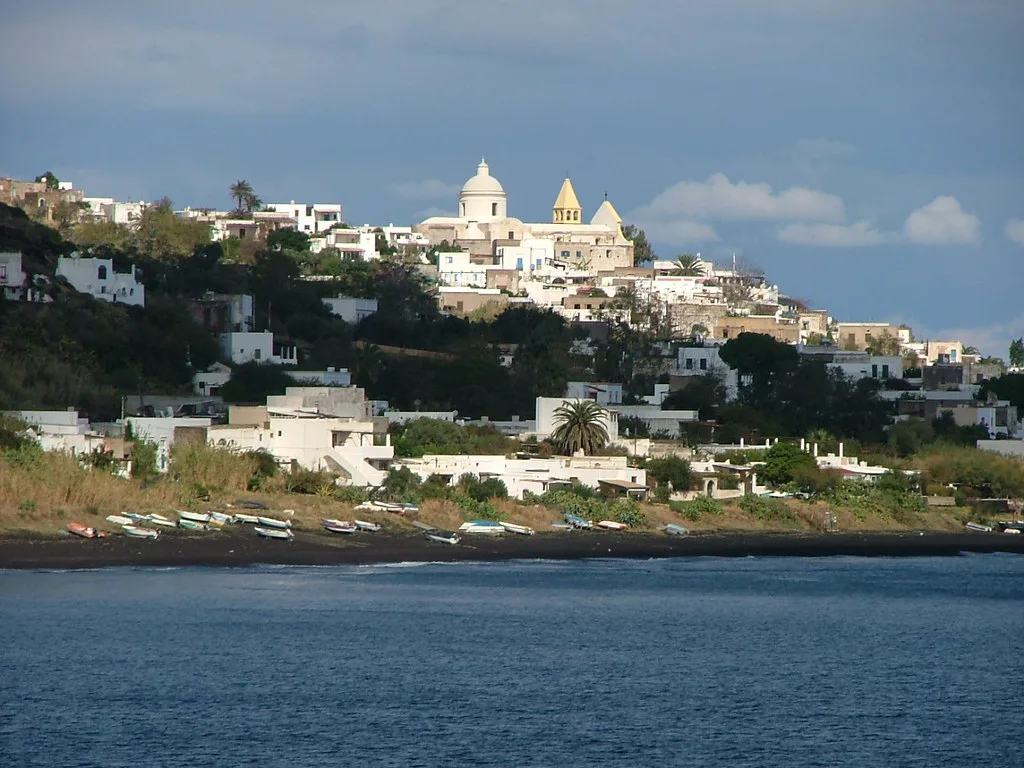
Yes, the island has two villages. Stromboli village is where most ferries arrive and hikes start, and Ginostra is the other village.