Is Mount Vesuvius Still Active? Yes, Here's What It Means
Last updated November 2026: is Mount Vesuvius still active, and does that change your trip? Yes, Vesuvius is an active volcano, currently in a quiet resting phase after its last eruption began on 18 March 1944. Visiting the crater is not affected by volcanic activity, and the alert level stood at green in October 2026.

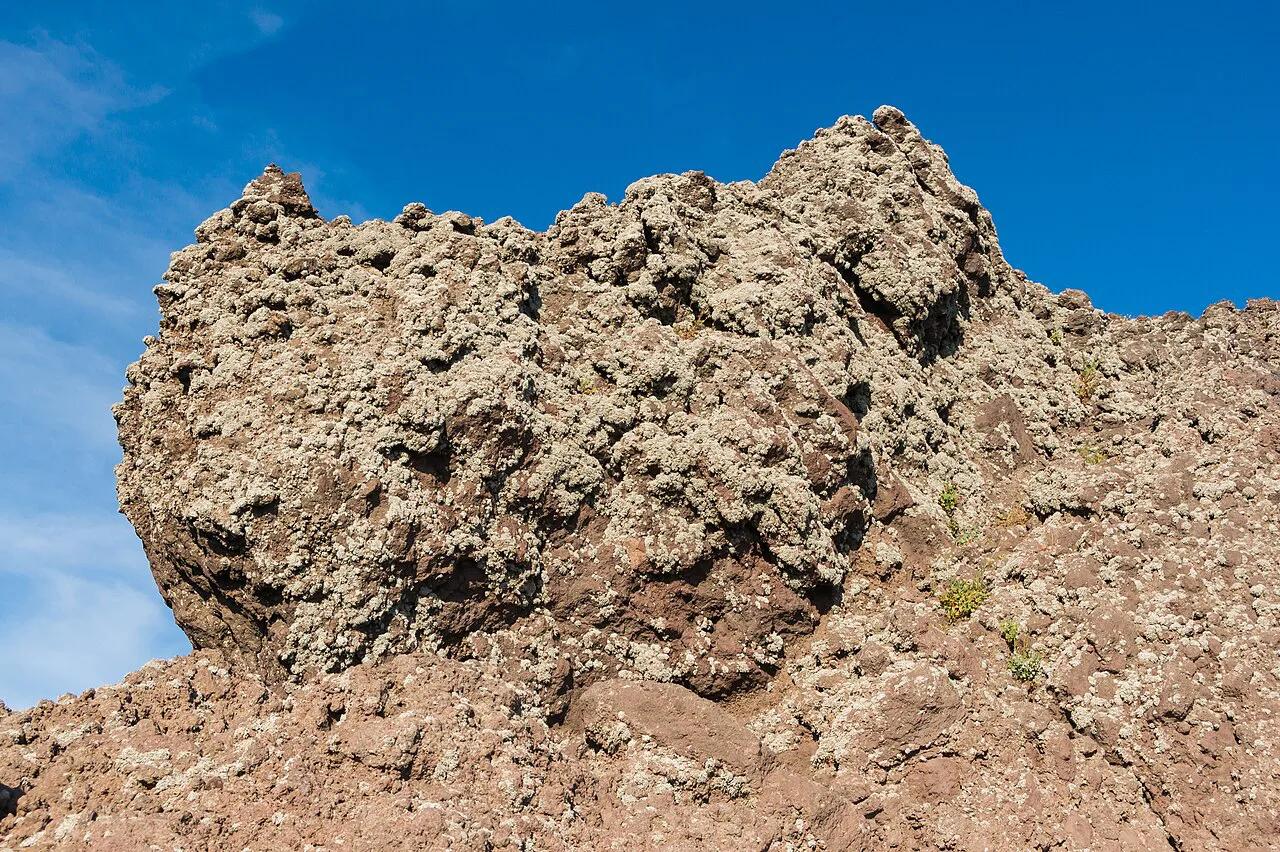
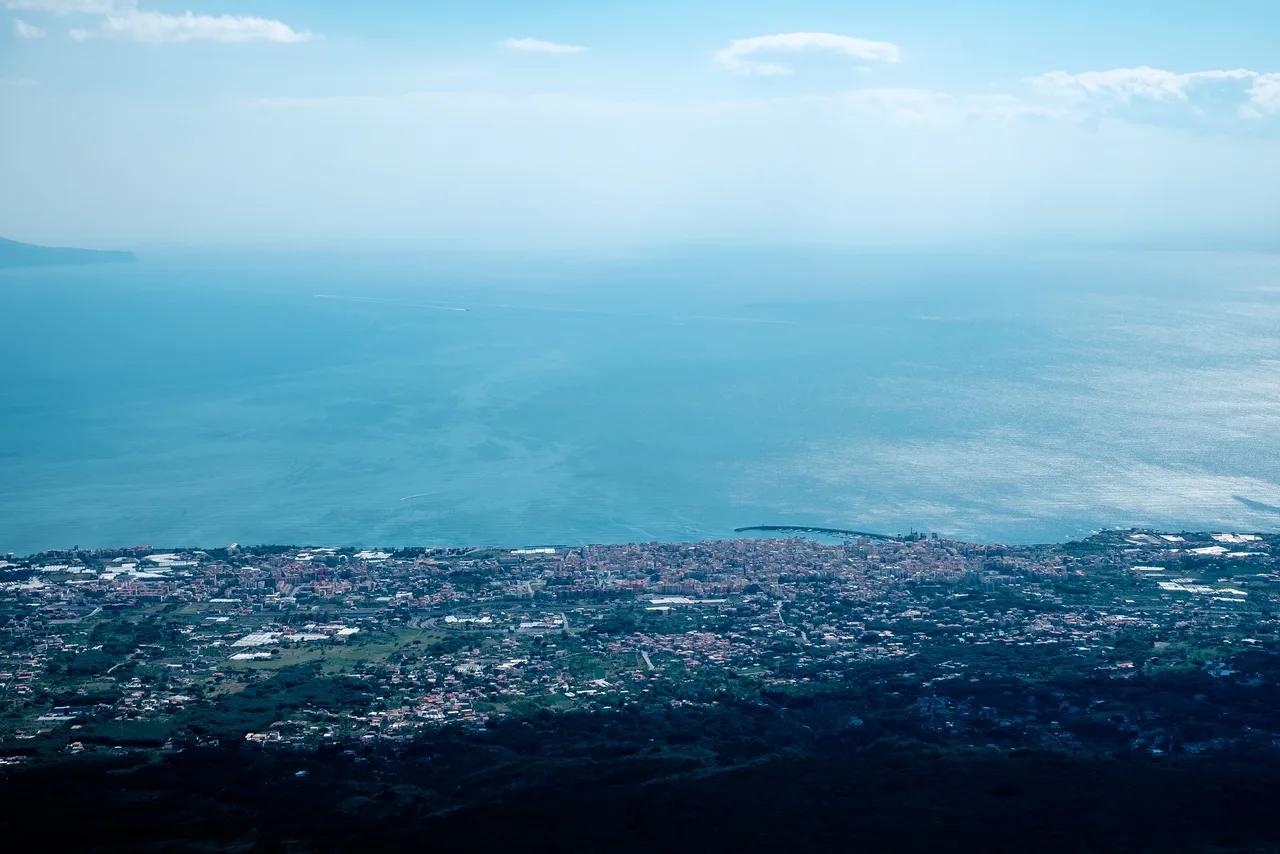
Featured image: Mboesch, CC BY-SA 3.0, via Wikimedia Commons.
Is Mount Vesuvius still active? The short answer
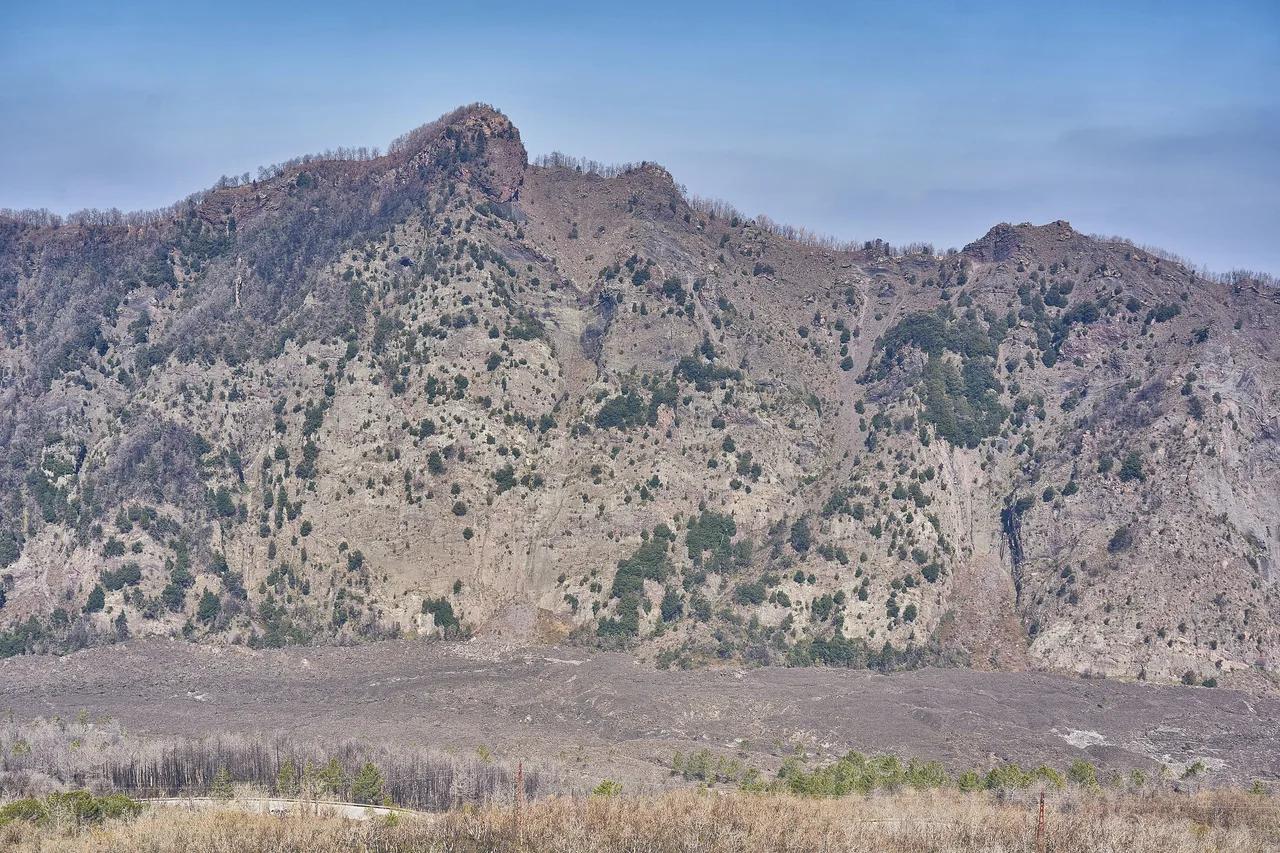
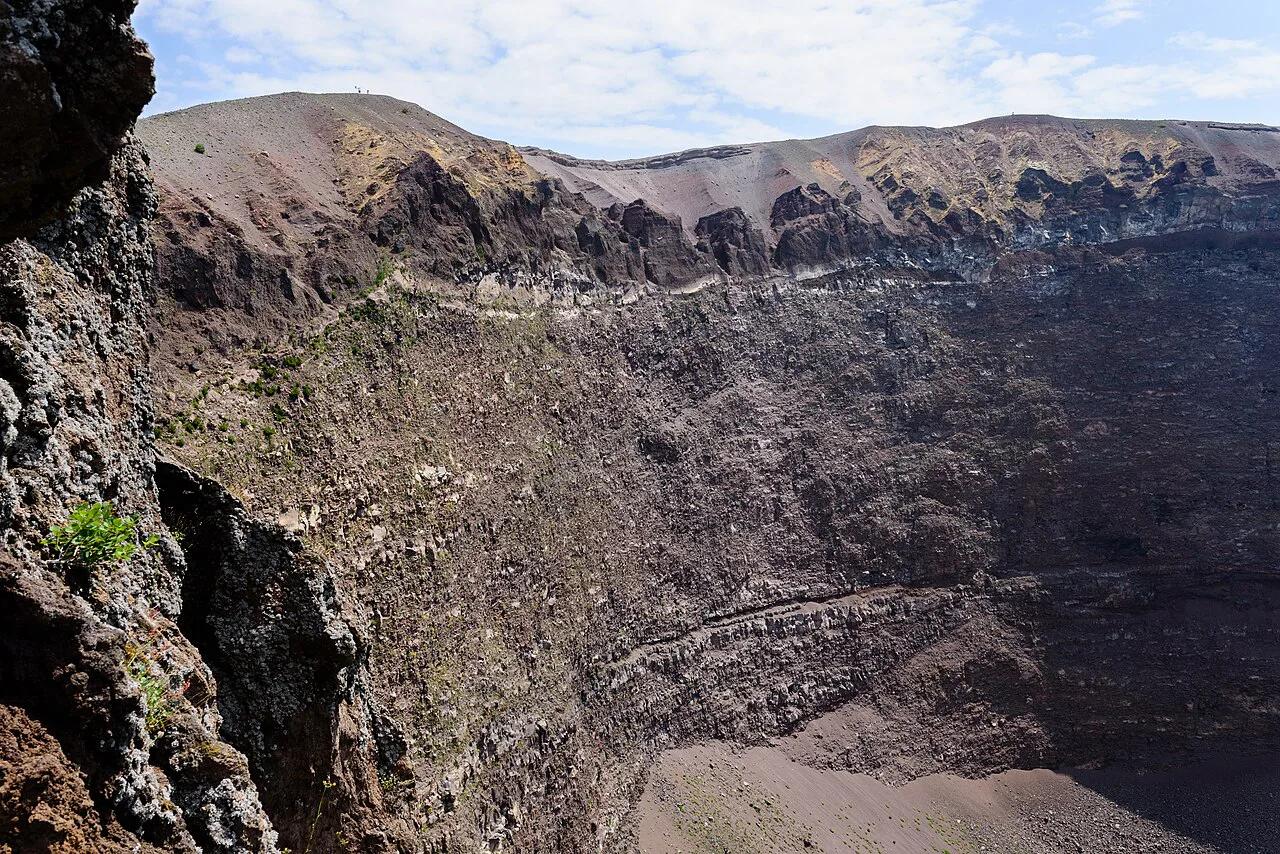
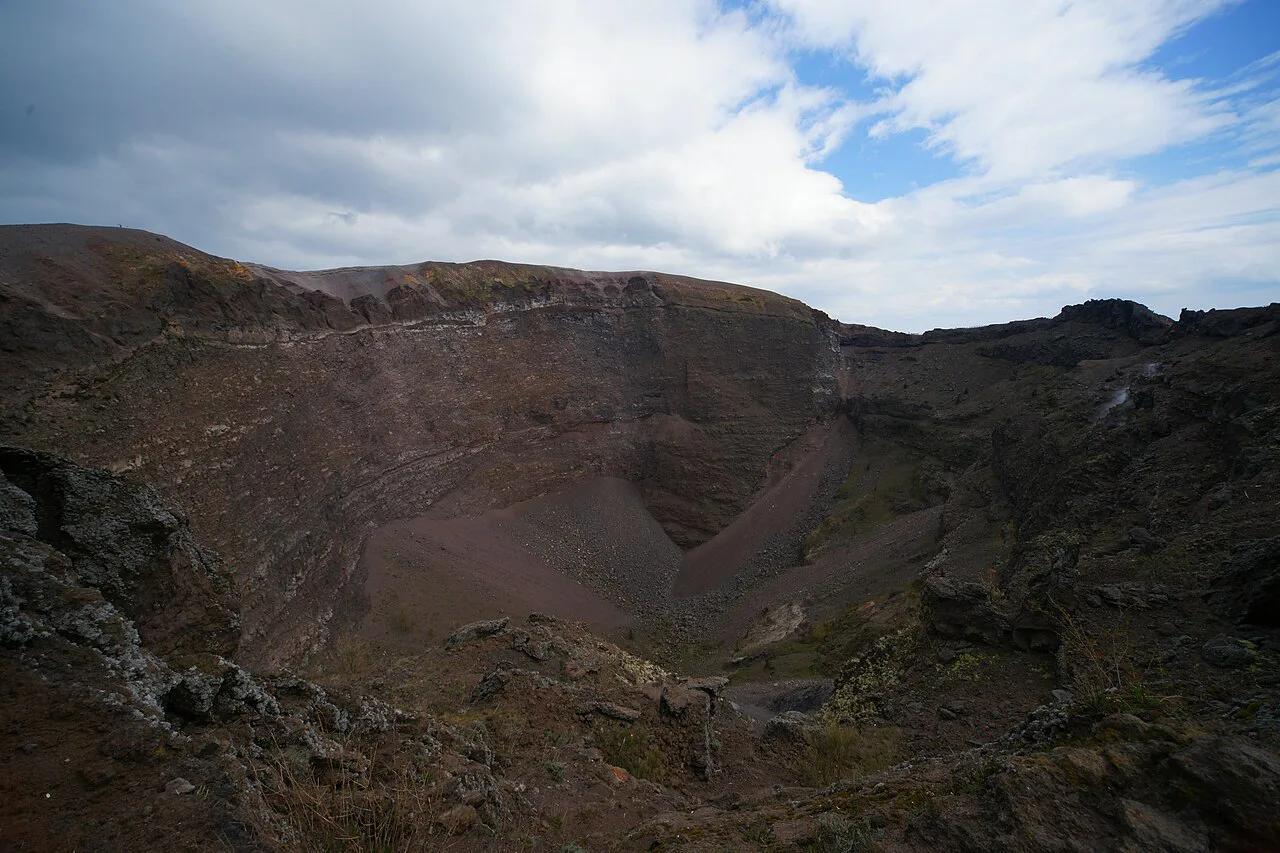
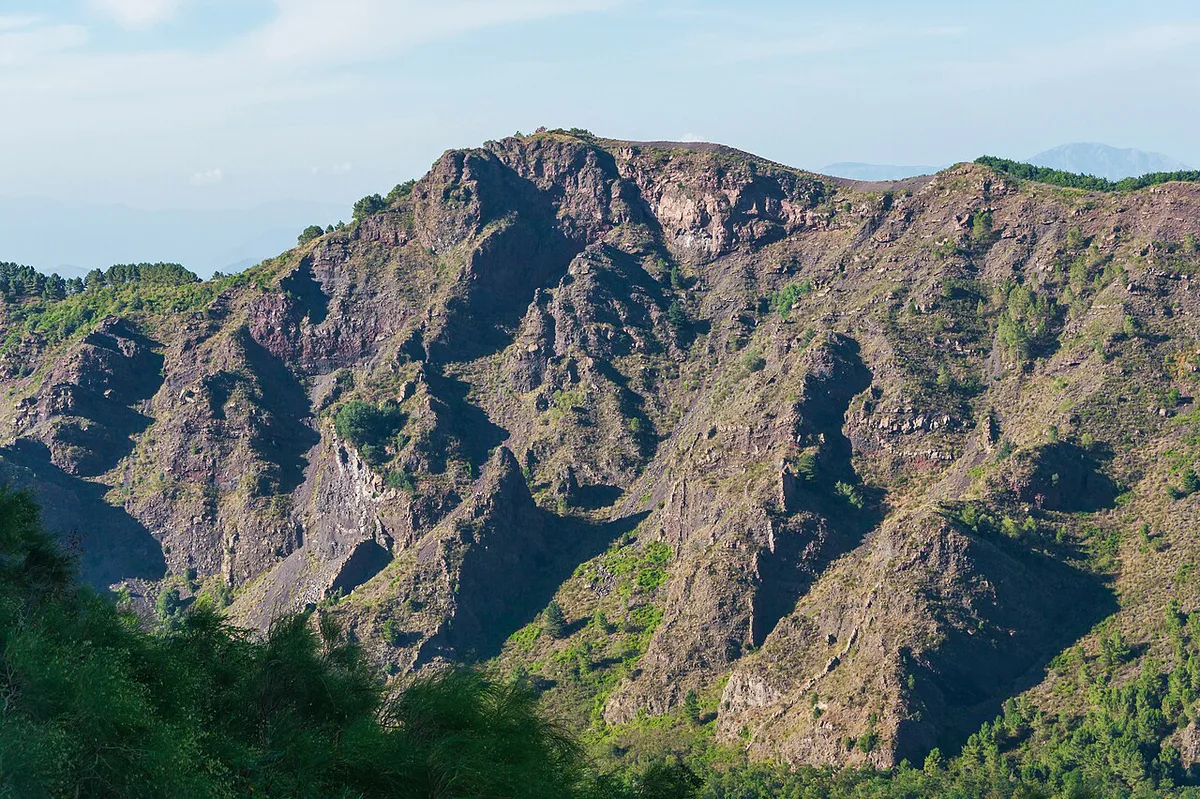
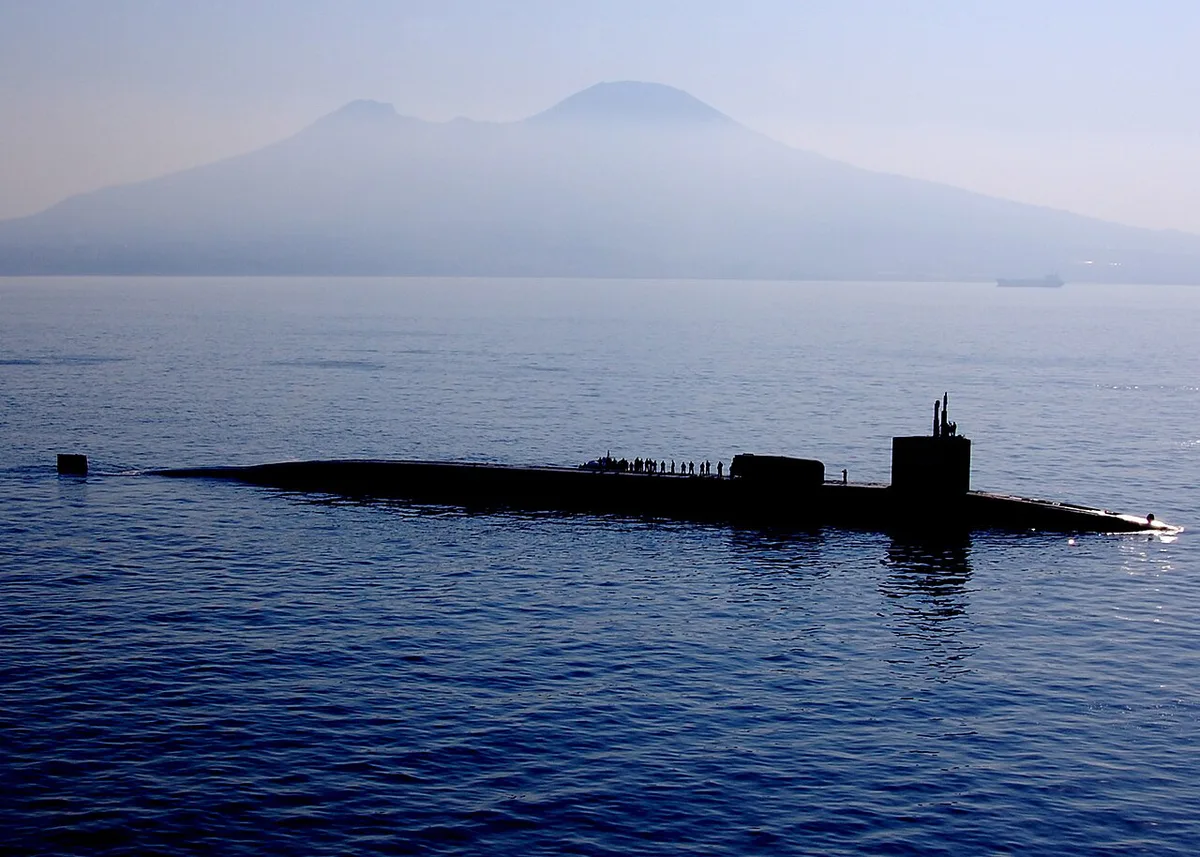
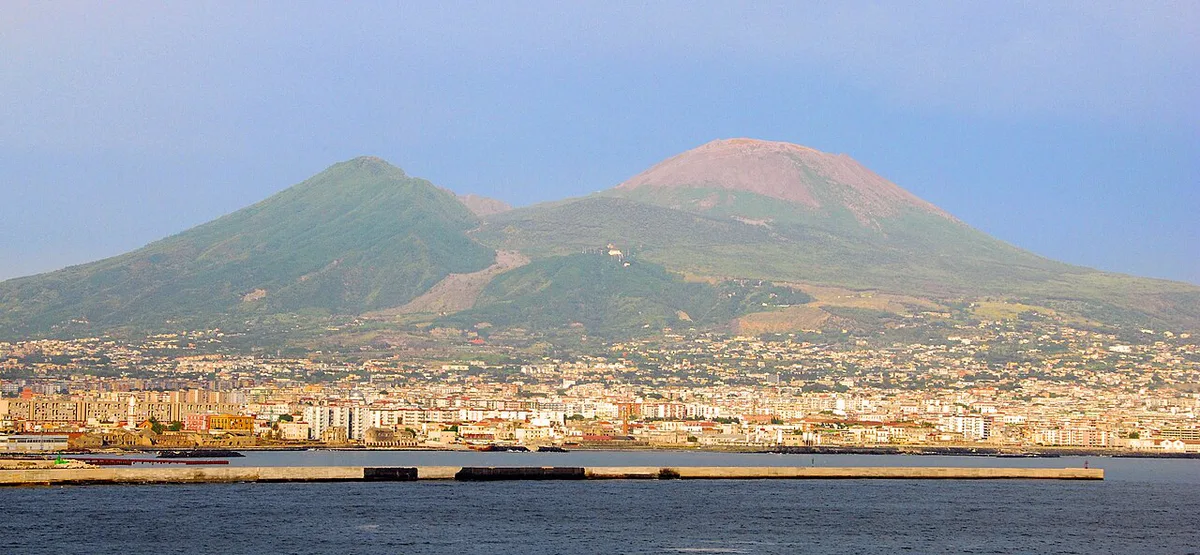
Vesuvius is active but at rest. Its last eruption began on 18 March 1944 and lasted a few days. Since then the vent has been blocked. Fumaroles, small puffs of steam, are still visible on the crater walls, and instruments record low-energy earthquakes. Seen from the bay, the mountain has two peaks. The Gran Cono is about 1,281 m (roughly 4,200 ft) high, and Monte Somma is the older ridge curving around it to the north. For the wider picture, start with our complete Mount Vesuvius guide.
Active, dormant or extinct? What the words mean
Volcanologists use these labels loosely, so check which meaning a page intends. Italian authorities treat Vesuvius as active and monitor it day and night. Some pages call it dormant, which is an everyday word for the same resting phase. Our explainer on what type of volcano Vesuvius is covers its structure.
| Term | Everyday meaning | Where Vesuvius fits |
|---|---|---|
| Active | Has erupted in recorded history and could erupt again | Yes: last eruption began 18 March 1944 |
| Dormant | Quiet now, but not finished | A loose label for its current rest |
| Extinct | Not expected to erupt again | No: Vesuvius is not extinct |
Eruption history in brief
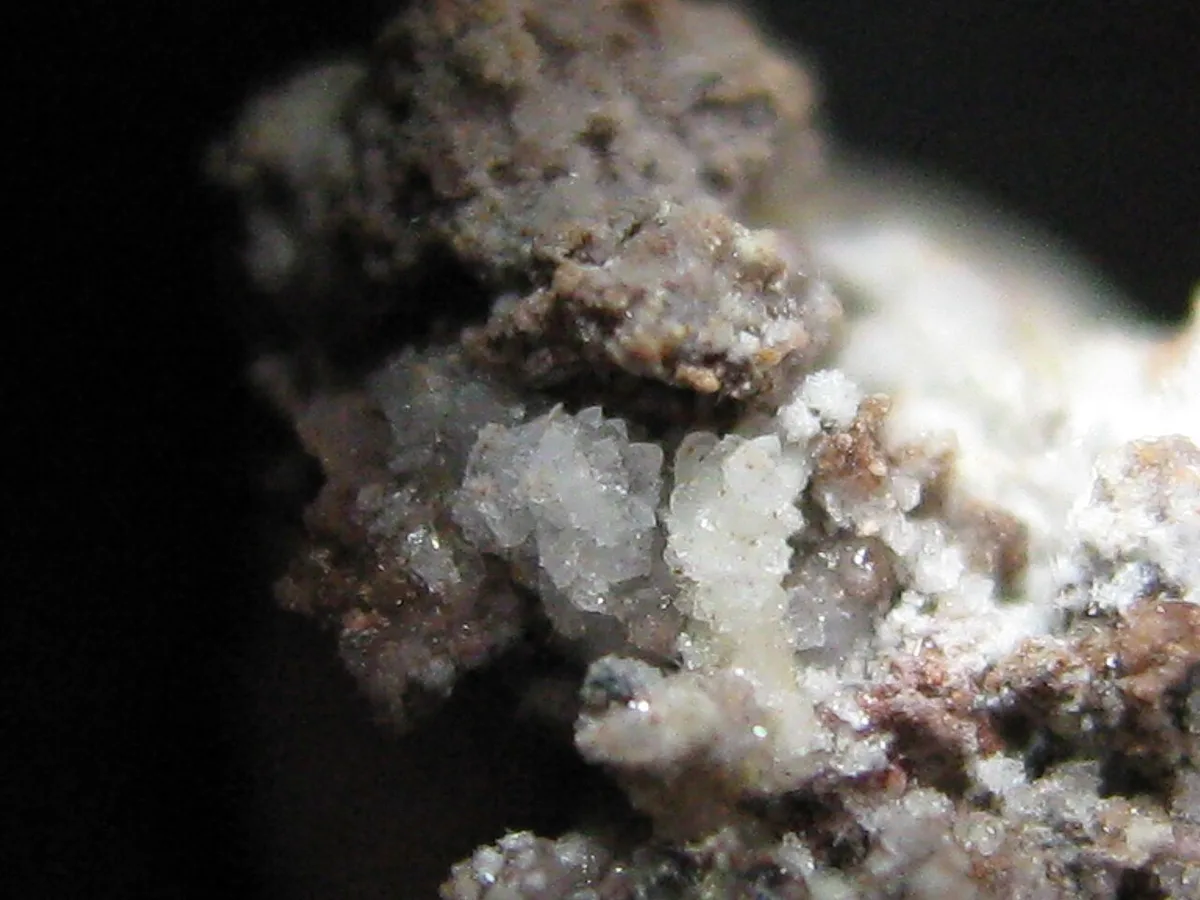
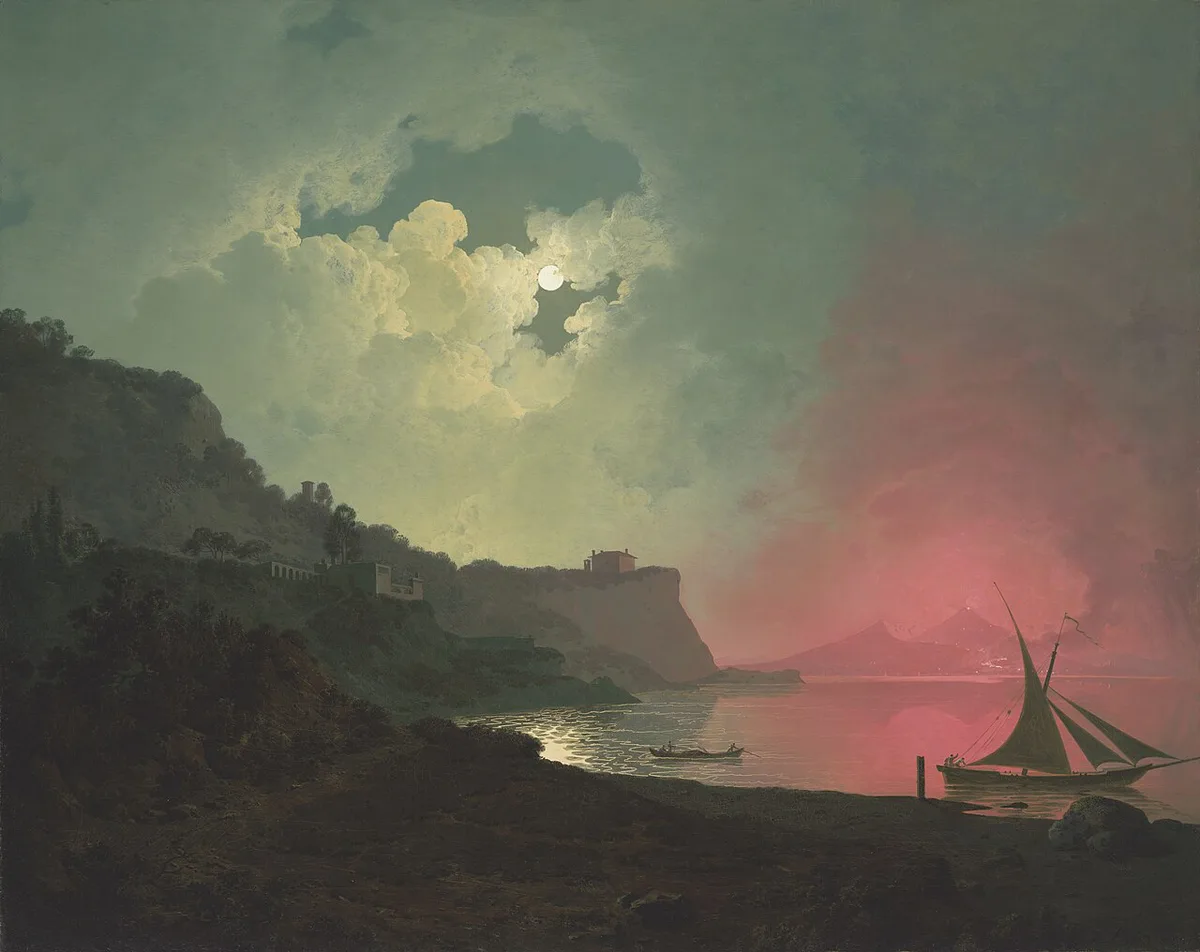
Vesuvius alternates long rests with active phases. Before 1631 it had been quiet for almost five centuries. From 1631 to 1944 it erupted almost continuously. Read the 1944 eruption in detail for the most recent event. Our page on the AD 79 eruption covers Pompeii and Herculaneum. More dates sit in our Vesuvius eruption history.
- AD 79: the eruption that buried Pompeii and Herculaneum.
- 1631: the end of almost five centuries of quiet, and the start of near-continuous activity.
- 18 March 1944: the last eruption, lasting a few days.
Who monitors Vesuvius, and how
The Vesuvius Observatory was founded in 1841 and is considered the oldest volcano observatory in the world. It is now a section of Italy's national volcanology institute and works from Naples. INGV Osservatorio Vesuviano also monitors Campi Flegrei and Ischia, which are separate systems from Vesuvius. Several instrument networks run around the clock, and the data appear in regular public bulletins. Eruptions cannot be predicted precisely, so no source gives a date for the next one. The historic observatory building on Colle del Salvatore is now a museum, described in our Vesuvius Observatory guide.
Bulletins from the observatory founded in 1841 carry the alert level, while trail closures come from wind or fire, so check both before booking.
- Seismic: dozens of stations record even the smallest earthquakes.
- Geodetic: GPS and satellites measure ground movement of a few millimetres.
- Geochemical: fumarole gas composition and temperature are analysed.
- Visual: direct observation, cameras and thermal cameras.
The red zone and the emergency plan
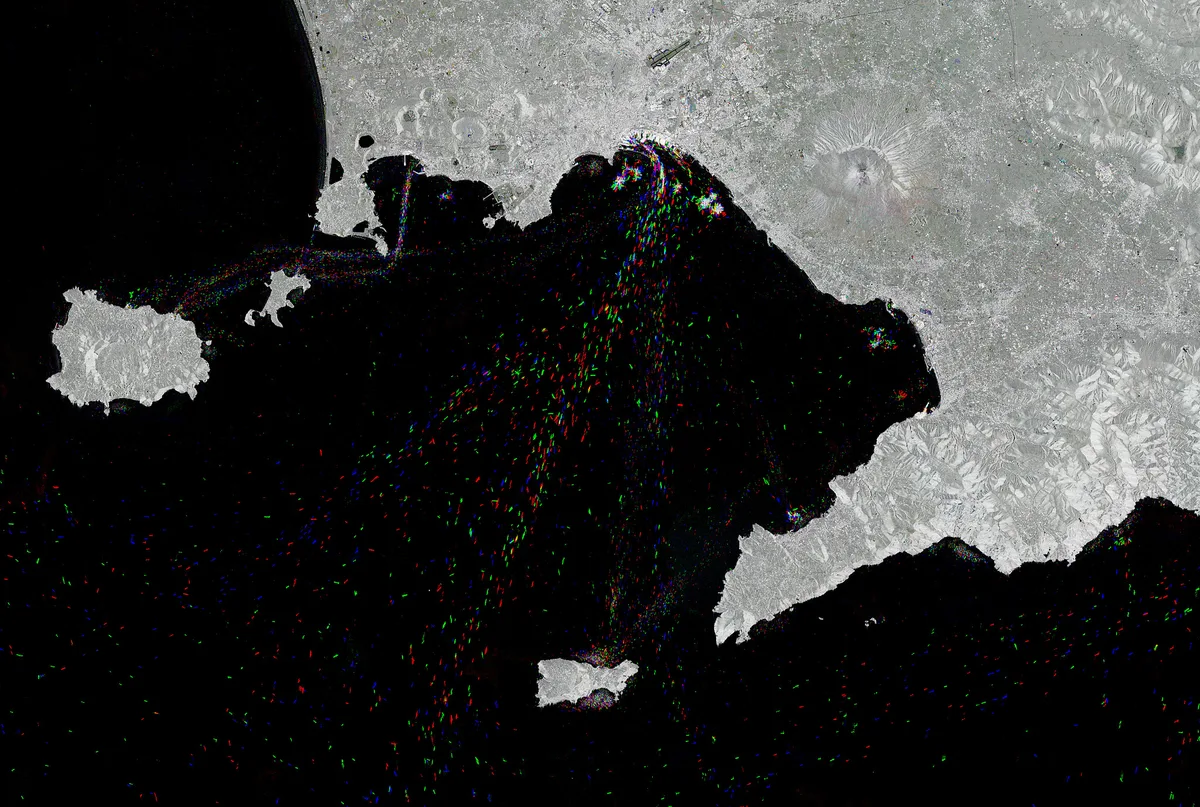
About 700,000 people live in the red zone. It covers 25 municipalities in the provinces of Naples and Salerno, plus some districts of Naples. This is the area exposed to pyroclastic flows and to ash heavy enough to collapse roofs. A national plan run by the Civil Protection Department sets precautionary evacuation as the protective measure. Its reference scenario is an eruption like 1631, less violent than AD 79. Our Vesuvius red zone guide lists what it means in practice. If you are choosing a base, see Hotels Near Mount Vesuvius: Best Bases by Trip Type.
Planners base the emergency plan on an eruption like 1631, the year near-continuous activity began, not on the larger AD 79 event.
- Alert levels, in order: green, yellow, orange, red.
- Level changes depend on what the instruments record.
- Green means no significant change.
Is it safe to visit? What 'active' means for your trip
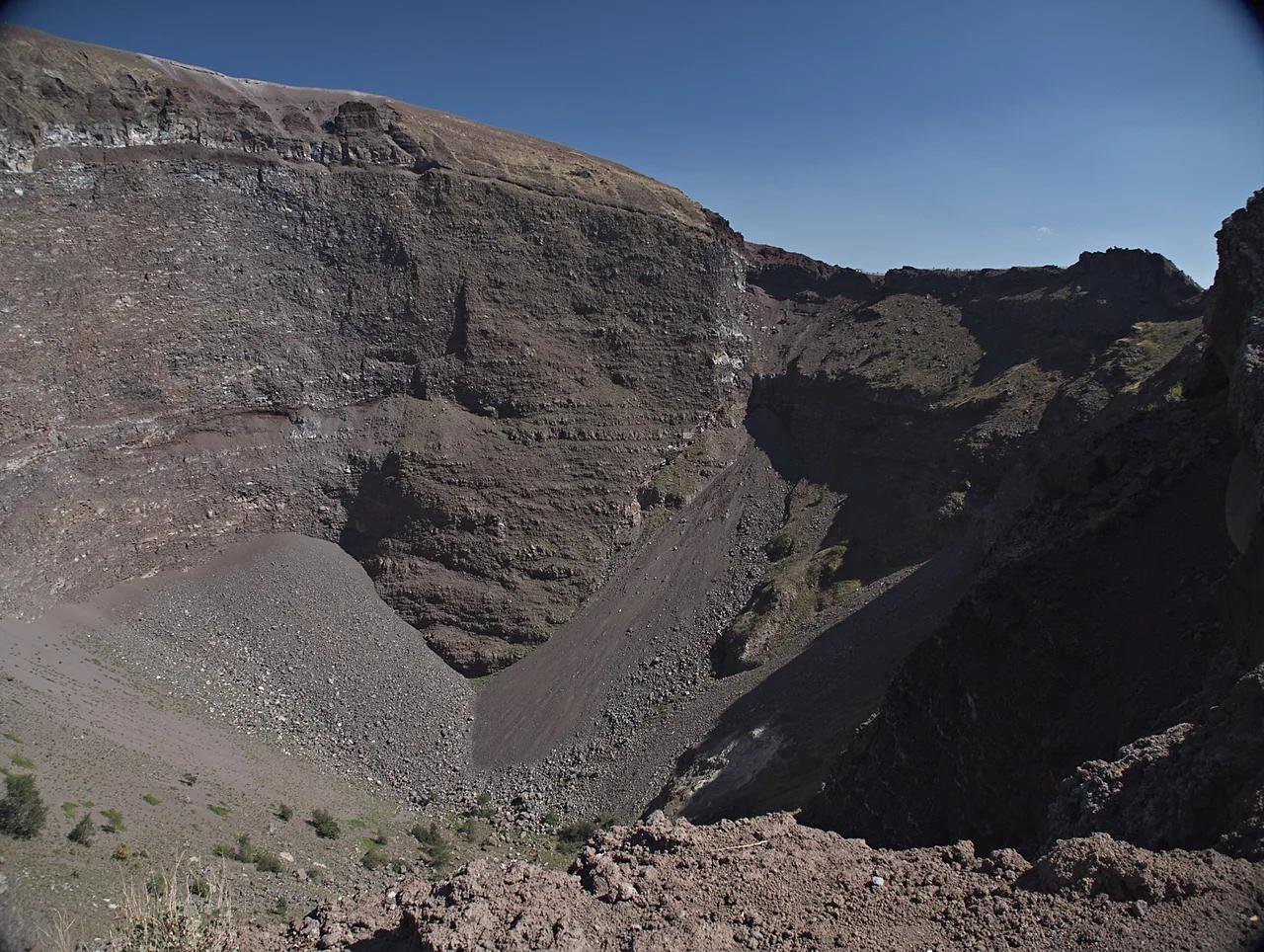
Climbing the crater is safe in normal conditions. The Gran Cono trail is run by Vesuvius National Park and uses a timed ticket. It closes for strong wind or fire risk, not because of volcanic activity. Our guide to the Mount Vesuvius Crater: How to Visit & What to Expect shows what you will see at the rim. The Vesuvius hike page covers the trail itself. Book ahead through our Vesuvius Tickets: Prices, Booking & How to Get There page. Weighing the trip overall? Read whether Vesuvius is worth visiting.
- Climbing the crater: normal conditions allow it, and closures come from wind or fire.
- Staying in Naples, Pompeii or Sorrento: the red zone and emergency plan exist, but no change in alert level has been announced.
- Anxious travelers: read the monitoring section above and the INGV bulletins before you book.
Check before you go
A three-step routine takes a few minutes on the day. It beats relying on any guide page, including this one, for live status. Weather matters most for the trail, so see Vesuvius Weather: Summit Conditions, Seasons & Go/No-Go Guide for what to expect. Timing advice is in the best time to visit Vesuvius. Starting from Naples? See Vesuvius from Naples: How to Get There, Costs & Timing. Staying near the ruins? Try Vesuvius from Pompeii: How to Get There and Is It Worth It. Based on the Sorrento coast? Use Vesuvius from Sorrento: Train, Tour or Driver?.

- Step 1: check the trail status on the Vesuvius National Park site.
- Step 2: read the alert level in the INGV bulletin.
- Step 3: check the forecast, especially wind.
- Myth: dormant means safe forever. Reality: it is active but resting, and monitored.
- Myth: a trail closure means an eruption is coming. Reality: closures come from wind or fire risk.
- Myth: Pompeii is dangerous to visit. Reality: no change in alert level has been announced.
- Myth: Vesuvius and Campi Flegrei are one system. Reality: they are separate, and the Osservatorio Vesuviano monitors both.
Sources and last-checked note
Facts here were compiled on 22 November 2026 from INGV Osservatorio Vesuviano, the Civil Protection Department and Vesuvius National Park. Alert level and trail status change, so read the live pages before you travel.
Frequently Asked Questions
What year will Mount Vesuvius erupt again?
No one can say. Eruptions cannot be predicted precisely, and no official source gives a date or probability. Current status is published by INGV Osservatorio Vesuviano.
Would Naples be destroyed if Vesuvius erupted?
The emergency plan covers 25 municipalities plus some districts of Naples. Its reference scenario is a 1631-type eruption, less violent than AD 79. The planned protection is a precautionary evacuation, guided by what the instruments record.