Marsili Volcano: What It Is and What to Visit Instead
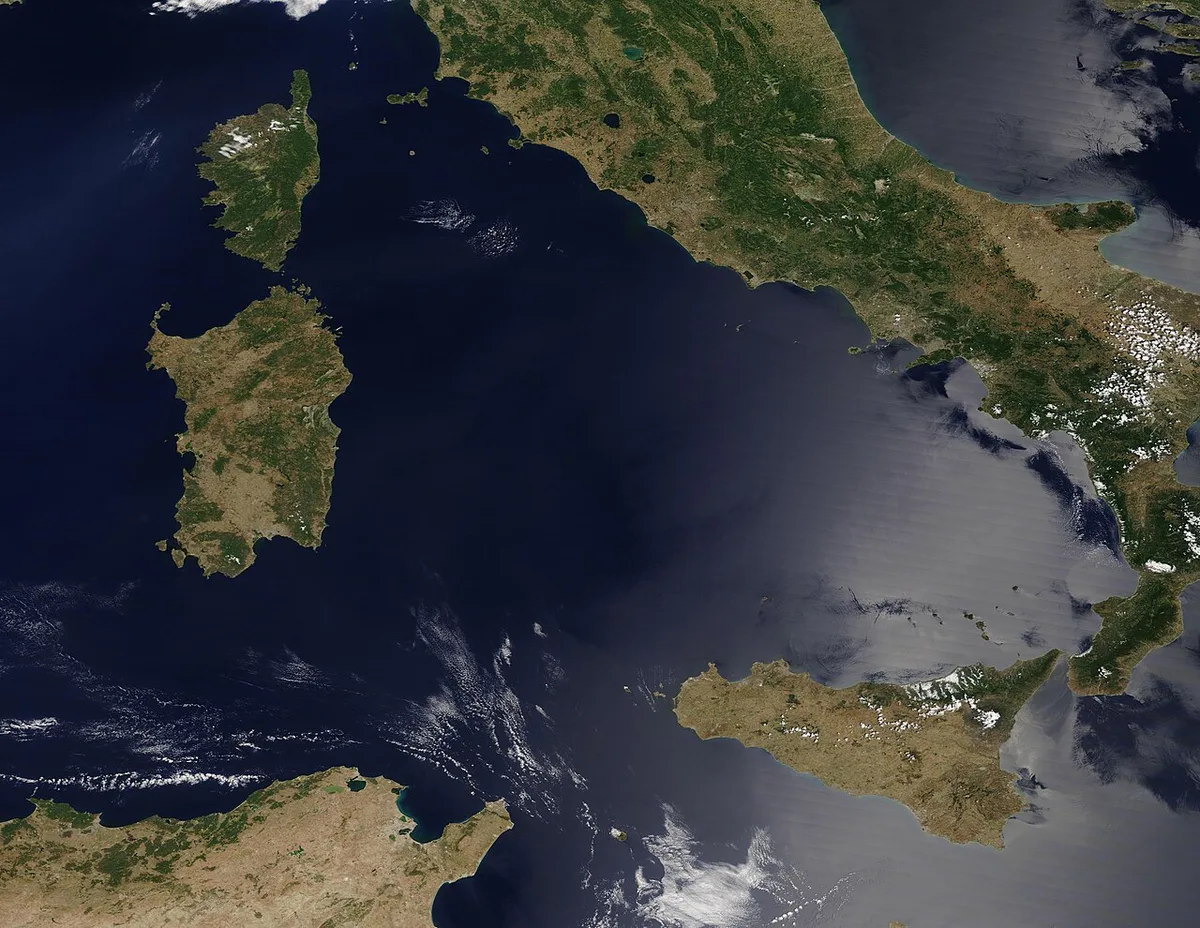
Last updated November 2026. Marsili is a large submarine volcano in the southern Tyrrhenian Sea, roughly 150 km (about 93 miles) off the Calabrian and Sicilian coast. It has no land access, so you cannot visit it as a normal tourist. This guide explains what Marsili is, what researchers say about it, and which volcanoes you can climb or tour instead, starting from our hub on 7 Volcanoes in Italy: Active, Dormant and Visitable.
Featured image: NASA, Public domain, via Wikimedia Commons.
What Marsili Is: The Volcano Under the Tyrrhenian Sea
Marsili is a seamount, which means a volcanic mountain built on the seafloor that never breaks the surface. It sits far offshore in the Tyrrhenian Sea. It is often described as the largest volcanic edifice in Europe by volume. That claim is about its bulk, not about height above sea level or eruptive power. Italian volcanology institutes such as INGV study it with ships and seafloor instruments rather than from the coast.
- Type: submarine volcano (seamount)
- Location: southern Tyrrhenian Sea, roughly 150 km off the Calabrian and Sicilian coast
- Land access: none
- Visitor status: not a visitor attraction; no confirmed tour or dive operator
- Research context: studied by Italian marine geophysics and volcanology teams
Where Marsili Is and Why You Cannot Visit It
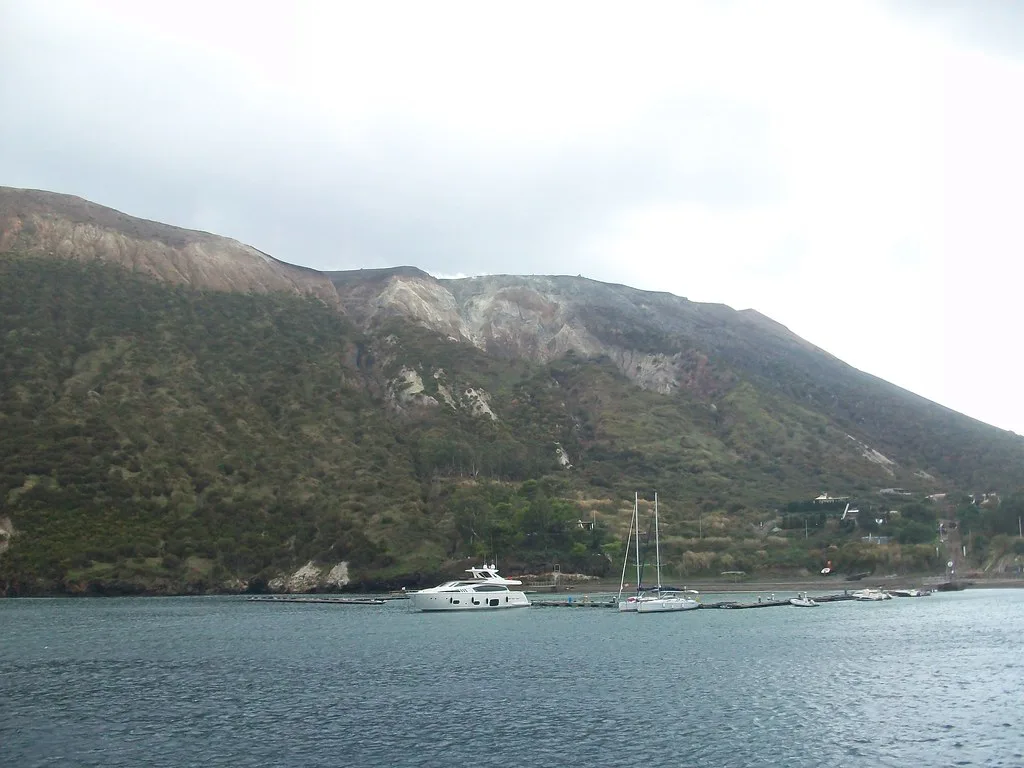
Open water surrounds Marsili on every side. No island, jetty or viewpoint marks its position. Its summit stays below the surface, so nothing is visible from a boat deck or a ferry window. No operator is confirmed for trips to the seamount, and unsupervised boat or diving attempts are not something to plan. Any real access comes through research cruises. For a sense of where it sits among Italy's other volcanic sites, use our map of Italian volcanoes.
Is Marsili Active or Dangerous?
Researchers treat Marsili as a volcano that still shows hydrothermal and magmatic signs. Published work looks at its internal structure, its hydrothermal activity and the stability of its flanks. Some papers discuss tsunami scenarios if a large flank collapse ever occurred. Those are modelling exercises, not forecasts. No source in our research puts a date or a probability on an eruption. Headlines claiming that Marsili is about to erupt go beyond what scientists have published. For a traveler, the practical point is simple. Marsili does not affect ferry timetables, beach days or hikes on the Aeolian Islands today. Italy's volcano and civil protection agencies publish alerts for the land volcanoes you will actually visit. Our overview of Italy's active volcanoes shows which ones are monitored.
Sitting about 93 miles offshore, Marsili has no bearing on the Aeolian ferries you might book. Watch the agency alerts for the land volcanoes you plan to visit instead.
Common Misconceptions About Marsili
Three claims circulate widely online. Each needs a correction.
- "It is about to erupt." No published source gives an eruption date or probability.
- "It is Europe's largest volcano." It is described as the largest by volume of volcanic edifice, which is a narrower claim than largest overall.
- "You can dive it." It is a deep offshore seamount, and no recreational dive operation is confirmed.
Nearest Places to Go: Aeolian Islands and the Tyrrhenian Coast
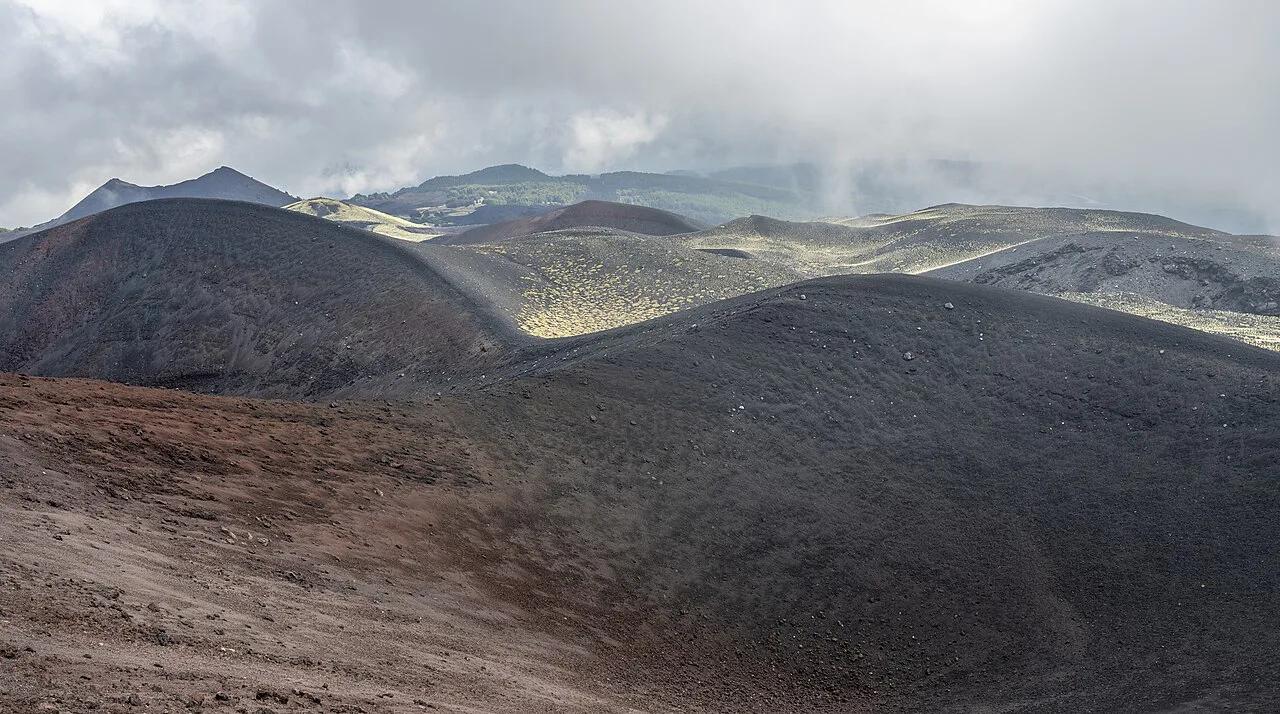
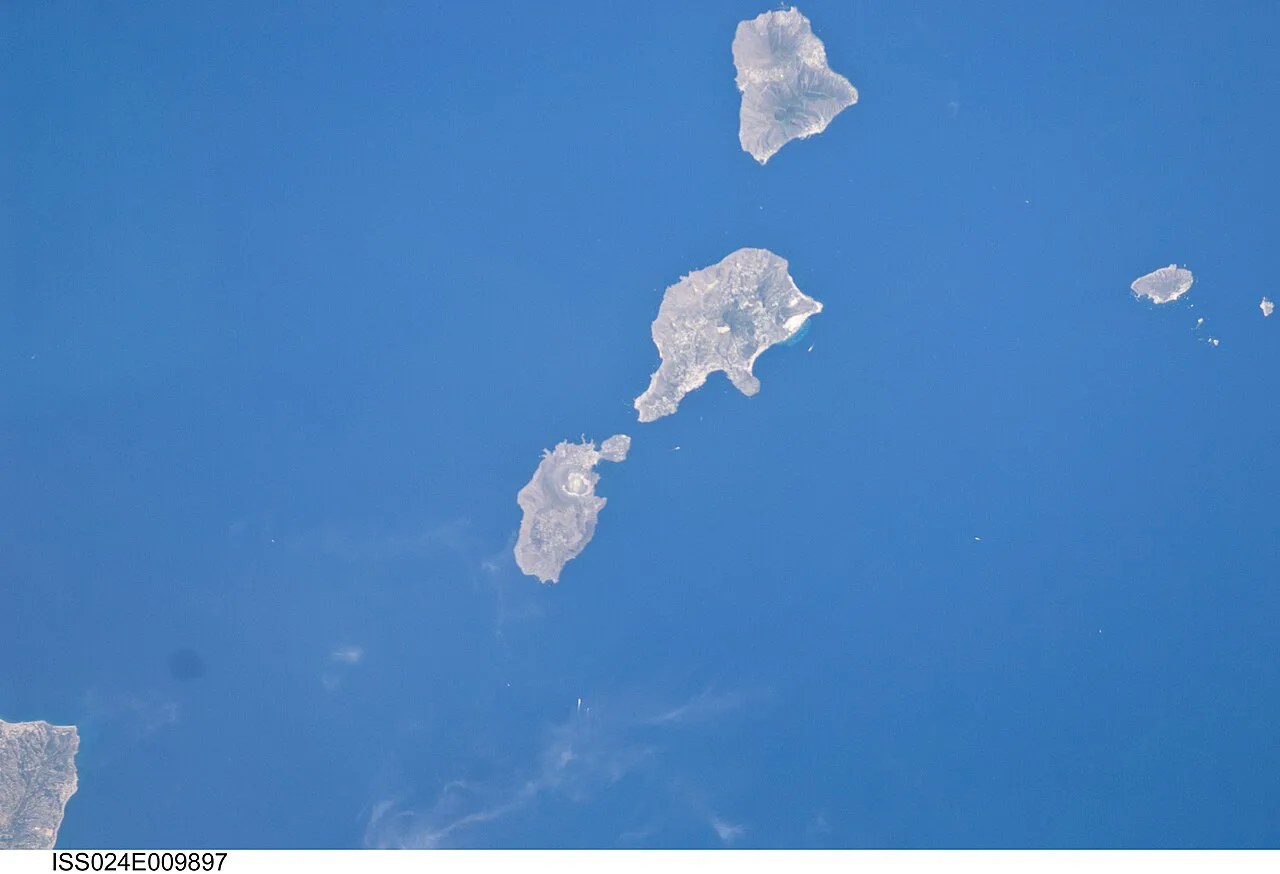
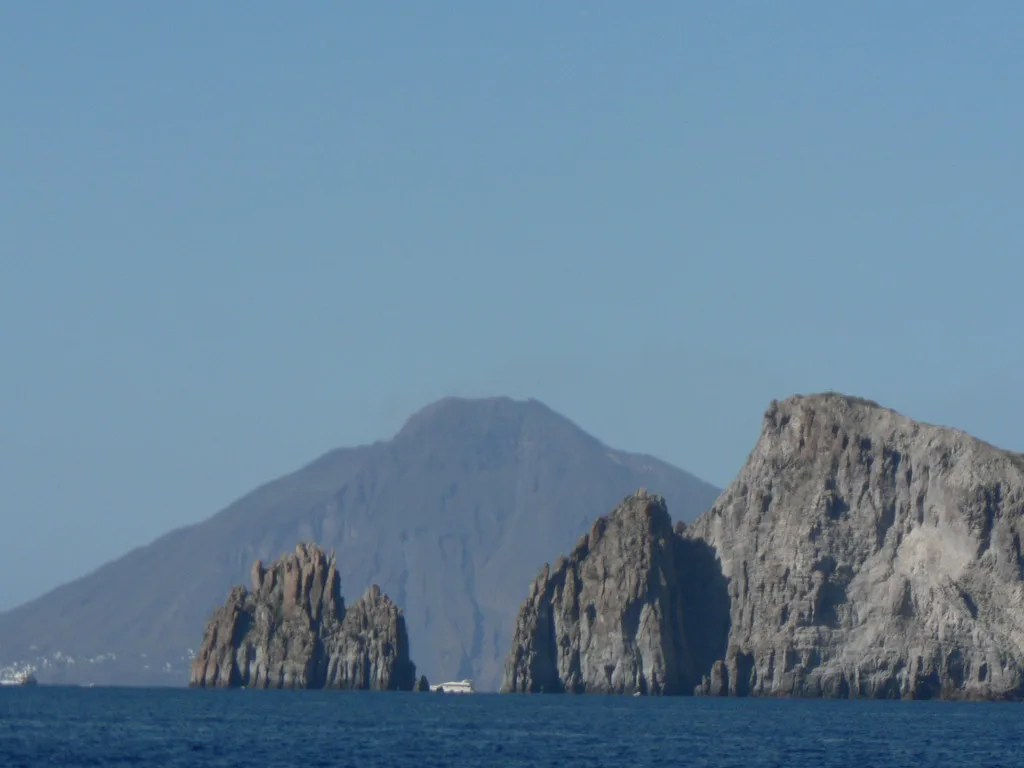
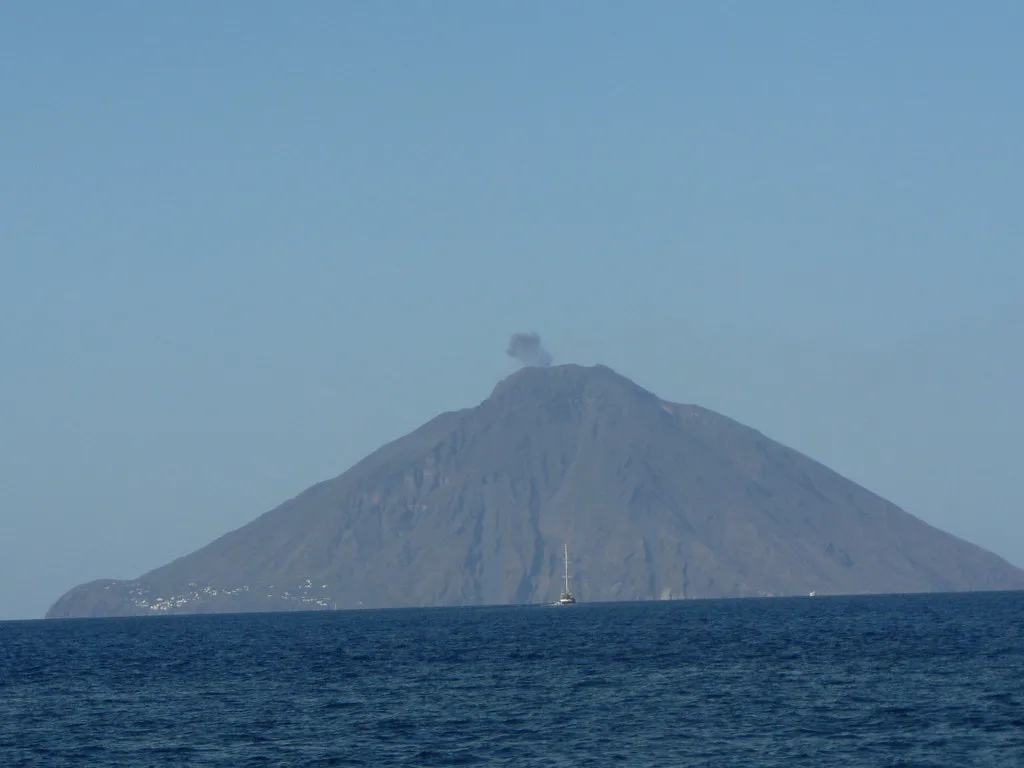
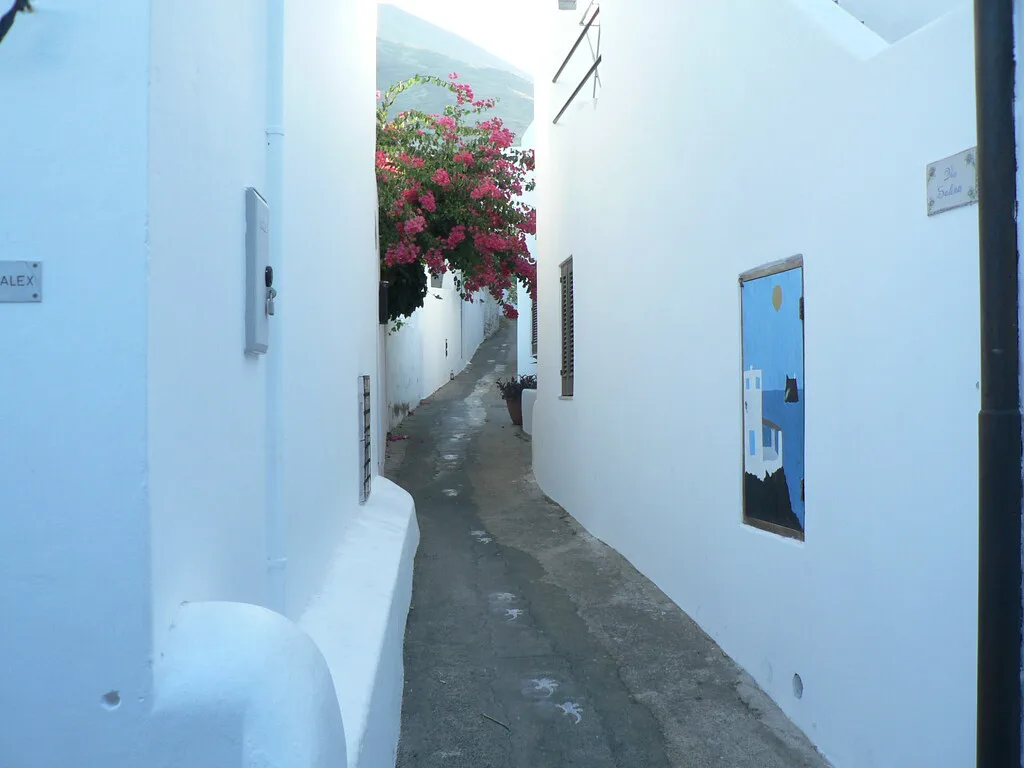
The closest practical bases lie along the Tyrrhenian side of Sicily and Calabria. The Aeolian Islands, reached by ferry or hydrofoil from northern Sicily, are the natural choice. Stromboli is the island to prioritize, because it is an active volcano you can see erupting from the sea or from a guided walk. Other bases include the northern Sicilian coast, the Calabrian coast and the Campania coast. Ferry and hydrofoil timetables change by season, so check the operator's current schedule before you book. Choosing between Italy's two famous active peaks is easier with our comparison of Stromboli or Etna. Etna has its own official visitor information at Parco dell'Etna. For the wider island, see Sicily's volcanoes.
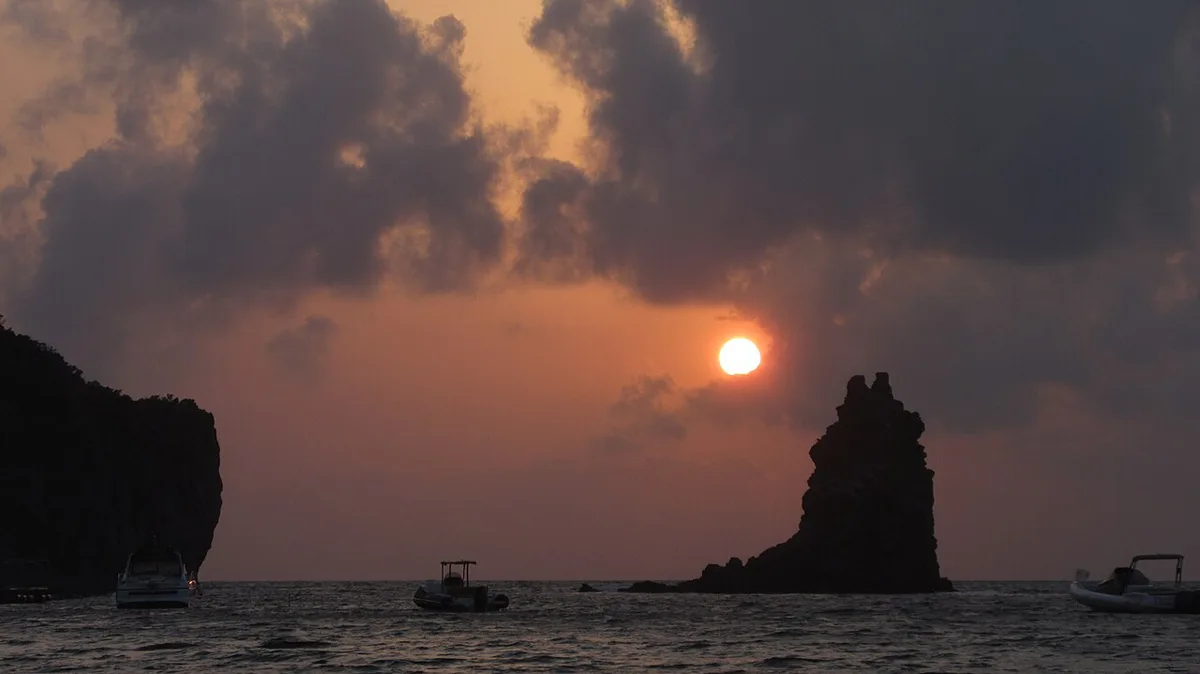
Volcanoes You Can Visit Instead
Pick your replacement for Marsili by the experience you want. This table compares the main options in qualitative terms.
| Option | What you get | Access | Best for |
|---|---|---|---|
| Marsili seamount | Nothing visible from the surface | No land or tourist access | Reading about it only |
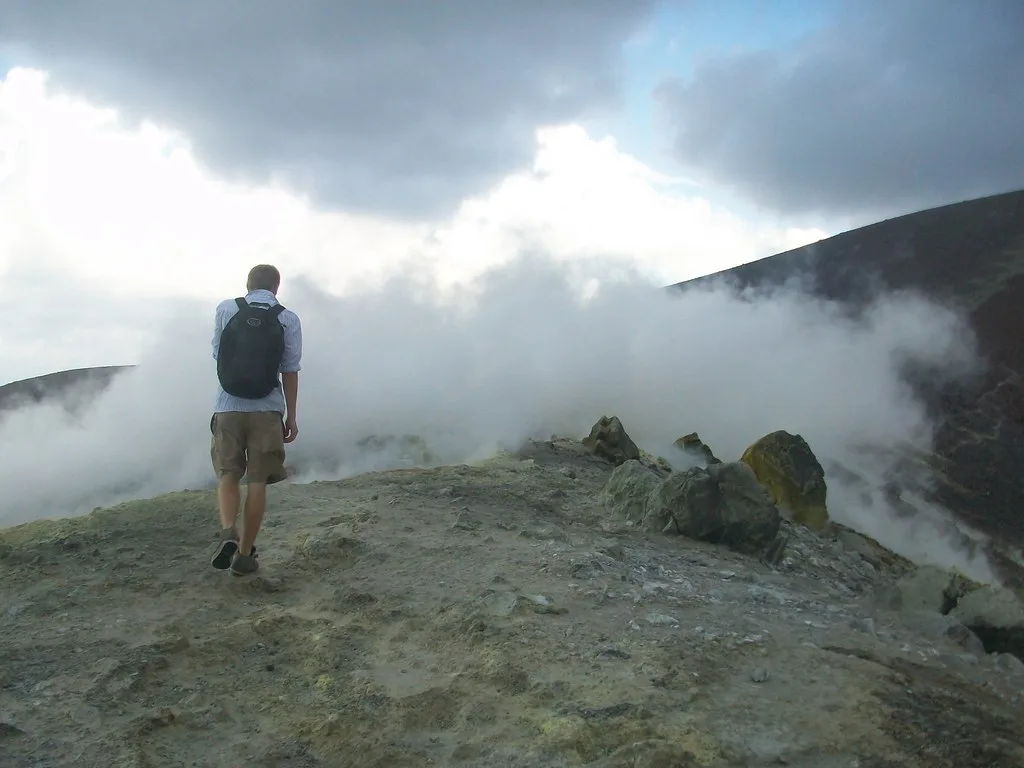
| Stromboli (Aeolian Islands) | Regular explosive activity | Ferry or hydrofoil, then a guided walk | Seeing an active volcano |
| Etna (Sicily) | Large active volcano with craters | Road and cable-car access, guides available | Day trips from eastern Sicily |
| Vesuvius (near Naples) | Crater rim walk | Short transfer from Naples | City-based travelers |
| Ischia's Monte Epomeo | Volcanic island summit | Ferry from the Bay of Naples | A quieter hike |
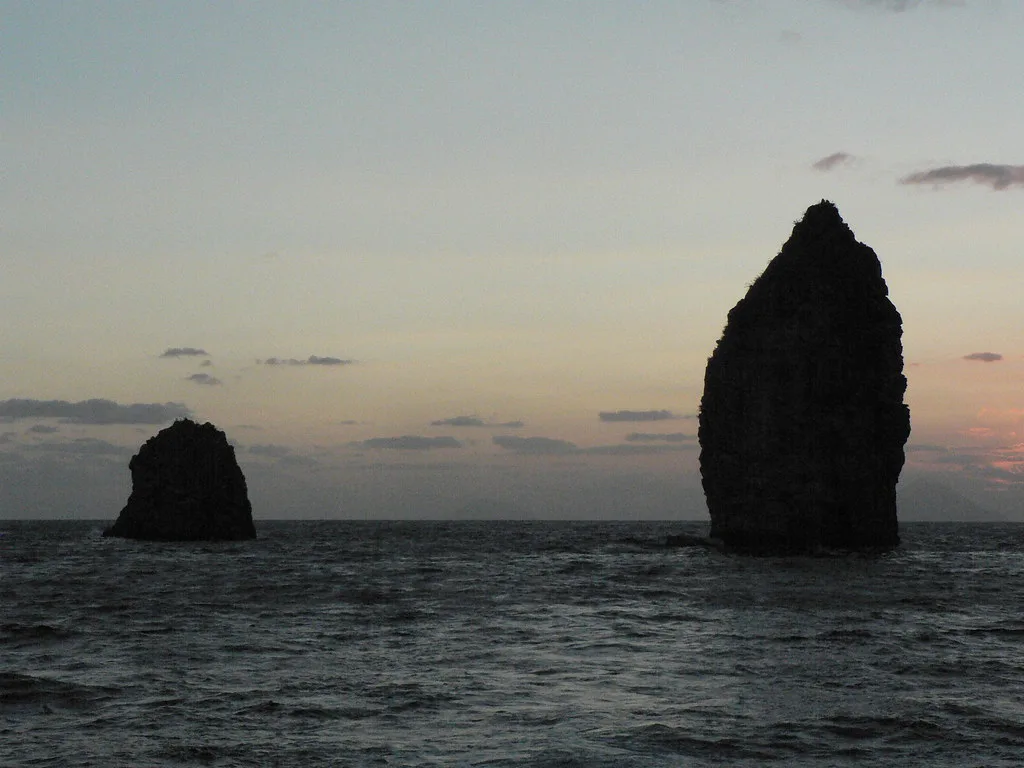
Planning Notes: Which Option Suits You
If you want an eruption, choose Stromboli or Etna. If you prefer a guided day with transport handled, look at guided volcano tours. From the Bay of Naples, the Vesuvius National Park site covers the crater trail. Our page on volcano options near Naples adds more. Visitors based in the capital can use our guide to volcano day trips from Rome. Quieter land volcanoes that are not erupting include Mount Epomeo on Ischia, Roccamonfina and the Alban Hills. Monte Amiata: Tuscany's Dormant Volcano Visitor Guide and Monte Vulture Guide: Lakes, Craters & How to Visit suit slower trips. Curious about other offshore volcanic features? Read about Ferdinandea, the vanishing island volcano.
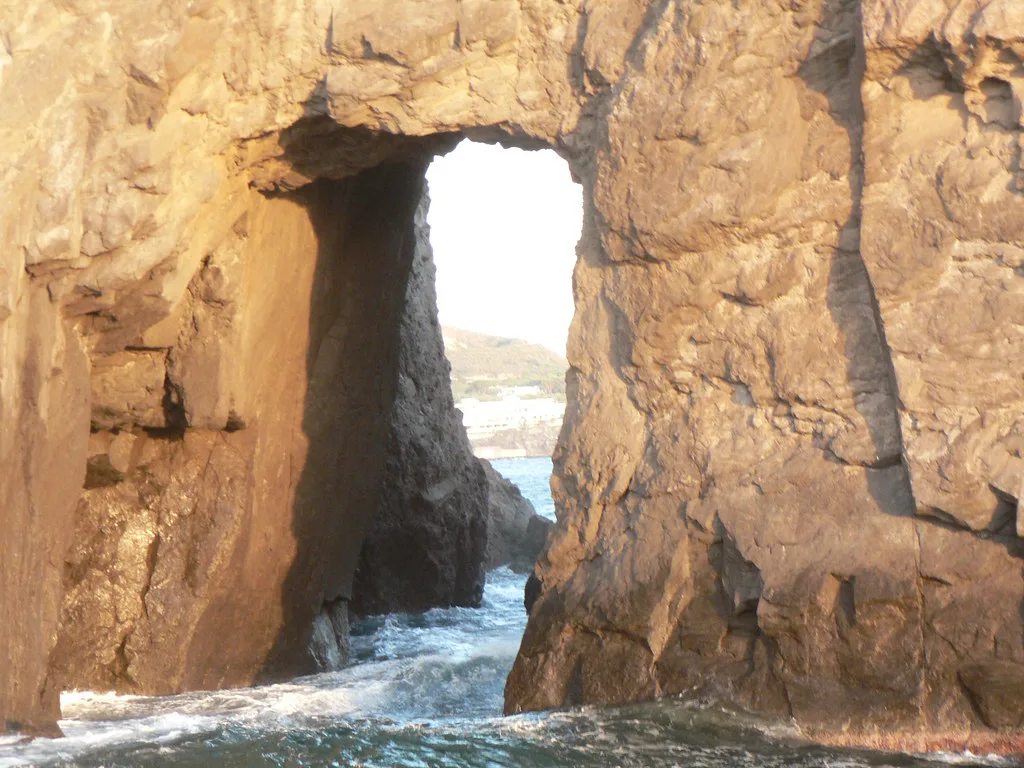
Choose a Land Volcano Instead of Planning Around Marsili
Marsili works best as part of the story of Italy’s volcanic landscape, not as a stop on an itinerary. Its position roughly 150 km offshore, or about 93 miles from the Calabrian and Sicilian coast, makes a normal sightseeing trip unrealistic. There is no island landing, summit viewpoint, or confirmed visitor excursion.
Build your plan around a land volcano, then use Marsili as useful context for the Tyrrhenian Sea. Stromboli is the clearest alternative if seeing active volcanic activity matters. It is reached by ferry or hydrofoil and offers sea views as well as guided walks. Etna is better for a broader crater landscape and easier road-based access from eastern Sicily.
For a city break, Vesuvius suits visitors staying near Naples. Monte Epomeo on Ischia is a quieter volcanic-island hike. Check ferry and hydrofoil timetables before booking, as services change with the season.