Volcanoes in Sicily: Etna, Stromboli & Vulcano Guide
Last updated November 2026: the volcanoes in Sicily that visitors can realistically reach are Etna, Stromboli and Vulcano. Etna rises above Catania on the east coast, while Stromboli and Vulcano are in the Aeolian Islands. Choose Etna for a mainland day trip, Vulcano for an easy crater walk, and Stromboli for eruptions after dark.
Featured image: Cayambe, CC BY 4.0, via Wikimedia Commons.
Volcanoes in Sicily at a Glance
Etna is the big one, with a summit around 3,300–3,400 m that shifts with eruptions. Stromboli reaches about 920 m and erupts in small bursts. Vulcano is the gentlest of the three, with a crater walk that fits into half a day. For a deeper head-to-head, read our Stromboli versus Etna comparison. To place all three on one map, use our map of Italian volcanoes.
| Etna | Stromboli | Vulcano | |
|---|---|---|---|
| Experience | Lava fields, craters, cable car and 4WD zones | Night summit hike or boat view of eruptions | Crater rim walk, sulphur vents, thermal mud |
| Effort | Low to high, depending on altitude | High for the summit zone; none by boat | Moderate |
| Base or gateway | Catania, Nicolosi, Taormina area | Stromboli village; Milazzo for ferries | Vulcano port; Milazzo for ferries |
| How to reach | Car, tour or bus from Catania | Hydrofoil from Milazzo | Hydrofoil from Milazzo |
| Best season | Spring and autumn for walking; winter for snow | Calm-sea months, when boats run reliably | Spring to autumn |
| Best fit | First-timers, drivers, photographers | Fit hikers, or anyone happy on a boat | Families, casual walkers |
| Main constraint | Activity level caps the altitude | Guide rules and rough seas | Strong sulphur smell, sea cancellations |
Mount Etna: How to Visit
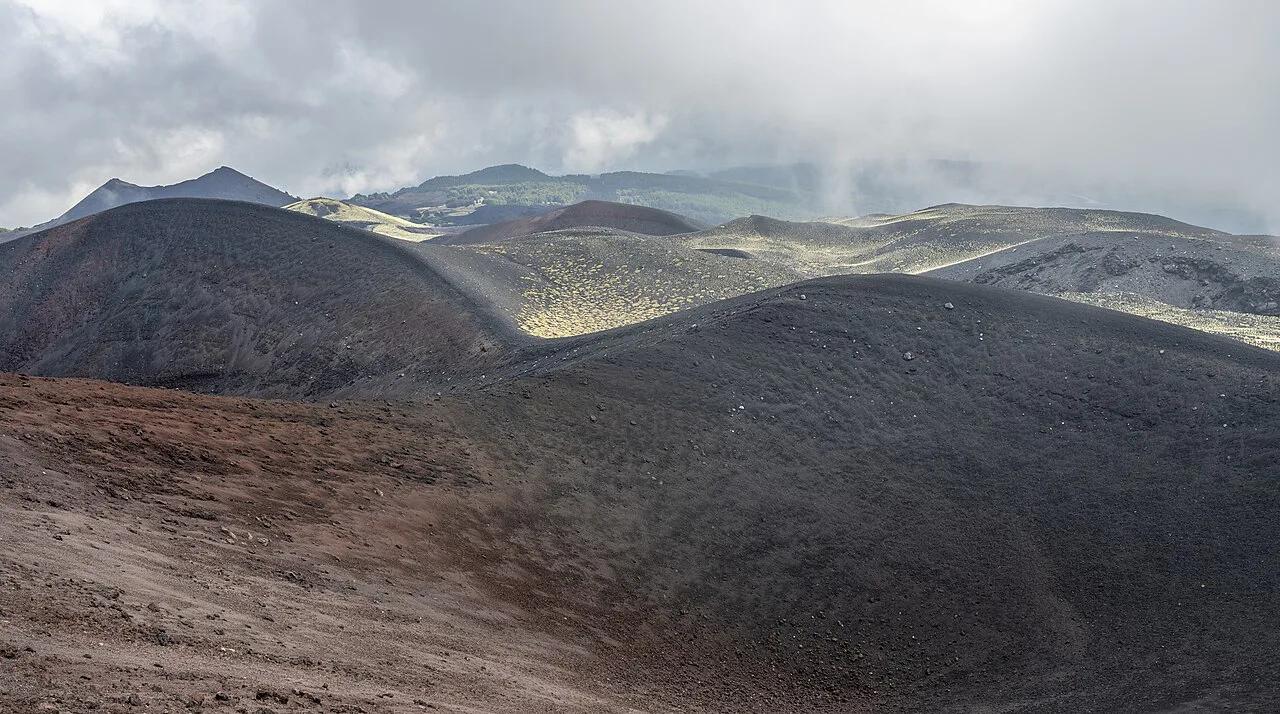
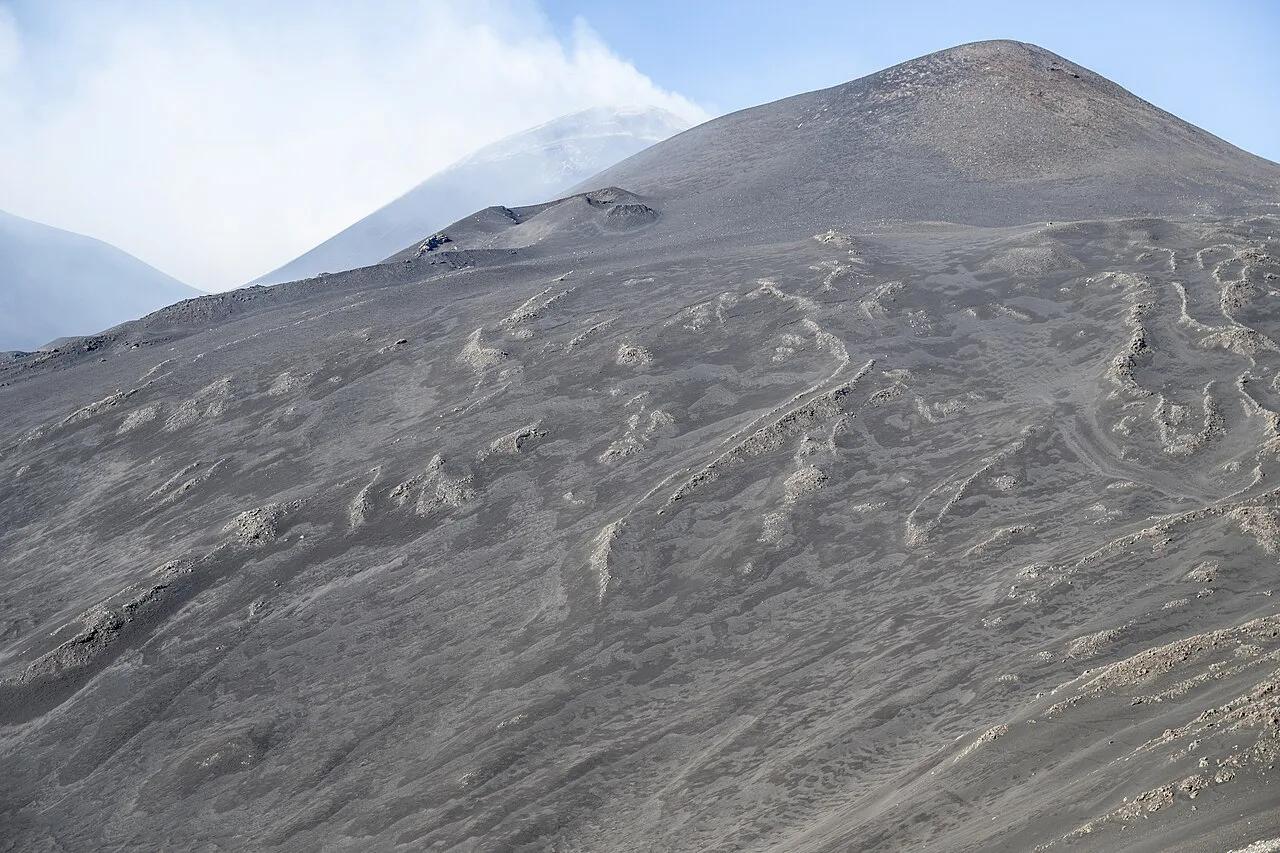
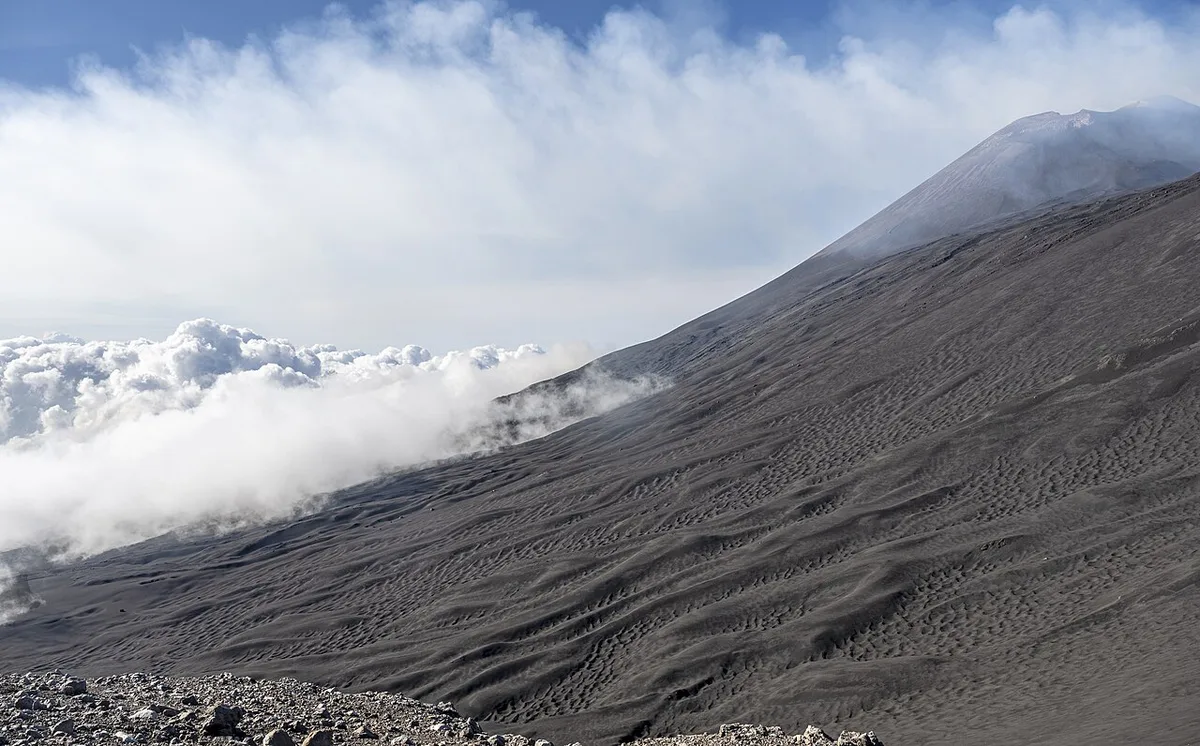
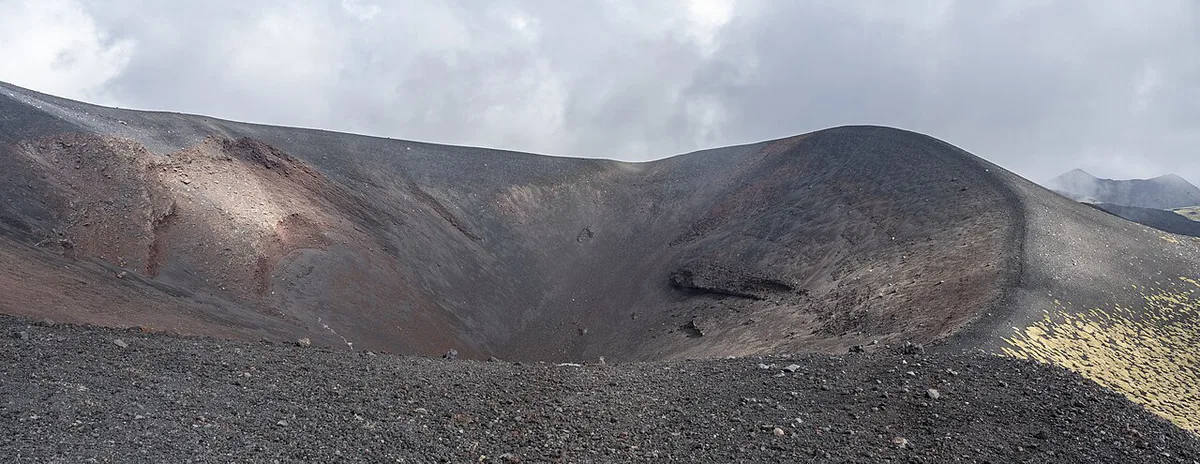
Etna offers several levels of effort. The south side has the cable car and 4WD zones, and it is the busiest approach. The north side is quieter and suits a slower, forest-and-lava walk. Guided trekking takes you into the summit zone, while a self-guided walk around the lower craters needs no special permission. Permitted altitude depends on current activity and on guide requirements, so look at the Parco dell'Etna park rules before booking. Etna's height varies between roughly 3,357 m and 3,403 m as summit craters rebuild. The mountain was inscribed as a UNESCO World Heritage Site in 2013.
- Choose the south side for the cable car, the Rifugio Sapienza area and easy logistics.
- Choose the north side for quiet trails and fewer coaches.
- Choose a guided summit-zone trek if you want to go as high as rules allow.
- Choose a self-guided lower-crater walk if you want to keep costs and effort low.
- Add Gole dell'Alcantara, a basalt gorge near Etna, for a cooler half-day with water and rock walls.
- In winter, snow can close upper roads, and the slopes host skiing.
What to Wear on Etna
Temperatures drop and the wind rises quickly with altitude, even on a hot day in Catania. Wear closed-toe shoes with grip, as lava rock is sharp and loose. Bring layers, a windproof jacket, sunglasses and sun cream. Add gloves and a hat outside summer.
Summit craters keep changing height between 3,357 m and 3,403 m, so pack layers even when Catania is hot.
Stromboli: Night Hike or Boat Viewing
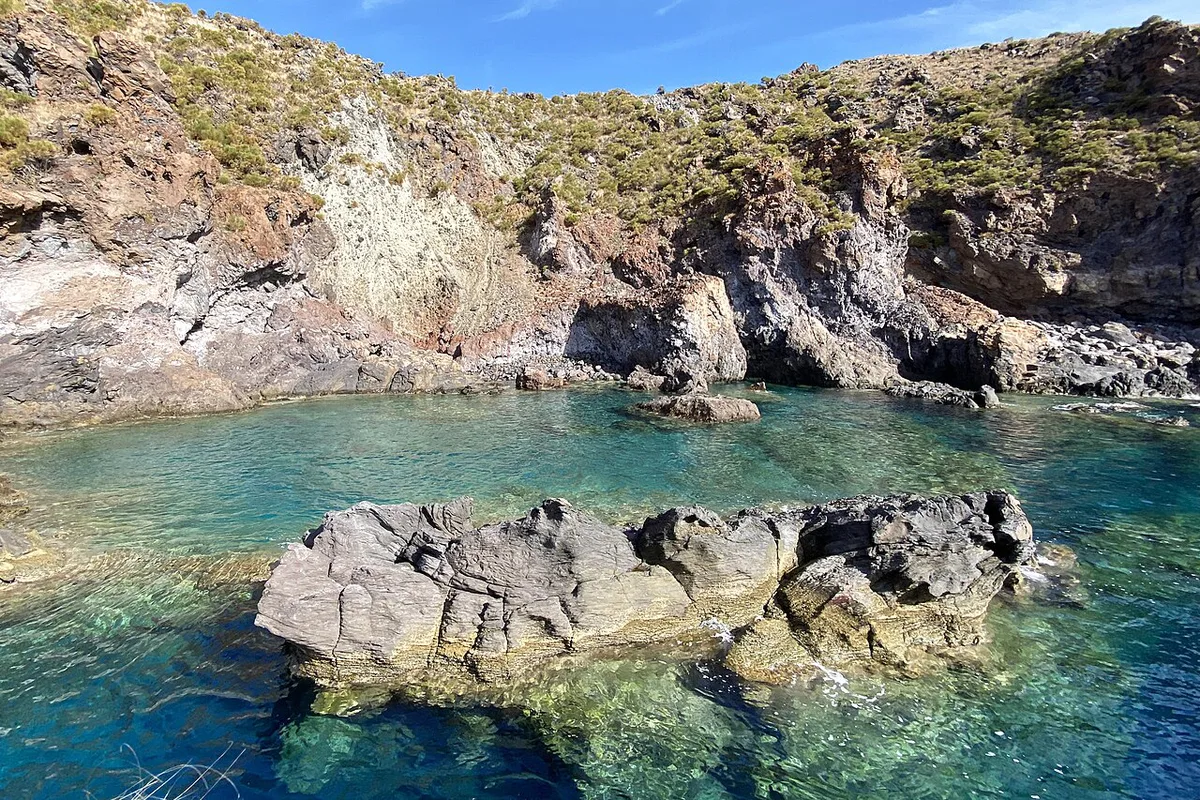
Stromboli, called Iddu locally, erupts in short, regular bursts. You can see them two ways. The guided summit-zone hike puts you high on the cone after sunset. A boat trip skirts the Sciara del Fuoco, the slope where glowing rock rolls into the sea. Hikes need a certified volcano guide, and altitude and group limits are set by local rules that change. Check them with the INGV volcano monitoring pages and the local guides before you book.
- Choose the boat if you lack hiking fitness, travel with young children, or want a lower-risk evening.
- Choose the boat if wind and swell make the climb unpleasant.
- Choose the hike if you are fit, comfortable on loose volcanic ground, and happy to start late and descend in the dark.
- Overnight in Stromboli village if you want the hike without a rushed ferry return.
Vulcano: Crater Walk and Thermal Mud
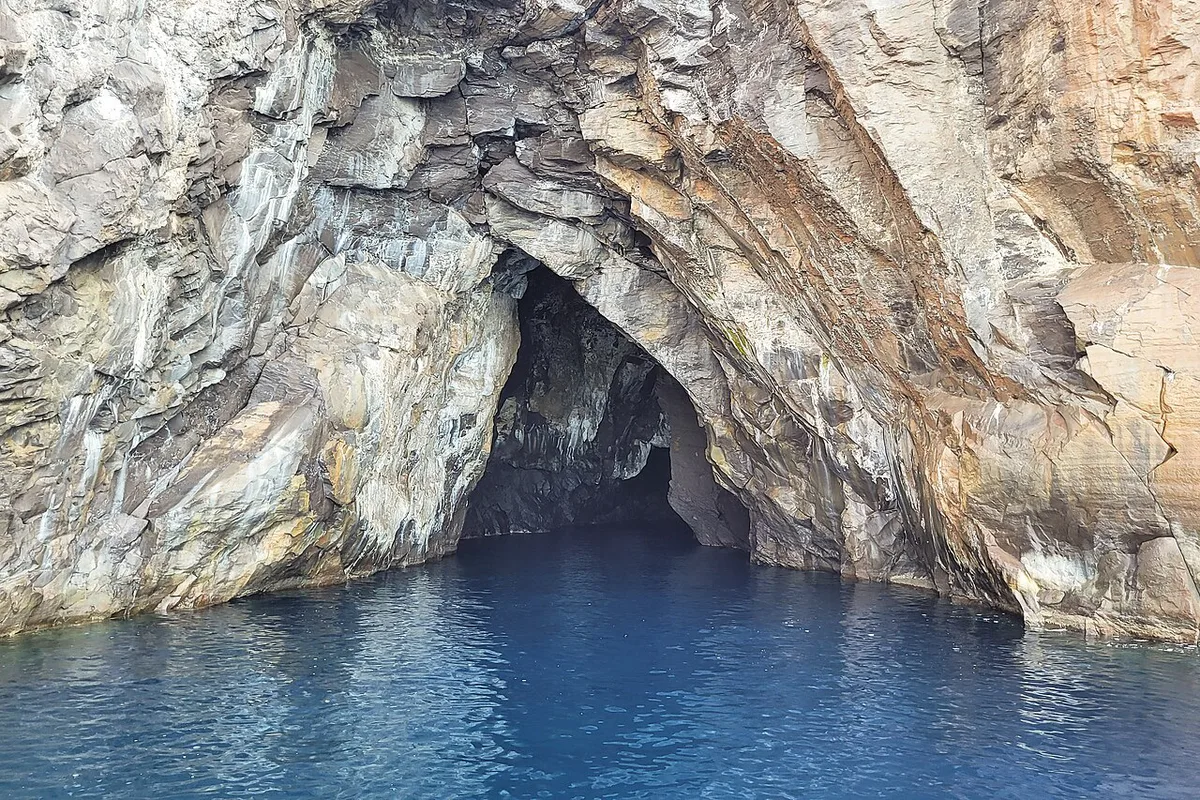
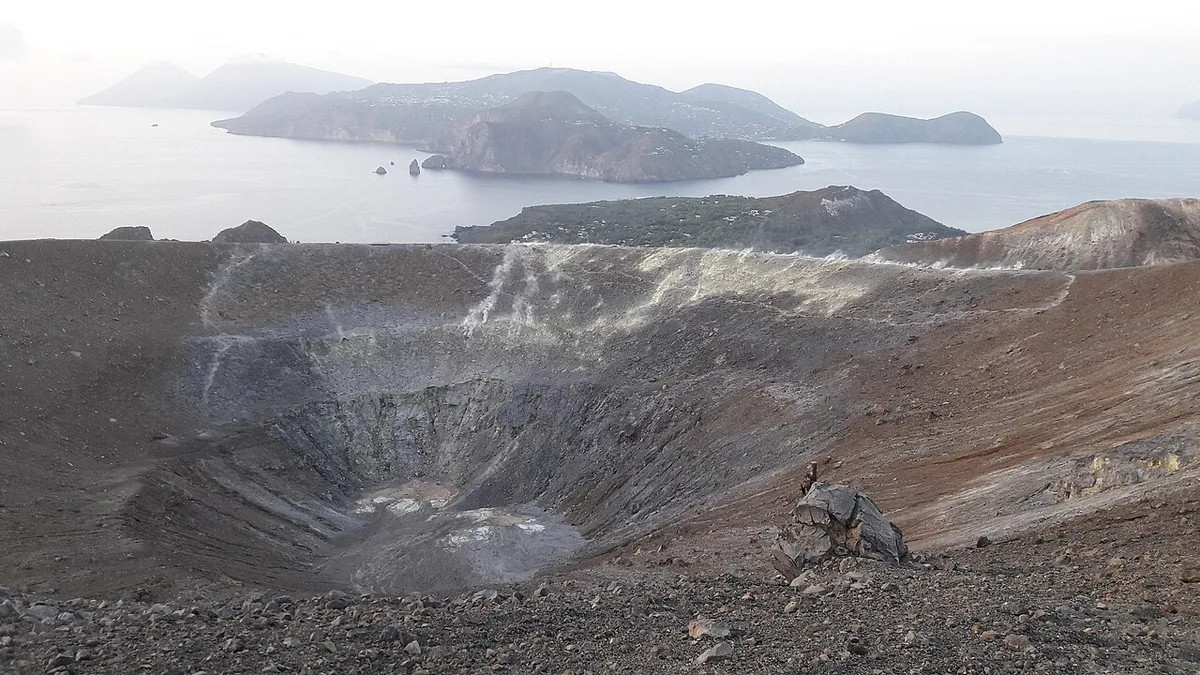
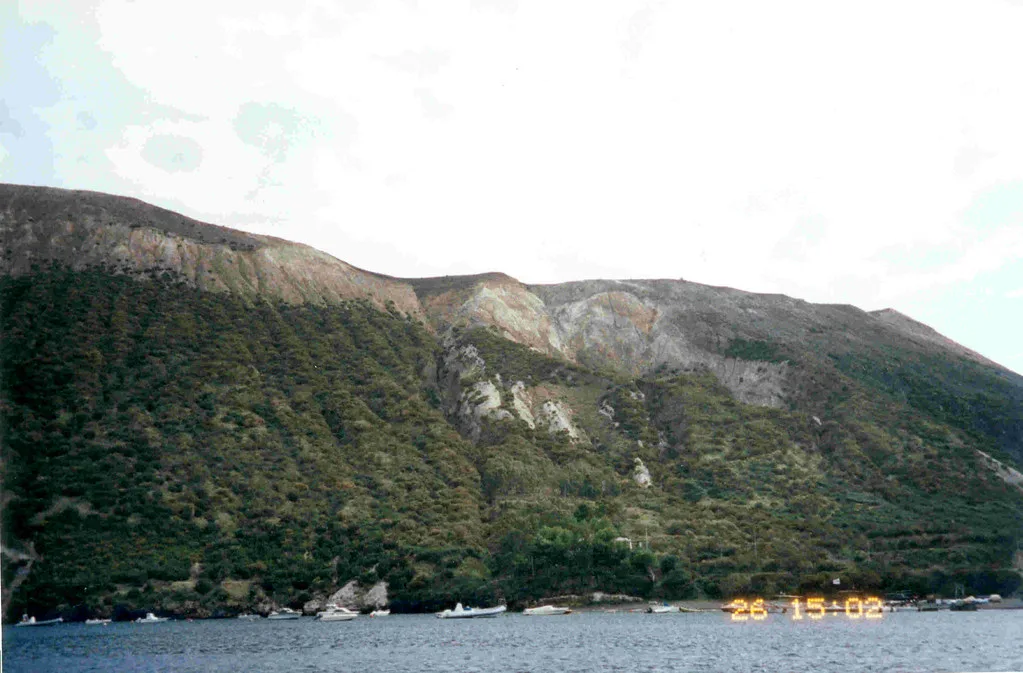
Vulcano is a straightforward half-day. From the port, the crater walk climbs to the rim through yellow sulphur deposits. Expect a strong rotten-egg smell near the vents. Afterwards, the thermal pool and mud suit tired legs. The hydrofoil from Milazzo takes about 1 hour, so a day trip is realistic when seas are calm. Walk at a steady pace, carry water and keep to marked paths. Skip the mud if you have open cuts, a skin condition, heart problems or pregnancy, and avoid breathing deeply near vents if you have asthma.
Other Volcanic Spots Worth Knowing
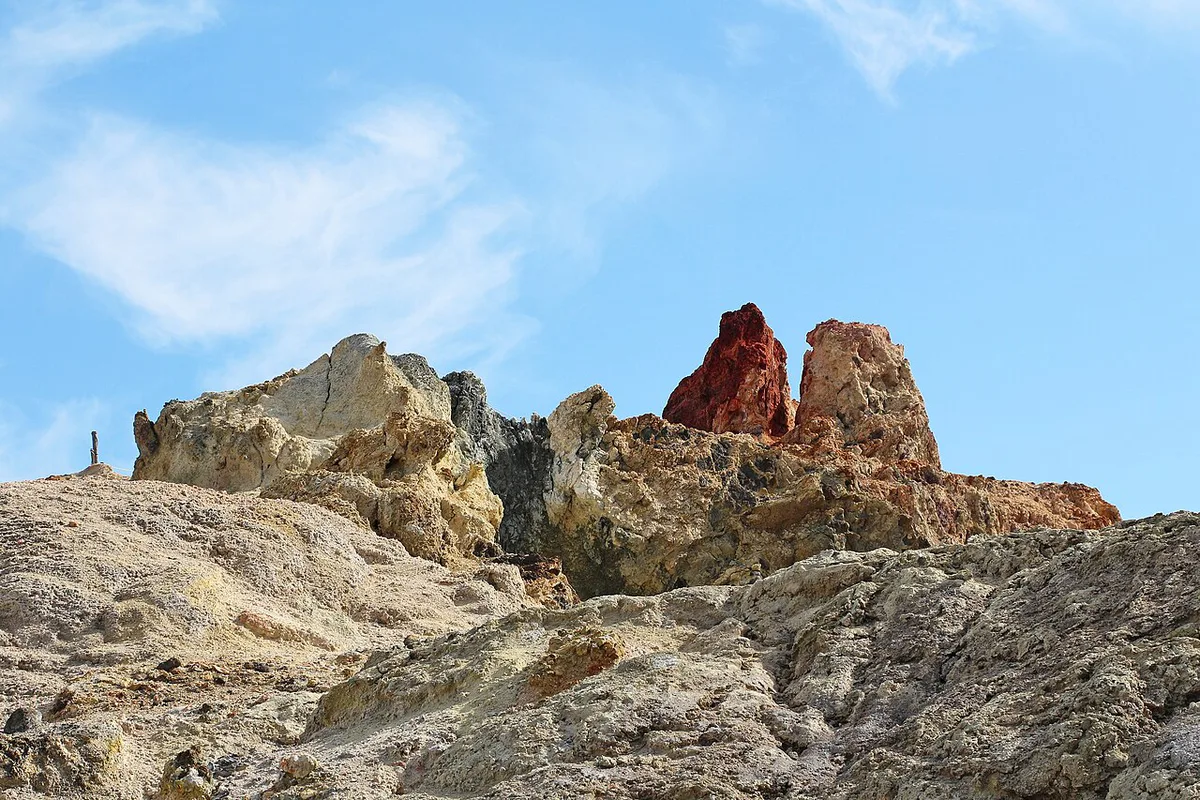
Lipari is a low-effort stop with volcanic coastline and a good museum. On Salina, the collapsed crater at Pollara is a swimming and sunset spot with no climbing needed. Together, the seven Aeolian Islands form a volcanic arc you can hop through. Submarine activity exists too, and our Isola Ferdinandea guide explains the sunken volcano between Sicily and Tunisia. For the national picture, our overview of volcanoes in Italy covers every region.
On a mainland trip, Volcanoes Near Naples: Vesuvius, Campi Flegrei & Ischia and Volcanoes Near Rome: What You Can Actually Visit are the natural next stops. Other Italian volcanic areas include Monte Amiata: Tuscany's Dormant Volcano Visitor Guide, Roccamonfina, Mount Epomeo: Ischia Hike, Trails and Tips, Marsili, Colli Albani (Alban Hills): Volcano Day Trip from Rome and Monte Vulture Guide: Lakes, Craters & How to Visit.
How Many Days: Sample Plans
Fly into Catania, then decide how much sea travel you want. The island chain runs Catania, then Milazzo, then hydrofoil. Milazzo to Vulcano takes about 1 hour. Stromboli to Milazzo takes about 2 hours on the hydrofoil. Add a spare day for weather, because rough seas can cancel Aeolian crossings.
| Plan | Route | Trade-off |
|---|---|---|
| 1 day | Etna only, from Catania | Easy logistics, but no island volcanoes |
| 3 days | Etna plus one island (Vulcano is simplest) | Good balance; one sea transfer to manage |
| 5 days | Etna, Vulcano and Stromboli | Fullest view, but exposed to ferry cancellations |
- Day 1: Etna from Catania.
- Day 2: Transfer to Milazzo, then hydrofoil to Vulcano.
- Day 3: Crater walk and thermal pool, then continue or return.
- Days 4–5: Stromboli by boat or hike, with a weather buffer before your flight.
Costs, Permits and Opening Hours
Budget for the cable car, 4WD transfers, a guide, ferries and hotels as separate lines. Rules and schedules checked November 2026 show no single fee covering all of them, so confirm current prices with Parco dell'Etna, the ferry operators and the cable car operator. For guided options, see our Italy volcano tours guide.
Where to Stay and Getting Around
Catania is the best base for flights, restaurants and Etna day trips. Nicolosi sits at about 900 m on Etna's slopes and suits early starts. Taormina works if you prefer a resort setting with Etna views. Milazzo is the practical overnight stop before an early hydrofoil. On the islands, stay in Lipari, at Vulcano port or in Stromboli village. For Etna, a car gives the most freedom, a tour removes the driving, and public transport is the slowest option. Stromboli and Vulcano have little or no car traffic, so you walk or take boats.
Safety, Activity Levels and Closures
Etna's summit has killed visitors before: two tourists died in 1987 after a sudden explosion near the top. Alert levels and rules decide how high you can go, and they can change within days. Check live bulletins from INGV Osservatorio Etneo on the morning you travel. Our guide to active volcanoes in Italy explains how Italian monitoring works. Follow your guide's instructions at all times.
- Check the INGV bulletin the day before and the morning of your trip.
- Confirm the current altitude limit with your guide or the park.
- Check hydrofoil status for your return crossing.
- Carry water, a headlamp for night hikes, and a windproof layer.
- Keep a spare day before any flight home.
Mistakes to Avoid
Most problems come from over-tight plans and wrong expectations.
Stromboli to Milazzo runs about 2 hours by hydrofoil, so a late hike leaves little slack before an early flight.
- Booking a tight flight the day after a Stromboli hike.
- Assuming the summit is open without checking activity levels.
- Wearing trainers with thin soles on lava.
- Treating an Aeolian hydrofoil as guaranteed in rough seas.
- Mixing Etna and two islands into a single 48-hour rush.
Etna and Sicilian Eruption History
Etna has erupted often for hundreds of thousands of years, and its fertile slopes support vineyards and orchards. The UNESCO listing came in 2013. Ancient stories placed the forge of Hephaestus beneath it.
Frequently Asked Questions
Are there any active volcanoes in Sicily?
Yes. Etna, Stromboli and Vulcano are the active volcanoes visitors usually go to. Check INGV bulletins for current activity.
How many volcanoes are in Sicily?
The count depends on definition, and it includes submarine and minor centres. For travel, plan around Etna, Stromboli and Vulcano.
Is Mount Etna still erupting?
Etna is almost constantly active at some level. Read the latest INGV Osservatorio Etneo bulletin on the day you go, because access depends on it.