Is Mount Etna Active? Current Status & What It Means for Your Trip
Last updated November 2026: is Mount Etna active? Yes, it is one of Europe's most active volcanoes and erupts often, but most episodes do not shut down a Sicily trip. Activity changes week to week, so use the status sources below before you travel.
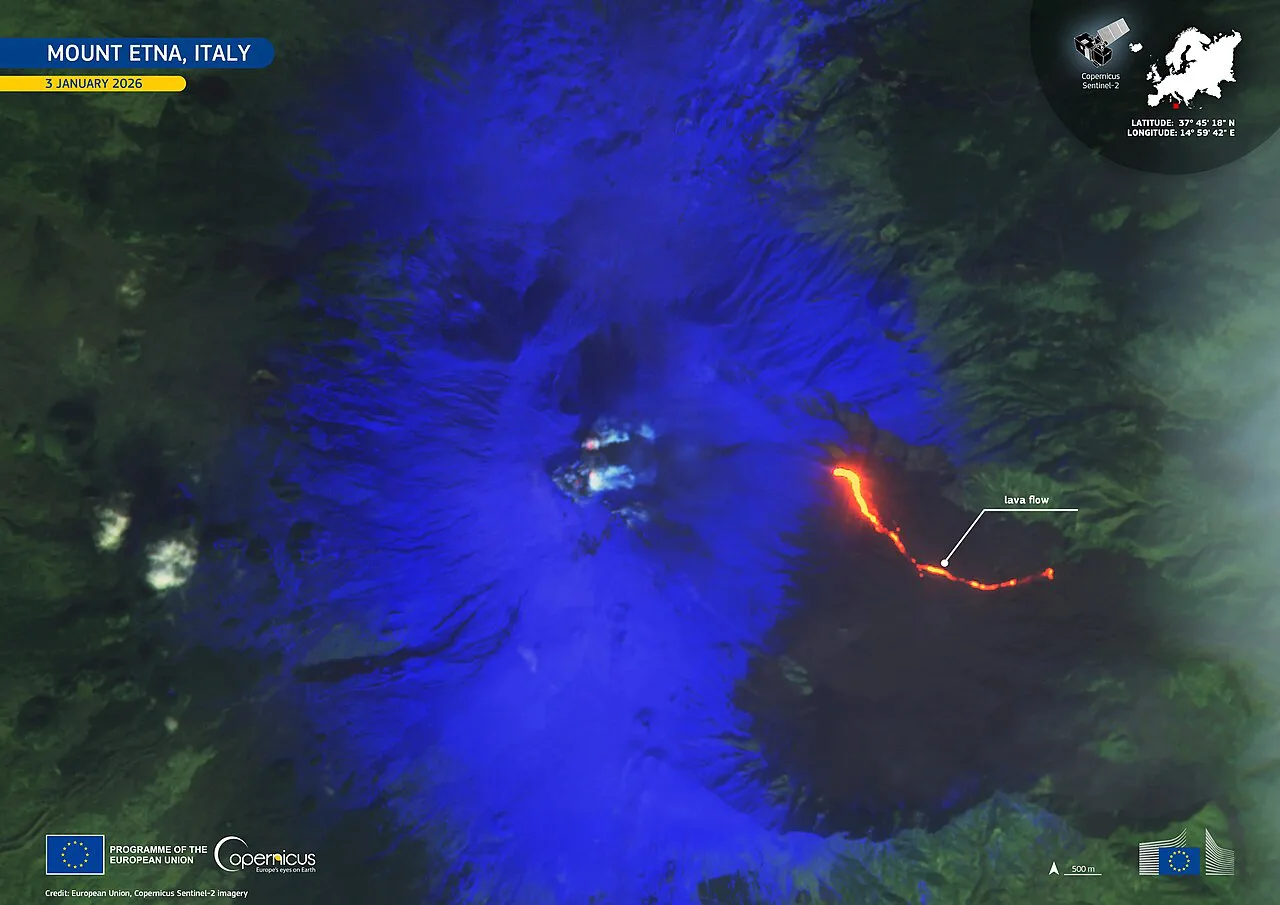
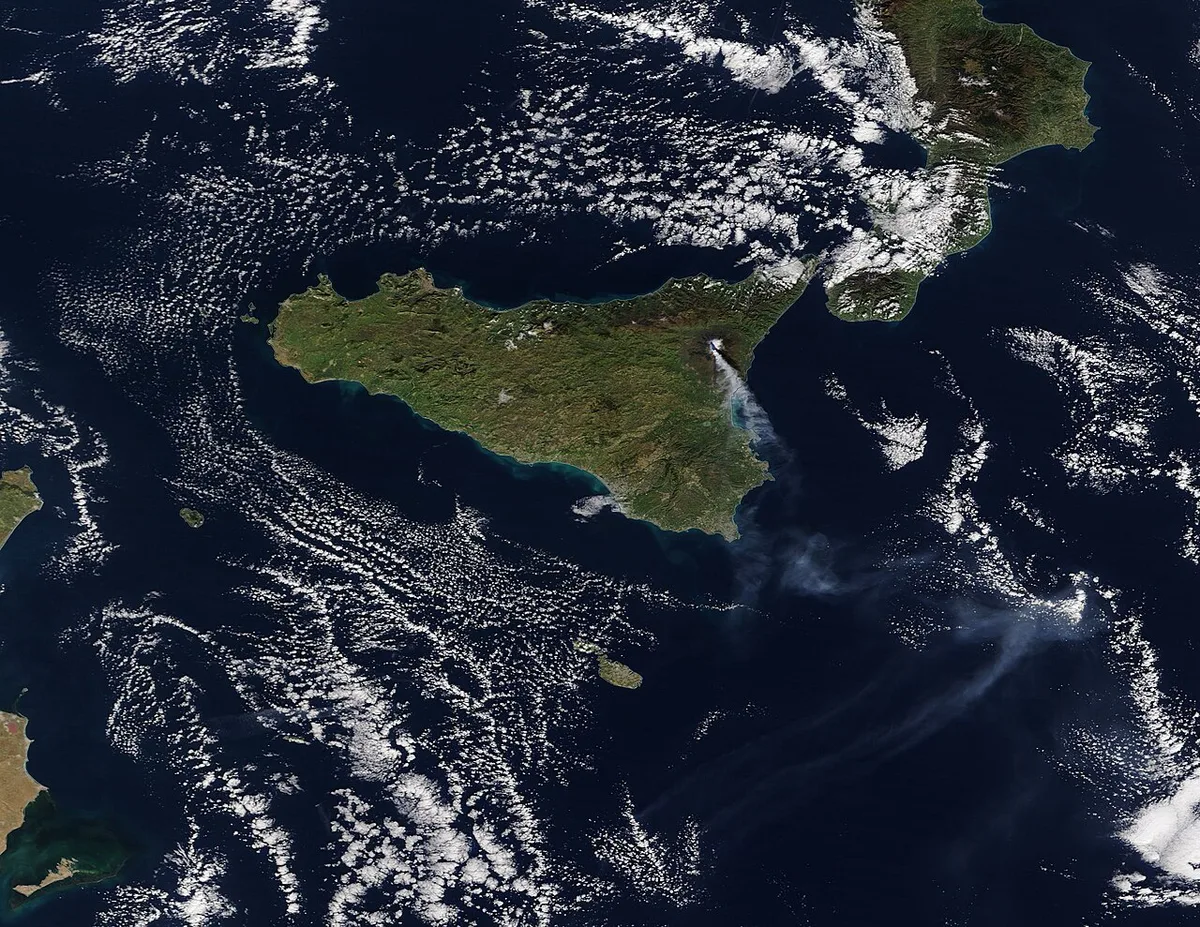
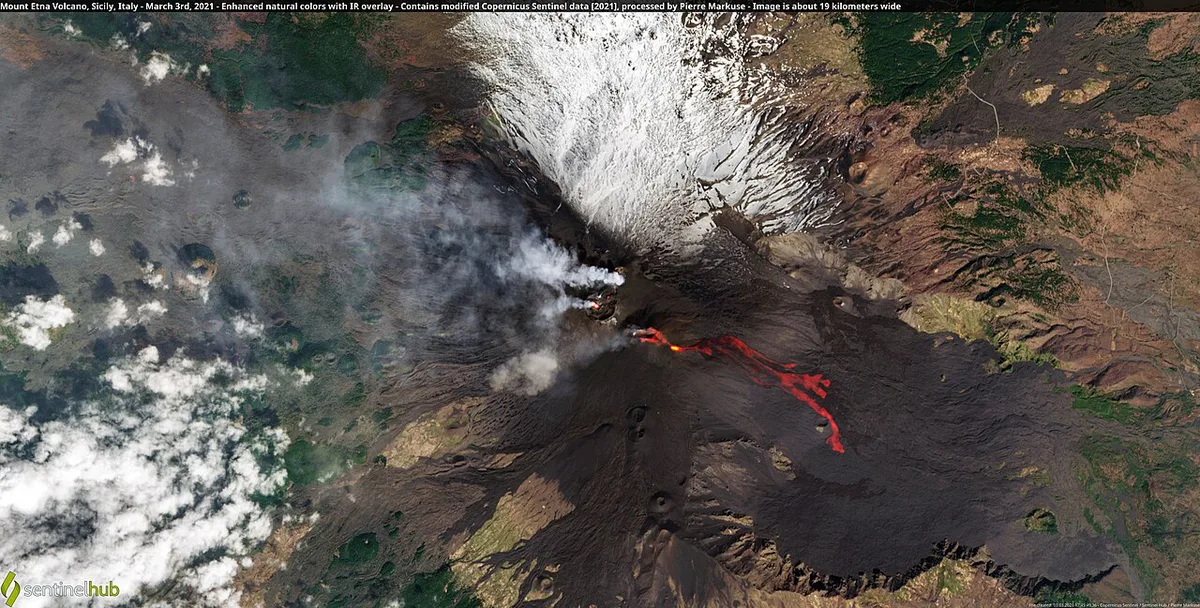
Featured image: Copernicus Sentinel-2 imagery, EK - GD DEFIS, EC - DG DEFIS, SPACETEC PARTNERS, CE - DG DEFIS, CC BY 4.0, via Wikimedia Commons.
Is Mount Etna Active? The Short Answer
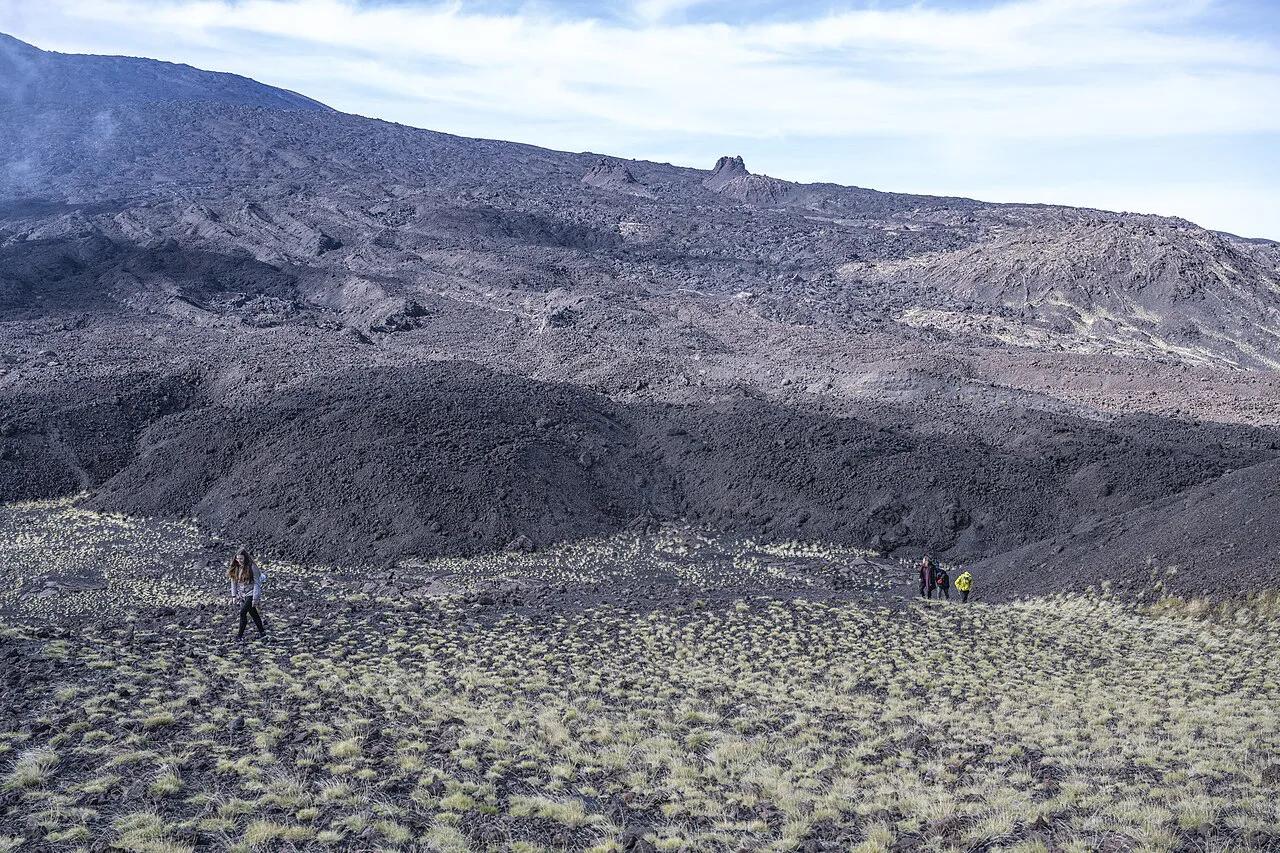
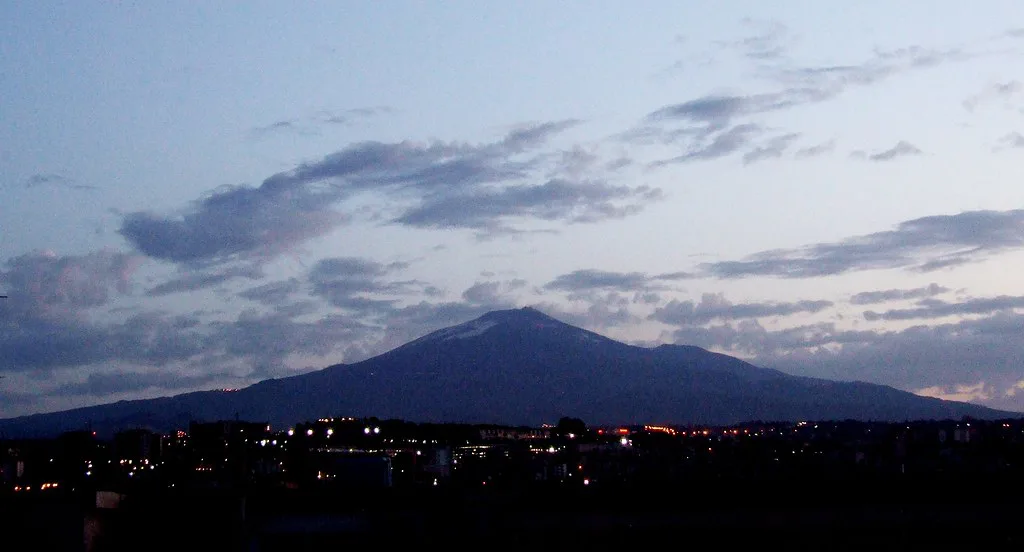
Yes. INGV classes Etna as one of the world's most active volcanoes, with frequent summit paroxysms and flank eruptions. Etna rises on the east coast of Sicily above Catania. It covers about 600 square miles (1,600 km²), with a base circumference near 93 miles (150 km). For visitors, active means the mountain erupts often, not that it is closed. Most trips go ahead as planned. Changes arrive on specific days: ash at the airport, a tighter summit zone, or a tour moved to another slope. Start with our complete Etna guide if you are still choosing where to go.
What "Active" Means at Etna
Volcanologists call a volcano active when it has erupted in recent history and is expected to erupt again. Etna's documented record reaches back to 425 B.C., one of the longest for any volcano. Magma rises because the African and Eurasian plates meet in this part of the Mediterranean. Our page on Etna's volcano type explains the mechanics. Three kinds of activity matter for a trip.
- Strombolian activity: repeated explosions at a summit crater, sometimes with light ash fall nearby.
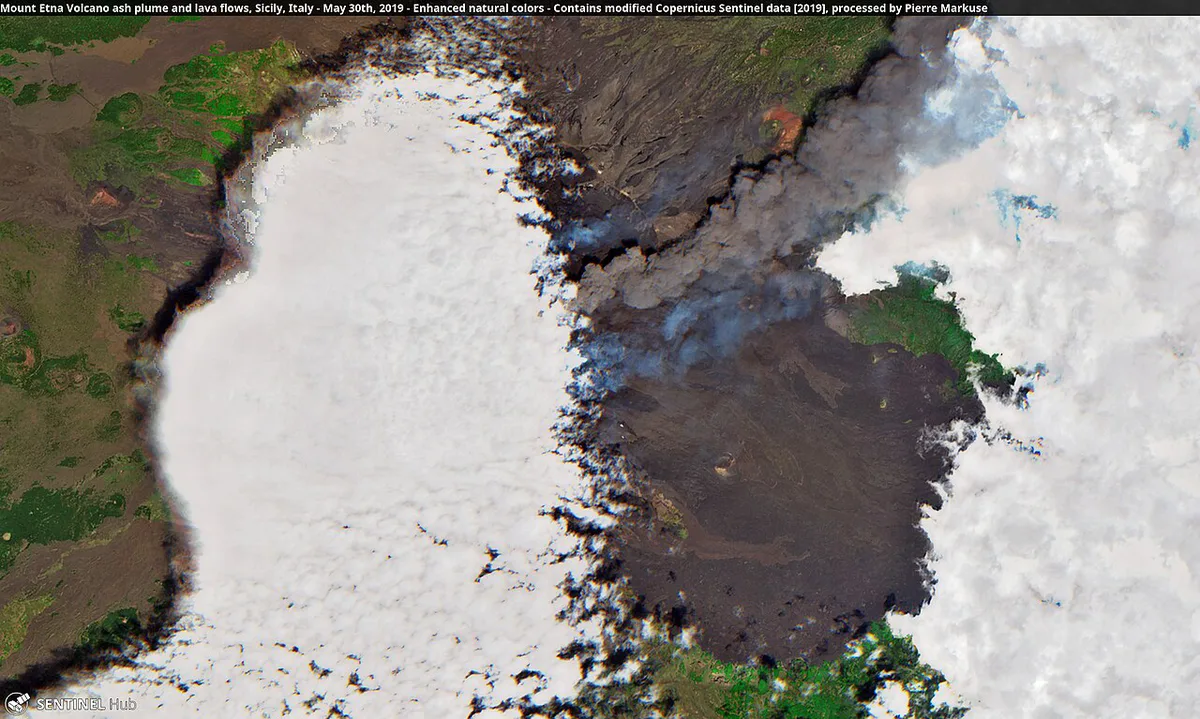
- Lava fountain or paroxysm: a short, intense burst. In June 2025 the ash plume reached about 21,000 ft (6,400 m).
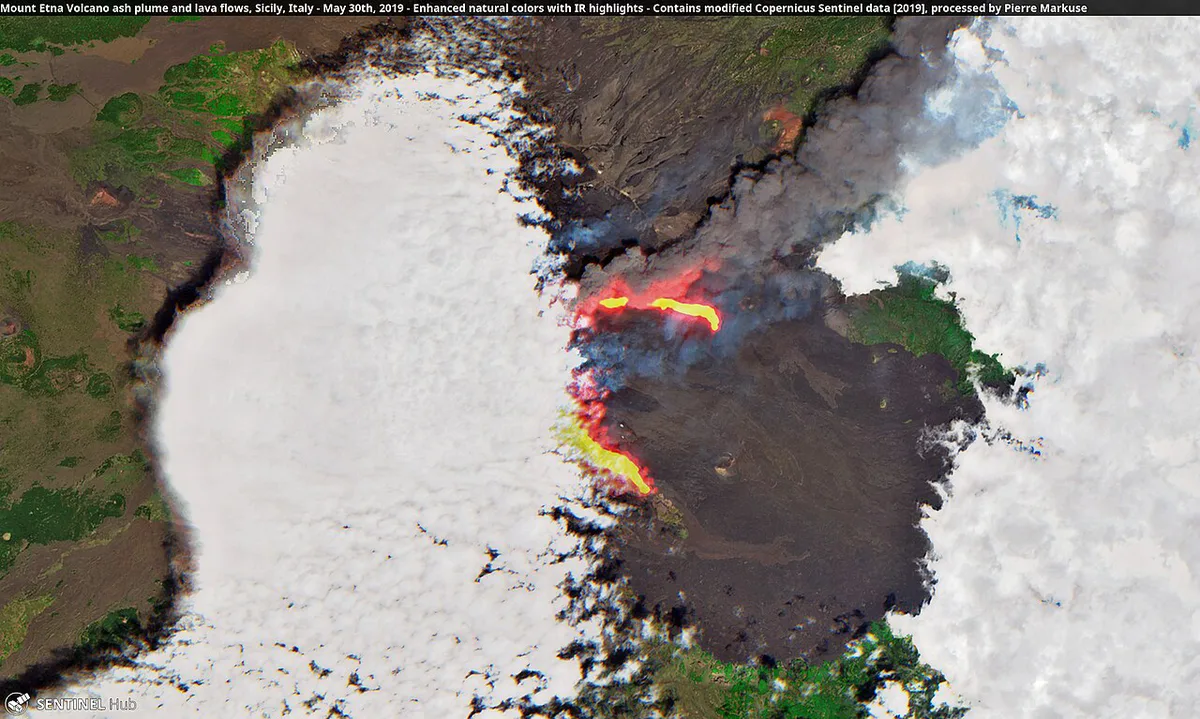
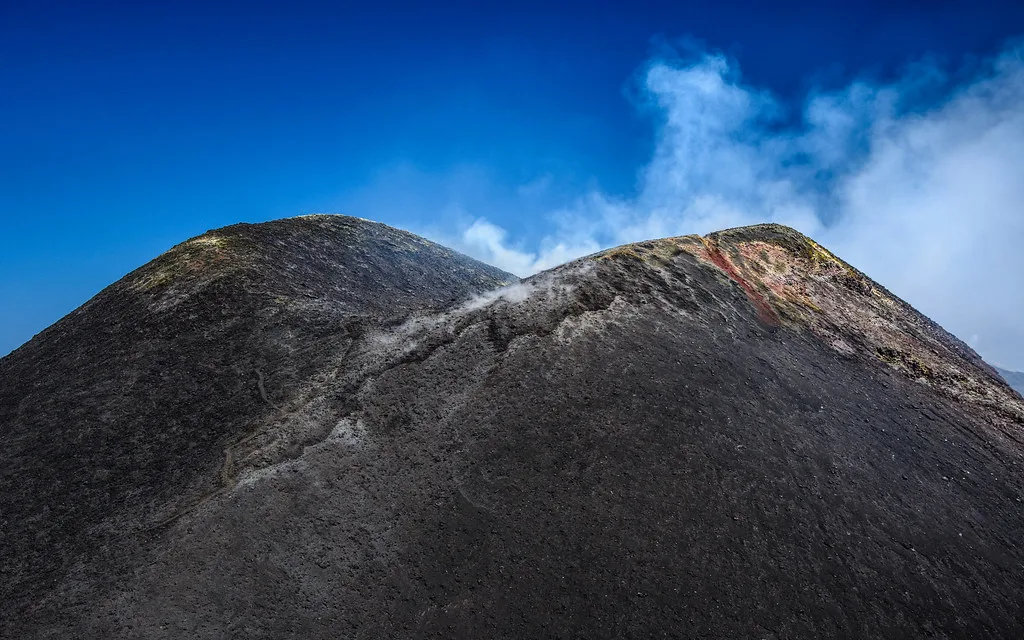
- Effusive flank eruption: lava flows from fractures on the slopes and moves downhill, often away from visitor areas.
Recent Eruptions at a Glance
This short list shows the range of recent episodes. Full chronologies live on our Etna eruptions page. Frequent eruptions are mostly low-damage events, which is why villages and tour operators keep working around them.
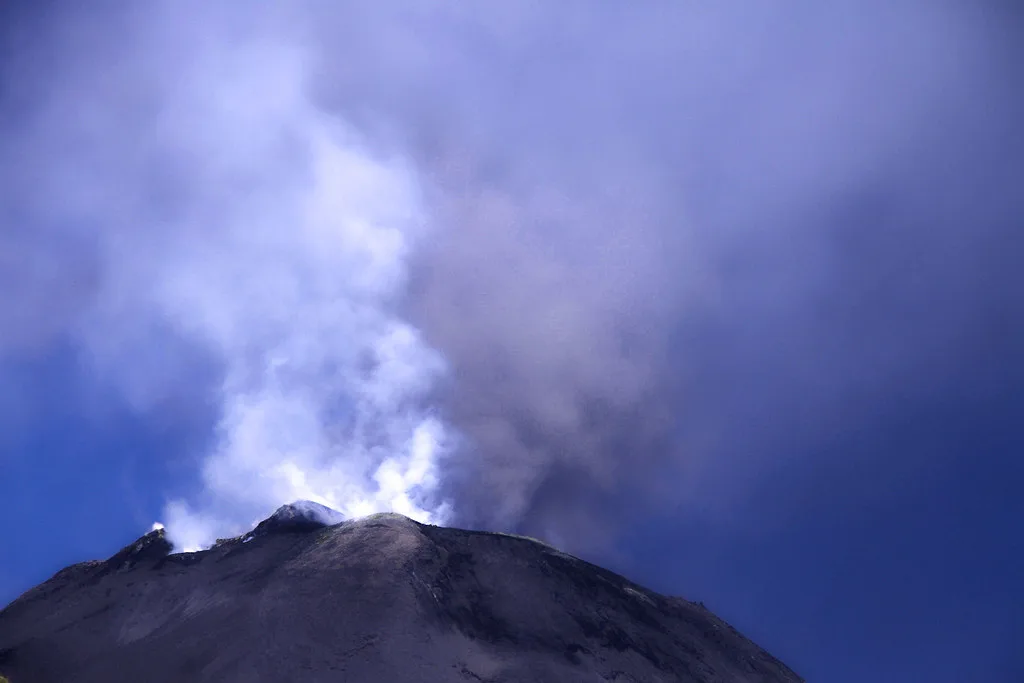
- February 2021: lava fountains over 1,500 m (about 4,900 ft), with ash disrupting air traffic.
- May 2023: temporary flight cancellations at Catania airport.
- January 2024: lava fountains up to 1,200 m (about 3,900 ft) and flows down the southern flank.
- February 2025: Strombolian explosions and new fractures in the southeastern crater.
- June 2025: tremor rose overnight, then a lava fountain. VAAC Toulouse issued a temporary code red for aviation, later lowered to amber. Reports counted 13 eruptions that year by 2 June.
- 11–13 August 2026: lava flows on the slopes were photographed from Mareneve and Serracozzo.
How to Check Etna's Status Today
Etna's activity changes week to week. Read the latest bulletins from INGV Osservatorio Etneo before you travel. Civil protection alerts are posted by Protezione Civile Sicilia. In August 2023 it declared a "pre-alert" phase, meaning lava fountaining was considered likely. VAAC Toulouse publishes ash advisories and the aviation colour code. Catania airport and your airline post operating notices. For a live look at the summit, use our Etna webcam guide.
Reports counted 13 eruptions that year by 2 June, so status can shift during a single trip. Recheck the bulletin before each day's tour.
What an Eruption Changes for Your Trip
Authorities and mountain guides set the permitted zones on the day. Access rules follow current activity, not a fixed calendar. Guide groups such as Guide Vulcanologiche Etna will tell you what is open when you book. Our Etna tour options show what each format involves.
| Activity state | What usually changes | What to do |
|---|---|---|
| Quiet or degassing | Little changes. Summit-area access depends on weather and guide decisions. | Book normally and watch the forecast. |
| Strombolian activity | Summit zones may tighten. Many lower-slope visits continue. | Join a guided group and accept route changes. |
| Lava fountain or paroxysm | Ash can affect Catania flights. Tours may pause or move to a different slope. | Check airline status and keep tours flexible. |
| Flank effusive eruption | Areas near the flow close. Other sectors often stay open. | Ask your operator which side is running. |
Flights, Ash and Catania Airport
Ash is the most likely way an eruption touches your plans. In February 2025 dozens of flights to Catania were diverted. In June 2025 arrivals from Berlin, Milan and Rome ran late. An amber aviation code means disruption is still possible. Sicily has four main international airports. Catania-Fontanarossa (CTA) is the closest to Etna. Palermo (PMO), Trapani-Birgi (TPS) and Ragusa-Comiso (CIY) are the alternates. Our guide to Etna eruption flights covers airline behavior in more detail. Landing at Palermo is a workable fallback, and Etna from Palermo explains the onward route.
A June 2025 plume that reached 21,000 ft (6,400 m) is the kind of event that can delay Catania arrivals. Check your airline the morning you leave.
- Check your airline's flight status on the morning of departure.
- Keep your first transfer and hotel night flexible.
- Read your travel insurance wording on volcanic ash and airspace closures.
- Save the Palermo, Trapani and Comiso options before you leave home.
Is It Safe to Visit Etna?
Guided visits are the safer way to see an active crater zone, because guides follow the day's permitted limits. Independent walkers should respect every closure sign and avoid lava flows. UK FCDO guidance says to follow local authorities. If you are told to evacuate, go quickly with your passport and medication. If you are not, shelter in place, close windows and turn off air conditioning. Outside during ash fall, cover your skin and wear a mask. Eye protection helps too.
Watching Etna From a Safe Distance
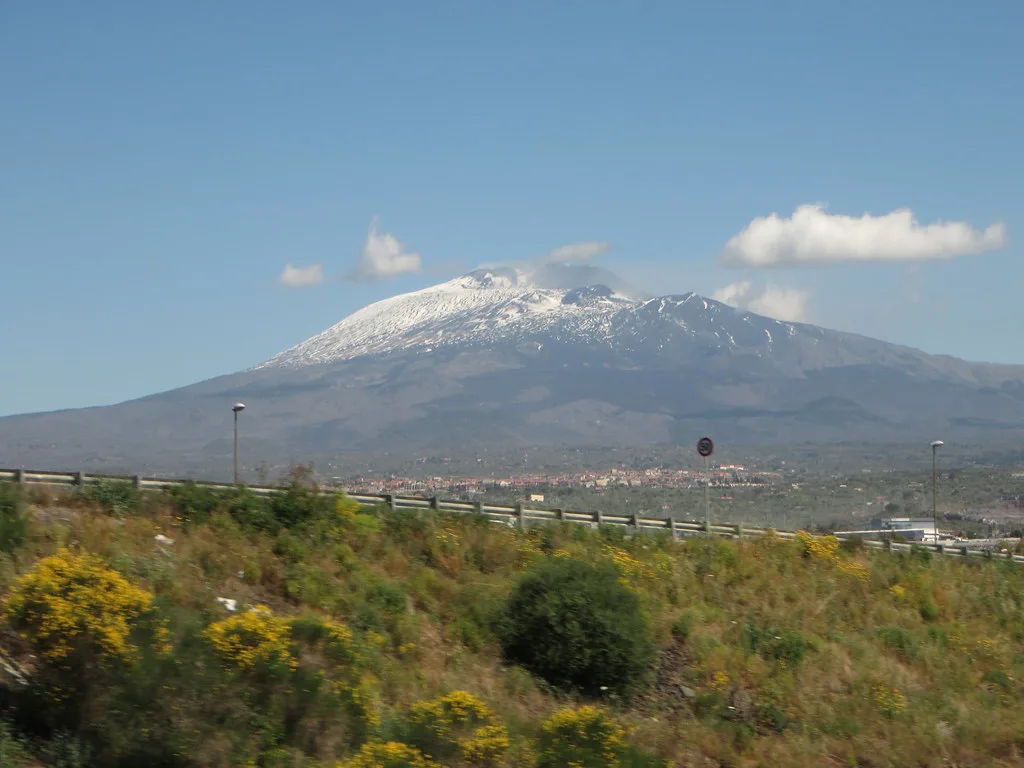
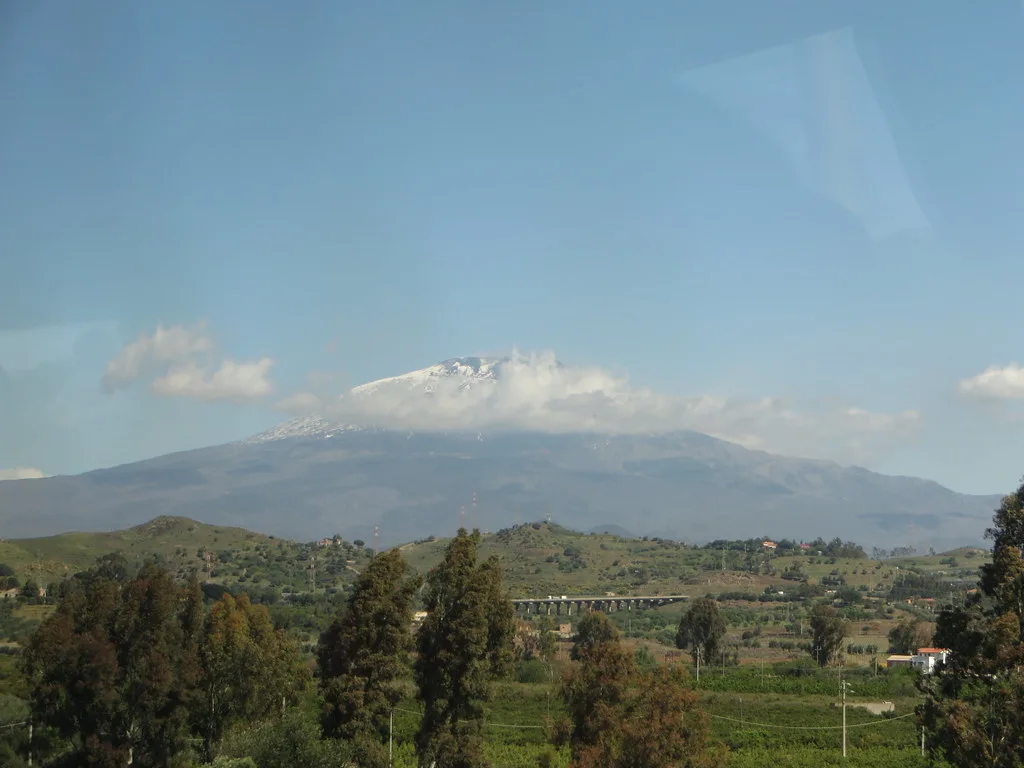
When summit access is limited, you can still see the volcano from lower ground. On the Catania side, Rifugio Sapienza, Etna: Cable Car, Jeep & Silvestri Craters Guide is the main base, and the village of Nicolosi sits below it. On the north slope, Linguaglossa and Piano Provenzana: Etna North Side Access and Seasons offer another view. The webcam fills the gaps when clouds hide the summit.
Should You Still Go? Quick Decision Checklist
Etna is worth planning around, not avoiding. Use these questions to decide whether to book, reschedule or stay flexible.
- Trip date: read when Etna is best to visit and compare it with your dates.
- Weather: mountain conditions matter as much as eruptions, so scan the Etna weather guide.
- Tour terms: prefer refundable or reschedulable bookings.
- Base: stay in Catania or nearby so you can switch slopes.
- Side of the mountain: compare options in Etna north versus south.
- Reschedule if: your flight depends on one airport and your insurance excludes ash disruption.
Frequently Asked Questions
Is Mount Etna an active volcano?
Yes. INGV classes Etna as one of the world's most active volcanoes. Its eruptions are frequent and mostly low-damage. Check the INGV bulletin for the current state.
What does Mount Etna look like right now?
Conditions change daily, so use the live feed on our Etna webcam page. Clouds often hide the summit. INGV bulletins describe any current activity.