Volcanoes Near Rome: What You Can Actually Visit
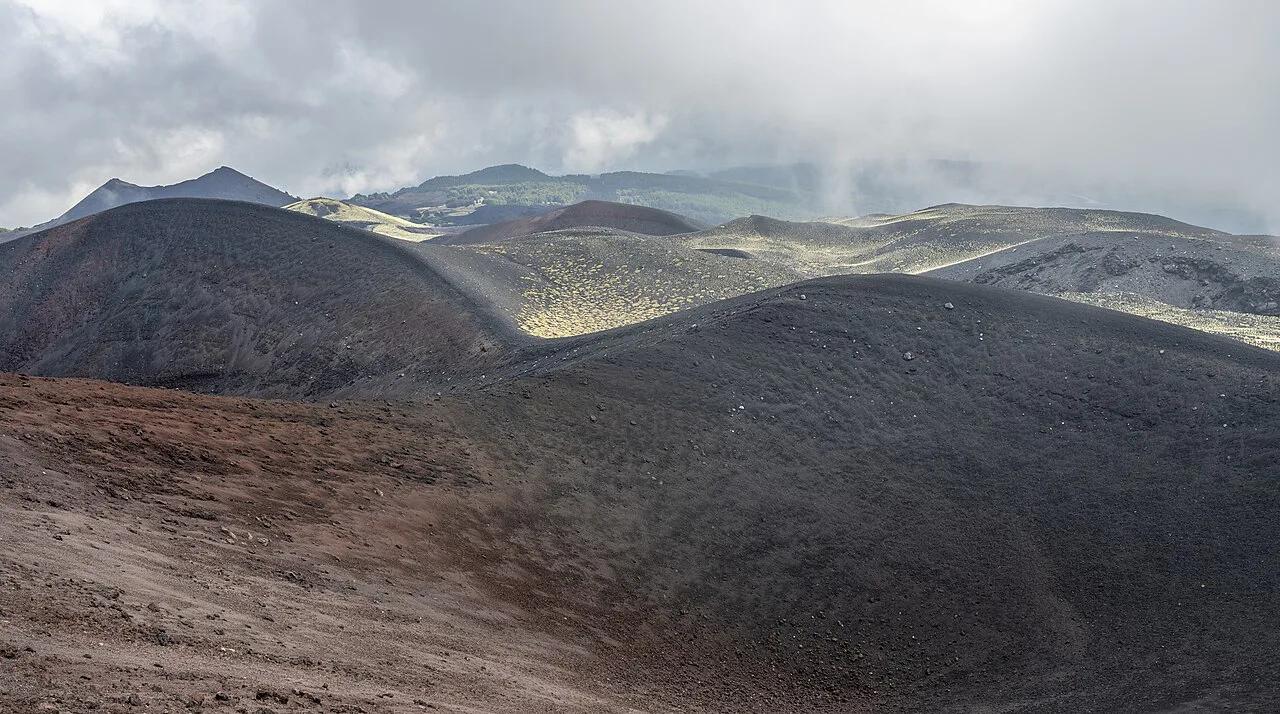
Last updated November 2026: volcanoes near Rome exist, but they are dormant crater landscapes rather than smoking cones. Colli Albani lies about 20 km southeast of the city, and Lake Albano and Lake Nemi fill old craters. Vesuvius and Campi Flegrei, the famous ones, sit near Naples and need a full day.
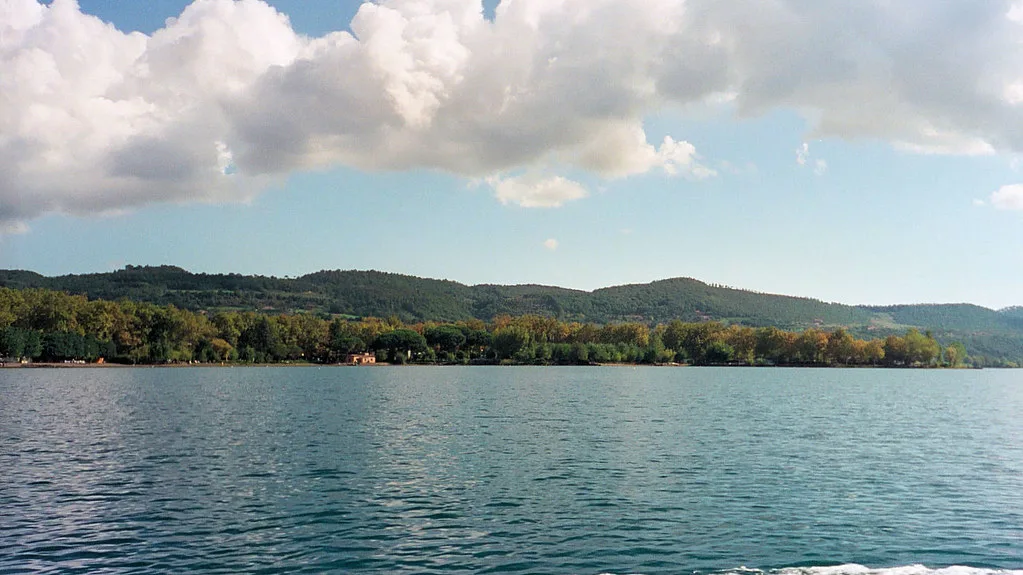
Featured image: Jim Linwood, CC BY 2.0, via Wikimedia Commons.
Quick answer: are there volcanoes near Rome?
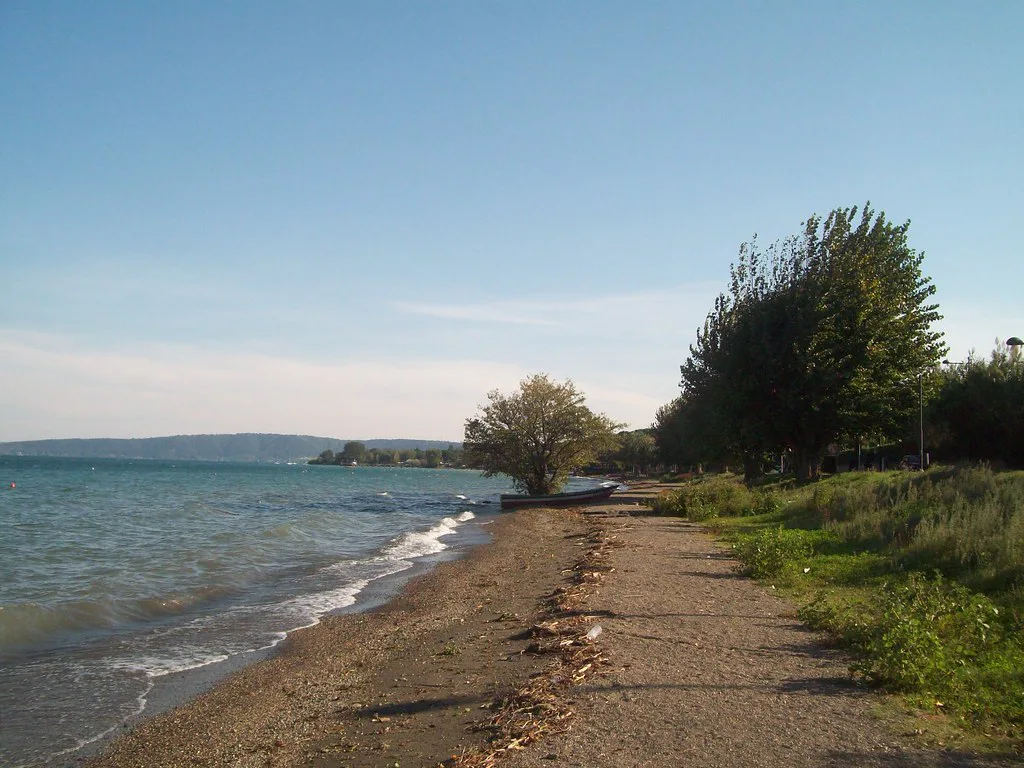
Yes. Rome sits beside the Alban Hills, a volcanic complex that is quiescent, not erupting. North and west of the city, Lazio has three more volcanic districts around Lake Bolsena, Lake Bracciano and Lake Vico. Expect crater lakes, wooded ridges and wine towns. For a real volcano with a crater trail, you need to travel to Naples. For the wider picture, see our overview of volcanoes across Italy.
- Alban Hills (Colli Albani): the easy half-day option from Rome.
- Vesuvius: the iconic cone, reached as a full day trip via Naples.
- Campi Flegrei: a quieter caldera landscape with fumaroles, also near Naples.
Volcano options at a glance
Use this table to match your time and transport to the right site. Travel times are left relative on purpose, because timetables change by season.
| Site | Where | Without a car | Time needed | What you see | Best for |
|---|---|---|---|---|---|
| Colli Albani / Castelli Romani | Southeast of Rome | Regional rail or Cotral bus to the towns | Half-day | Crater lakes, hill towns, wine | Easy, scenic outing |
| Lake Albano and Lake Nemi | Alban Hills | Town transfer from the nearest station | Half-day | Water-filled craters | Relaxed walks and views |
| Monte Cavo | Alban Hills | Limited; a car or taxi helps | Half-day | Wooded summit, ancient Jupiter sanctuary site | Hikers and history fans |
| Vesuvius | Near Naples | Train to Naples, then local transfer | Full day | Crater trail and Bay of Naples views | Classic volcano experience |
| Campi Flegrei / Solfatara | Near Naples, around Pozzuoli | Train to Naples, then local transport | Full day | Caldera landscape, fumaroles, thermal features | Quieter alternative |
The Alban Hills (Colli Albani): the volcano on Rome's doorstep
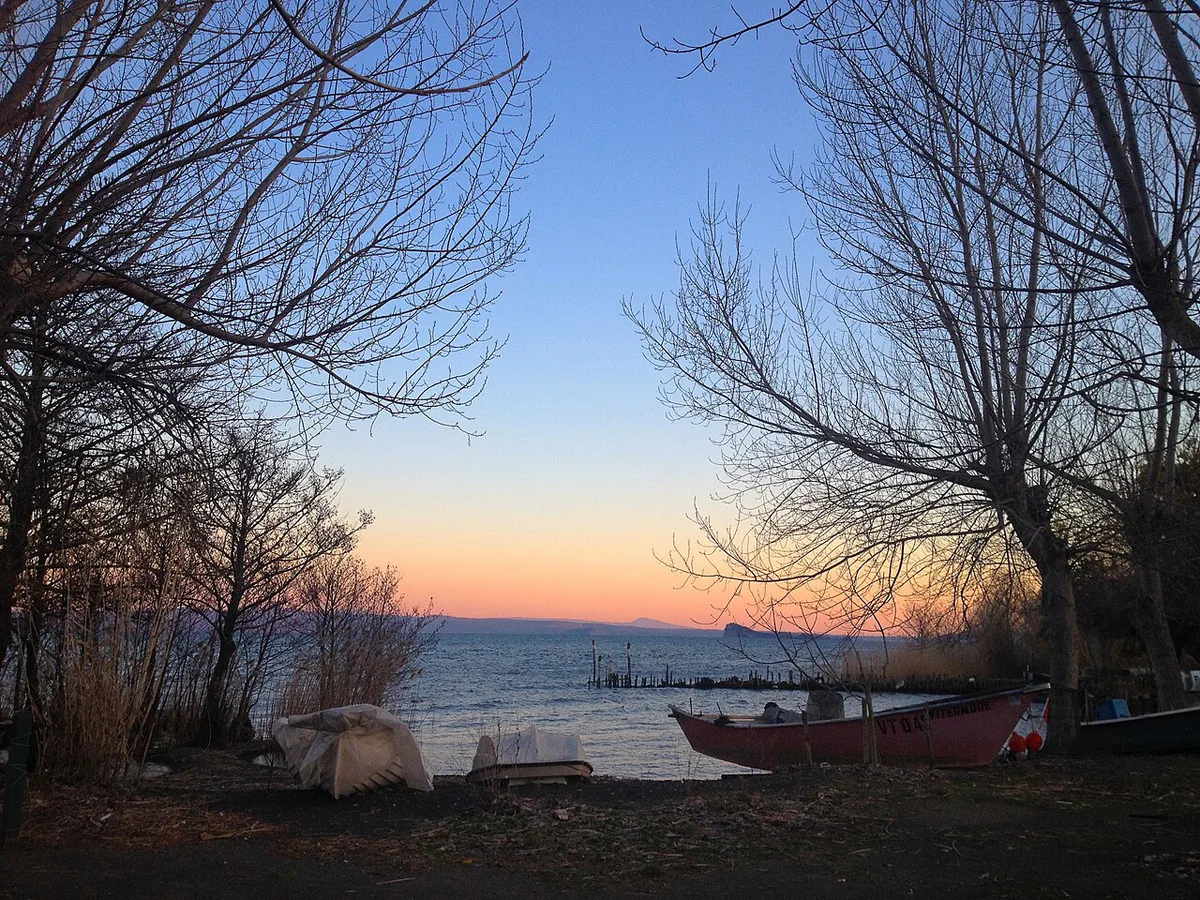
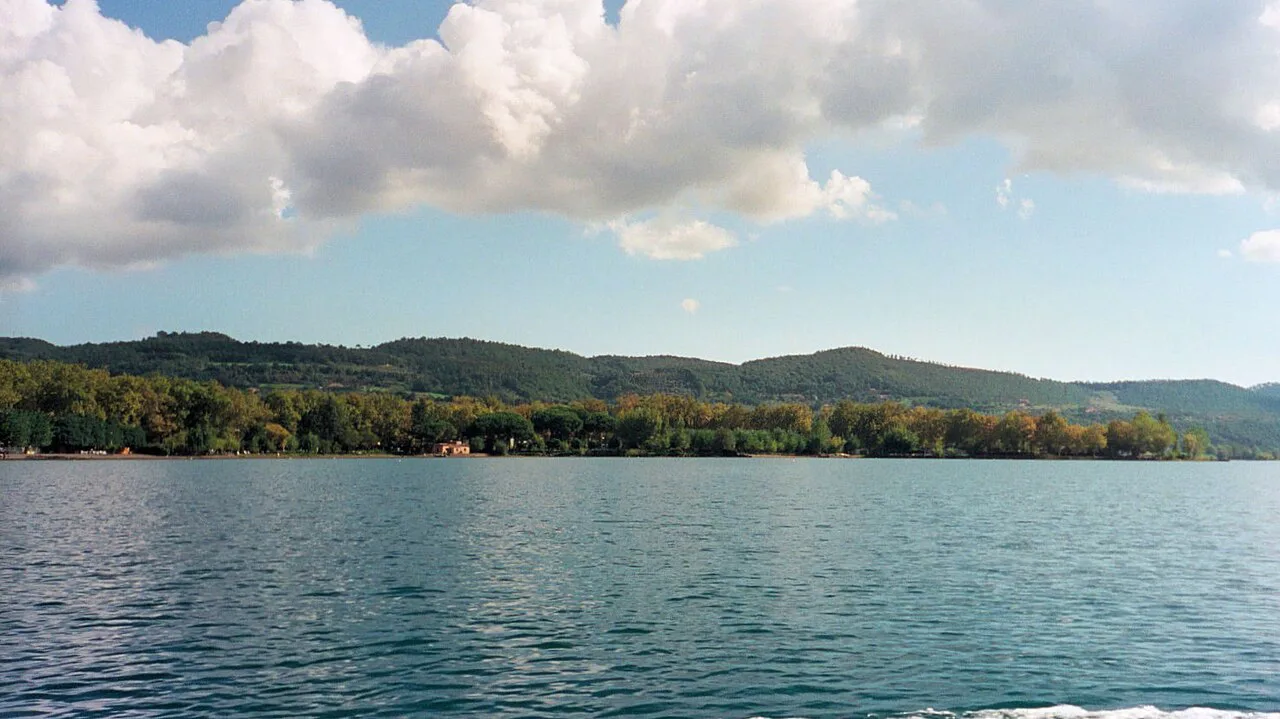
Colli Albani is a dormant volcanic complex, and its old craters now hold Lake Albano and Lake Nemi. Castel Gandolfo overlooks Lake Albano, while Frascati is the best-known wine town on the slopes. Monte Cavo carries the memory of an ancient sanctuary of Jupiter, which Romans reached on foot from across Latium. Our guide to the Alban Hills volcanic complex goes deeper on each crater.
Colli Albani sits about 20 km southeast of the city, so a regional train or Cotral bus makes it a realistic half-day without a car.
Most towns here are reached by regional train from Rome or by Cotral bus, and a car adds flexibility between lakes. The Castelli Romani regional park publishes trails and visitor information for the area. Autumn brings chestnut and wine season, and spring is mild for walking. Do not expect lava or steam. This is a landscape you read from shoreline paths and viewpoints.
Vesuvius as a day trip from Rome
Take a train from Roma Termini or Roma Tiburtina to Naples, then continue by local transport toward Ercolano and the park. Crater access, tickets and trail rules are set by the Vesuvius National Park, so check the current rules there before you book anything. Summer heat on the exposed slope is real, so carry water and wear proper shoes. Build in margin for the last train back to Rome, especially if you add Pompeii or Herculaneum. For more on this side, see volcanoes around Naples.
Campi Flegrei and Solfatara: the quieter alternative
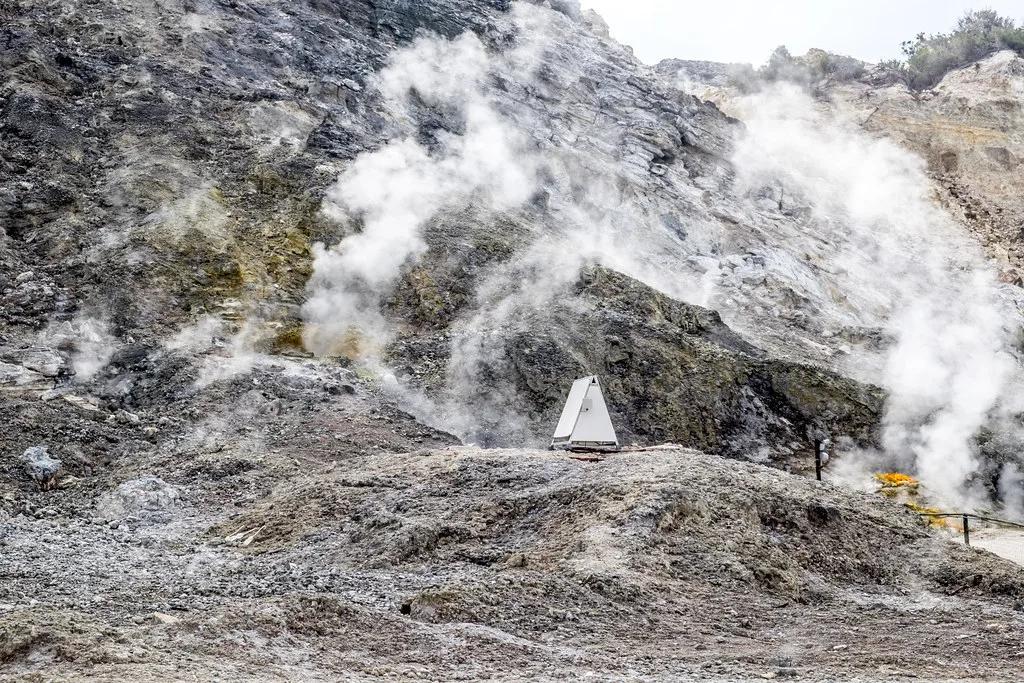
Campi Flegrei is a large caldera area with fumaroles and thermal features, and Pozzuoli is its best-known town. It suits travellers who want volcanic ground without the Vesuvius crowds. Access to individual sites such as Solfatara has changed over the years, so check current visitor access with the local operator before you go.
Which volcano near Rome should you pick?
Match the site to your constraints, then avoid the common mistakes below.
- No car: choose the Castelli Romani by regional train, or Vesuvius via Naples.
- One day only: pick Vesuvius, or the Alban Hills if you want a slower pace.
- Hikers: Monte Cavo and the crater-lake paths around Lake Nemi.
- Photographers: Lake Albano from Castel Gandolfo, or the Bay of Naples from Vesuvius.
- History fans: Monte Cavo's Jupiter sanctuary site, or Vesuvius with Pompeii and Herculaneum.
- Mistake: expecting a lava-spouting crater near Rome. The Alban Hills are quiet.
- Mistake: combining Vesuvius, Pompeii and a Rome return in one day without checking the last train.
- Mistake: underestimating summer heat and wearing sandals on Vesuvius.
Is Rome on a volcano? Safety and monitoring
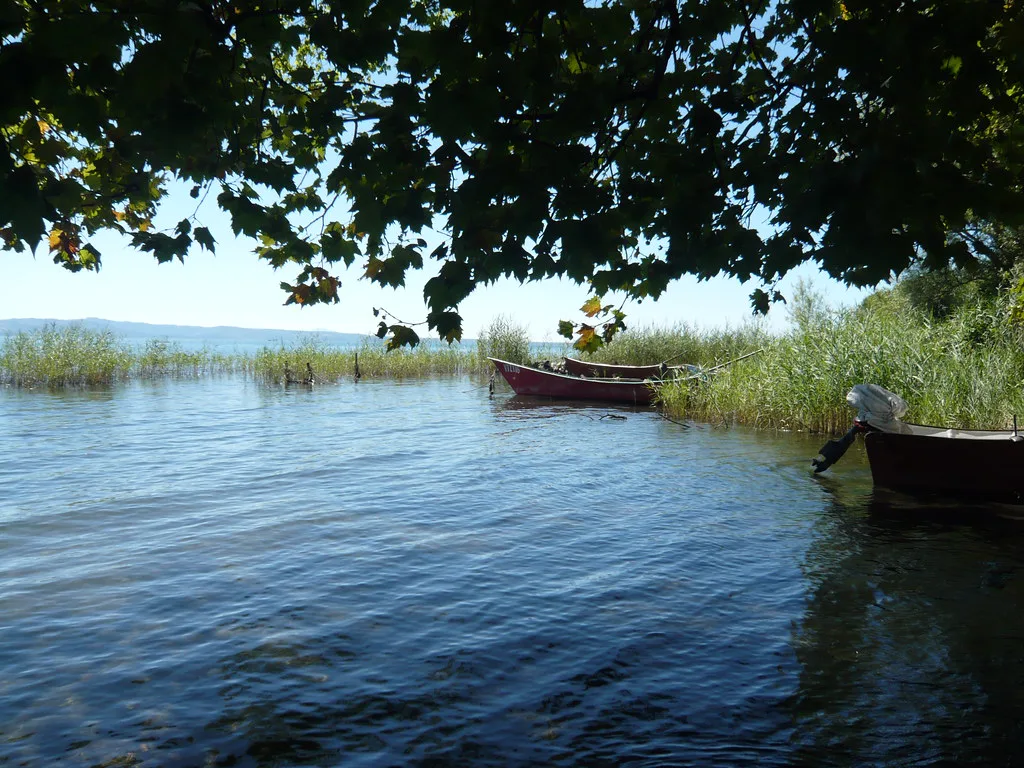
Rome's historic centre lies close to the Alban Hills volcanic complex, which is quiescent rather than erupting. Volcanic status and alert levels come from INGV, Italy's geophysics and volcanology institute. Vesuvius and Campi Flegrei are watched by the Osservatorio Vesuviano. Quiescent is not the same as extinct, so treat official bulletins as the final word. For the full list of erupting and restless sites, read about Italy's active volcanoes.
Cost, time and access trade-offs
Trains are the cheapest way to reach Naples and the Castelli Romani, but they cost you transfer time at the far end. A rental car suits the Alban Hills, where lakes and towns are spread out. It adds little for Vesuvius, where parking and park access are the bottleneck. Guided trips cost more, but they handle transfers and timing for you. Compare options on our page for guided volcano tours in Italy. Fares and tickets change each season, so use Trenitalia, Italo and the park's own ticket page for current prices. If you can fly south later, Stromboli versus Etna is the next decision, and a map of Italian volcanoes shows how far apart they sit.
Frequently Asked Questions
Is there a supervolcano under Italy?
Campi Flegrei is a large caldera area near Naples, and some describe it as a supervolcano. It is monitored by the Osservatorio Vesuviano. Follow its official bulletins for current status.
Is Vesuvius going to erupt again?
Vesuvius is an active volcano, so another eruption is possible. Nobody can give a date. The Osservatorio Vesuviano monitors it, and the national park closes access if conditions require it.