Monte Amiata: Tuscany's Dormant Volcano Visitor Guide
Last updated November 2026. Monte Amiata is a forested lava-dome volcano in southern Tuscany, rising to 1,738 m (5,702 ft) between the provinces of Siena and Grosseto. It has no crater to hike and no eruption to watch. What it offers instead is chestnut woods, mercury-mining heritage, villages at 600 to 800 m and a winter ski season.
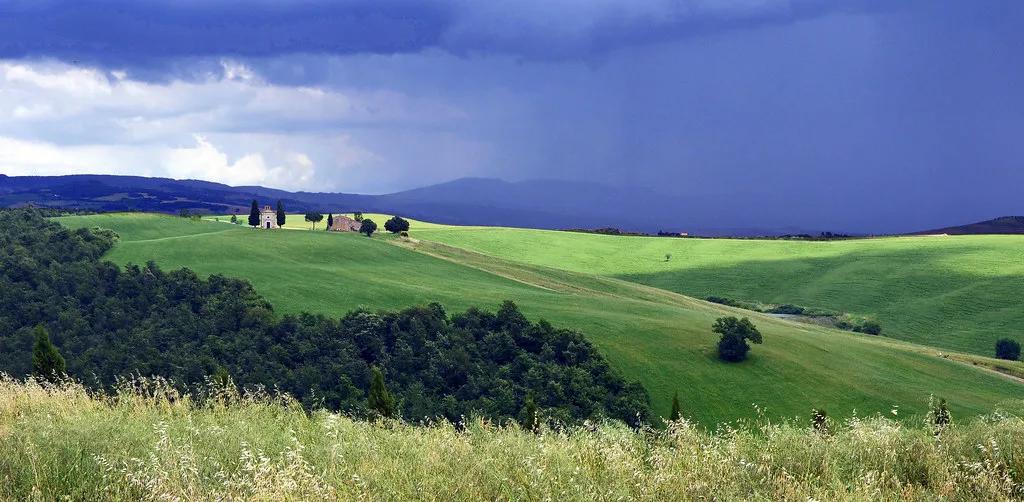
Featured image: Hervé S, France, CC BY-SA 2.0, via Flickr.
What Monte Amiata Is (and Isn't)
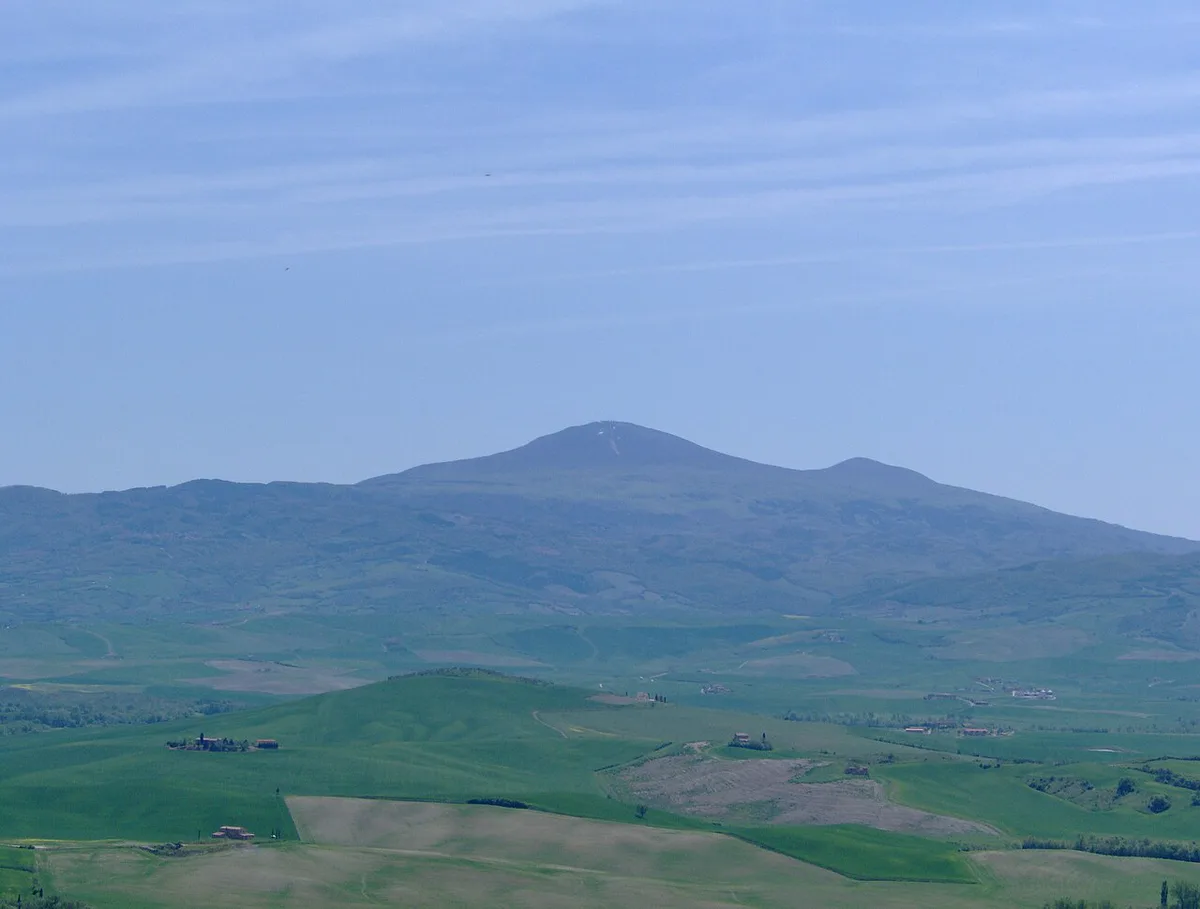
Monte Amiata is the largest lava dome in the Amiata complex, about 20 km northwest of Lake Bolsena. It stands 1,738 m (5,702 ft) high and has a prominence of 1,485 m. Smithsonian's Global Volcanism Program records no eruptive activity during the Holocene. A major eruptive episode dates to roughly 300,000 years ago, though older reference pages give longer activity ranges. Thermal activity continues at a geothermal field near Bagnore, at the southwest end of the dome complex. INGV's volcano overview explains how Italy monitors its volcanoes. Amiata is one stop in our Italian volcano guide. For mountains that still erupt, read about Italy's active volcanoes. Plan Amiata as a mountain break, not a volcano tour.
Is Monte Amiata Worth Visiting? Who It Suits
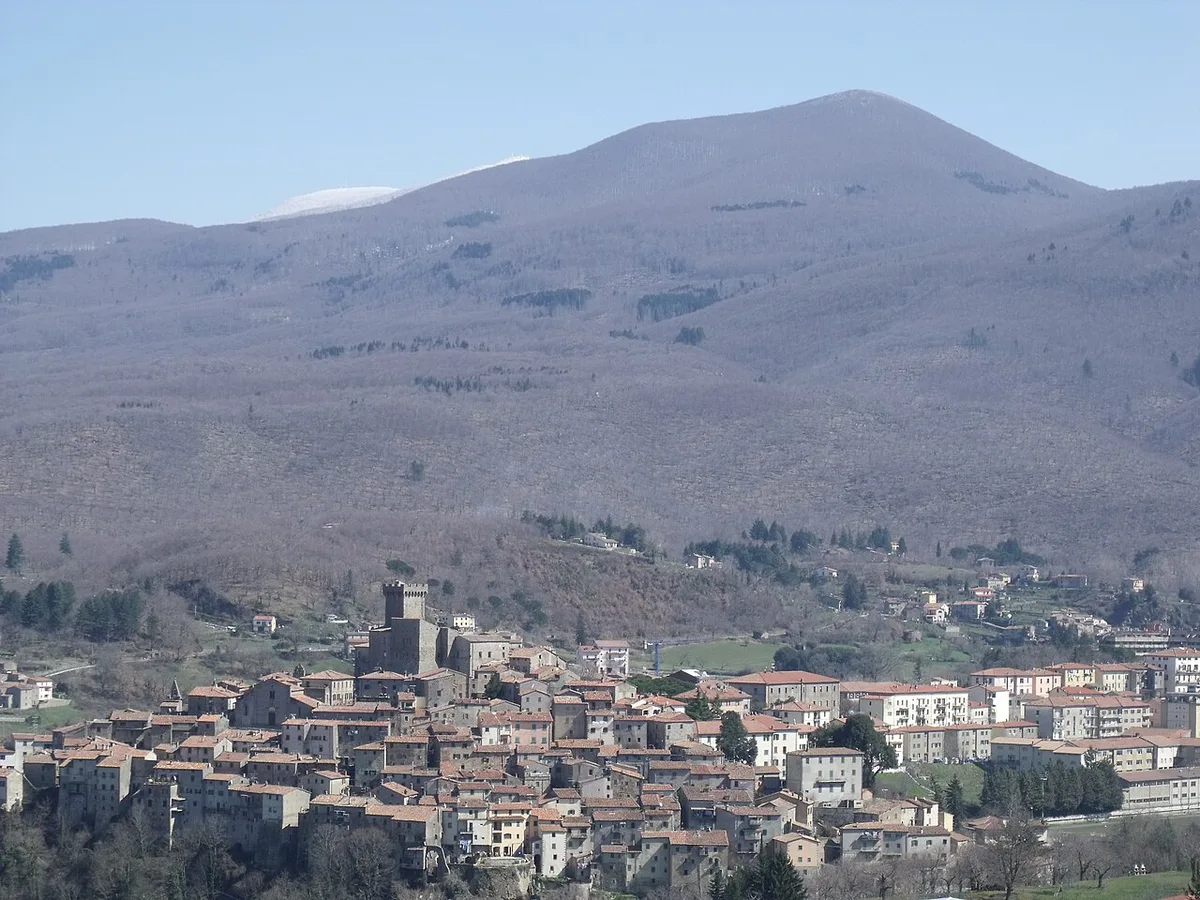
Amiata rewards slow travel. It is a good fit if you already plan a Tuscany road trip and want cooler, greener hills away from the lowland crowds. It disappoints anyone who wants lava, ash or a crater rim.
- Go if you like forest walks, village lunches, mining history and a quiet ski season.
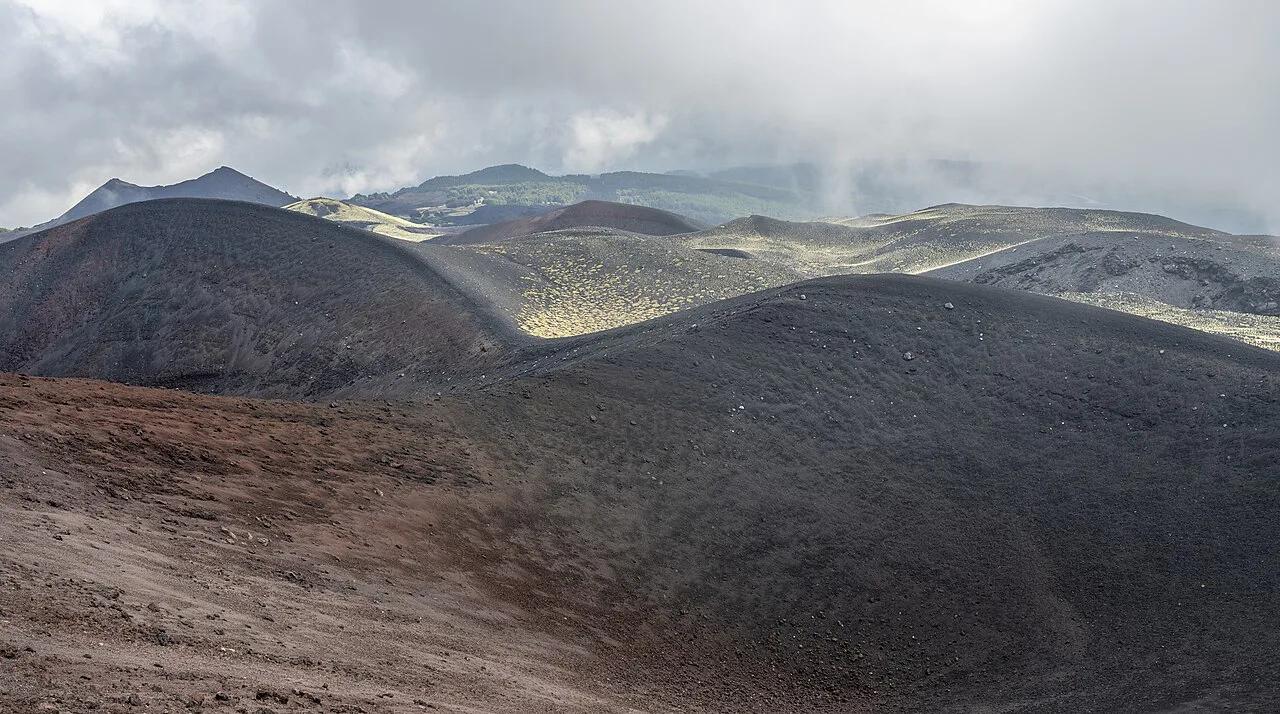
- Skip it if you want visible volcanic drama. Stromboli and Etna compared will help you choose.
- Sicily is the better base for eruptions and summit craters, as Sicily's volcano guide shows.
- Rome-based travelers short on time have closer options in Volcanoes Near Rome: What You Can Actually Visit.
The Volcano You Can See: Geology, Vents and Hot Springs
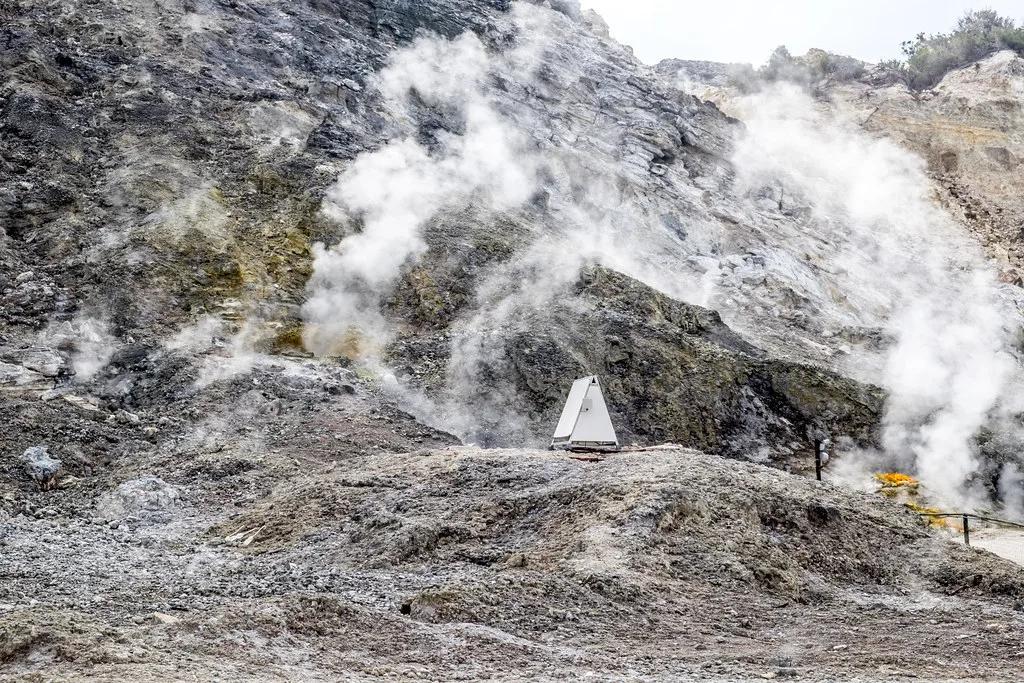
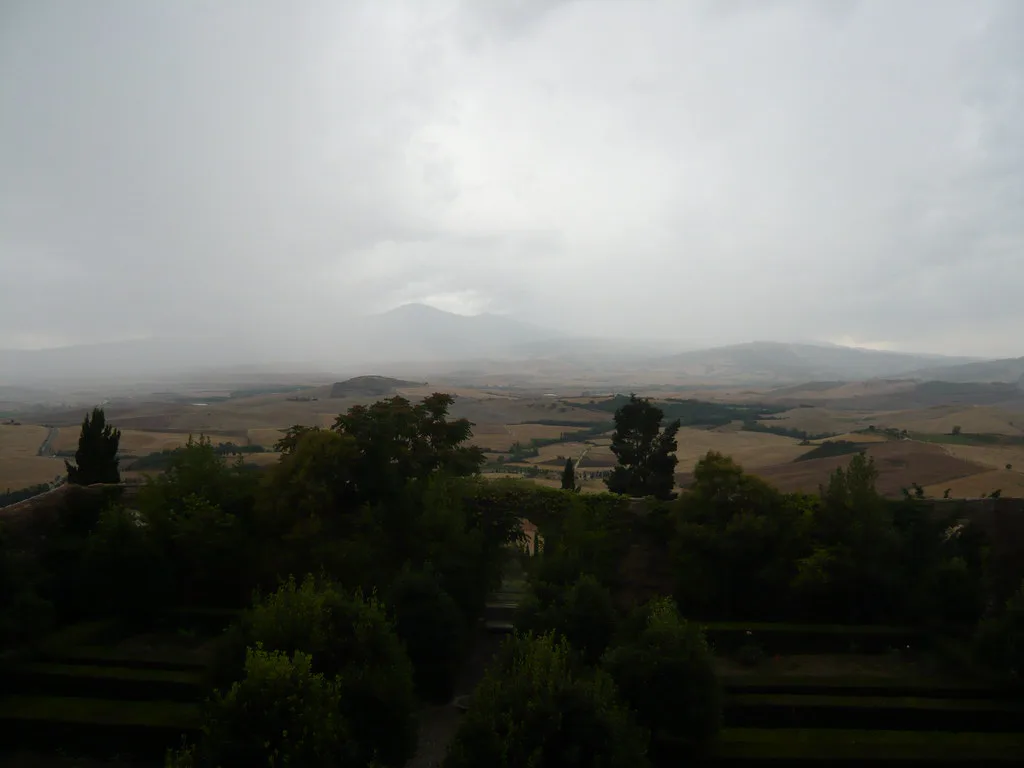
Amiata is a compound lava dome with a trachytic flow reaching east. A viscous lava flow 5 km long and 4 km wide spreads from beneath the southern base of the Corno di Bellaria dome. Reference material describes at least eight major lava domes along the main fault trends. Bagnore's steam vents feed geothermal energy production, so this volcano still does work. Cinnabar mineralization continues in the same geothermal field. Saturnia and Bagno Vignoni belong to Tuscany's wider thermal tradition but are not on the mountain. Check each spring's location before you plan a soak.
Best Things To Do on Monte Amiata
Most visits combine forest, villages and history. Pick two or three of these rather than rushing all of them.
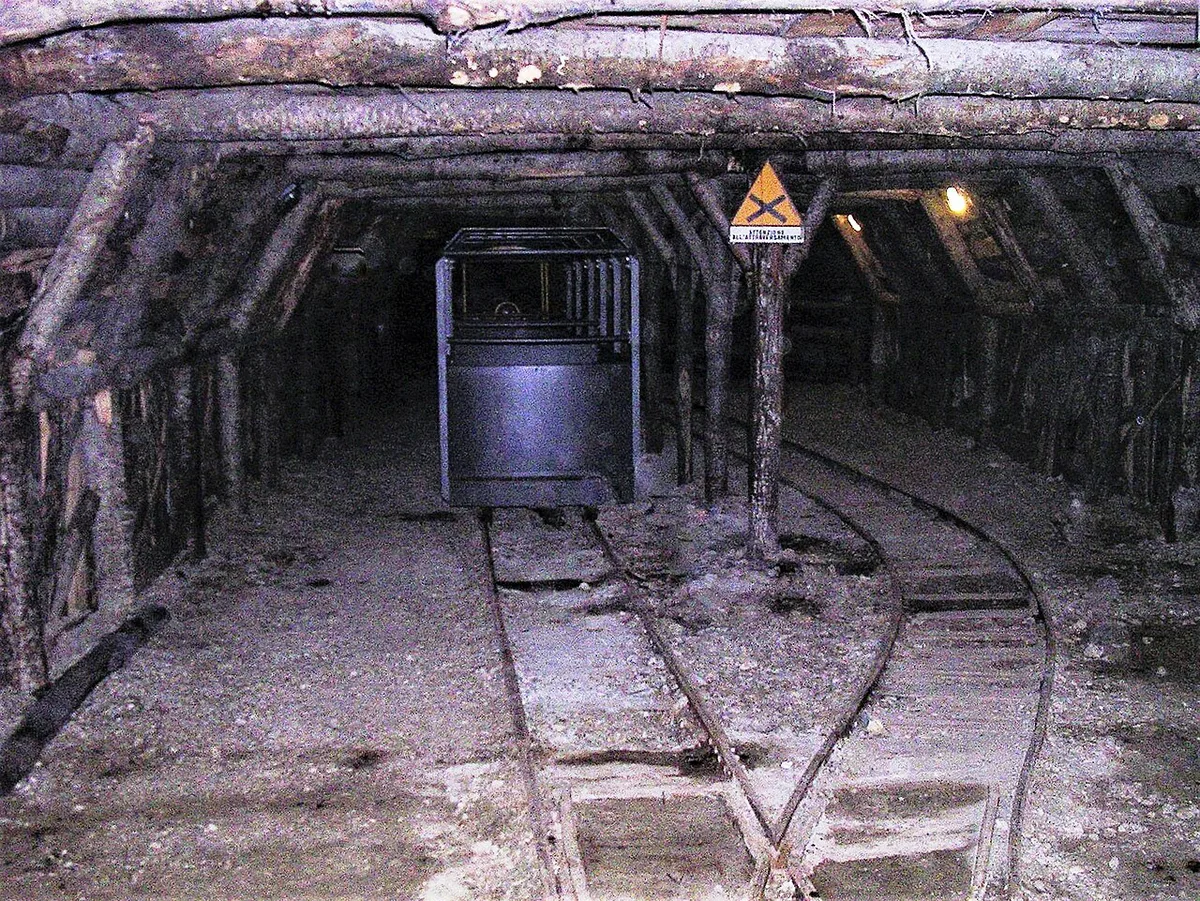
- Mercury mines museum: cinnabar was extracted here from the 1870s until around 1980. This is the strongest reason to visit that Etna or Vesuvius cannot offer.
- Chestnut, beech and fir forests: chestnuts are among the main economic resources of the region, and the woods suit slow walking and cycling.
- Santa Fiora: a medieval village known for Della Robbia ceramics and the sixteenth-century Peschiera basin at the source of the Fiora river.
- Seggiano: known for Olivastra Seggianese olive oil and the mountain stew scottiglia.
- Monte Labbro: a neighboring dome complex with the tower built by the preacher David Lazzaretti.
- Merigar: a Dzogchen study center above Arcidosso, founded in 1981, with grounds open to walk.
Summit, Hiking and Winter Season
The summit area is the main draw for walkers in warmer months and for skiers in winter. Wikipedia names Prato delle Macinaie, Prato della Contessa, Rifugio Cantore and Pian della Marsiliana among the ski areas. Lift status, snow cover and road conditions change by the week. Look at the official ski operator and comune pages before driving up. On clear autumn days, the views from the top reportedly reach the Apennines and the Tuscan islands. Without ski gear, winter still suits snow walks and village lunches. Avoid arriving unprepared after snowfall.
- Mistake: expecting a crater or lava at the summit.
- Mistake: heading up in winter without checking road and lift status.
- Mistake: assuming every Tuscan hot spring sits on Amiata.
- Mistake: relying on buses without checking a current timetable.
Where to Base Yourself: Village Comparison
Six comuni sit on the mountain, all between 600 and 800 m. Pick by what you want to do each day.
Six villages sit all between 600 and 800 m, so altitude will not decide your base. Pick by the activity you want each day.
| Village | Best for | Trade-off |
|---|---|---|
| Abbadia San Salvatore | Summit and ski access, main base | Larger and busier than its neighbors |
| Arcidosso | Merigar and Monte Labbro | Fewer ski services |
| Castel del Piano | Quiet mid-mountain stay | Less sightseeing in town |
| Piancastagnaio | Medieval character | Smaller choice of places to eat |
| Santa Fiora | Della Robbia art, Peschiera basin, summer music | Further from the summit |
| Seggiano | Food and olive oil | Very small, so book ahead in season |
Getting There and Getting Around
A car gives the most freedom, because villages and trailheads are spread across the mountain. Mountain roads climb and wrap around the dome, so allow extra time. Winter tyre or chains rules apply seasonally, so check local rules before a winter drive. Public transport is thin, so confirm bus links with the regional operator. Rome-based readers can compare options in Volcanoes Near Rome: What You Can Actually Visit. Visit Tuscany lists regional transport and tourism contacts.
When to Go and How Long to Stay
A half day covers one village and a short forest walk. A full day adds the mining museum or summit area. An overnight stay lets you combine hiking, a village dinner and a second morning on the mountain. Two nights suits visitors who also want a spring walk or a winter ski day.
| Season | What to expect | Best activity |
|---|---|---|
| Winter | Snow and ski season | Ski areas, snow walks |
| Spring | Greening woods, mild days | Forest walks, villages |
| Summer | Cooler than the Tuscan lowlands | Hiking, cycling, Santa Fiora events |
| Autumn | Chestnuts, mushrooms and foliage | Food trips, scenic drives |
Costs, Opening Hours and What to Book
Prices and hours checked November 2026. Parking, lifts, museum entry, spa days and meals all vary, so confirm each on the official site of the operator or comune.
Monte Amiata vs. Other Italian Volcanoes
Amiata is old, forested and quiet, while the volcanoes below are active or geologically younger. Roccamonfina is another Italian volcano with forested slopes. Colli Albani (Alban Hills): Volcano Day Trip from Rome sits near Rome, and Monte Vulture Guide: Lakes, Craters & How to Visit is a further dormant option. Use our Italian volcano map to place each one. Guided options are covered in Volcano Tours Italy: Etna, Stromboli, Vesuvius Compared, though Amiata is not a typical tour stop.
| Volcano | Character | Pick it for |
|---|---|---|
| Monte Amiata | Lava dome, no Holocene eruptions | Forests, villages, mining heritage |
| Etna | Active, summit craters | Eruption watching, guided treks |
| Stromboli | Active, frequent explosions | Night walks and sea views |
| Vesuvius | Active, close to Naples | Crater rim and Pompeii day trips |
Frequently Asked Questions
What is the highest mountain in Tuscany?
Amiata is the highest peak of its volcanic area at 1,738 m, but it is not the highest in the region. Tuscany's tallest summits lie in the northern Apennines. Treat Amiata as the region's volcano mountain, not its top peak.